Category Archives: Movies

Moving pictures for snappers

Ennio

A giant passes.

It’s no accident that many of the greatest movies made include the credit “Music: Ennio Morricone” and, indeed, one easy way of watching the best of the best is to simply search on that statement.

The Italian master died today, aged 91, further proof that there is no God. Were that the case we would not have scum in #10 and in the Oval Office, and Ennio would still be happily composing.

It’s hard to know where to begin when speaking of his music, a visual style which probably originated with Prokofiev and his story telling “Romeo & Juliet” score. But Ennio was unconstrained by traditional instruments as even a casual listener will hear in his “Man with no name” Eastwood/Leone trilogy of westerns, movies which redefined the Western genre and made a star of Clint Eastwood. The famous theme in “The Good, The Bad and The Ugly” is played on an ocarina, and the sound track includes whip cracks and various other artifacts of a western life. Move on to “Once Upon a Time in the West“, the definitive American western, also directed by Sergio Leone, and you have the pan pipe theme which defines the gunman on a mission, Charles Bronson. The comedic offset, Jason Robards, is represented by a honky tonk theme whereas Jill, the whore with a heart of gold, is portrayed in soaring magnificence, never more than when exiting the new railroad station to a rising camera which literally shows how the west was won. It’s called the railroad. Ennio was to repeat the pan pipe theme in the early, childhood section of “Once Upon a Time in America”, again helmed by Leone, a long retelling of the Jewish mob’s rise to prominence in prohibition New York.

And Ennio was not just about expressionist excess. Take a listen to his score for “Cinema Paradiso”, the telling of a young boy’s discovery of the cinema or, better yet, what is probably the master’s greatest composition, the score for “The Mission” which documents in searing detail the fight between Brazilian and Portugese colonists for the heart of the Guarani tribe and establishment of what we now know as Brazil. (The Portugese won, as the native language of the Brazilians discloses).
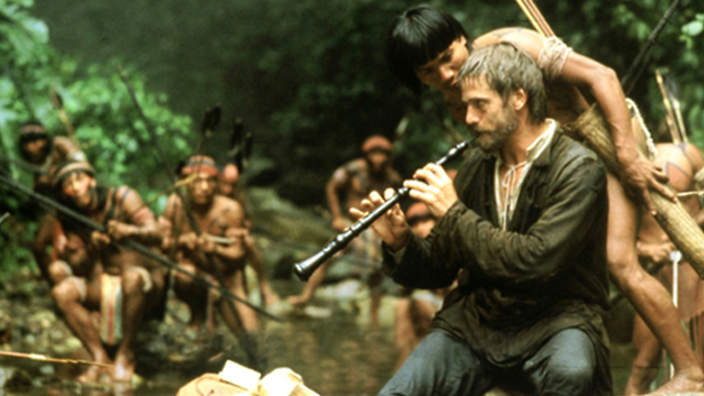


Jeremy Irons plays the main theme of ‘The Mission’ on the oboe.

Watch some Ennio and see what great movie music is about.
The winter of our discontent

Hopefully, history repeats.


“Now is the winter of our discontent
Made glorious summer by this sun of York”

Those opening lines of Shakespeare’s Richard III are the most elegant and complex ever penned in English. Replete with metaphor, pun, humor and egotism, they say everything about the speaker, the future Richard III of England, a murderous psychopath whose two year reign came to a sticky end at the Battle of Bosworth Field in 1485. That same battle saw the end of the Plantagenet and York dynasties.

America and the world is now confronted with a like psychopath and murderer, the abomination which occupies the Oval Office. The ‘T’ word, used in this household, is rewarded by a quick exit for the speaker, the front door shown with alacrity. Rather, the only acceptable usage is ‘Pig’, the preposition dropped as a nod to Pig’s appalling spouse, the Slovenian Slut, chest by Dow Chemical.

Why this mention of Richard III?

First, because hopefully history repeats and Pig gets his equivalent of Bosworth Field very soon. Richard’s dying cry of “My horse, my horse, my kingdom for a horse” will be equally apt in Pig language, with the sole change being that ‘horse’ is replaced with ‘lawyer’.

Second, because my son’s Shakespeare studies in his last semester as a senior at prep school are now focused on this finest of plays, one which reminds me of my teen years, for I am vicariously piggybacking on his work.

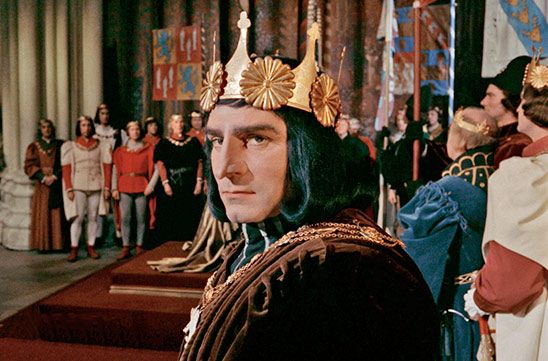
Those teen years saw me watching Laurence Olivier’s 1955 film of the same title, easily the most chilling performance committed to celluloid. And we will be watching it later this week, ever hopeful that Richard’s fall from his horse is emulated by Pig and his ‘dynasty’ of spawn:


Richard, with attendant sycophants. Look familiar?

You should watch it too.

A note to Pig voters: This blog is about Photographs, Photographers and Photography. It ordinarily eschews politics. However, at this time of national tragedy, a tragedy whose number of deaths has been compounded by a psychopath masquerading as President, it is every American’s duty to protest loudly and to work for regime change. If you voted for Pig last time and have come around to seeing the error of your ways, all well and good. We all make mistakes. However, if you still fall in the trap of believing that Pig is making America great again and propose voting for him again, not only are you emphatically not welcome here, your very presence disgusts me. Do the right thing. Go elsewhere with your stupidity, your ignorance and your bigotry.

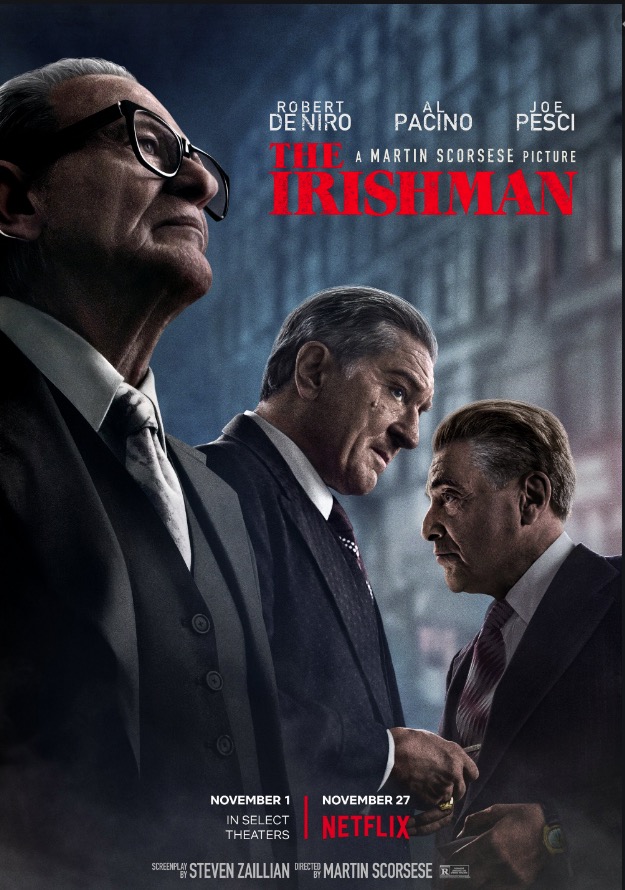
How to make $100 million

There’s one born every minute.


For that sort of money, you would think they would
at least get the order of the names correct.

The press would have us believe that Martin Scorsese’s latest (let’s hope it’s his last) gangster flick cost $160mm to make.

Uh huh.

Let’s see now, $10mm apiece to the three stars and the director, $20mm for everyone else and there’s $100mm missing. Doubtless The Mob got it for providing all the ‘de-ageing’ technology the movie is being sold on.

I have no issue with long movies if the content and delivery are good. The Godfather series, anything by Sergio Leone, they are all long and very good indeed. But this car wreck of a self-indulgent three-and-one-half hour snoozefest is an abomination, pure and simple. Plotless and directionless, it does at least have one purpose – to serve as background noise when you make the Thanksgiving turkey feast.

Mercifully, mine was free on Netflix as part of a new subscription, now cancelled. You would do well to contemplate like action for a public company so naïve as to waste its shareholders’ money thus.

Wegee and The Public Eye

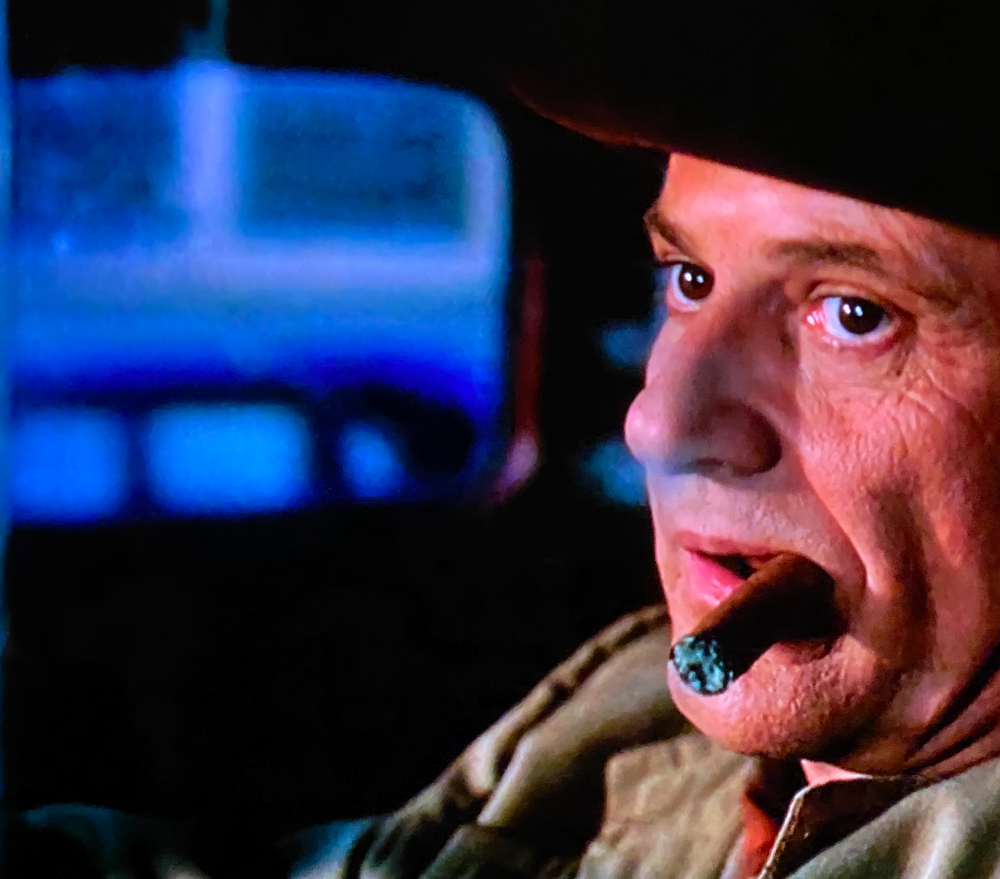
Joe Pesci at his best.

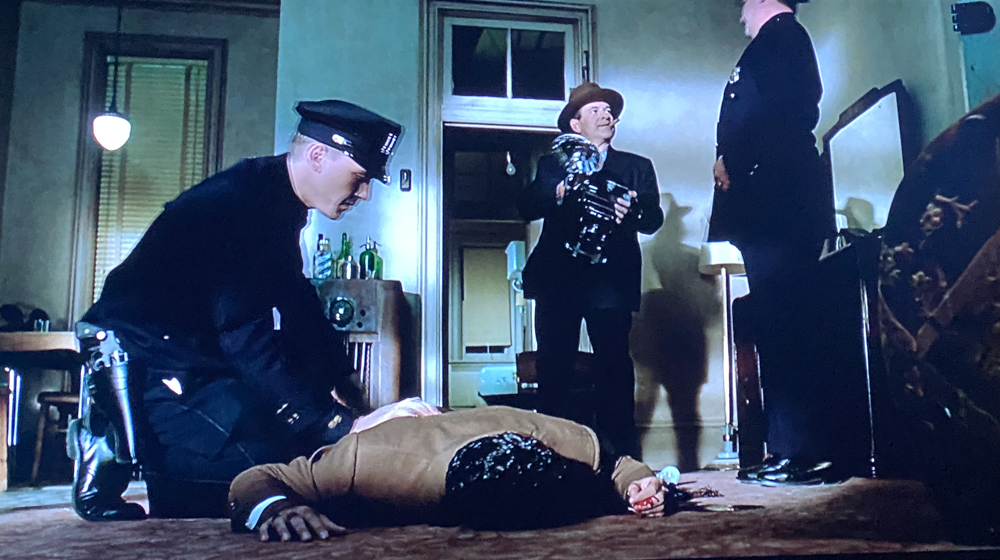
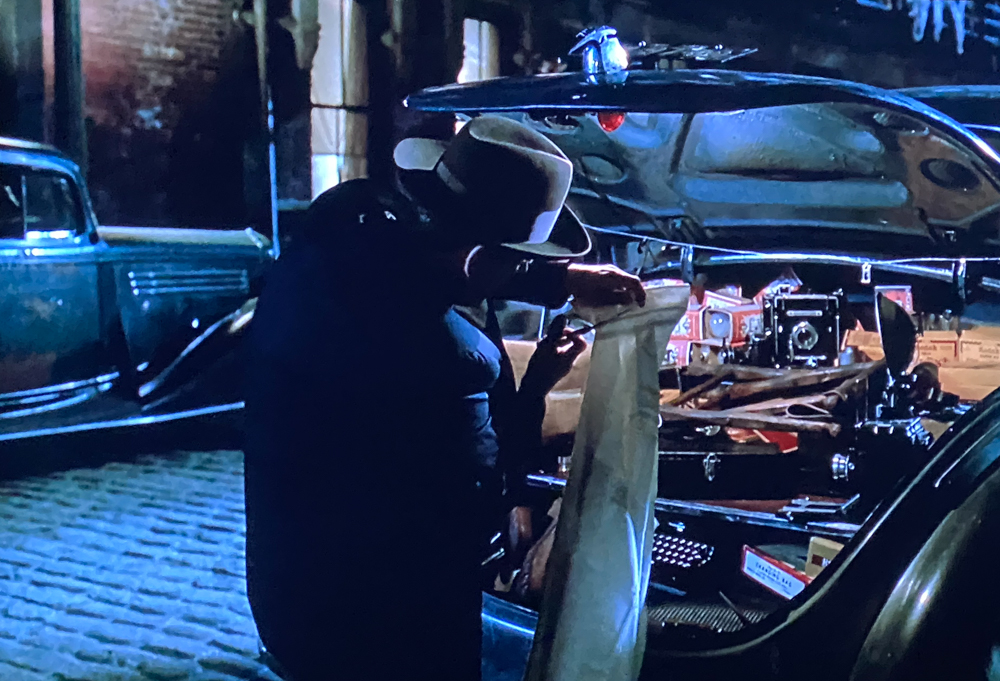
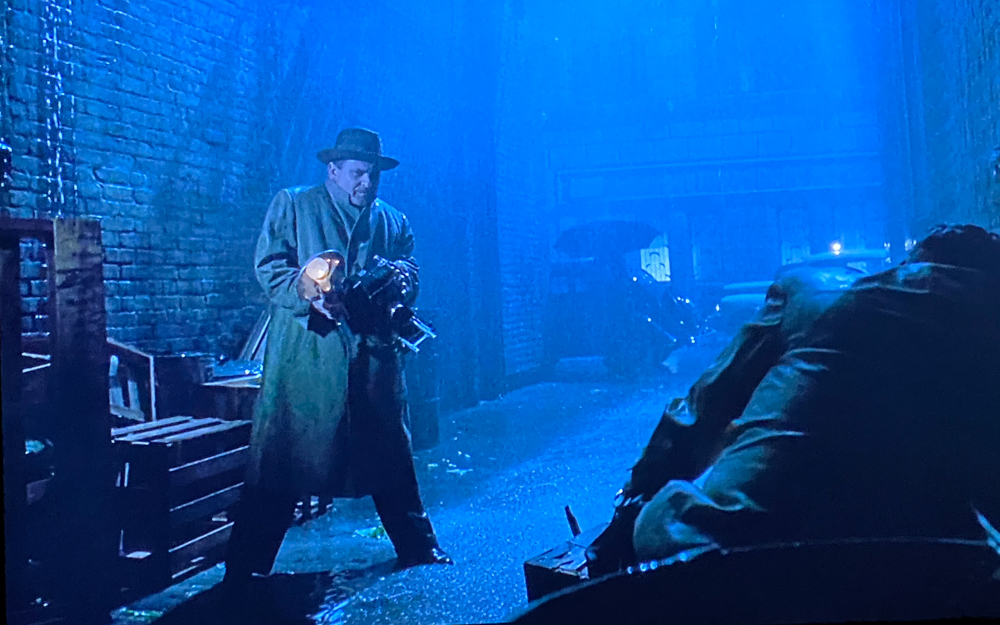
Arthur Fellig, who went by the name Weegee, was a 1930 and 1940s New York street snapper who made his name with gruesome monochrome images of street murders, as often as not involving the mob. He installed a police band radio in his car, allowing him to listen in on the dispatcher and arrive first at the scene, scoring hundreds of scoops.

He was arguably the first freelance photographer, one to whom any latter day self respecting paparazzo owes his living. A larger than life – if small in stature – man like that would be a natural for a biopic, you would think, and indeed such a movie was made. It is called The Public Eye and stars one of the finest actors of his generation, Joe Pesci. Sadly, a confused plot along with poor editing and marketing made the movie a flop, but there’s lots for any photographer – and any Pesci fan – to enjoy.


At one of many scoops.


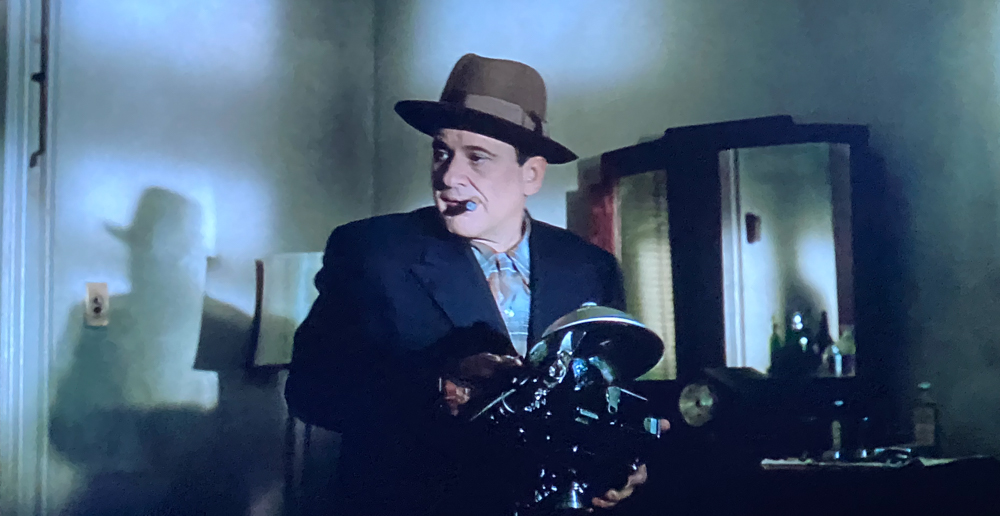
The 4 x 5 Speed Graphic he used was huge.
5 seconds between shots – flip the dark slide and film holder and pop in a new bulb.


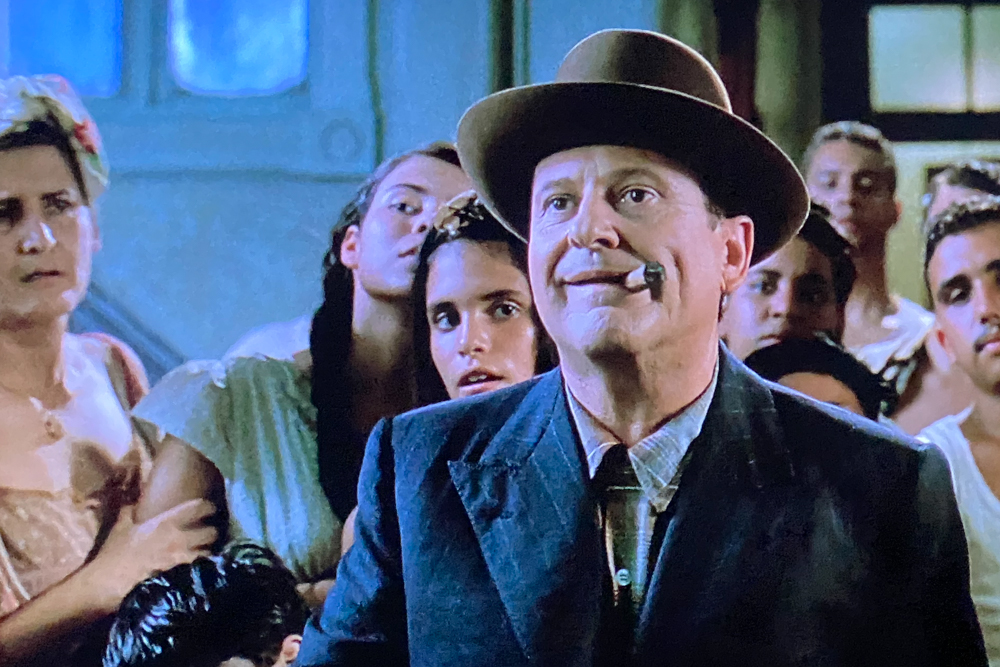
The oversize hat emphasizes Pesci’s diminutive stature.


Just look at this attention to detail – Remington typewriter,
spare flash bulbs, Speed Graphic, you name it. Ford Deuce Coupe.


Integrity was not Weegee’s guiding force.
Here he sets up a shot of a dead bum in an alleyway.


Noo Yawk at night – a magic moment.


A much underused actor with great range.


More of the same.


Recommended to all photographers and movie lovers who are willing to overlook the movie’s shortcomings.

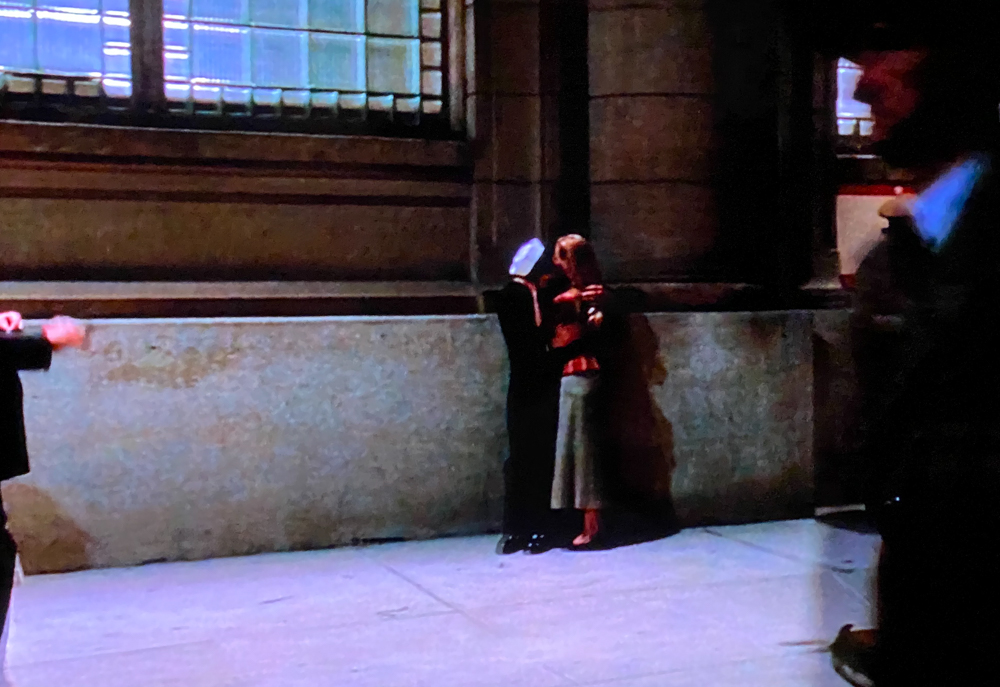
As for Weegee, he was quite probably the worst photographer to ever take a breath, but then it was shock not art that was his stock in trade. He did once take a really great photograph, and it is this he is remembered by:


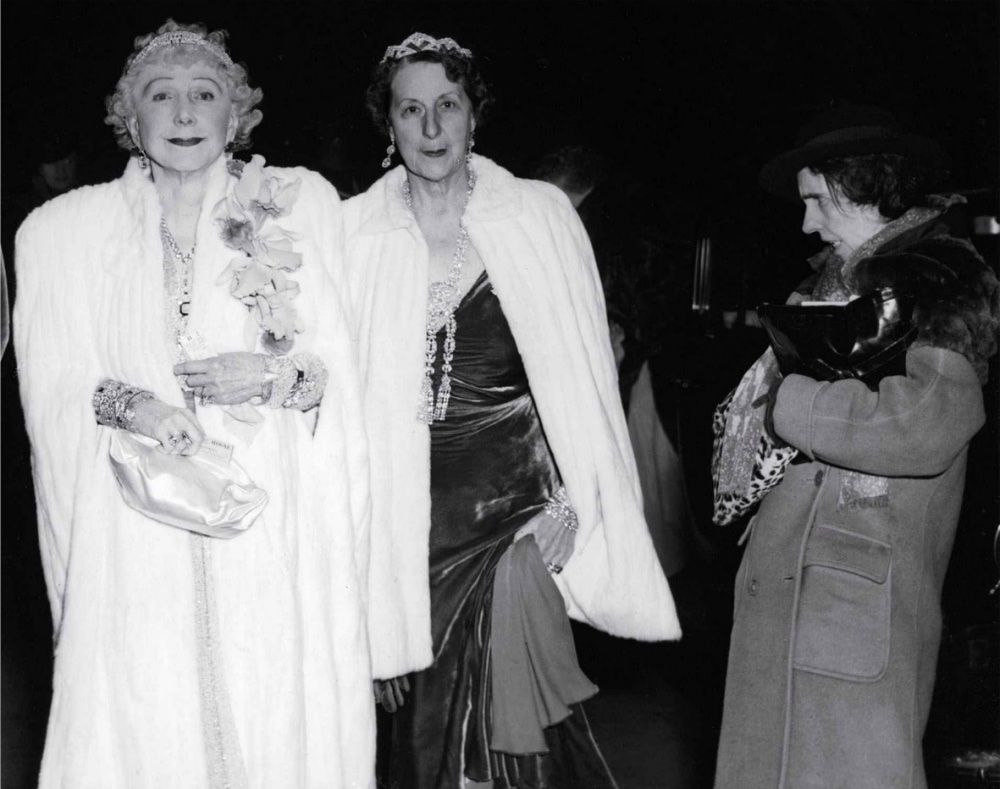
Weegee’s ‘The Critic’, 1943.

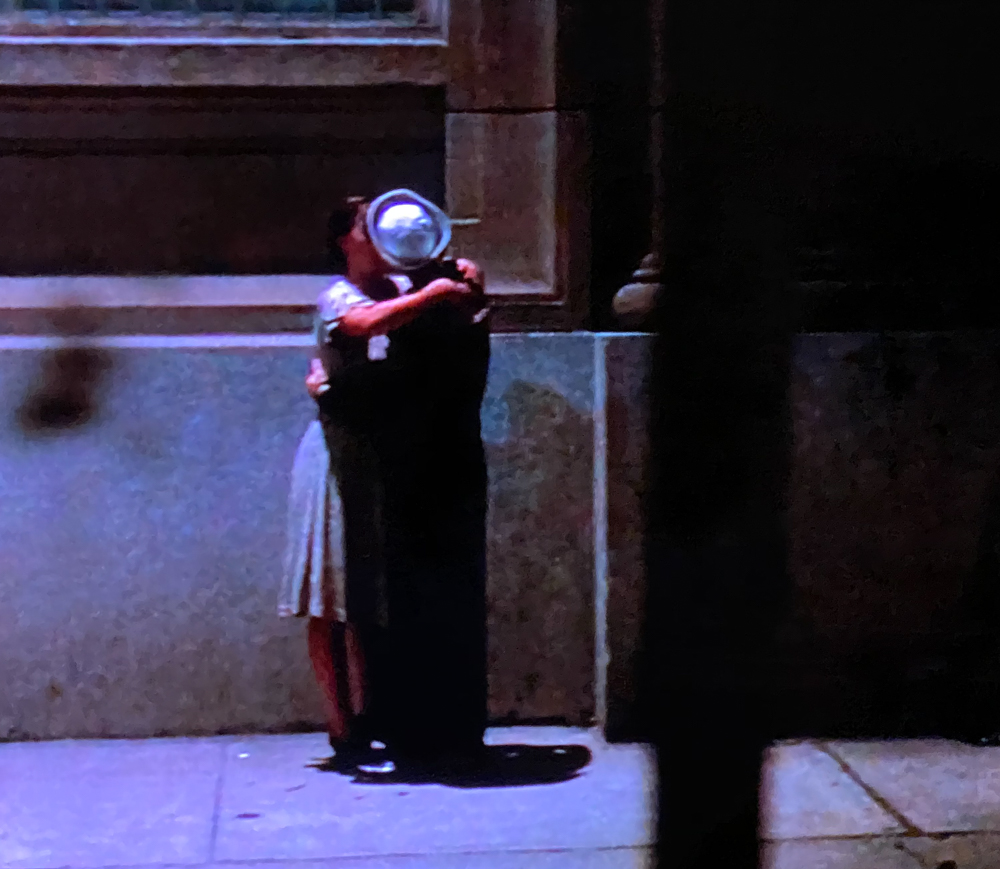
And like Doisneau’s ‘The Kiss’, it was carefully posed. And, like with his mainstream work, the picture shows nothing but corpses.

The Young Girls of Rochefort

Eye candy.

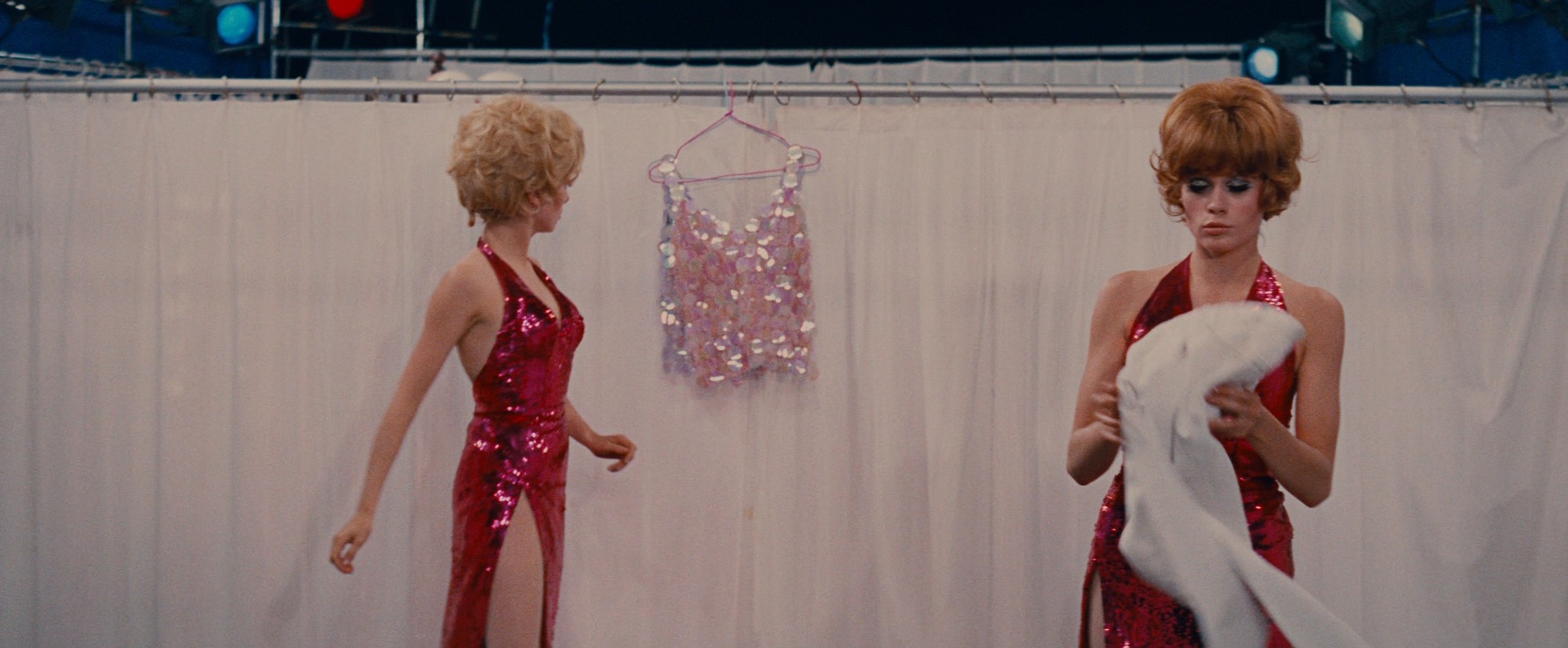
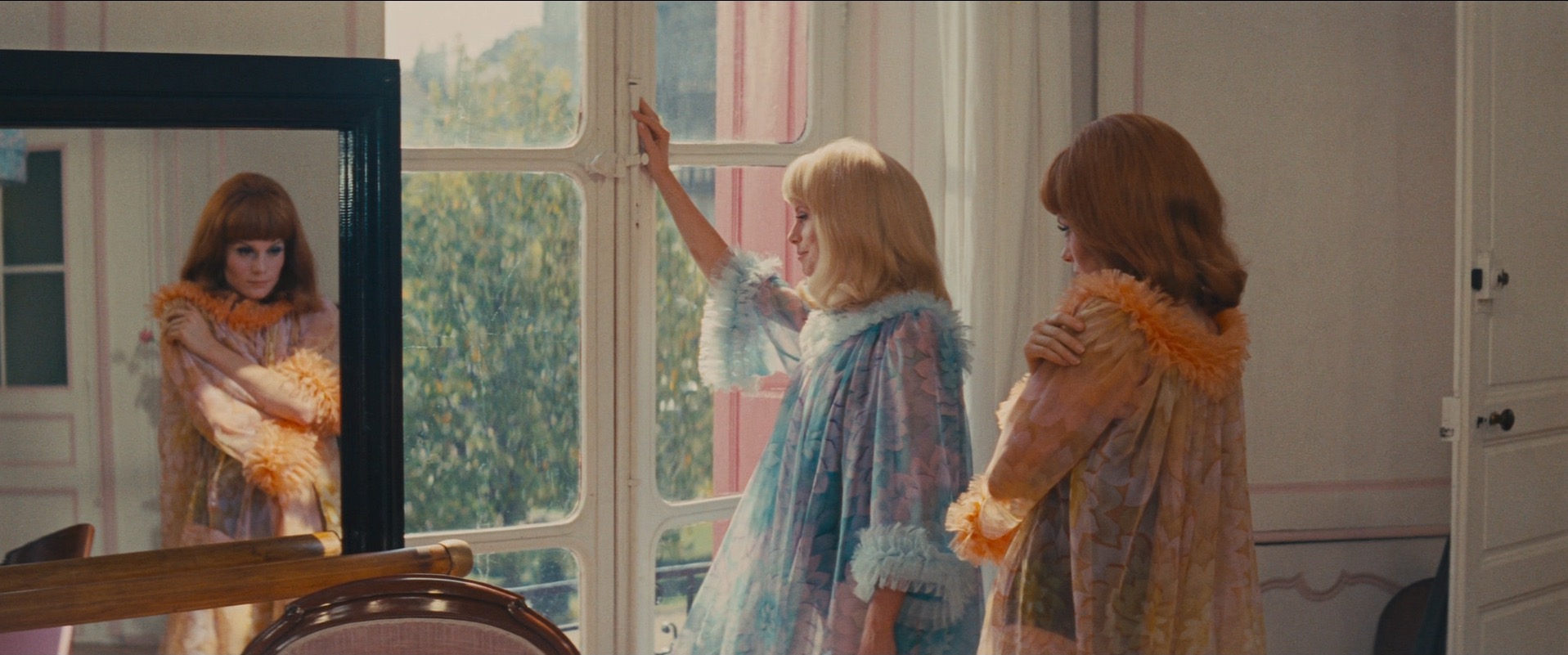
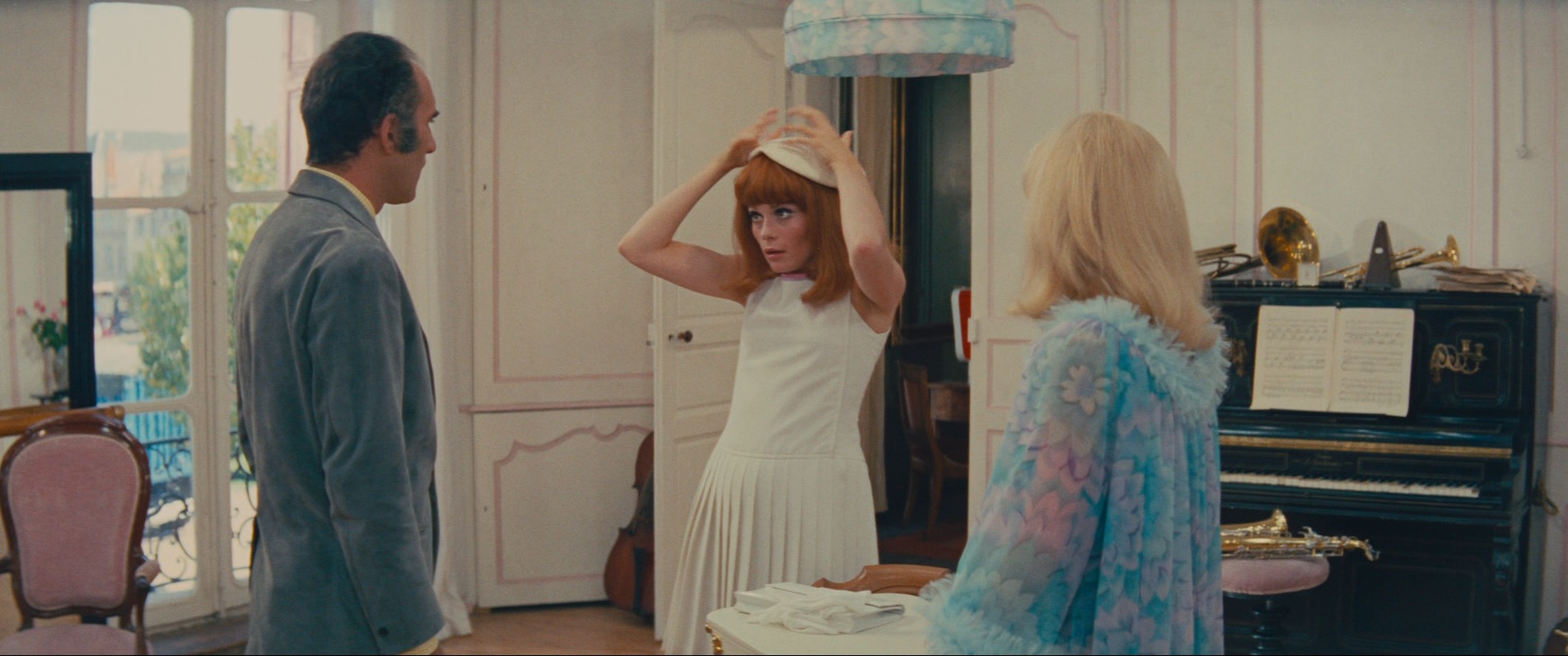
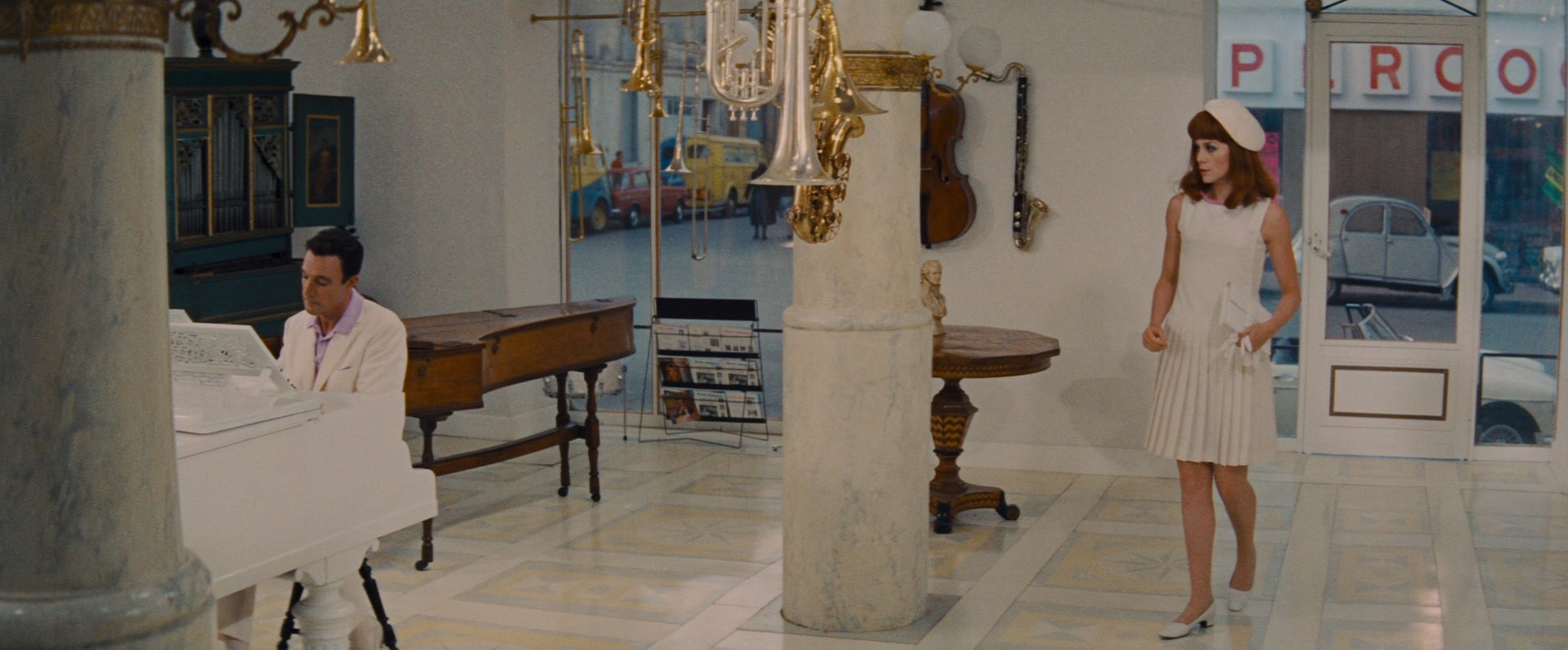
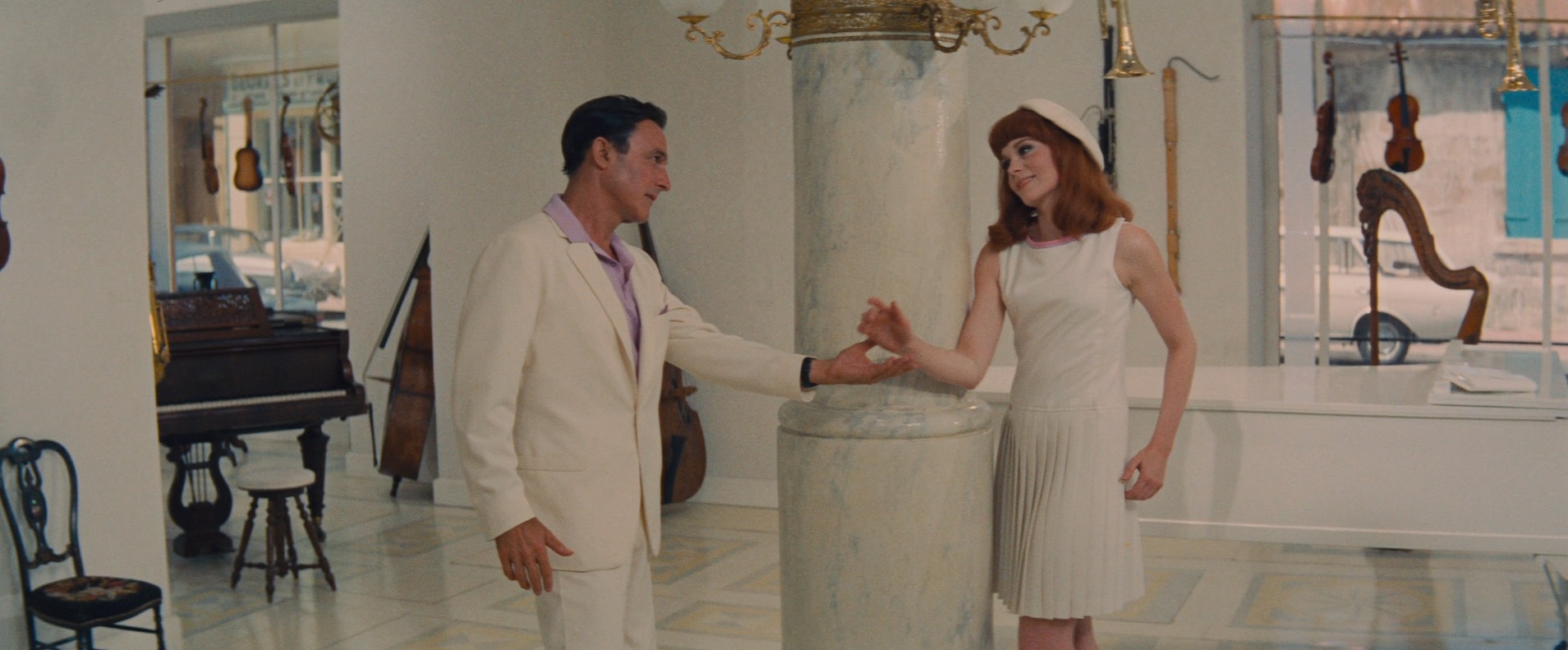
Jacques Démy followed up his unique movie of 1964 The Umbrellas of Cherbourg with the no less enjoyable The Young Girls of Rochefort in 1967.

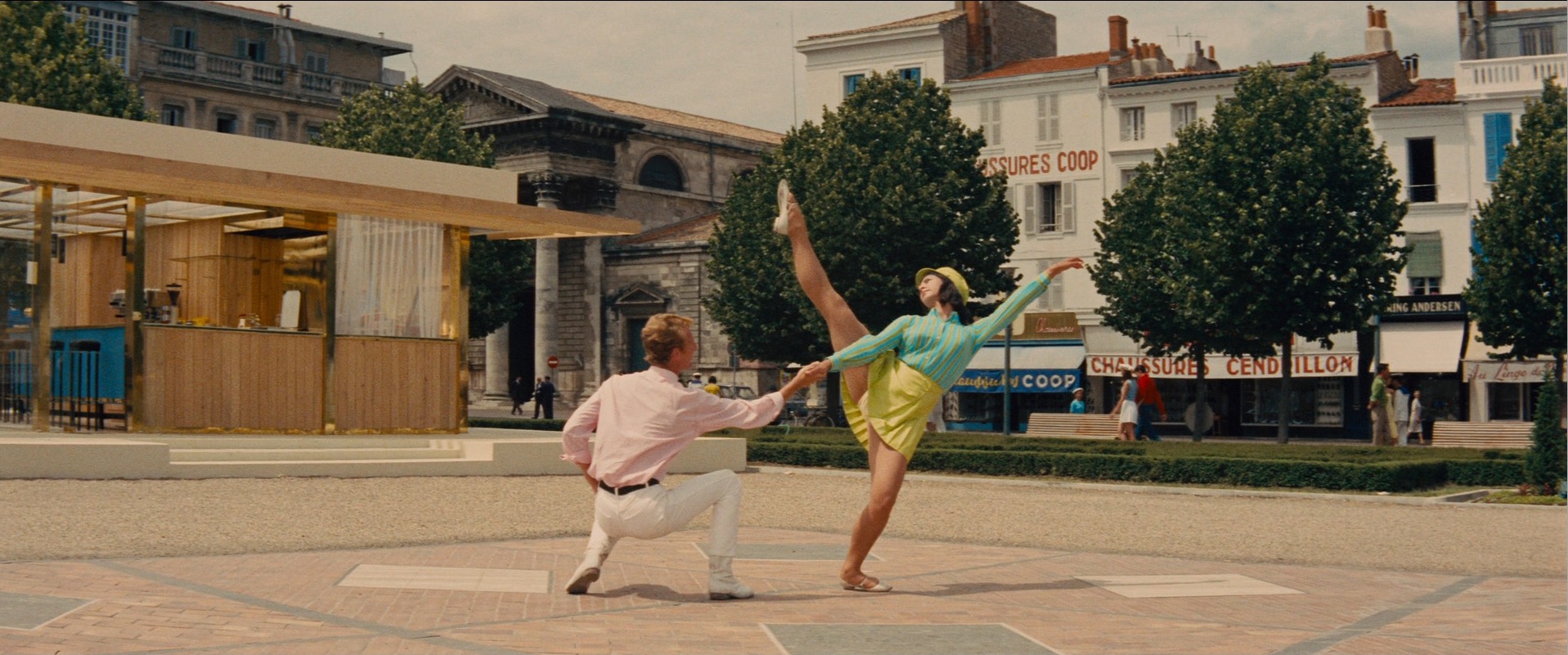
Where the earlier musical is deeply dramatic under its layer of song, the later one is about nothing else but joy. Joy in performance, joy in dance, joy in color and, most especially, joy in two of the most beautiful French women ever given us by the silver screen.

Those two women are, again, Catherine Deneuve, and her biological sister François Dorléac, who tragically died just a couple of years later in a car crash at an unfairly young 25. Where Deneuve is all cool, remote beauty, Dorléac is warmth and charm and that indefinable something found only in the French.

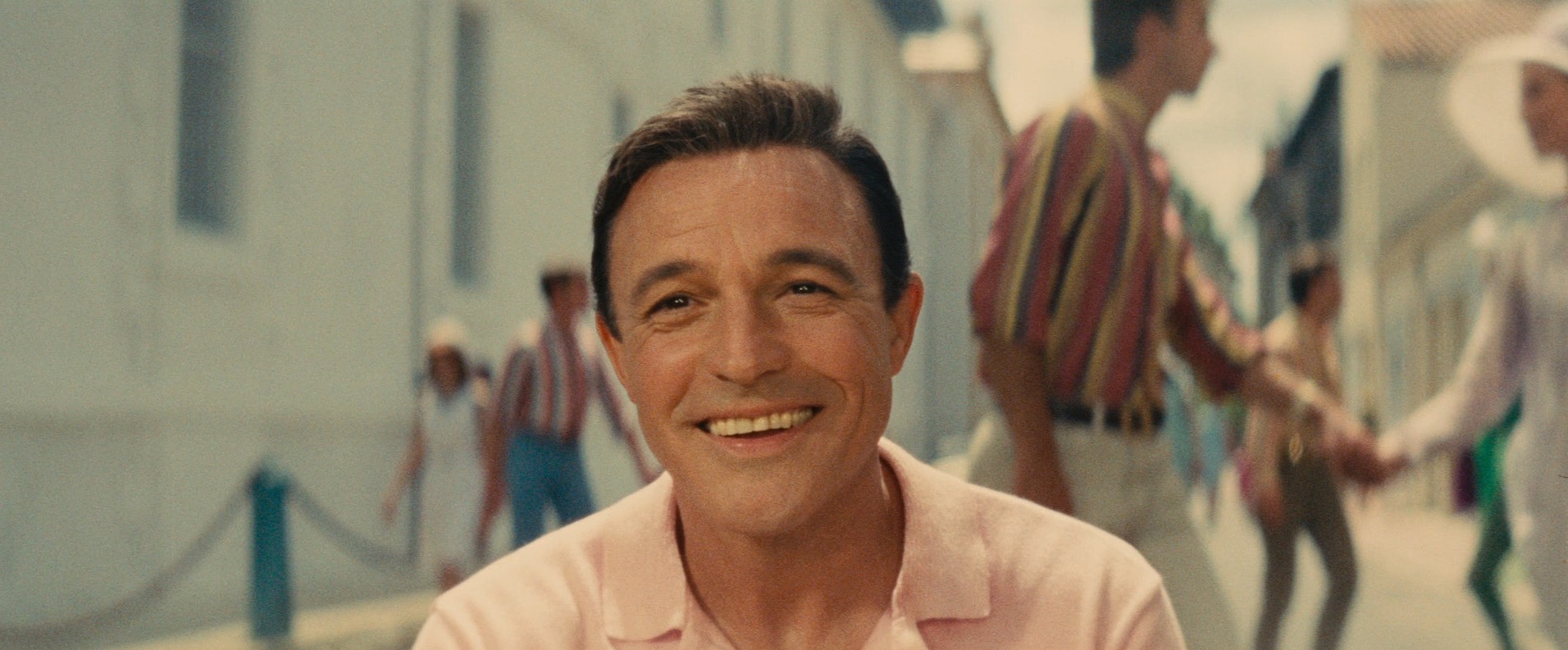
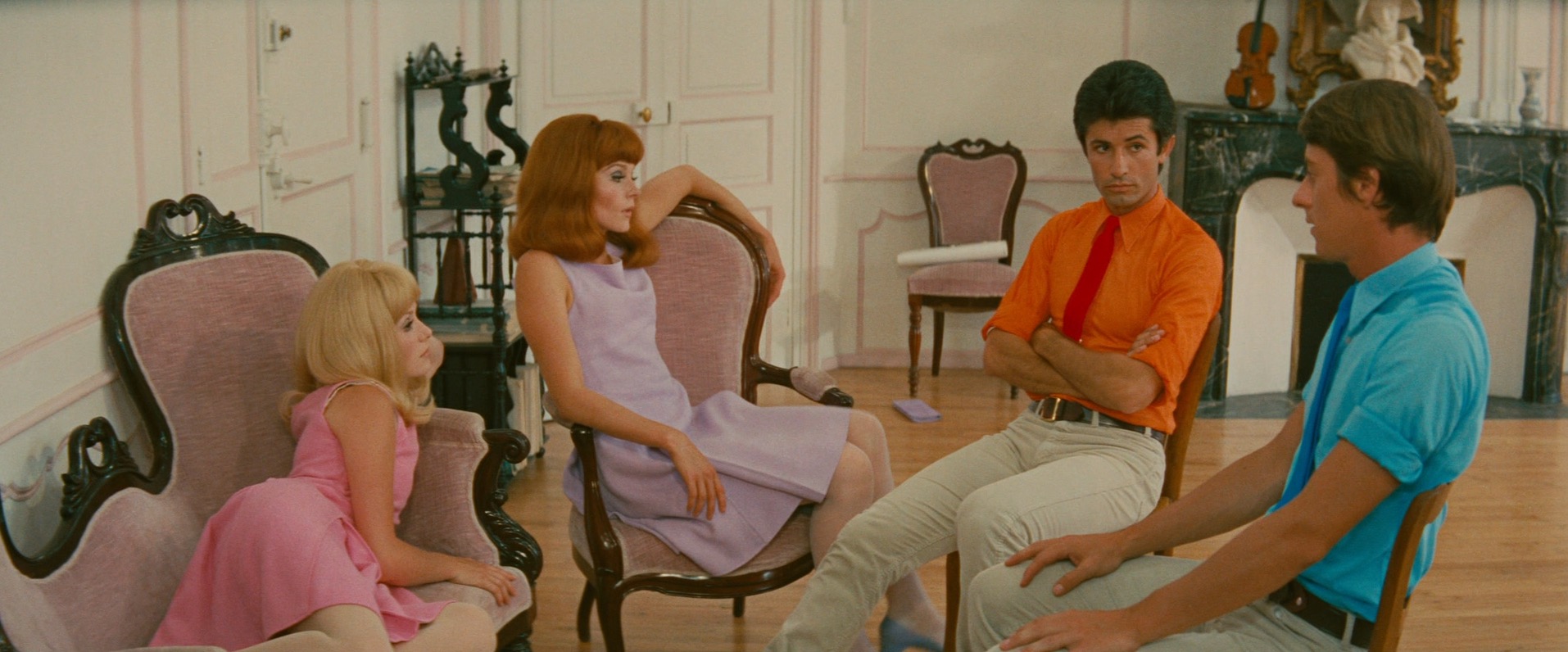
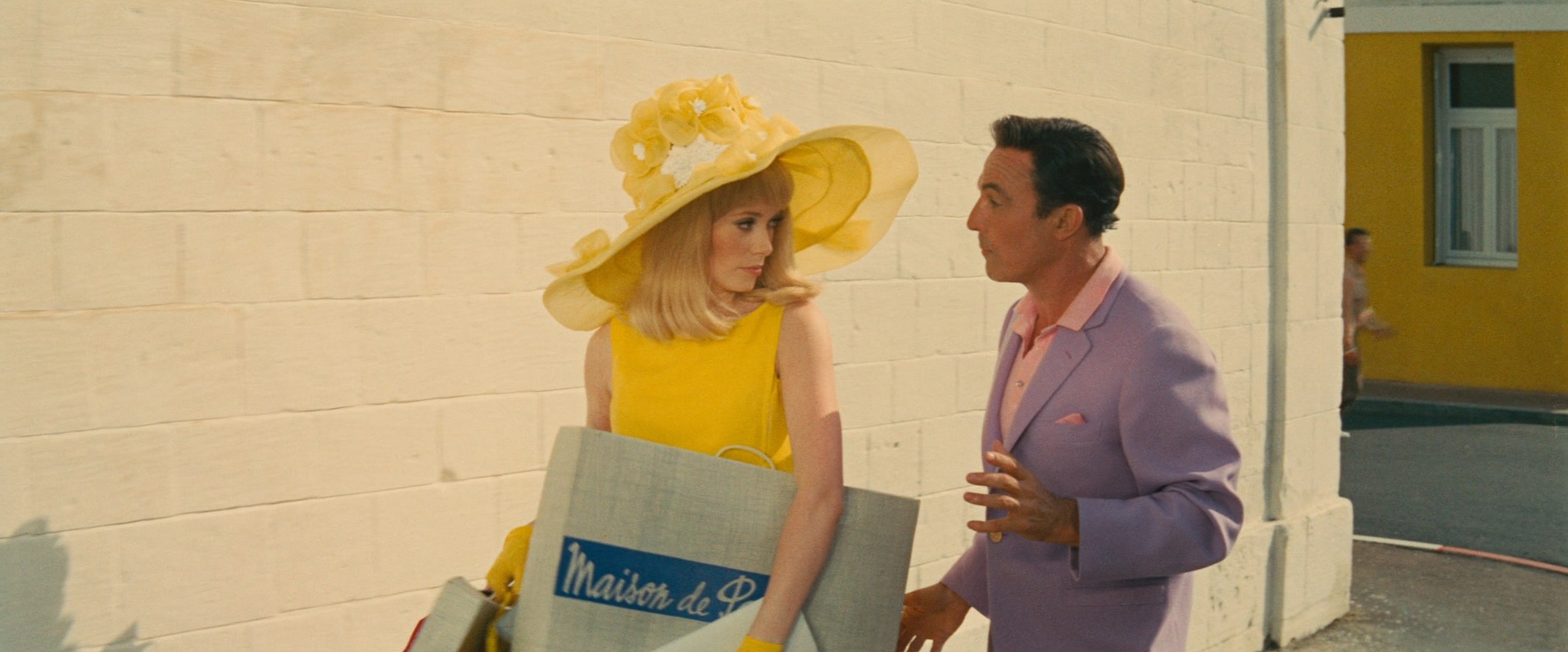
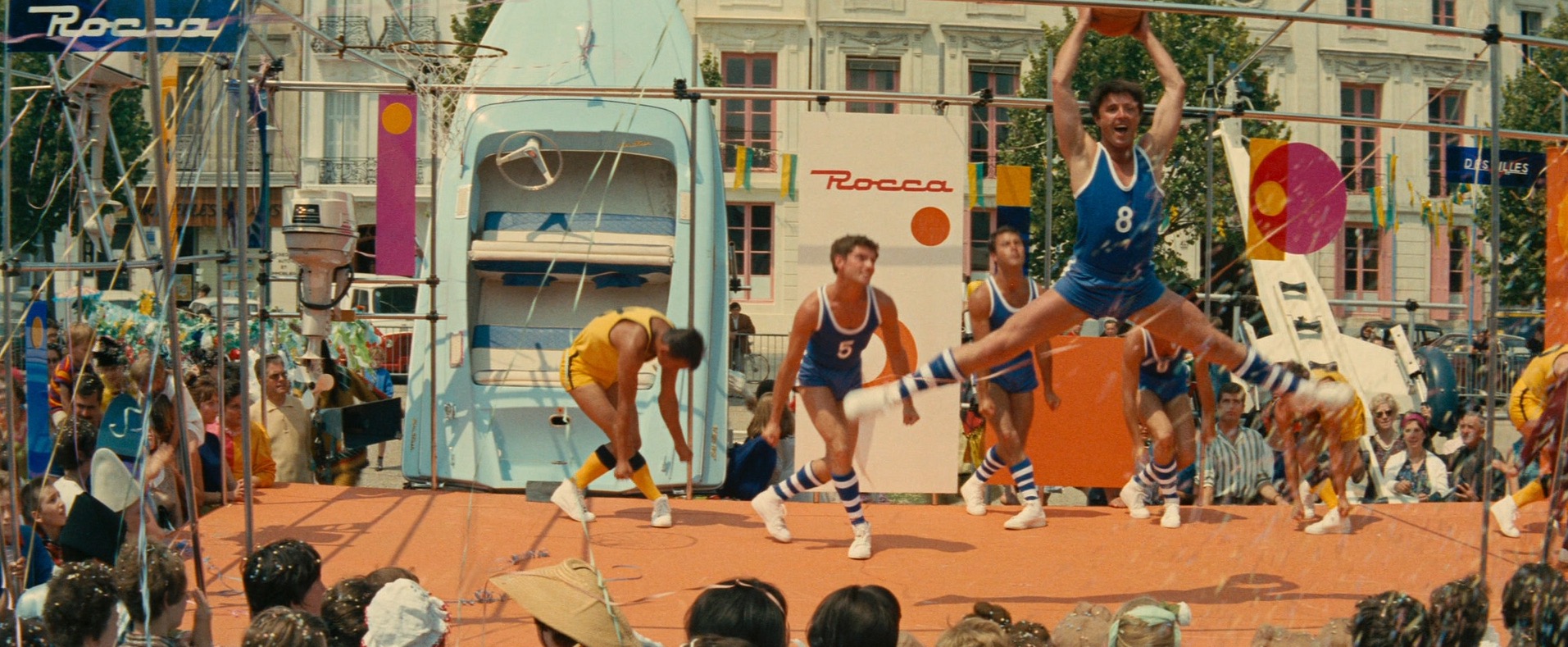
Here are some images from this very special piece of eye candy, from a magnificent BluRay restoration by Criterion:


Dorléac is simply gorgeous.


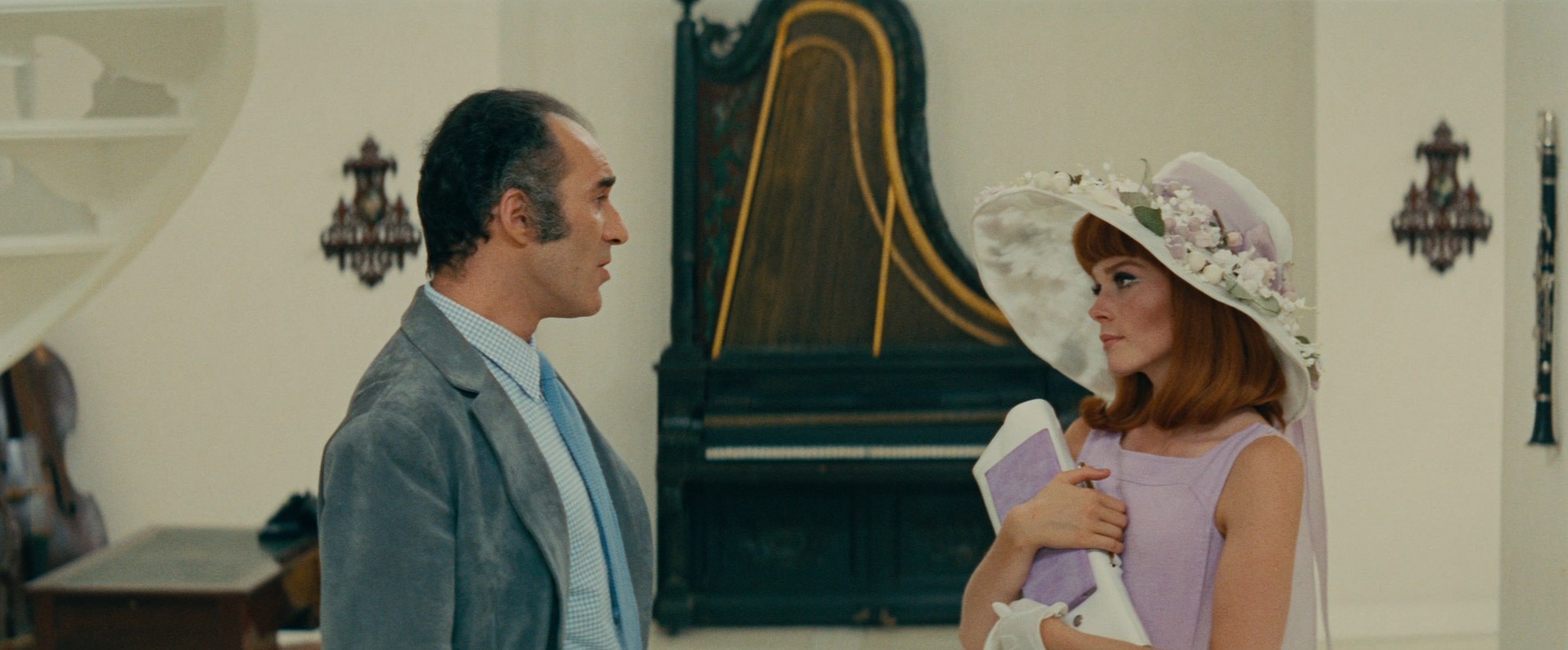
George Chakiris of West Side Story fame and Michel Piccoli are the male leads.


At 45 minutes something magical happens. Gene Kelly joins the cast.


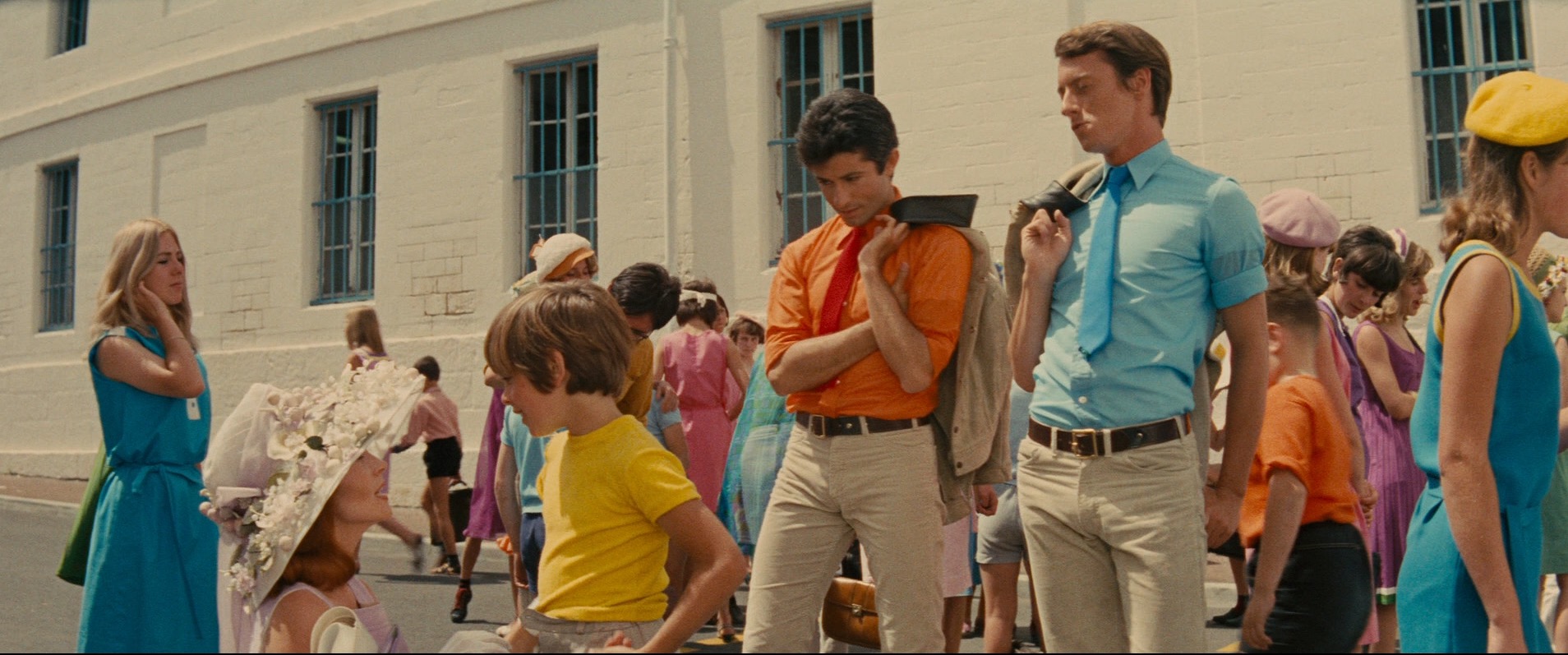
Pastel colors throughout jump off the screen.


It does not get better than this.


The dance scenes in the square are the most complex I have seen.


The sisters put on a couple of drop dead performances.


Renoir, anyone?


Dorléac’s pleated dress is to die for.


As Dorléac tracks down Kelly who has found her lost music score,
Michel Legrand delivers a stunning piano concerto to complete the scene.


A dream couple, and Kelly still very much has it.


The finale. Everyone dances in the movie.


If Hollywood can claim to do one thing better than any other it’s the musical. Démy takes on the best and proves that he is fully up to the challenge.

There is no English version available, though it was allegedly made at the same time. French is all you need or want.