Category Archives: Photographers

Roger Deakins

Cinematographer.

Like the movie composer Ennio Morricone, Roger Deakins had to wait decades for his Oscar, beaten out by lesser talents unknown today. Ennio got it for a haunting score for Tarantino’s so-so ‘The Hateful Eight’, and Roger’s award came for a so-so movie with great cinematography – his.

For most movie goers I suspect the appeal is that of a particular star or, for the better informed, the work of a favorite director. For me, as often as not, it’s to see the art of the cinematographer and if you tell me that Roger Deakins did the work, I’m off to the theater, cash in hand.

I was reminded of this logic the other day when another huge Deakins fan suggested I watch ‘Sicario’, a movie about the nefarious bumblings of the CIA on the tunnel-ridden Mexican border with Texas and Arizona. You know, the one where we are making ladder and shovel manufacturers rich by building a wall. That fan was no other than my son and when I asked what prompted him to watch the movie his reply was simple: Roger Deakins.

Here are some favorite images from Roger Deakins’s movies. The lighting is invariably simple, the camera moves little, and in backlit scenes Deakins will often expose for the highlights, leaving the viewer straining to make out faces, to great effect:
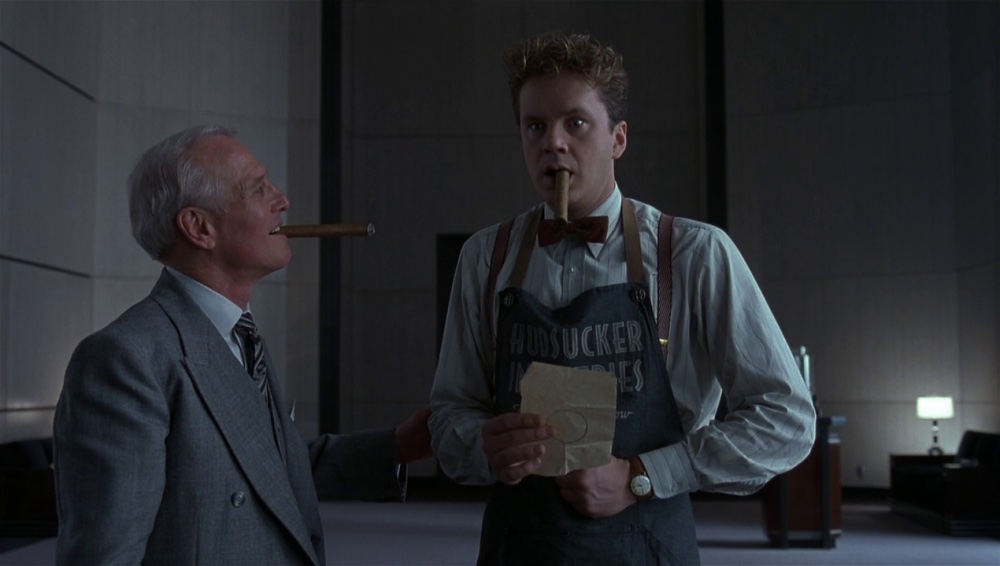


The Hudsucker Proxy. Paul Newman and Tim Robbins yuck it up.
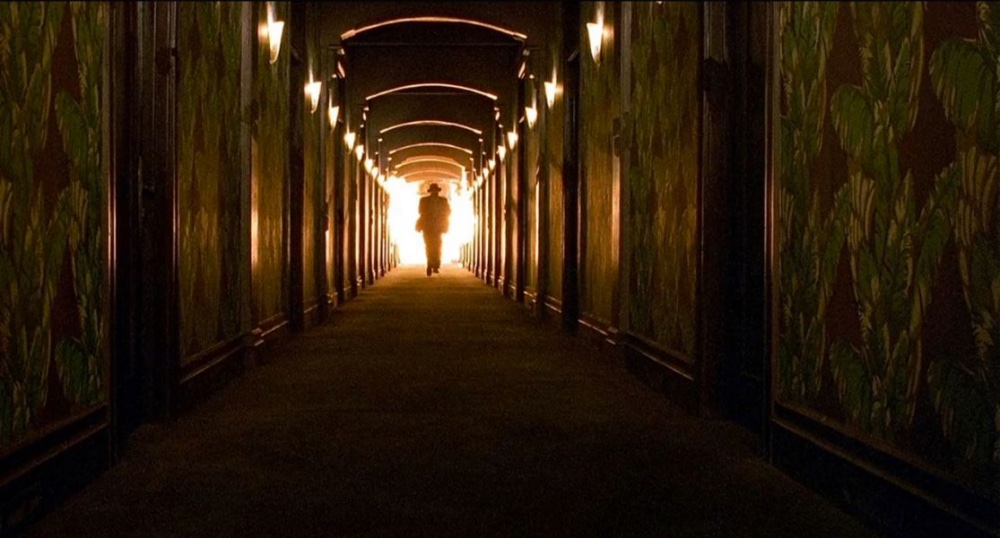

The chilling ‘Barton Fink’ gave Deakins free rein.
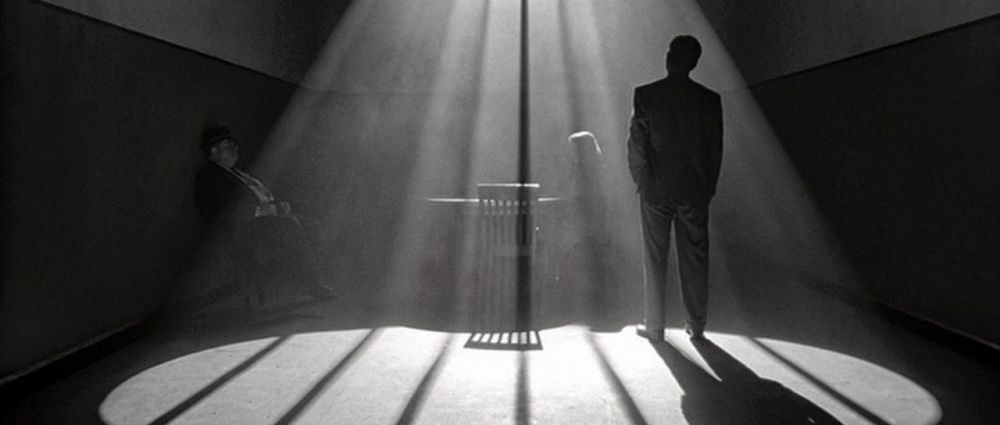

‘The Man Who Wasn’t There. A cinematographic masterpiece.
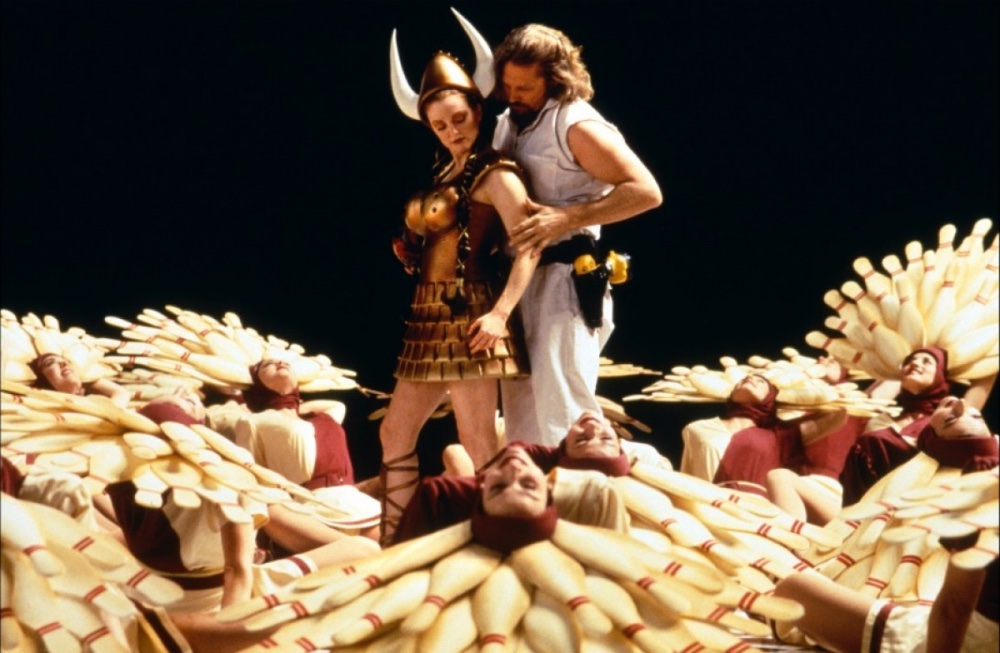

‘The Big Lebowski’. Julianne Moore and Jeff Bridges relive Busby Berkeley.
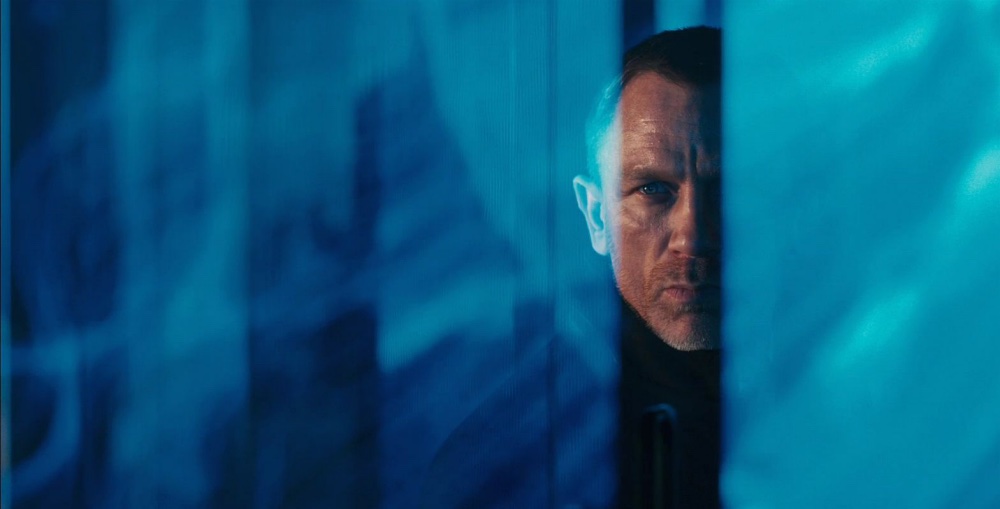

007 in ‘Skyfall. An awful movie saved by great lens work.
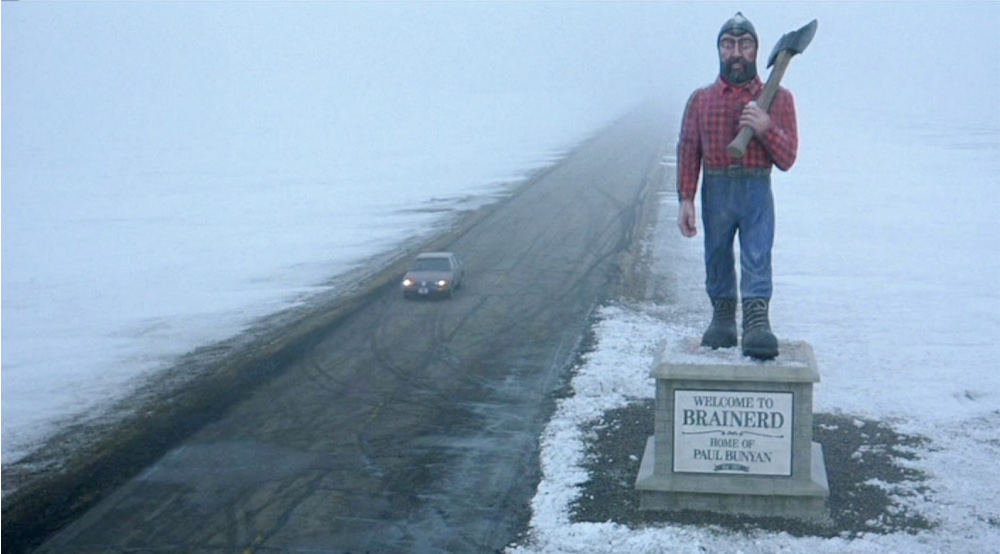

The chilling opening of ‘Fargo’.
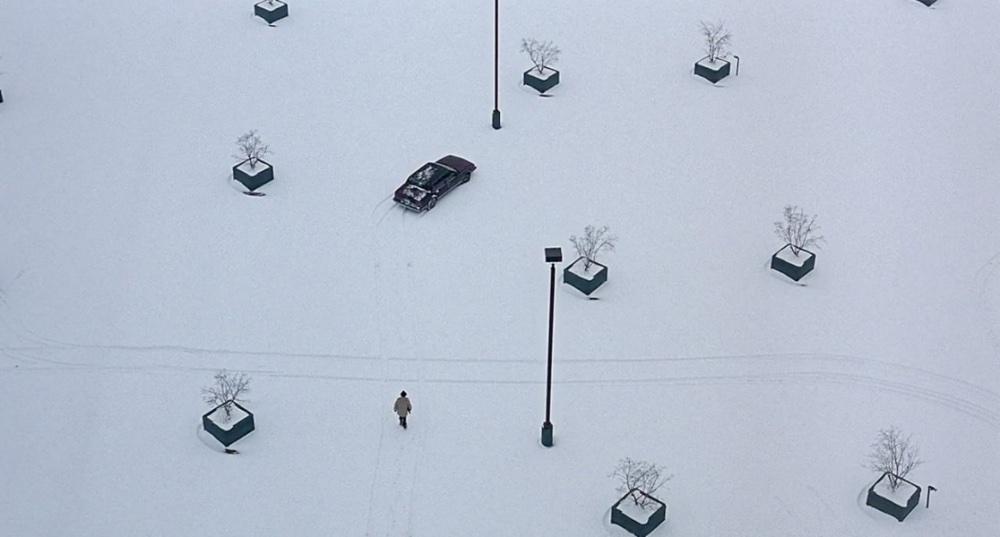

Another from Fargo, towards the end. How do you improve on this?
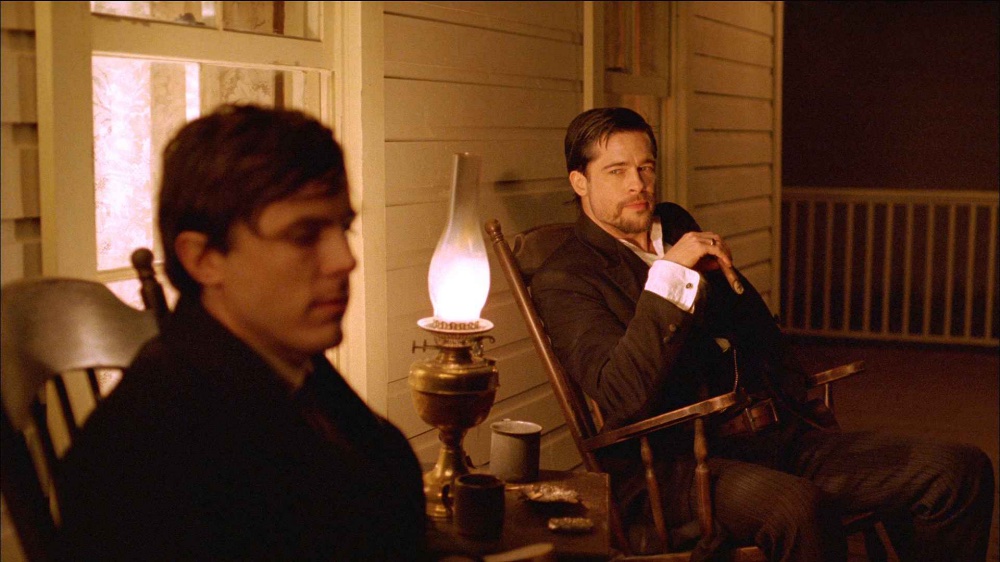

‘The Assassination of Jesse James’. Forget whether you like Westerns. This is all about gorgeous imagery. Casey Affleck and Brad Pitt.
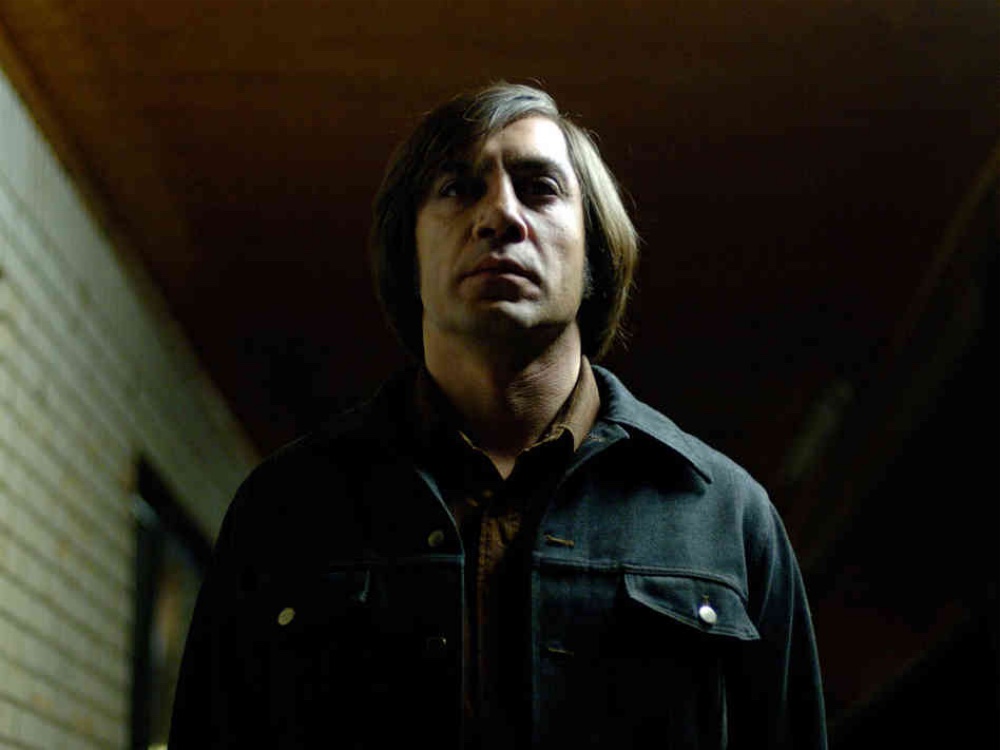

Deakins at his quietest and most terrifying. Javier Bardem won the Oscar thanks to the camera work in ‘No Country for Old Men’.
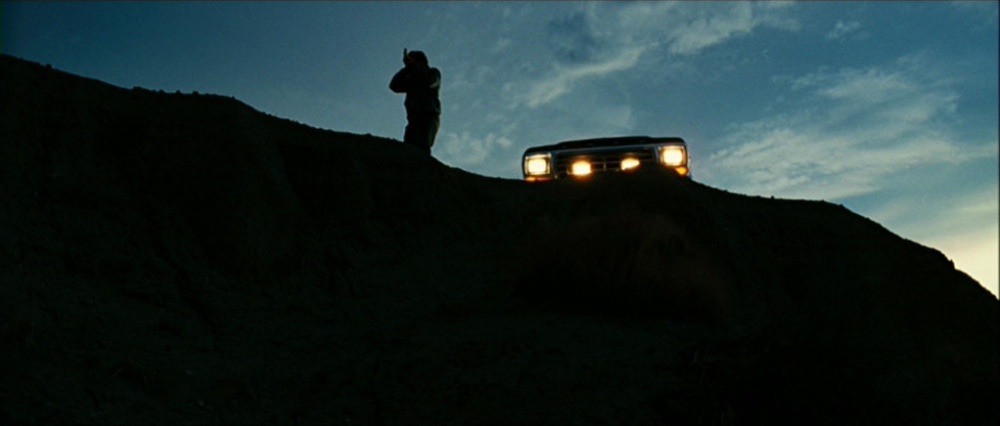

Another from ‘No Country’, and unforgettable at that. Lighting as simple as it gets, exposure for the highlights.
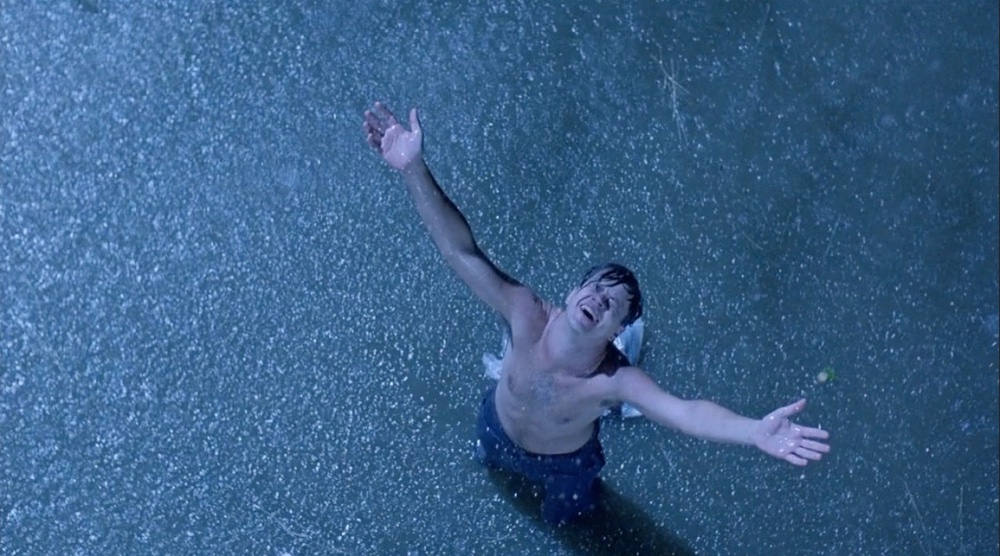

Tim Robbins again, in ‘The Shawshank Redemption’.
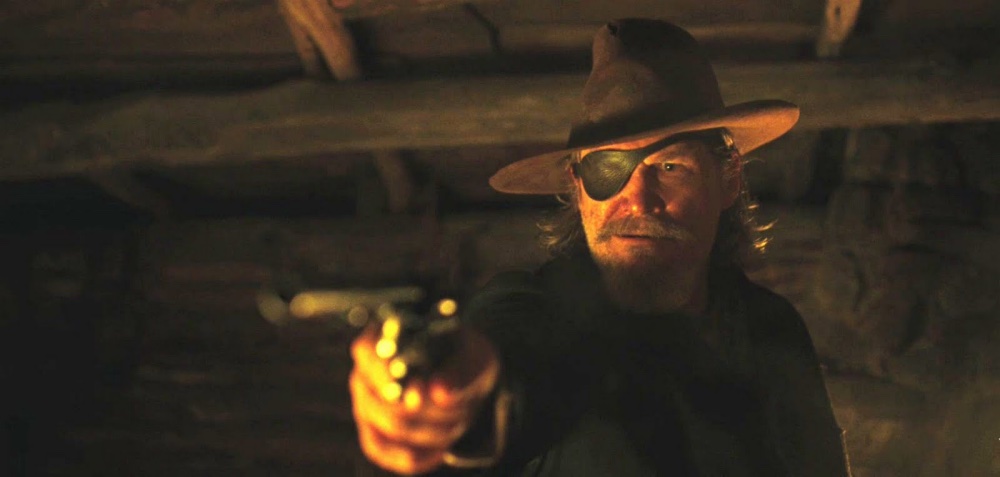

The cabin scene in ‘True Grit’. Jeff Bridges deserved the Oscar for this one, but had to wait a while longer.
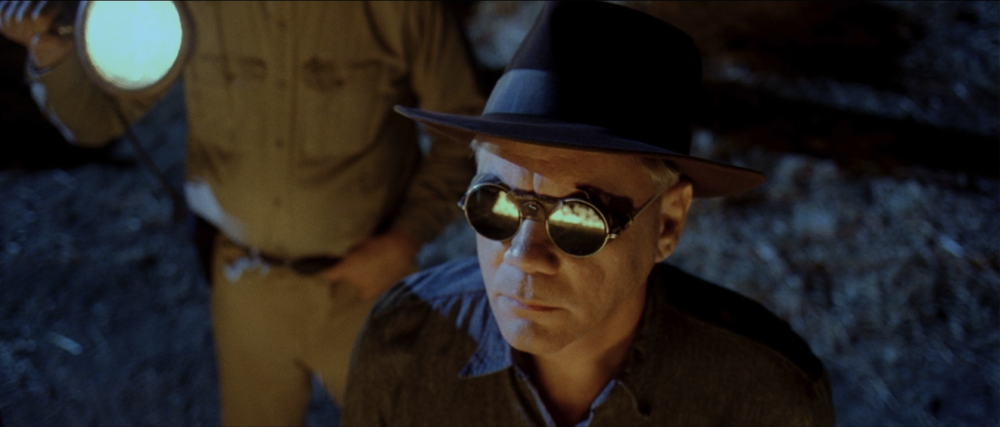

‘Oh! Brother, Where Art Thou?’ Cop as demon. Deakins’s lens captures the fires of hell in the policeman’s glasses.
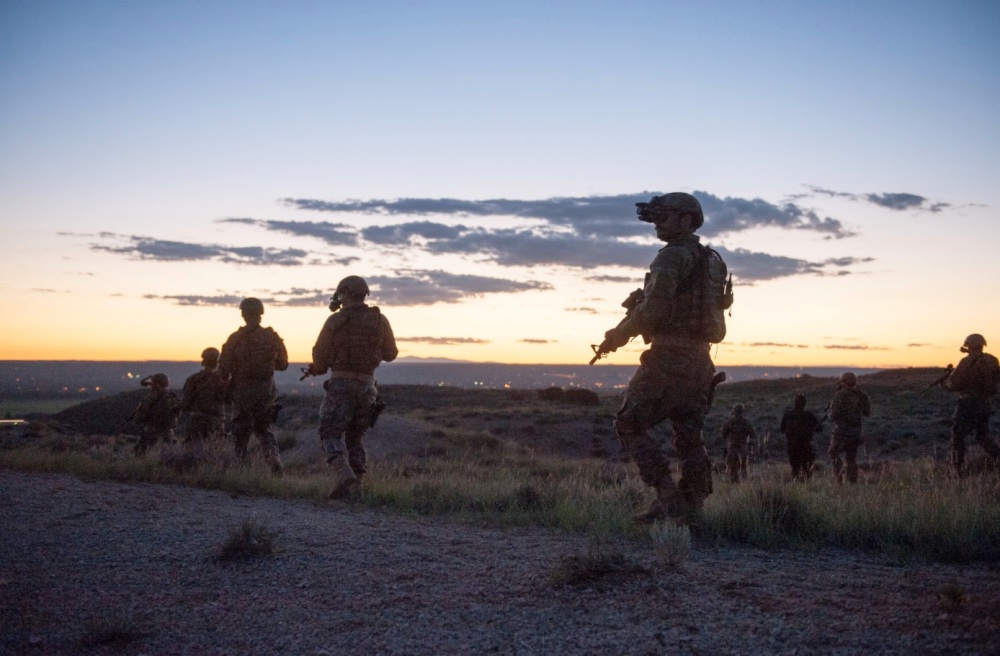

In ‘Sicario’ the CIA enters the drug smugglers’ tunnel. Exposure once again for the highlights.
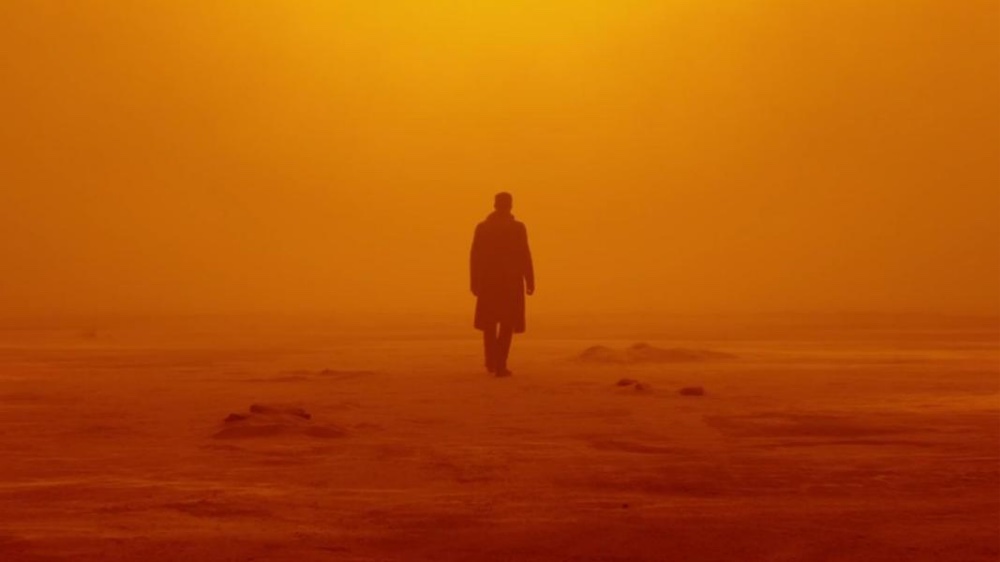

Although sci-fi strikes me as a genre for two year-olds, ‘Blade Runner 2049’ finally earned Deakins the Oscar he so richly deserved.


Eight of the thirteen movies above were made by the Coen brothers. Quality attracts quality.

Try and catch a few of Roger Deakins’s movies if you care about great images. For a complete listing of the master’s work, click here.

Update May 10, 2023:

Unsurprisingly, Deakins is also an adept photographer, favoring the street photography genre. Click here for more.
Back to the Past

Paper rules.

Some 20 years ago I cancelled my paper subscriptions to the New York Times and Wall Street Journal and commenced online reading.

And while the WSJ online sub was, in turn, cancelled many years ago when the paper was bought by an Australian barbarian fascist, the NYT remains the paper of record and a superb one at that. If you want to know what is happening in our backyard or in Borneo’s, for that matter, this is where you go.

Anyway, a while back the NYT’s splendid journalist Farhad Manjoo (Cornell, 2000) detailed a two month experiment where he cancelled his online access and opted for the (costly) paper subscription instead. So I thought I would give it a shot, missing the physical experience of paper and realizing that by the time the presses have run most errors and omissions in the online version of a story would have been fixed. Plus, I’m not in that much of a hurry to learn of the latest porn star the leader of the Western world may have bedded.

My first concern was that a paper which is the bastion of liberalism and free thinking could not be delivered in the heart of redneck country, here in Arizona. Yet, amazingly, my zip code is on the delivery route!

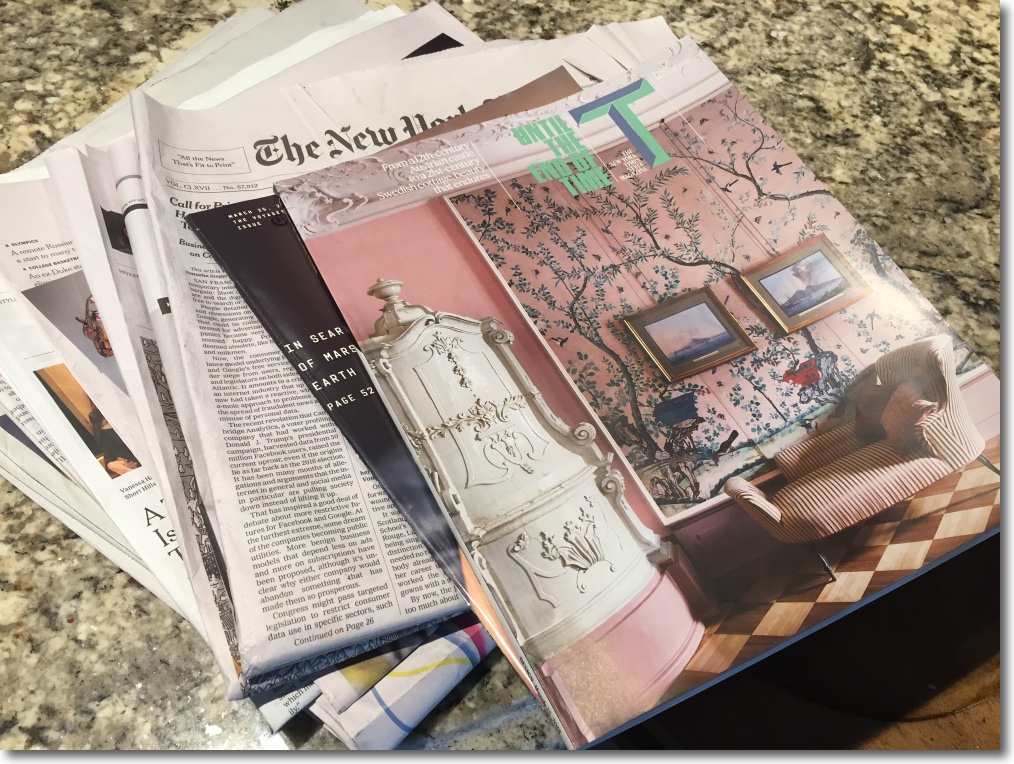
There’s a sort of cyclical pattern to the week’s deliveries. Monday starts off thin, doubtless hungover from the weekend’s tweeting from Mar a Loco where the white powder and showgirls run freely. No ads on Mondays. The momentum – and weight – build through the week until, lo and behold, Sunday arrives and along with it the eighth wonder of the world, replete with costly jewelry ads:


The eighth wonder of the world. Sunday’s New York Times

But, superb as the paper is, and pleasurable as the experience of ink stained hands and rustling of the Arts section may be on sunlit patio mornings, there is a big snag. What I had not anticipated is that during the twenty year hiatus my eyes had also aged twenty years. And that small print is awfully tough to make out. So a valiant experiment, but one sadly doomed by age.

Subscribe to the New York Times. Keep America free.

Digitizing slides

Micro Nikkor to the rescue.

I have some old Kodachrome slides I wanted to digitize, but my Canon and Nikon dedicated film scanners were sold long ago. My first attempt was using an Epson 2450 flat bed scanner with transillumination and a dedicated film holder. The result was awful.

An alternative method suggested itself, using my 55mm Micro Nikkor macro lens, an optic of exceptional performance in the close-up range, fitted to a Panasonic GX7 MFT body using an inexpensive adapter. The Nikkor goes down to 1/2 life size on a full frame body, but down to life-size on MFT. Nice, as the 35mm slide will exactly fill the MFT sensor in 3:2 mode.

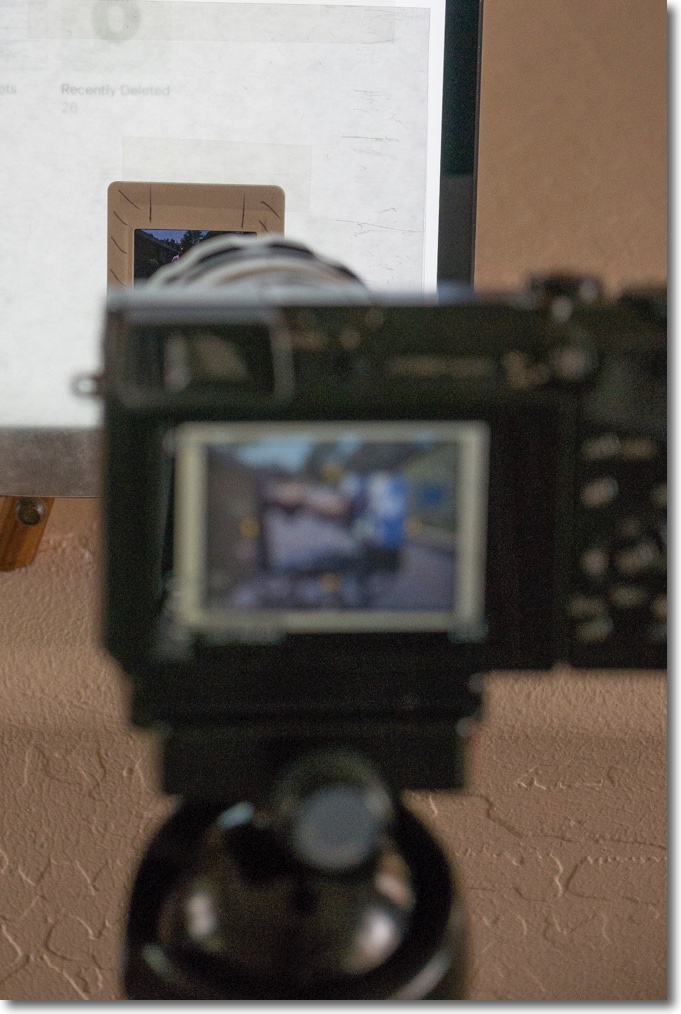
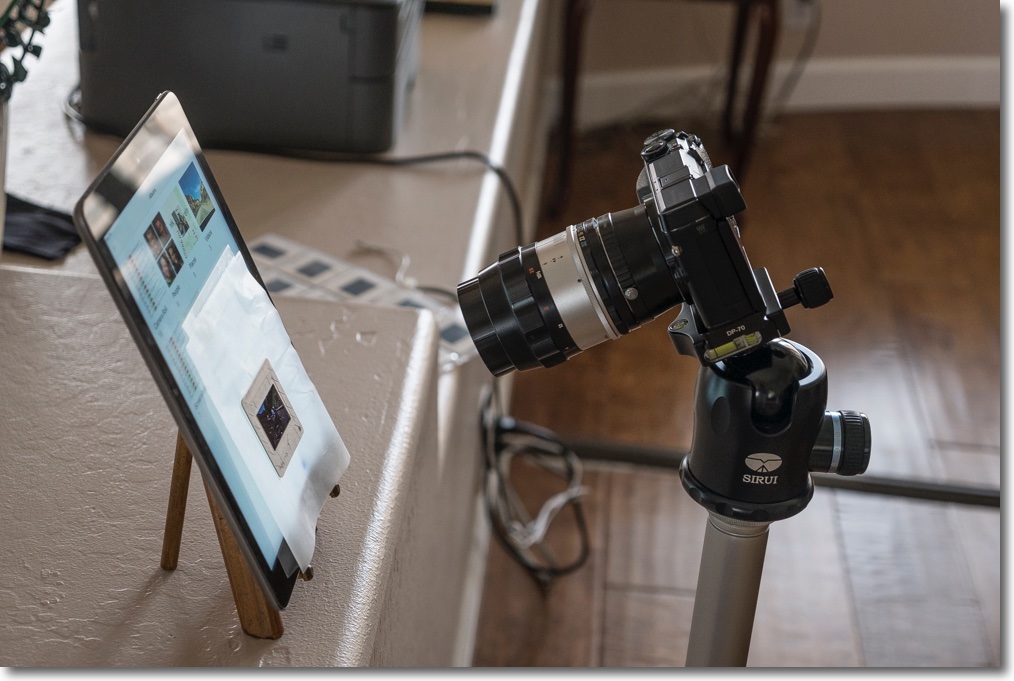
Here’s the setup:

An iPad is used as an illumination source/light-box. After experimenting I found that 2 sheets of wax paper (from the kitchen) had to be used between the slide and the iPad, otherwise the latter’s pixels would show. Parallelism is a piece of cake – just align the camera until all four sides of the opening in the slide mount are parallel to the frame in the finder or on the LCD screen. Here’s the rear view:

Even with the LCD blurred you can see that the slide is correctly aligned. The screen magnification function in the GX7 is used to establish critical focus with the MF Nikkor, as easy as it gets.

Exposure on a very solid tripod and head was made using the electronic shutter of the GX7 which is truly vibrationless. I made five exposures at one stop intervals, thinking that HDR merging might help. The Nikkor was set at f/8, its sweet spot.

The original slide has exceptionally high contrast and HDR merging did nothing to improve matters. So after importing the best image from the GX7 into LR I dropped it into PS CS5 and messed about with curves and exposure, not to mention the magic lasso on the faces, coming up with something half decent.


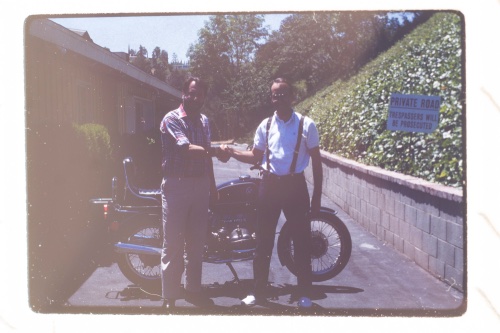
The original slide photographed with the GX7 and Micro-Nikkor.


The massaged image after some time in Photoshop.

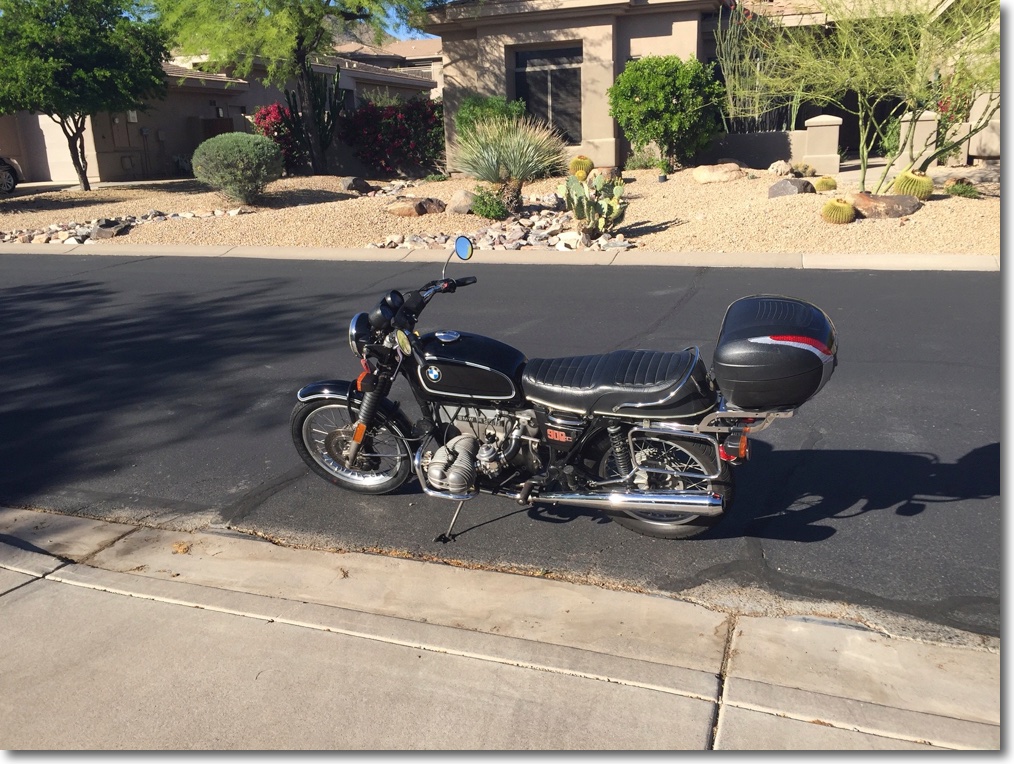
That photograph was taken on June 16, 1990 in lovely Encino, Los Angeles, when the original owner (left, above) of my BMW R90/6 motorcycle delivered it to me upon sale. I continue to ride it to this day! Other than the top case and some better shocks, it remains pretty much stock, right down to the mechanical points ignition which is as reliable as a hammer. The difference between this machine and modern bikes is that the latter will be useless junk 25 years hence when replacements for failed electronics are no longer available, whereas the R90 – whose electronic content is zero – will be happily soldiering along, hopefully with my son riding it. Oh! and I should add, modern BMW machine are ugly rubbish. This is how a motorcycle should look:


My 1975 R90/6 airhead twin in Scottsdale at my home, snapped the other day.

The bike runs as well as it did 28 years ago and no, I do not miss slide film or film of any kind, for that matter. How on earth did we exist before digital?

Film image: Olympus Stylus Quartz. Digital: Panasonic GX7.

Big small storage

2.5″ spinning hard drives.


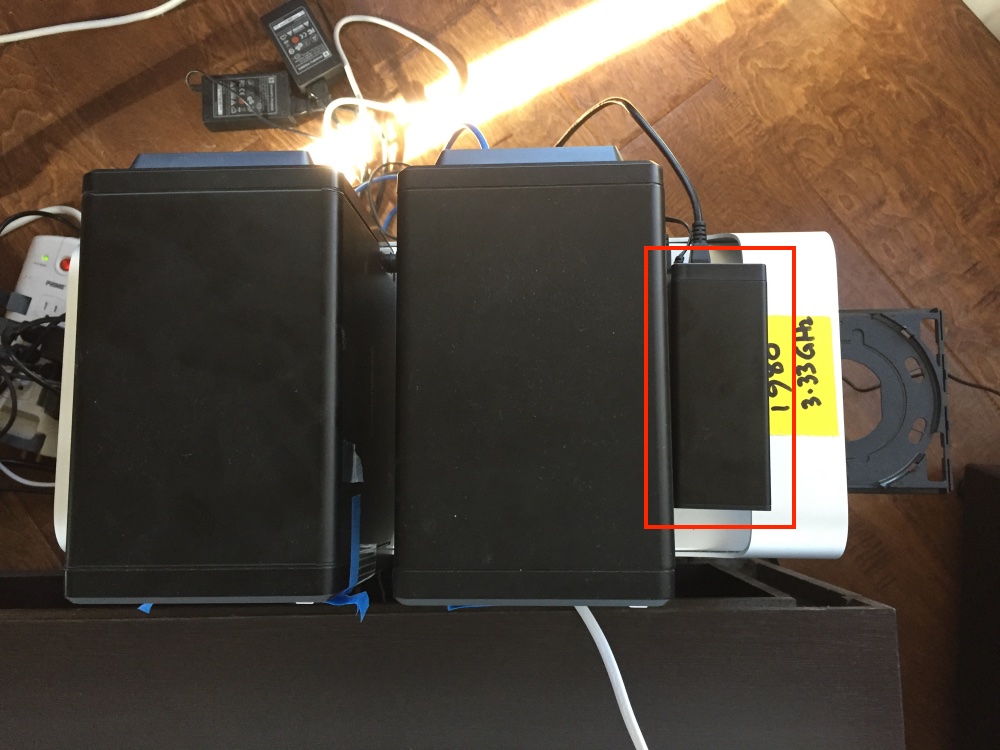
Dual 2.5″ drive enclosure compared to 4 bay 3.5″ behemoths. As the yellow label discloses, this Mac Pro runs a speedy 3.33GHz CPU.

As my movie collection grows, not helped by the 25GB size of ripped BluRay discs (compared with but 4GB for regular DVDs), so does the need for storage space.

Heretofore I have used Mediasonic 4-bay 3.5″ drive enclosures at $100 for the 4-bay version, and they have performed flawlessly for over 5 years now, loaded with Western Digital Red 4TB hard drives. The drives now retail for $135, which is a lot more than I paid years ago. The blue tape on these which you can just make out in the picture is to blank off the obnoxiously bright flashing LEDs on the fascia.

With traditional spinning disk technology refusing to die, and SSD prices still far too high for bulk storage, the much more compact 2.5″ hard drives have made huge leaps. 4TB capacities are now readily available in the smaller drive size. Seagate makes 4TB 15mm thick drives for $130 and two of these fit an inexpensive $40 enclosure. There are many versions available; just make sure the one you order will accommodate 15mm drives, which are a good deal thicker than the typical notebook drive. So the cost per 4TB of 2.5″ storage figures to $150, compared with $160 for the older tech 3.5″ drives, with great savings in space and, as importantly, far lower power draw. The enclosure of choice used here supports USB3 (though USB2 is perfectly adequate for movies) and comes with both USB2 and USB3 cables, as well as a power supply. I have added USB3 – having run out of USB2 sockets – using an Inateck USB3 PCIe card; the Mac Pro comes with USB2 native ports only and I happened to have a spare card lying around. USB3 is not a requirement here. The price of this card appears to have more than doubled since I bought mine.

A 4TB drive (the second drive is a back-up clone) will store some 160 BluRay disks, so this big little addition should see me happy for another year or two. The cost of storage per movie, along with the backup clone, figures at just $1.88.

Germany then and now

Superb work.

The Dutchman Jeroen Ruiter founded Ruiter Productions in 2007 and proceeded to make a series of videos where key German WW2 locations are shown Then and Now.

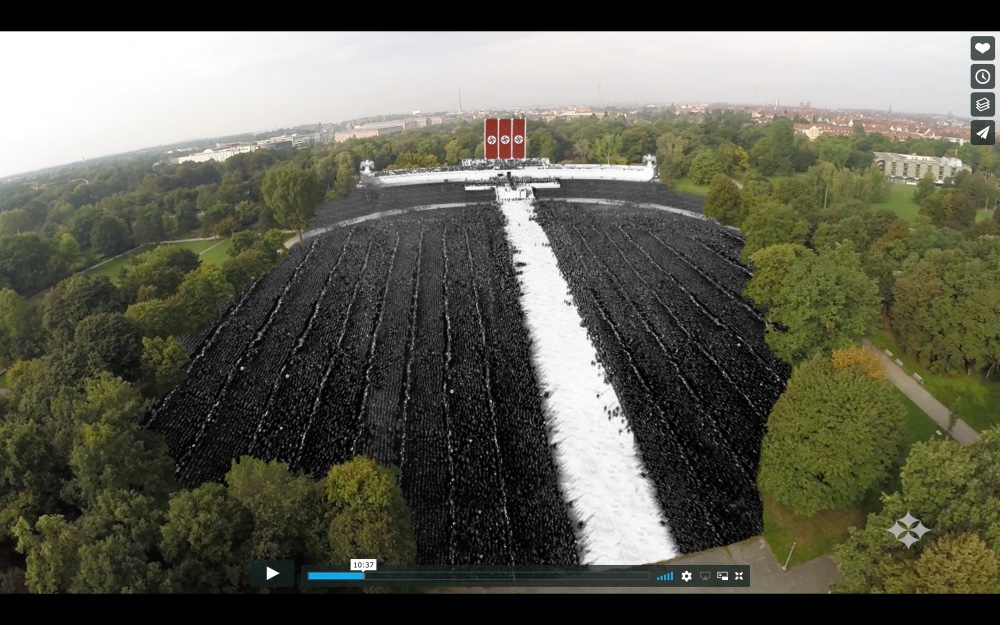
The quality of the work – video, score, superimpositions – is outstanding. It is also bone chilling. Here’s an example, this being the Luitpold Arena in Nuremberg, site of the infamous Nazi rallies of the 1930s so well documented by Hitler’s photographer Leni Riefenstahl:


The Luitpold Arena in the 1930s.


The same location today.


The presentation is gripping and there are many more videos available on Ruiter’s web site. There’s even one on Auschwitz-Birkenau, but I lack the courage to watch it.

Although the Luitpold Arena has been largely destroyed, many of the sites profiled – especially in Munich, in a separate video – remain largely unchanged. Seeing the exact locations, with images, of where the Nazis paraded is quite remarkable.

Highly recommended.