A tale of two tanks

Germania redux.

In the 1970s BMW airhead motorcycles were still very much the gentleman’s ride. Not super fast but comfortable, long legged and superbly made, in contrast to the garbage Britain was churning out and distinct from the increasingly ubiquitous Japanese offerings. The latter, affordable and beautifully made, killed the British motorcycle industry and almost saw off BMW, who migrated to garish colors and weird looks as part of their recovery strategy. Testifying to poor taste, that strategy succeeded and BMW Motorrad is a loud success today. I wouldn’t be seen dead on any of their modern machines.

In the early 1970s you could have your new BMW with either the small 18 litre (4.7 gallon) or 22 litre (5.8 gallon) tank. The looks were quite different and the latter extended the touring range to over 250 miles on a fill up. When I bought my 1975 R90/6 from the original owner in 1990 it came with the smaller tank. I tracked down a tired larger one for touring and when my body finally cried ‘enough’, ending my long distance riding days, I reverted to the small tank. In beautiful shape with pin-stripes hand painted by the ladies in the Berlin factory, it restored pride of ownership. The large tank was trashed, the paint crazed, the inside flaking and, worst of all, the pinstripes were ghastly stick-on types. Sacrilege.

If you want to see the ladies in action jump to 6:06 in this French video of the factory, made back in the day. It loads slowly.

Anyway, the small tank never looked quite right proportionally:
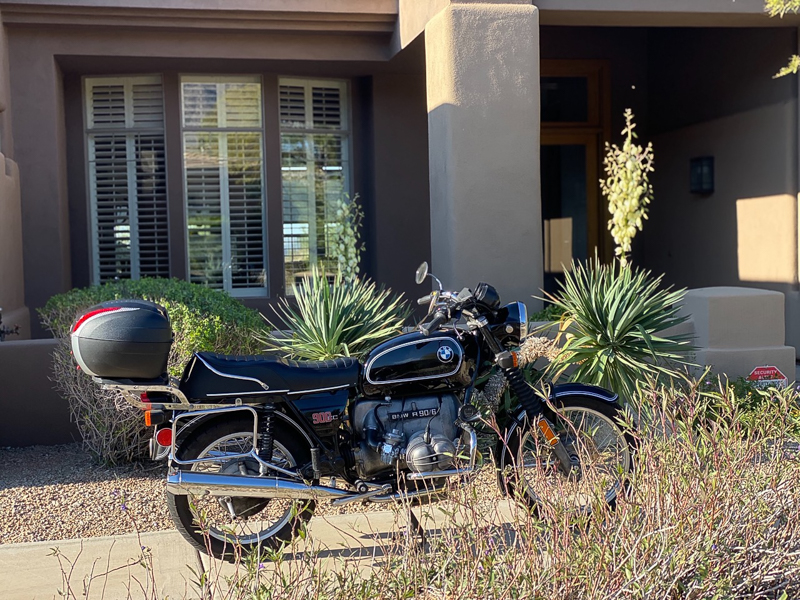


18 liter tank in place.

So I took out a second mortgage, took the trashed large tank down the road to Spooky Fast Customs in Scottsdale, and eight weeks later I had a pristine tank with a new liner, paint job and exquisite hand pin-striping:
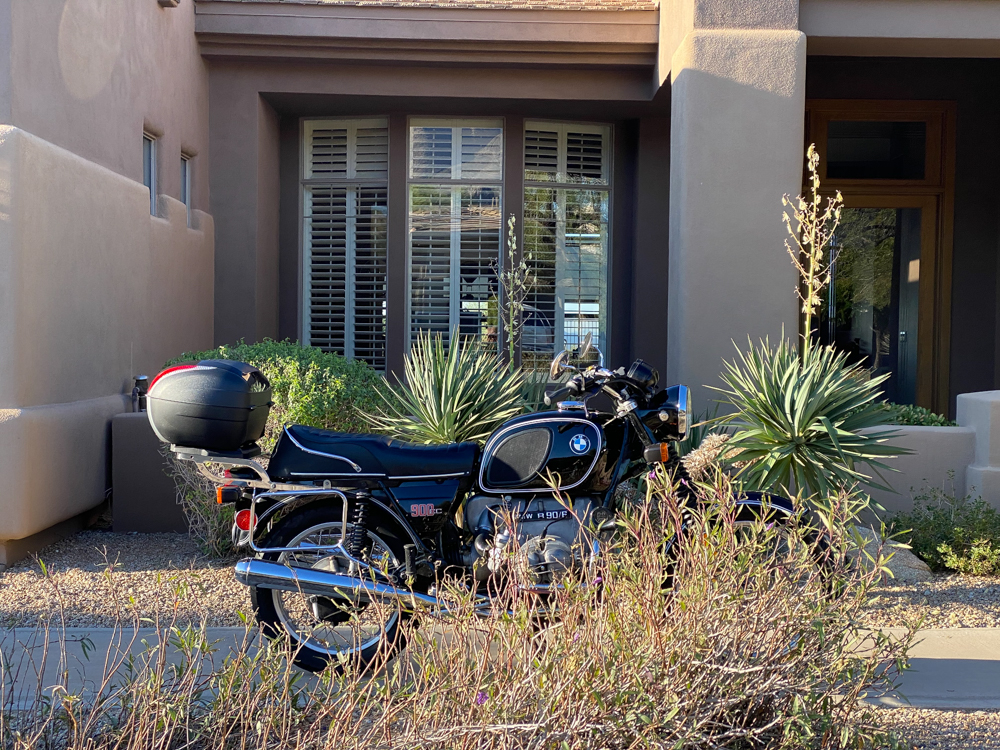


With the 22 liter tank.

The knee pads afford a proper grip over rough terrain, and the proportions are better, looking more Germanic – meaning more functional and stolid – in keeping with the character of the nation and the motorcycle. Sure, my bank balance took a blow, but after 30 years of service it was the least I could do for the machine.
The GOAZ 2019 classic show

Some eye candy for the two wheeled aficionado.

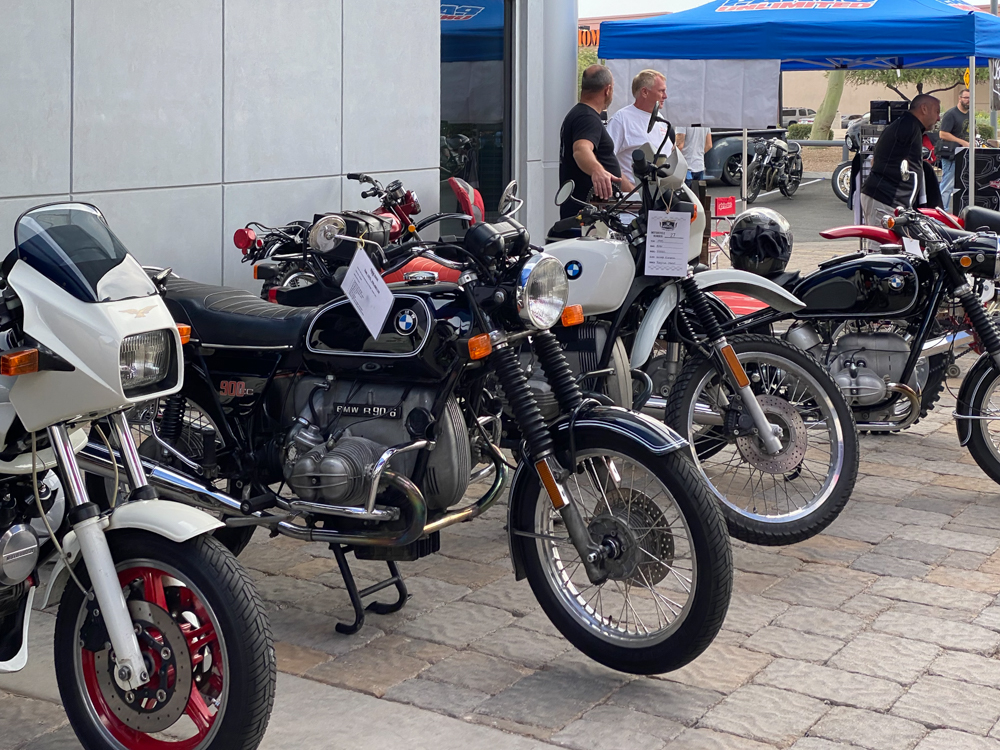
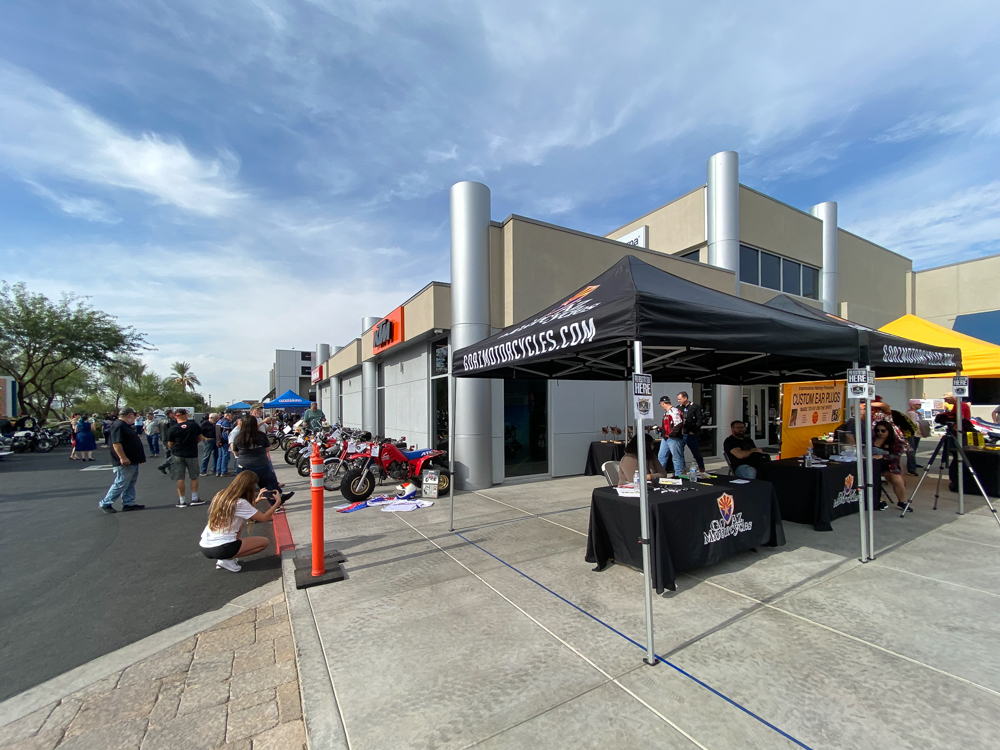
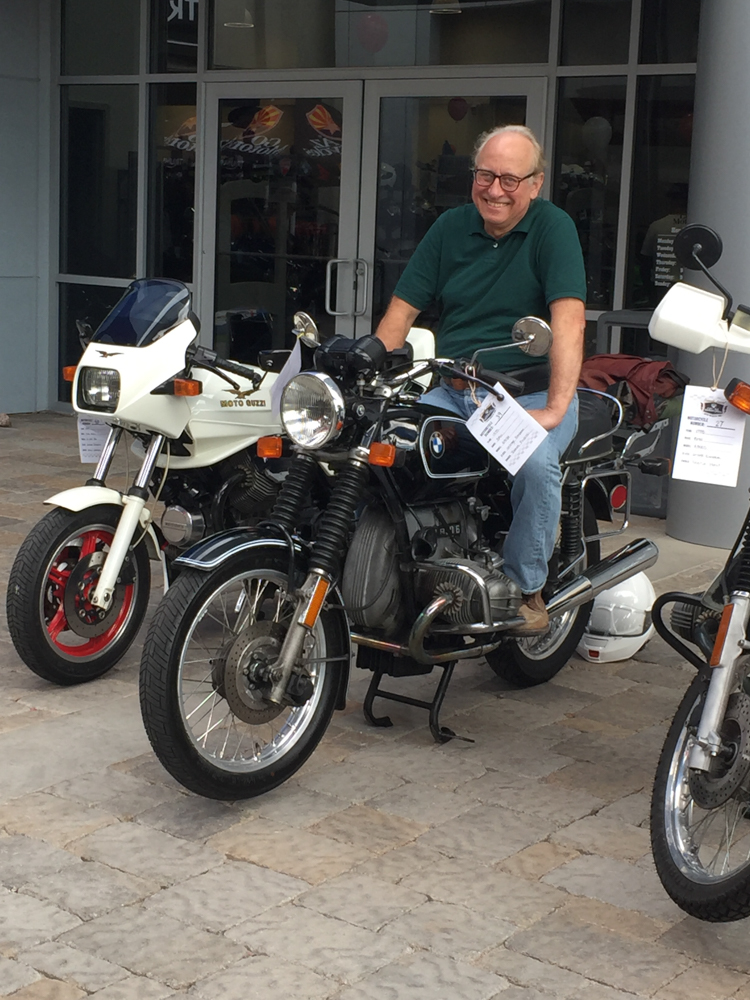
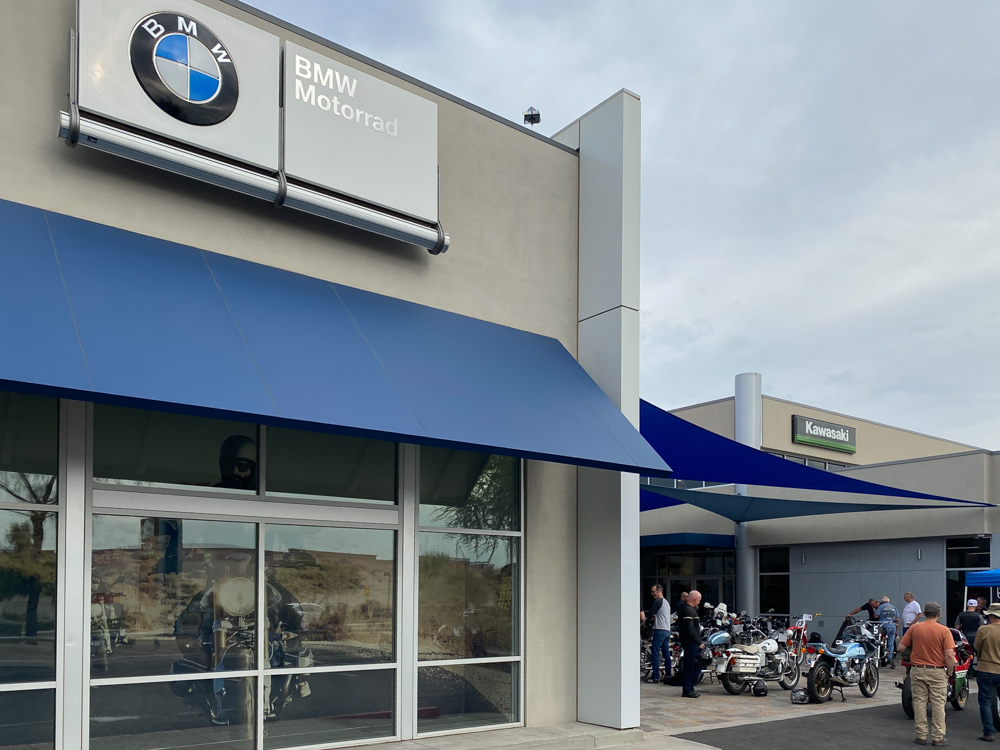
The annual vintage and classic motorcycle show at the huge local Scottsdale, AZ dealer GOAZ was yesterday, and there was some really lovely machinery on display, not least my 1975 BMW R90/6 which, unlike many of the garage queens here, is a daily rider and in my 30th year of ownership.


One of many buildings at the dealership. This one has the best bikes!


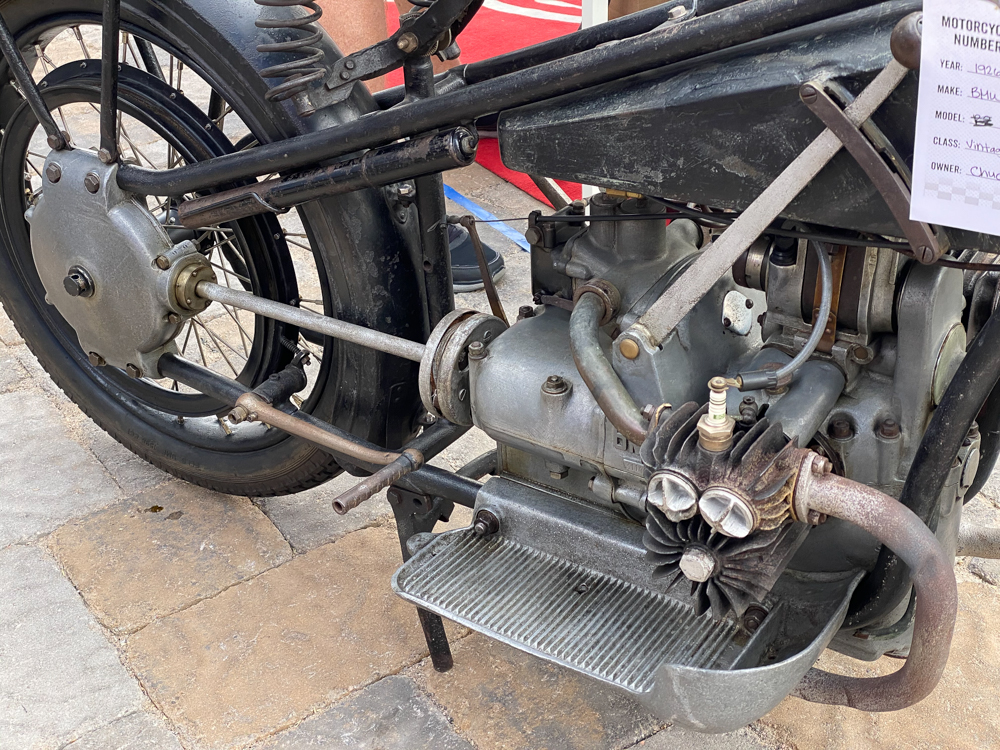
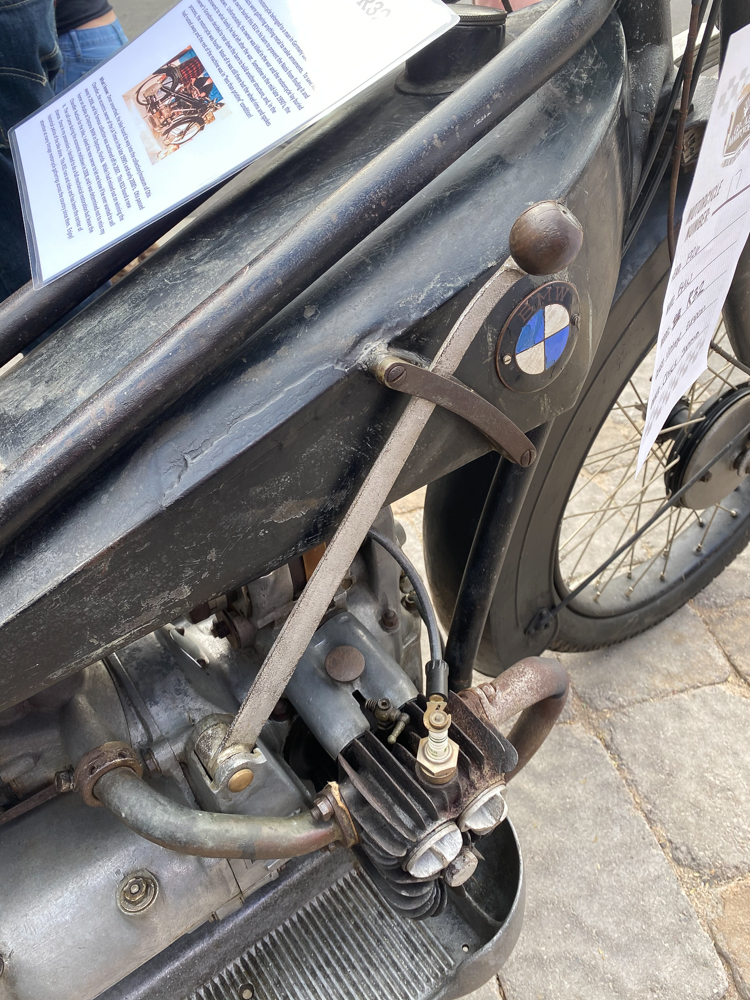
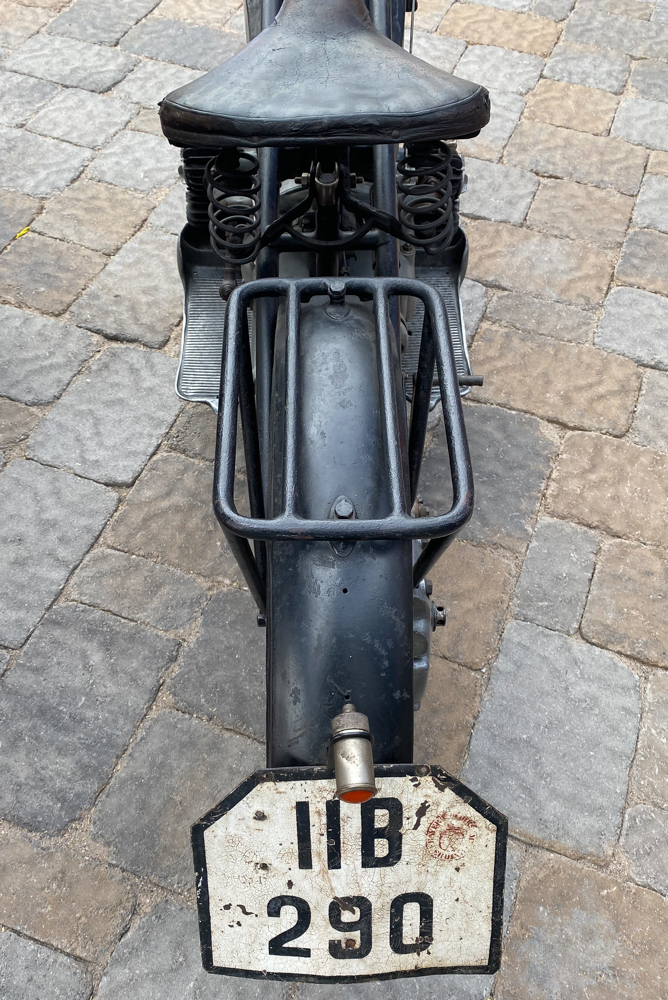
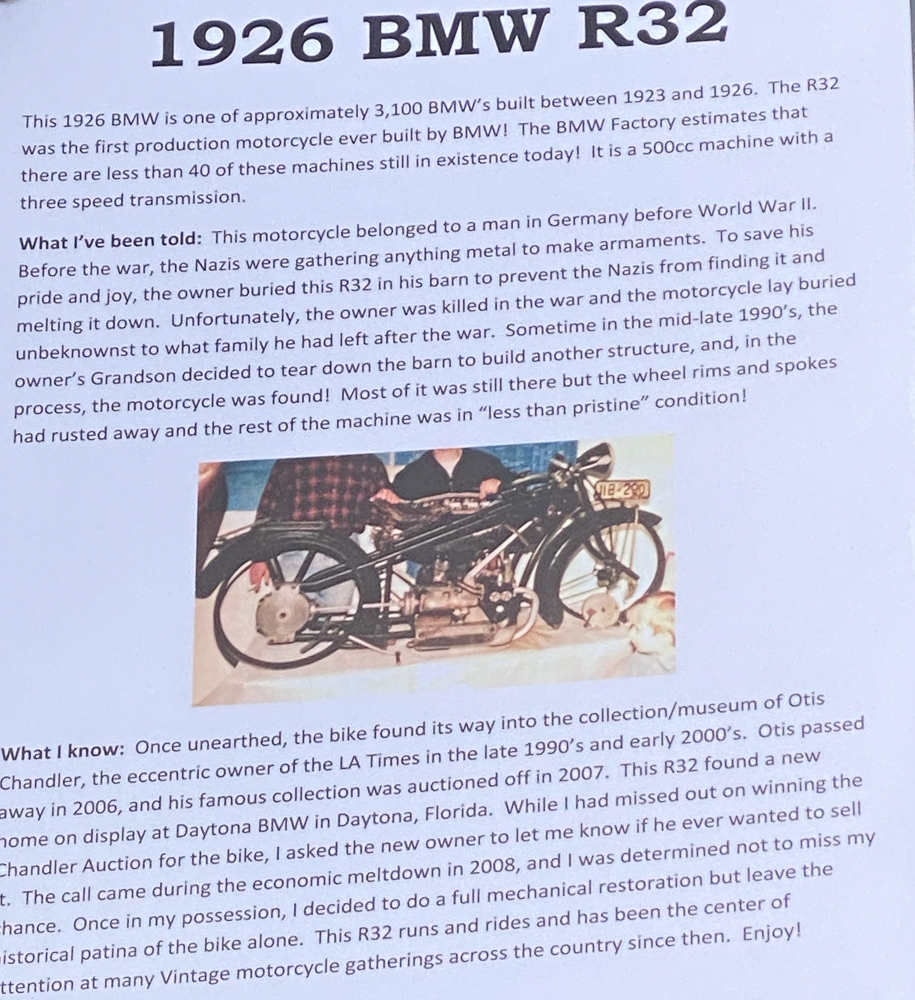
Without a doubt this 1926 BMW R32 was the star of the show. Here’s the story.


That’s actually a horizontally opposed BMW twin! Note the exposed drive shaft to the rear wheel.


Four speed hand gear change.

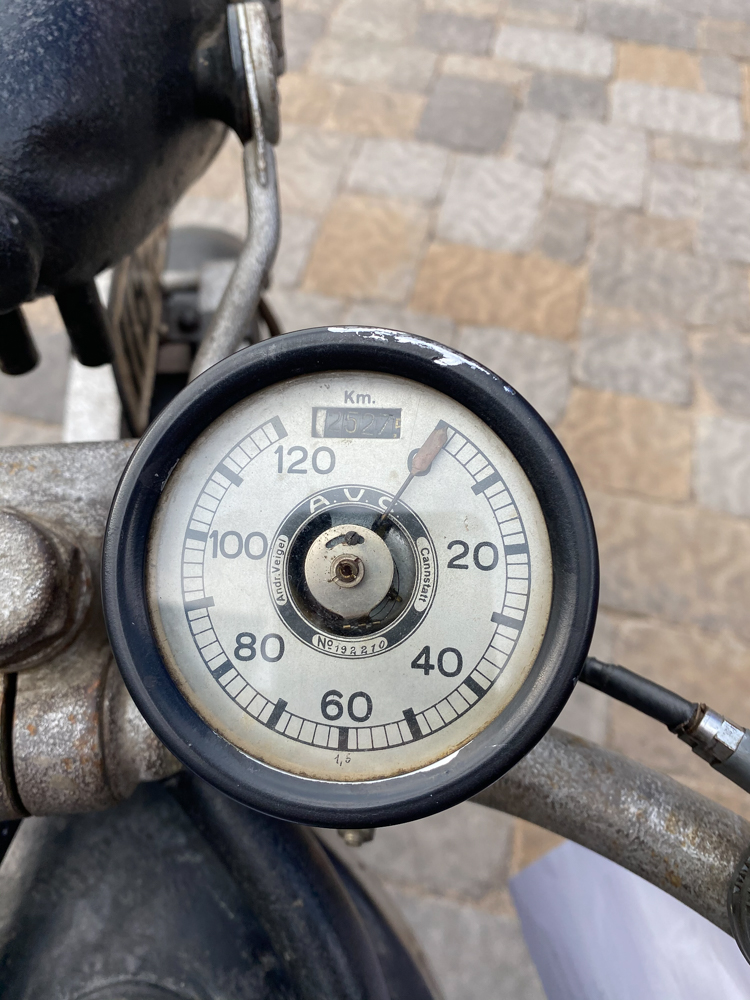
Original speedometer. Andreas Veigel also made car clocks …. and photographic enlargers!

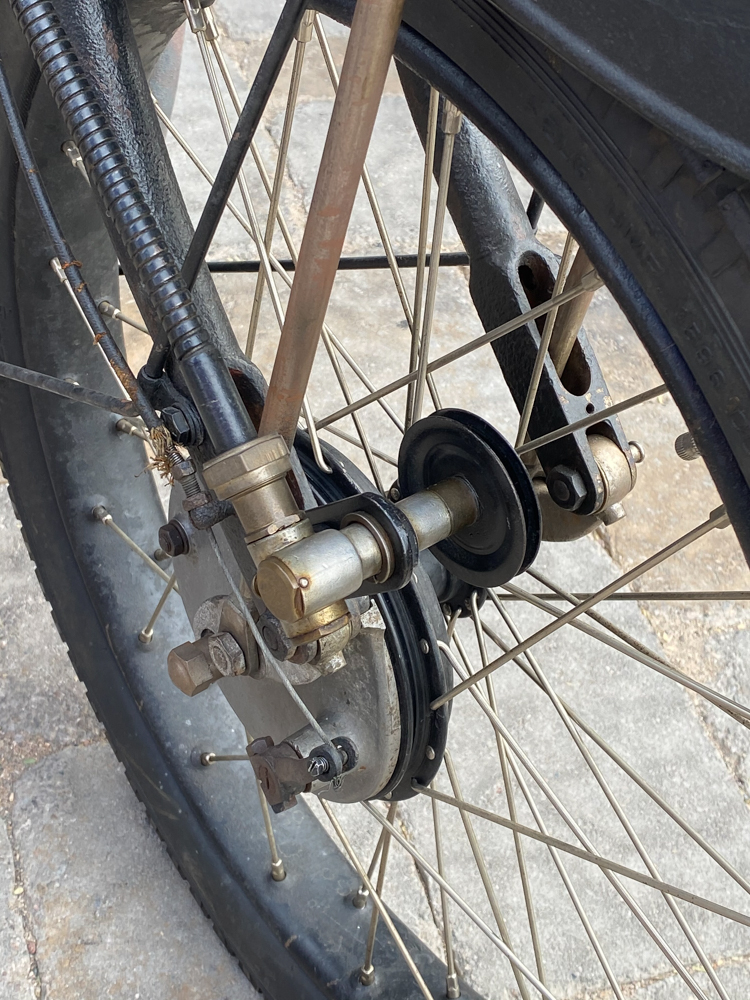
Hope and a prayer front brake.


Single seat and pressed steel luggage rack.


My 1975 R90/6, now with 68,000 miles, bought from the original owner in 1990 and ridden daily.


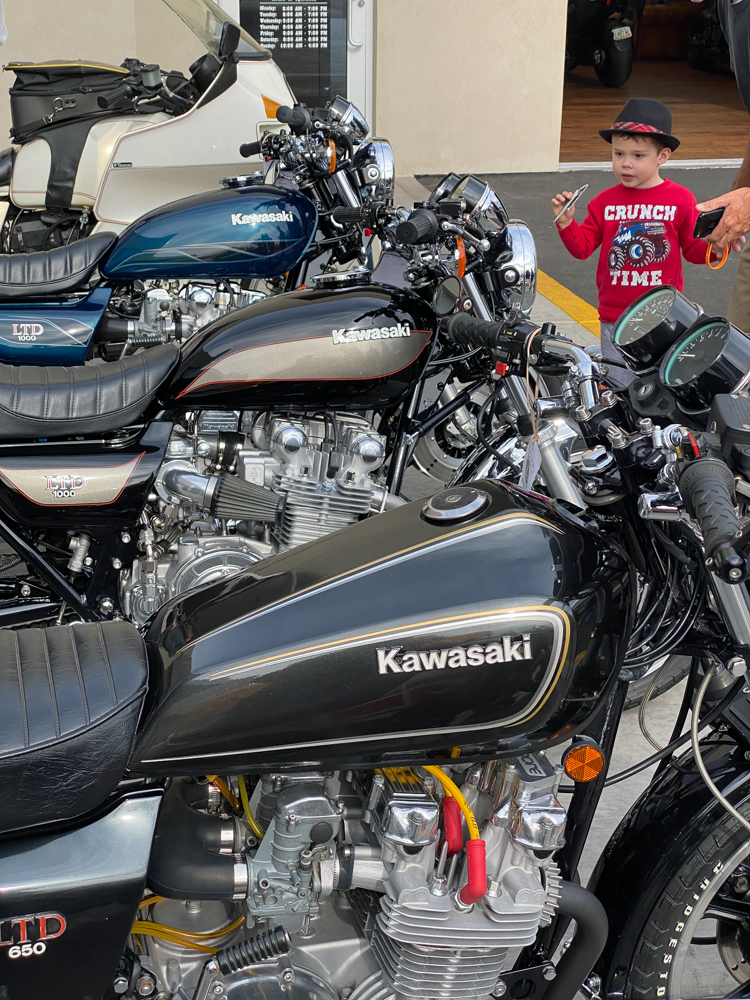
Crunch time. Some tasty Kawasakis.


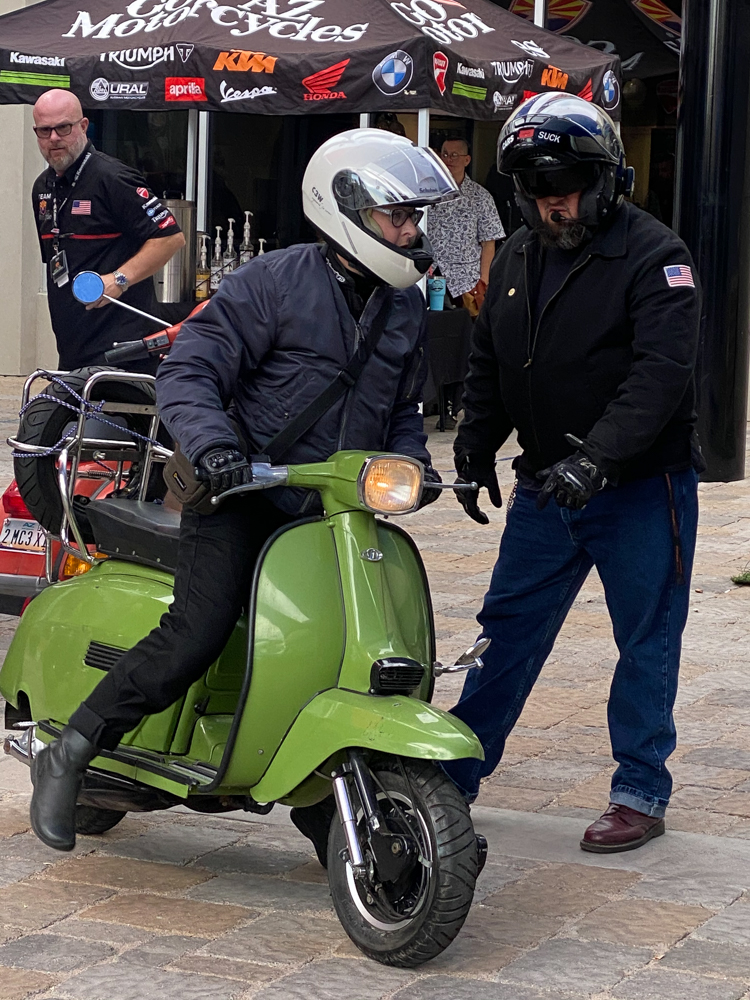
Classic 1960s 2-stroke Lambretta, with exhaust scent to match!


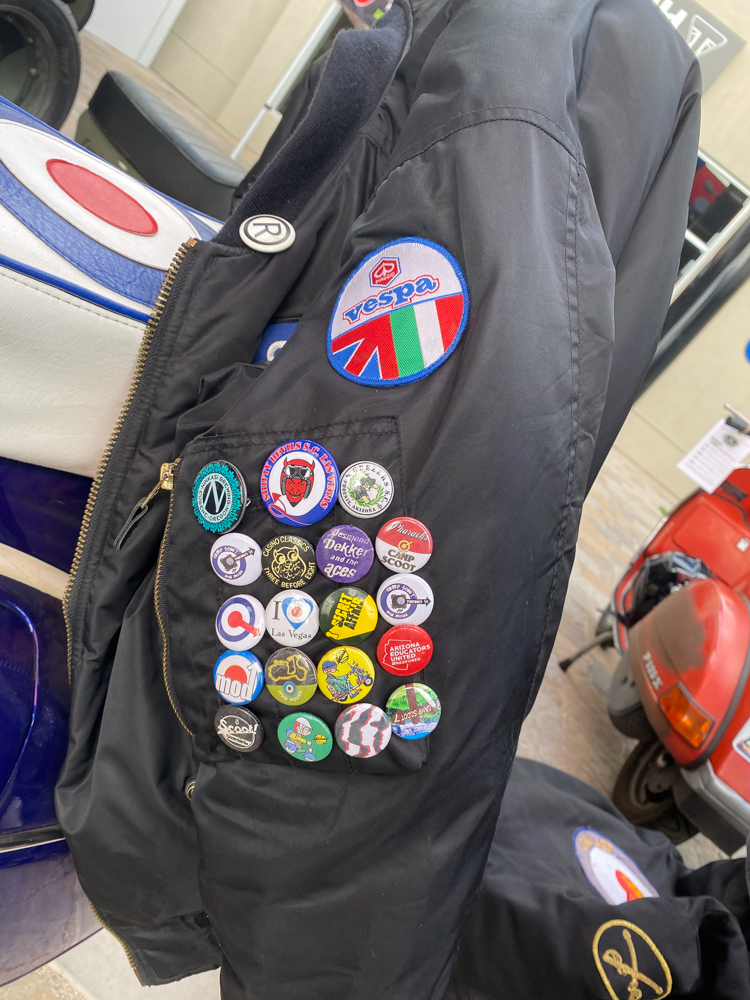
Quadrophenia and The Who live.


Badge city.


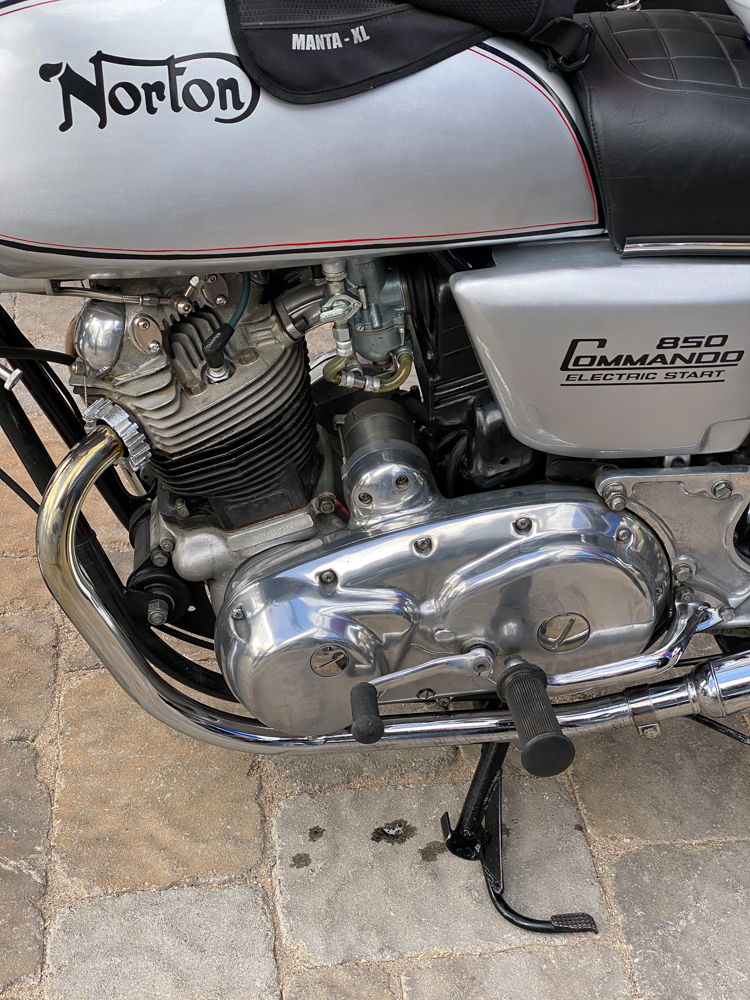
How you know a bike is British.


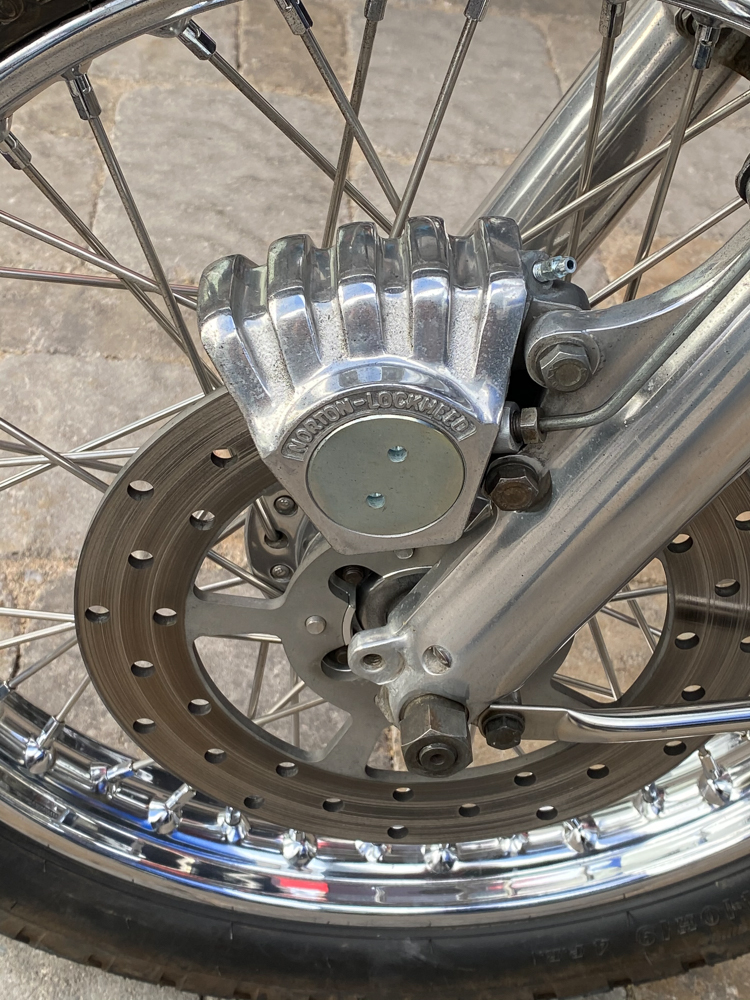
Lockheed was into the bike brake business.


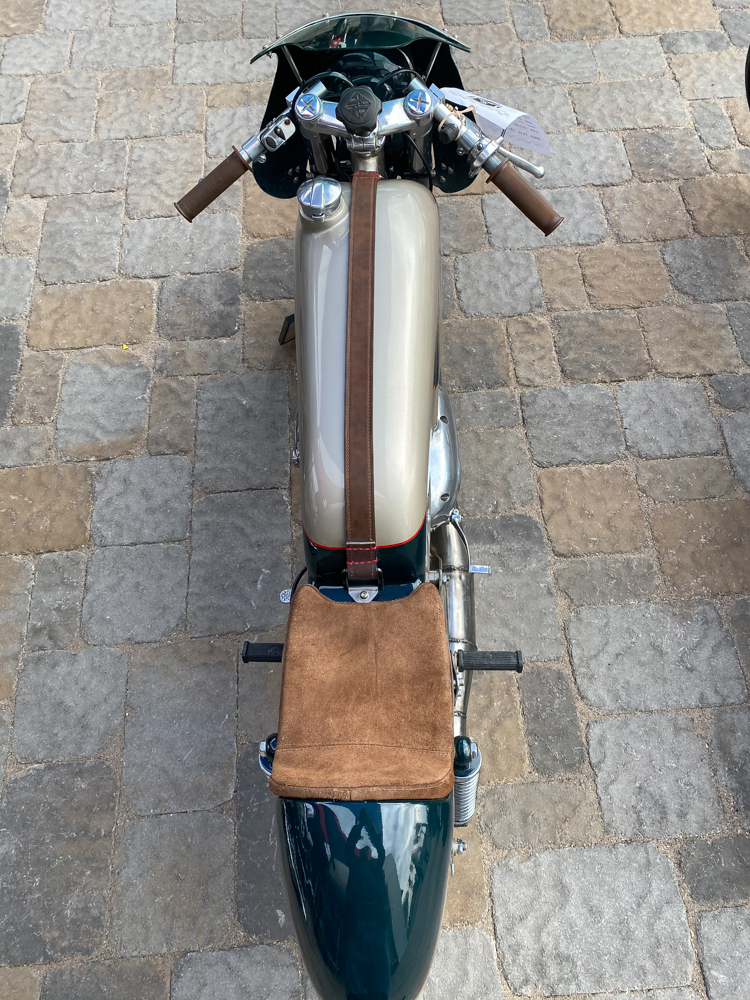
Jewel-like 1966 Bultaco Metralla club racer.


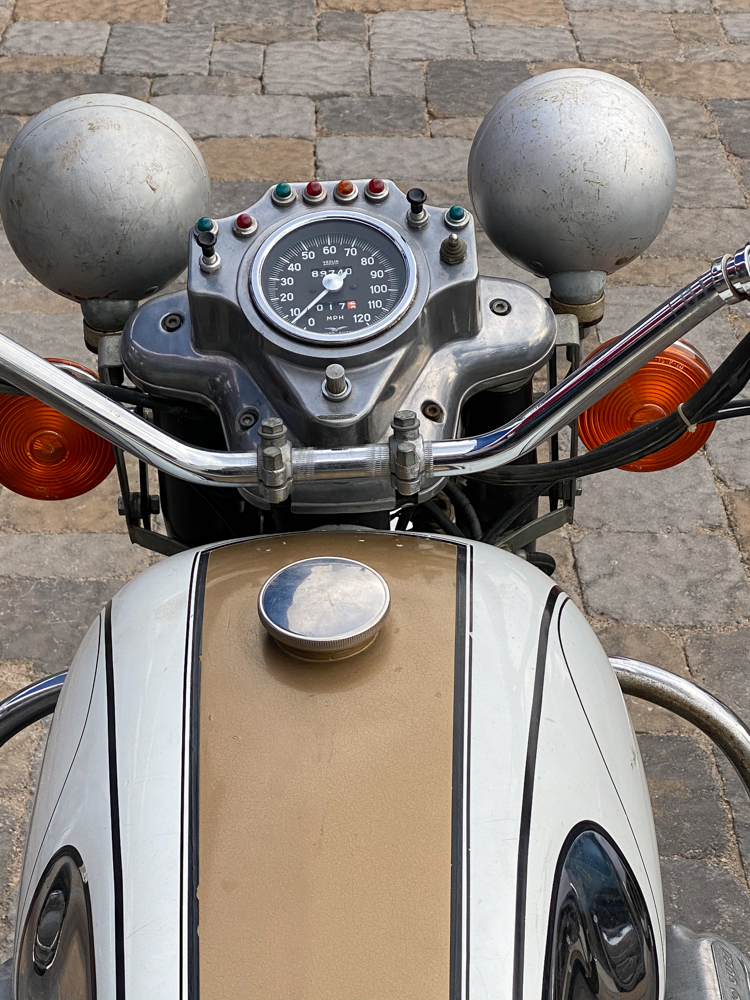
Moto Guzzi’s design goal was to make sure no one knew what all those warning lights did.


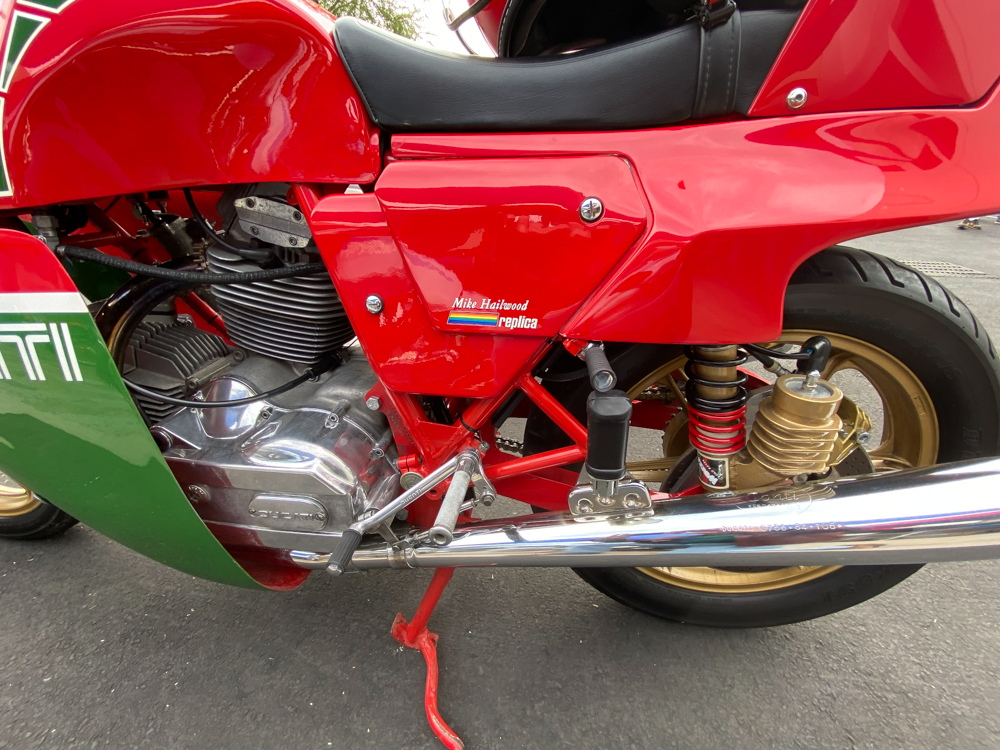
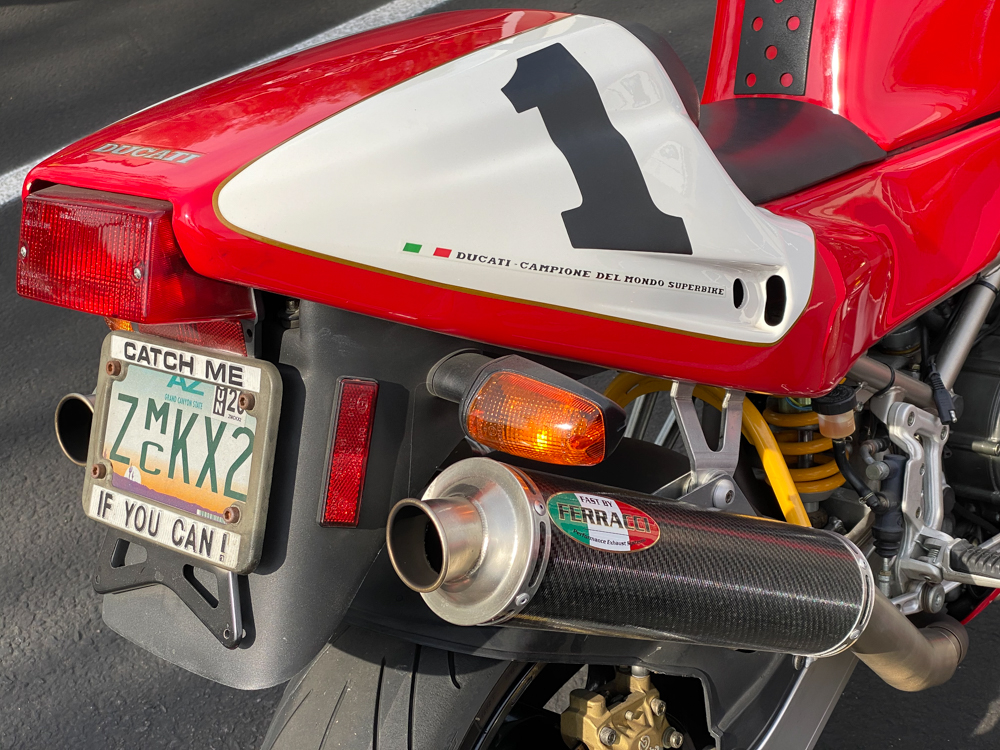
Gorgeous Ducati Mike Hailwood replica with cooled rear shock cylinder.


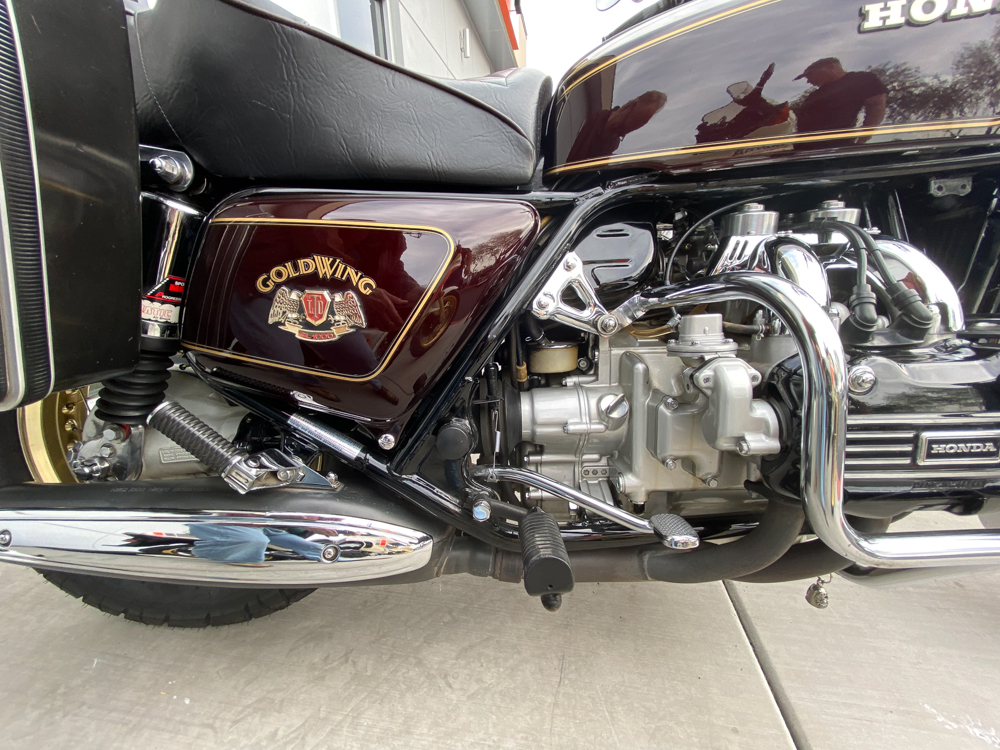
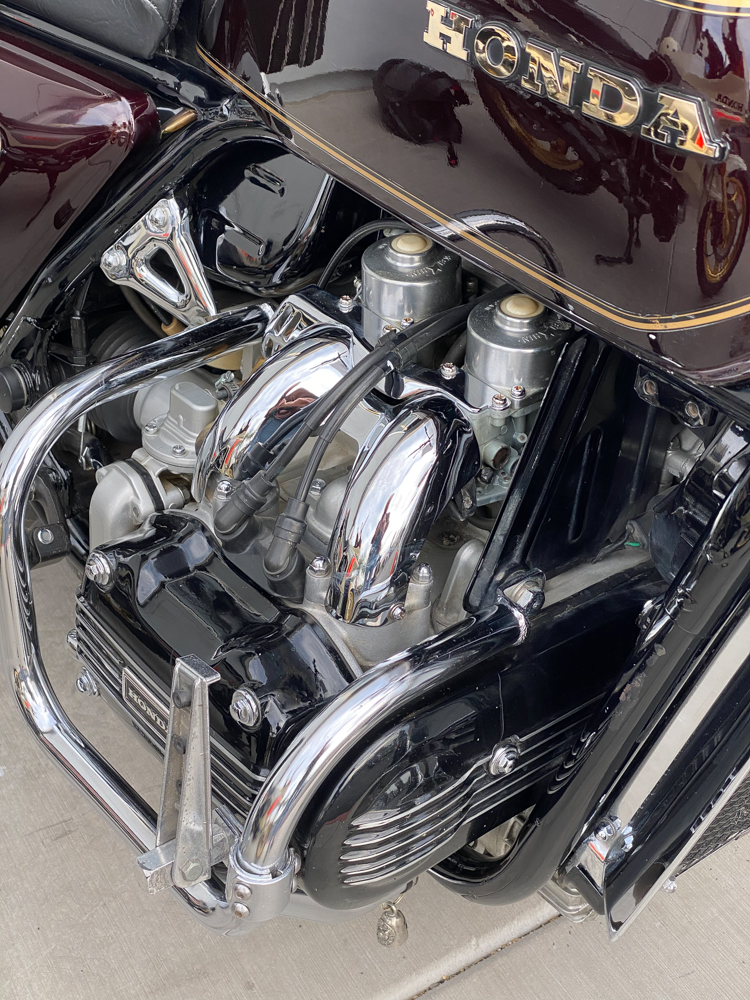
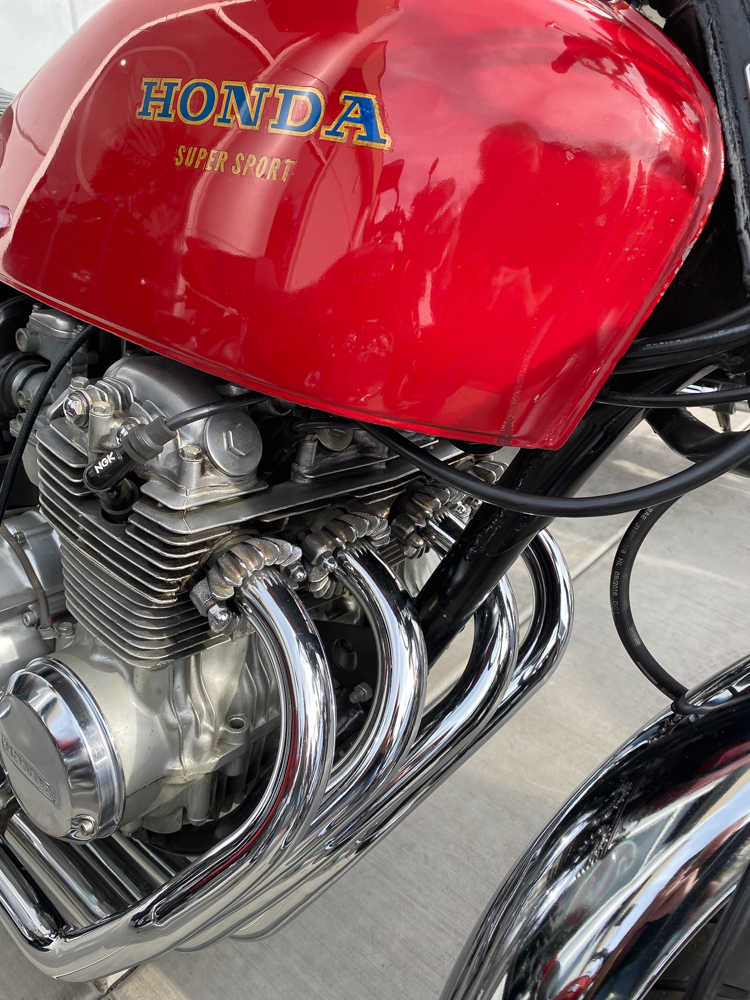
In the 1970s Honda was king. This is their 1976 flat four water cooled tourer.


The engine is low in the frame for stability, and bulletproof.


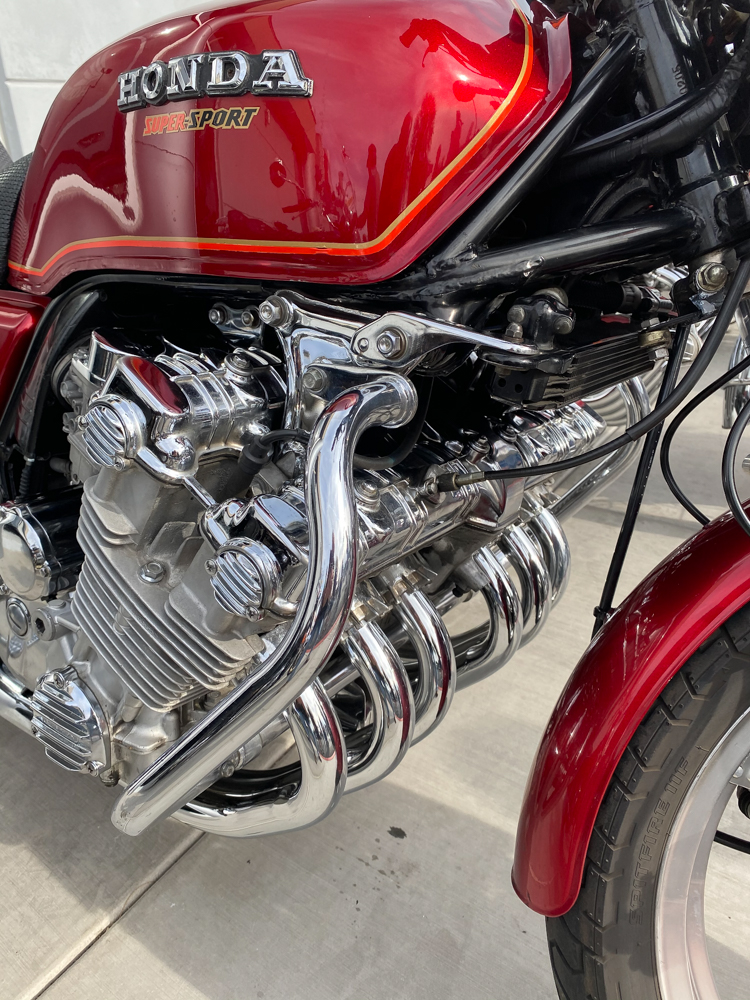
Not content, they then designed this wild CBX 6-cylinder marvel.


Then this exquisite 400cc four.


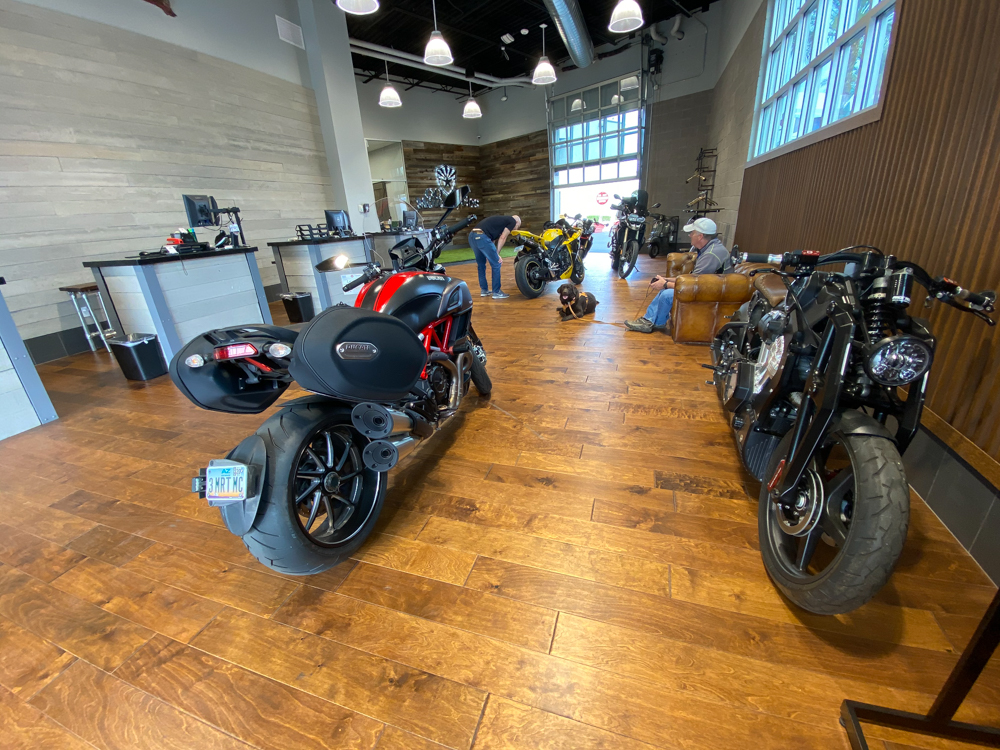
The dealership spares no expense.


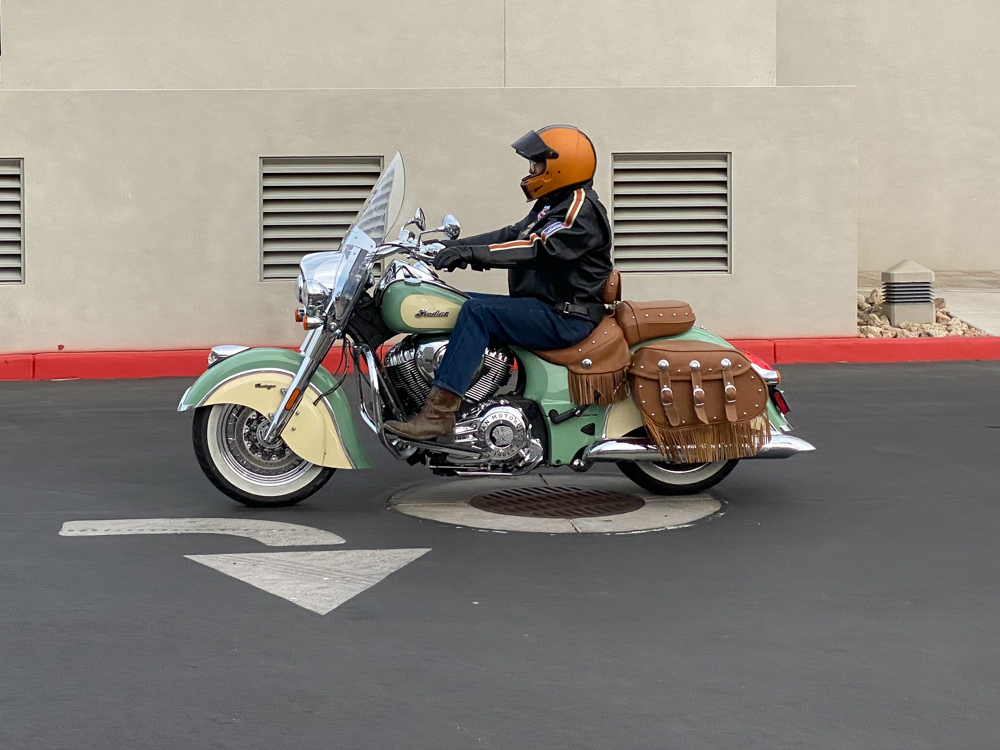
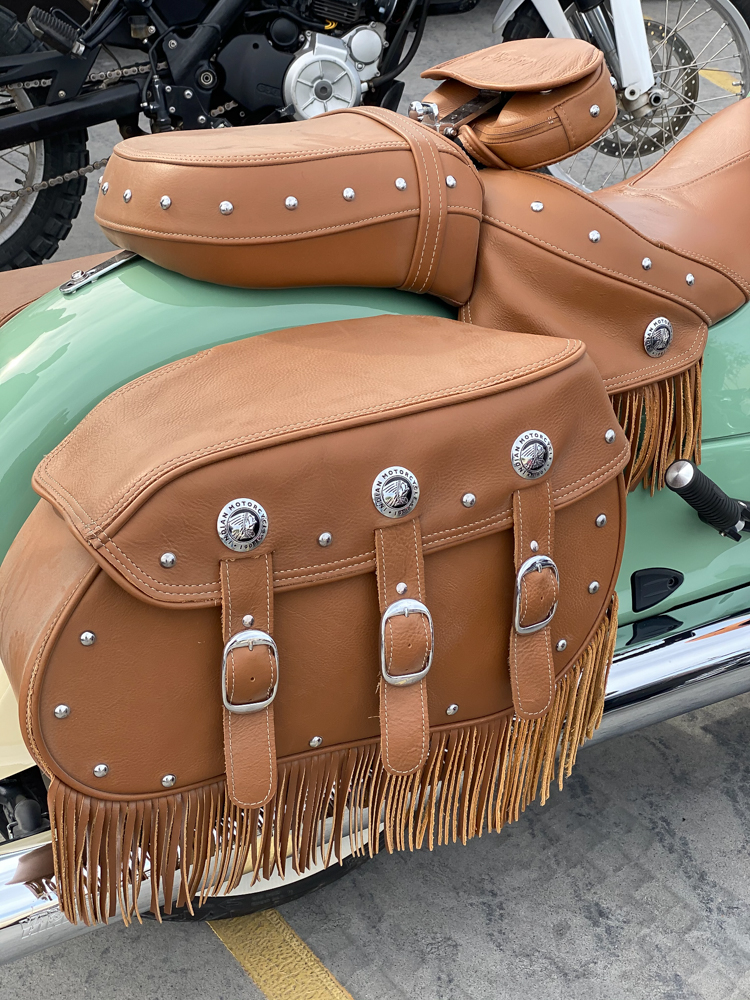
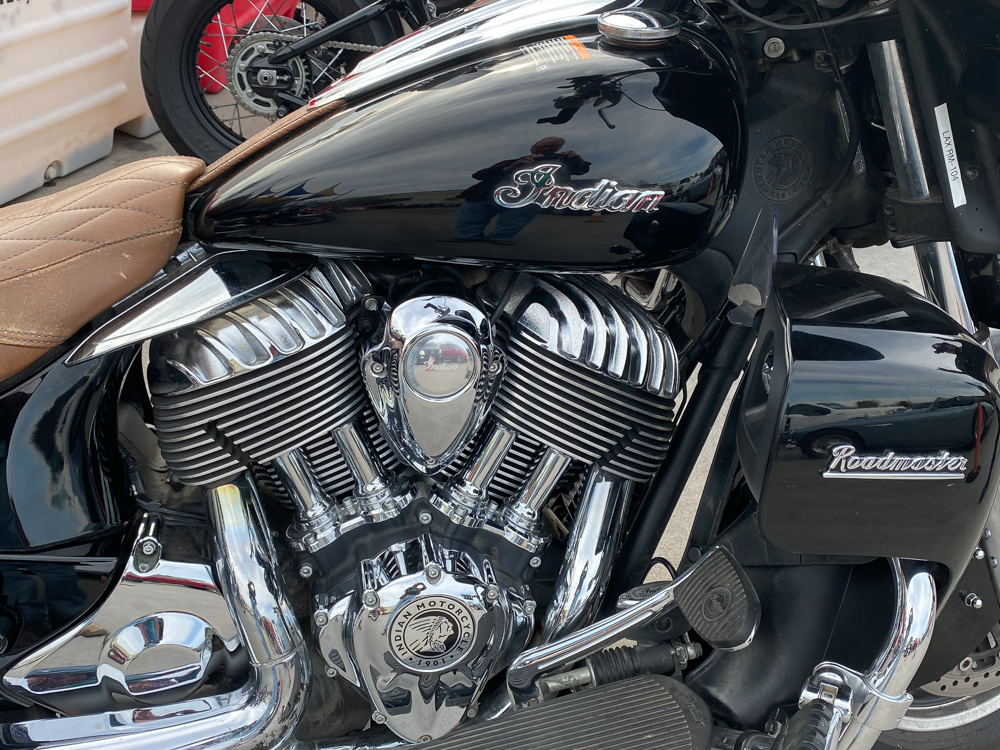
The horse with two wheels, a modern Indian.


Beautiful leatherwork on the Indian.


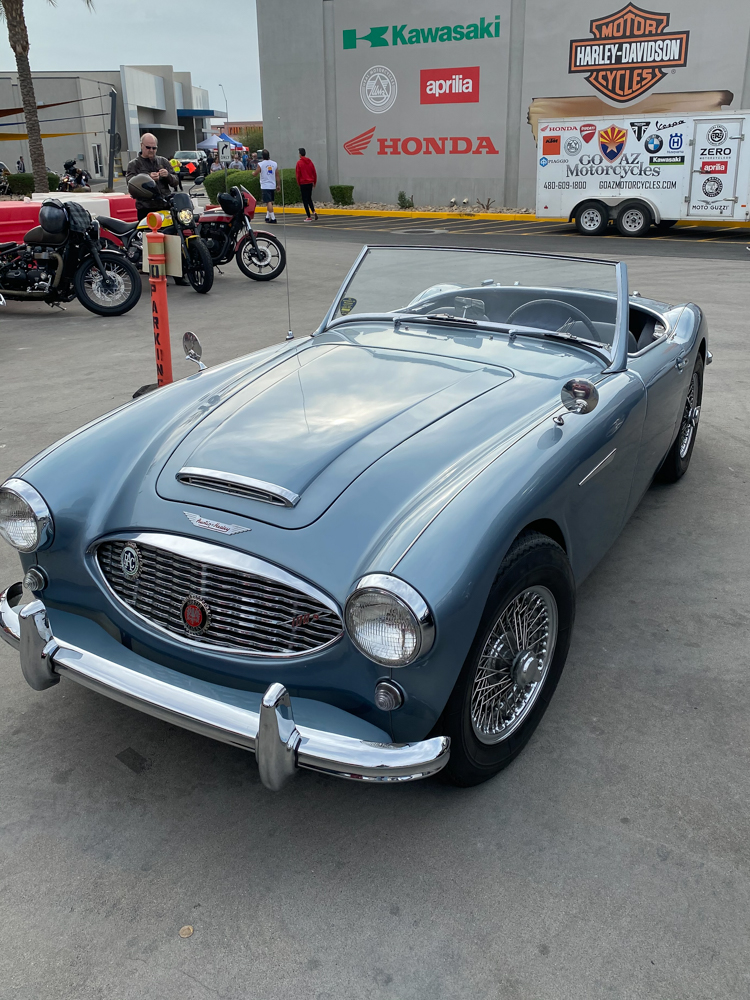
Someone brought along a classic Healey.


Subtlety is not the American designer’s strong point ….


…. but charm is abundantly on display here.


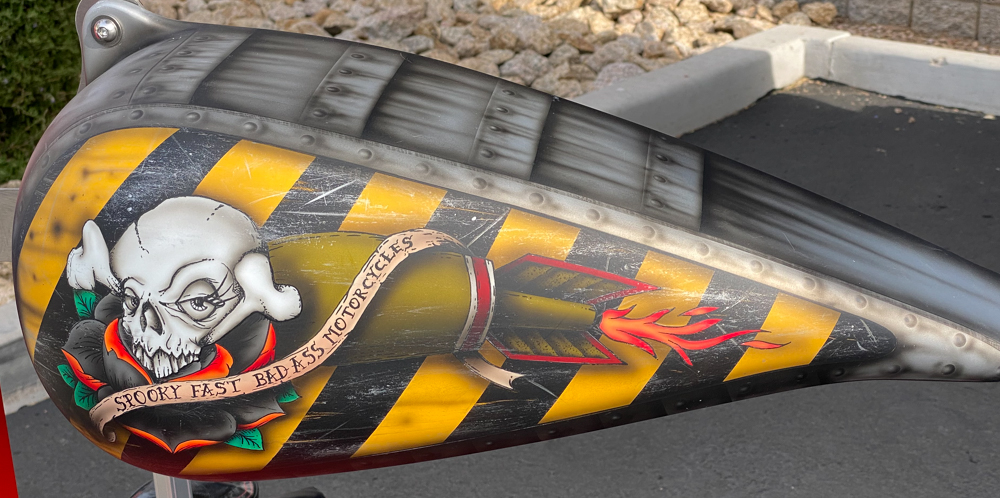
Spooky Fast Customs will paint whatever your heart desires.


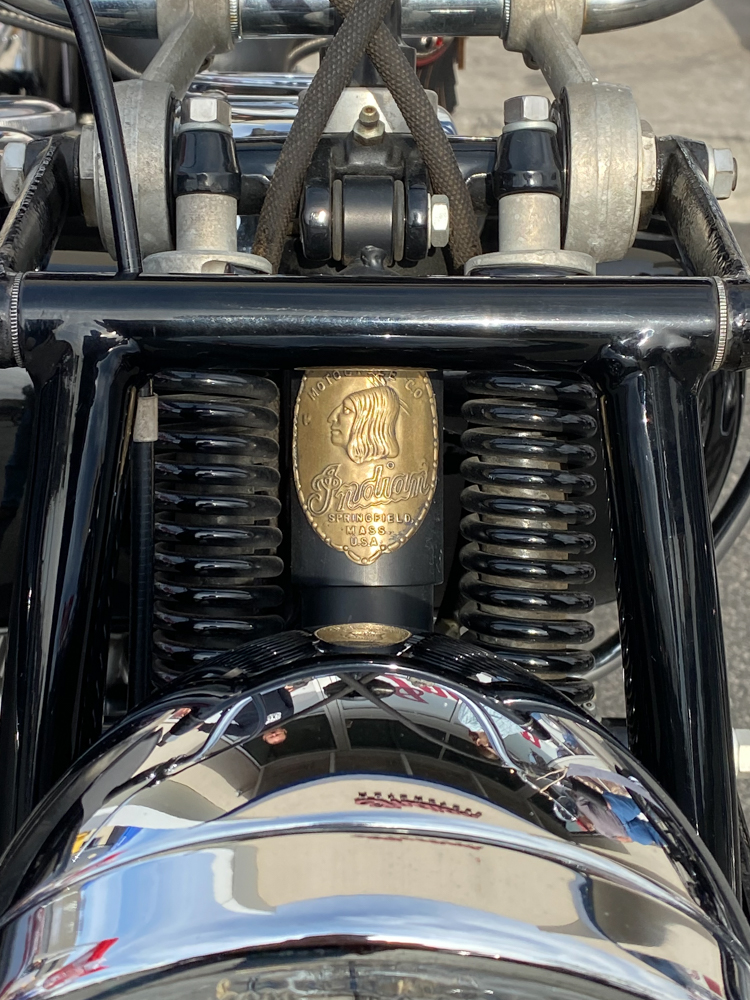
Classic pre-war Indian detail.


There were some 100 classic bikes on show.


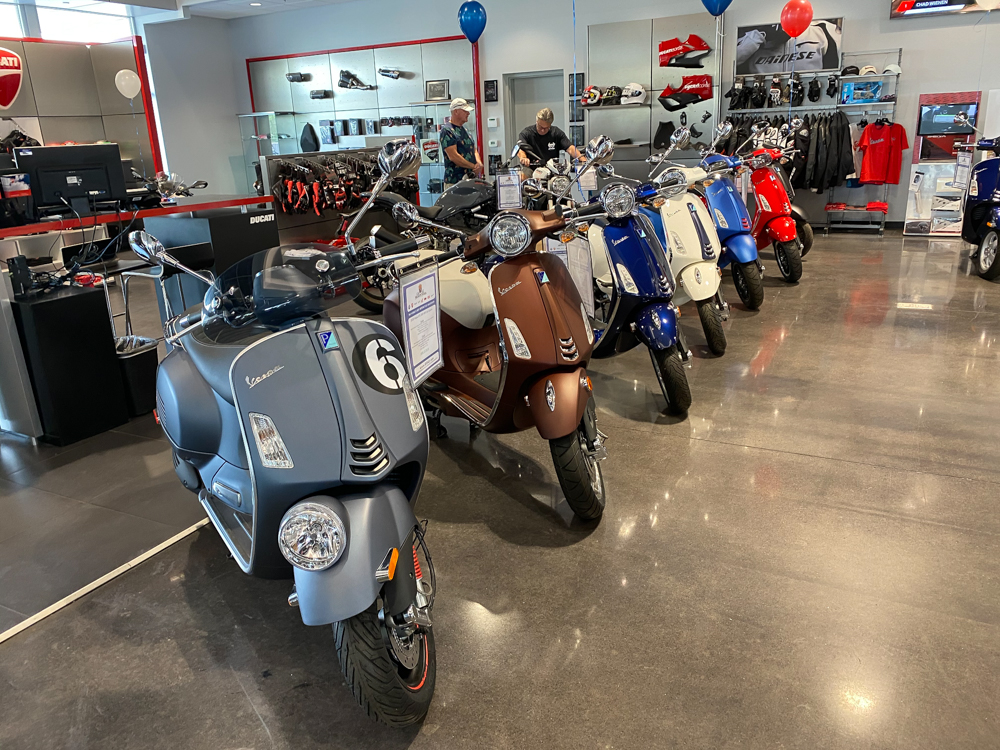
Vespa no longer makes two strokes, but they do have a fine line of scooters.


Italian Ducatis are all about speed.


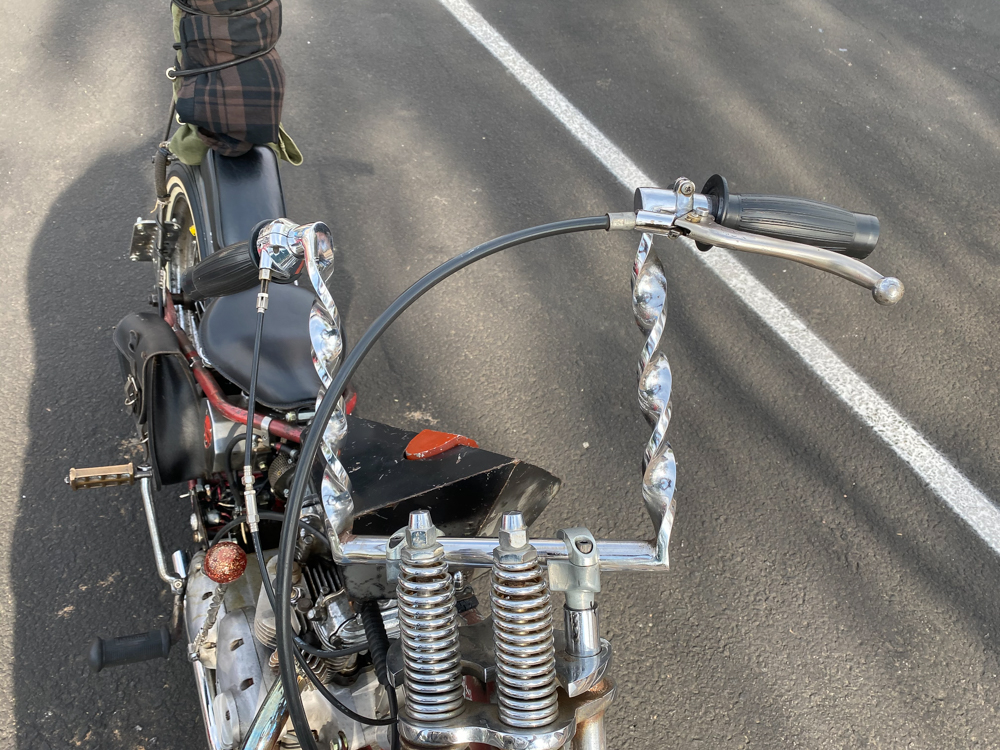
Twisted custom.


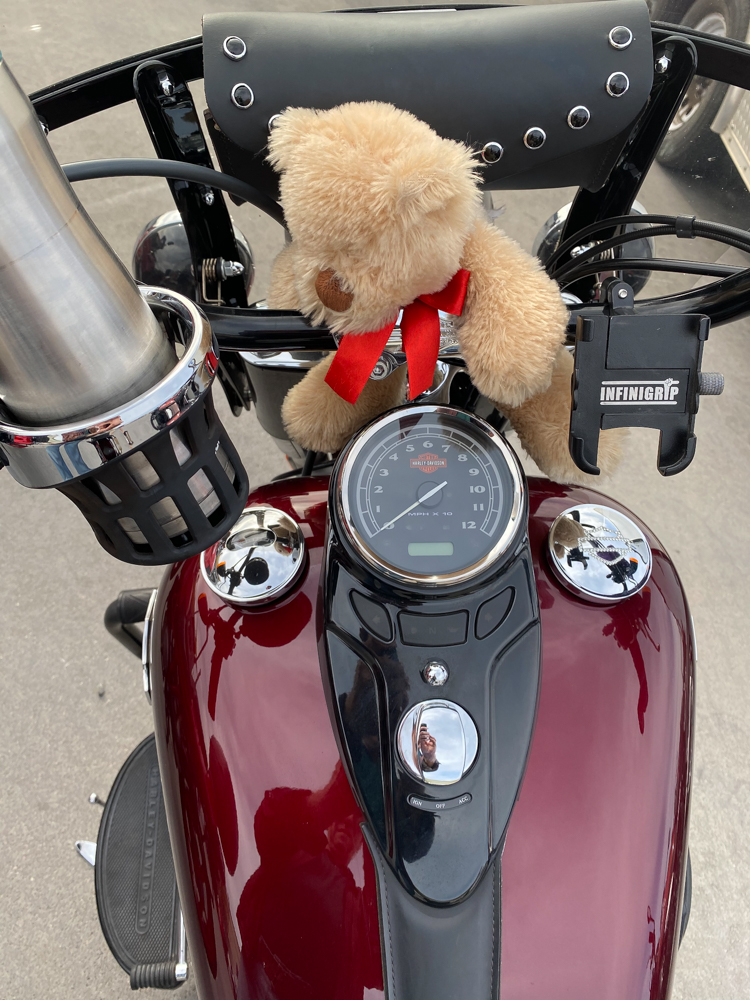
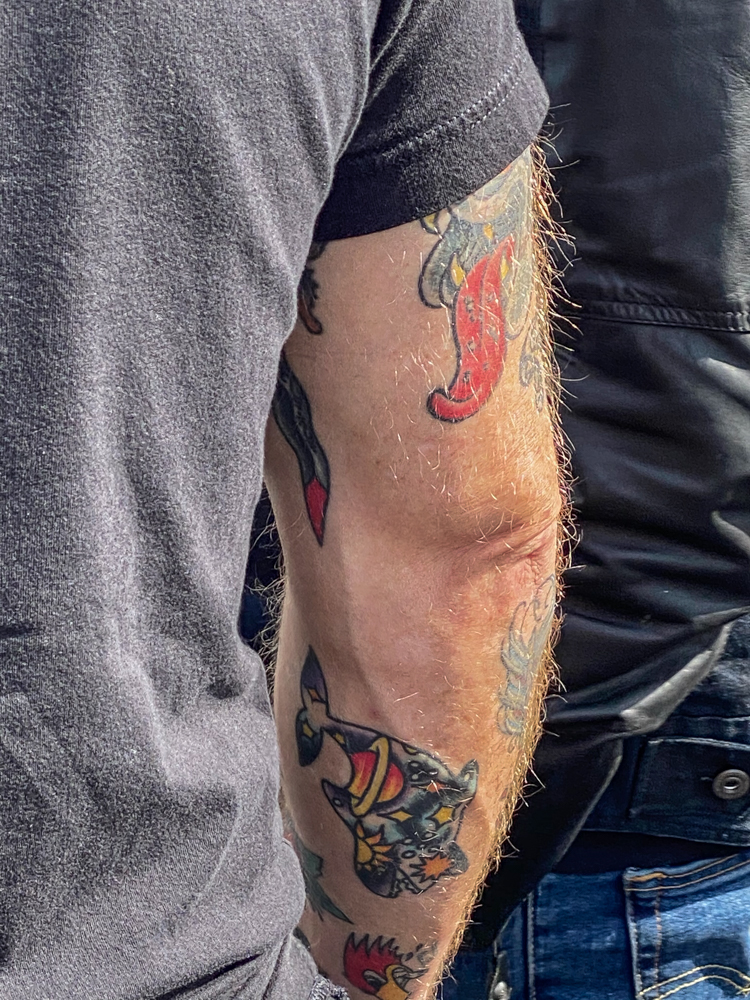
It’s a lifestyle for some.


Yours truly at the show. No tattoos yet. Photo by Wende Gooch.

All snaps SOOC (except two which had verticals corrected and one with UWA distortion removed) on the iPhone 11 Pro.

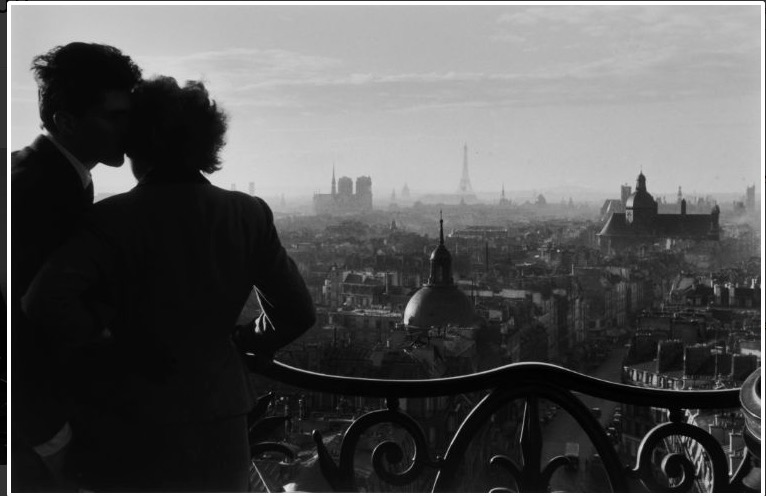
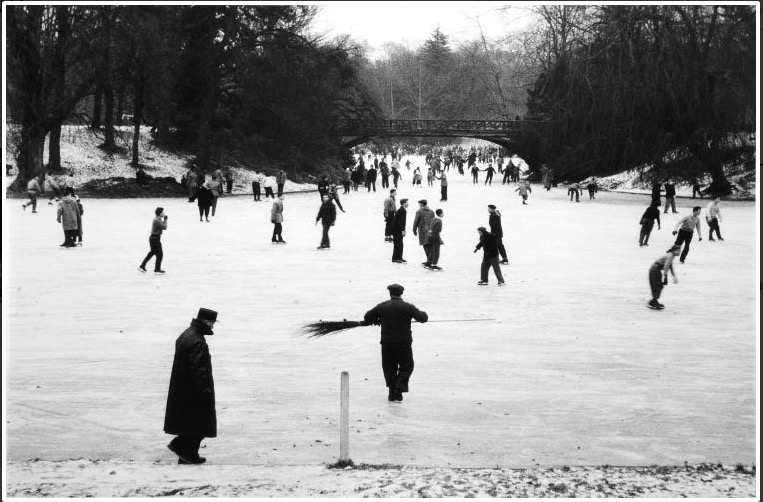
Willy Ronis

Parisian street snapper.

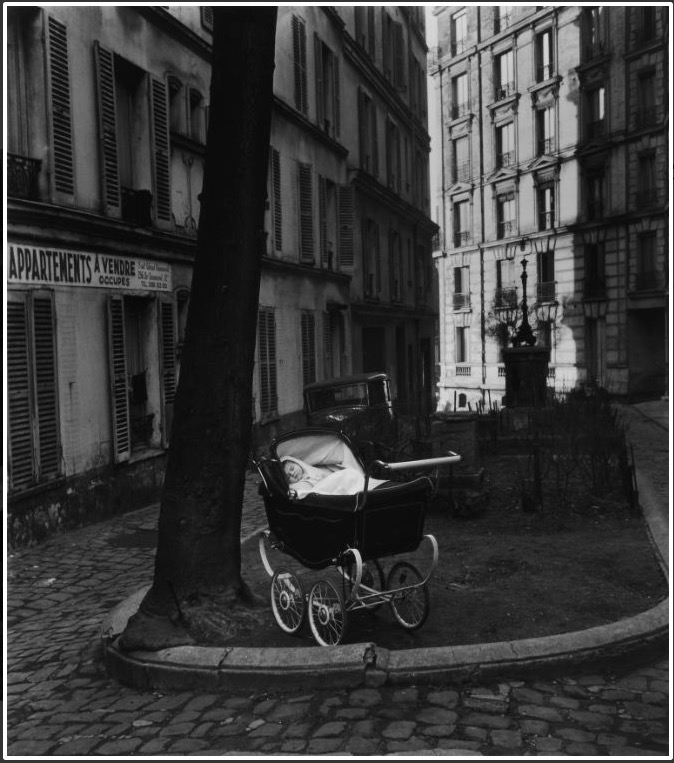
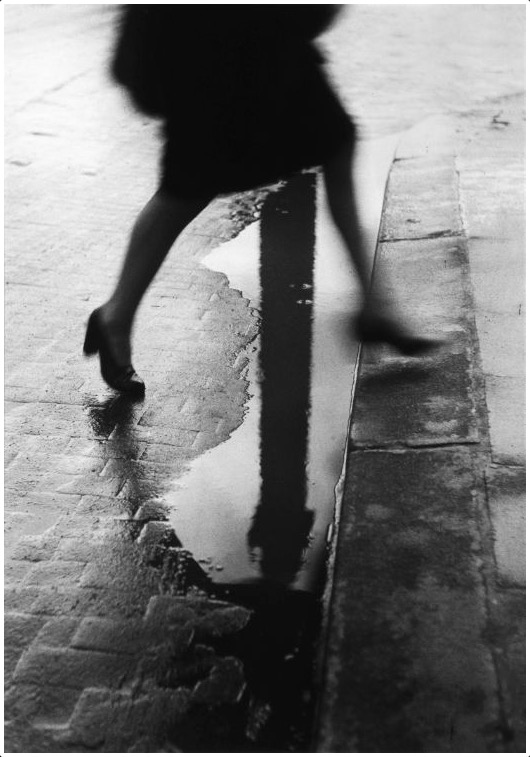
A contemporary of HC-B and Robert Doisneau, Willy Ronis (1910-2009) is best known for his Parisian street images.

There’s a quiet, self effacing charm to these pictures which are all about the most beautiful city on earth.


1948.


1947.


1967.


1954.


You can read more about Ronis here.

How wide is the iPhone UWA lens?

Incredibly so!

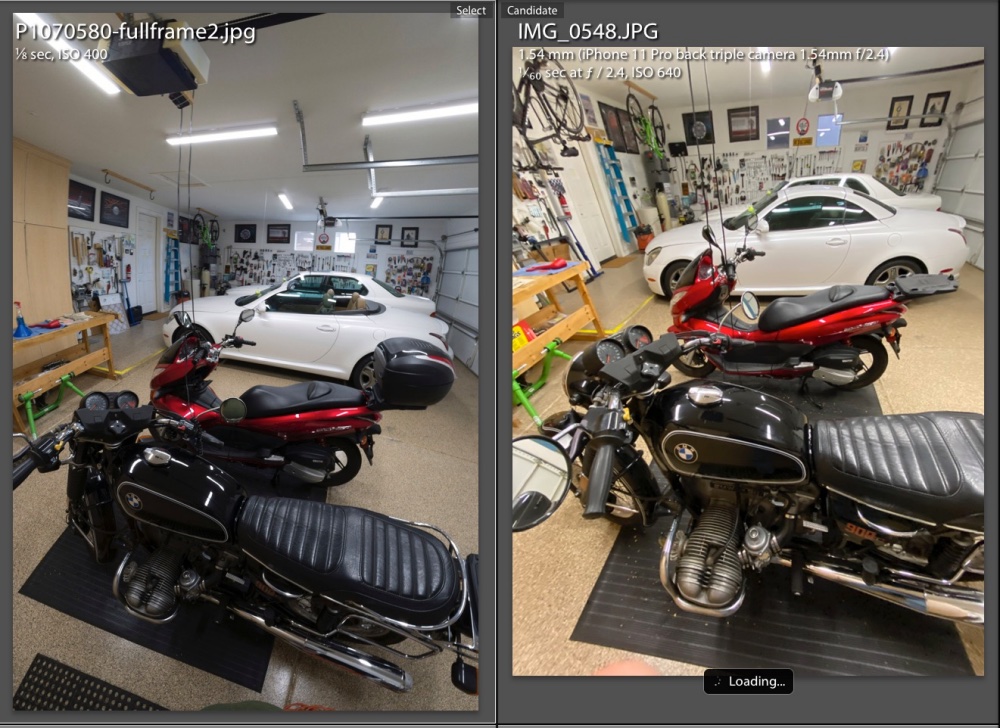
It’s not easy to convey just how wide the UWA in the iPhone 11 is. Apple states it’s 13mm FFE, so I decided to compare results with those from my Panasonic GX7 MFT body fitted with the 7.5mm MFT Rokinon fisheye (both now sold). As I have little interest in heavy spherical distortion (iPhone 11 UWA) or in the tedious fisheye effect (Rokinon), both images were corrected for linear projection, using my lens correction profile for the iPhone 11 (which reduces the FFE to some 14mm) and Fisheye Hemi for the Rokinon image. The defished Rokinon field of view computes to 12mm FFE.


GX7/Rokinon at left.

There’s much to be learned here. Both images were taken under identical fluorescent lighting with the cameras set to Auto White Balance. The Rokinon image is certainly 2mm or so wider, but there the Rokinon’s advantage ends. The iPhone does a superb job of auto white balance, rendering realistic daylight tones but, more importantly, take a look at the near cylinder on my classic BMW motorcycle. The dynamic range correction from the iPhone is superb. The MFT would need significant post processing to recover the shadows.

Except for distortion correction, both images are SOOC.

So yes, the UWA’s image is not quite as wide as that from a de-fished fisheye. But the advantage of the computational photography applied within the iPhone, which greatly enhances dynamic range, considerably outweighs the slight loss of width.

Wegee and The Public Eye

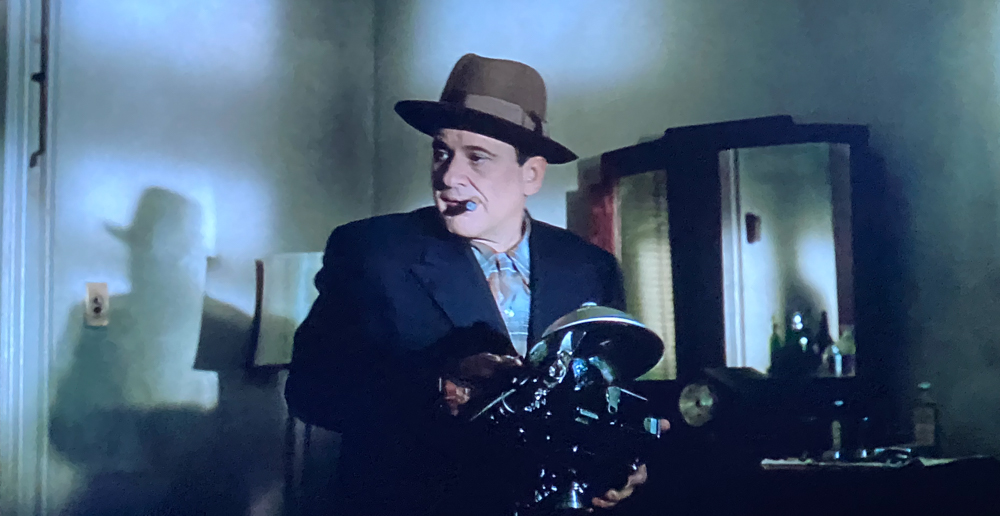
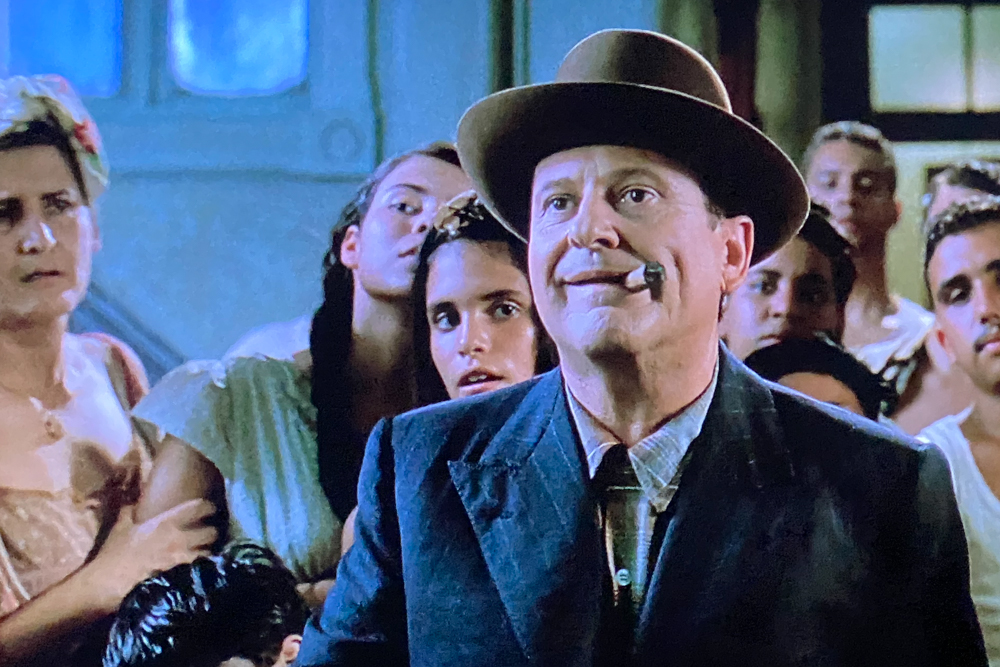
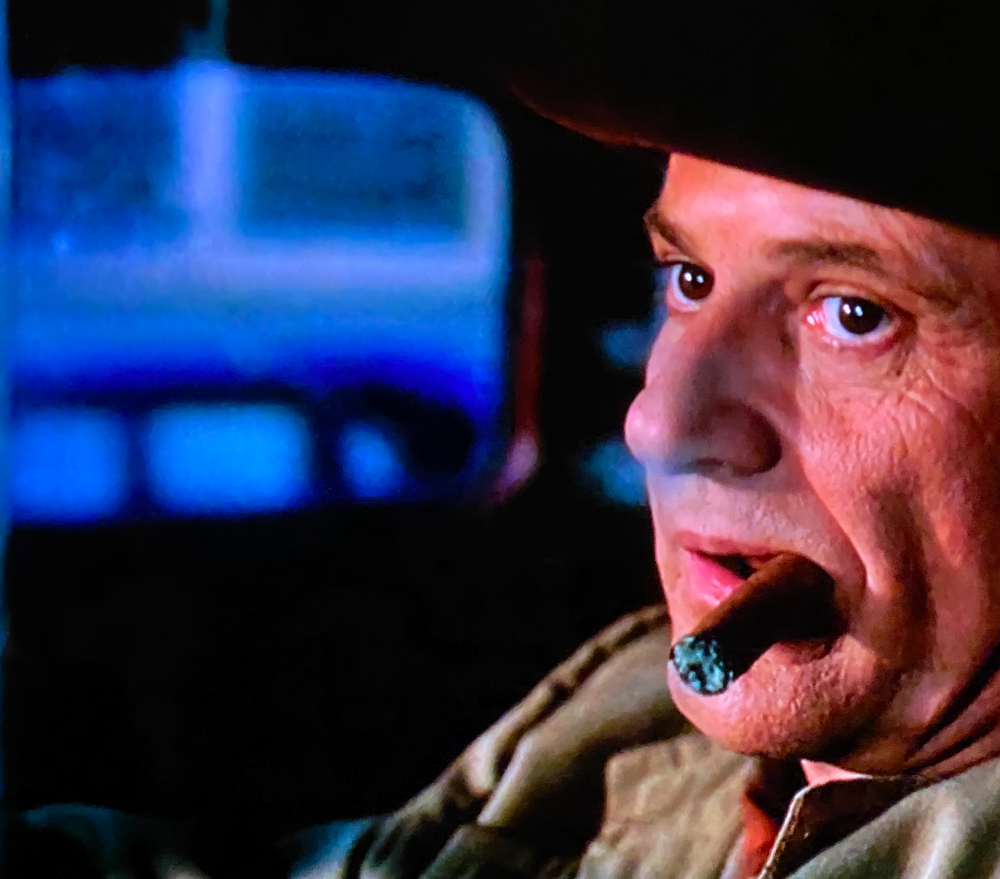
Joe Pesci at his best.

Arthur Fellig, who went by the name Weegee, was a 1930 and 1940s New York street snapper who made his name with gruesome monochrome images of street murders, as often as not involving the mob. He installed a police band radio in his car, allowing him to listen in on the dispatcher and arrive first at the scene, scoring hundreds of scoops.

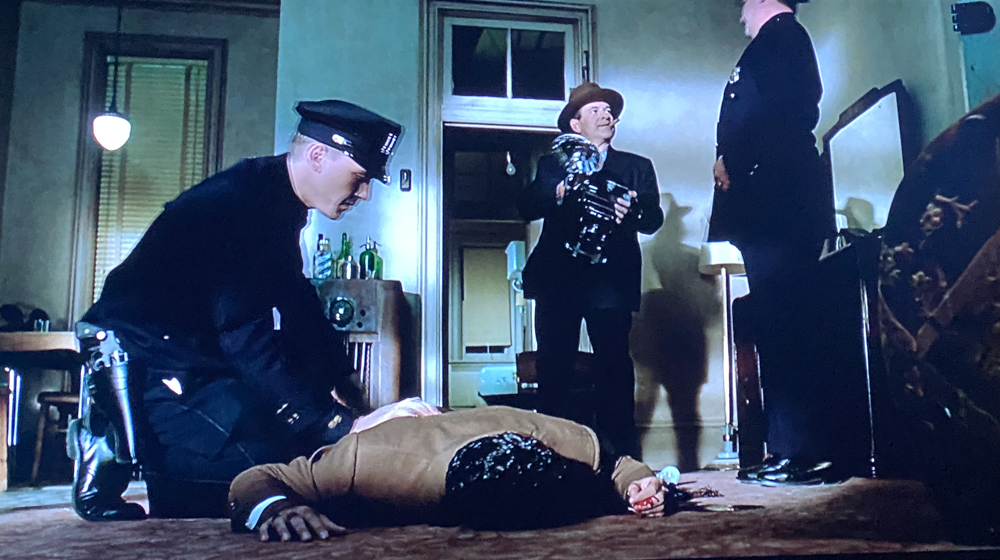
He was arguably the first freelance photographer, one to whom any latter day self respecting paparazzo owes his living. A larger than life – if small in stature – man like that would be a natural for a biopic, you would think, and indeed such a movie was made. It is called The Public Eye and stars one of the finest actors of his generation, Joe Pesci. Sadly, a confused plot along with poor editing and marketing made the movie a flop, but there’s lots for any photographer – and any Pesci fan – to enjoy.


At one of many scoops.


The 4 x 5 Speed Graphic he used was huge.
5 seconds between shots – flip the dark slide and film holder and pop in a new bulb.


The oversize hat emphasizes Pesci’s diminutive stature.


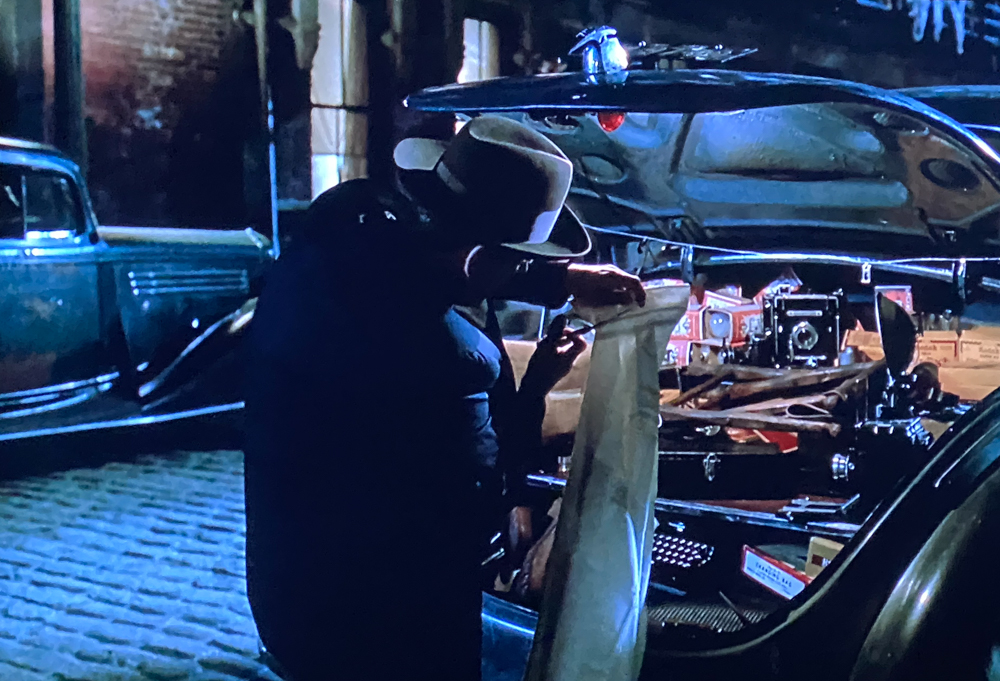
Just look at this attention to detail – Remington typewriter,
spare flash bulbs, Speed Graphic, you name it. Ford Deuce Coupe.


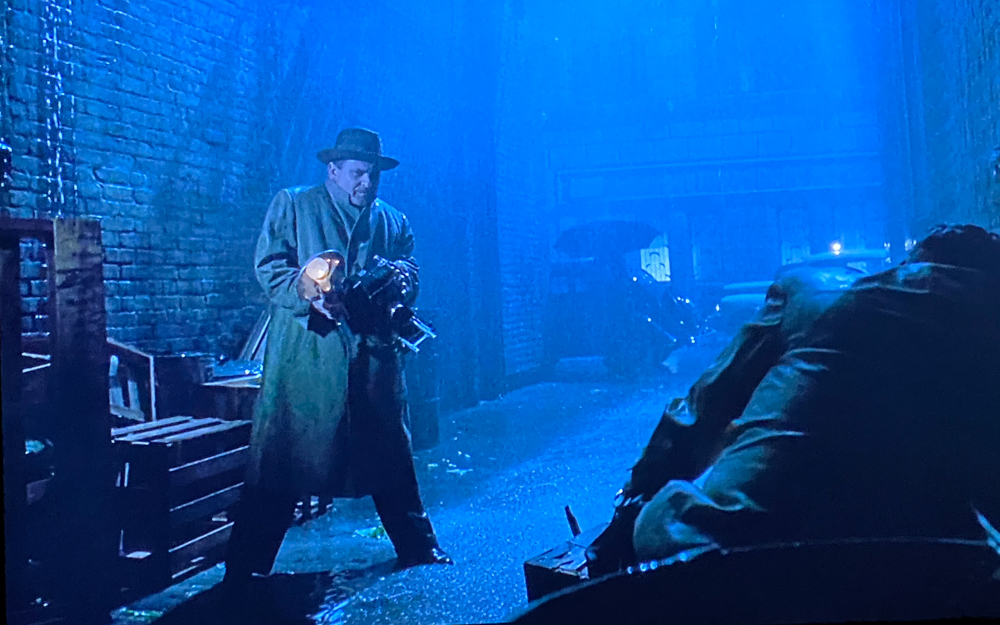
Integrity was not Weegee’s guiding force.
Here he sets up a shot of a dead bum in an alleyway.


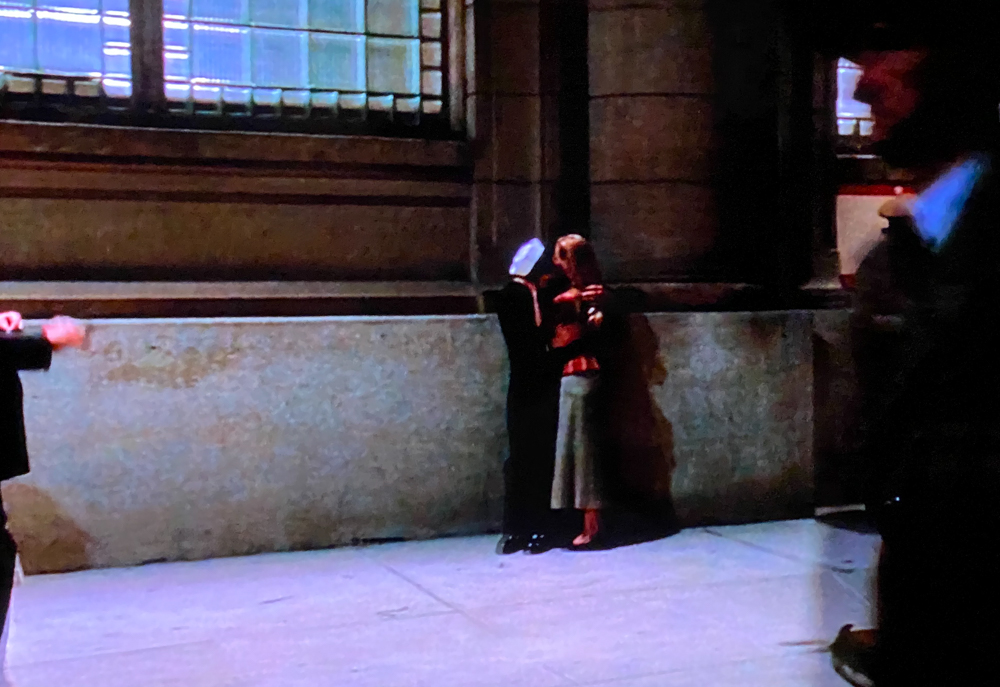
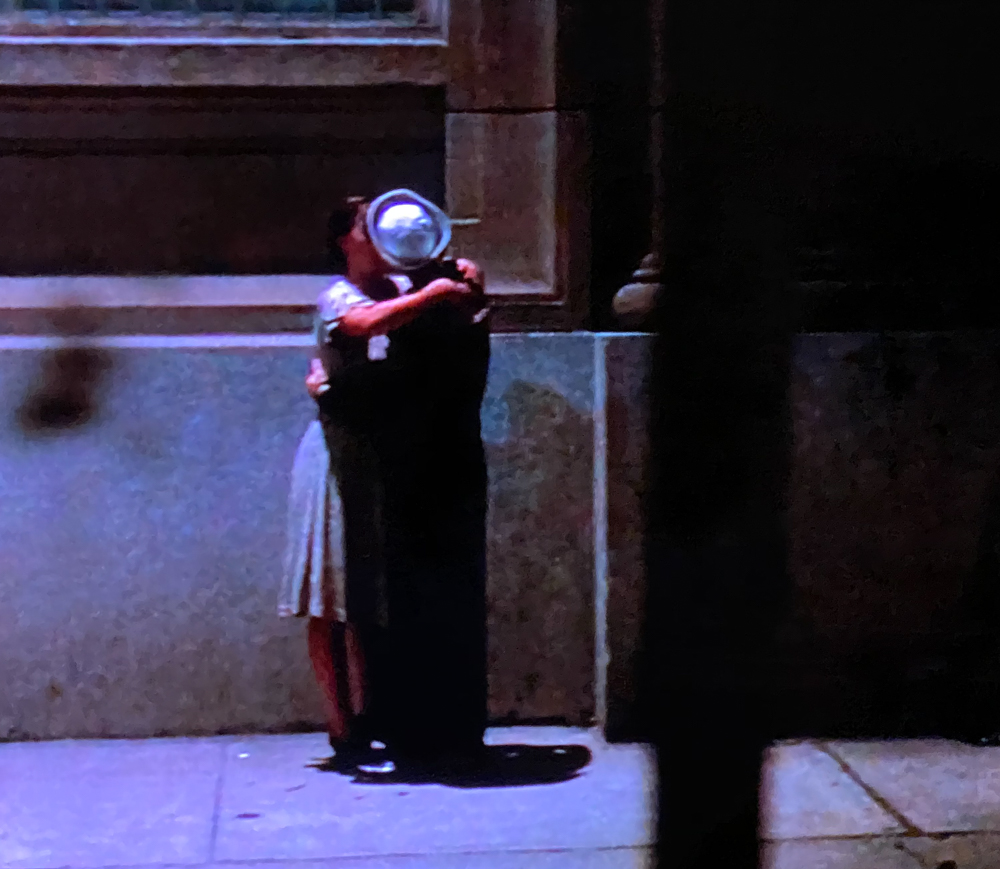
Noo Yawk at night – a magic moment.


A much underused actor with great range.


More of the same.


Recommended to all photographers and movie lovers who are willing to overlook the movie’s shortcomings.

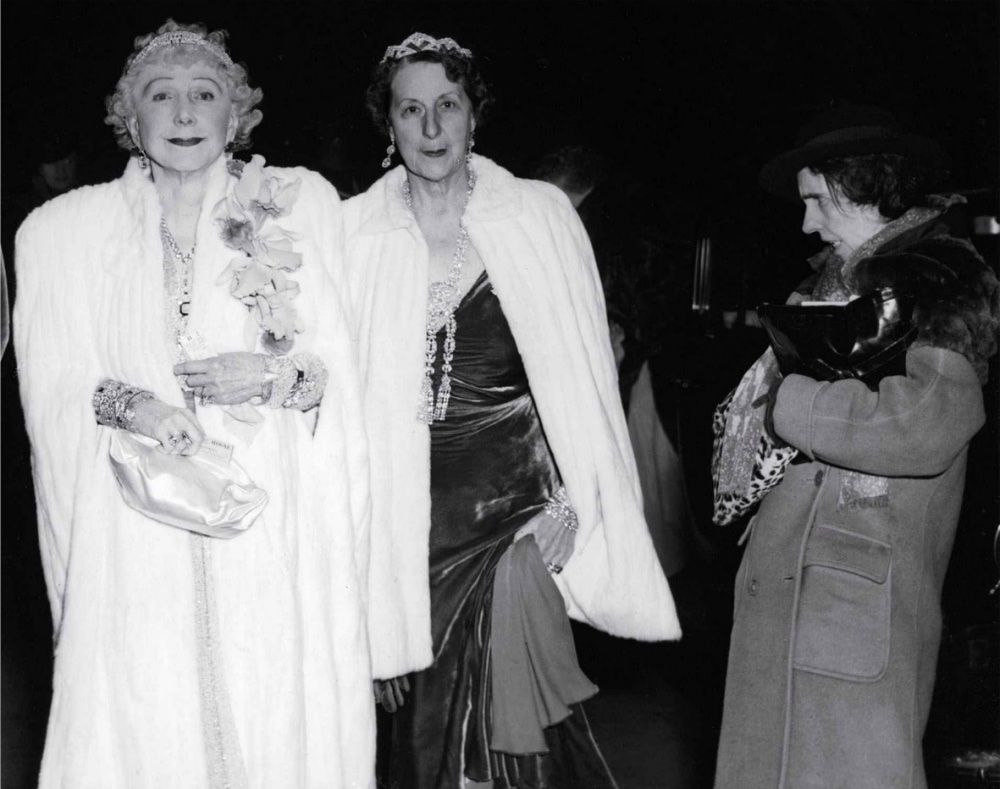
As for Weegee, he was quite probably the worst photographer to ever take a breath, but then it was shock not art that was his stock in trade. He did once take a really great photograph, and it is this he is remembered by:


Weegee’s ‘The Critic’, 1943.

And like Doisneau’s ‘The Kiss’, it was carefully posed. And, like with his mainstream work, the picture shows nothing but corpses.