Bowdoin College

In Brunswick, Maine.

For an alphabetical index of the New England College series of pieces, click here.

Some of the best American schools are to be found in remote Maine, and Bowdoin (pronounced ‘Boh-din’) is very much a study in excellence. There are 1,800 undergraduates here in a school dating from 1839. A healthy endowment helps see to it that the school is maintained in pristine condition.

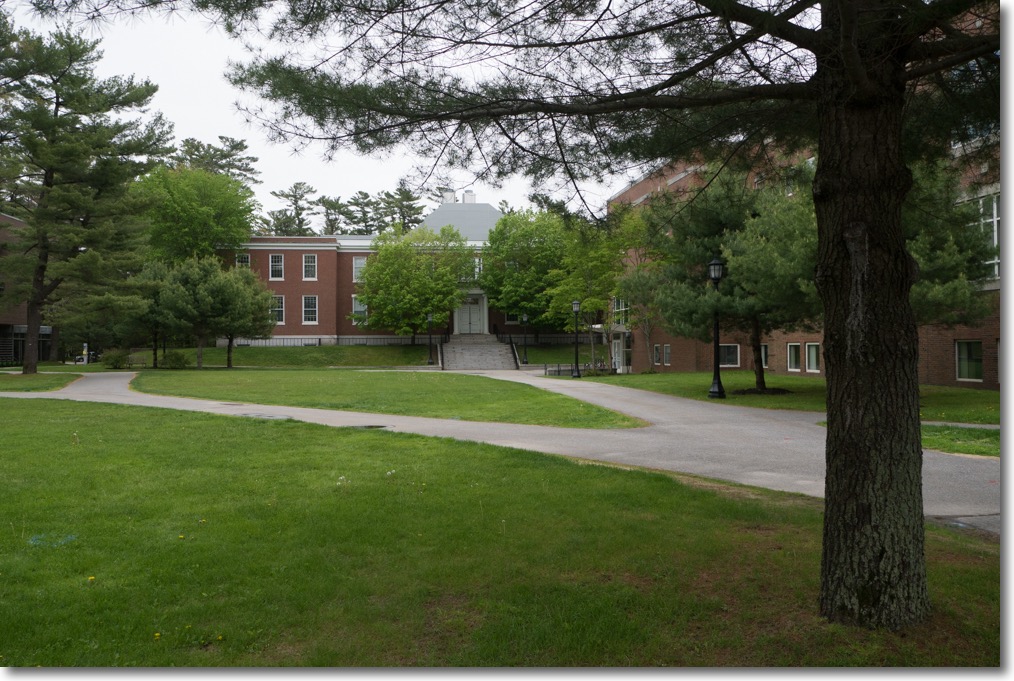
If distinction it be, then Bowdoin is distinguished as being the first college we have visited without a disfiguringly ugly modern building. Even the later additions here are beautifully integrated and the school’s building committee is to be congratulated. Bowdoin is one of the highest ranked liberal arts colleges in the nation despite its relatively modest size.
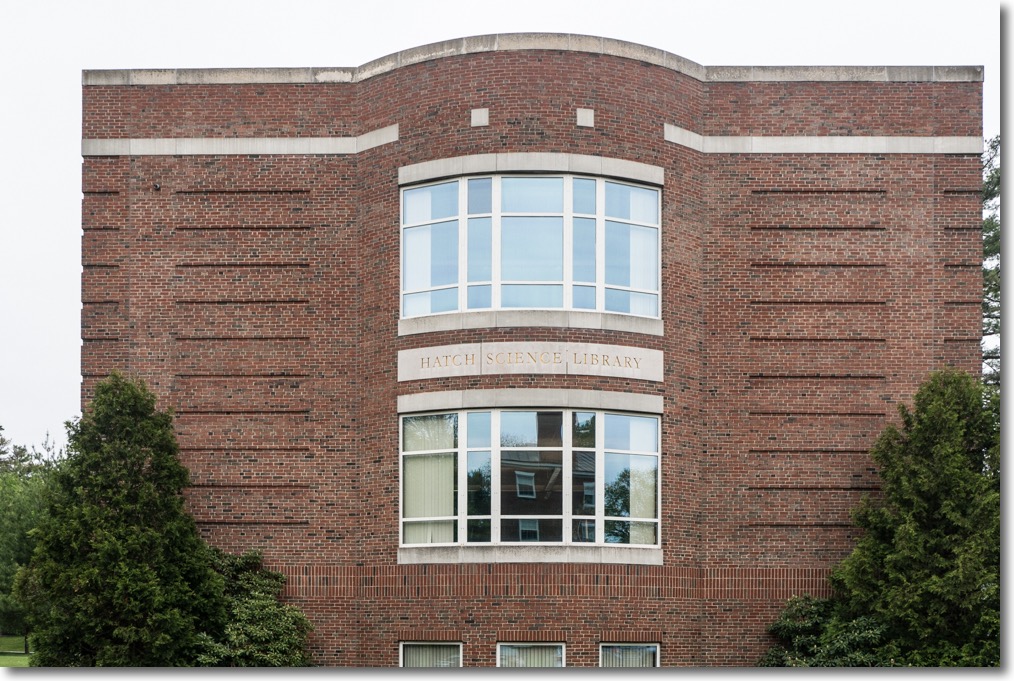
The Hatch Science Library.
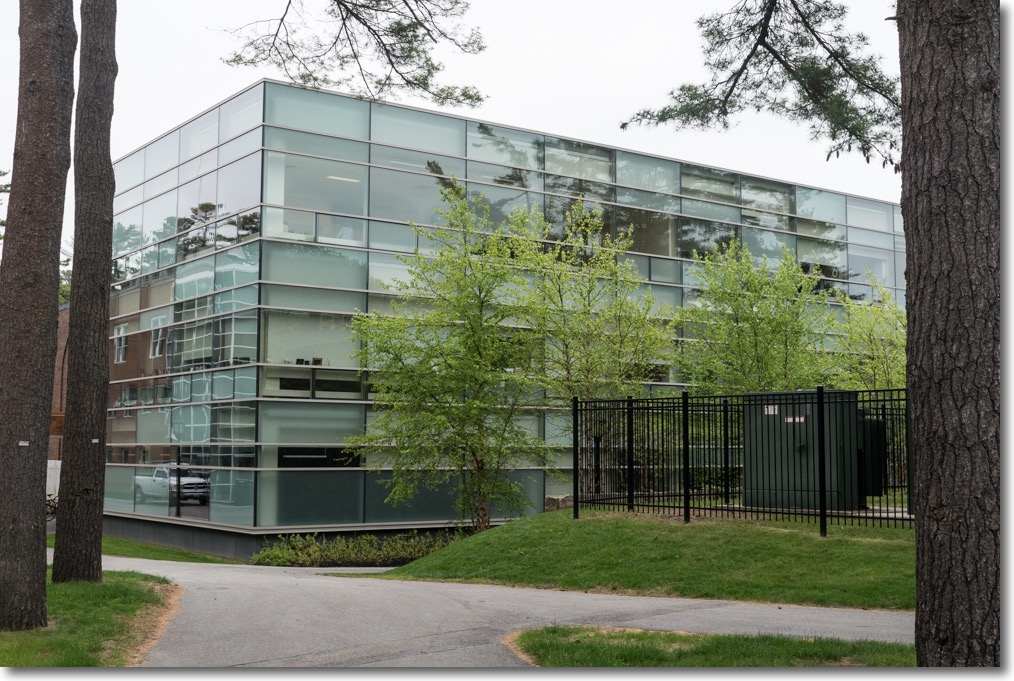

Though glass and steel, the exquisite Peter Buck Center for Health and Fitness fits its surroundings perfectly.


The perfectly proportioned Bowdoin Chapel anchors the Quad.
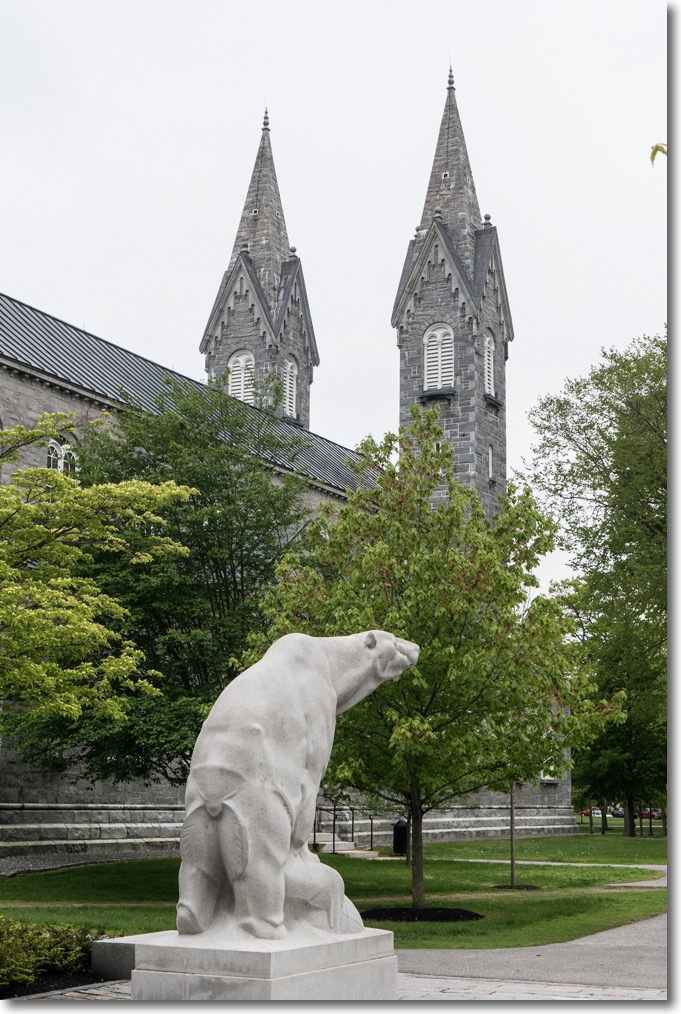

Alumnus Robert E. Peary, class of 1877, led the first successful expedition to the North Pole in 1908, and hence the school’s mascot is the polar bear.
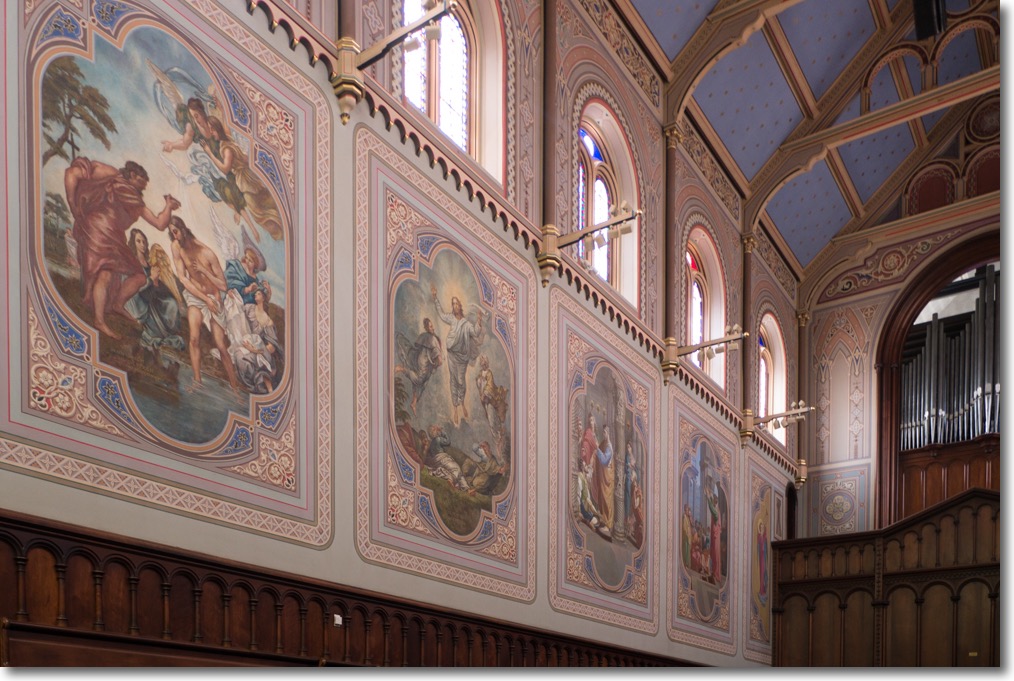
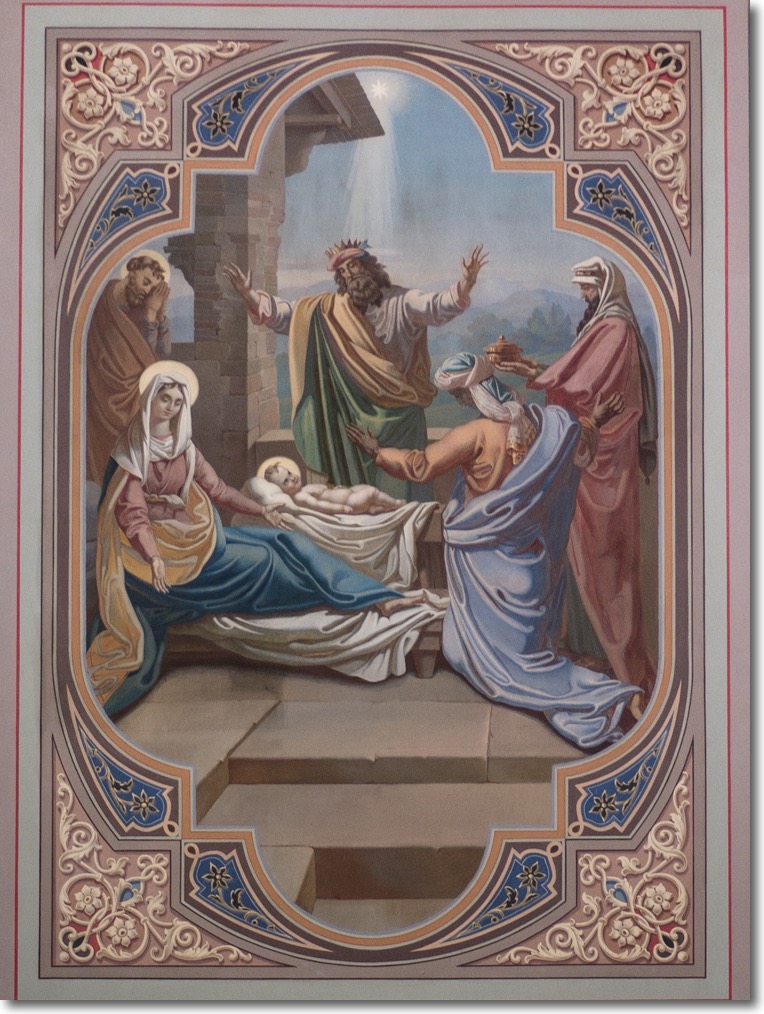
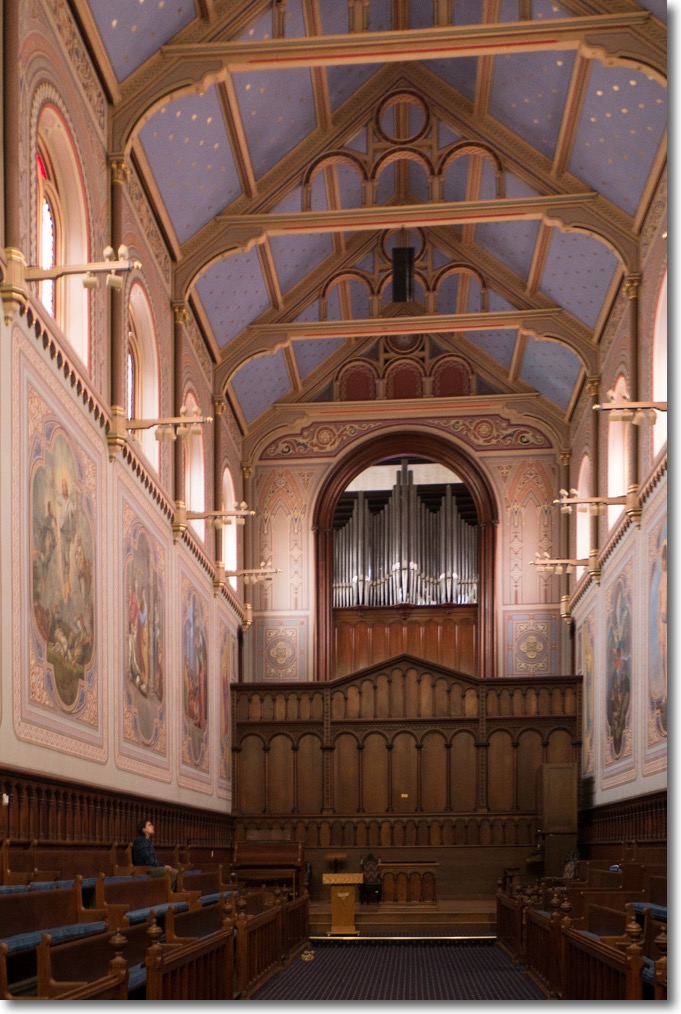

Eschewing the more commonly found stained glass, Bowdoin’s Chapel favors murals.
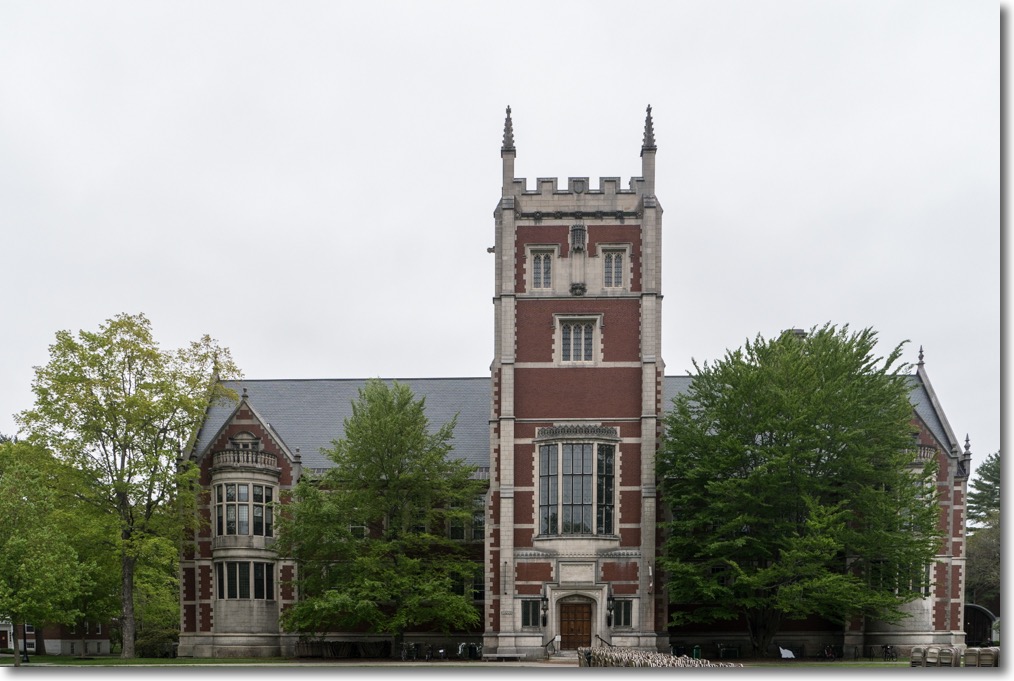

The Hubbard Hall and Peary-MacMillan Arctic Museum is also on the Quad.
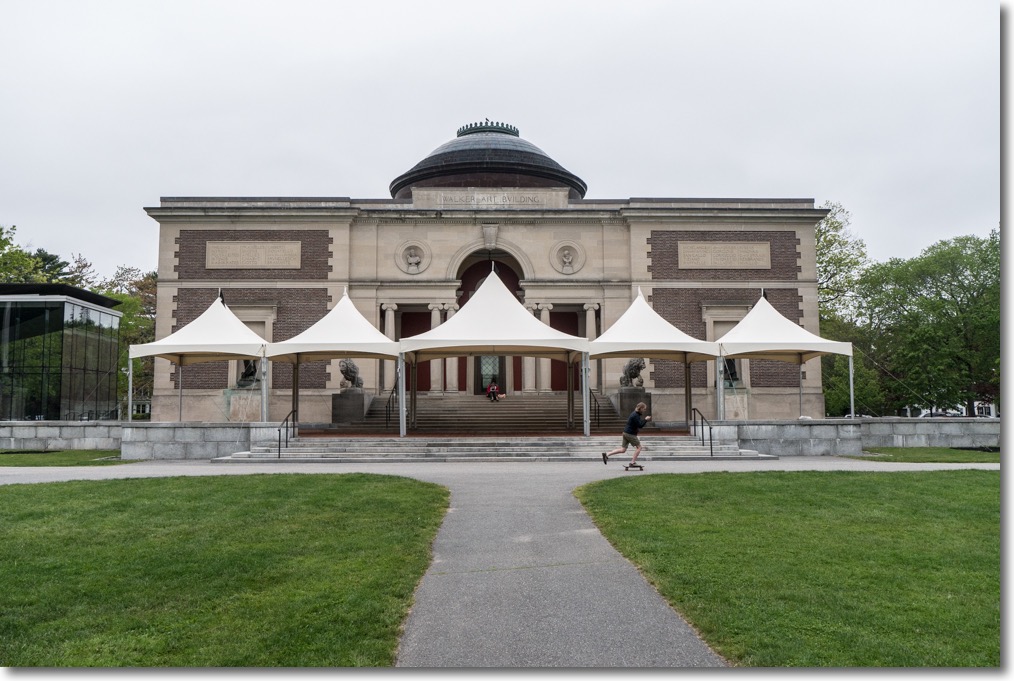

The Bowdoin College Museum of Art is opposite the Chapel and is simply one of the finest small art museums we have visited. Pride of place is given to Mary Cassatt’s impressionist masterpiece ‘The Barefoot Child‘. Cassatt, the impressionist from Pennsylvania, can hold her own with the greatest French masters.
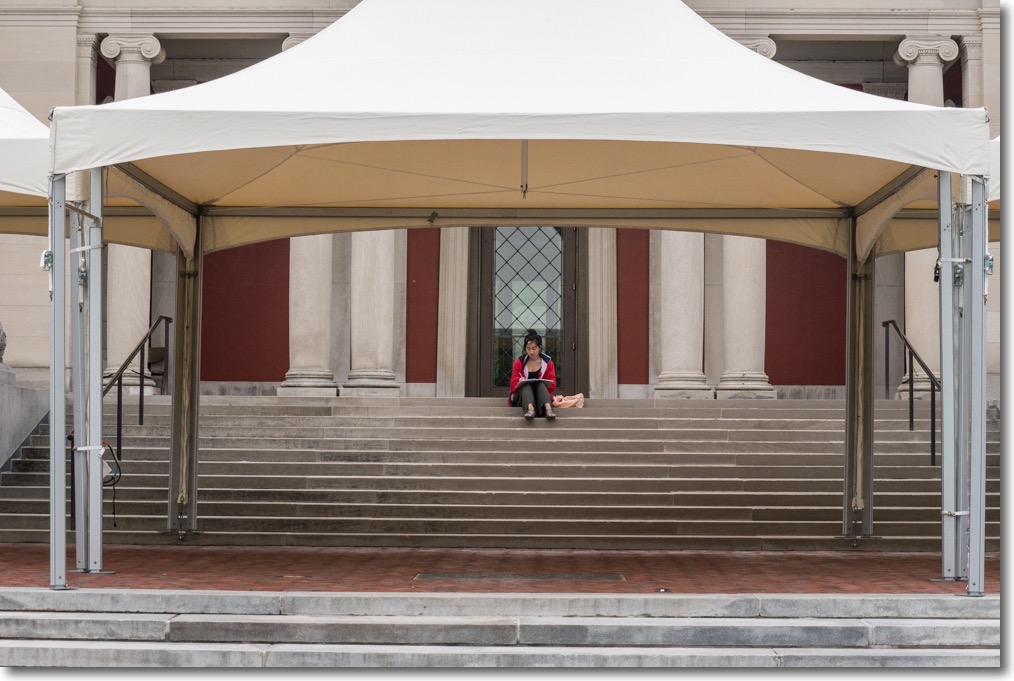

Studying on the steps of the Art Museum.
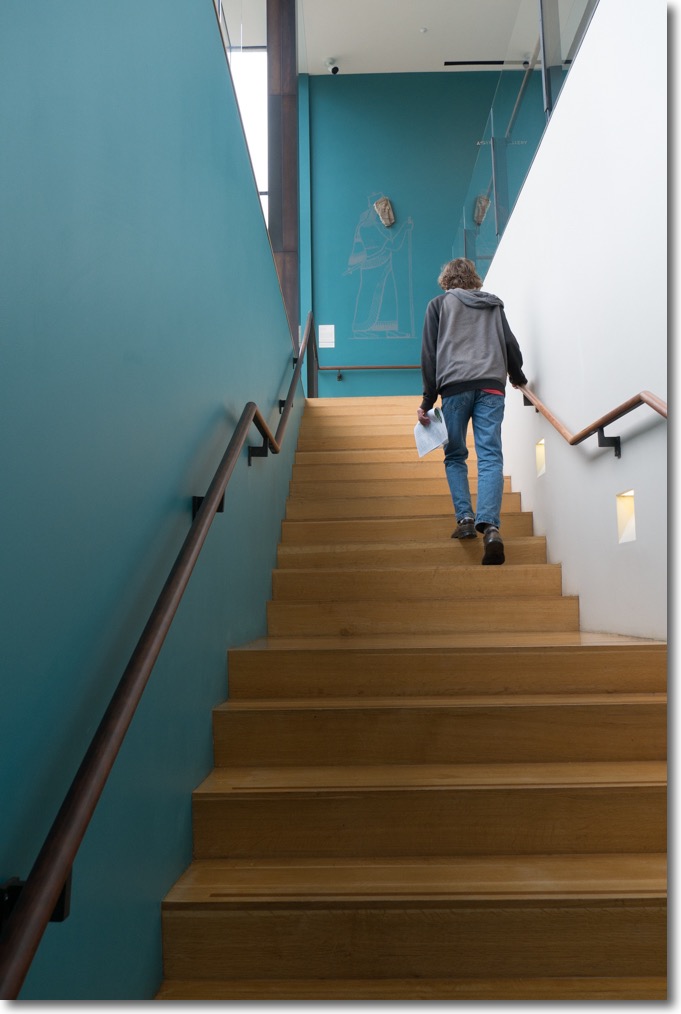

Winston enters the Art Museum through the side entrance.
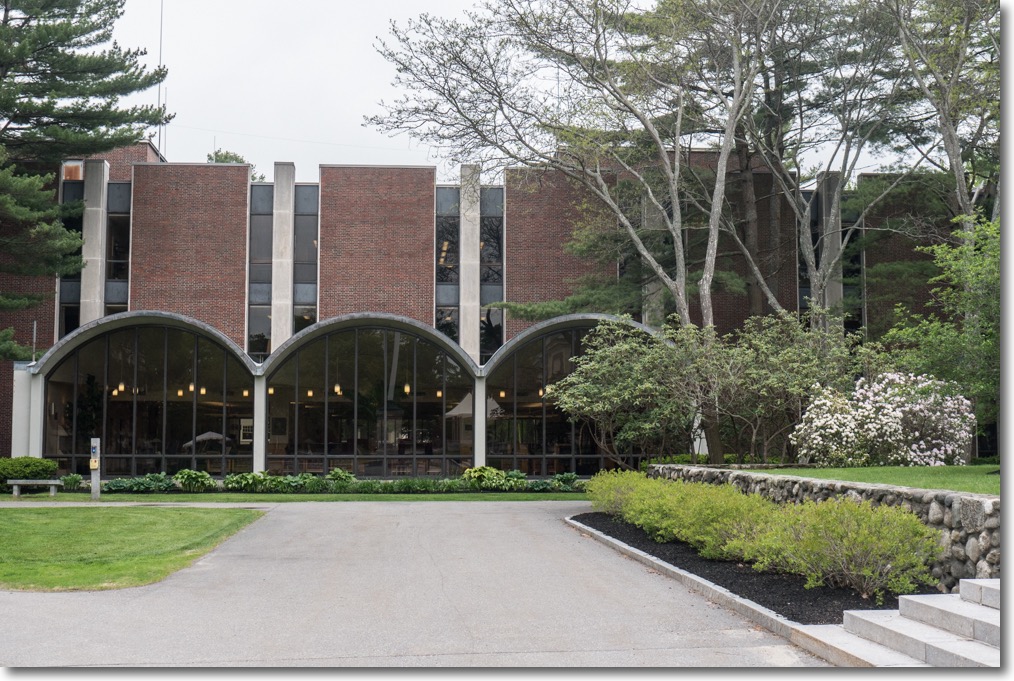

Gibson Hall
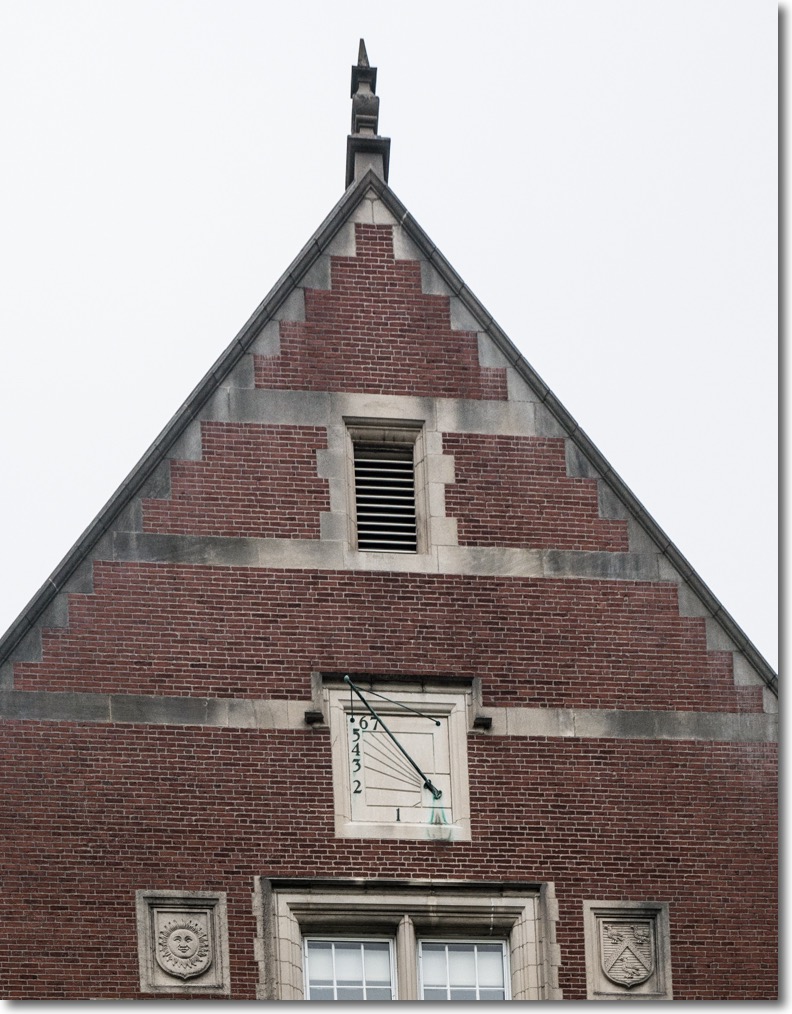

Wild sundial.
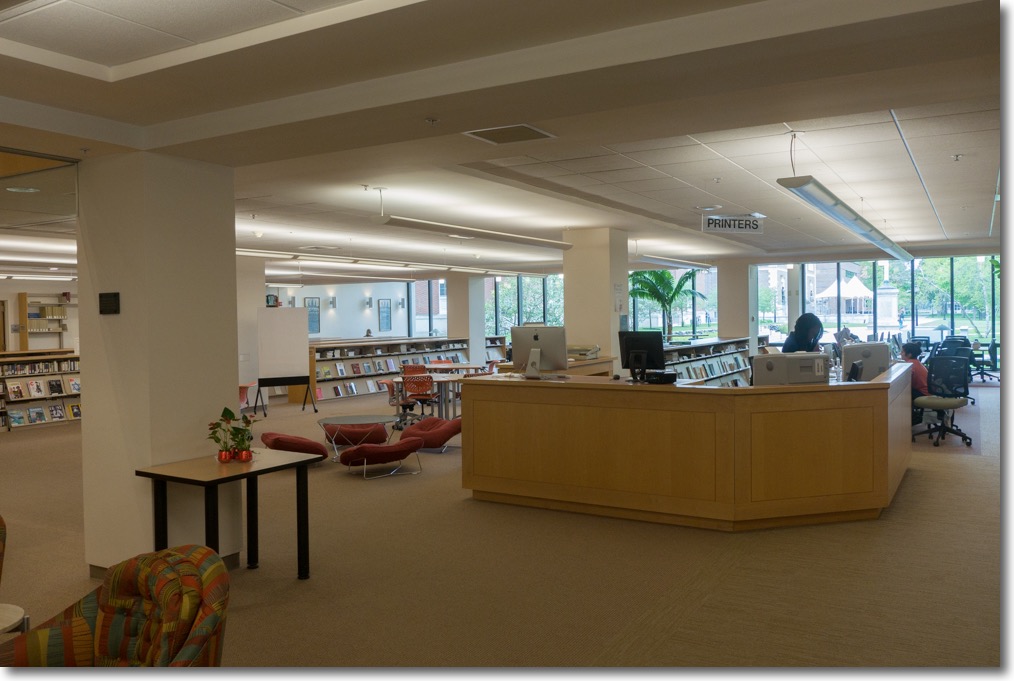

The Hawthorne-Longfellow library. The writers Nathaniel Hawthorne and Henry Wadsworth Longfellow, both graduated Phi Beta Kappa in 1825.
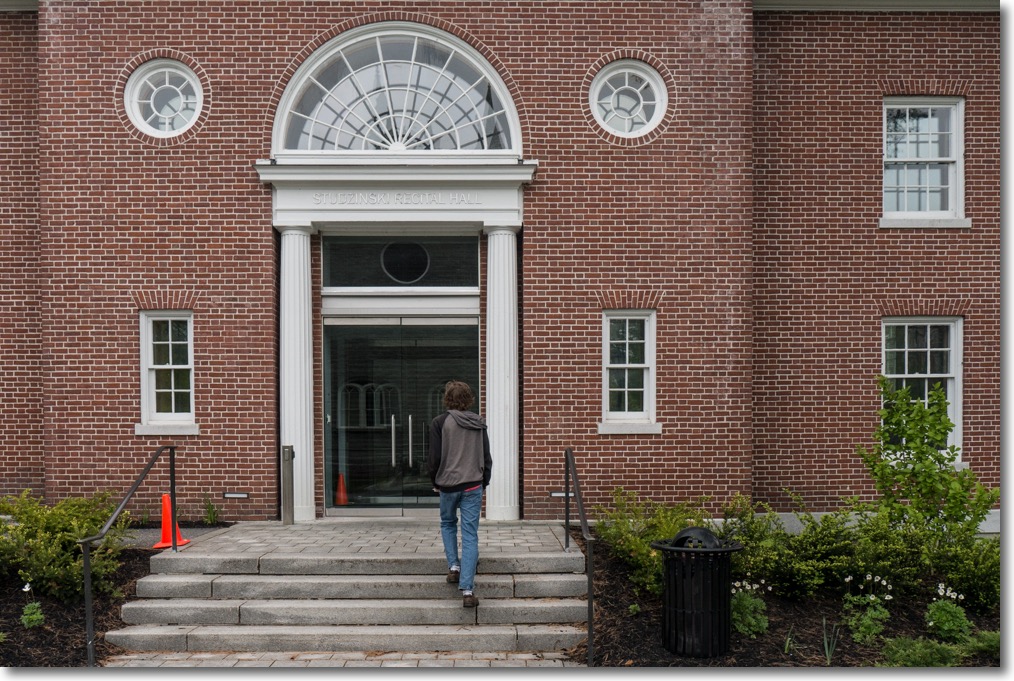

The Studzinski Recital Hall.

Distinguished alumni, in addition to those named above, include Reed Hastings (Netflix), Ken Chenault (AmEx), President Franklin Pierce, hedgie Stanley Druckenmiller, Alfred Kinsey and Joan Benoit (Olympic gold in the marathon).
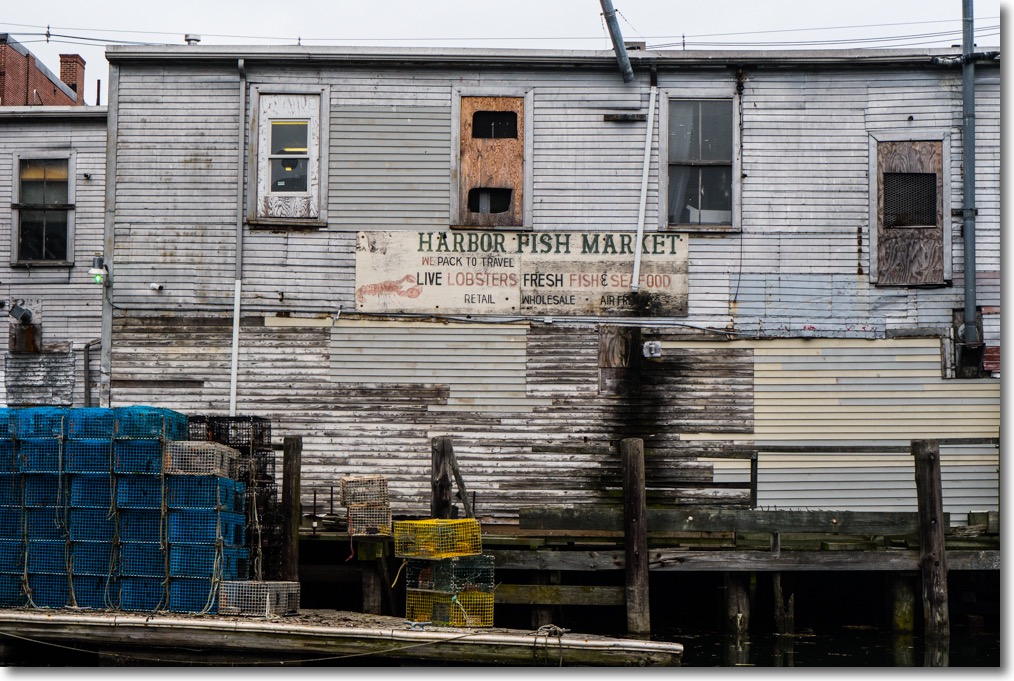
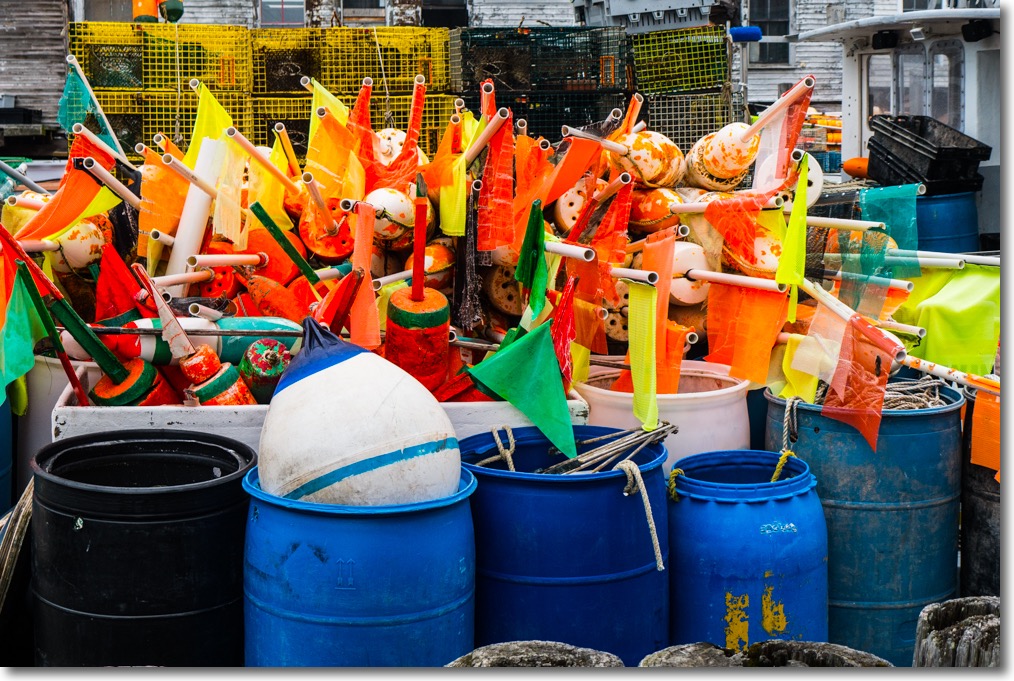
The Waterfront, Portland, Maine

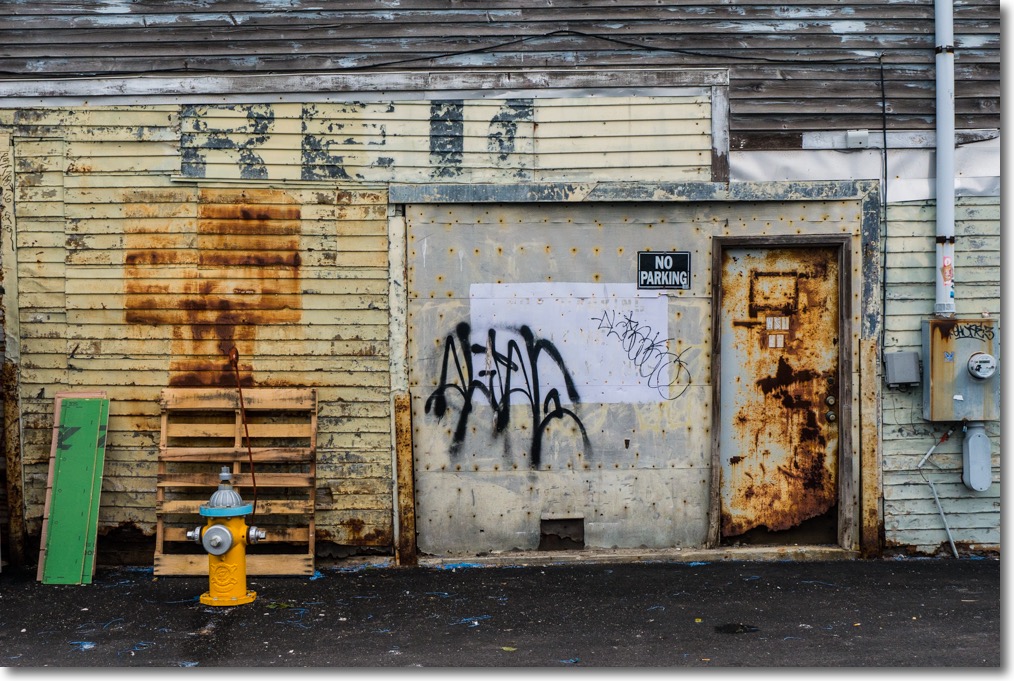
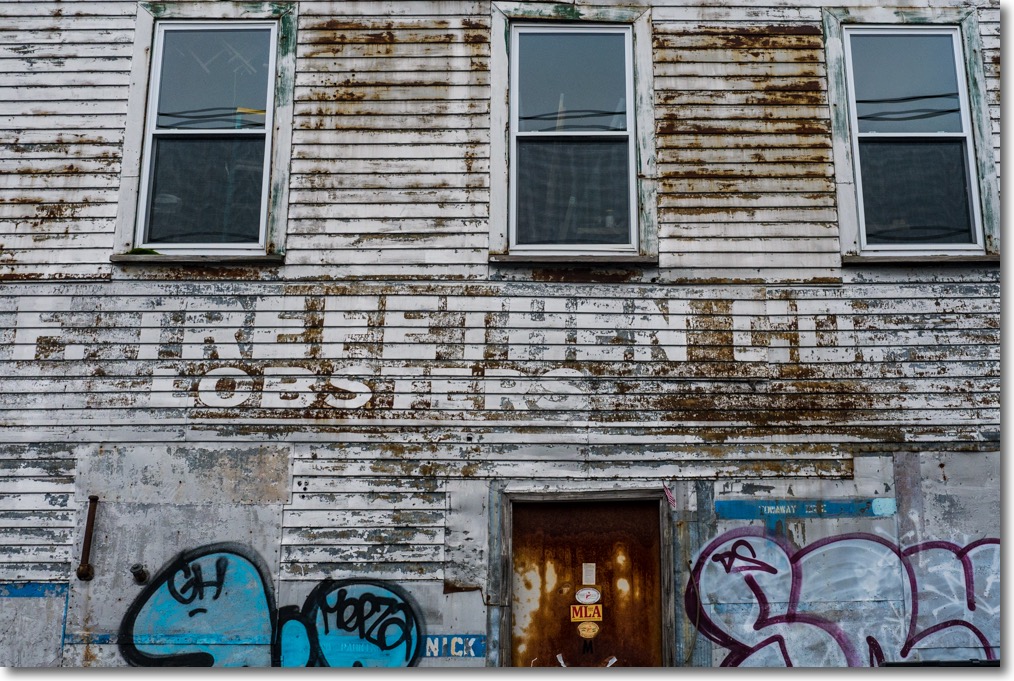
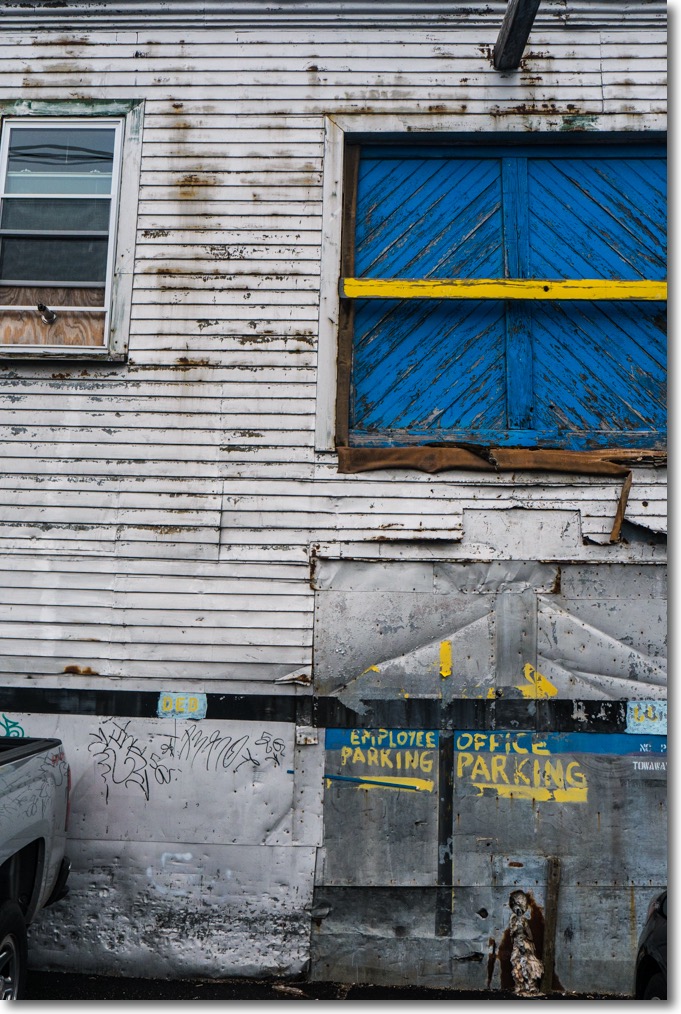
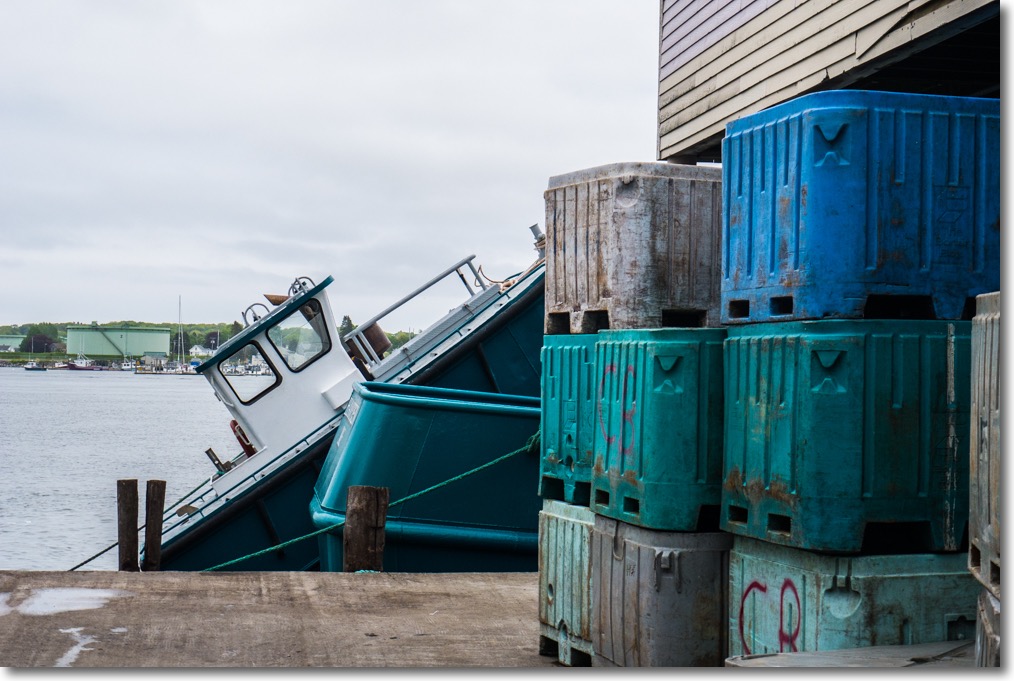
A photographer’s paradise.

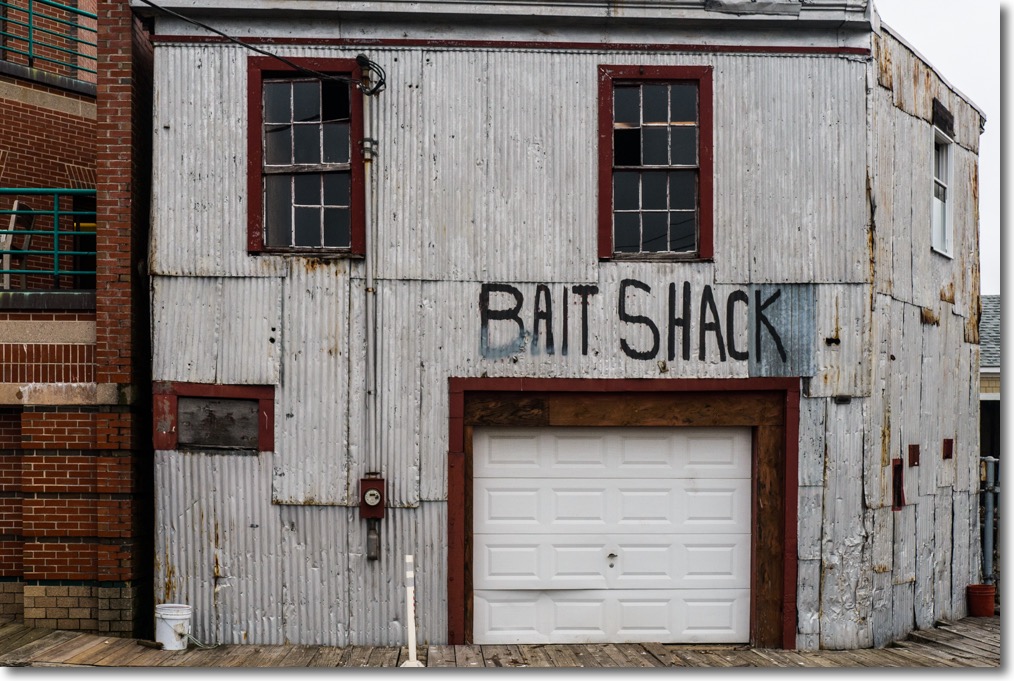
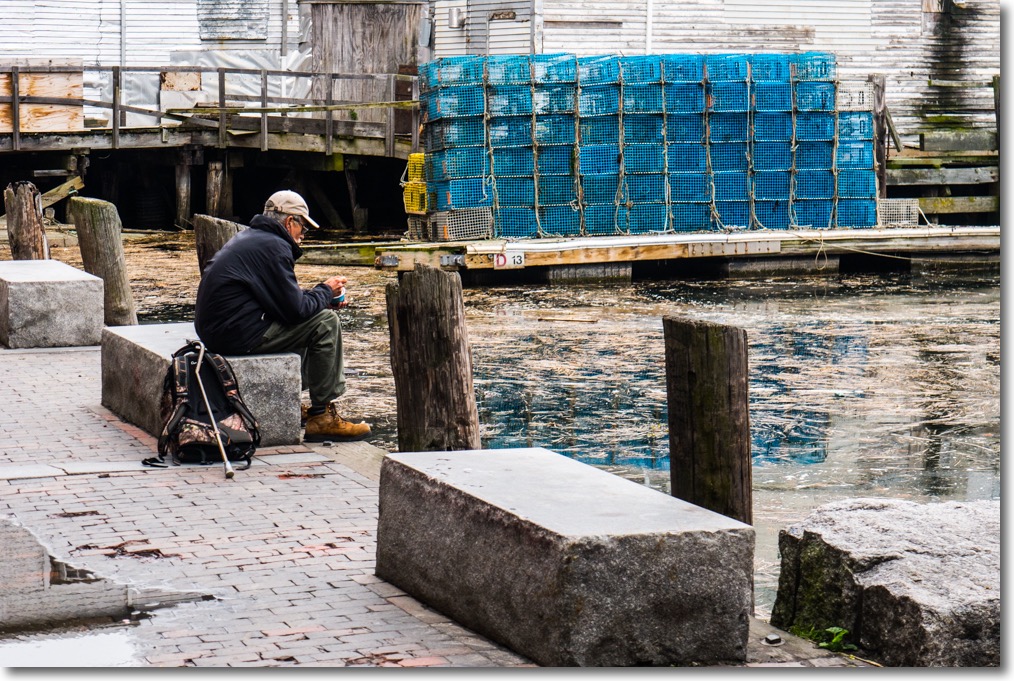
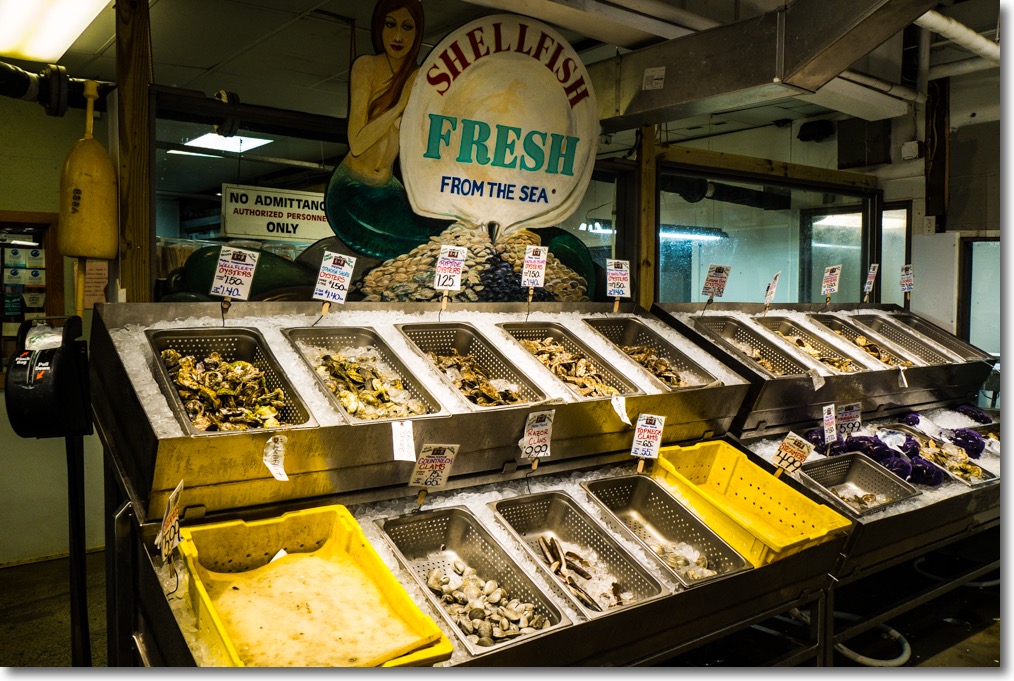
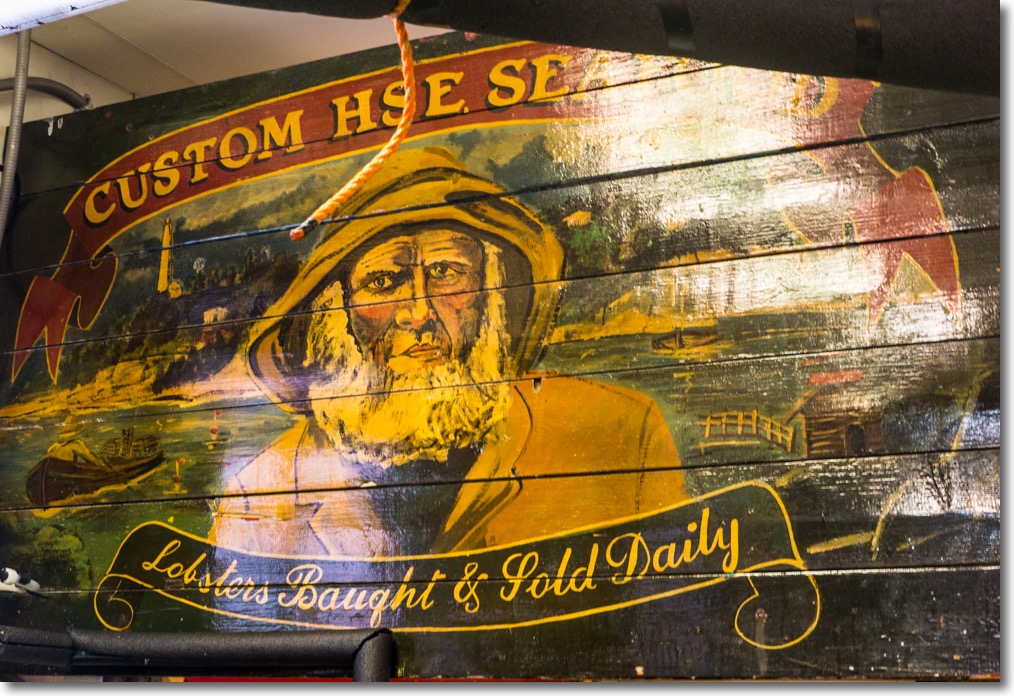
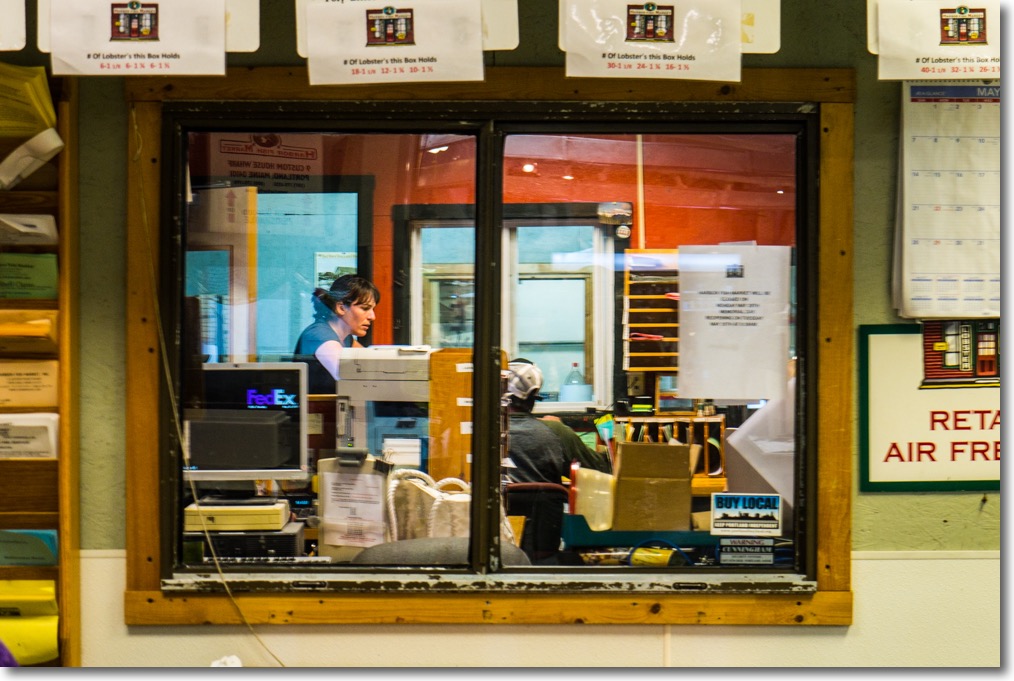
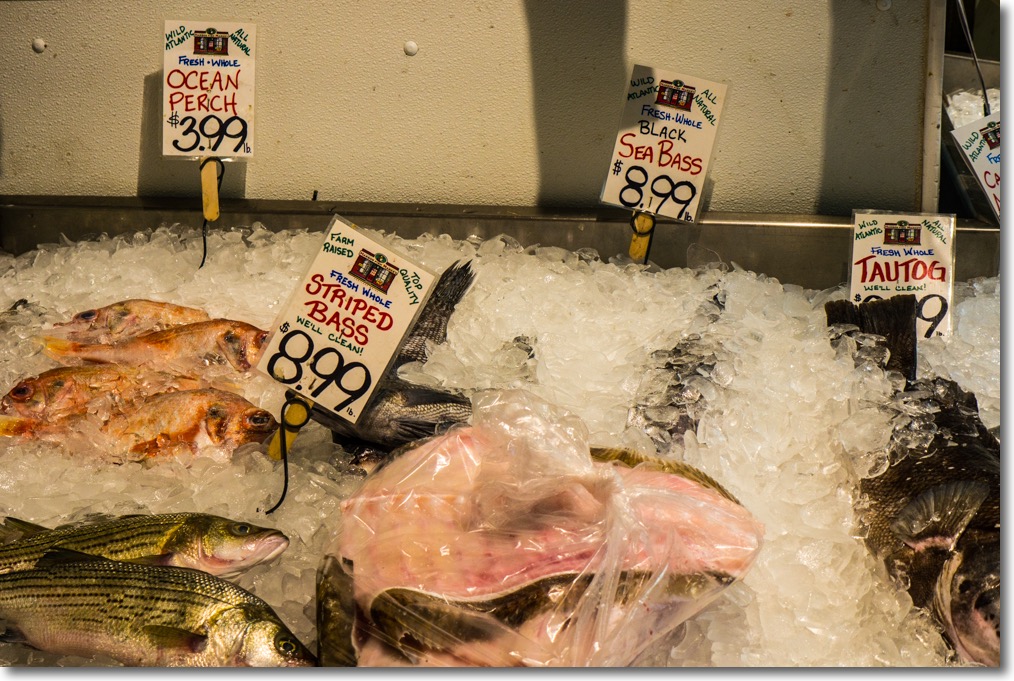
Fishermen’s wharves are hard to resist and the one in Portland, ME is especially appealing. You can almost smell the fish in these pictures and I can assure you we very much did smell them when these were snapped.


Absent the cars, this could have been taken any time during the past century.


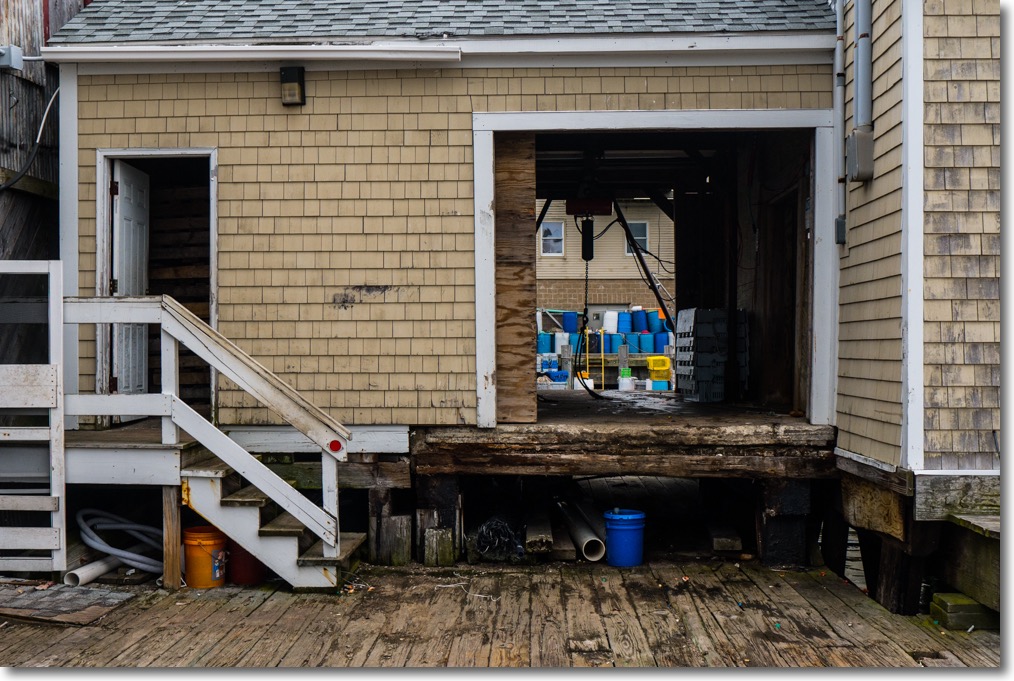
As could this.


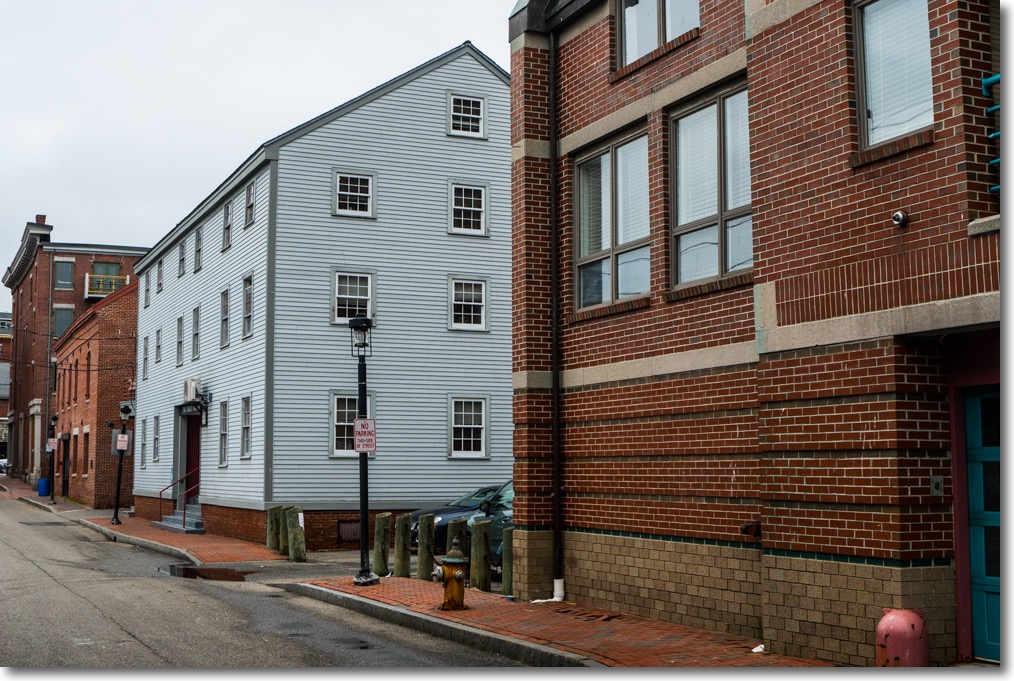
This gentrifying area blesses the new residents with fish straight from the sea. Just be sure to live upwind!


Procurement and inventory management.


As fresh as fresh gets.


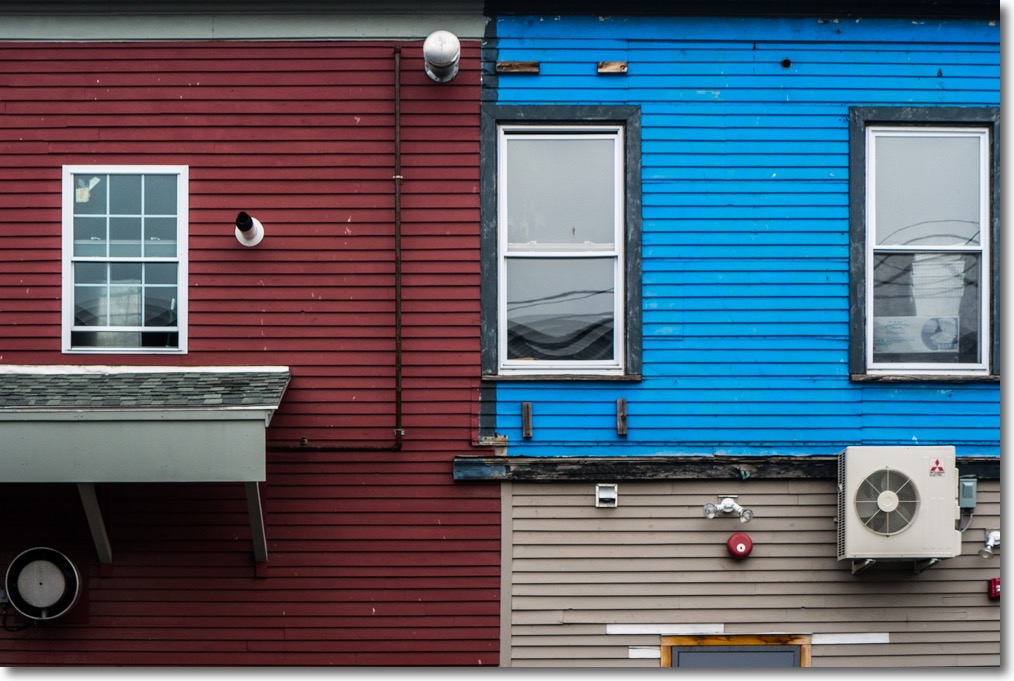
Primary colors.


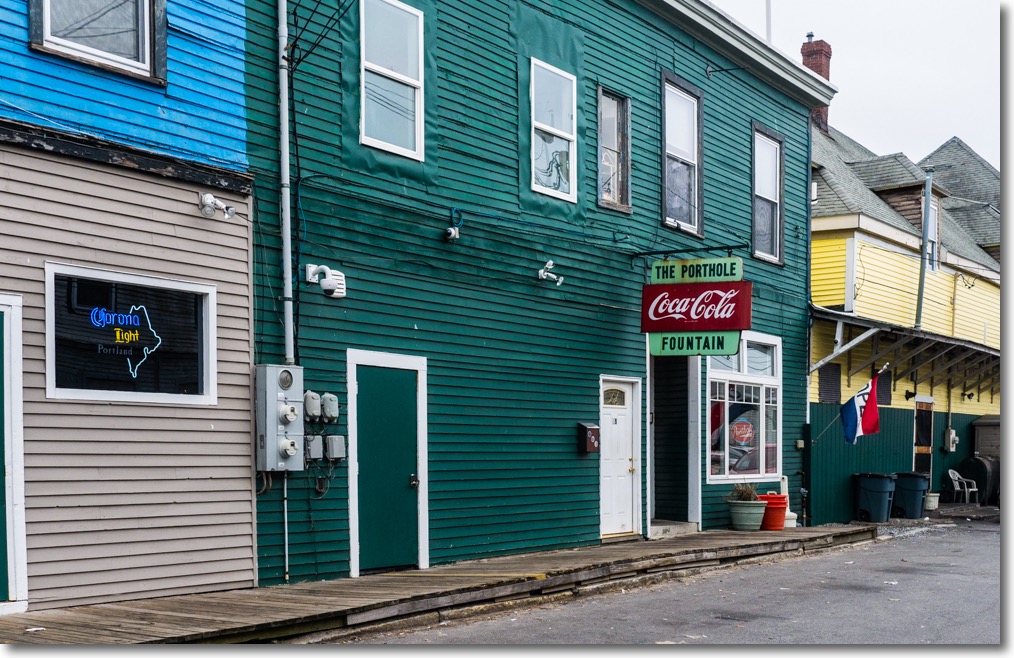
The Porthole, the place to eat.


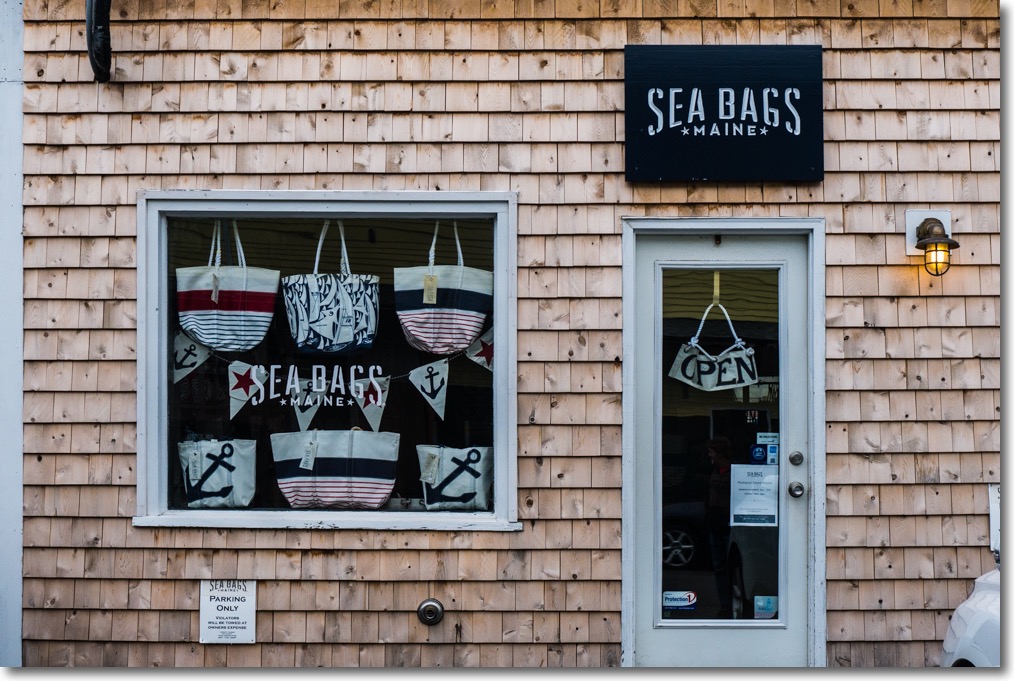
The trendies have arrived.


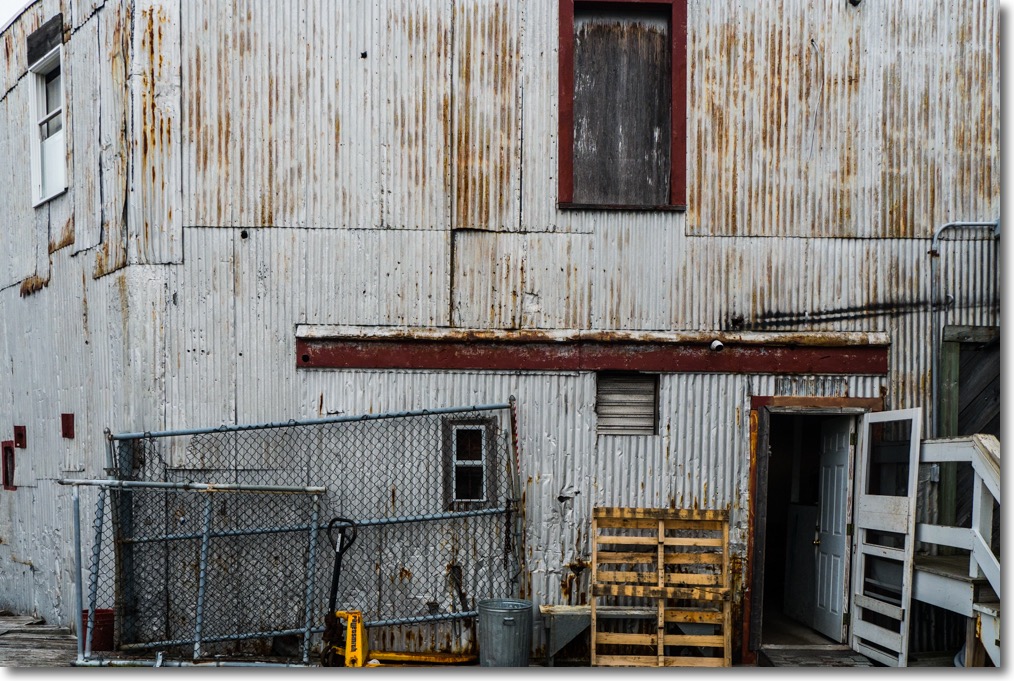
No guessing the age here.


The surreal is always to be found.


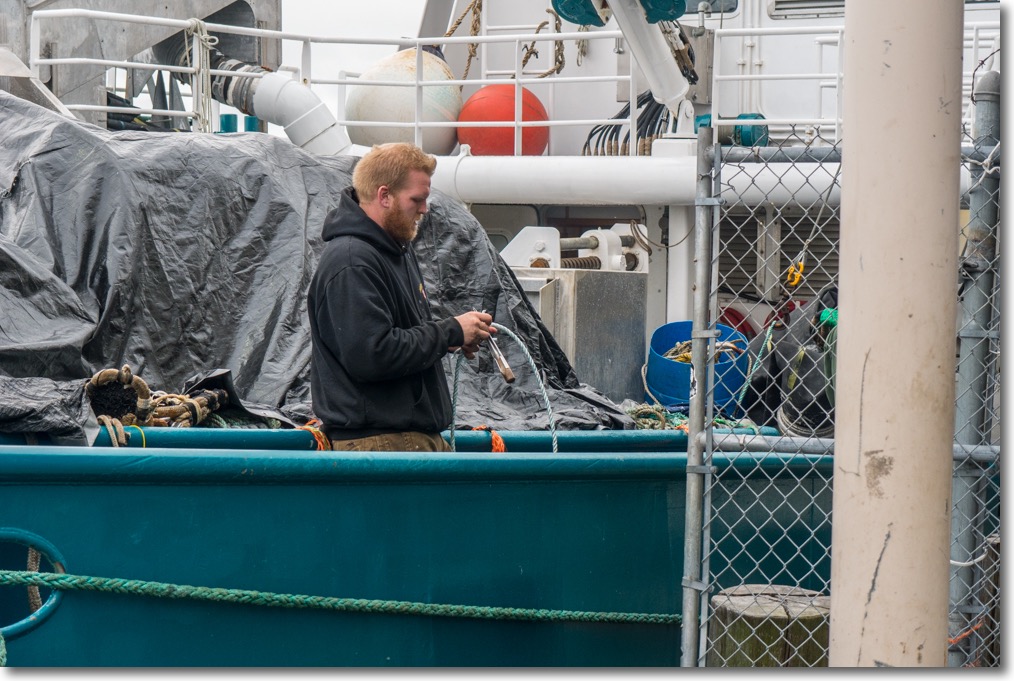
Fixing the nets.

All snaps on the Panny GX7 with the kit zoom.

Wesleyan University

The right ‘vibe’.

For an alphabetical index of the New England College series of pieces, click here.

Founded in 1831, Wesleyan holds 3,100 students, almost all of whom are undergraduates. Named after the English creator of Methodism, it started life as exclusively male but is now co-educational, the genders equally represented. The 360 acre campus includes over 340 buildings.

We are learning the strangest thing during our month of New England college tours and it is that the undefinable element of ‘feel’ or ‘vibe’, if you prefer, is present in abundance. And while my subjective opinions are irrelevant to my son’s eventual decision they are an important element in his deliberations. With a four year commitment the feel must be right, and we both just adored that of Wesleyan.

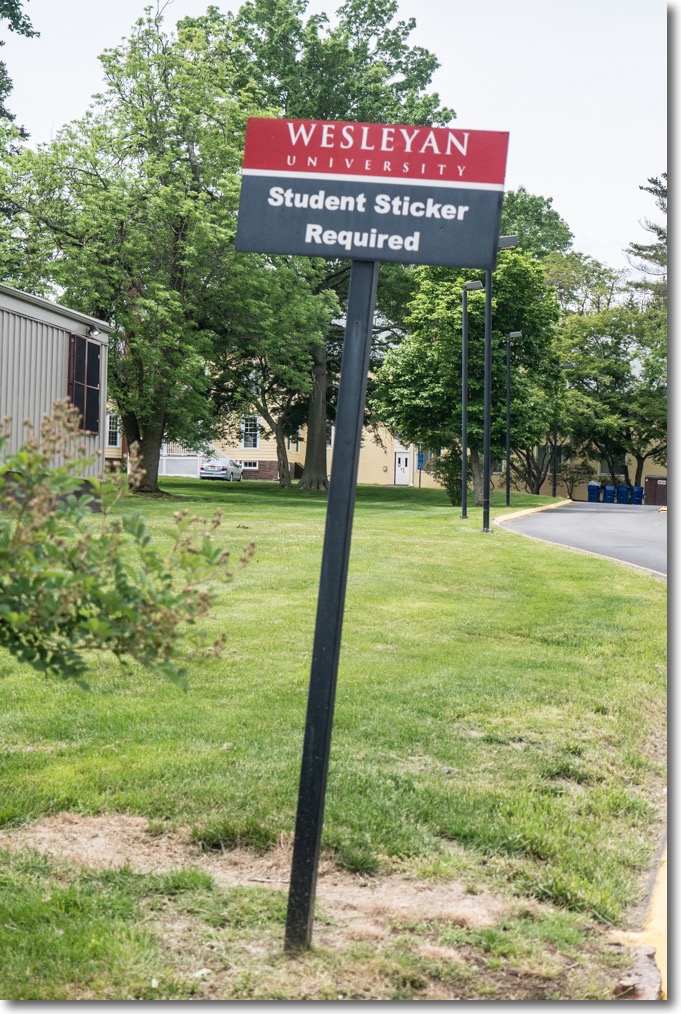
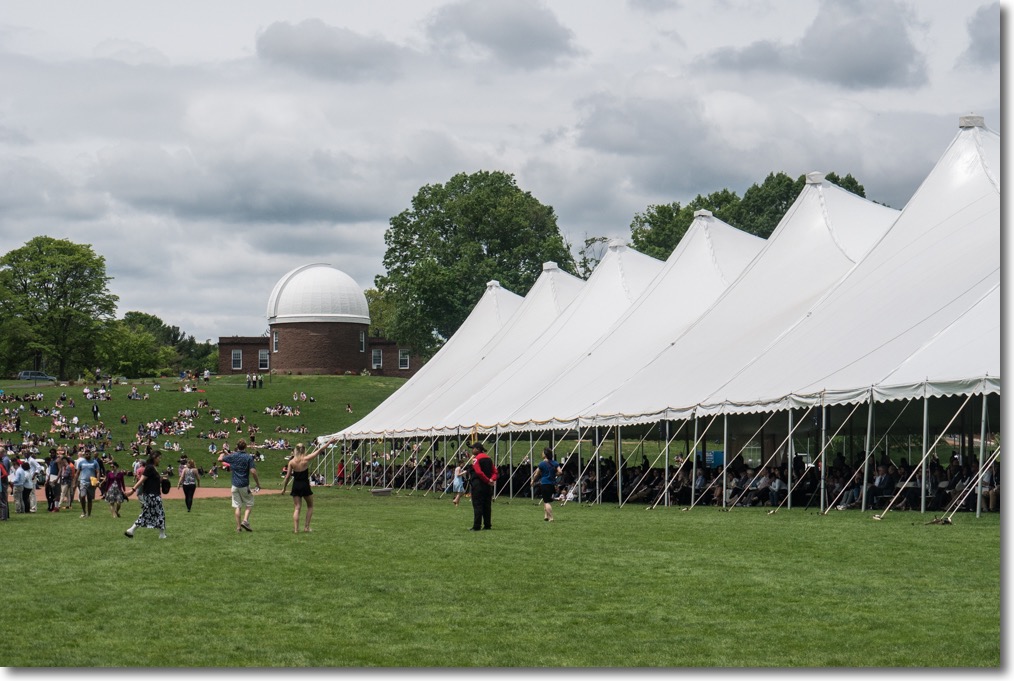
As luck would have it our visit today was on graduation day and even the weather cooperated. (Hint: park in the residential area on the other side of Washington Street – Route 66! Nowhere else is possible on such a day without a pass).
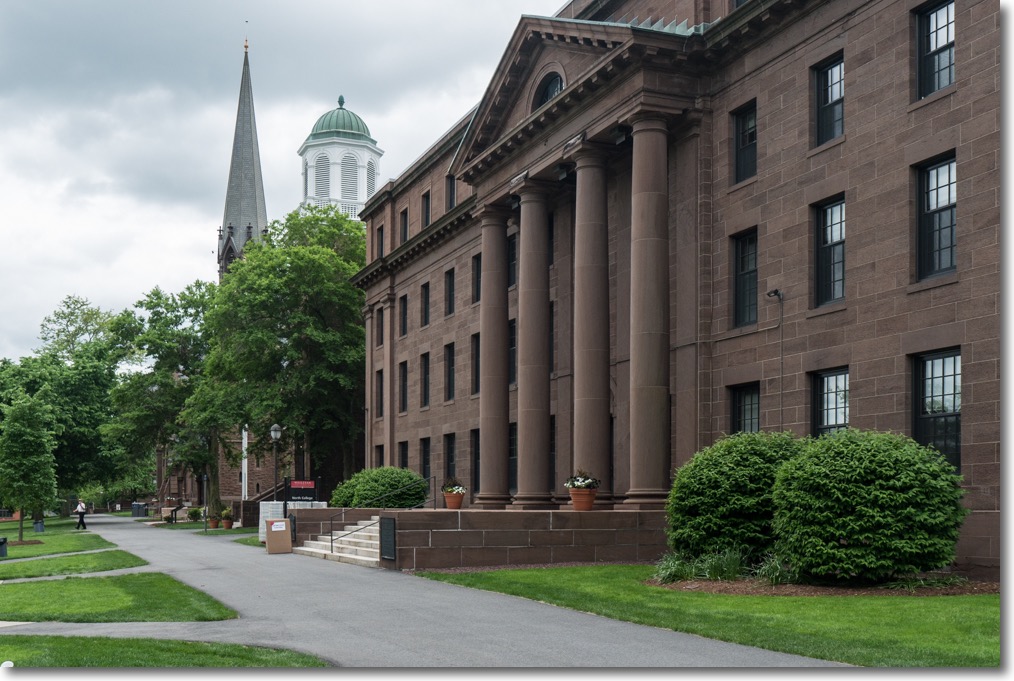
Though the campus houses many buildings, it manages to remain compact and accessible.

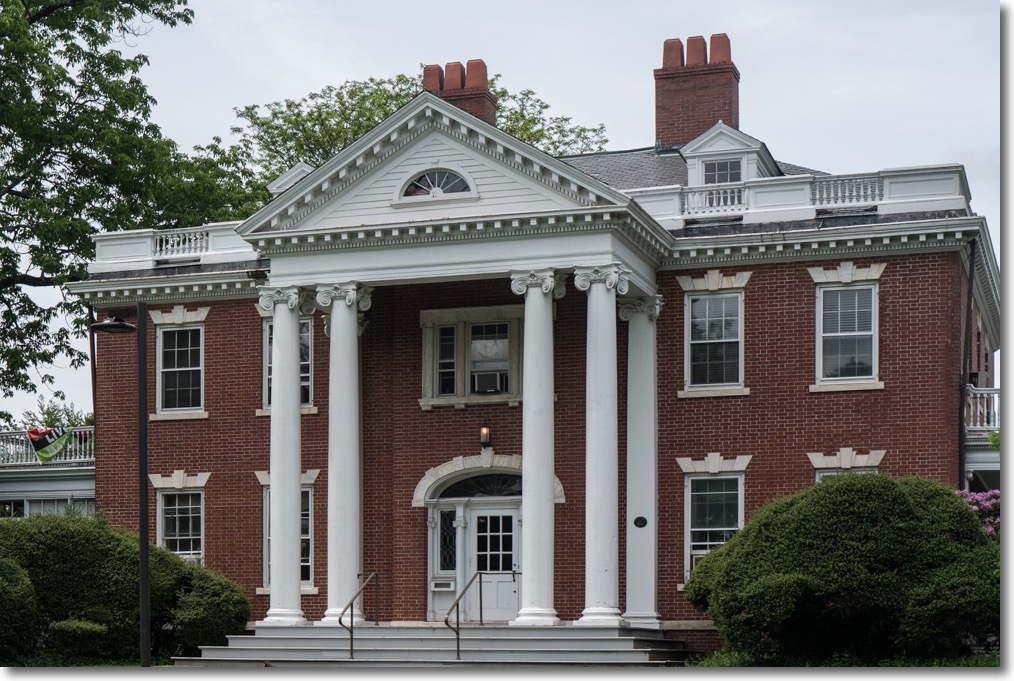
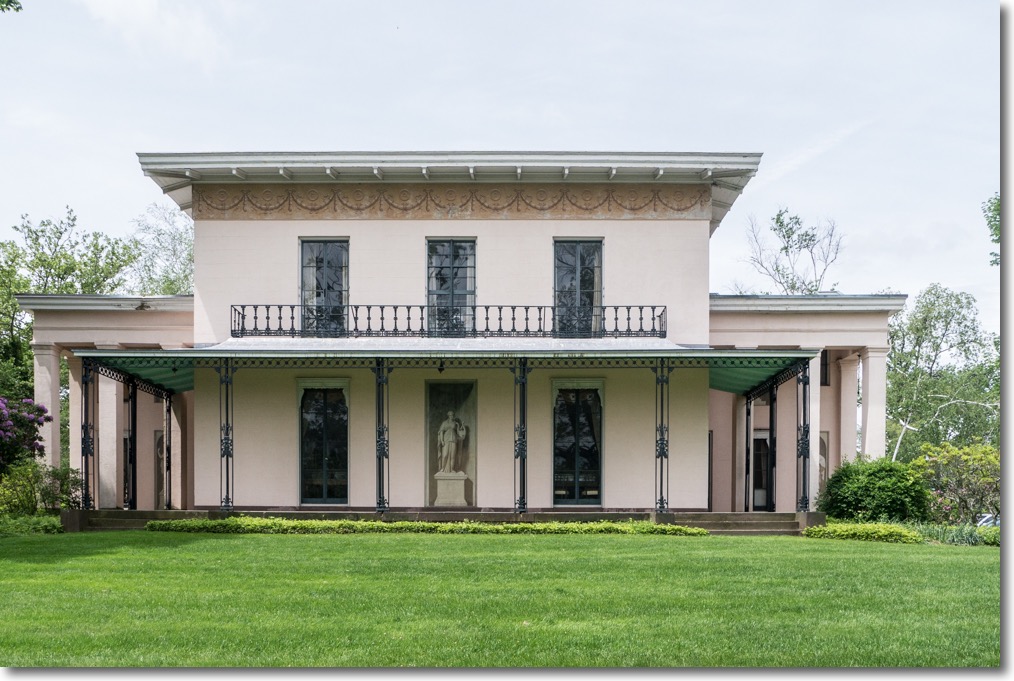
The Center for African American studies.


The Davison Health Center, curlicues and all.


The Davison Art Center. We visited a fine photography exhibition there.


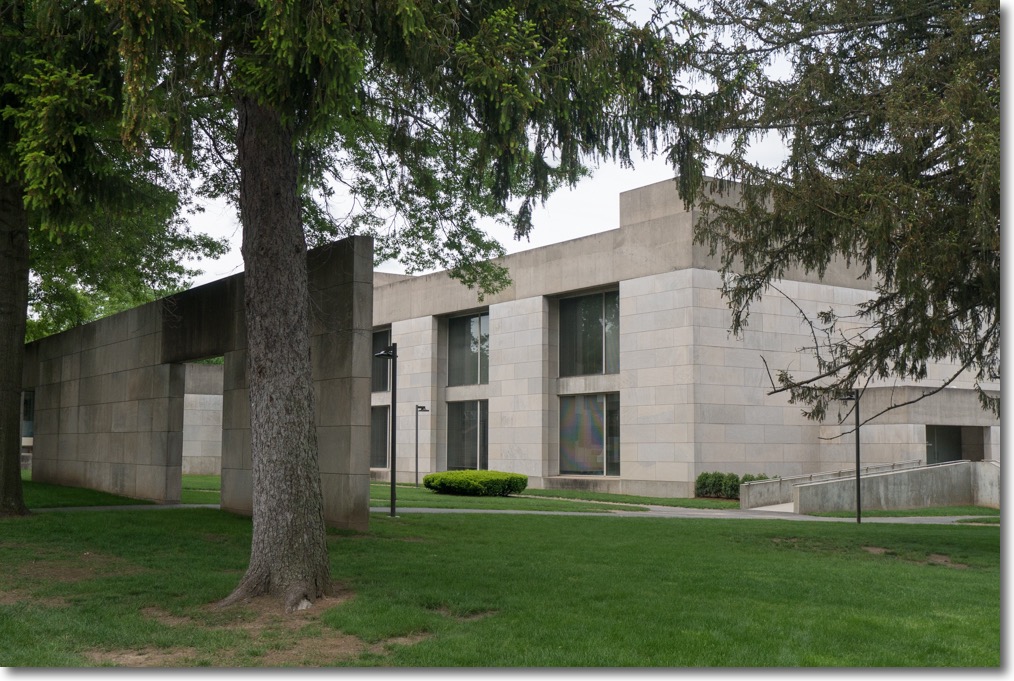
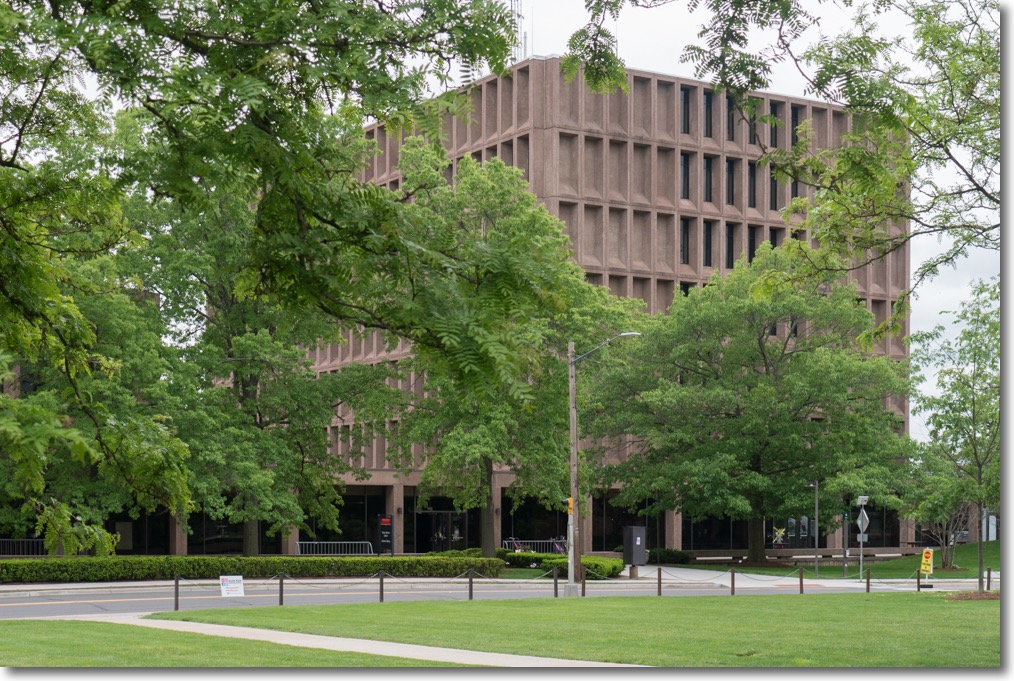
Every campus has its ugly building and the Performing Arts Center bears that distinction at Wesleyan.


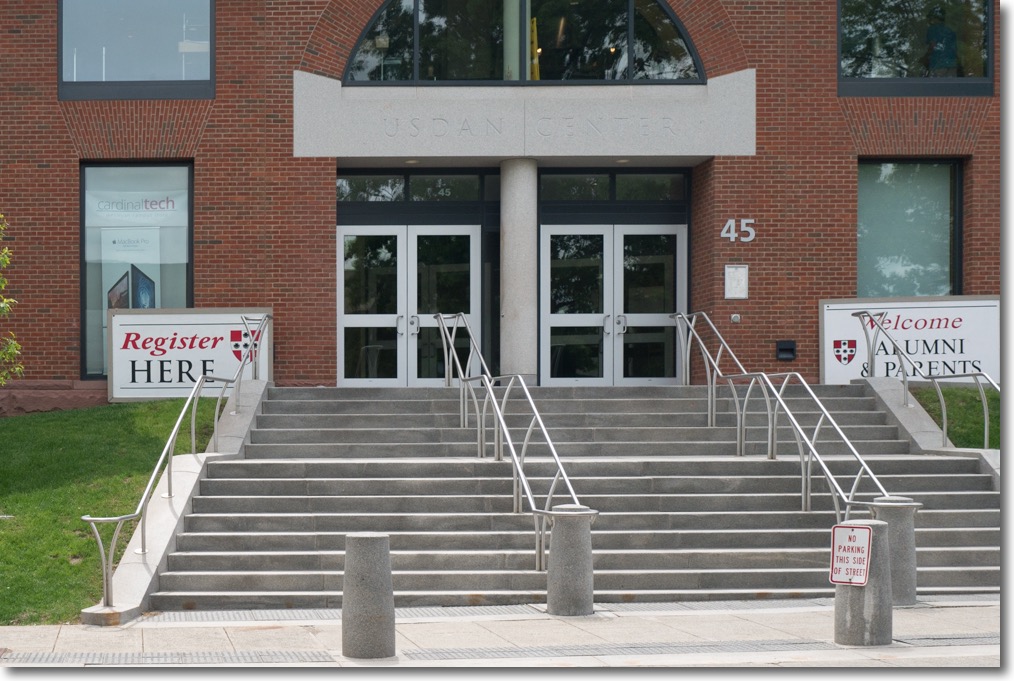
The Usdan Student Center.


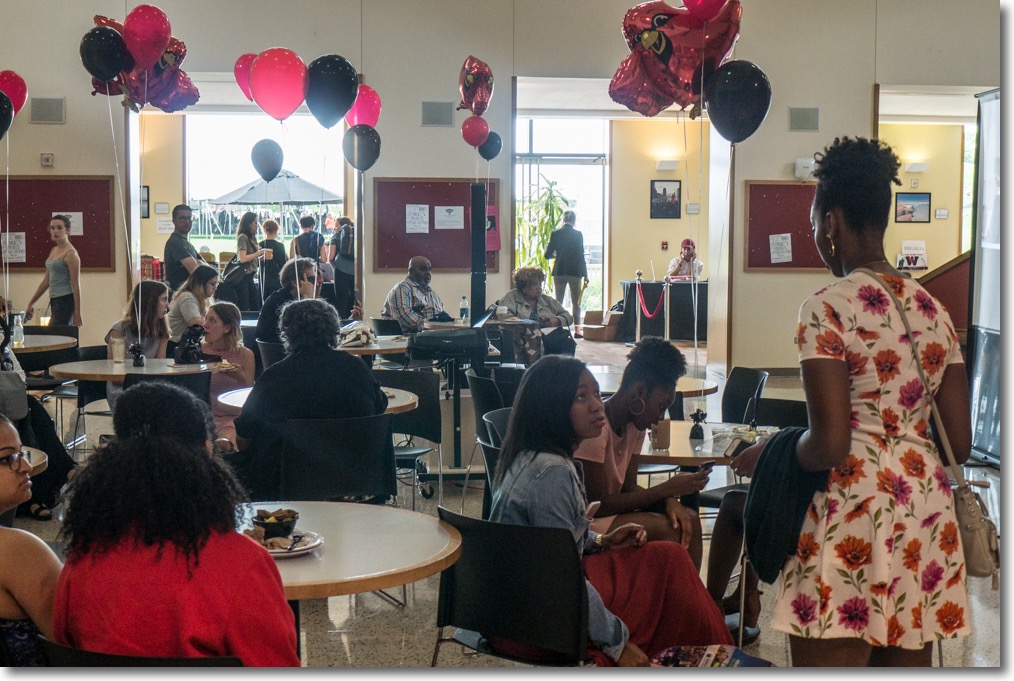
Inside the Usdan.


Andrus Field is at campus center.


Wesleyan is making significant progress in widening the ethnicities of its student base.


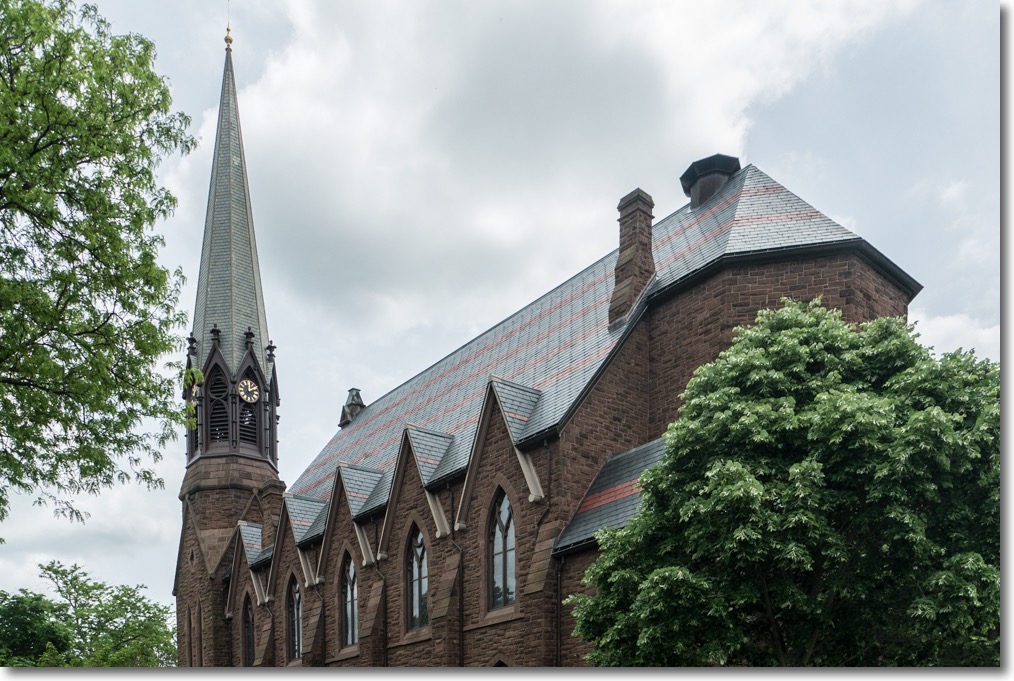
In superb repair, the Memorial Chapel echoes the red and black colors of the school in its roof.


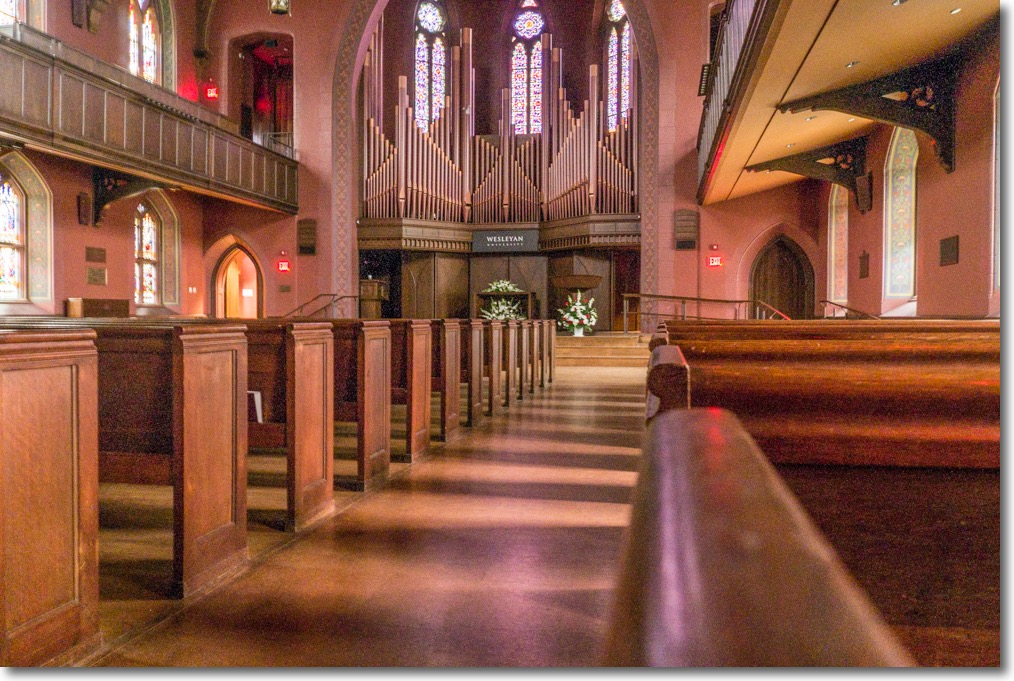
Inside the Memorial Chapel, taken in near darkness. Thank goodness for pews!


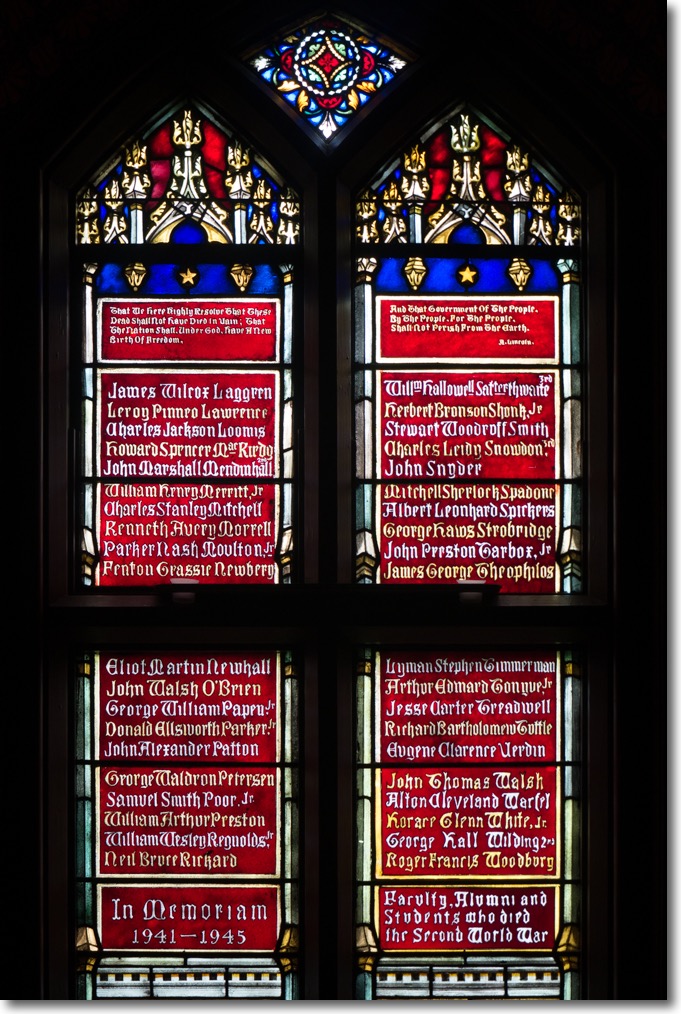
The many stained glass windows are surprisingly ornate given the relatively strict nature of the Methodist religion. This window honors those lost in WW2.


Graduation Day! The Van Vleck Observatory dates from 1914 and sees Wesleyan graduating more astronomy and astrophysics graduates than any other U.S. school.

Magnificent Romanesque architecture on the South College building.
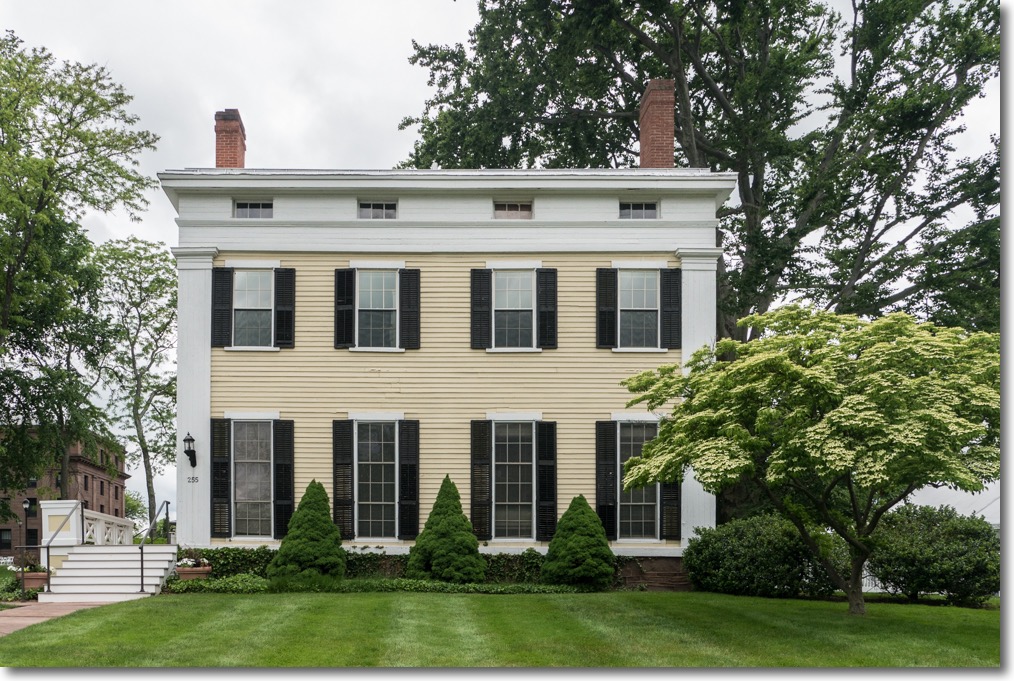
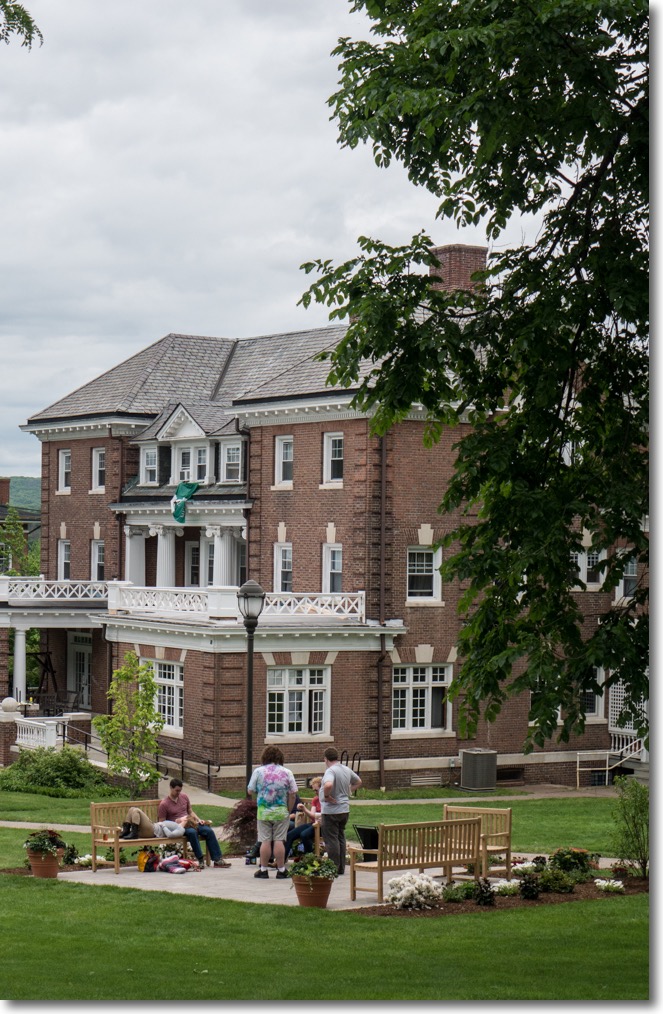

The Davison Health Center has a lovely, light look.


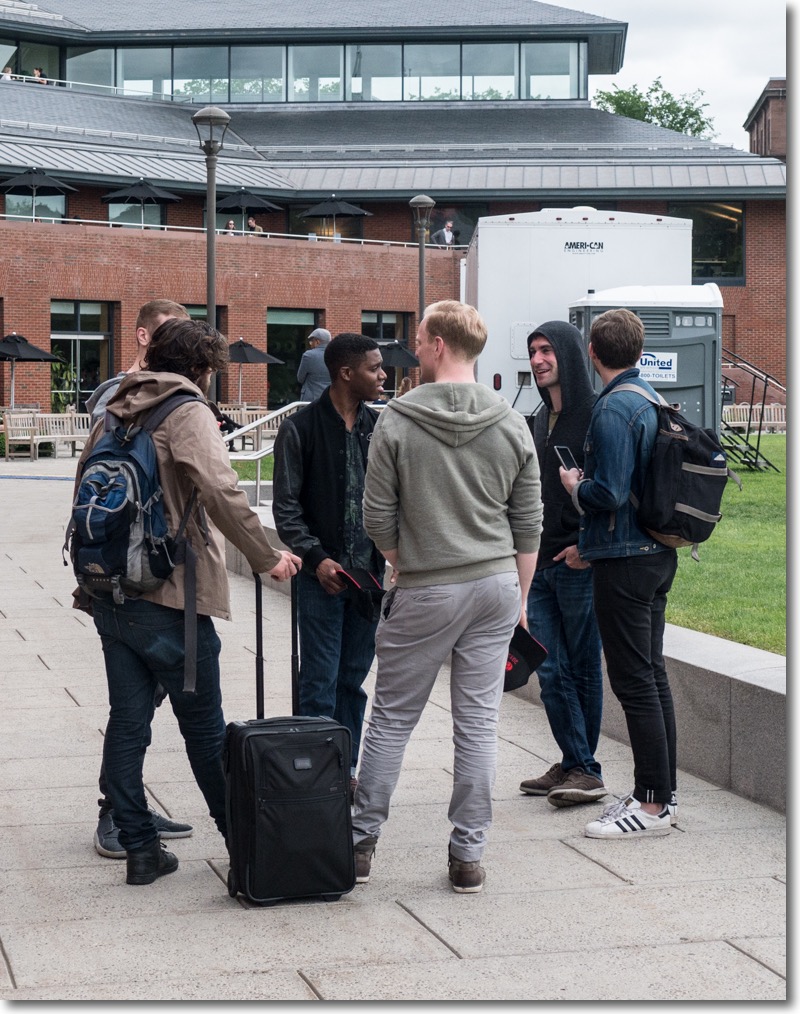
Hanging out. A campus which encourages socializing.


Campus life.


The magnificent Olin Memorial Library, designed by McKim, Mead and White. The Olin Foundation seems to have donated buildings to every campus we have visited, some small compensation for the founder’s sins. John Olin was an ammunition manufacturer.


Another eyesore, the Science Library opposite the Olin.

The alumni list at Wesleyan is long and distinguished, with the college exceptionally well represented in Hollywood. Alumni include Bill Rodgers of marathon fame, Michael Bay, Lin-Manuel Miranda, Bill Belichick, Robert Ludlum, Timothy Hutton and Merce Cunningham.

Three faculty members have been awarded Nobel Prizes – V. S. Naipaul, Woodrow Wilson and T. S. Eliot.

Minute Men and Concord

Early Massachusetts.

The Minute Man National Historical Park in Concord, Massachusetts is the location of the first battle of the colonialists against their British oppressors on April 19, 1775. The 700 British soldiers survived the sniping of the Minute Men – so named as these early American militiamen volunteered to be ready for service in one minute – staggering exhausted and shot up into Lexington in the afternoon where they were saved by 1,000 reinforcements under General Hugh, Earl Percy. A nominal victory for the colonialists and the start of hostilities.

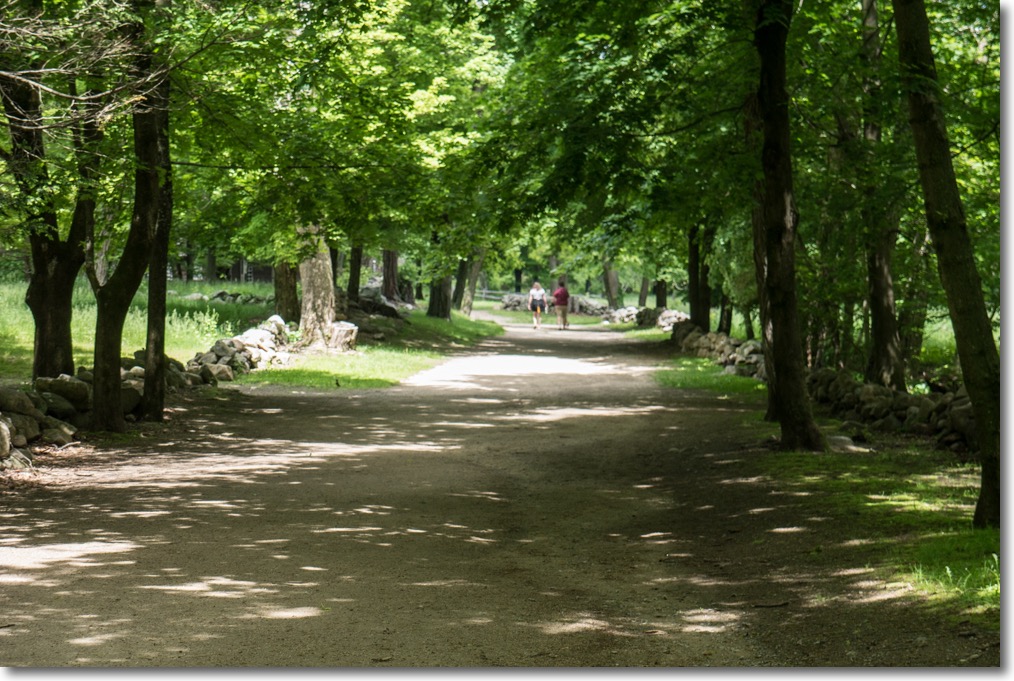
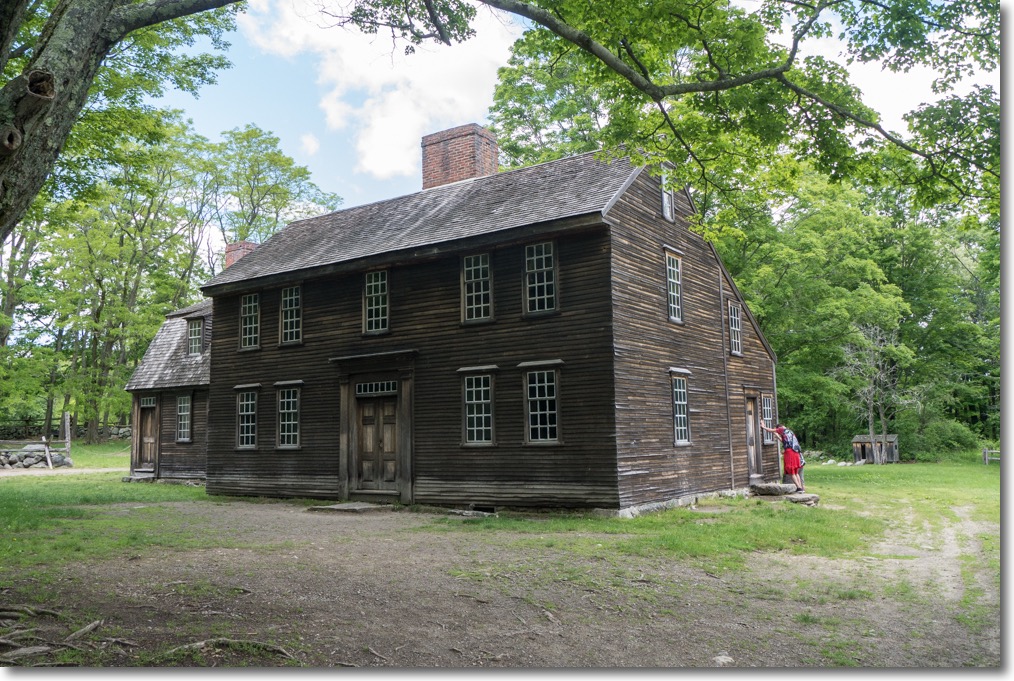
Those seven hundred redcoats walked four abreast down this exact pathway, resplendent in their red outfits with white ‘shoot me here’ bands, convinced that their empire would last 1,000 years, like subsequent claimants to that crown. It was not to be.

Mary Hartwell was among the first to see the British from this, her home. She wrote:

The army of the King marched up in fine order and their bayonets glistened in the sunlight like a field of waving grain. If it hadn’t been for the purpose they came for I should say it was the handsomest site (sic) I ever saw in my life.

Women have always been overly impressed by uniforms.

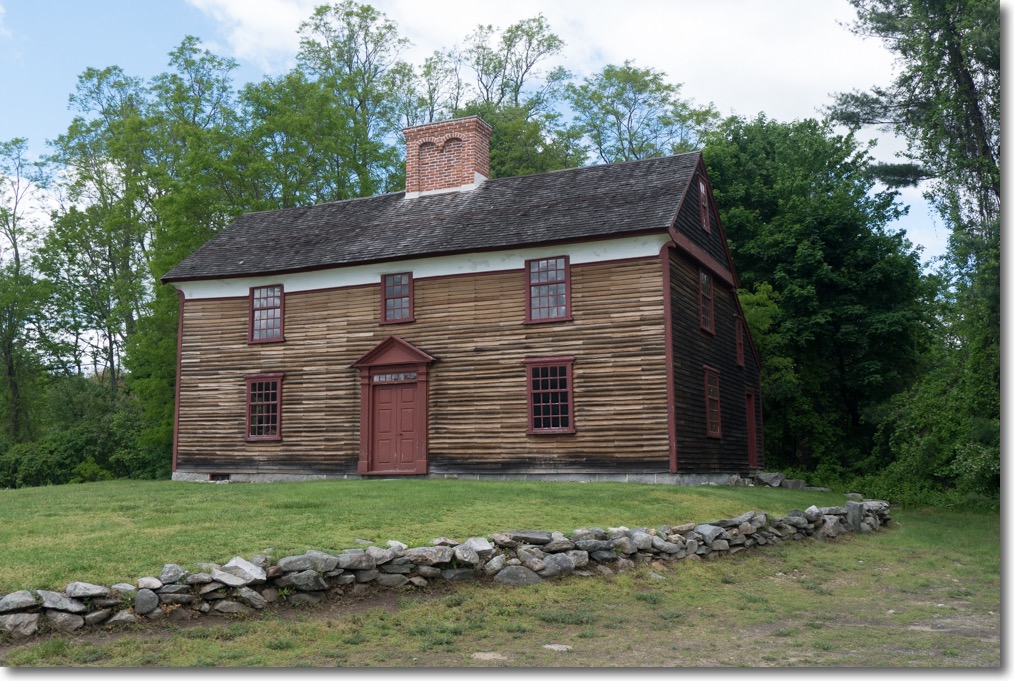
Hartwell’s warning got to Captain William Smith some 200 yards down the road, at his home:

Smith was the commander of the Lincoln militiamen and the brother of Abigail Adams, the wife of that magnificent patriot John Adams, the driving force behind America’s revolutionary fervor. Smith rode into Lincoln town center and rallied his minute company, which arrived in Concord that afternoon. The colonialists were nothing if not prepared for their fight with the mightiest army on earth.

* * * * *

The Park is located near the town of Concord, where we stopped for lunch. Boasting no fewer than three churches in the town center – Unitarian, Congregational and Catholic – and replete with memorials for our war dead, the town is everything you expect of an early New England settlement.


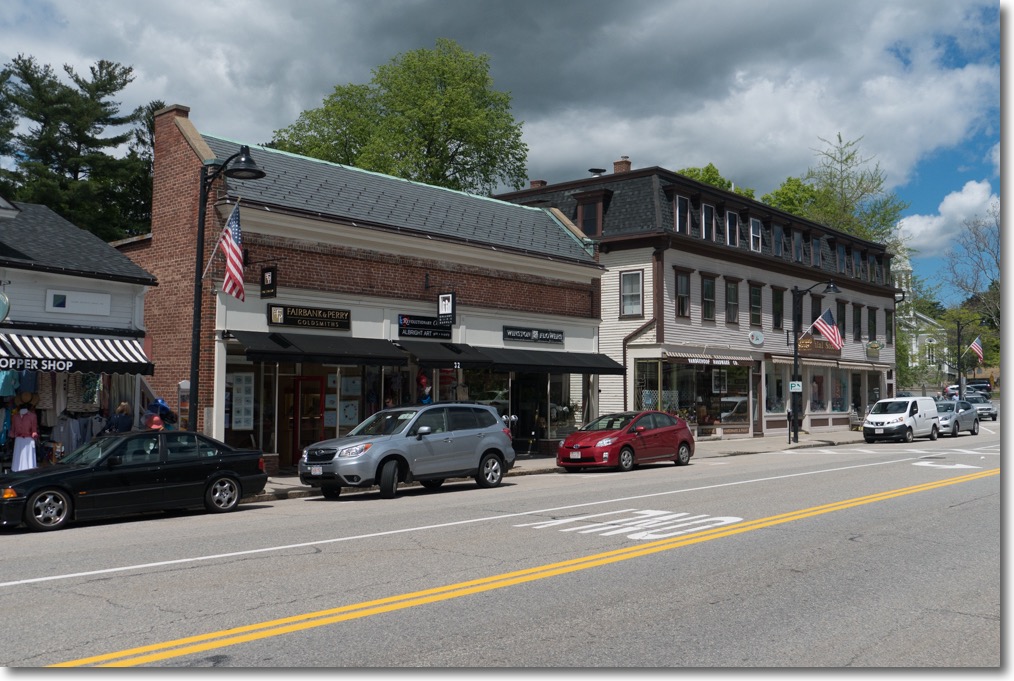
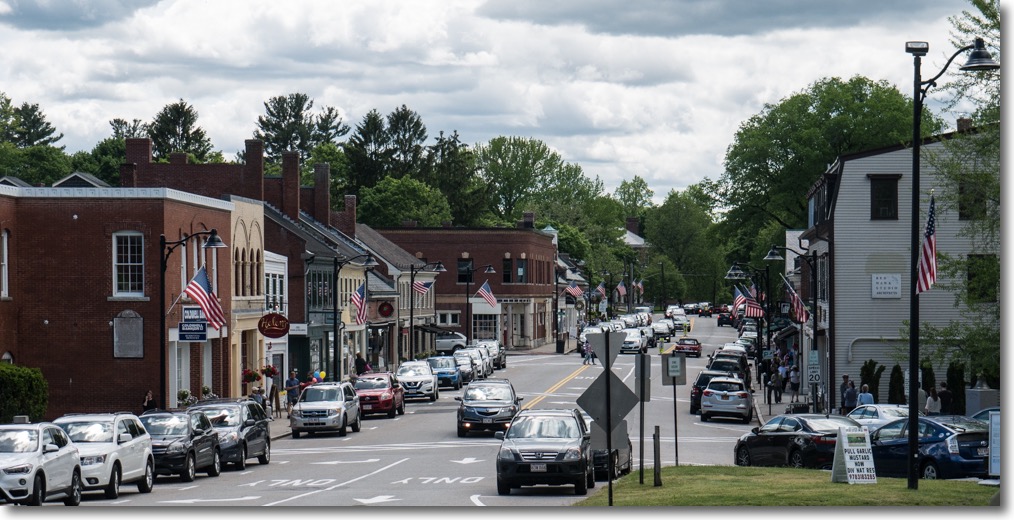
Main Street, Concord.


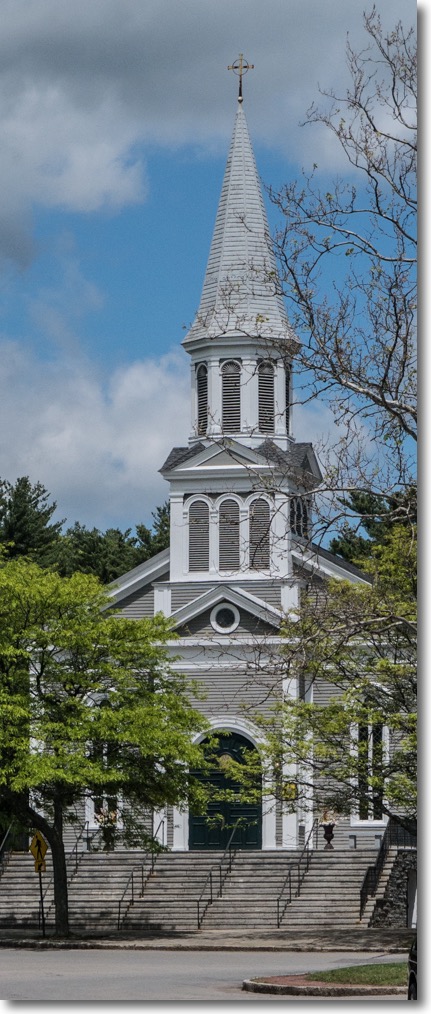
The Catholic church anchors Main Street.


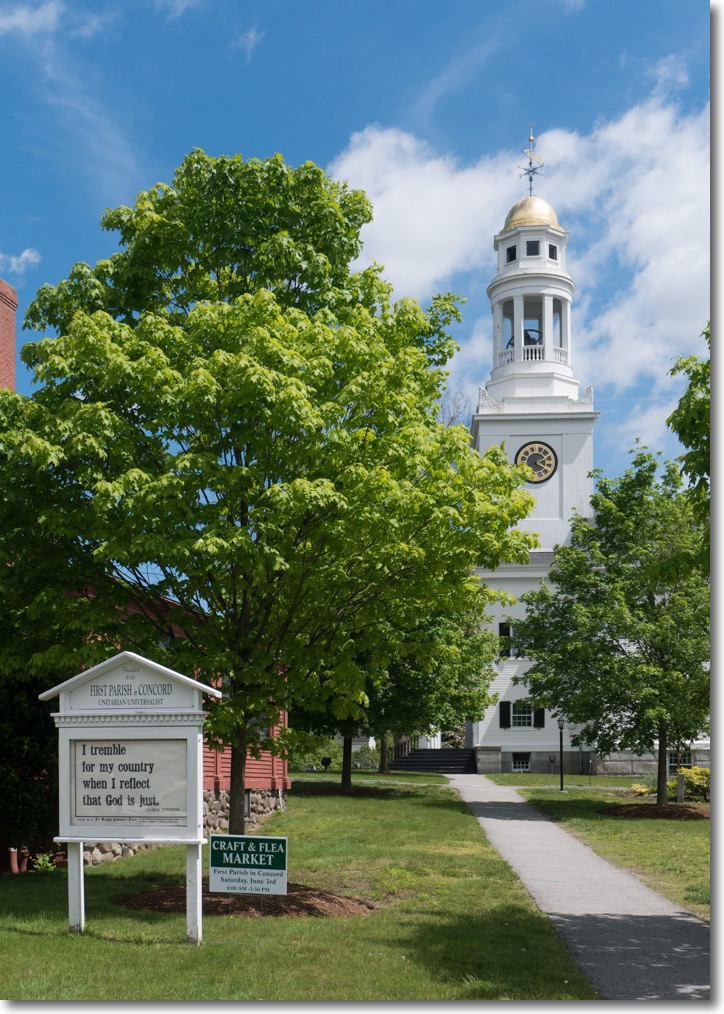
The Unitarian Universalist church.


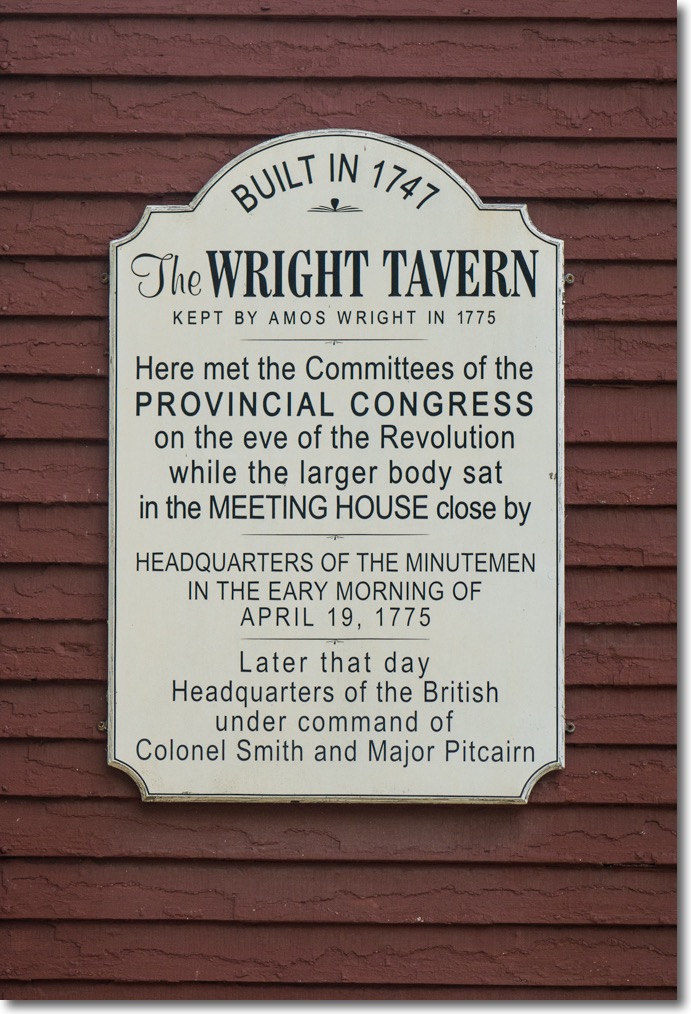
The Minutemen met on the morning of the revolution in this tavern in Concord’s Main Street.


Another view of Main Street. The profusion of flags announces that Memorial Day is just around the corner.


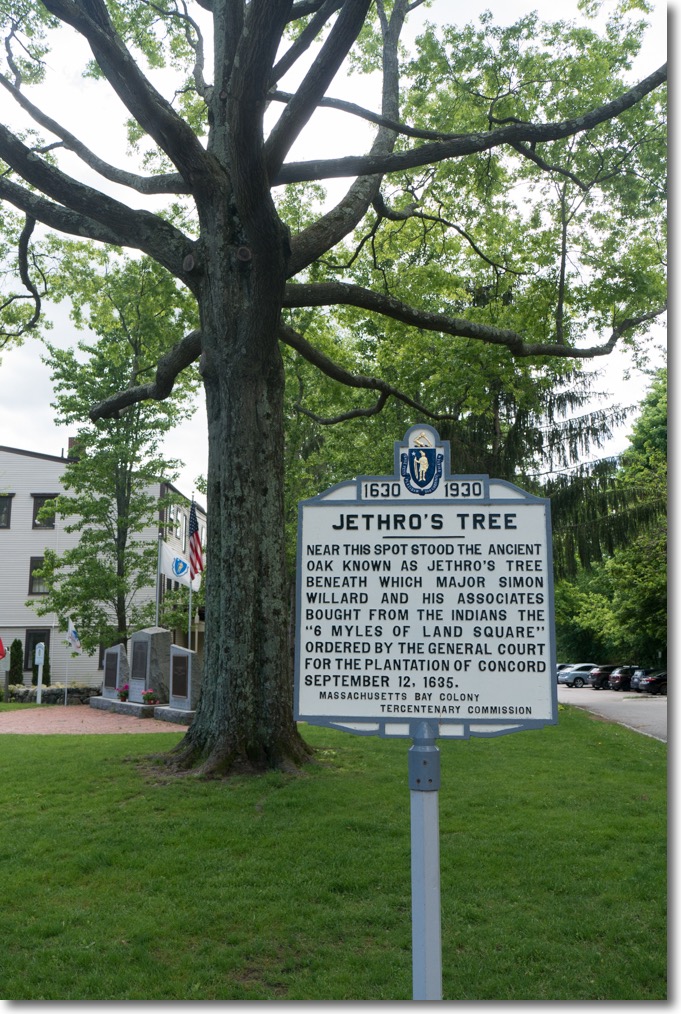
No one could accuse the American Indians of being good negotiators.

A beautiful day in New England, enjoying the history of how the greatest nation there has ever been came into existence.