Lafayette College

Design perfection.

For an alphabetical index of the New England College series of pieces, click here.

Marie-Joseph Paul Yves Roch Gilbert du Motier, Marquis de Lafayette (phew!), (1757 – 1834) was one of America’s greatest patriots, fighting with distinction in the Revolutionary War against the British, though French born. Maryland’s legislature honored Lafayette by making him and his male heirs “natural born Citizens” of the state, which made him a natural born citizen of the United States (Wikipedia). Lafayette College in Pennsylania is named after the great man who somehow managed to die in his bed, surviving the French Terror, the guillotine, despite being of noble birth and being around at the time heads were rolling. A republican for the ages.

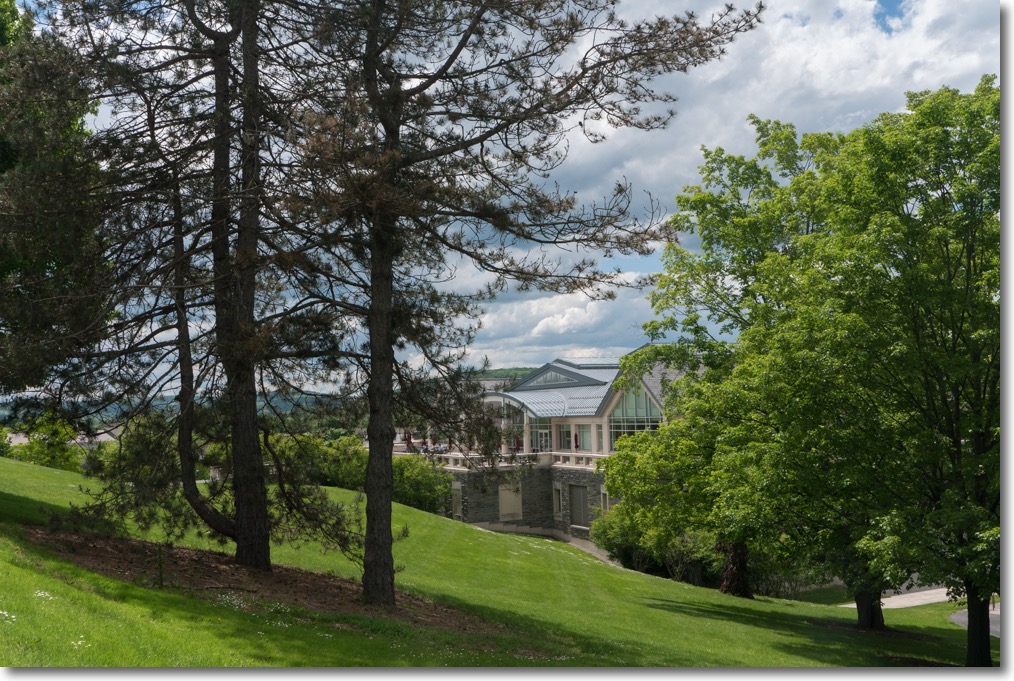
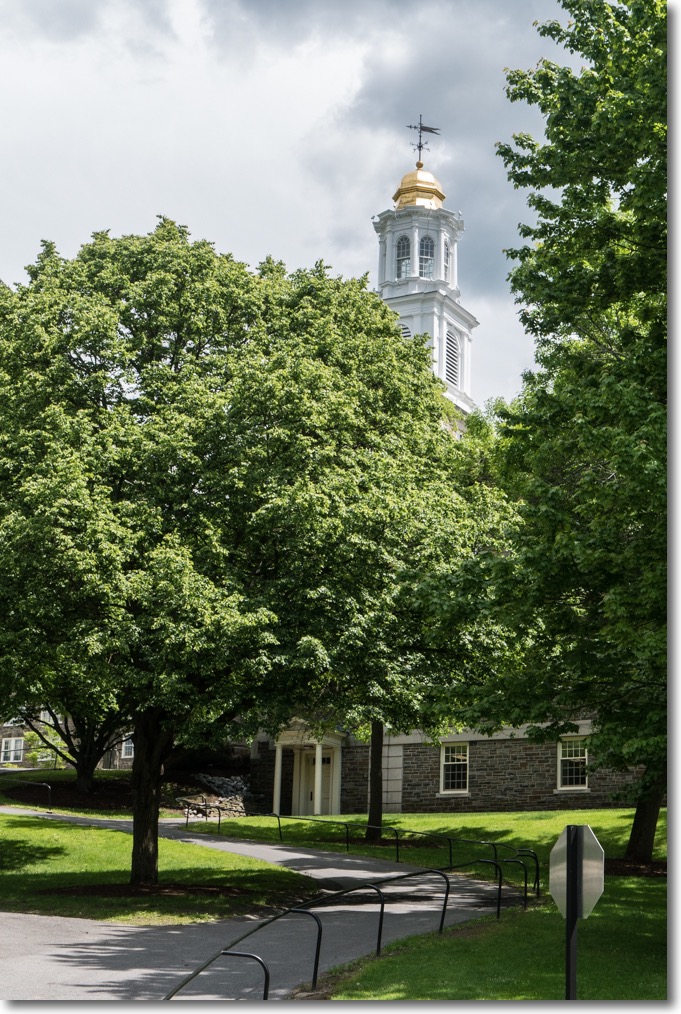
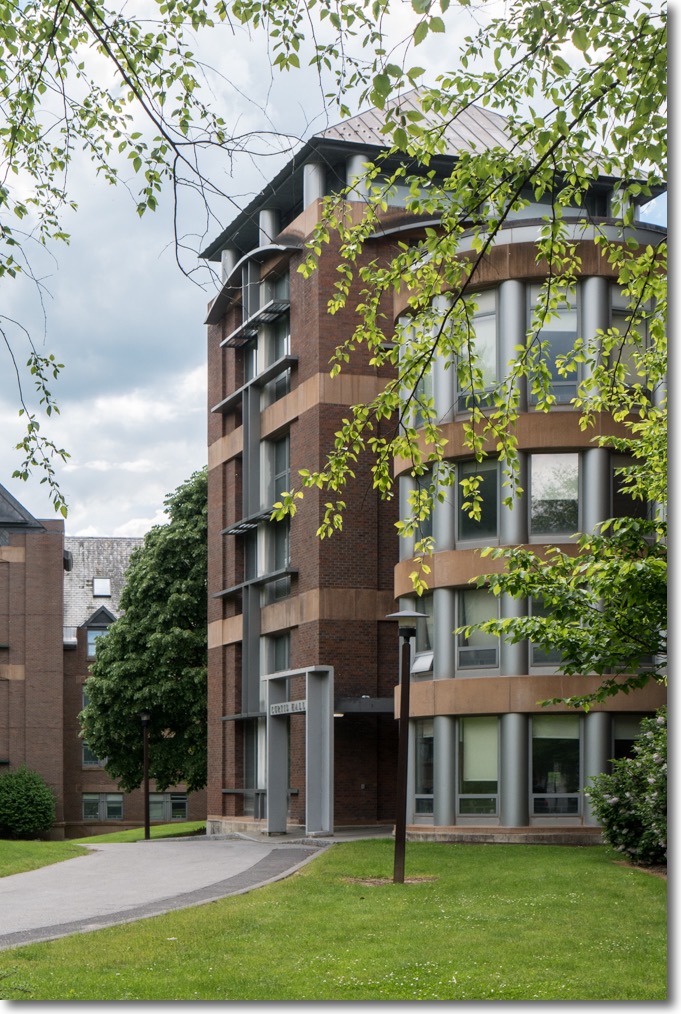
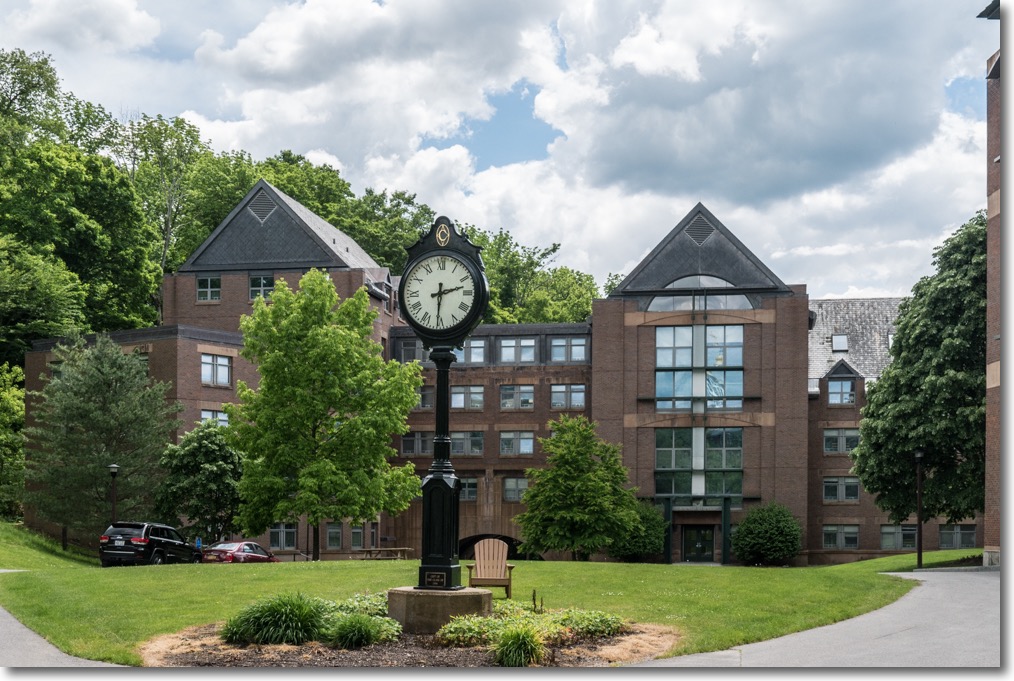
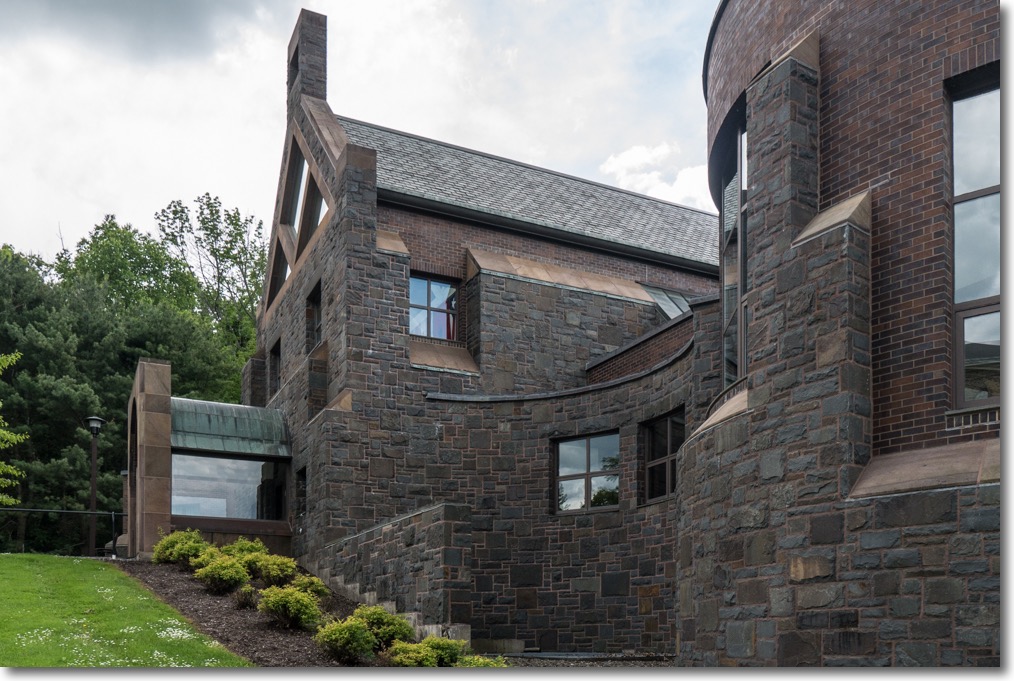
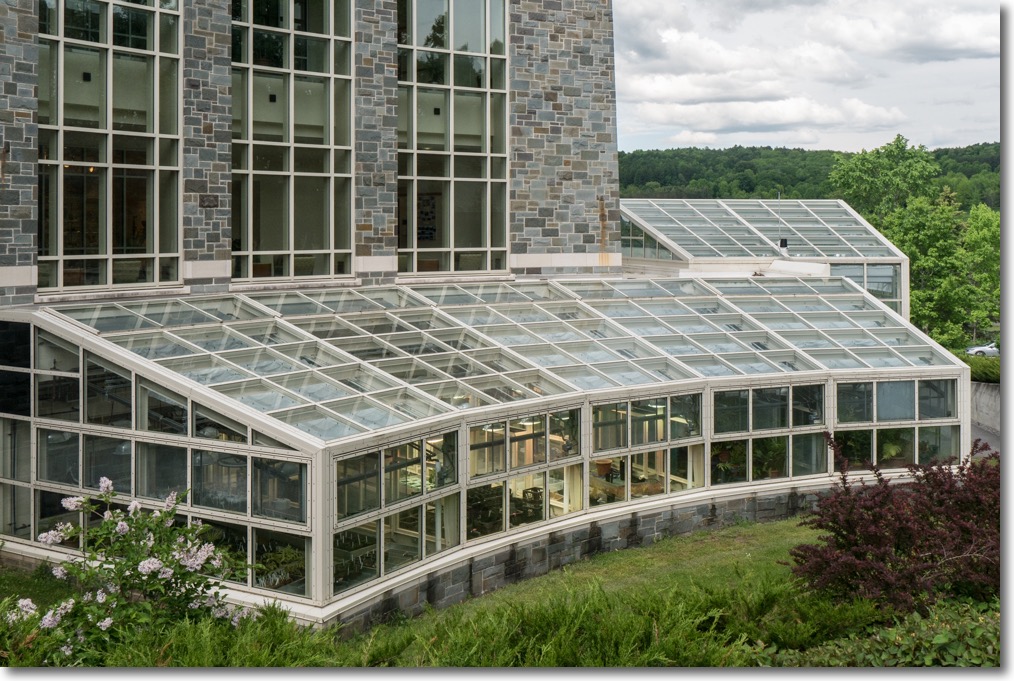
Lafayette College in Easton was formed in 1826 and is set in a truly glorious site atop College Hill. We were very fortunate to be able to tour it on a warm day, assisted by the best tour guide booklet yet. There are 2,445 students here, taught by 215 full time faculty members, 99% of whom hold a doctorate or other terminal degree. The 340 acre campus is home to 60 buildings, with a separate 230 acre athletic campus, all supported by a solid endowment.


The Admissions Building.
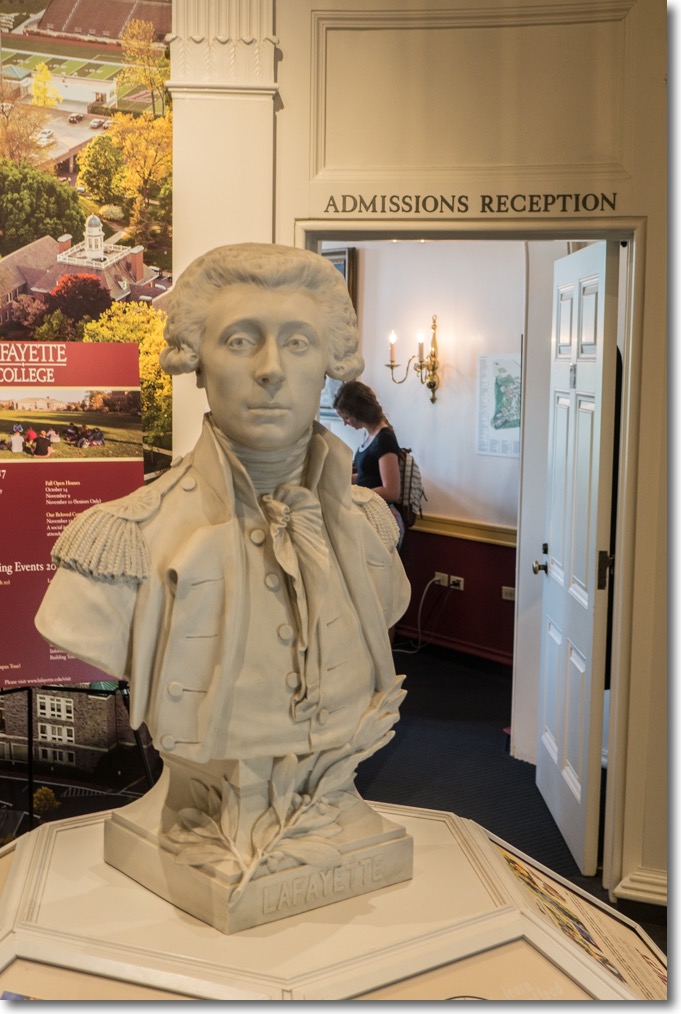

The great man.
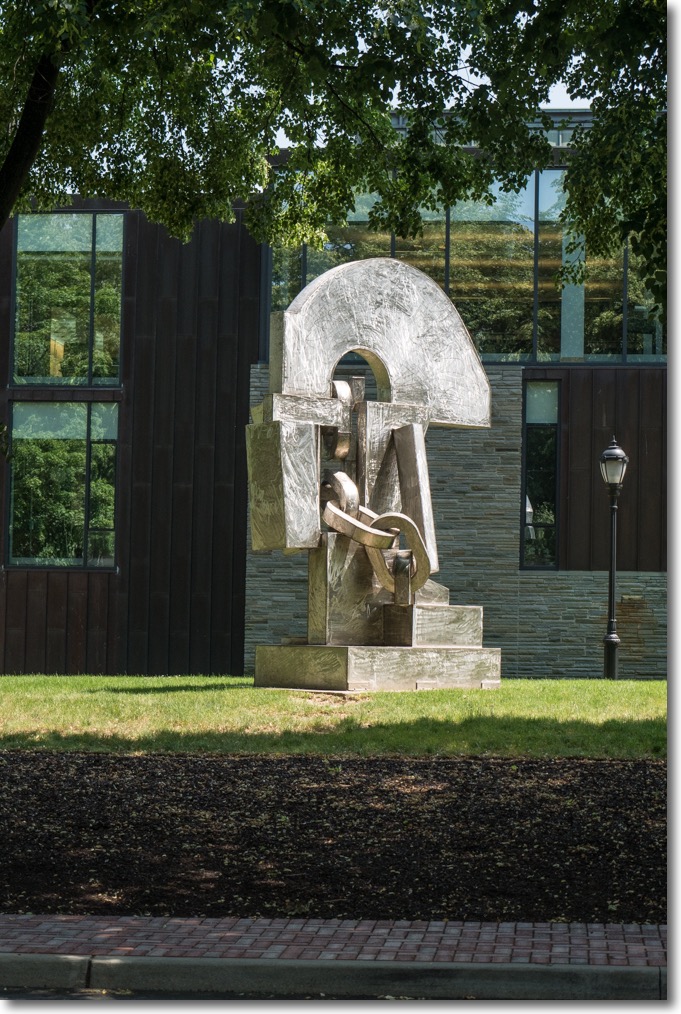

Transcendence, 2008, honoring David McDonogh, the first African American to be granted a degree from the college, in 1844.
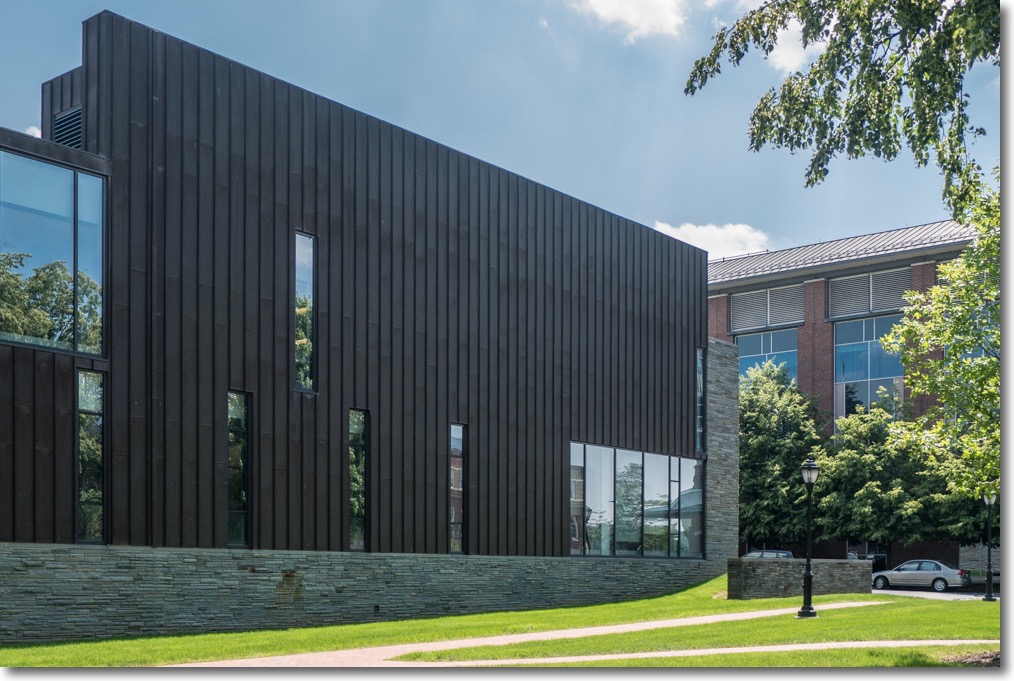
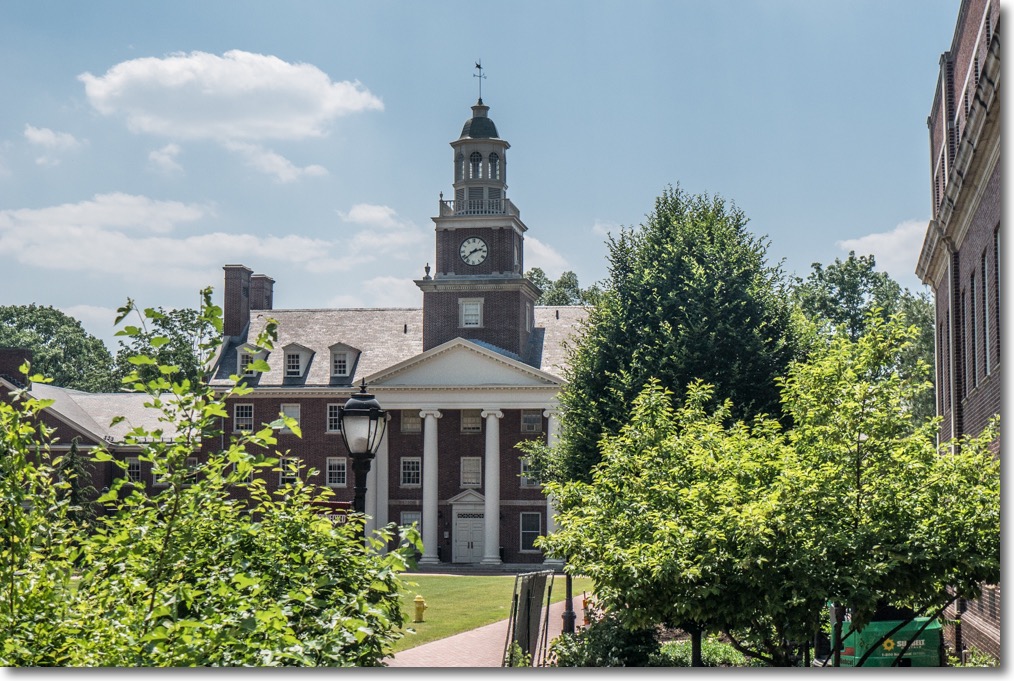
Watson Hall, one of the dorms.


The Hugel Science Center for physics, chemistry and biochemistry.
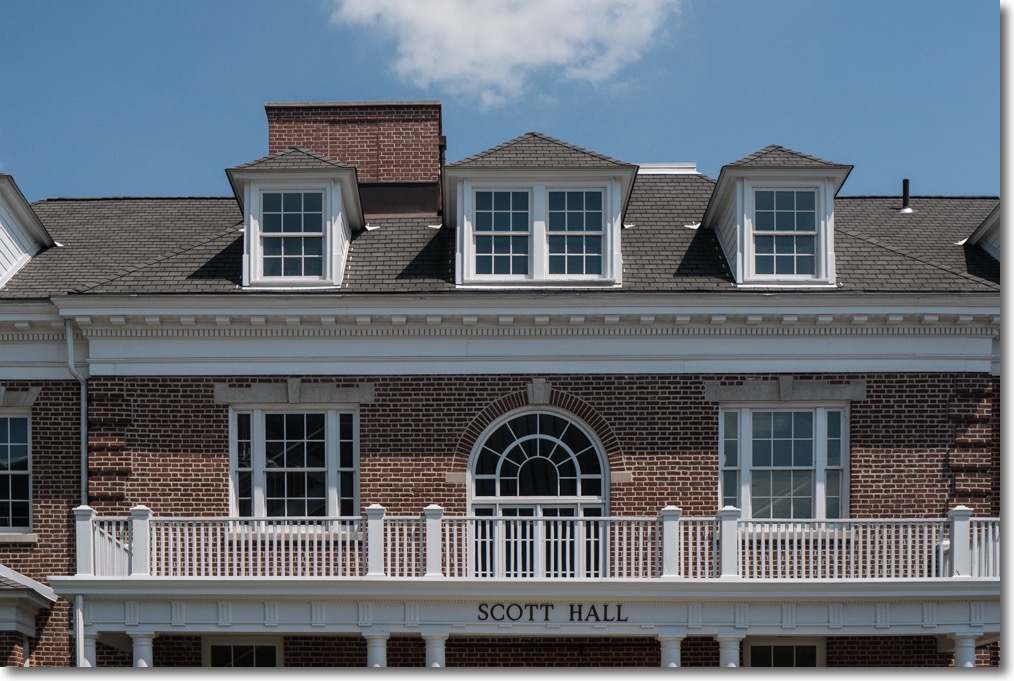

Scott Hall, the Dean’s home.
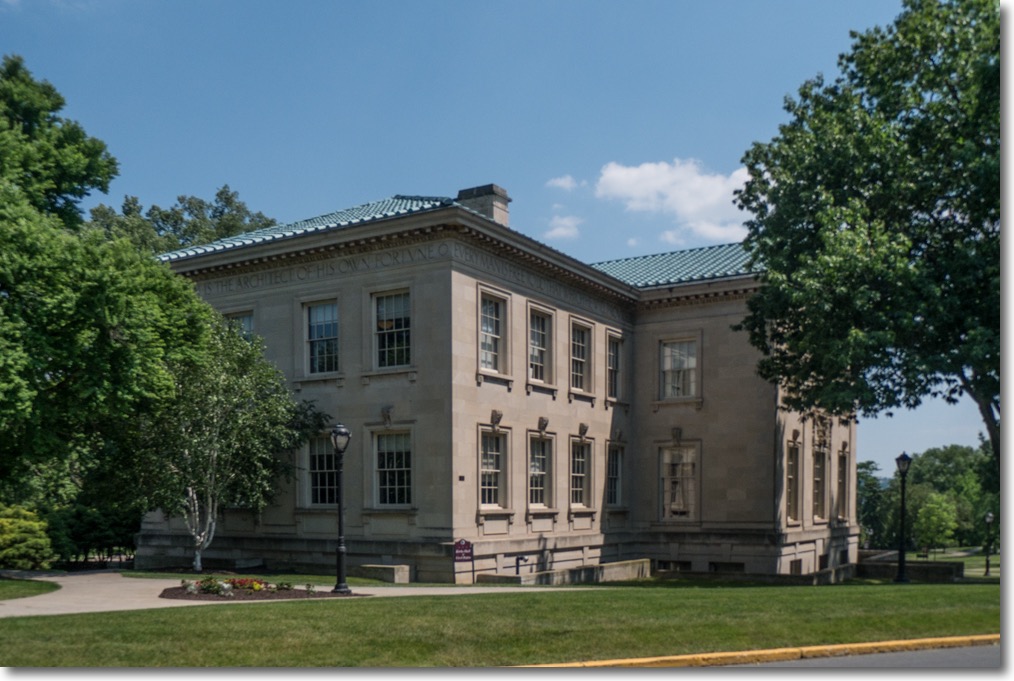

The Kirby Hall of Civil Rights.
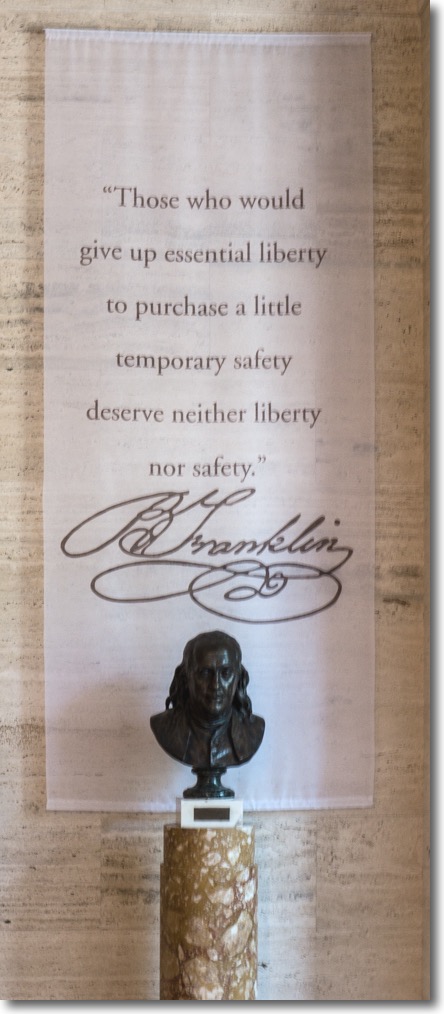

Inside Kirby Hall.
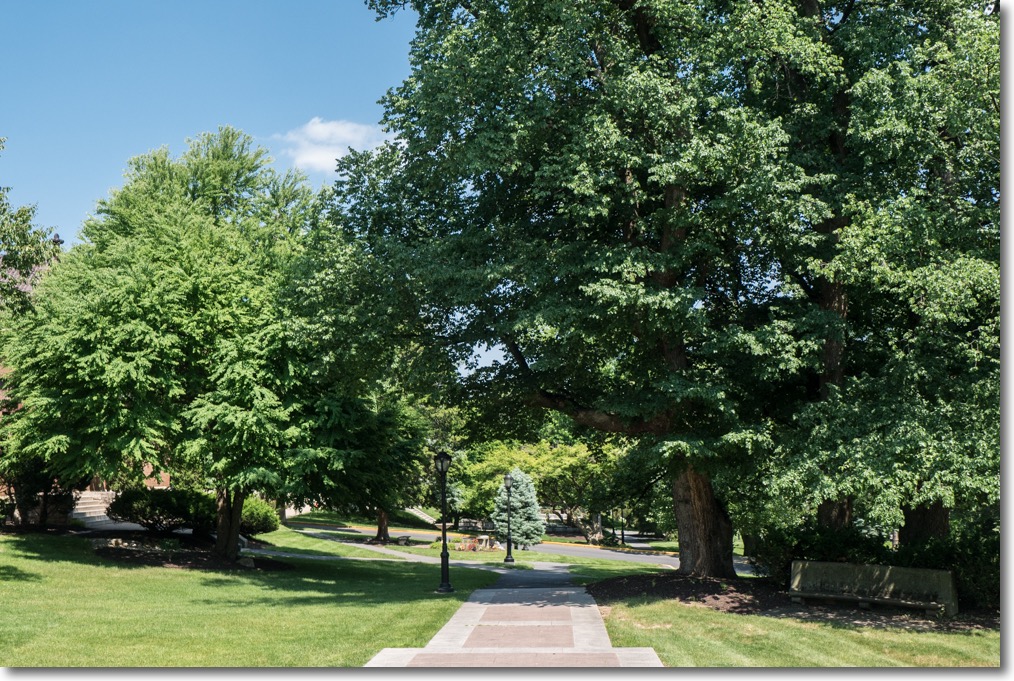

A view of the main quad in all its summer glory.
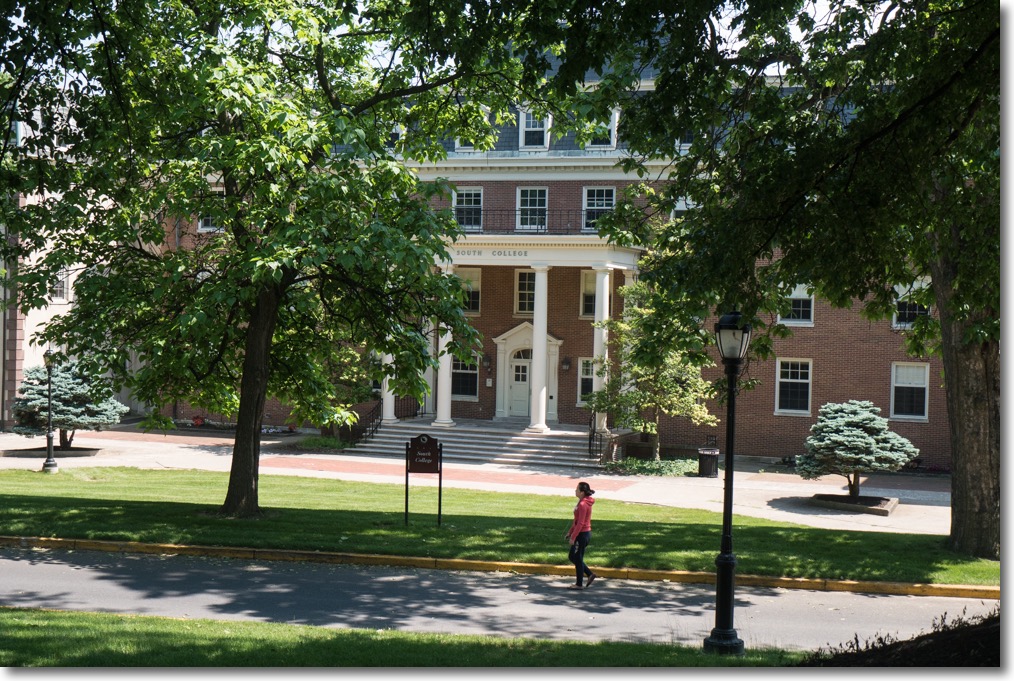

South College, the largest dorm, home to 220 men and women.
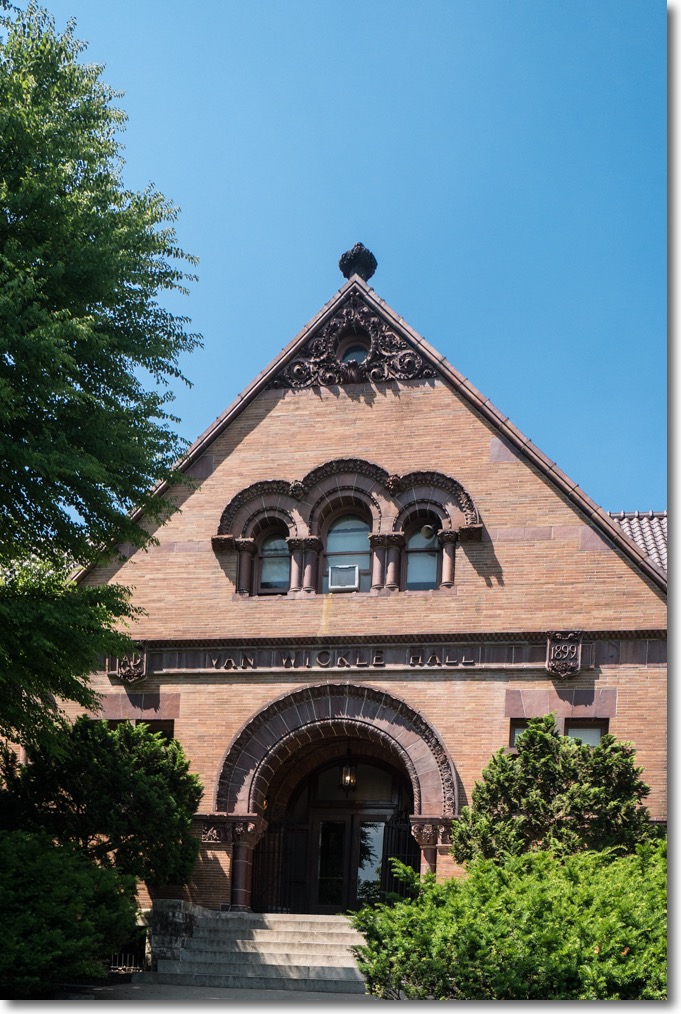

Van Wickle Hall houses the Departments of Geology and Environmental Geosciences. Completed in 1900.
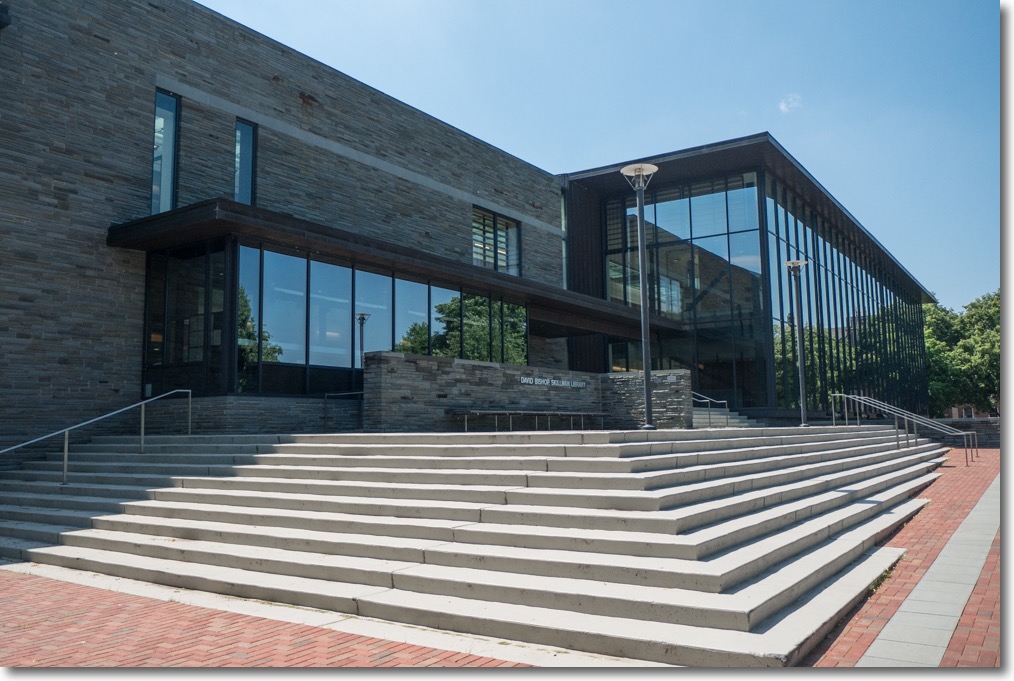

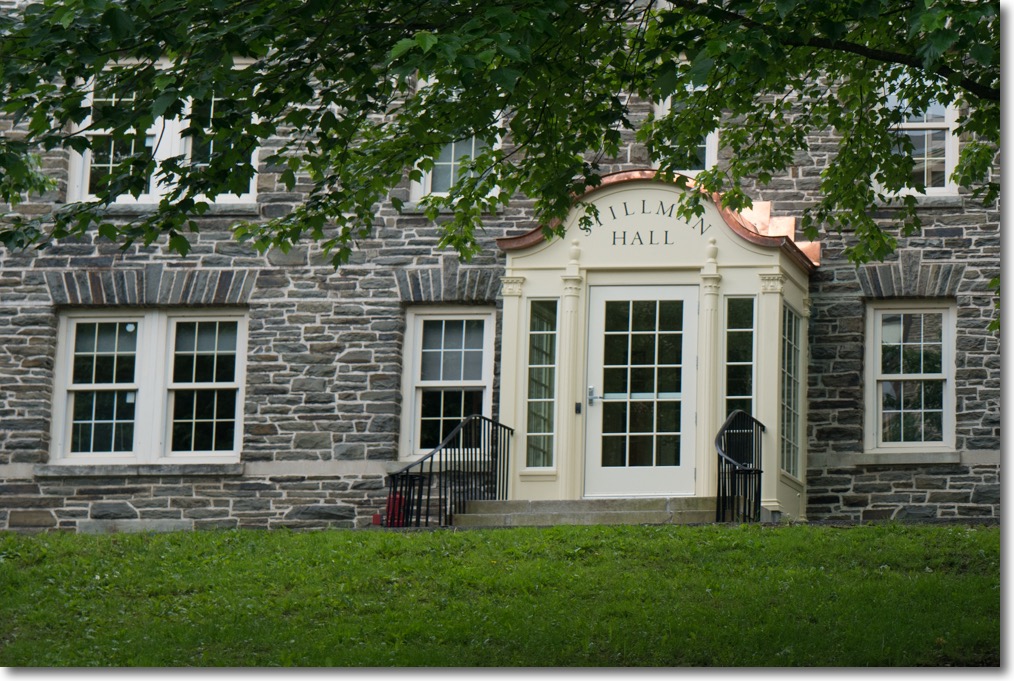
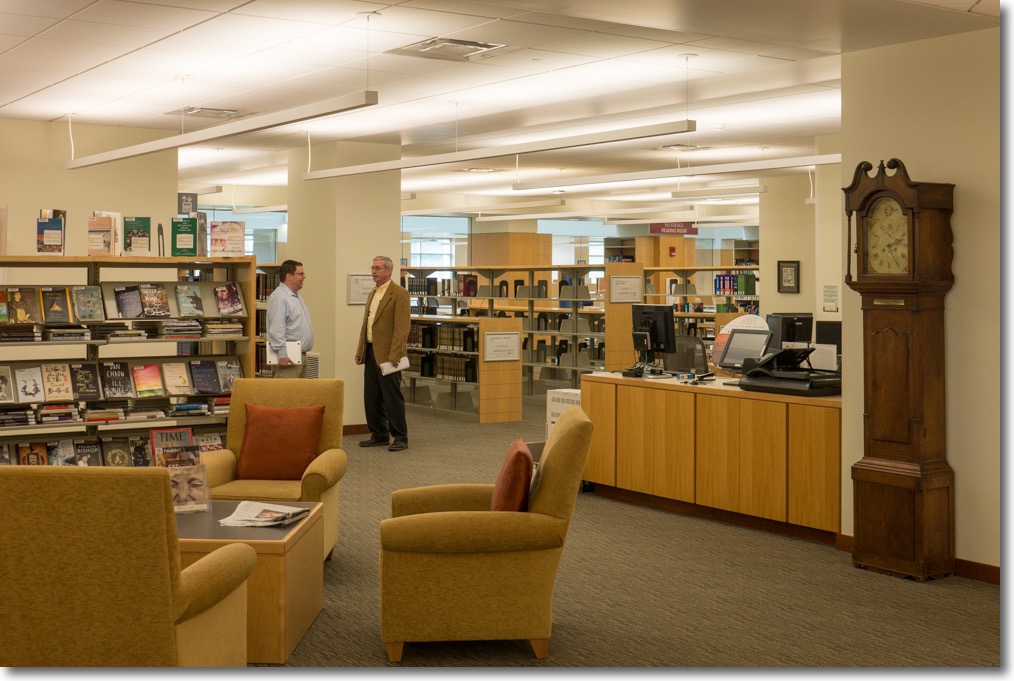
The David Bishop Skillman Library, a recipient of the Excellence in Academic Libraries Award in 2014.


Inside the Library.


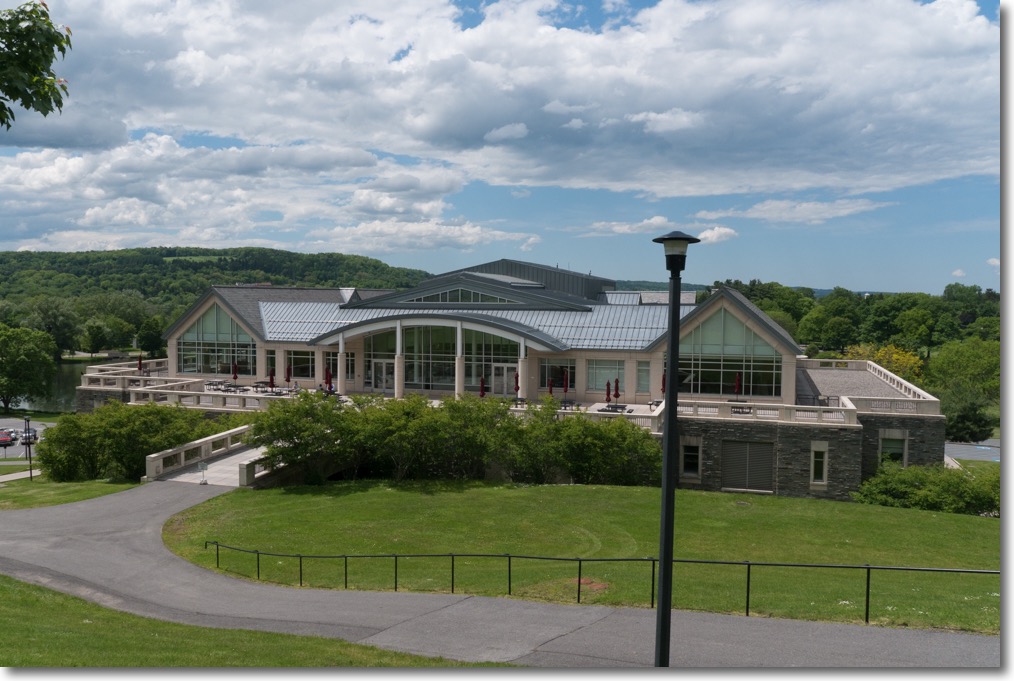
The Farinon College Center is the center for student activities.
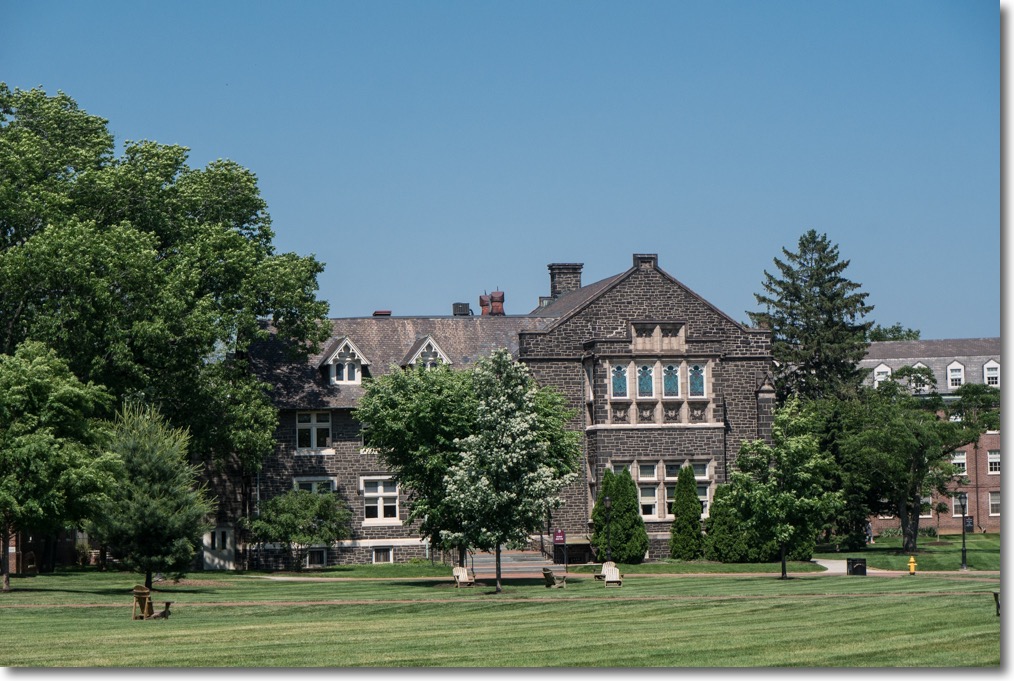

Hogg Hall (pronounced ‘Hoag’) is the Office of Career Services.


From the College’s extensive sculpture collection.
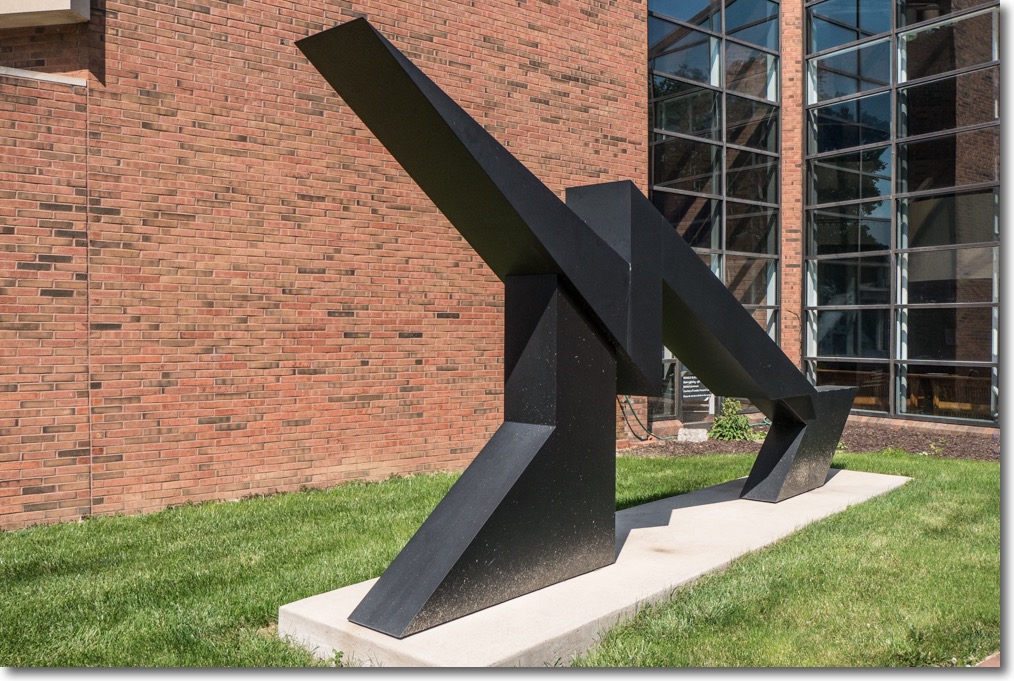

Another.
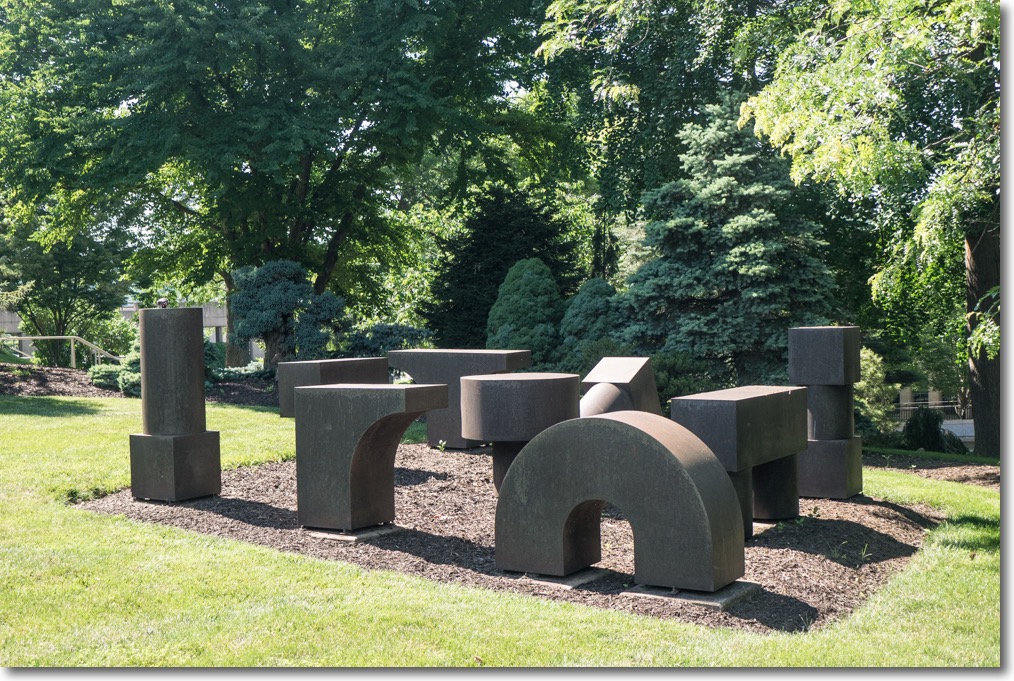

Yet more.


The Simon Center for Economics, named after former US Energy and Treasury Secretary, William E. Simon. Bill was my boss in his merchant bank during the period 1988-93.


This hyper-kinetic man wore bottle lenses which served to amplify his already piercing eyes.
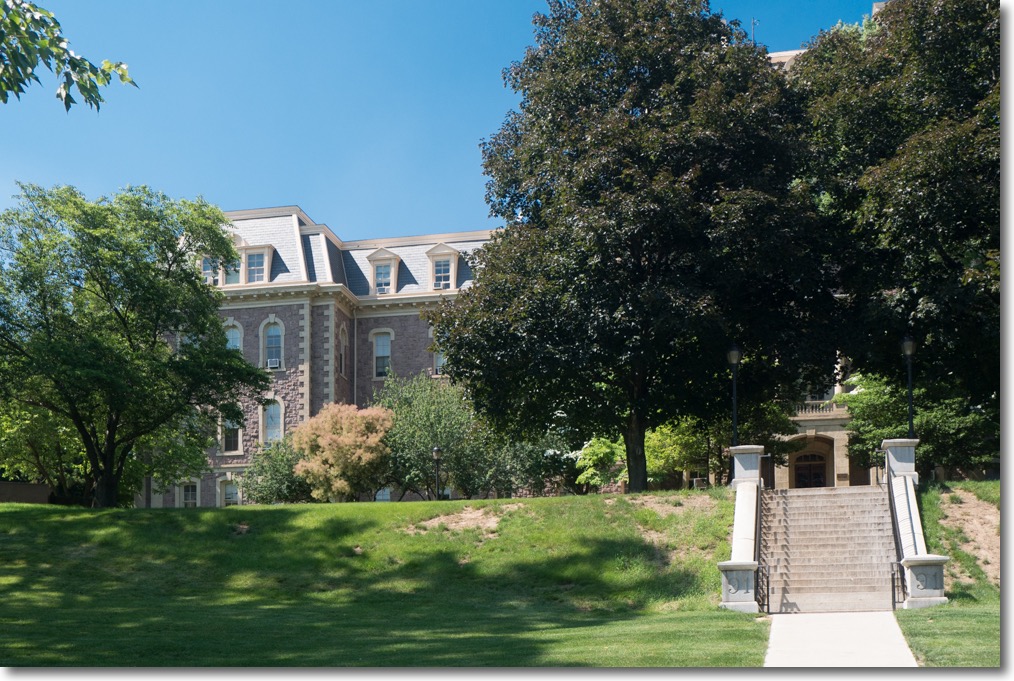

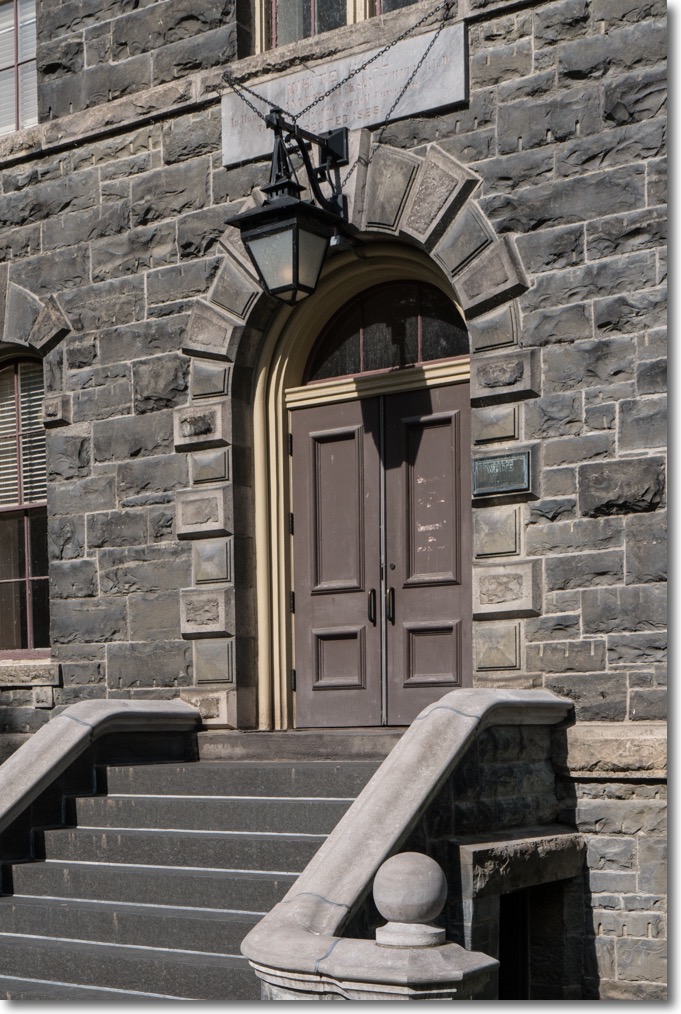
Pardee Hall, designed by John McArthur, Jr, the architect of Philadelphia City Hall. Designed in the Second Empire style it burned to the ground in 1879, being replaced with an identical building in 1881. They built them fast back then. The Hall houses the College Writing Program and German studies.
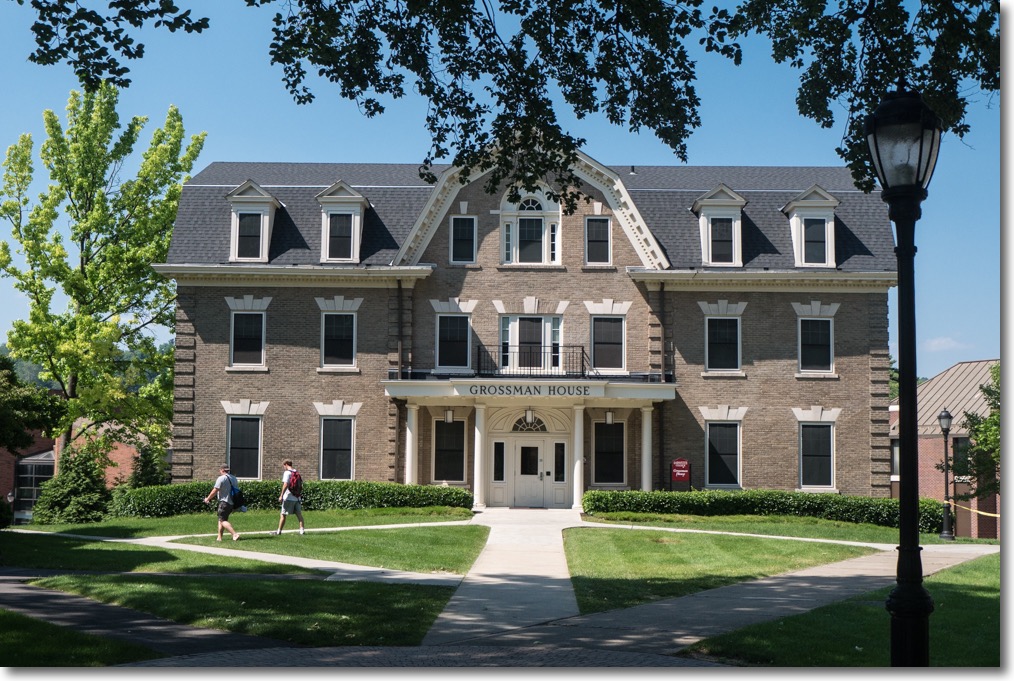

Grossman House, a special residence hall for students interested in global topics.
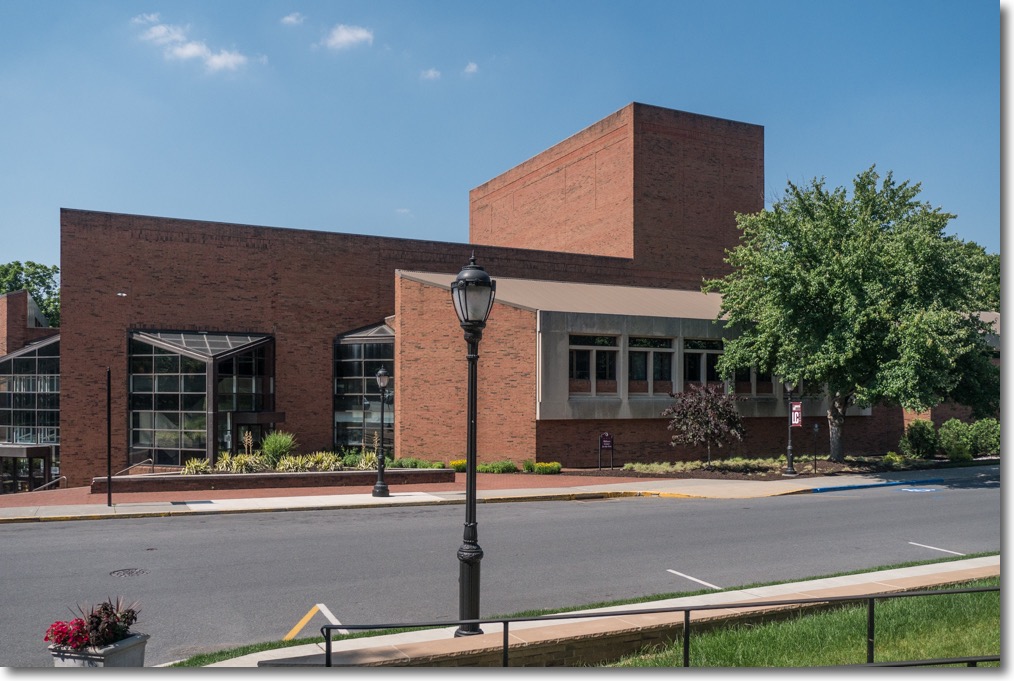

The Williams Center for the Arts includes a 400 seat theater and concert hall.


Lafayette has one of the oldest competitive sports records with nearby Lehigh University, the football rivalry dating back to 1884.

Notable alumni include Bill Simon, Henry Kissinger, Stephen Crane and Joel Silver.
Newport mansions

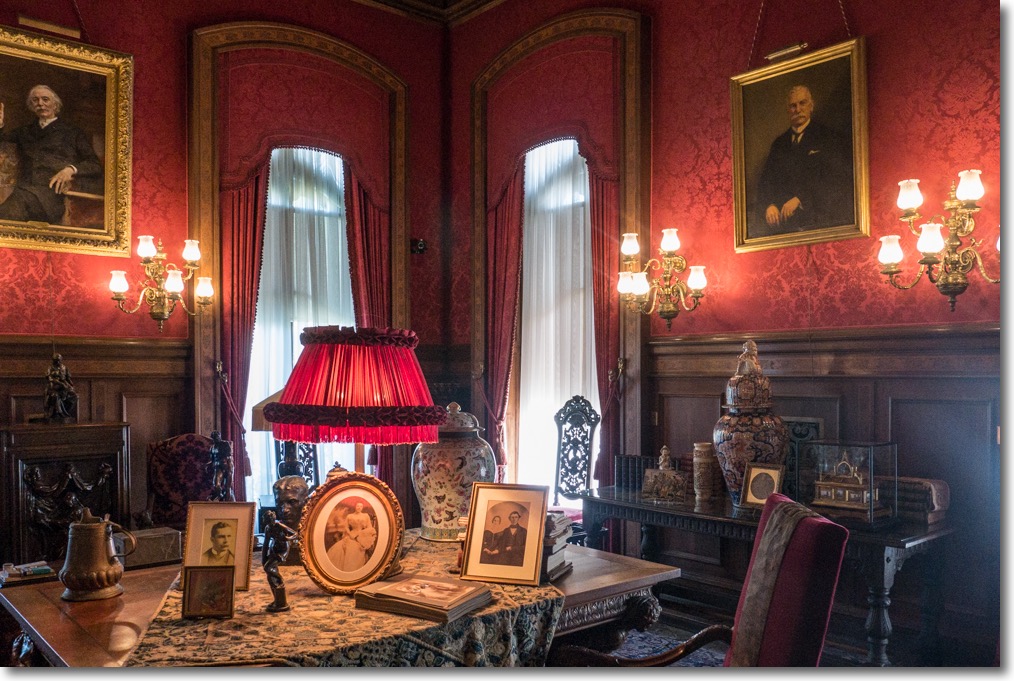
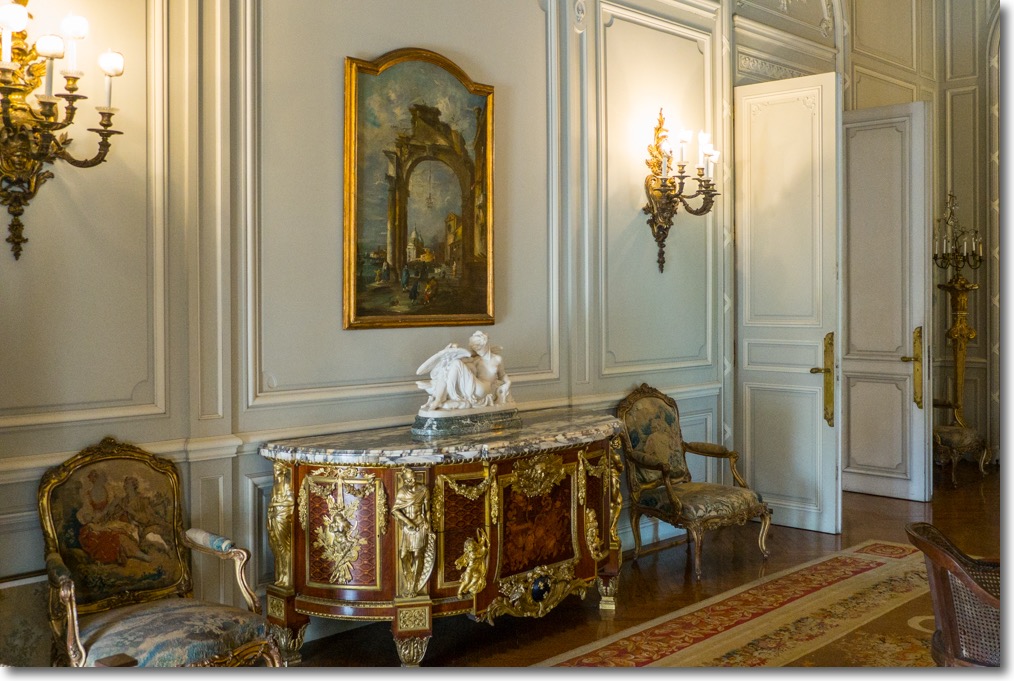
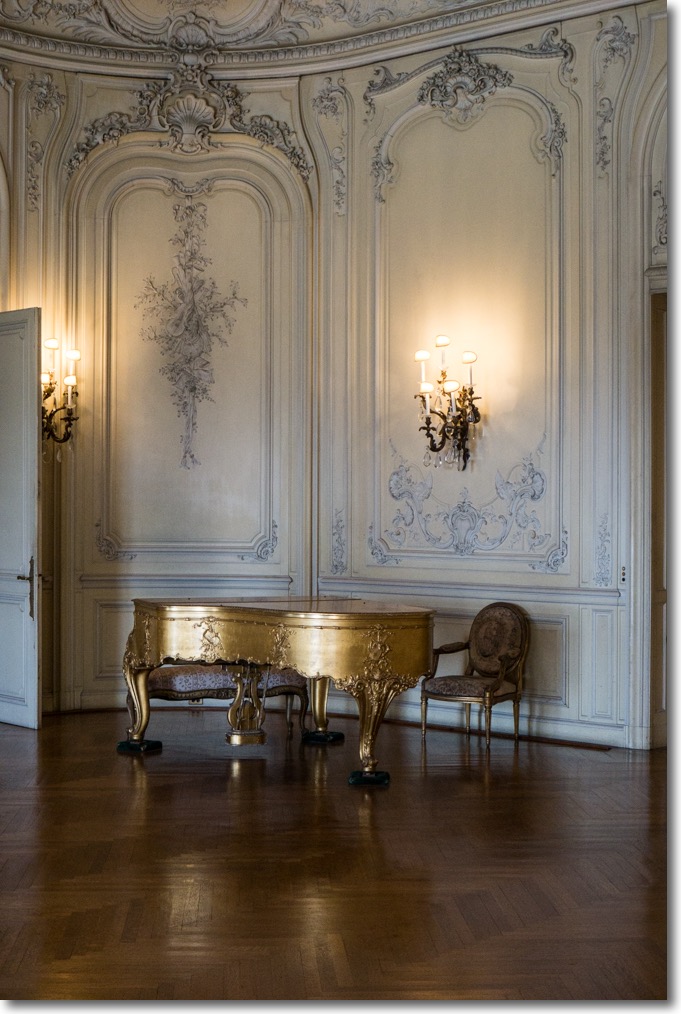
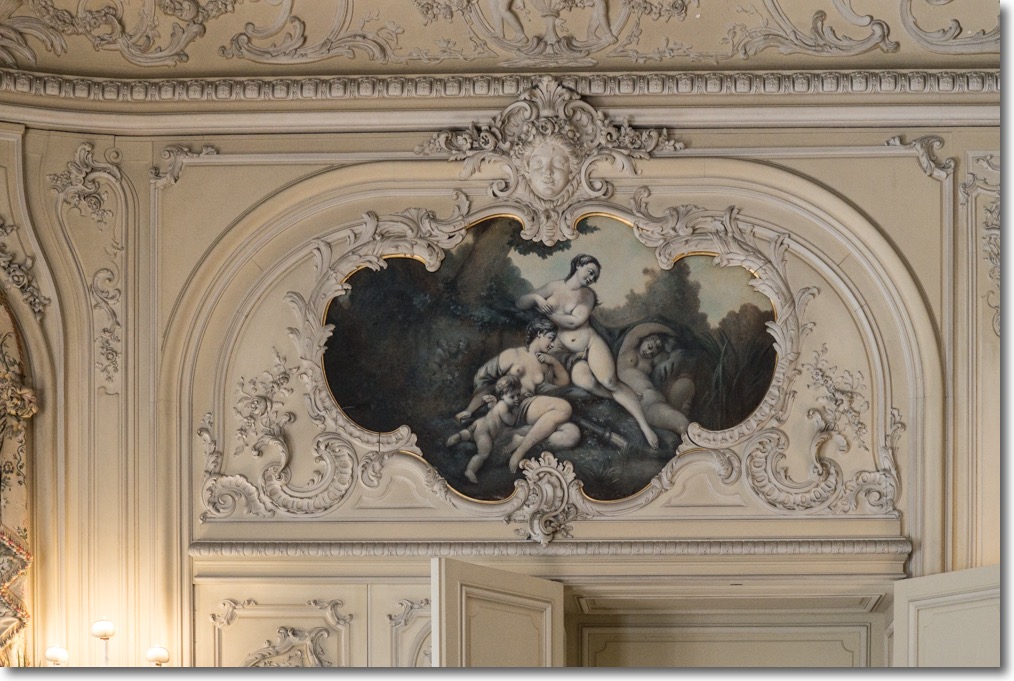
From the gilded age.

Measured rationally – say by the percentage of wealth or income to US Gross Domestic Product – the fortunes enjoyed by the capitalists of the Gilded Age (1870 – 1900) were perhaps the greatest since the Pharaohs. Marxist dogma notwithstanding – and one should withstand utter nonsense – the industrialists of this age raised a vast army of immigrants to middle class status, their children going on to enjoy education and prosperity. Their capitalist employers, meanwhile, tried to outdo one another by building magnificent mansions in Newport, Rhode Island, easily accessed by sea from their plantations or coal mines in West Virginia and points south.

These nouveau riches came to be mocked by the landed gentry of western Europe until it came to marital vows, of course, at which time their complaints about vulgarity turned to enjoyment of yet another jeroboam of Chateau Mouton Rothschild at the wedding feast. Then as now money attracted money and the failing fortunes in the old world saw to it that they latched on to the much greater ones in the New World.

We toured two of these mansions yesterday on a picture perfect day with our friend from Lexington, Santo W. and had an absolute blast. While the bargain deal is the ticket to see all five of these which are open to the public, we kept it down to two as any more would have resulted in total visual overload. When you gaze at the sheer sizes of these homes you will understand why. Add in large amounts of period art and decoration and overload comes quickly.

The Breakers:

Cornelius Vanderbilt II (1843 – 1899) made money the smart way. He chose his parents well and inherited it from his father (1784 – 1877), the legendary railroad and shipping magnate with the grade school education. The latter started his commercial life by running a precursor of the Staten Island Ferry where his work ethic and drive earned him the sobriquet ‘Commodore’, one which stuck for the remainder of his very long and productive life. Along with Carnegie he is probably the second wealthiest American in the nation’s history, after J D Rockefeller, using that GDP metric.

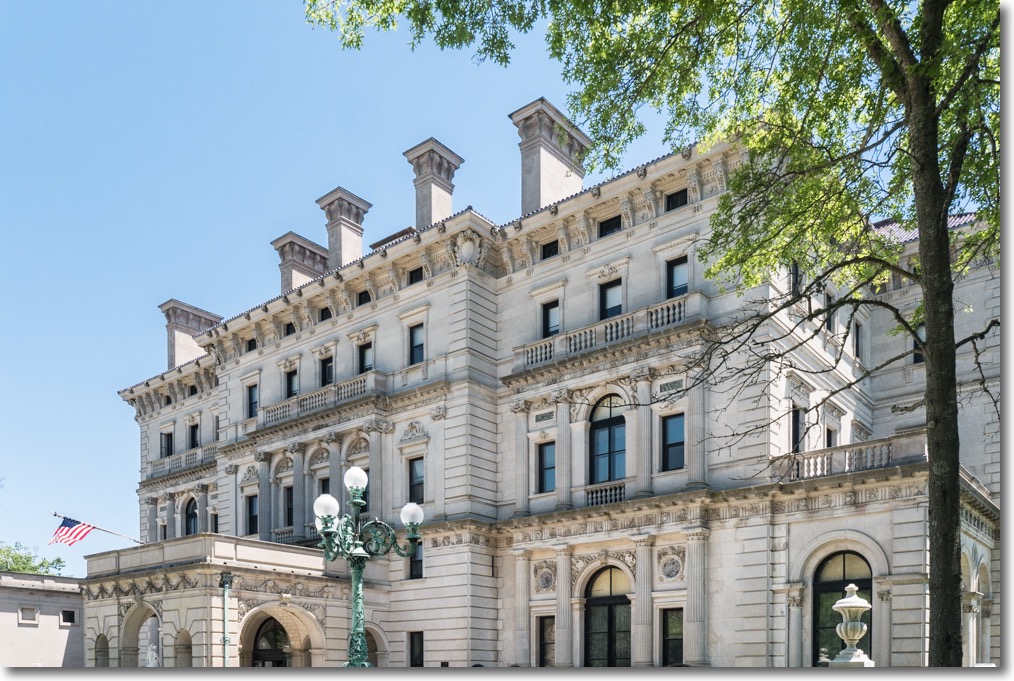
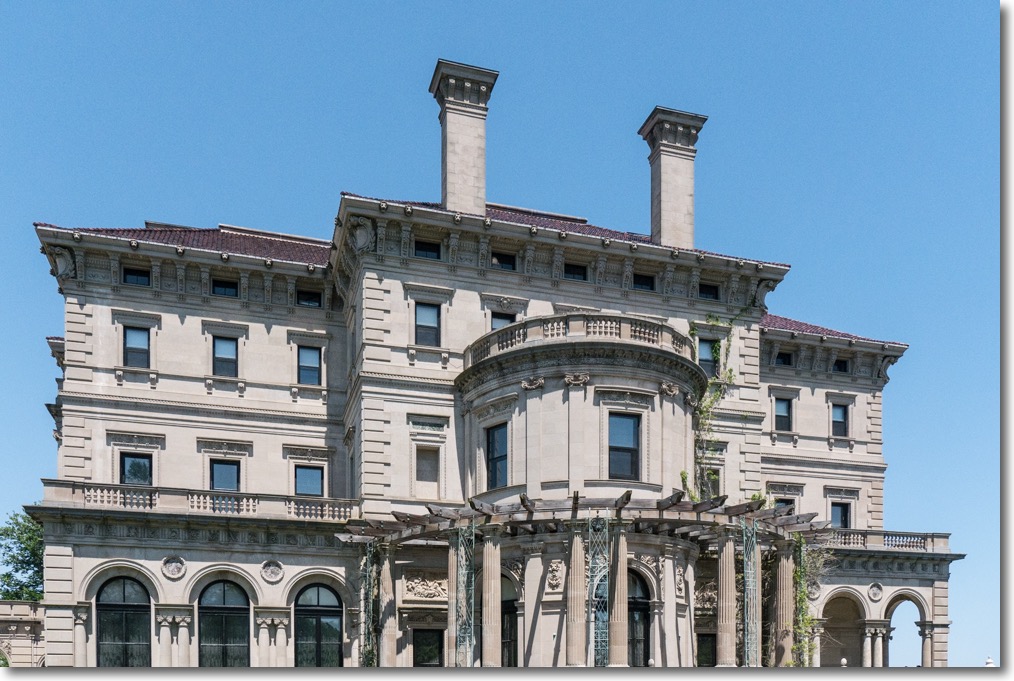
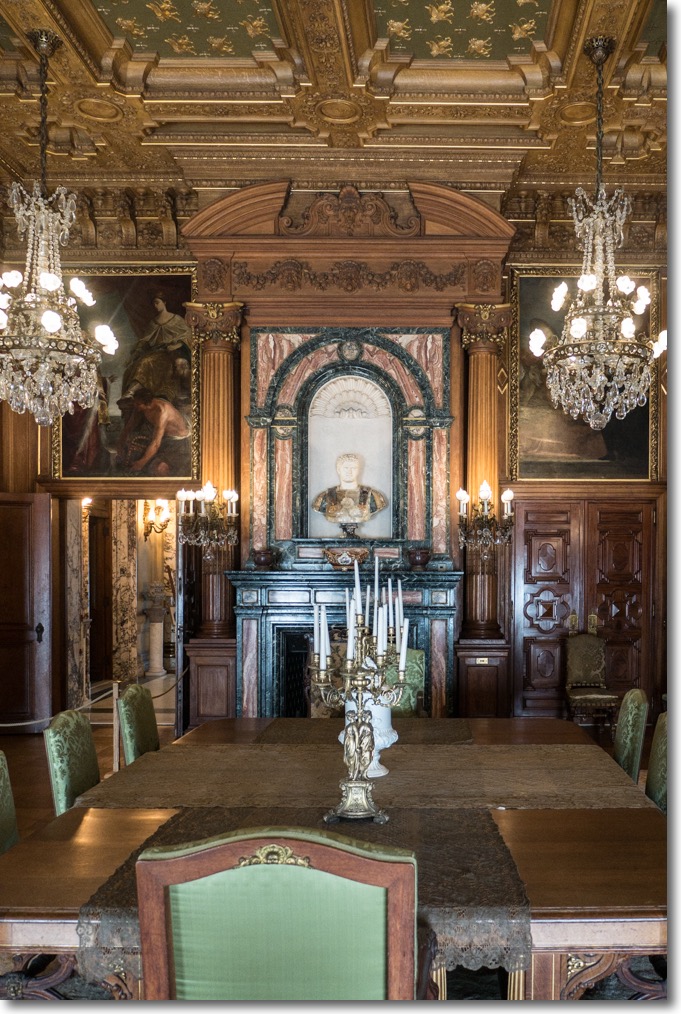
CV II built the 62,000 square foot Breakers, right on the ocean. It has 70 rooms and was completed in 1895 after a mere two years. Labor unions had not yet destroyed the work ethic. If the sheer size and gaudiness of the Breakers overwhelm, it’s still worth a visit for the guilty pleasure of wallowing in so much excess. Would you like to live here? Well, if 30 foot ceilings and cavernous, poorly lit bedrooms are your thing, have at it.


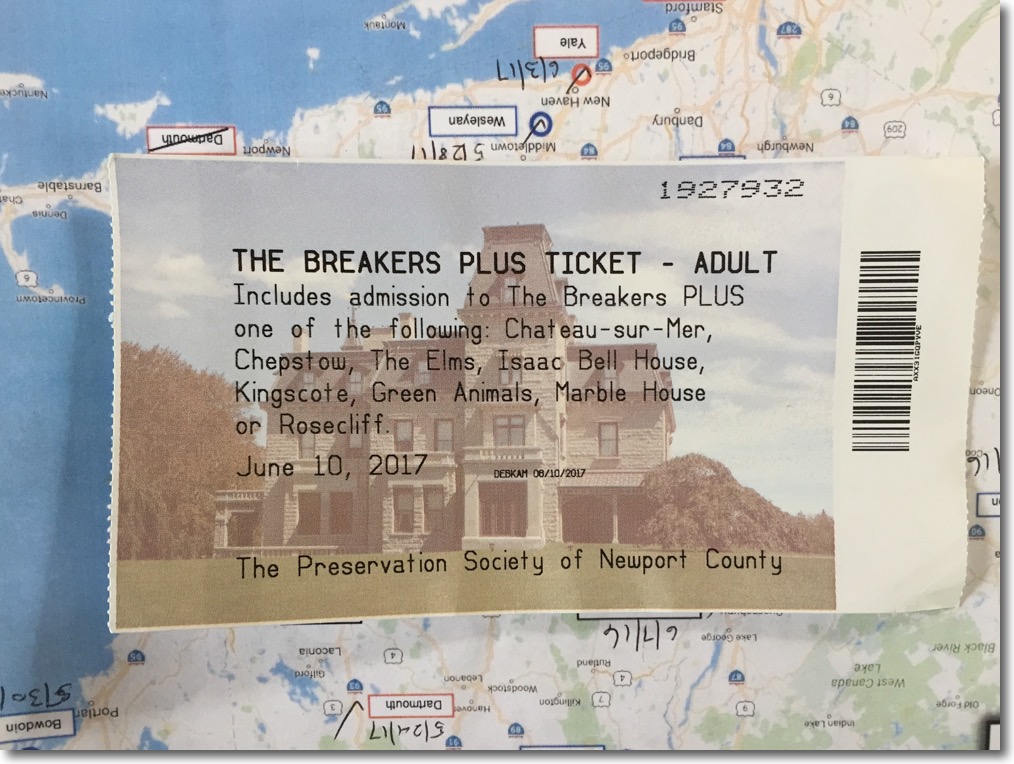
The entry ticket atop our strategic New England tour map.


A full parking lot did nothing to detract from a fine visit, with a classy crowd largely devoid of tattoos.


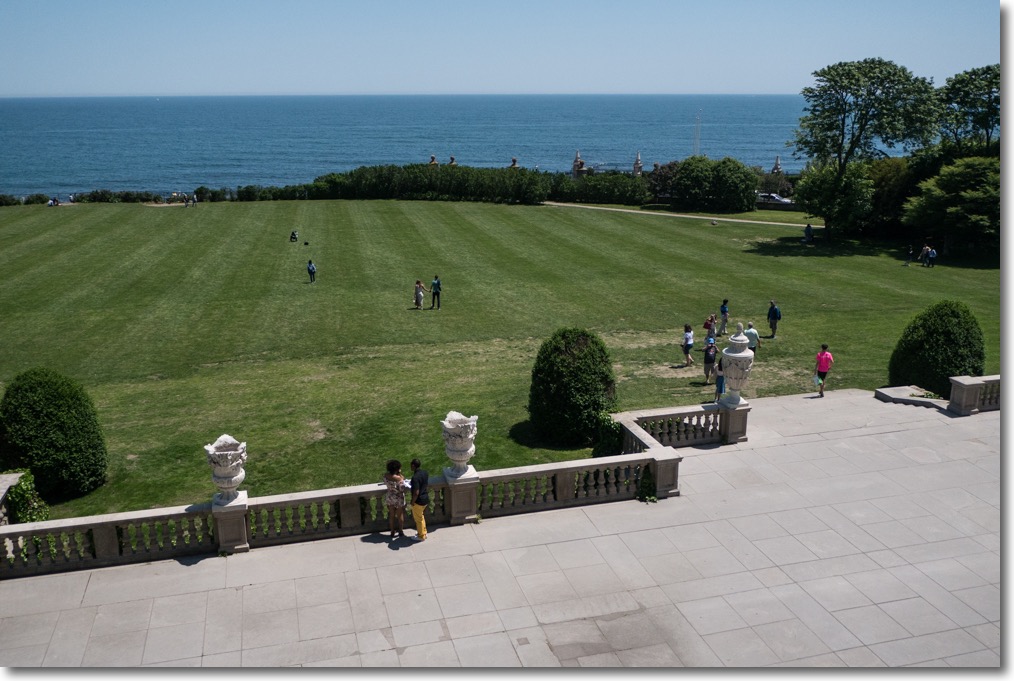
62,000 square feet plus a like amount of formal garden.


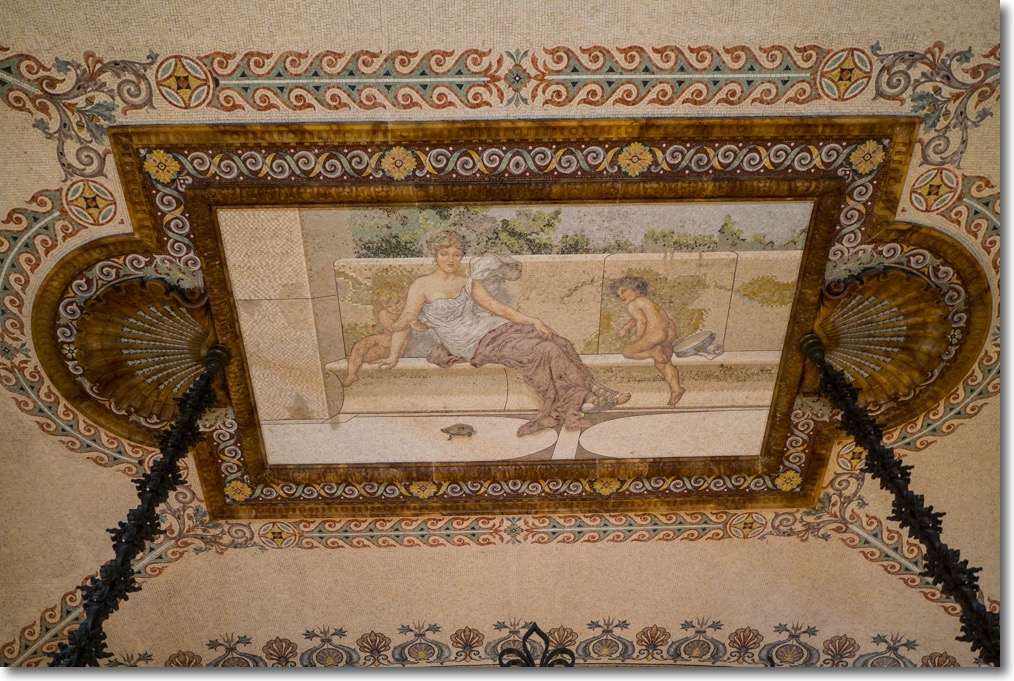
Home made clouds.


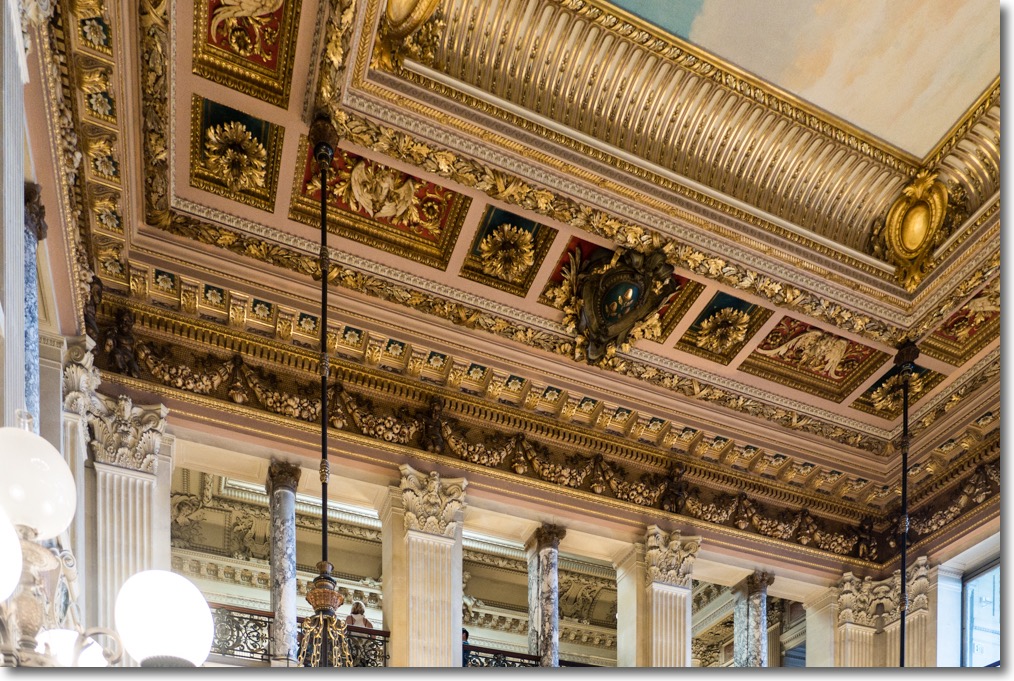
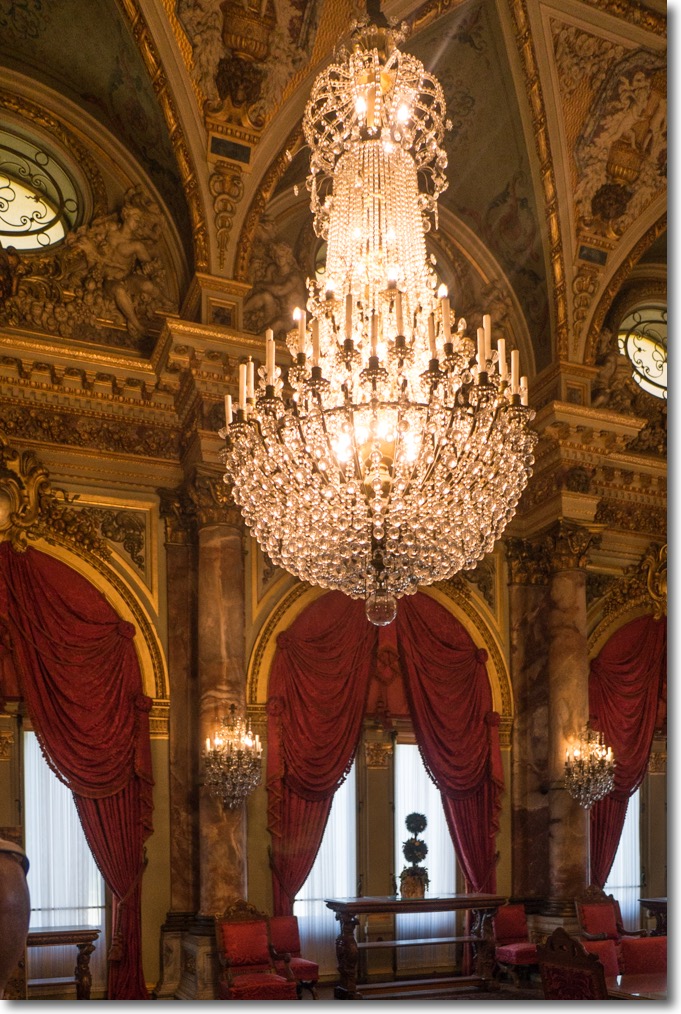
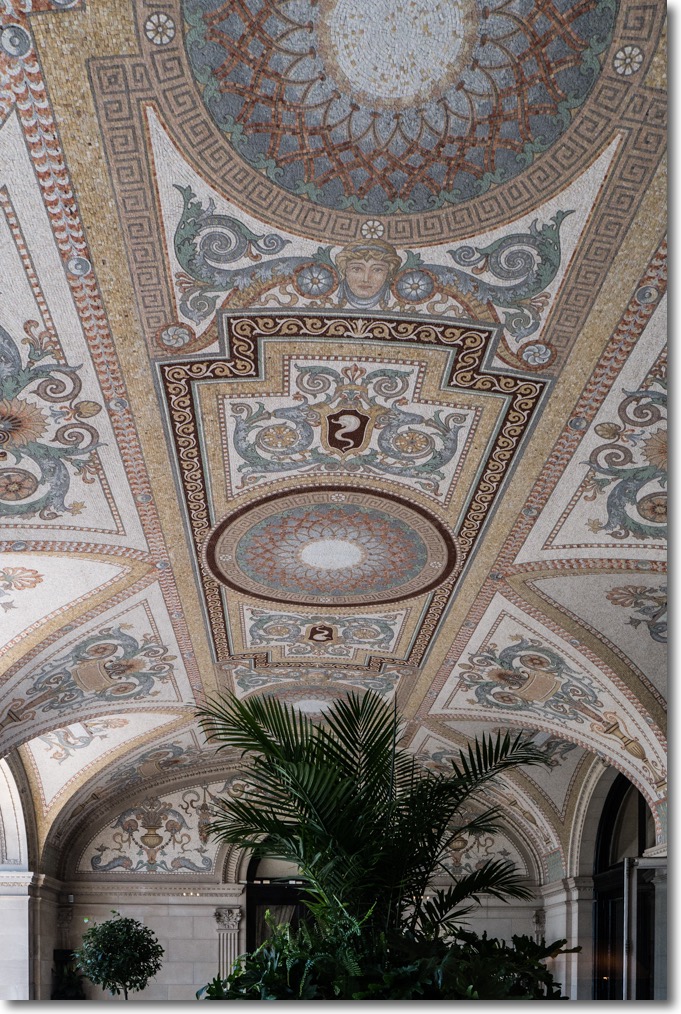
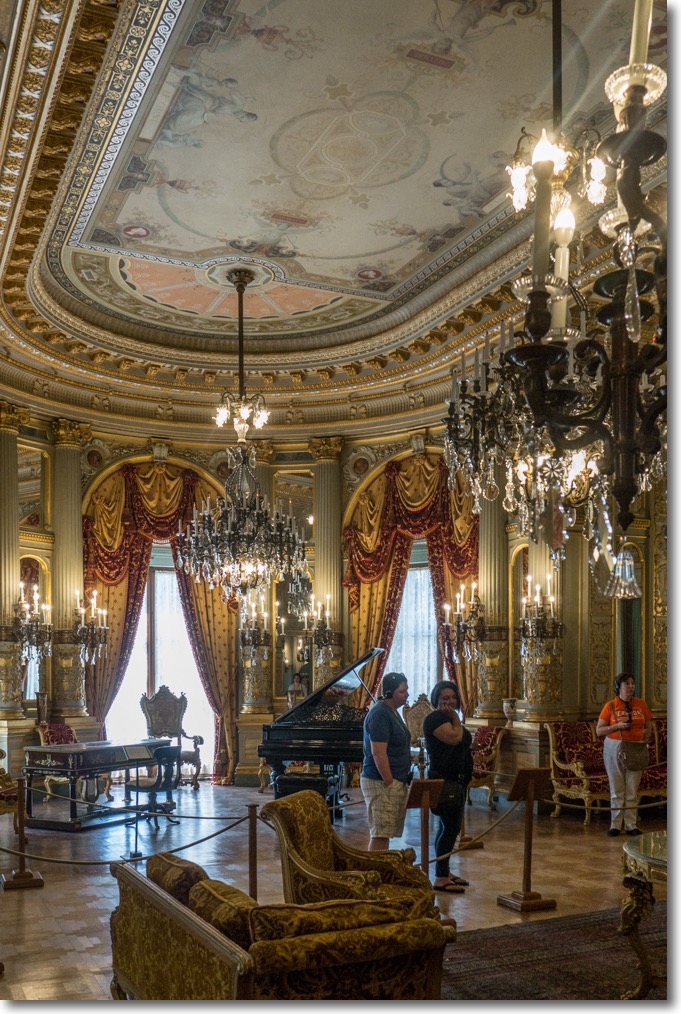
Opulence.


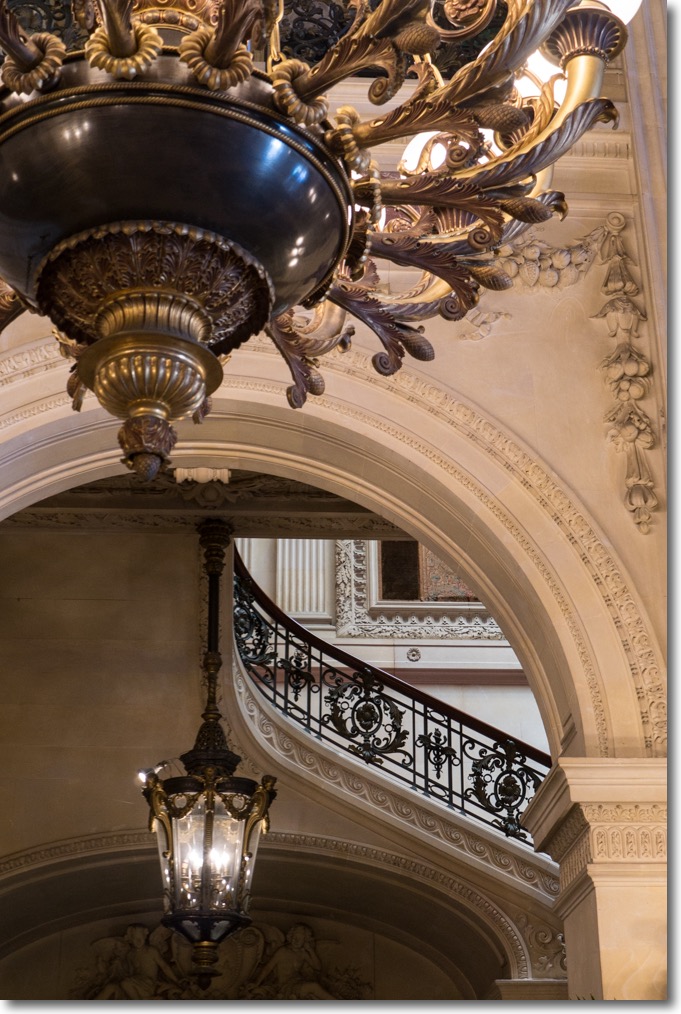
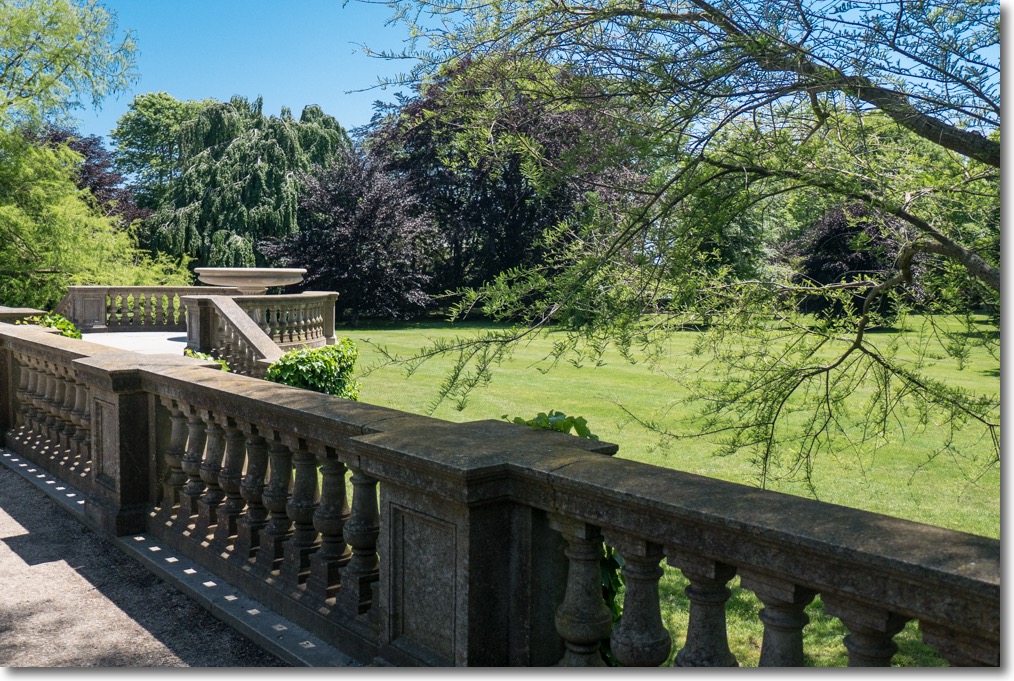
The cast iron balustrade is capped with a bronze hand rail. The quality is breathtaking.


One of many dozens.


Mantle piece.


Another.


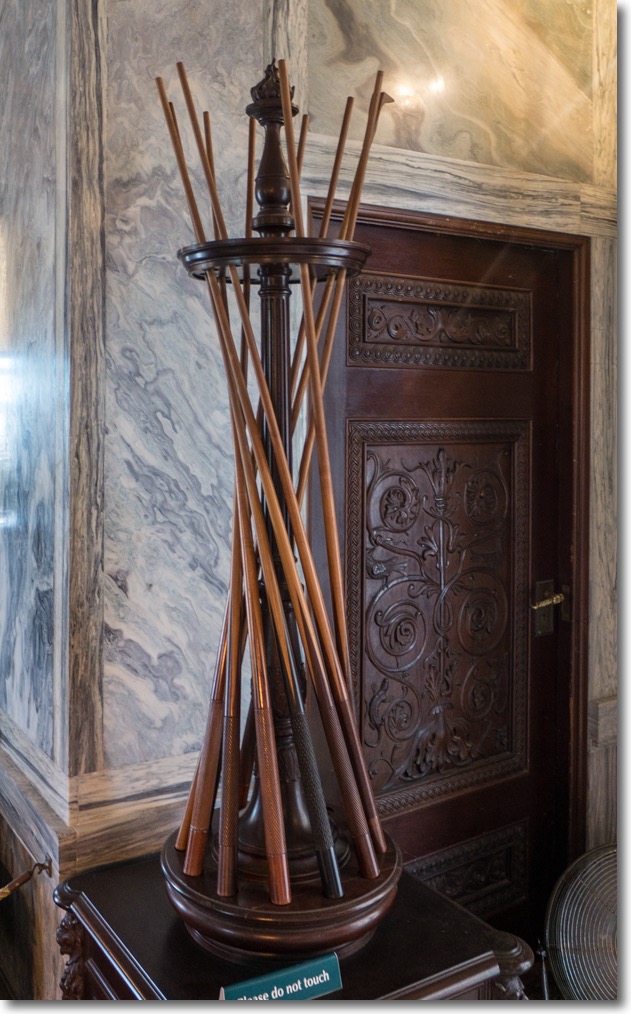
In the pool room.

Tiles, not oils.
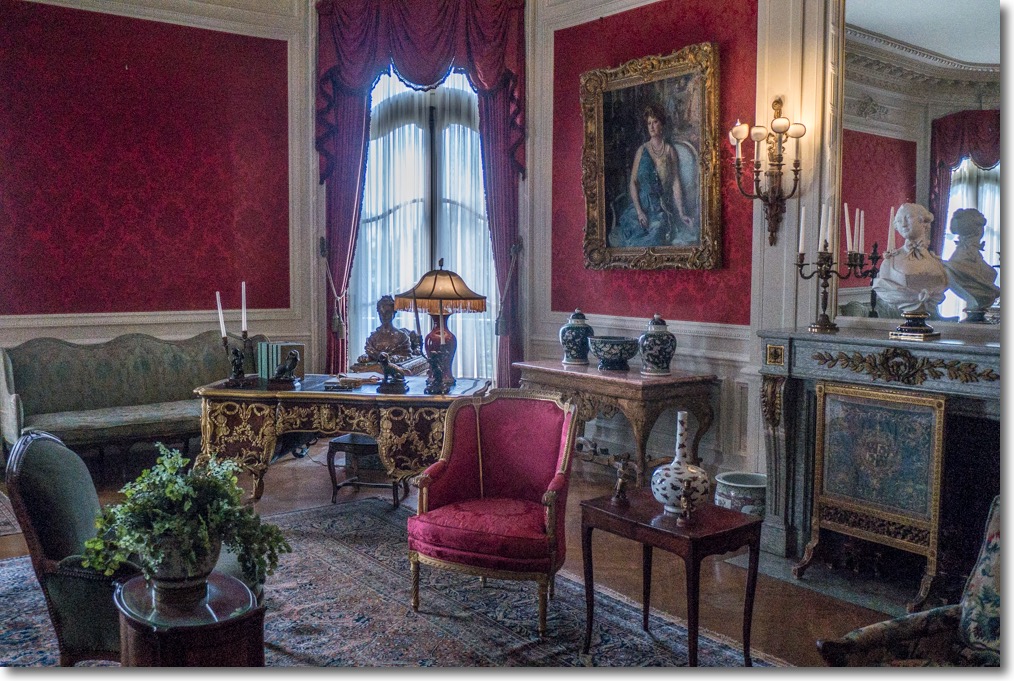

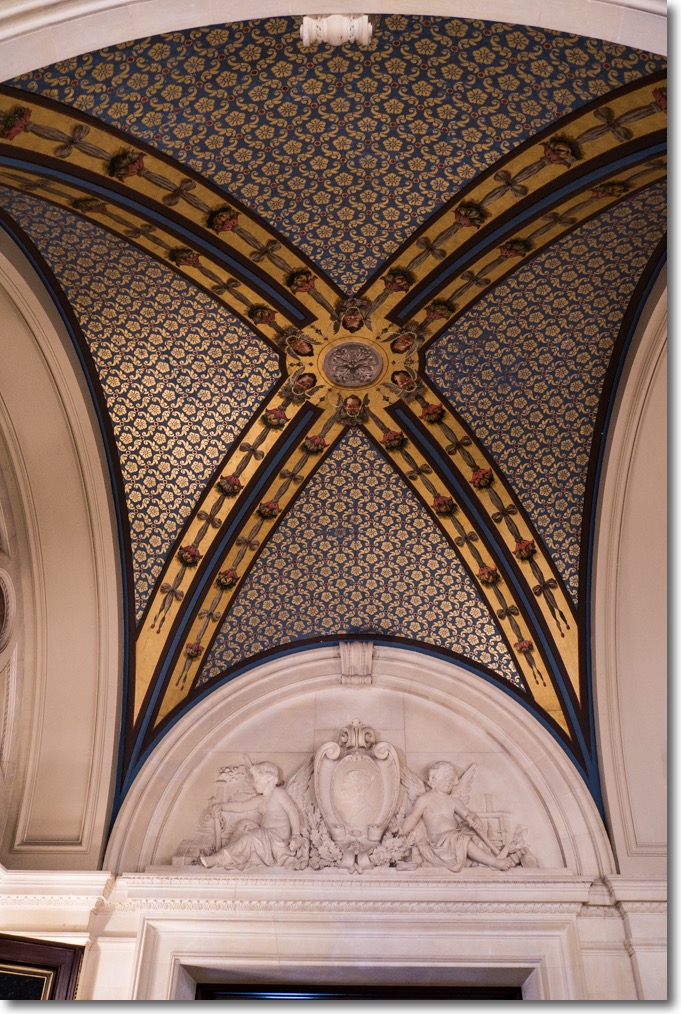
Immigrant artisans saw to it that the work was of the highest quality.


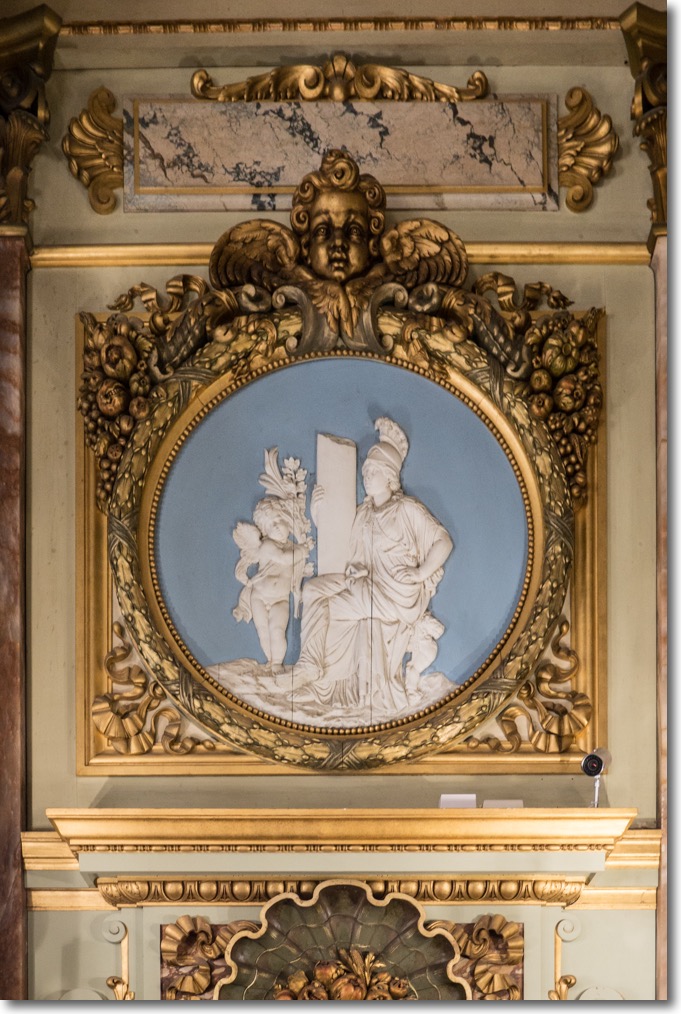
Vaulted ceiling with cherubs.


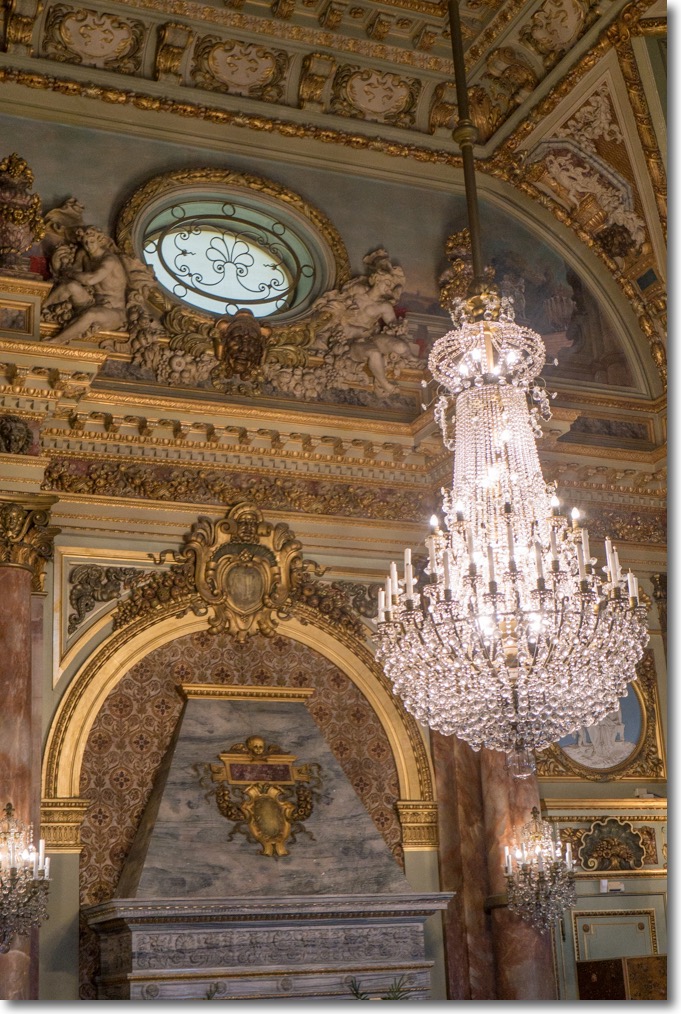
Visual overload.


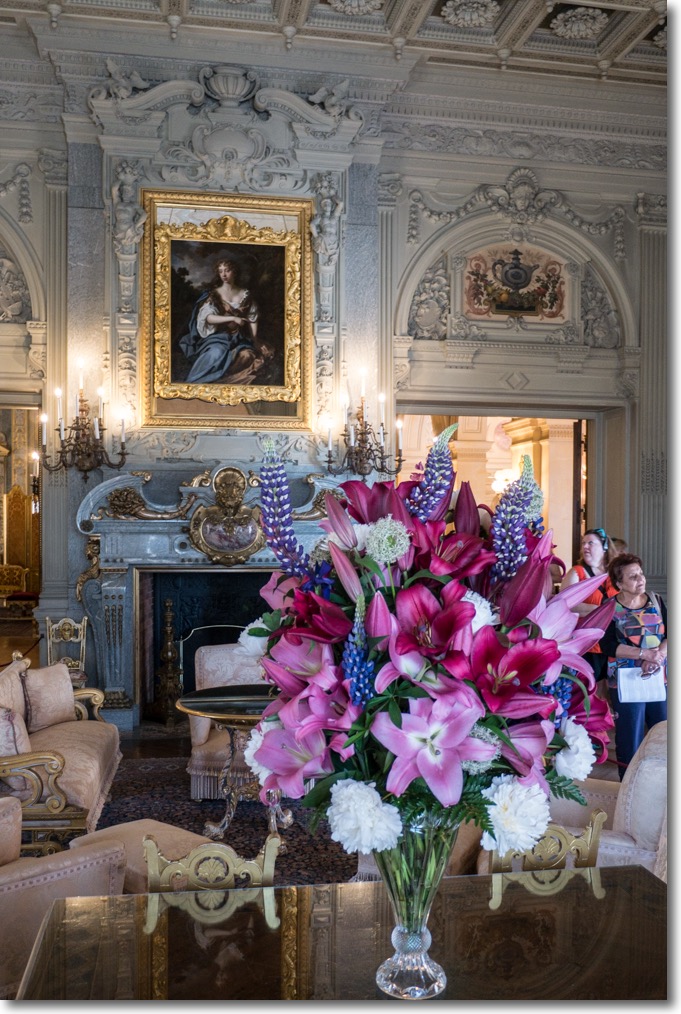
A sitting room with fresh cut flowers.


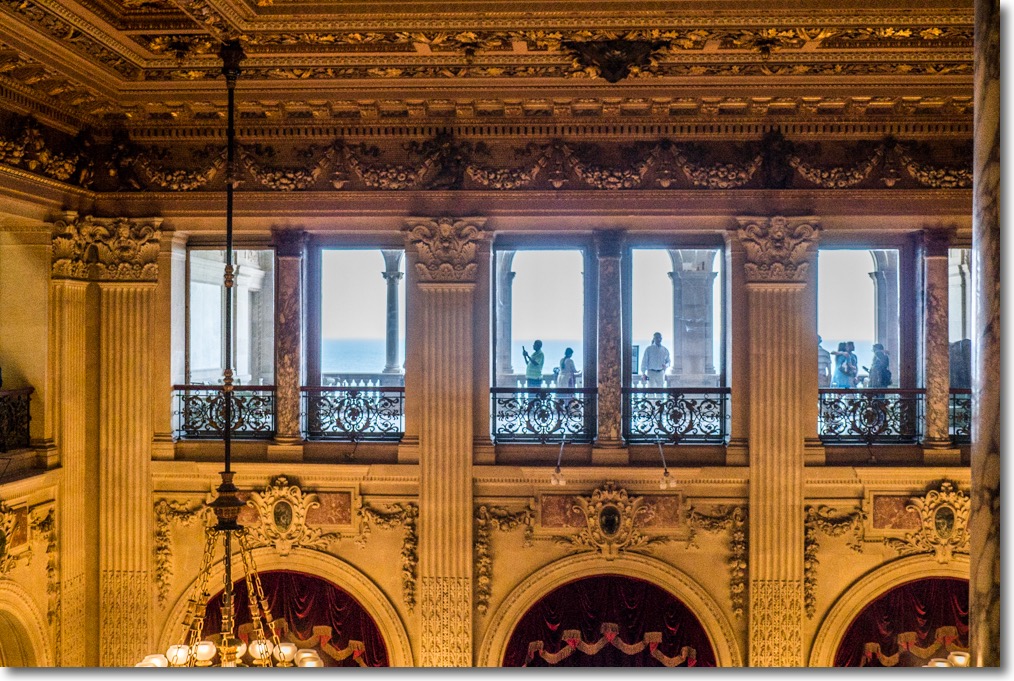
From the second floor balcony. The servants’ quarters are on the top floor.


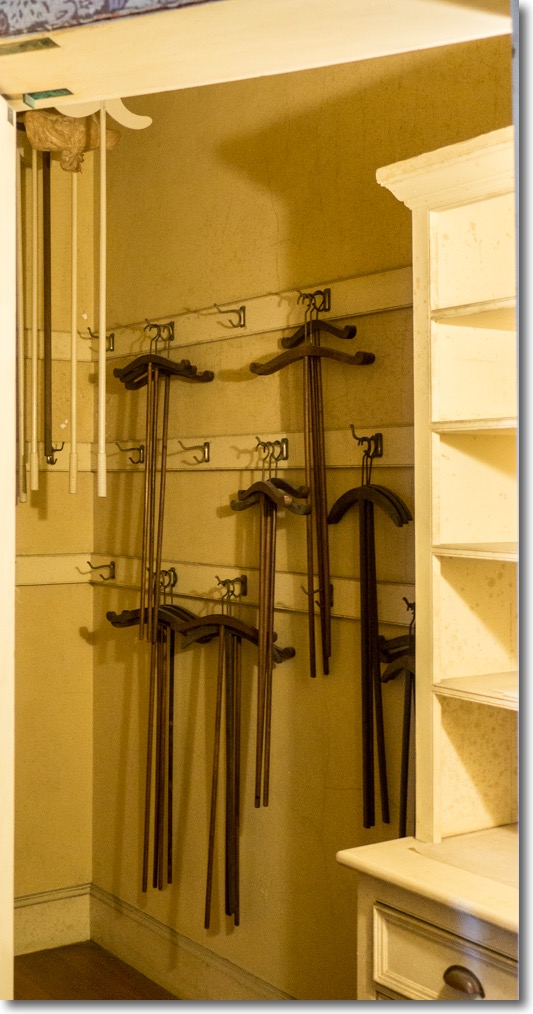
Coat hangers in the master closet.


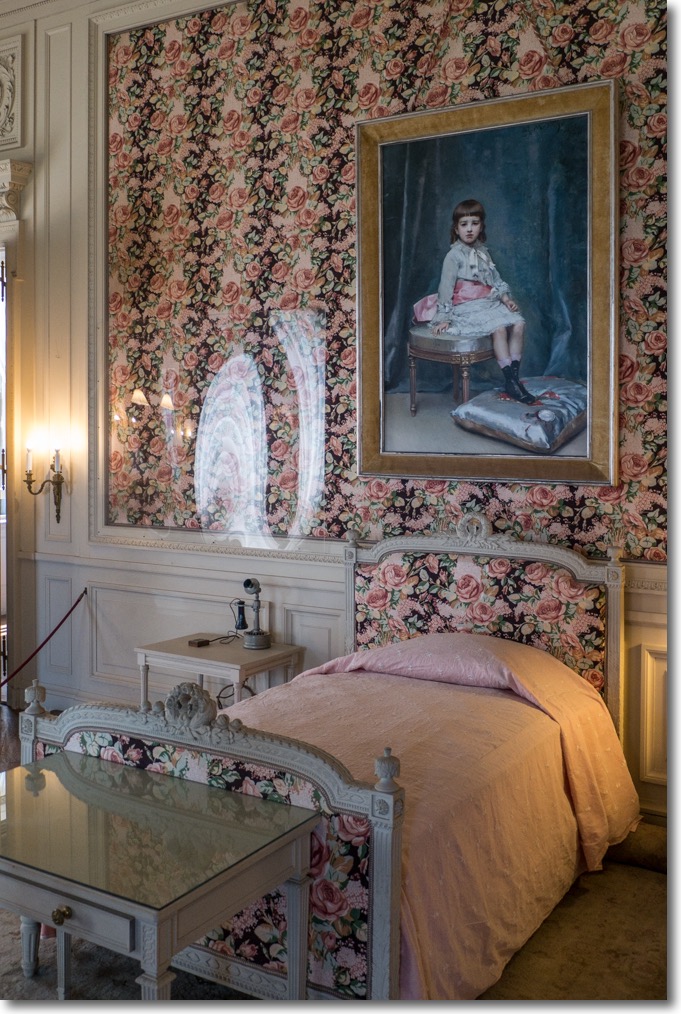
The wife’s bedroom. Separate bedrooms were the order of the day.


The landscaping disappoints with no formal floral garden, unlike the magnificence of Filoli.


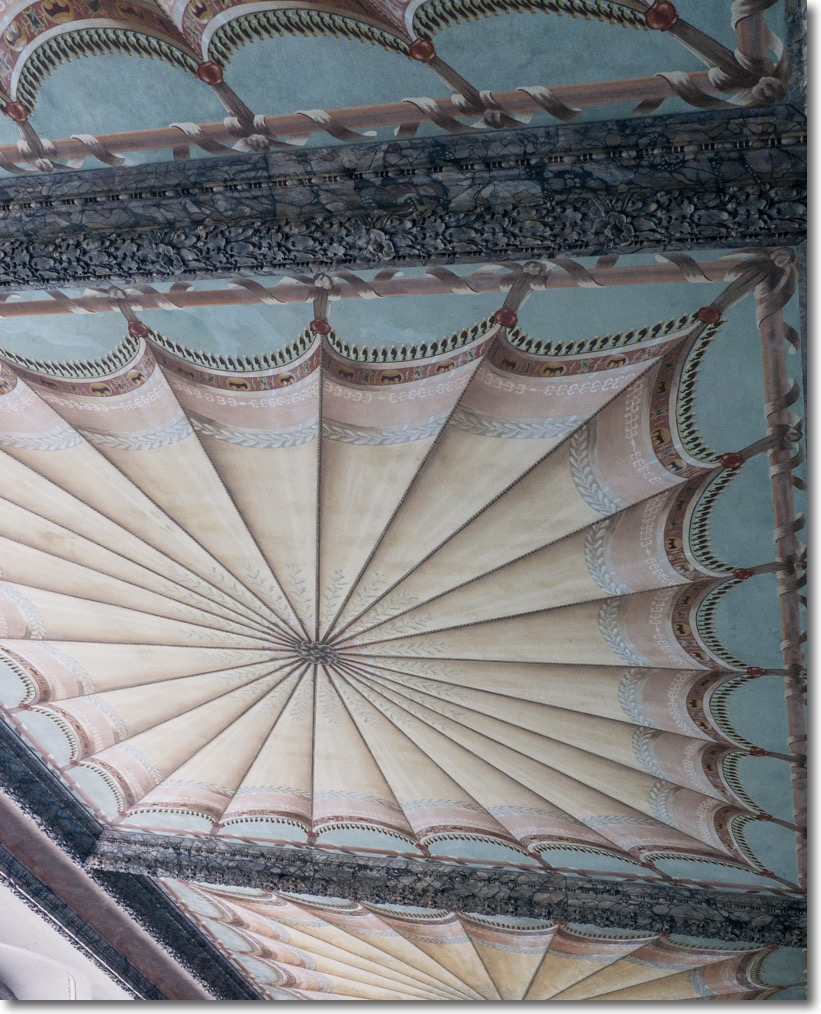
Painted ceiling.


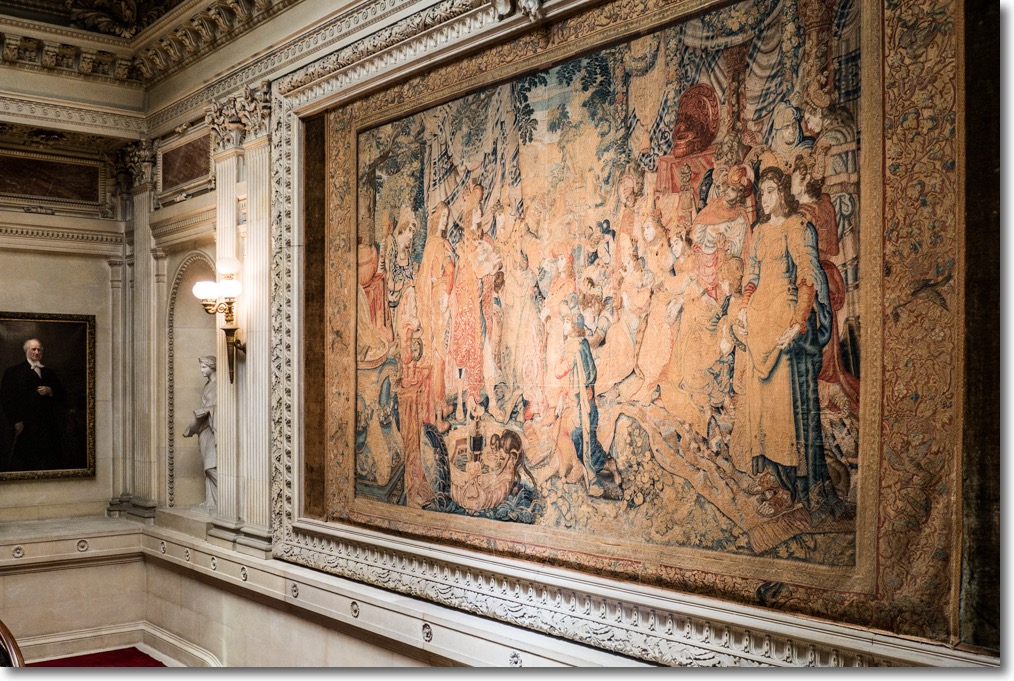
The tapestries, by Flemish Karel van Mander II date from 1619, and are on a gargantuan scale. Old man Vanderbilt at left.


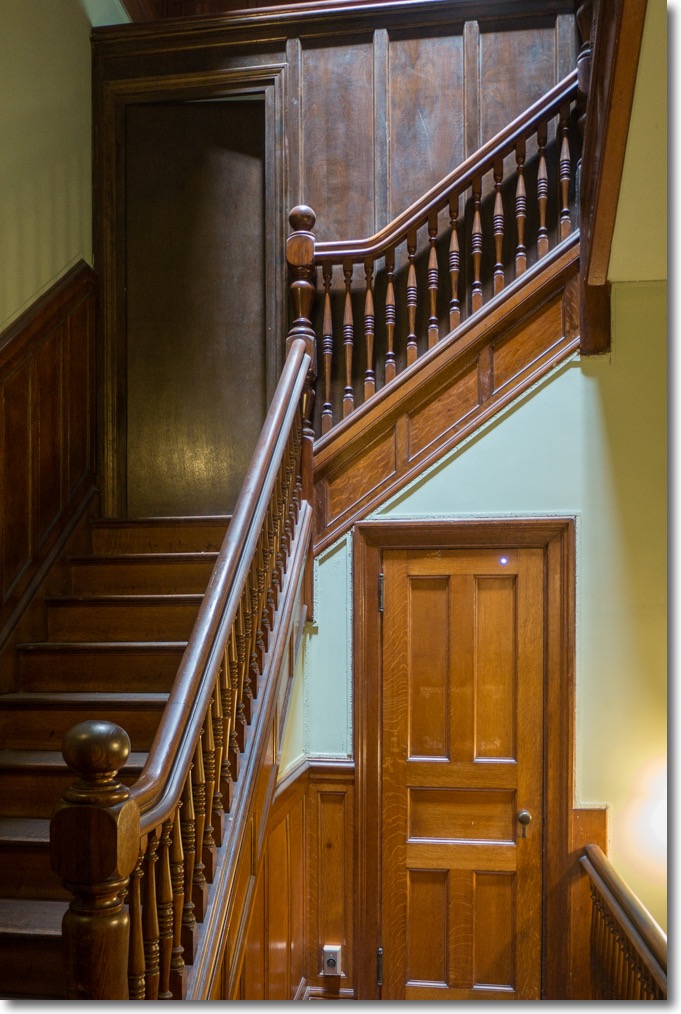
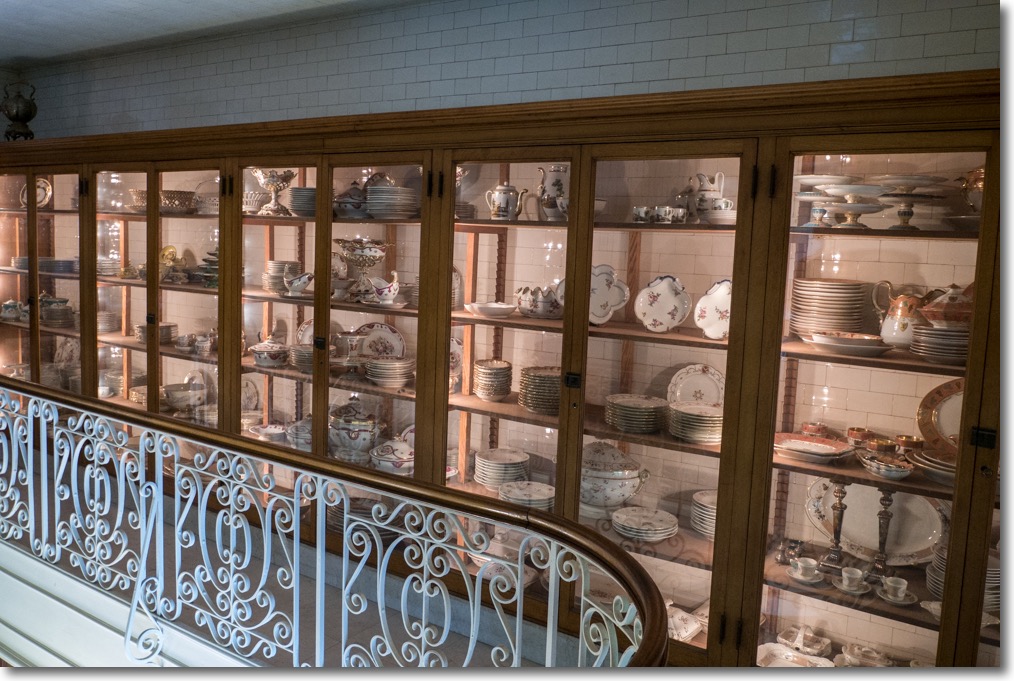
This beautiful staircase leads to the china storage area above the main kitchen.


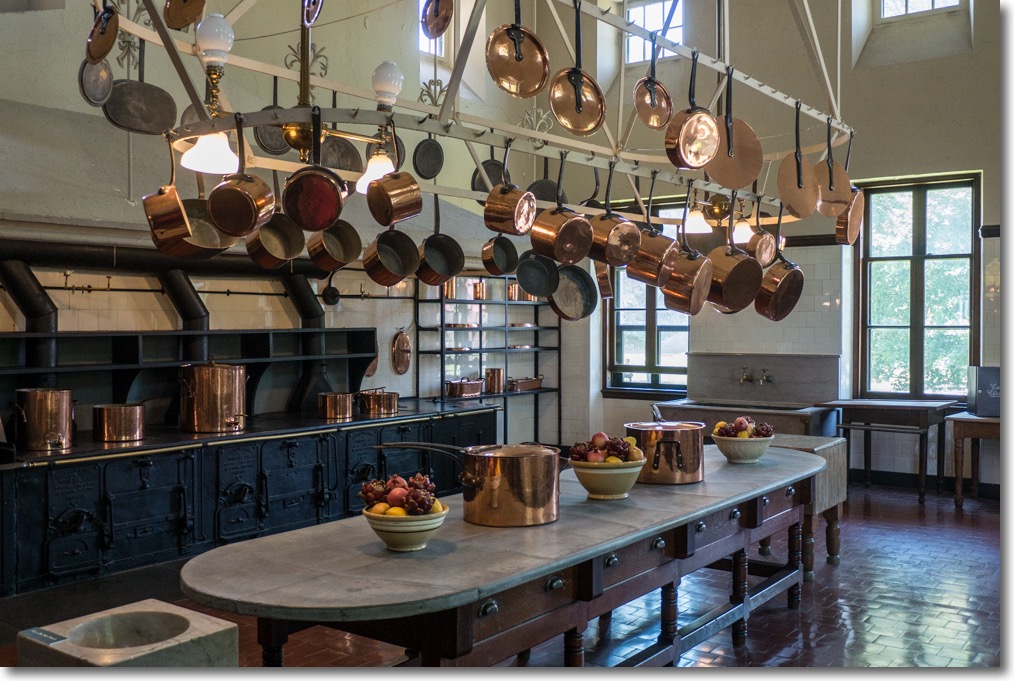
The main kitchen. Industrial scale parties called for a like place to prepare meals.

The unadorned grounds.

The Elms:

The coal baron Edward Julius Berwind (1848 – 1936) kept a low profile which is why you have probably never heard of him, but he put his vast wealth to good use in creating the Elms, completed in 1901, where he spent only the weekends from July 4th through August, such were the demands of coal mining. Berwind’s interest in technology saw to it that the Elms was one of the first Newport mansions to be electrically lit and like the Breakers the home is built on a steel frame for longevity.
Much smaller than the Breakers the sense of design and taste here is also much superior, and while there is no oceanfront setting, this carbon copy of a French chateau is far more welcoming.


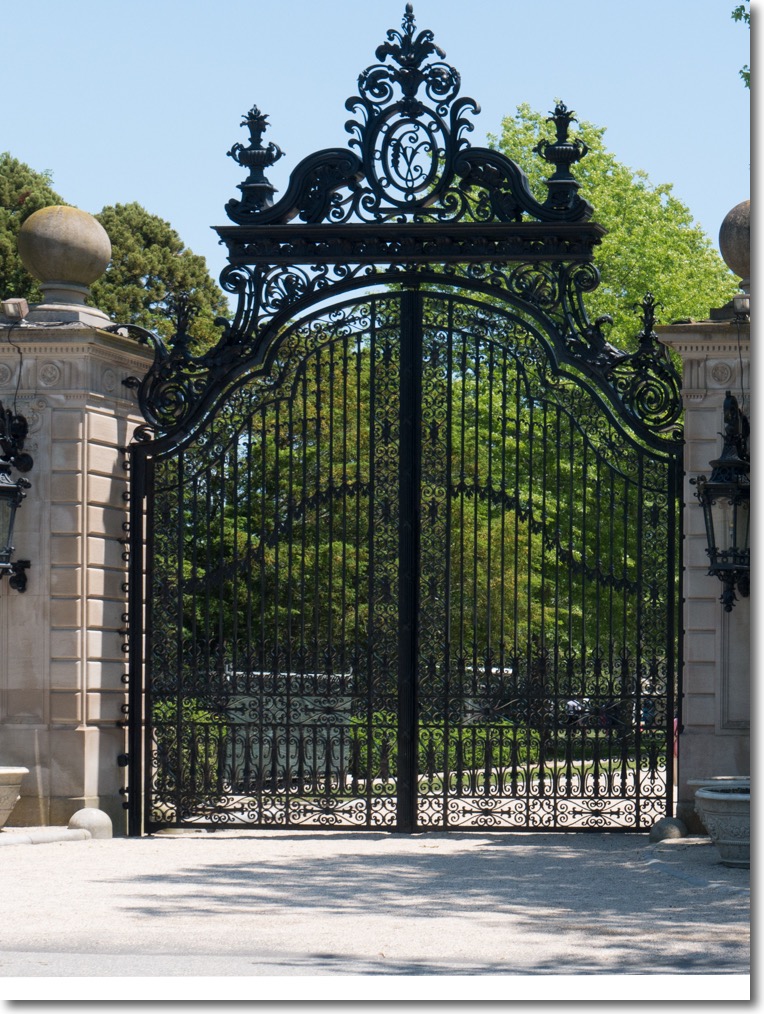
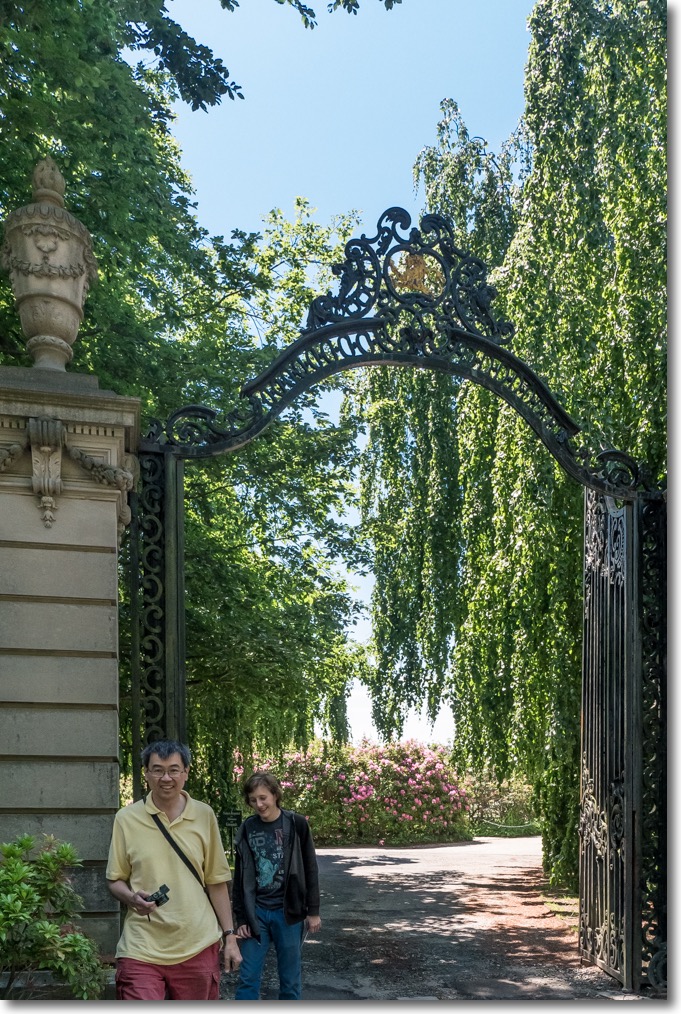
Santo and Winston at the main gate.


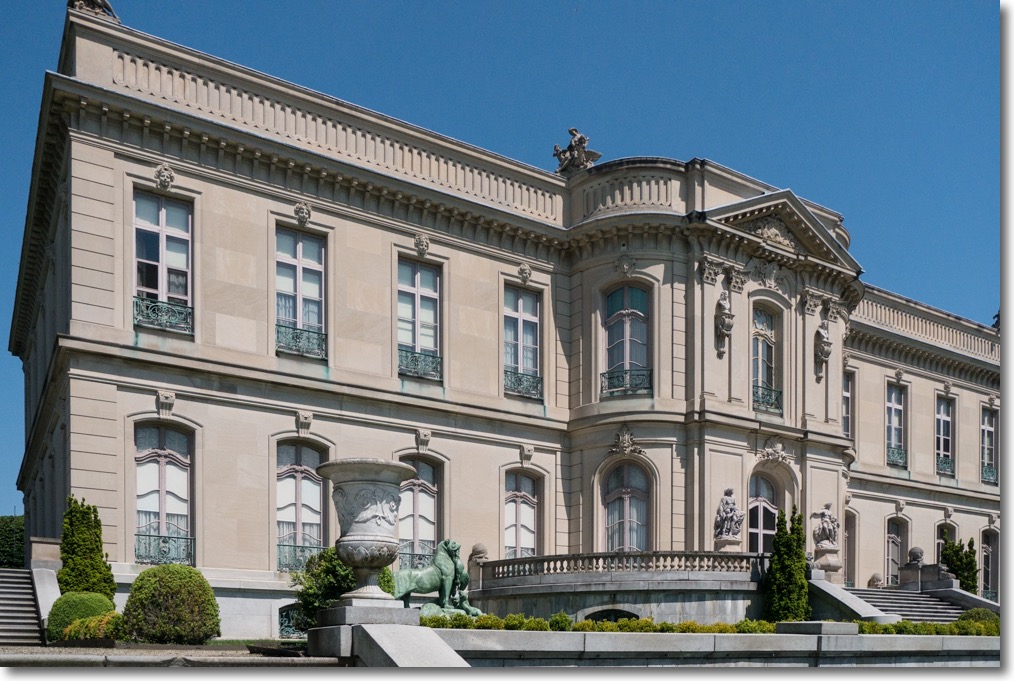
French chateau style, a copy of the Chateau d’Asnieres in Asnieres-sur-Seine, France


The damask wall covering is French.


French furniture abounds.


A rare lapse in taste this really should be moved to the Oval Office.


Painted ceiling.


Woof!


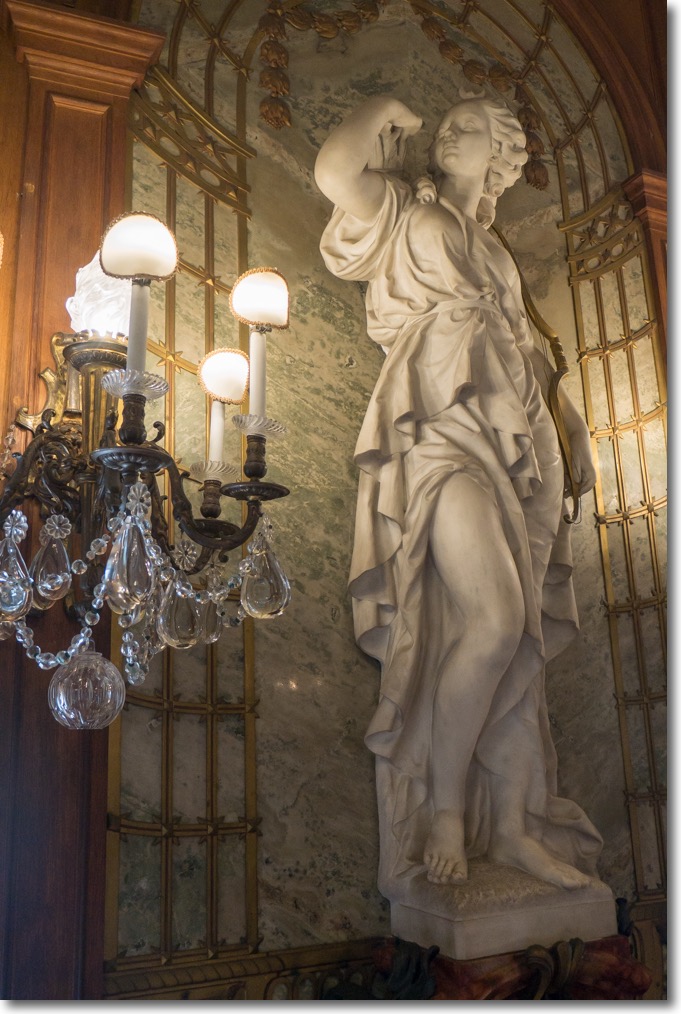
Statuary abounds.


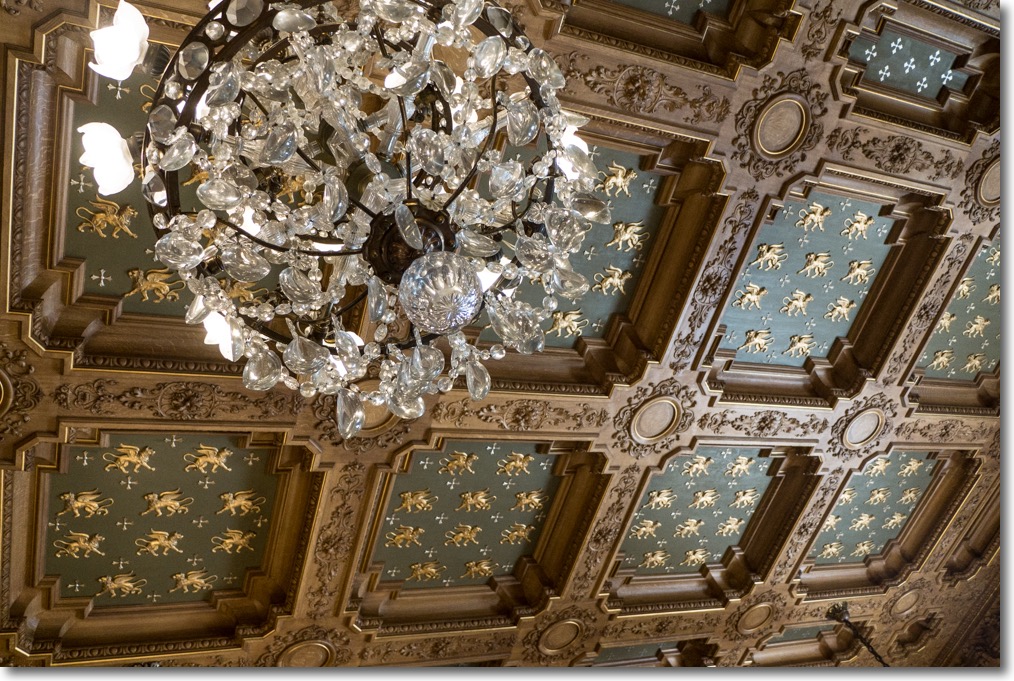
Santo informed us that the guided tour recording states the lions are the symbols of Venice. You know, the one in Italy, not in Los Angeles.


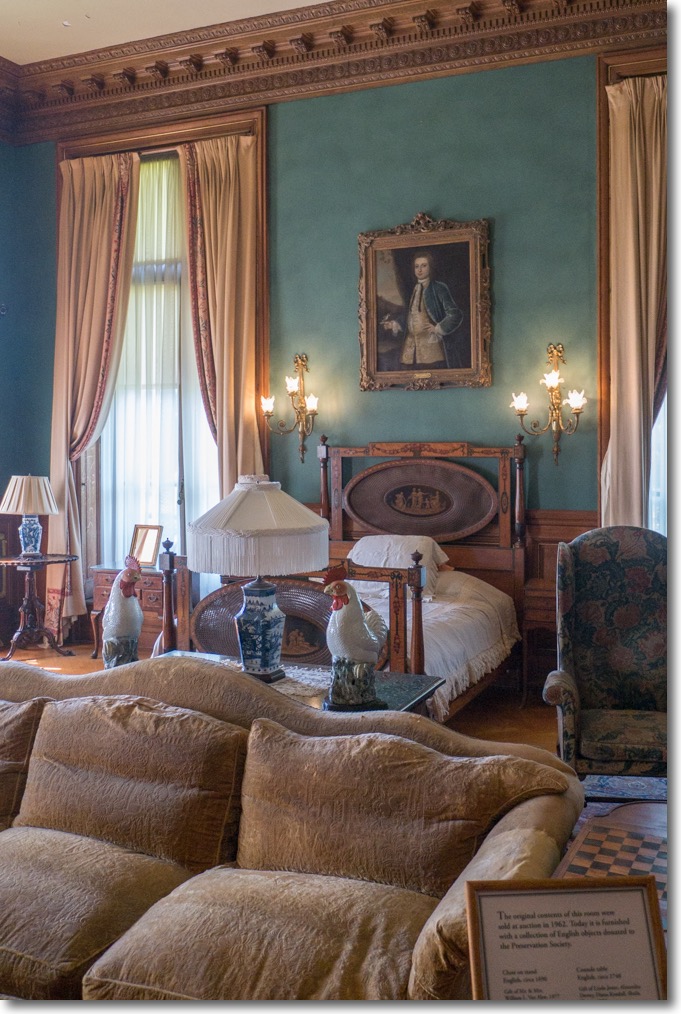
A drawing room.


Many sets of china in storage above the kitchen.


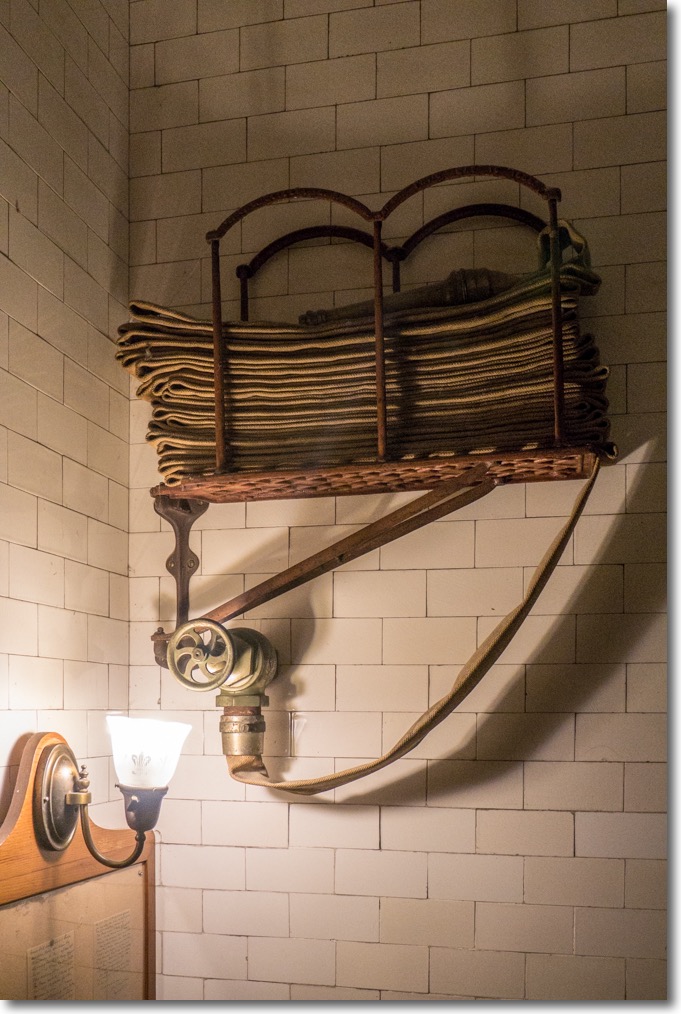
The technology focus is reflected in the fire hose system inside the home.


The rear of the home.


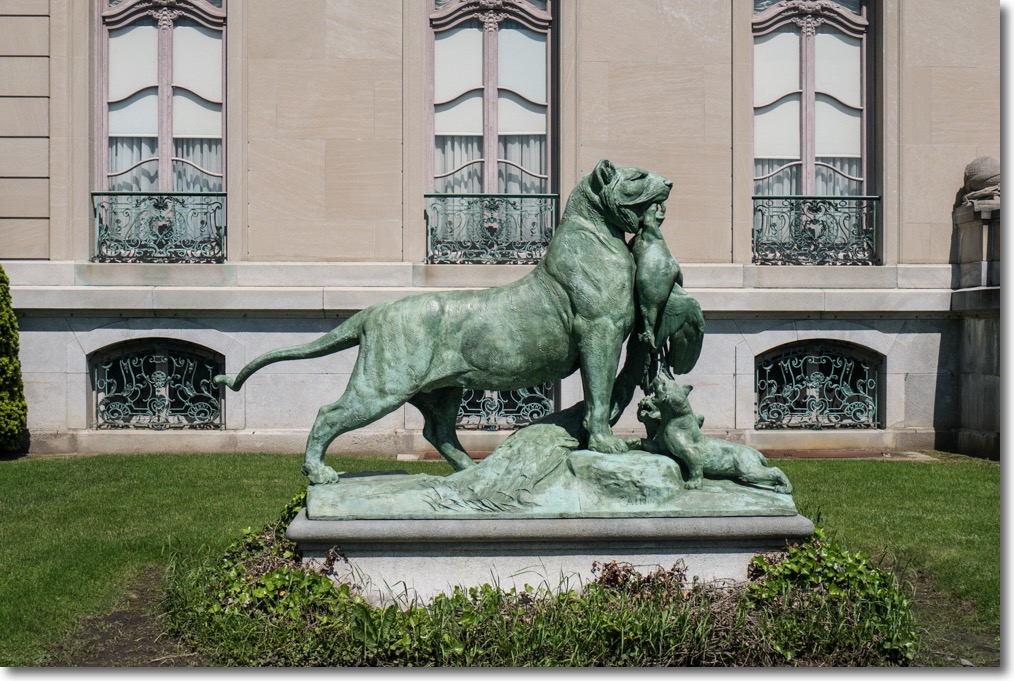
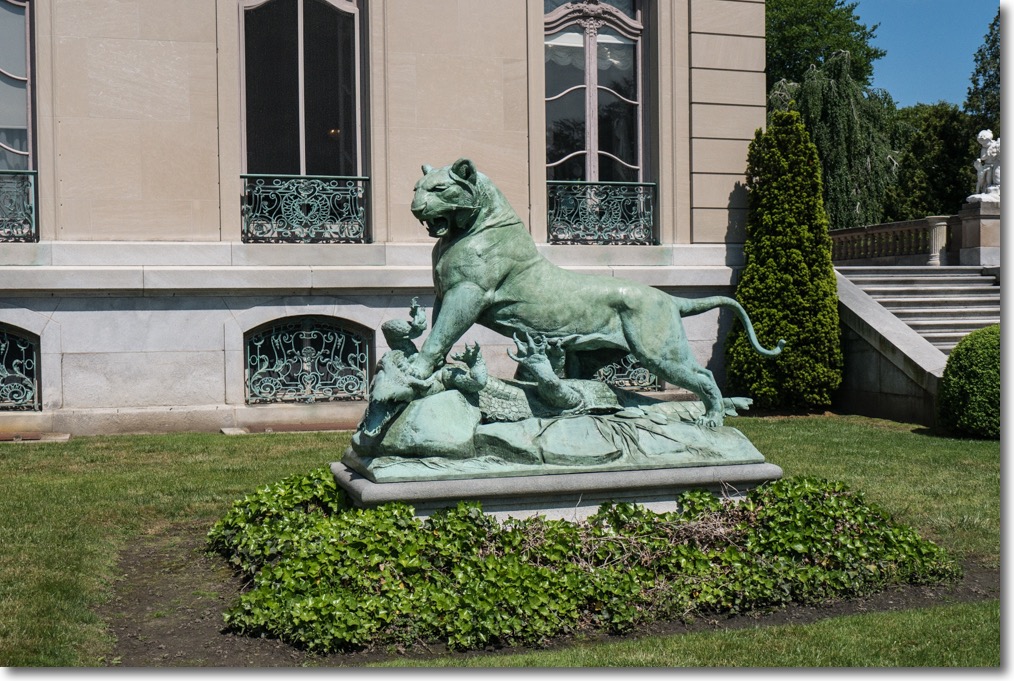
This lion appears to favor poultry ….


…. while his partner works on a crocodile.


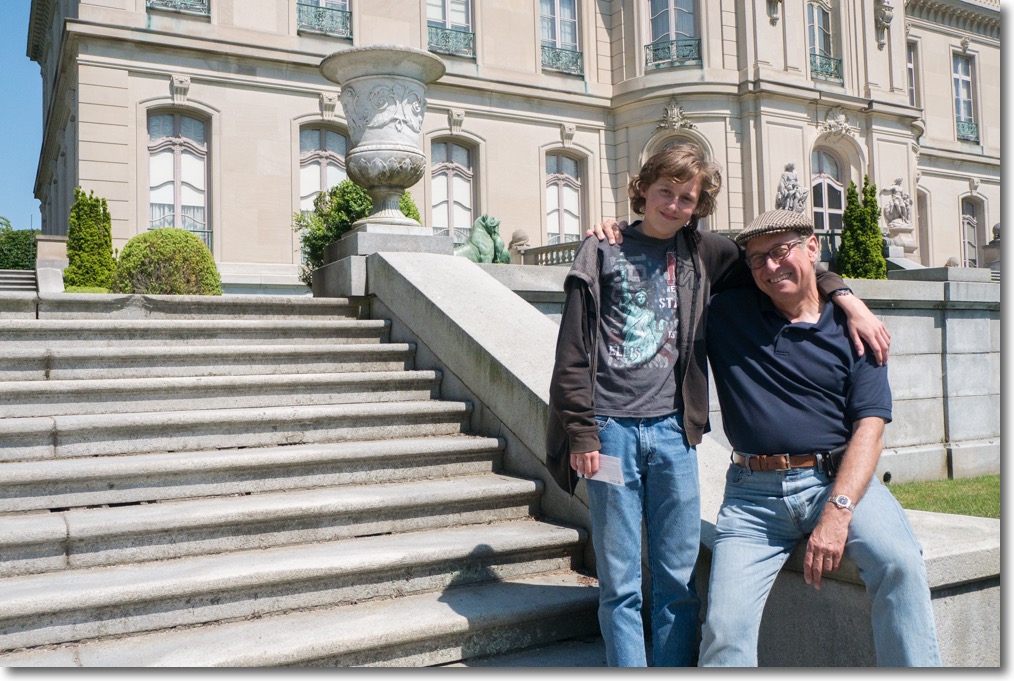
Son and dad on the rear patio. Snap by Santo.


A visit to the mansions of Newport, Rhode Island is recommended. Park in the free main lot at the Breakers and take the free bus to the others, as parking is at a premium in the small, crowded city.

Cornell University

Beauties and Beasts.

For an alphabetical index of the New England College series of pieces, click here.

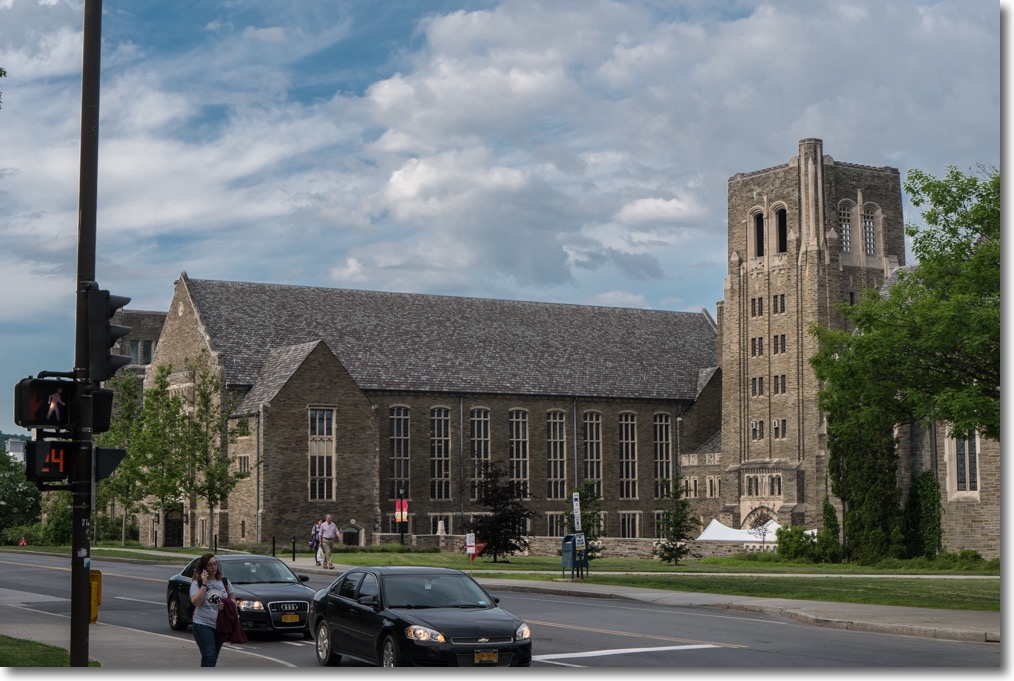
My son came up with sub-title, for Cornell is one of those campuses which mixes classical architecture with Victorian horrors with modern wrecking-ball specials. Yet, if the campus is not all sweetness and light architecturally, our two days there were overwhelming and we came away bedazzled.
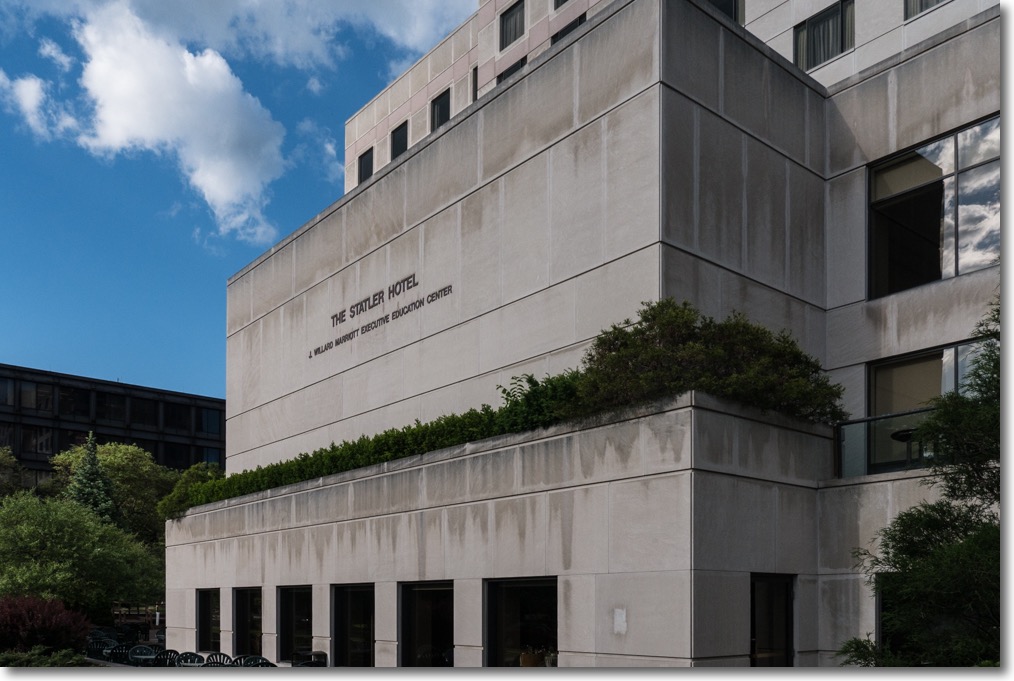
The campus is very large indeed with 14,300 undergraduates and 7,600 postgraduates, many of the latter there at the time of our visit. Given Cornell’s pre-eminence in hotel management studies it was only fitting that we stay at the Statler Hotel in the center of the 745 acres comprising the core and, befitting the school’s expertise, the experience was perfect. Our visit coincided with the annual alumni reunion, this year for graduation years ending in 2 or 7 and we had the great joy of speaking with many alumni of the class of 1952. One elderly lady confirmed this was her year and when I stated I was born in 1951 she riposted with “I was born in 1930”. Just so special.

Cornell, along with MIT, is one of the very few private land grant universities, the beneficiaries of 1862 legislation which permits them to sell land to fund operation and expansion. Most such schools are large public schools. Cornell dates from 1865 and its goal is to be “…. an institution where any person can find instruction in any study” in the words of founder Ezra Cornell. However it came to be, this school is of such breadth and the campus so large that it is hard to convey its scale, which likely explains the large number of images below. While we did a great deal of walking, I doubt we managed to see more than one third of this glorious campus on our two day visit.
Be warned, there is some awful architecture on display, with the Bill and Melinda Gates Hall computer science building easily the worst (Sorry, Bill!). But all can be forgiven when you look at the breadth of academic choice here and the quality of faculty and the number of prominent alumni. This really is the best of the best.


Cornell University.


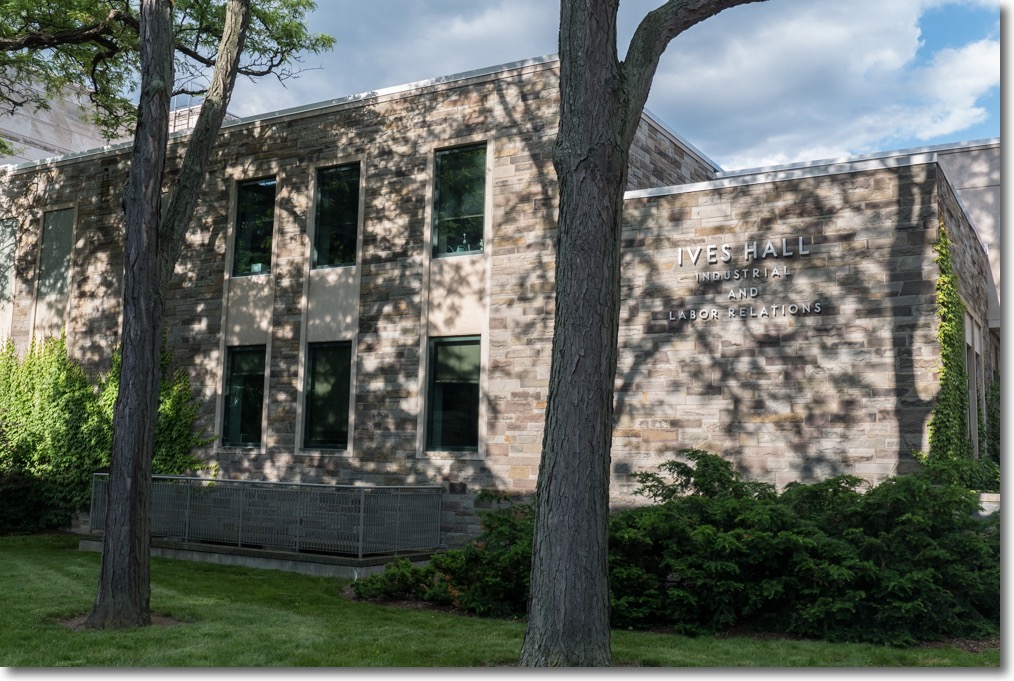
The view from our hotel room at the Statler. This is Ives Hall.


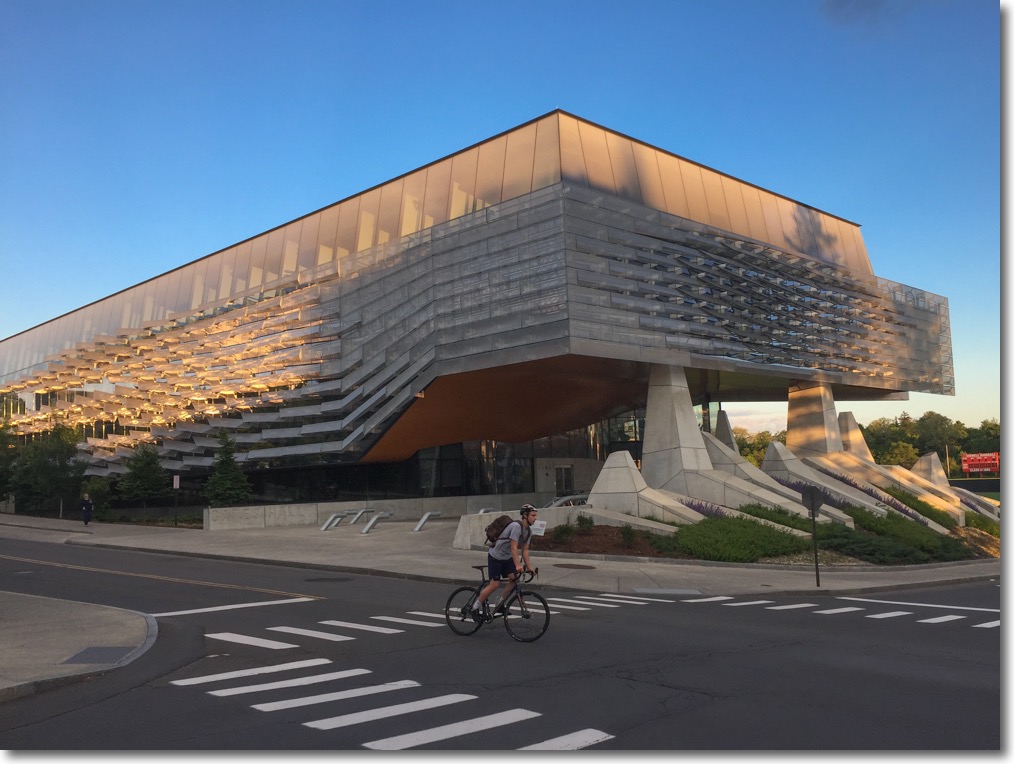
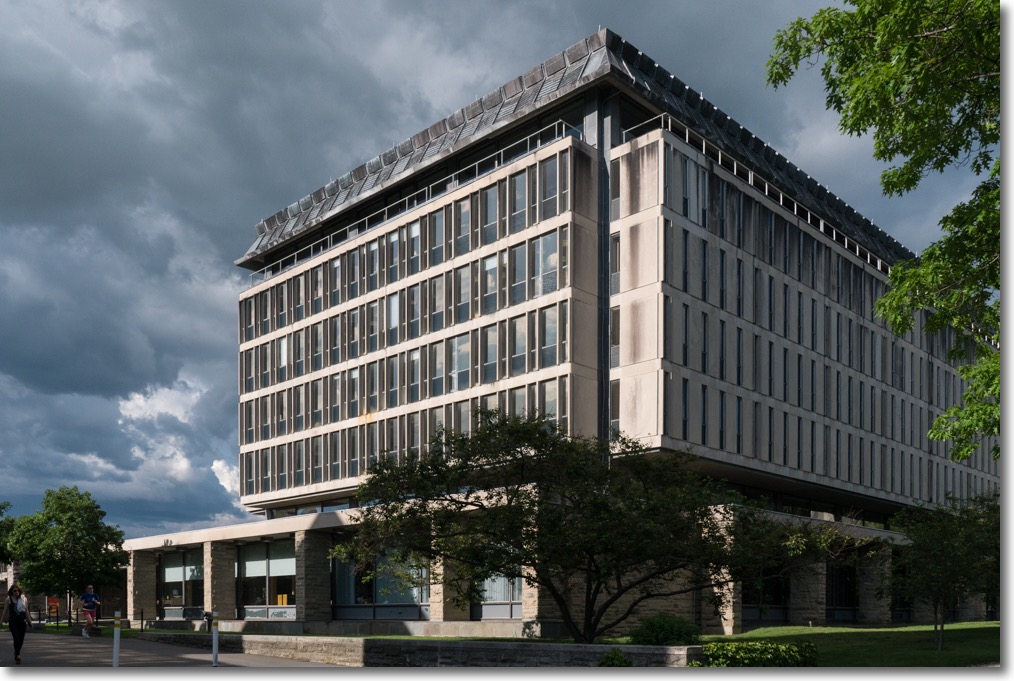
The Bill and Melinda Gates Computer Science building. What were they thinking of?


By contrast, this works well.


As does this.


Not even this bit of whimsy can save this one.


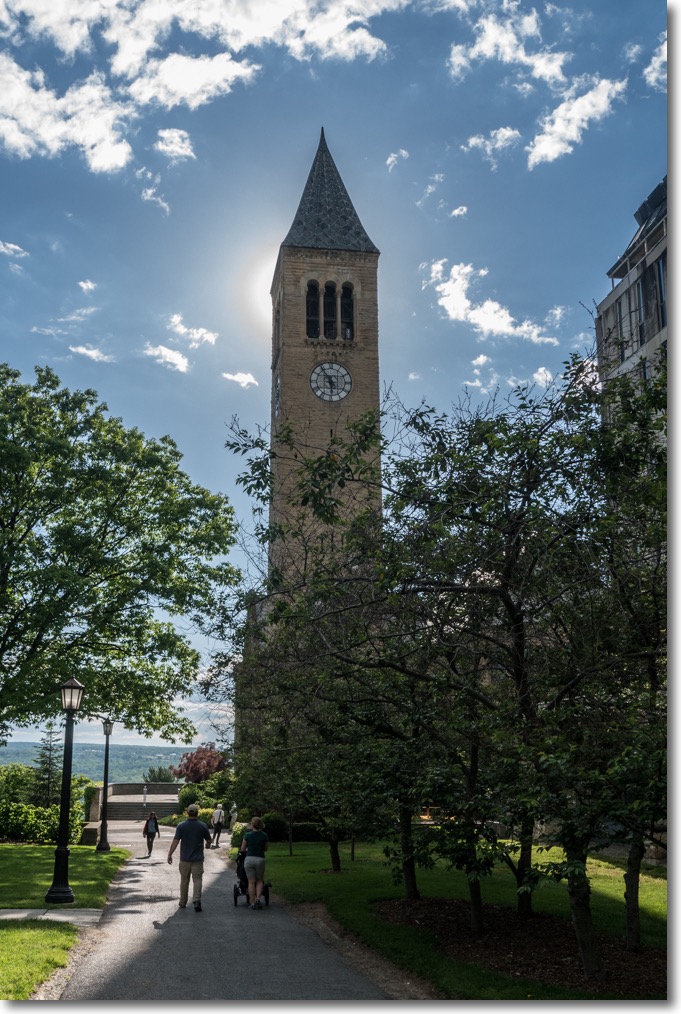
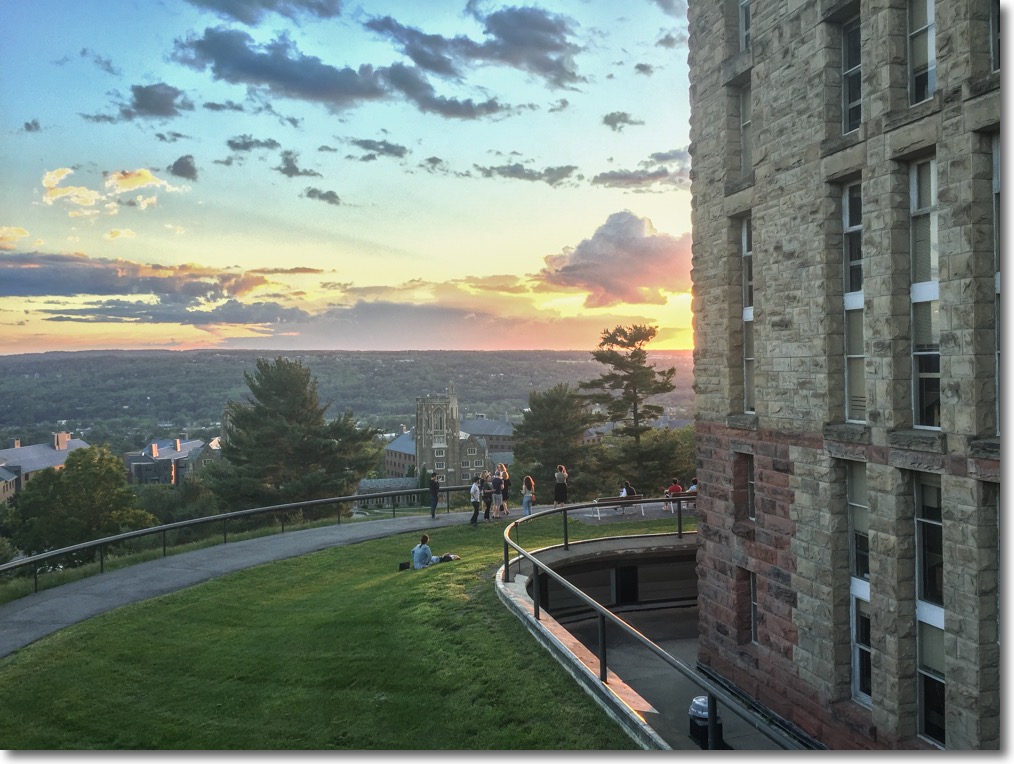
Ithaca at sunset from the McGraw Tower.


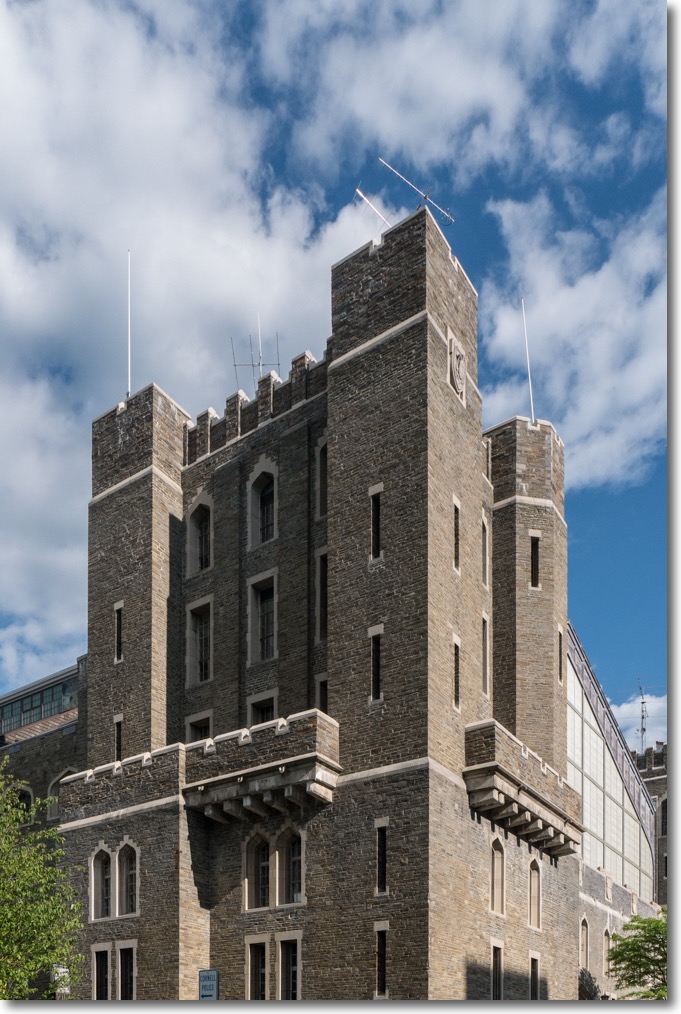
Barton Hall, now the HQ for campus police, formerly a military research center in WW2.


Ives Hall, office of the Registrar.


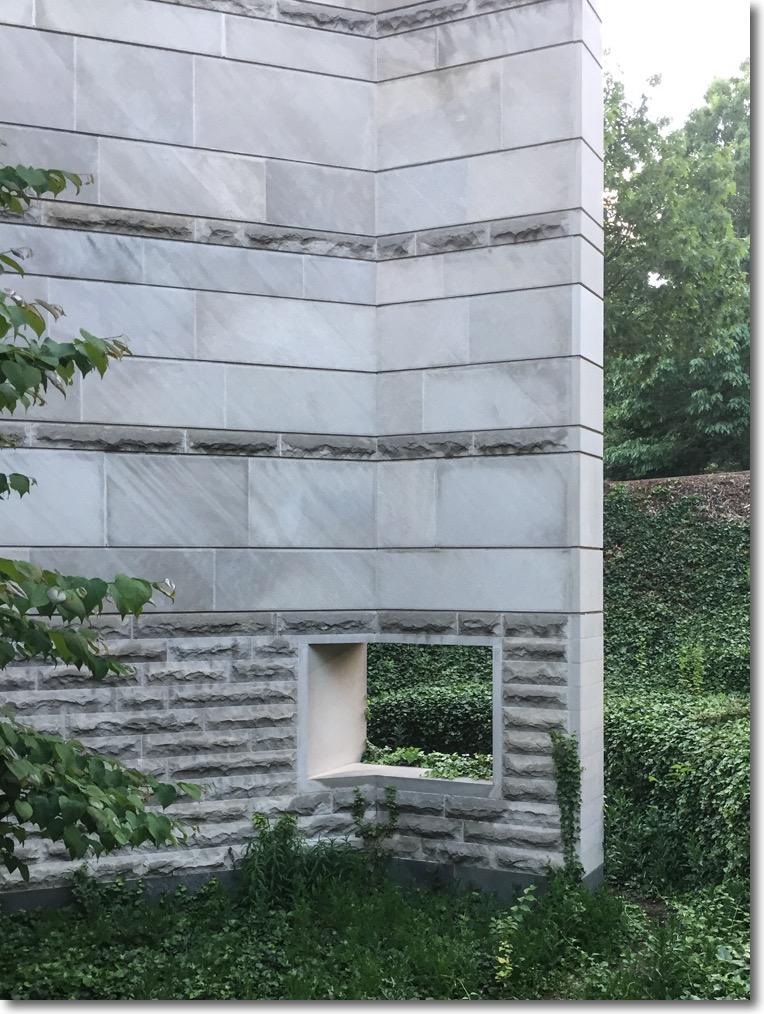
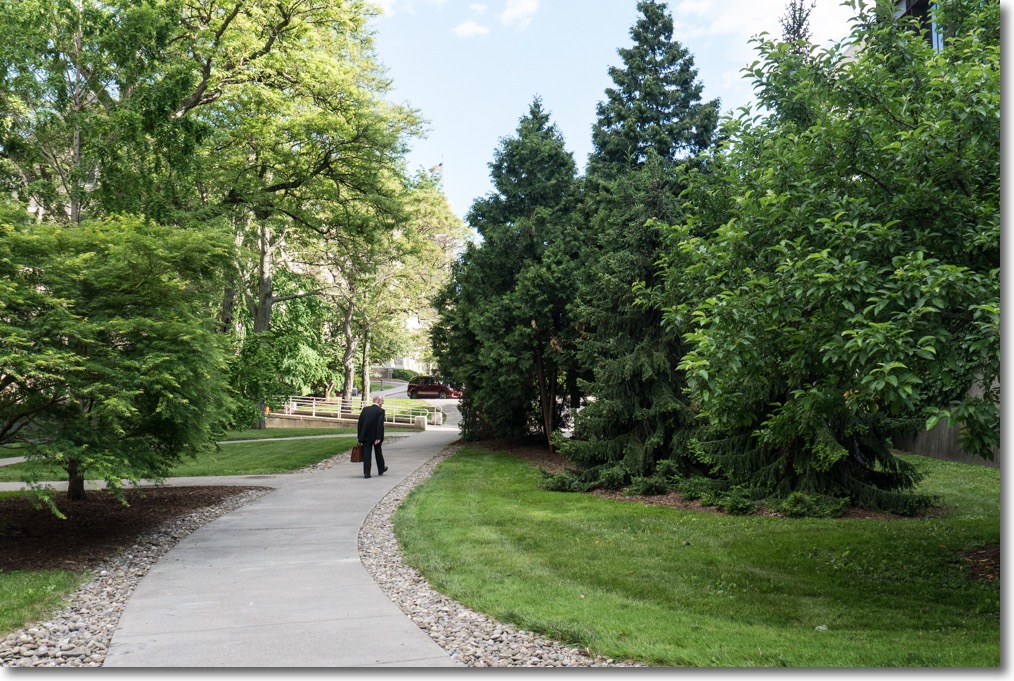
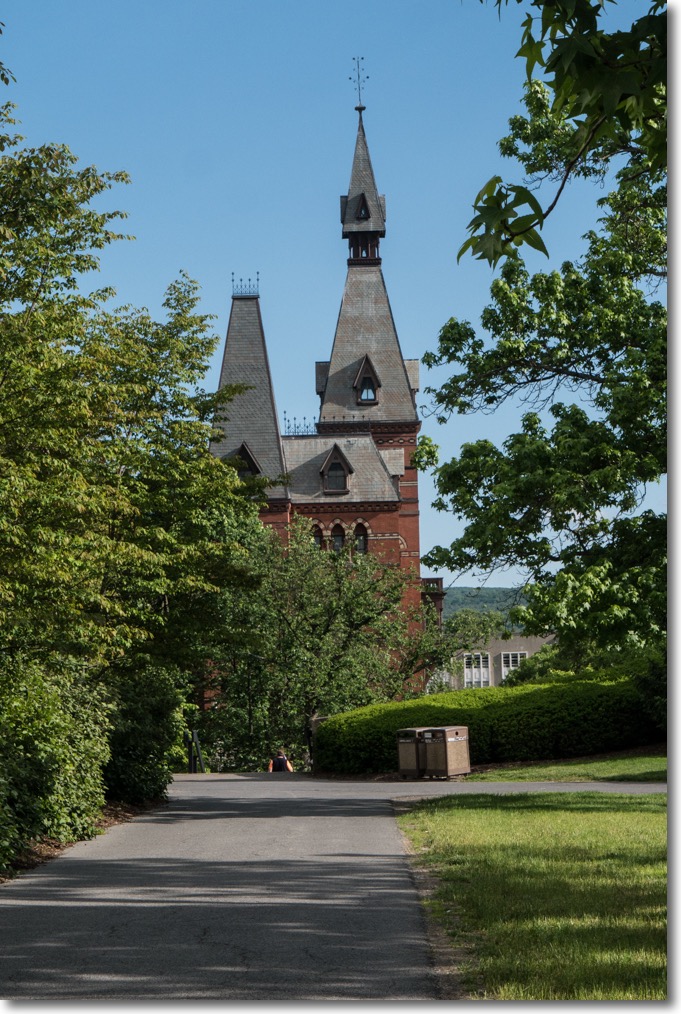
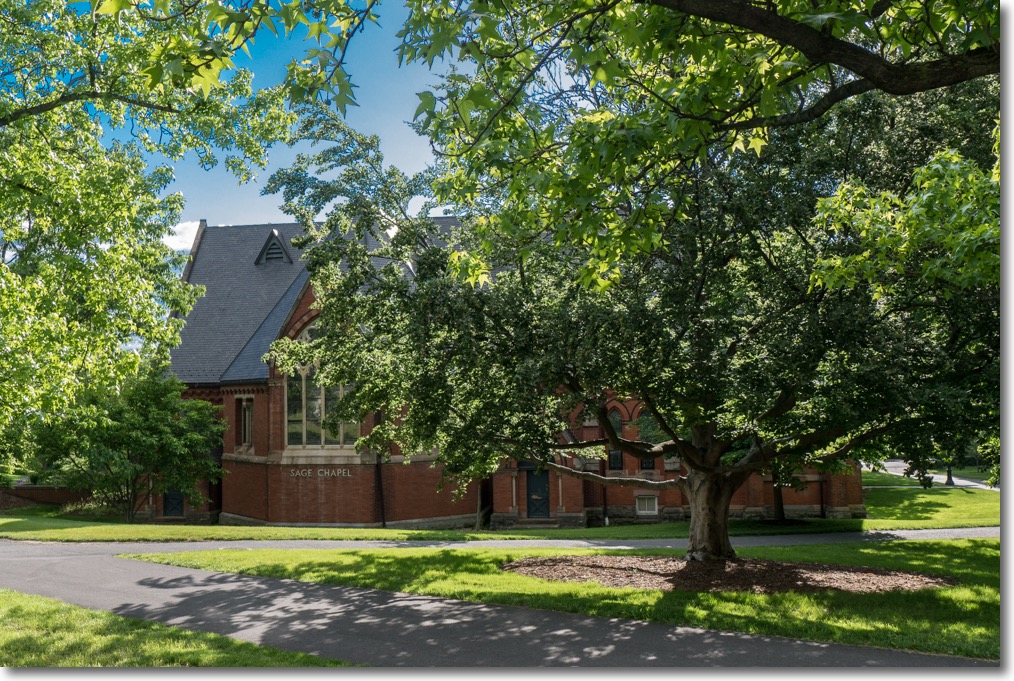
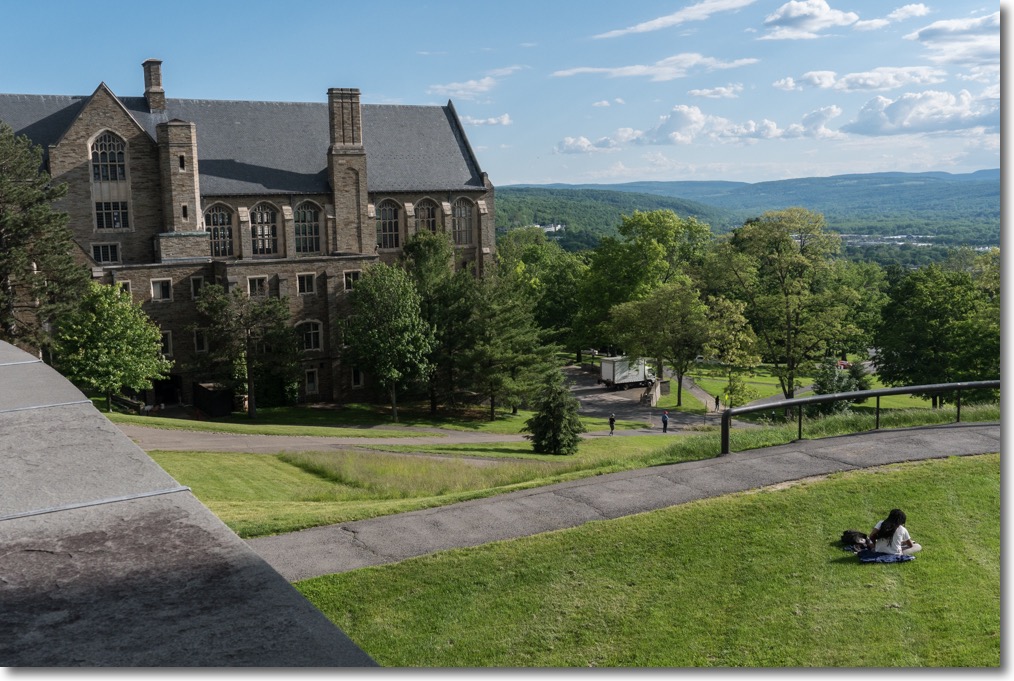
The large campus offers many beautiful spots like this.


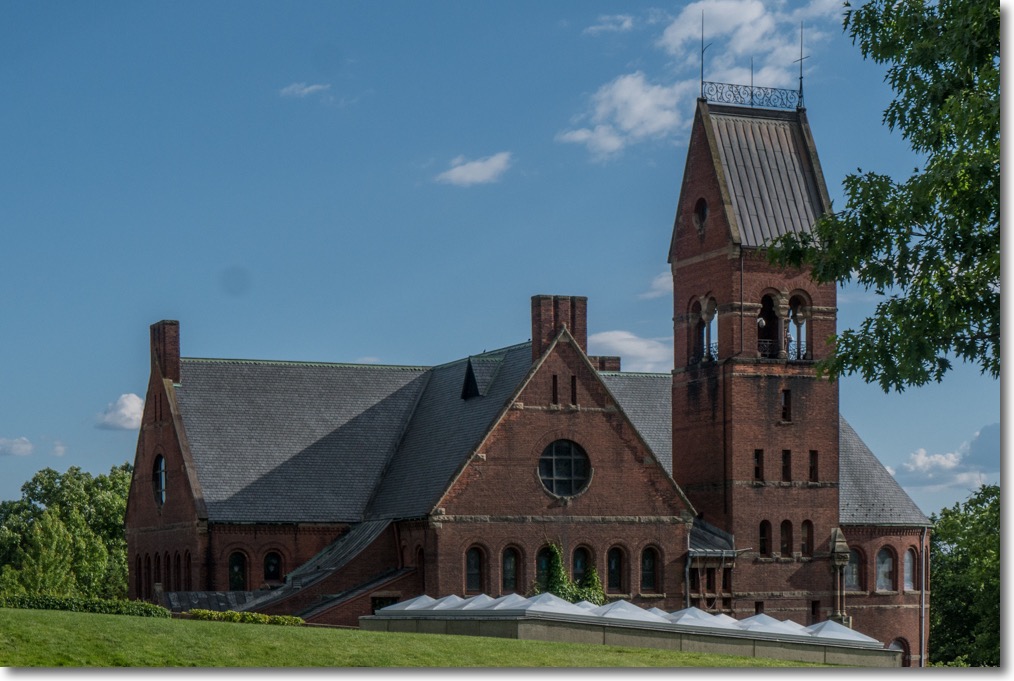
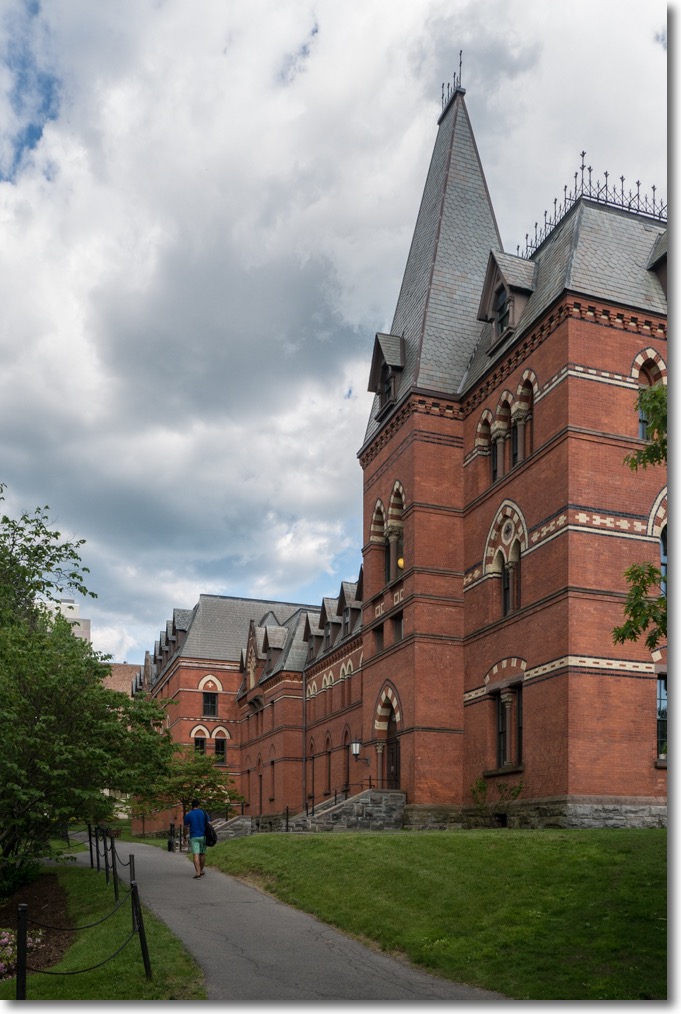
Proof that Victorian architecture can be every bit as bad as its modern counterpart. This is Sage Hall which dates from 1875 and houses the Graduate School of Management. Maybe HBS would be a better alternative?


Just gorgeous.


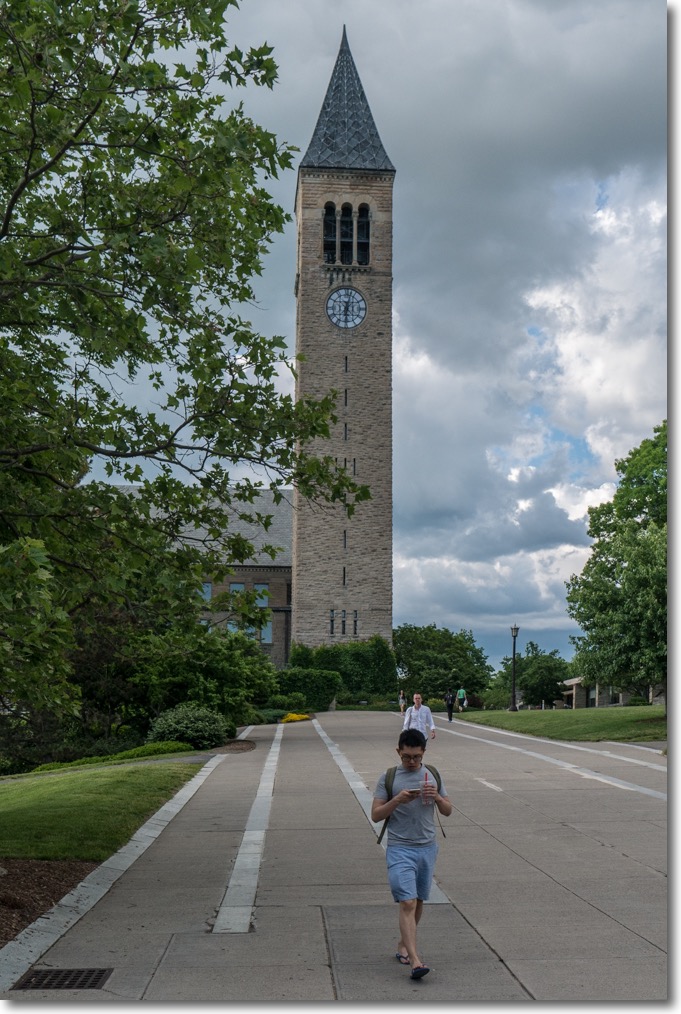
The McGraw Tower at sunset.


The (obligatory) John M. Olin Library.


A place to learn.


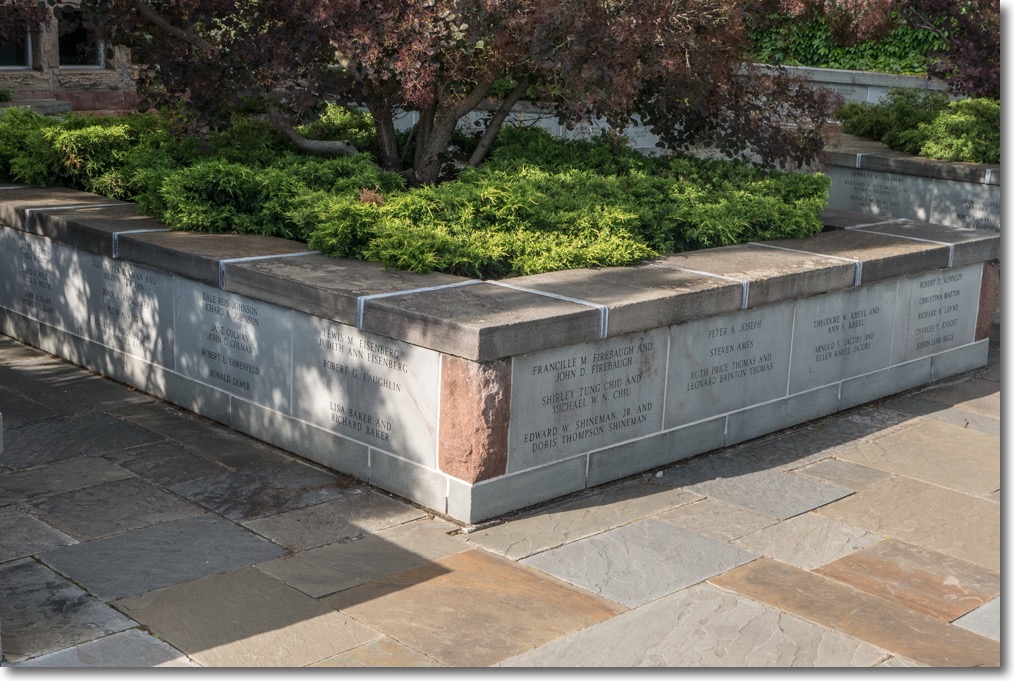
The slabs at the base of the McGraw Tower testify to the generosity of many donors.


The broad path leading up to the Tower.


Our hotel on campus. Both hotel and training ground for students of hotel management.


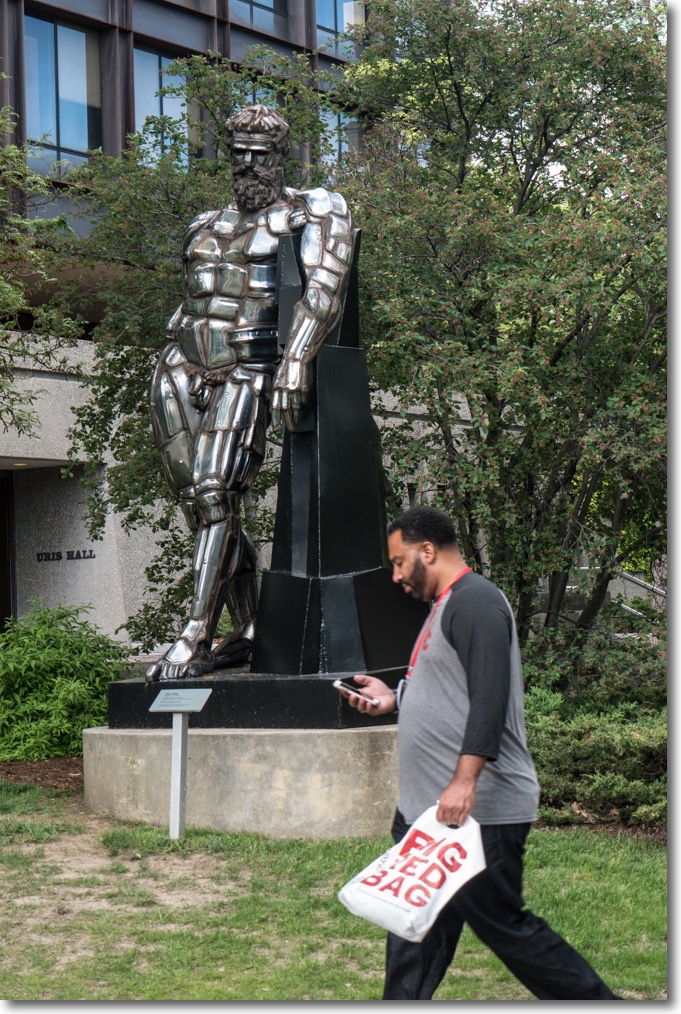
Herakles in Ithaca by Jason Seley, class of 1940. 1980-81.


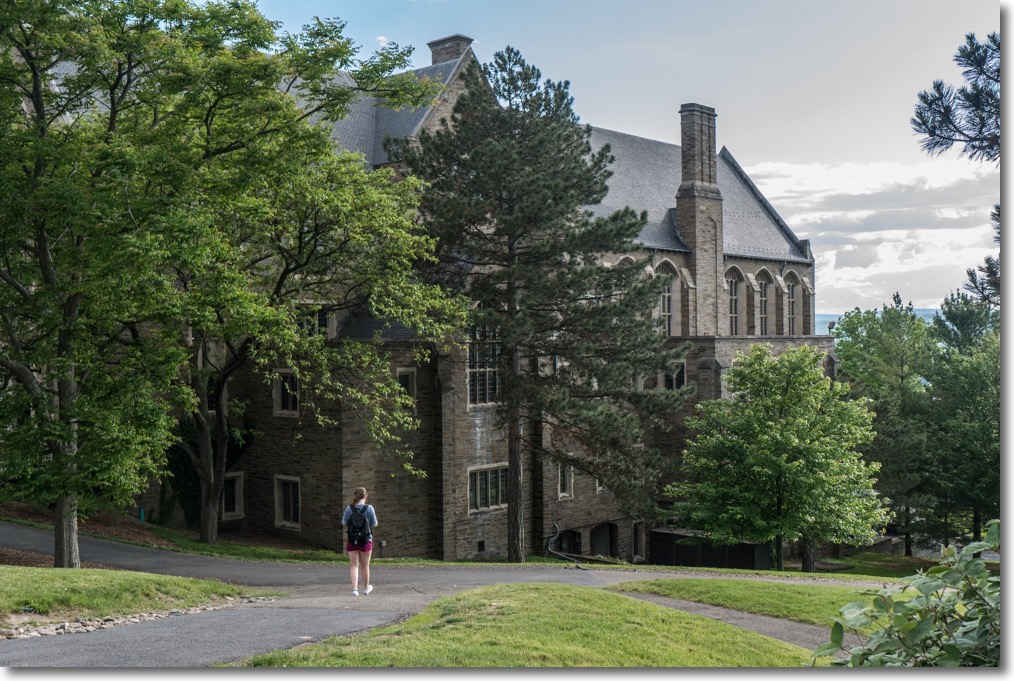
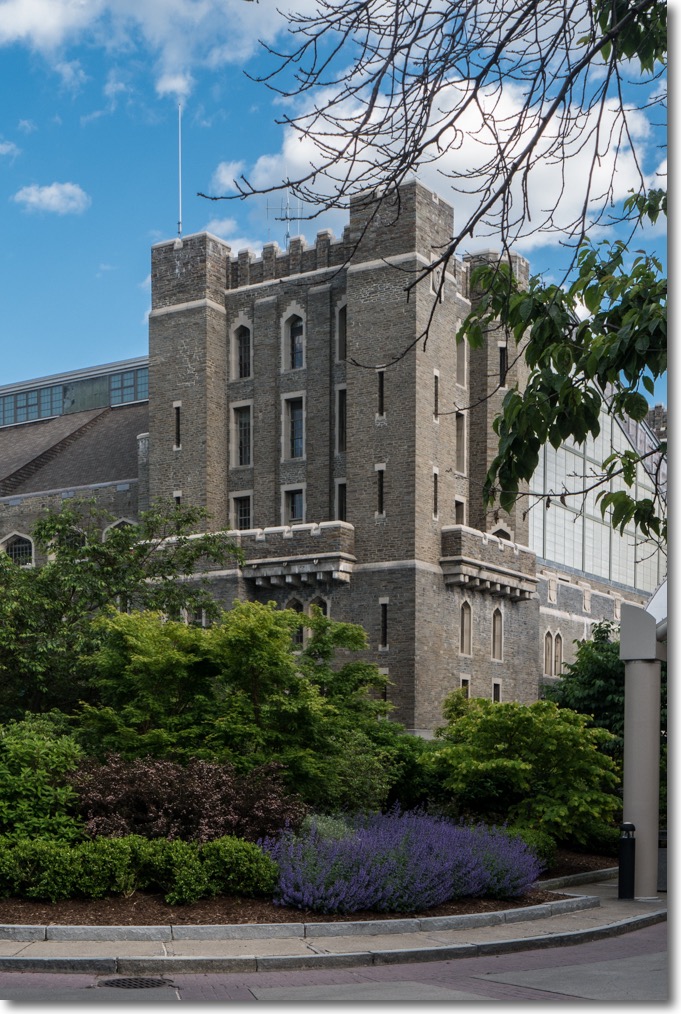
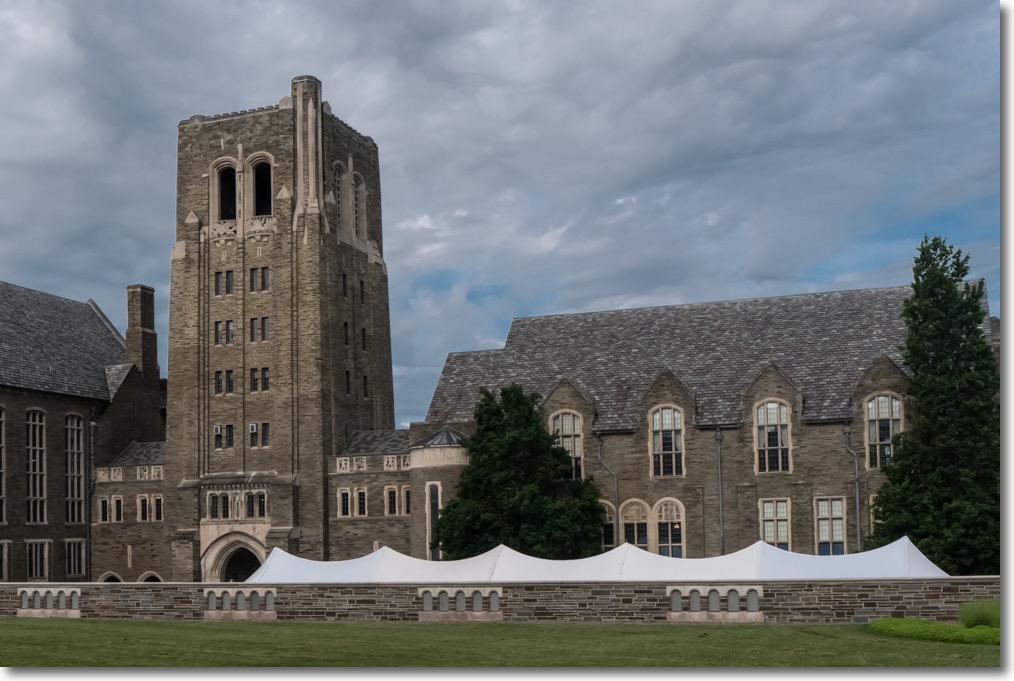
Neo-Norman architecture.


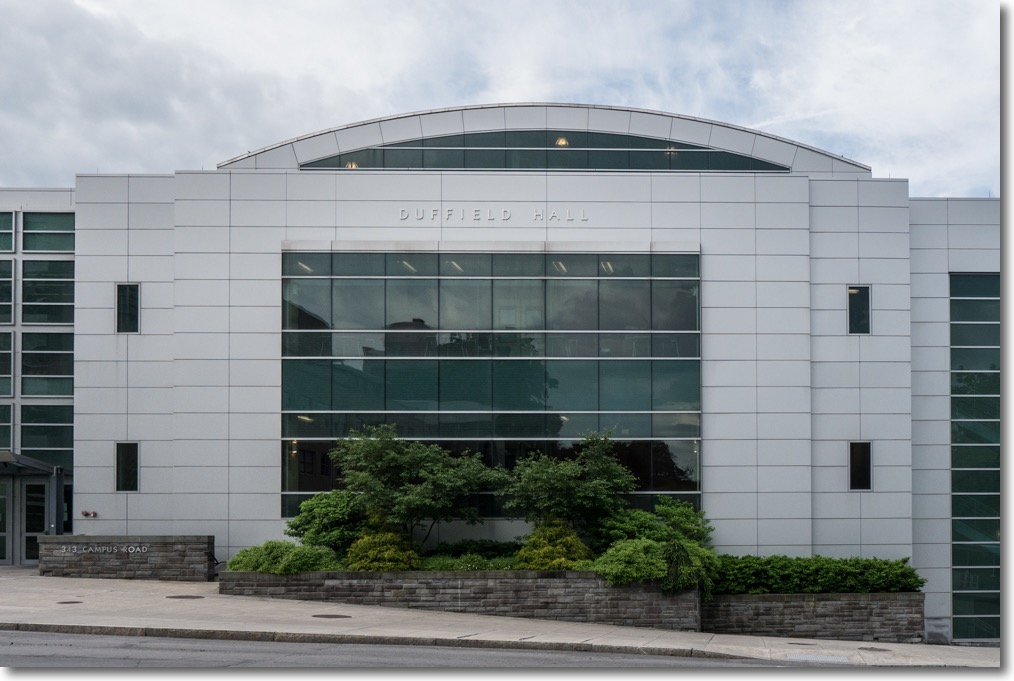
Duffield Hall, donated by David Duffield of PeopleSoft, whom I had the pleasure to meet many years ago. An alumnus of the school, this building houses nanotechnology sciences.


Anabel Taylor Hall is the Interfaith Center.


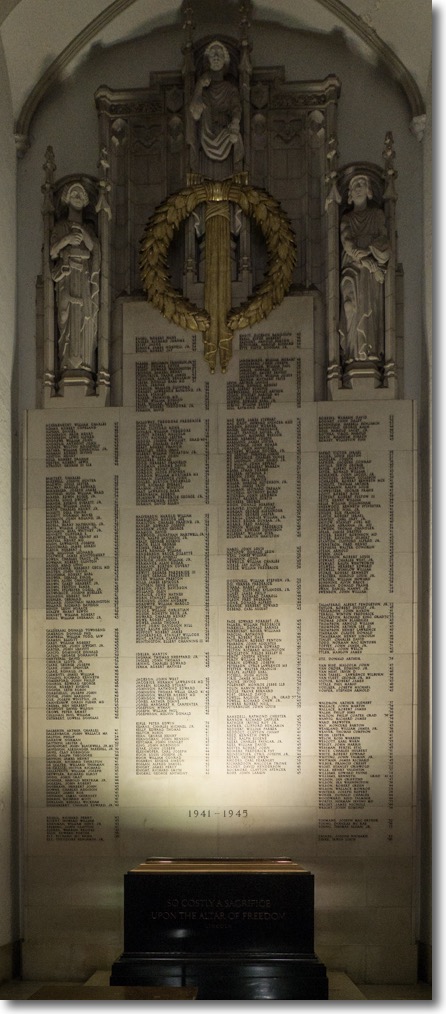
Inside the Hall, honoring the War dead.


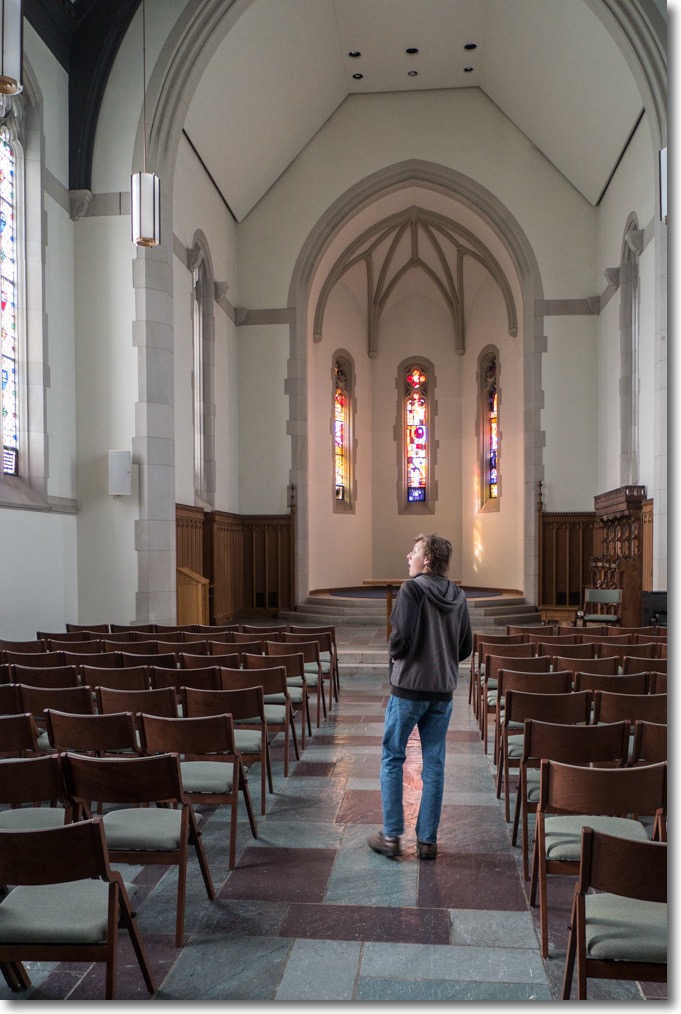
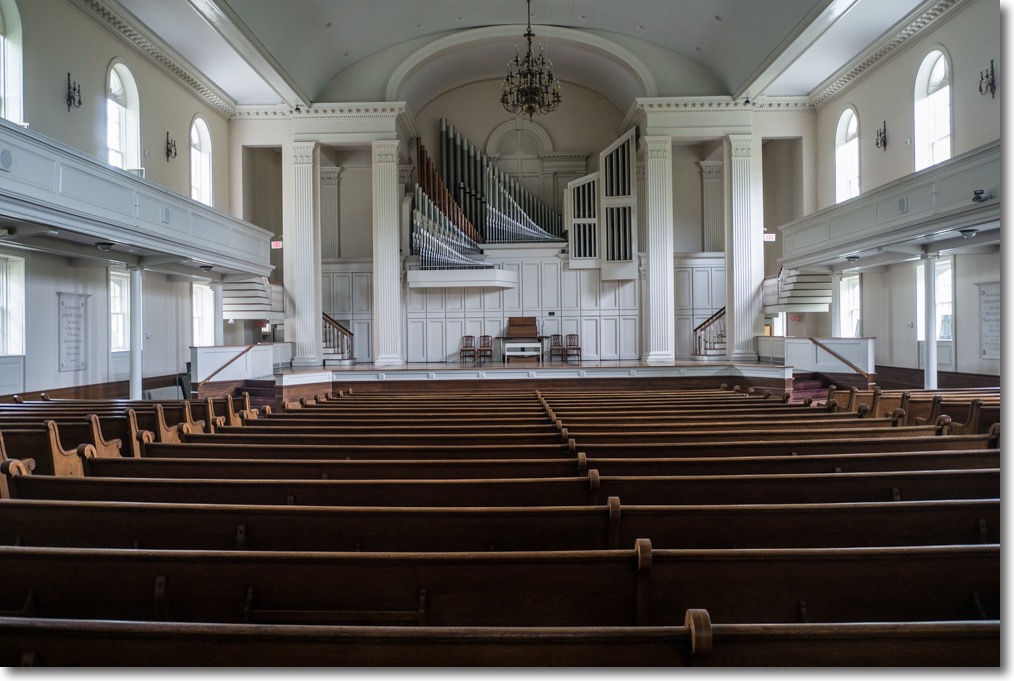
Inside the Memorial Chapel.


The Arts Quad.


The West Campus has a great many spots at which to hang out, and an abundance of housing for those preferring off-campus dorms.


And did I mention high end cuisine?


On campus student dorms.


Lyon Hall, an on campus dorm.


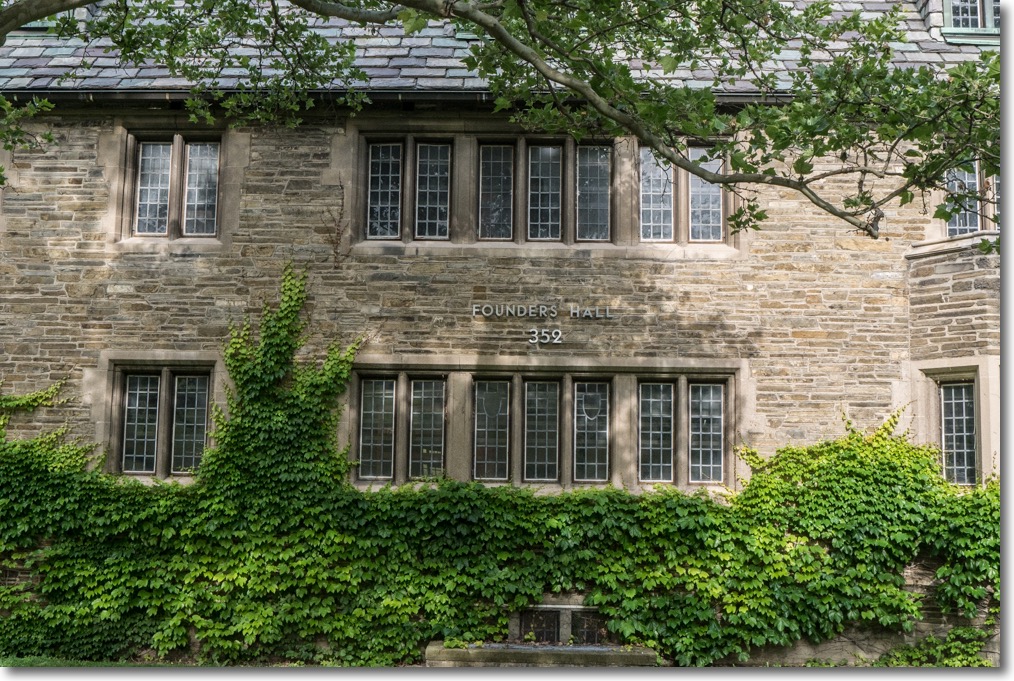
Founders’ Hall.


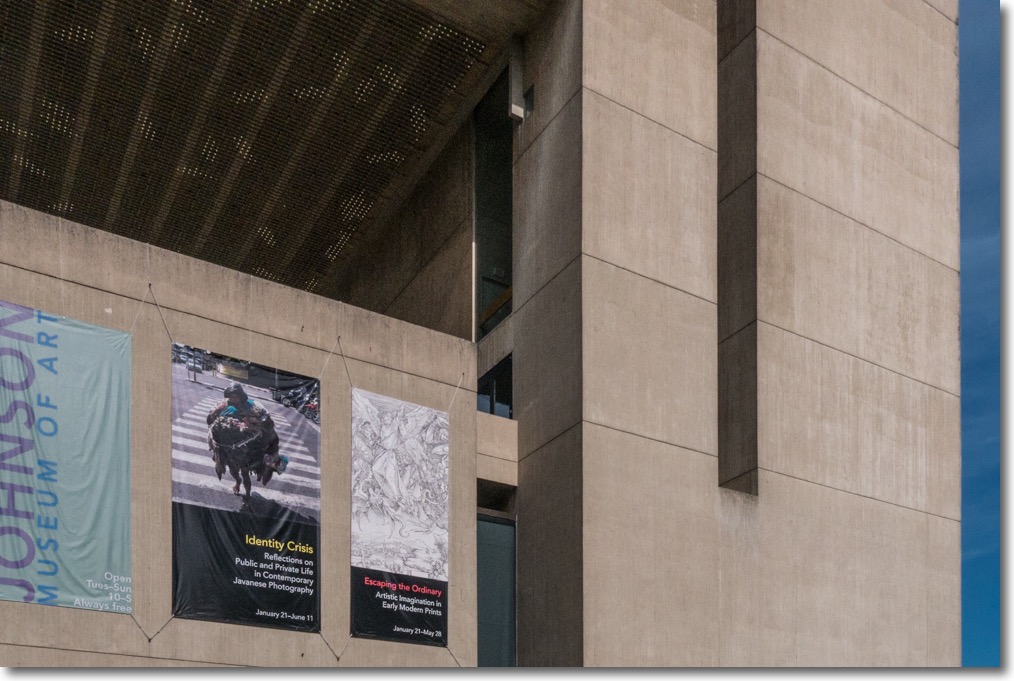
The Johnson Museum of Art atop Liebe Slope.


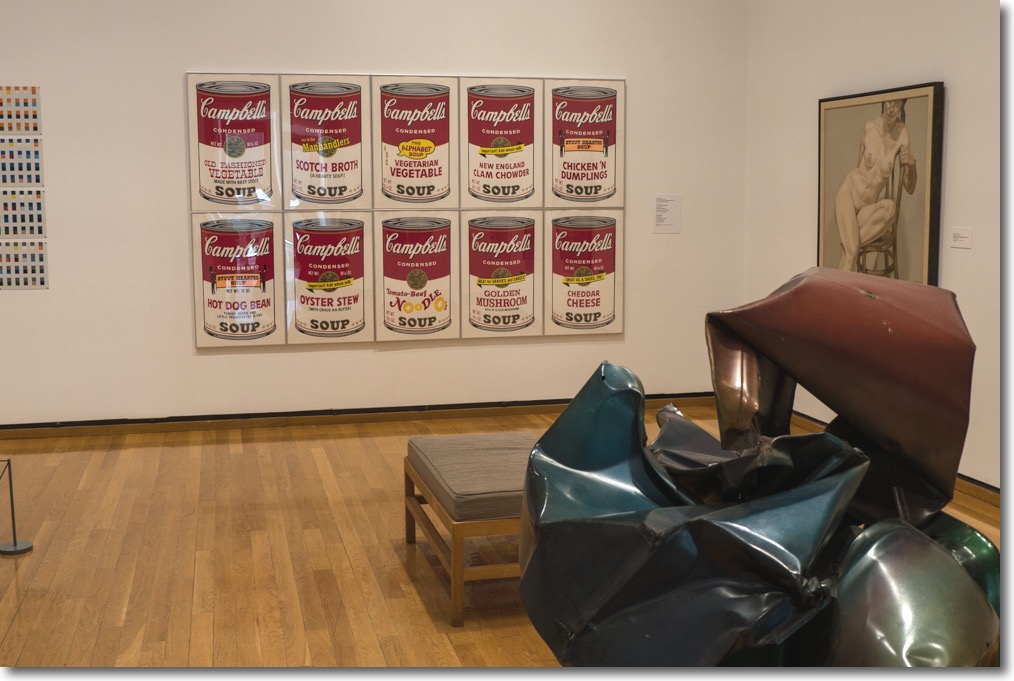
Warhol at the Museum. You could sell this piece of garbage and construct a new building with the proceeds.


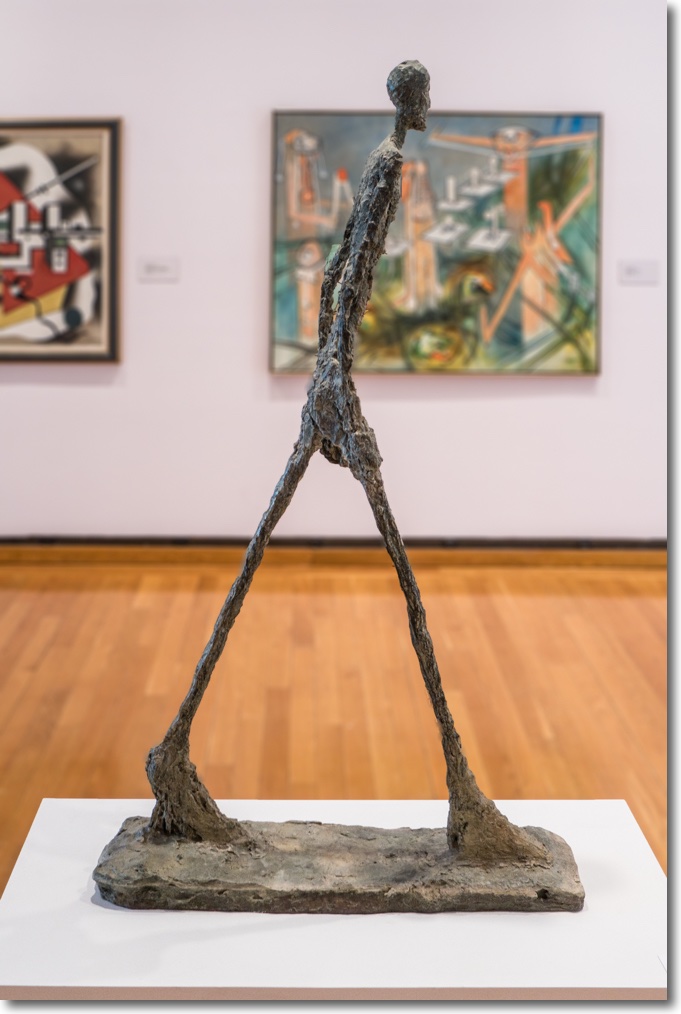
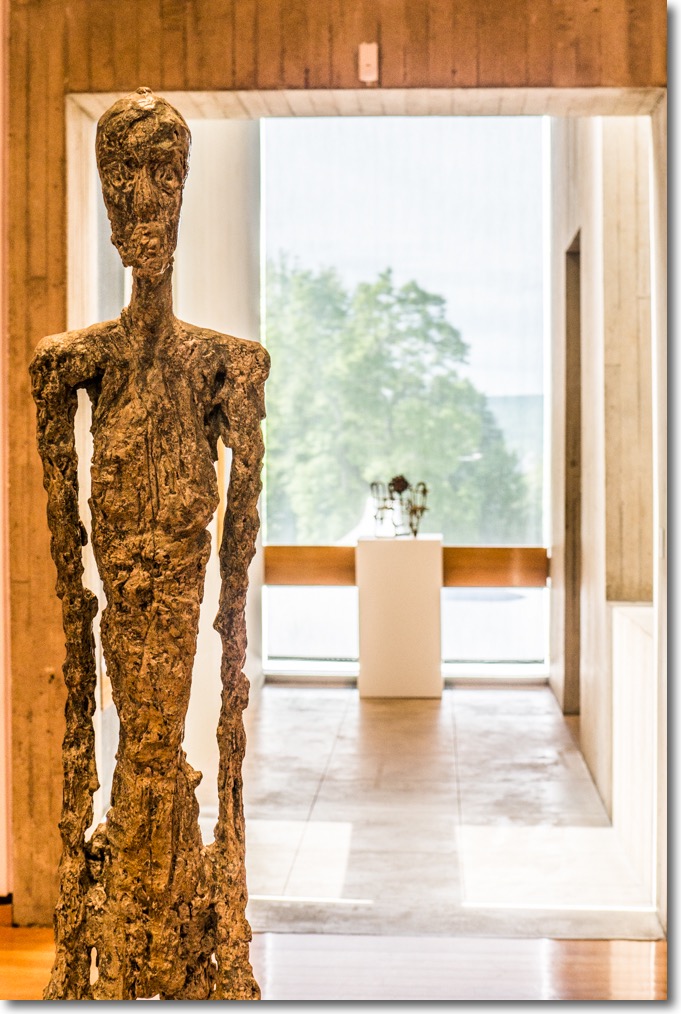
Insanely great Giacometti. This is L’Homme qui marche II of 1959-60. Priceless. I have loved Giacometti since I was in short pants.


Alberto Giacometti used his brother Diego when modeling the faces of his stick figures.


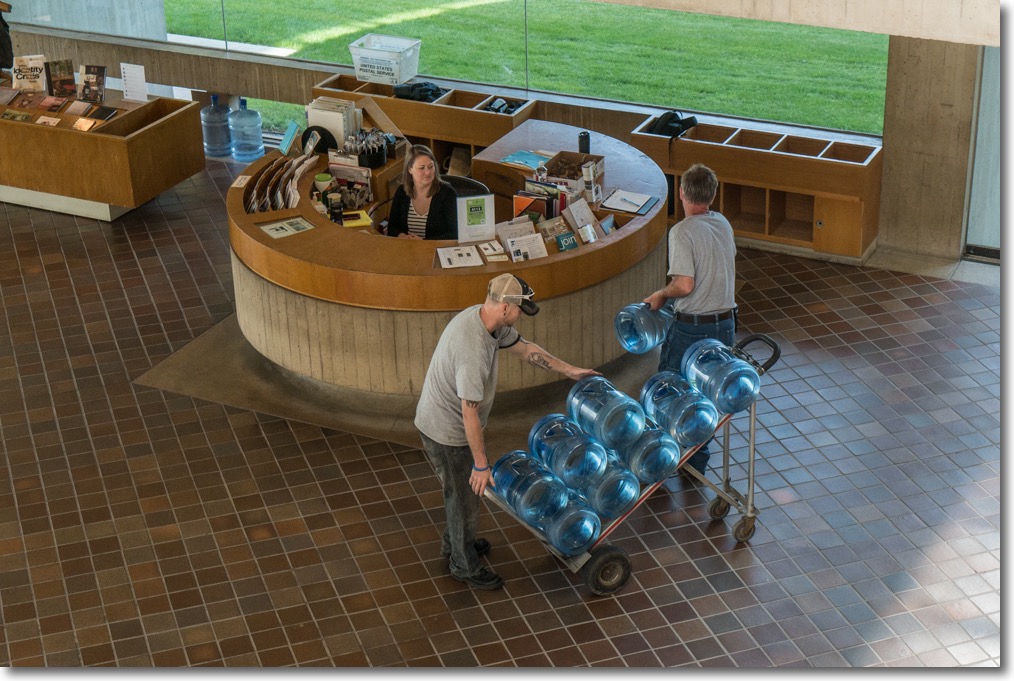
The lobby of the Museum.


White Hall, 1888. Government, Jewish and near Eastern studies are taught here.


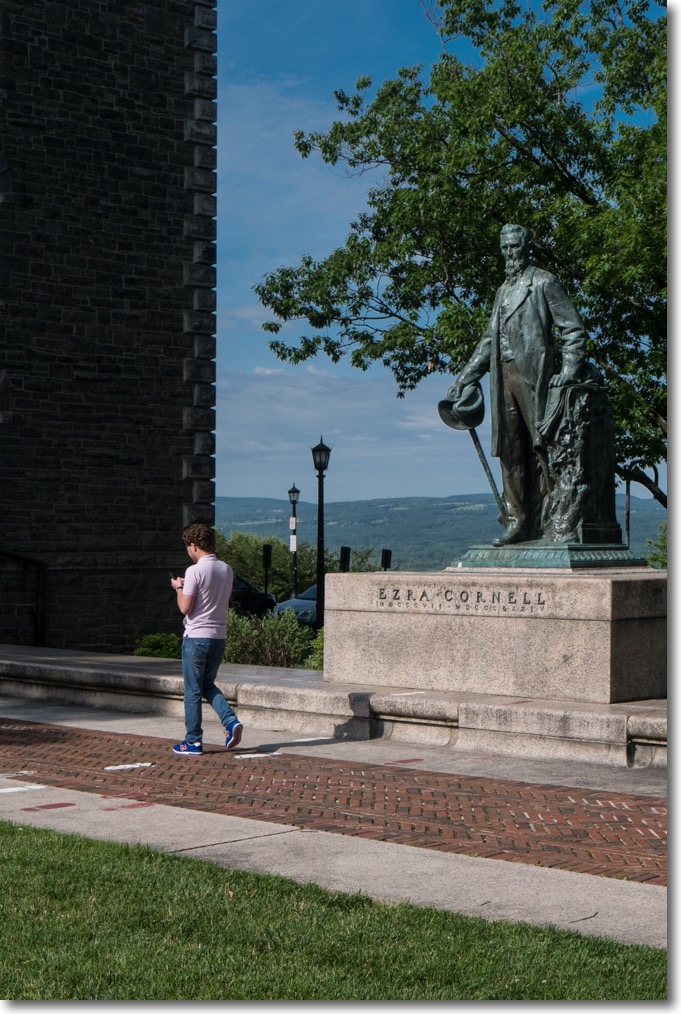
Founder Ezra Cornell.


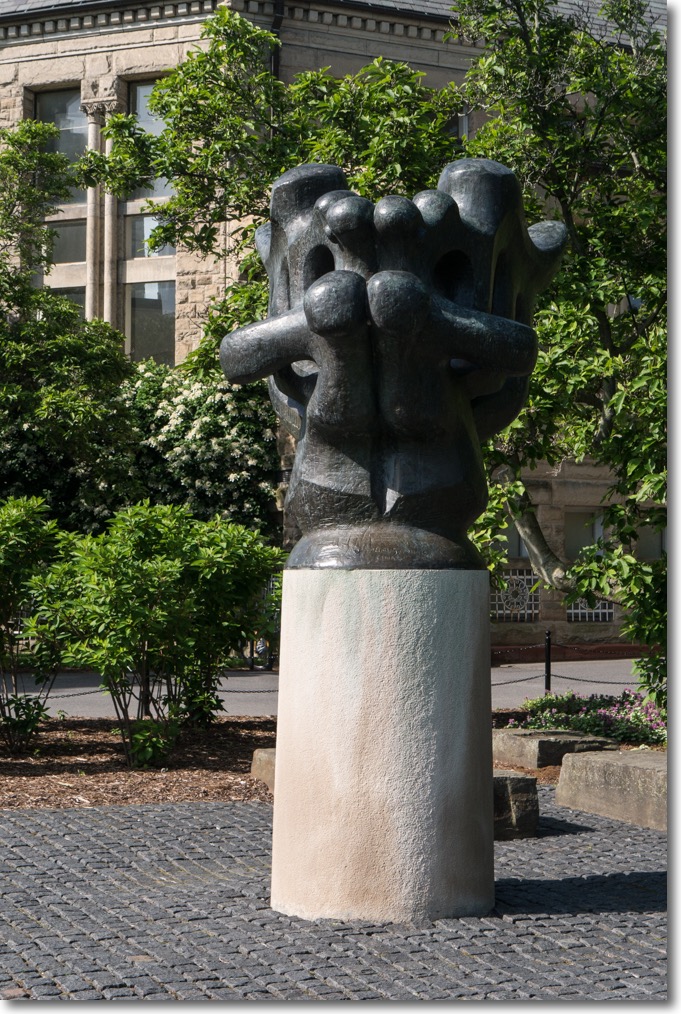
Jacques Lipschitz, Song of the Vowels, 1931-32.


The list of Cornell faculty and alumni is so extensive that only a few need be named here. They include, on the faculty side, John Cleese, Carl Sagan, Frances Perkins (FDR’s Labor Secretary) and Henry Louis Gates, Jr. Alumni include Sandy Weill, Adolph Coors, Irwin M. Jacobs (Qualcomm), Rajan Tata, Robert Atkins of diet fame, Toni Morrison, Pearl S. Buck, Bill Maher, Keith Olbermann, Christopher Reeve, Richmond Shreve (the Empire State Building designer), and on and on.

Colgate University

Pastoral beauty.

For an alphabetical index of the New England College series of pieces, click here.

We have visited many beautiful New England colleges but none comes close to the sheer physical beauty of Colgate, a school for 2,900 undergraduates adjacent to the charming town of Hamilton, New York. Where some schools insist on the latest architect du jour as designer of the newest buildings, Colgate sticks to its classical style and the result is glorious.

A solid endowment sees to it that nothing is cheapened and we were lucky to chance on a guided tour by two enthusiastic sophomores who showed us the ropes on a beautiful New York summer day. The school dates from 1819 and rests on an 575 acre campus an hour out from Syracuse and Ithaca. Student car ownership is permitted which makes access to these larger cities feasible.


Pastoral serenity.


The Admissions building.


The Memorial Chapel


Inside the Chapel.


Student housing.


Picture perfect.


Michael and Cassie, our enthusiastic sophomore guides.


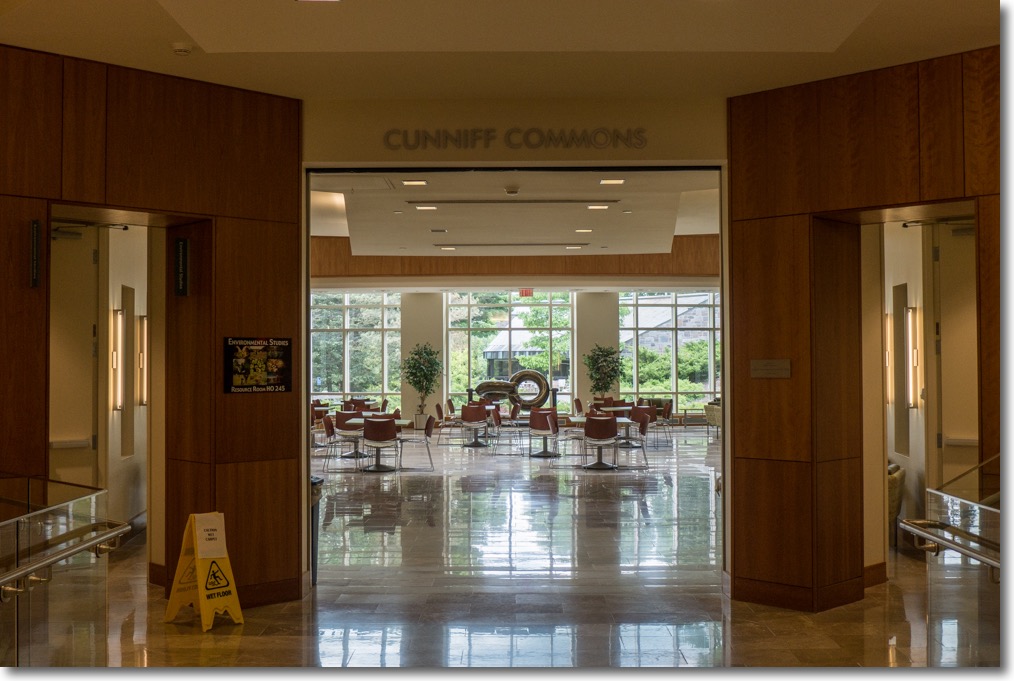
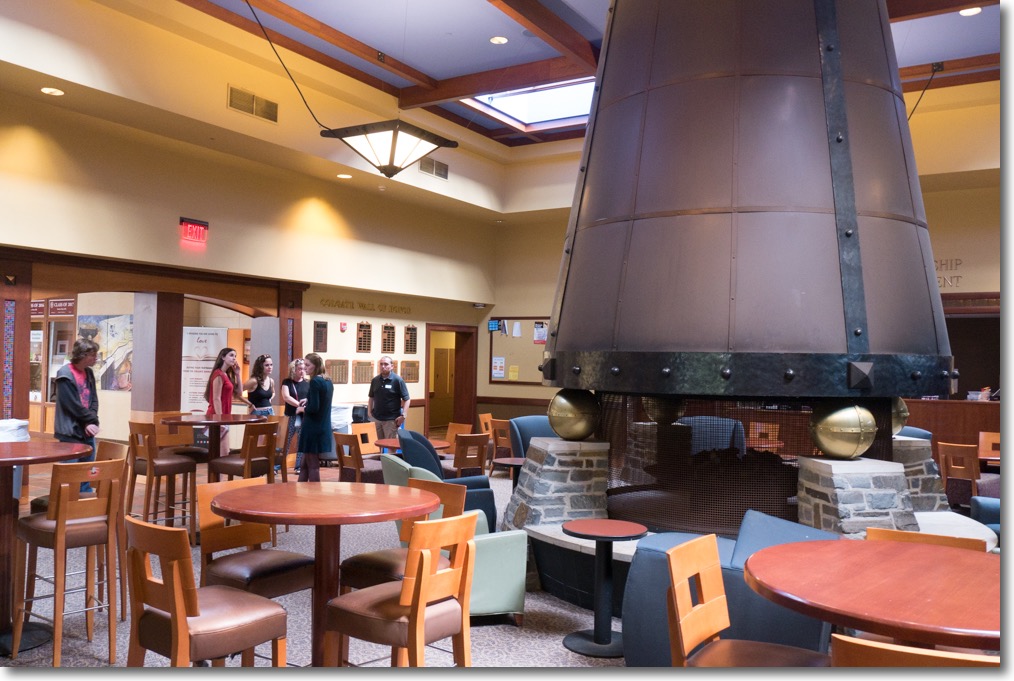
The main dining hall, one of many dining facilities on campus.


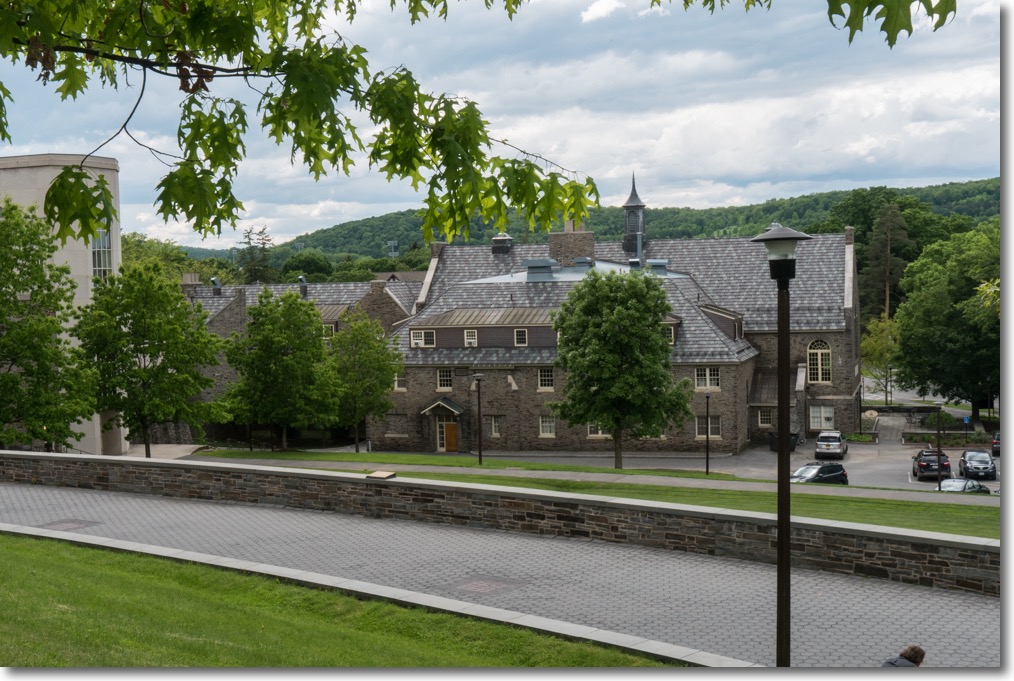
This building was slated for demolition as a stylistic mismatch, but a student protest saw to it that it survived.


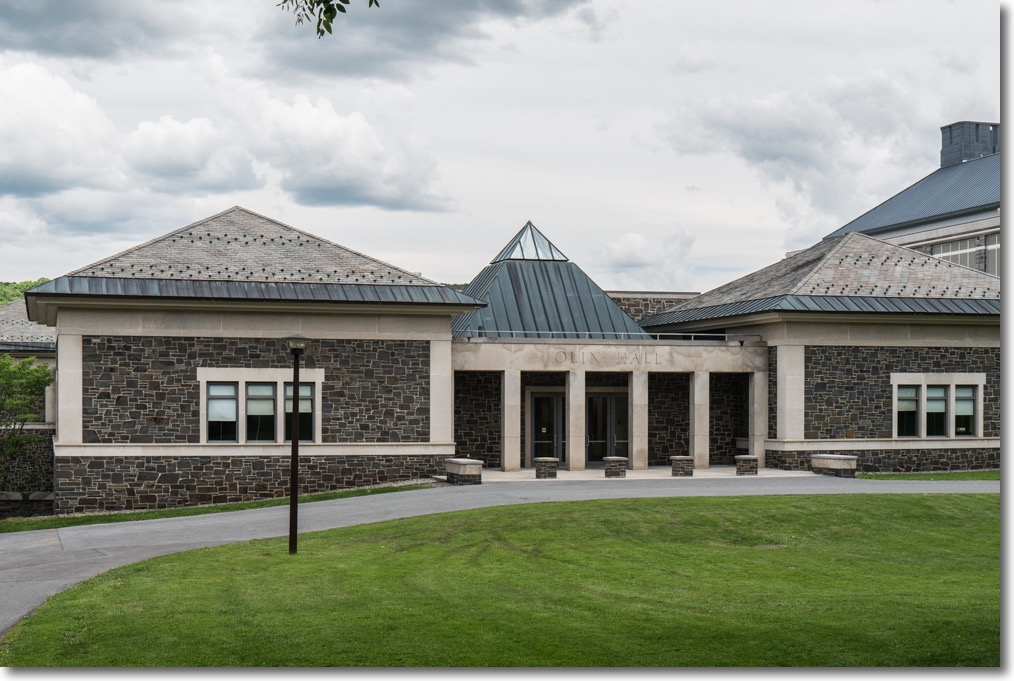
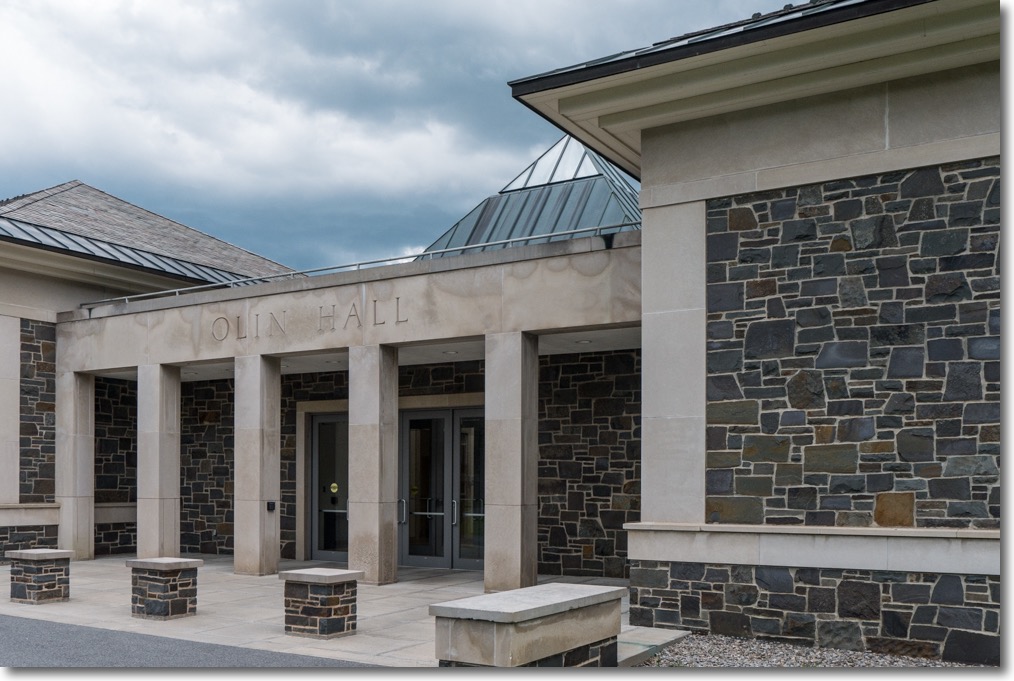
Olin Hall. Yes, yet another Olin building, this one an arts center.


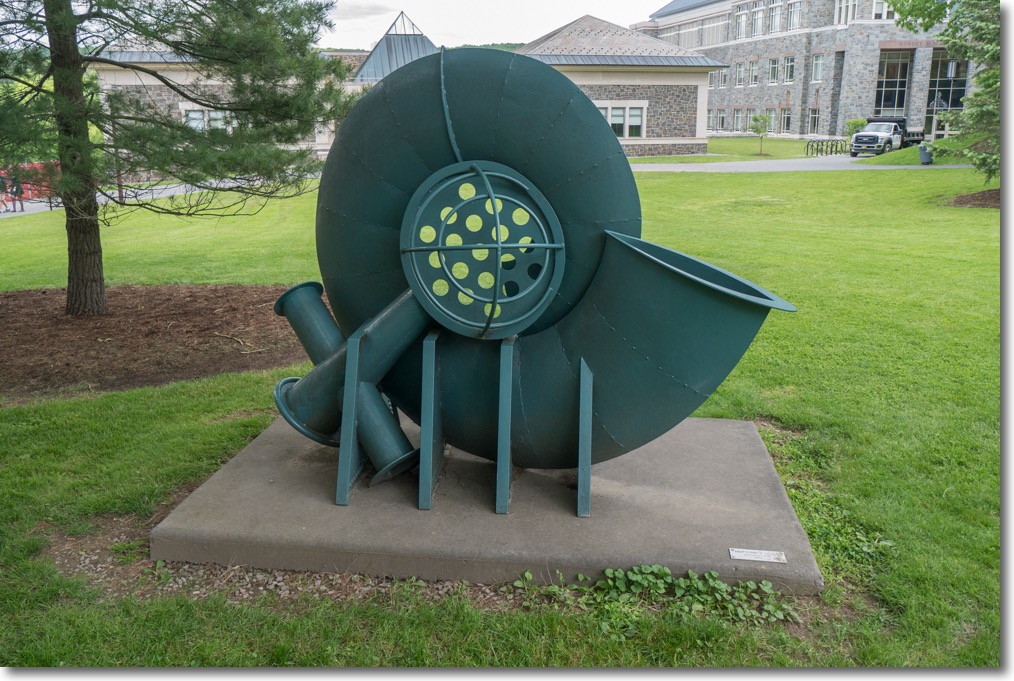
Neptune’s Horn by Jonathan Kirk.


The Robert H. N. Ho Science Center is beyond magnificent.


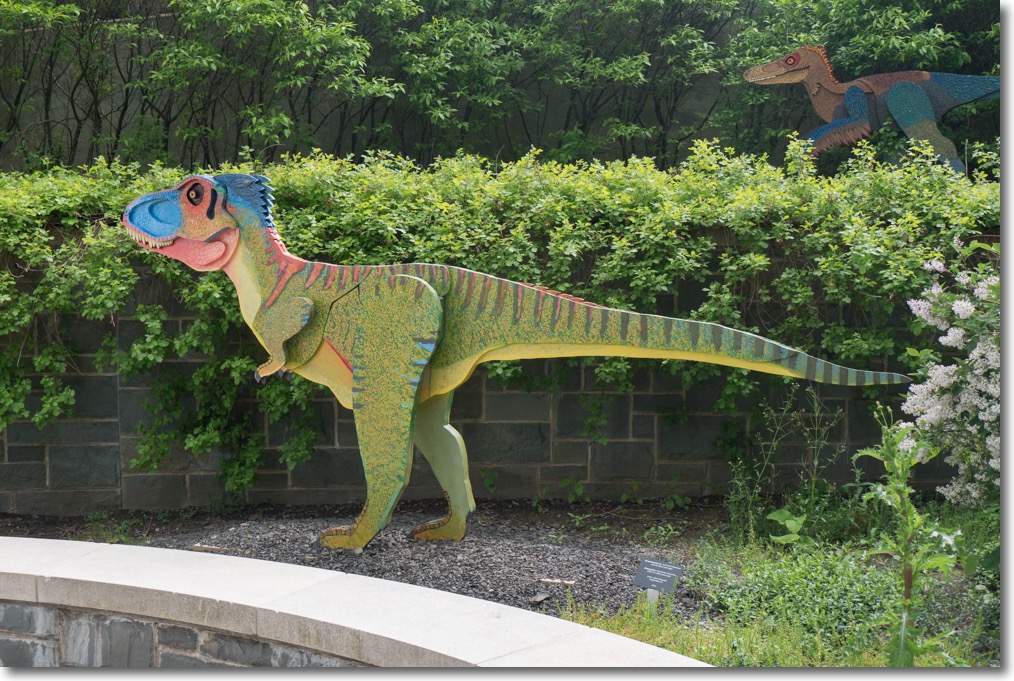
Errant dino.


Botany and biology. Superb architecture.


In the Student’s Center. Winston at left.


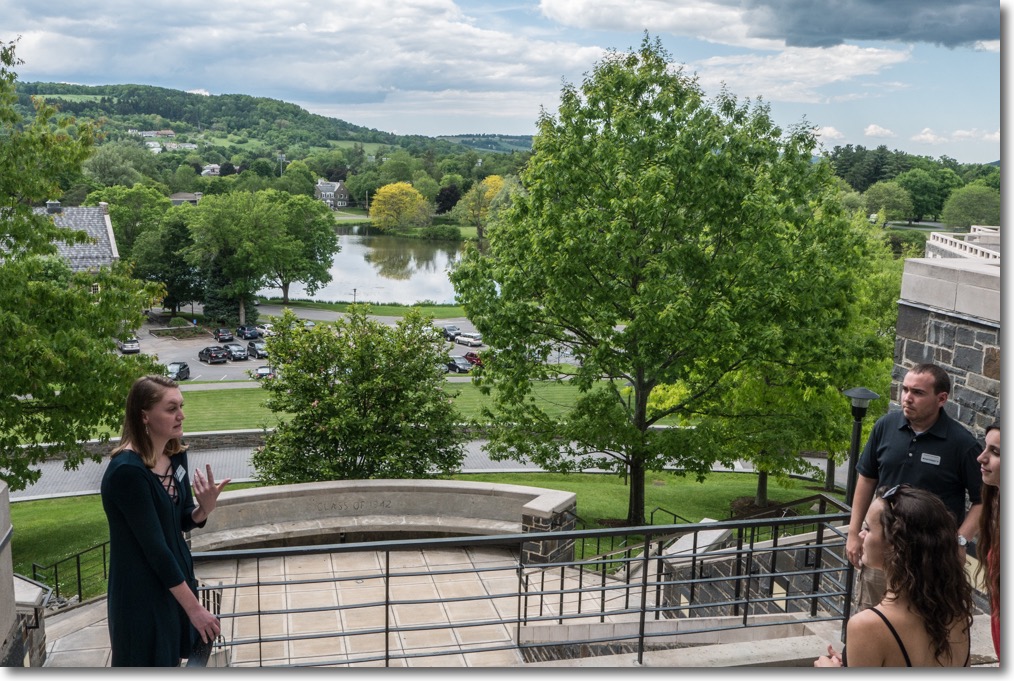
Cassie and Michael frame the beautiful vista with Taylor Lake in the background.


Donovan’s Pub, yet another dining facility. Colgate has made major efforts to enhance the quality of food offered, a smart move in a competitive universe.


The Case-Geyer Library.


Distinguished alumni include journalists Andy Rooney, Gloria Borger and Monica Crowley, John Dean of Watergate fame (oops!), John Cassavetes and Bob Balaban.

Fort Ticonderoga

A rich history.

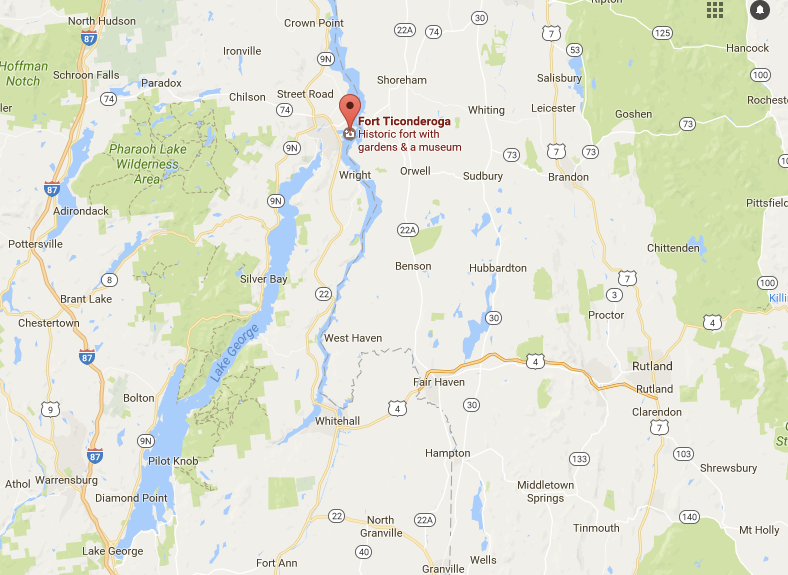
Fort Ticonderoga was completed by the French in 1757 when they still controlled Quebec and what was eventually to become Vermont and the revolutionary state of New York. On raised ground with strategic views, it’s at the south end of Lake Champlain. The Fort featured in disputes between the French and the English and later between the English and the American revolutionaries.


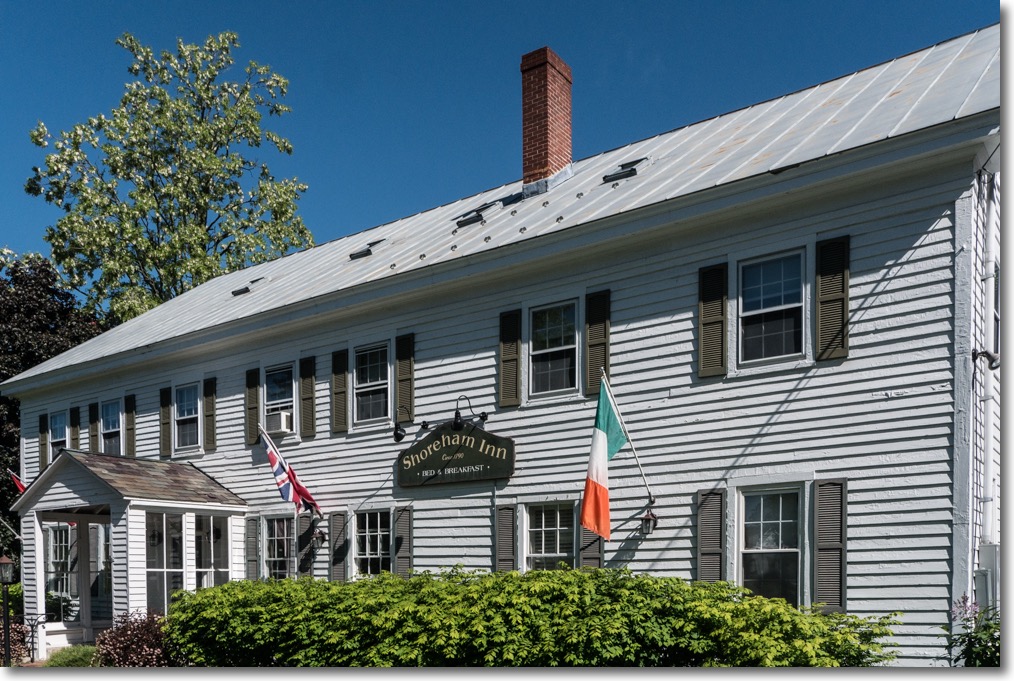
For our visit to Middlebury College yesterday we stayed in Shoreham at the 1790 Shoreham Inn, a few miles north east of the Fort where the proprietors Elizabeth and Anthony made us welcome, serving a tremendous breakfast of French toast and sausages on what was the first properly sunny day we have had in two weeks.


The Shoreham Inn.


A WW1 machine gun honors the war dead outside the Inn.


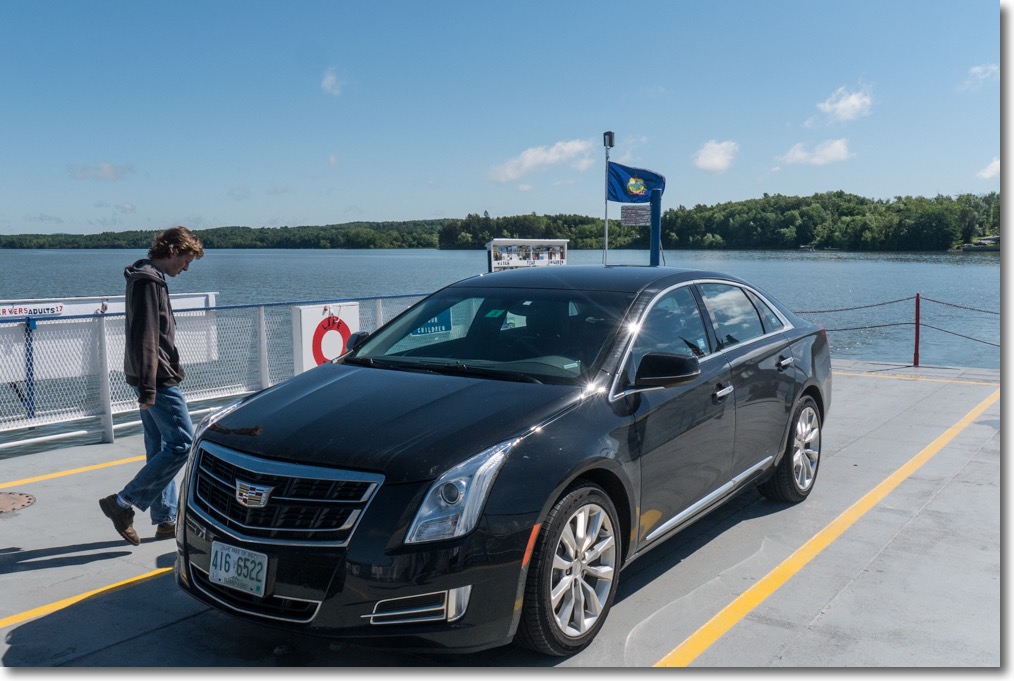
We had to take the ferry into New York, which was rather fun.


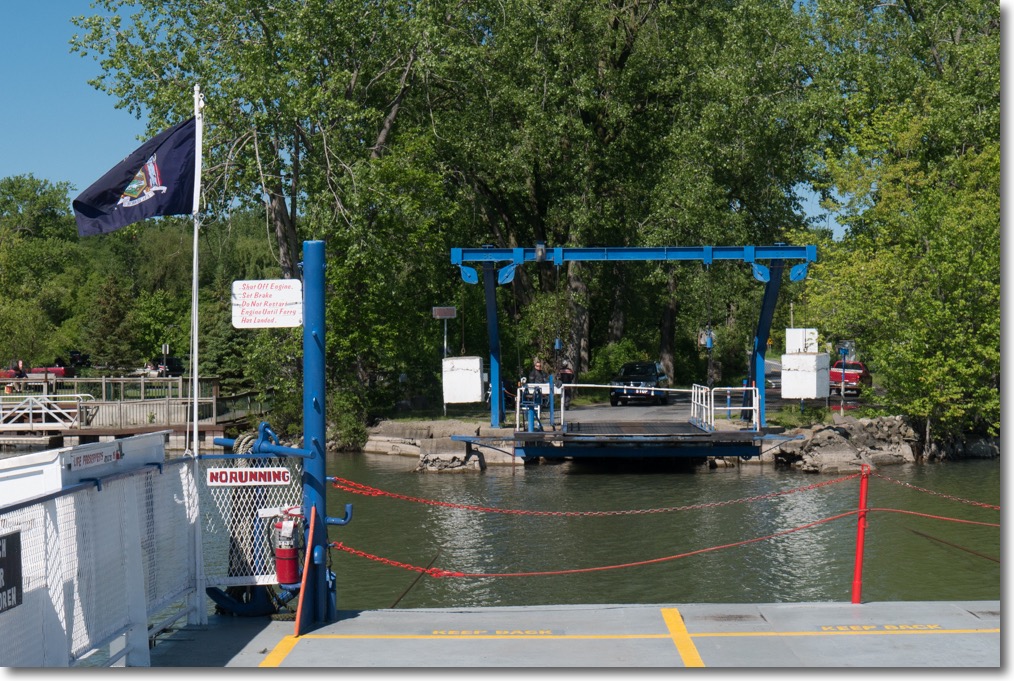
The ferry prepares to dock on the New York side of Lake Champlain.


Nine cars will fit on the ferry. Ours was one of two – mid-week touring makes sense!


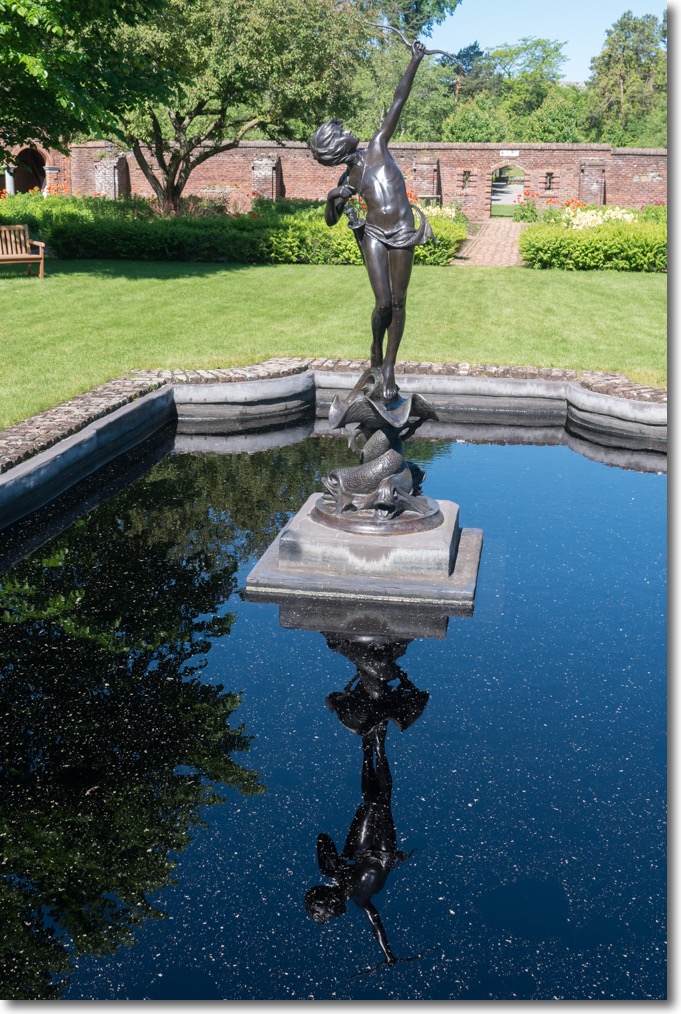
Trust the French to erect a statue of Cupid in the King’s Garden at the Fort.


The formal gardens are in a peaceful setting on the lake.


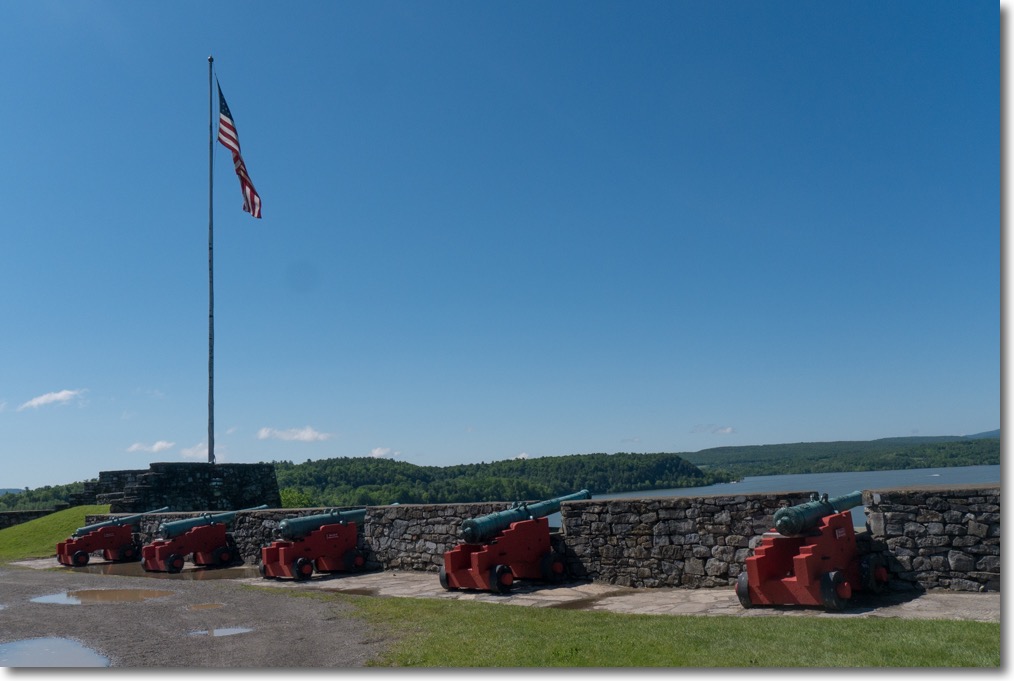
Guns surround the battlements and appear to be 4″ in bore. The British, under General Burgoyne, managed to take the Fort from the Americans – the latter originally commanded by Benedict Arnold – by the simple expedient of dragging cannon to the even higher nearby Mount Defiance which it was known was within range. The French may have been brilliant military engineers but geographic strategy was not their strong point …. The Americans abandoned the Fort to the British without resistance once they saw Burgoyne’s cannon atop Mount Defiance. Brilliant strategy by the British.


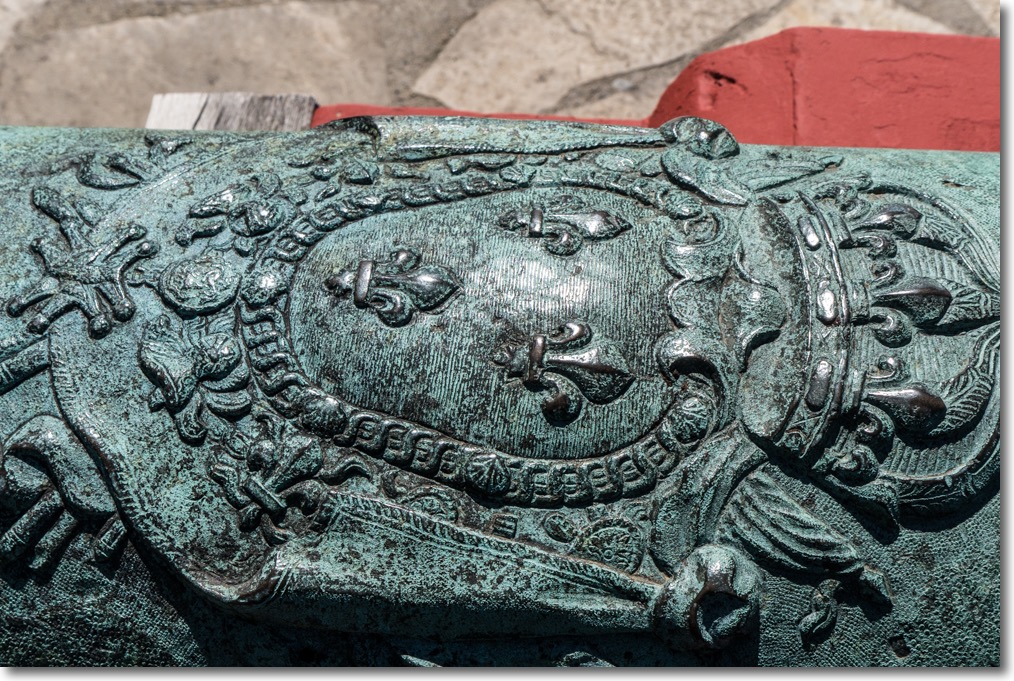
Fleur de Lys decorate the gun barrels.


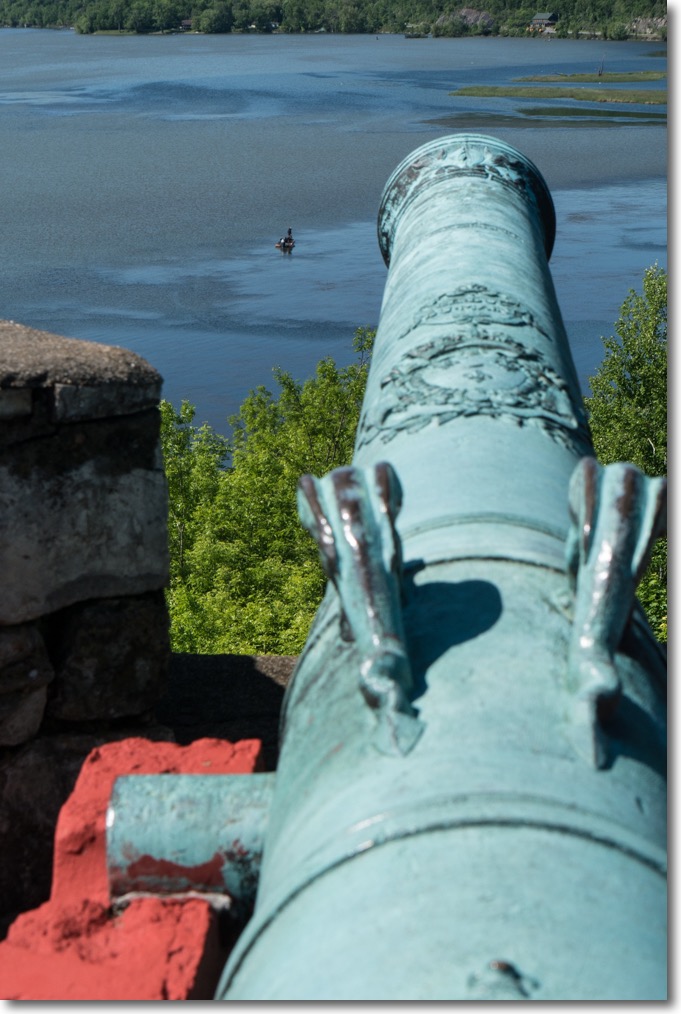
It is never a good idea to sail down a narrow waterway with cannon above, something Churchill failed to learn from history when he sent the British fleet down the Dardannelles in 1915 to massive losses of men and hardware from the overhead Turkish cannon and the mines below the waterline. The Turkish guns saw to it that British minesweepers were rendered useless.


In addition to dozens of cannon, there is a handful of mortars which are some 12″ bore.


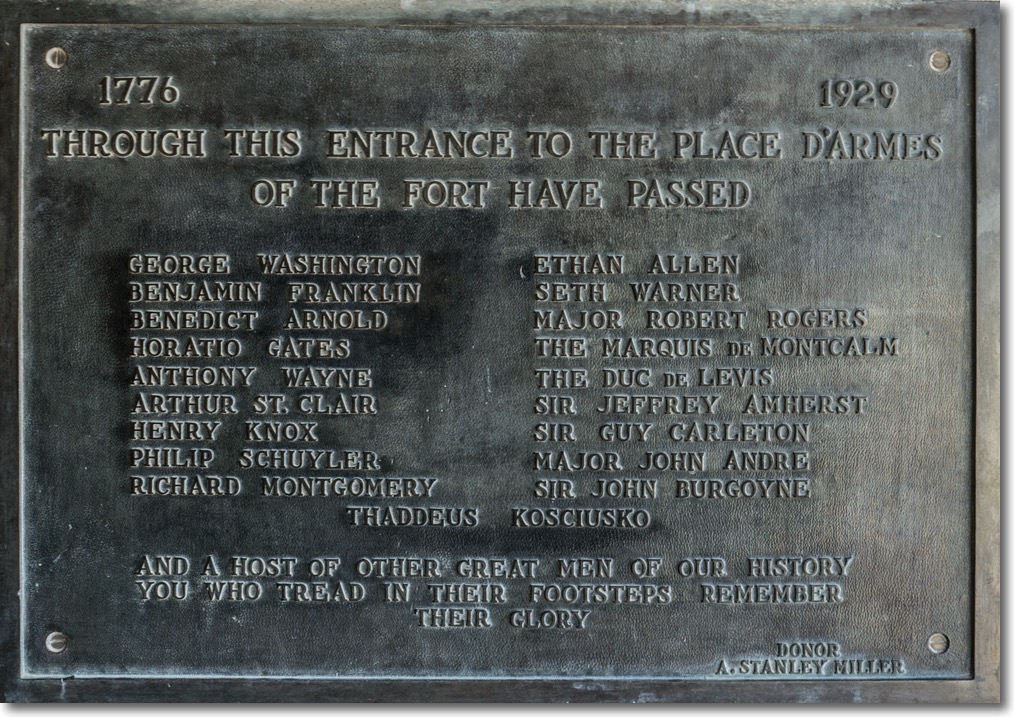
A long and distinguished list. Horatio Gates defeated Burgoyne at Saratoga, replacing the ineffectual Schulyer (pronounced ‘Skyler’). Amherst was named after Sir Jeffrey Amherst. Kosciuszko (correct spelling) was the very effective fortifications engineer at Saratoga. John André was eventually executed for committing treason with Arnold, who got away with it.


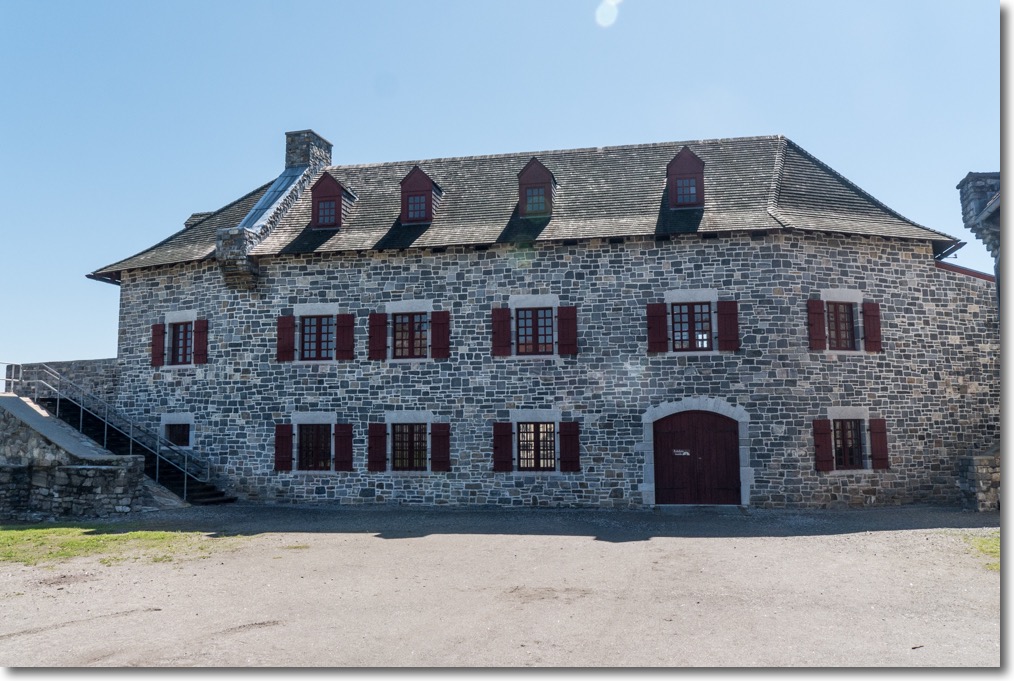
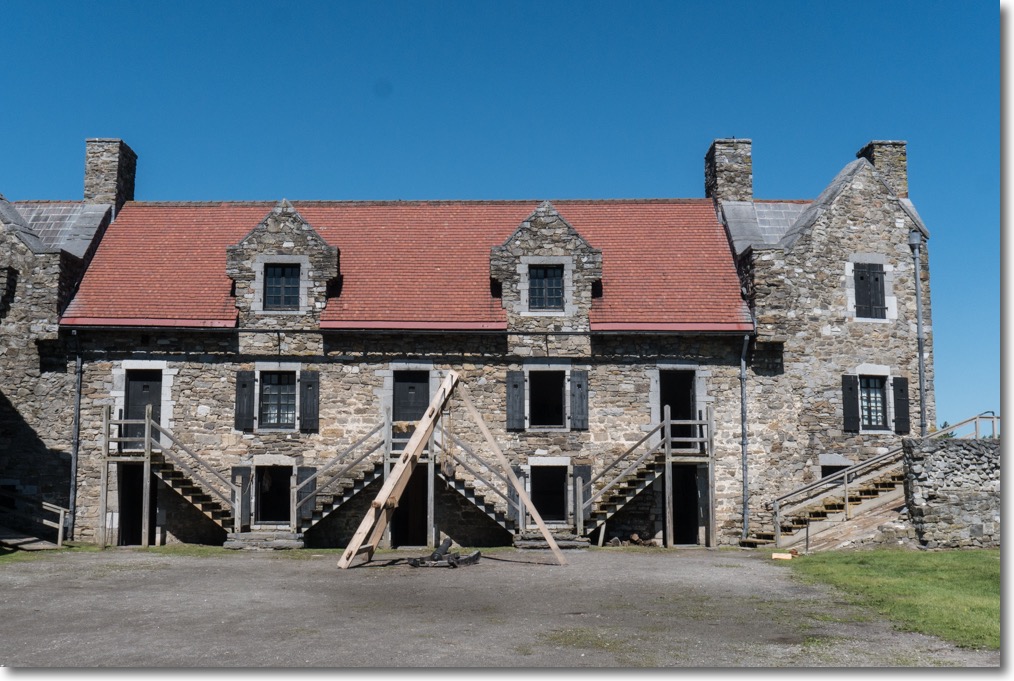
The far side of this barracks building overlooks Lake Champlain, facing north.


One of the supply houses in the Fort.


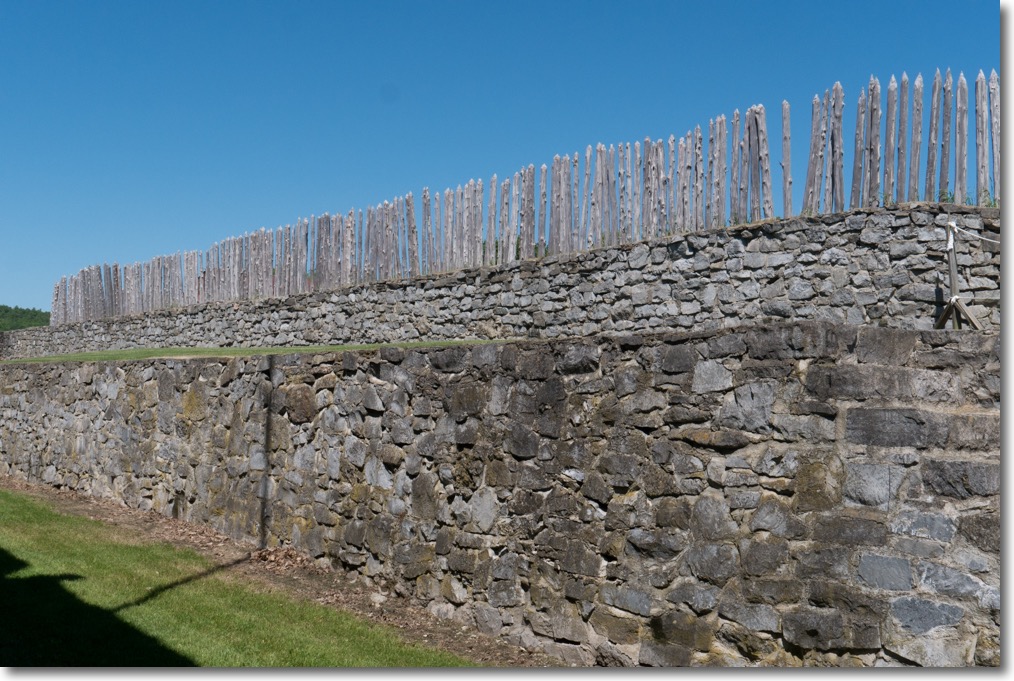
Fearsome stakes deter those foolish enough to charge the Fort.


Read here about the subsequent battles of Saratoga, where Burgoyne’s British Army ended up surrendering, and you will conclude that the Americans’ flight from Fort Ticonderoga was of little consequence to the outcome of the Revolutionary War.

A visit to the Fort is not only recommended to Revolutionary War buffs but also to anyone who enjoys deserted back roads through Vermont and New York which offer some glorious driving …. even in a Cadillac!