Brown University

Stunning.

For an alphabetical index of the New England College series of pieces, click here.

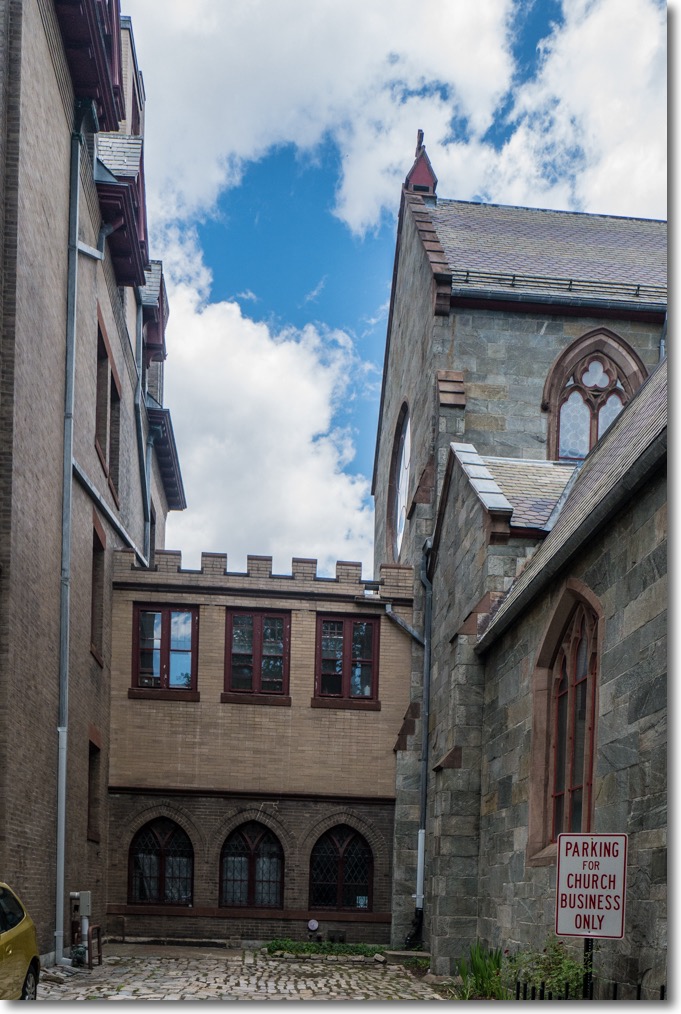
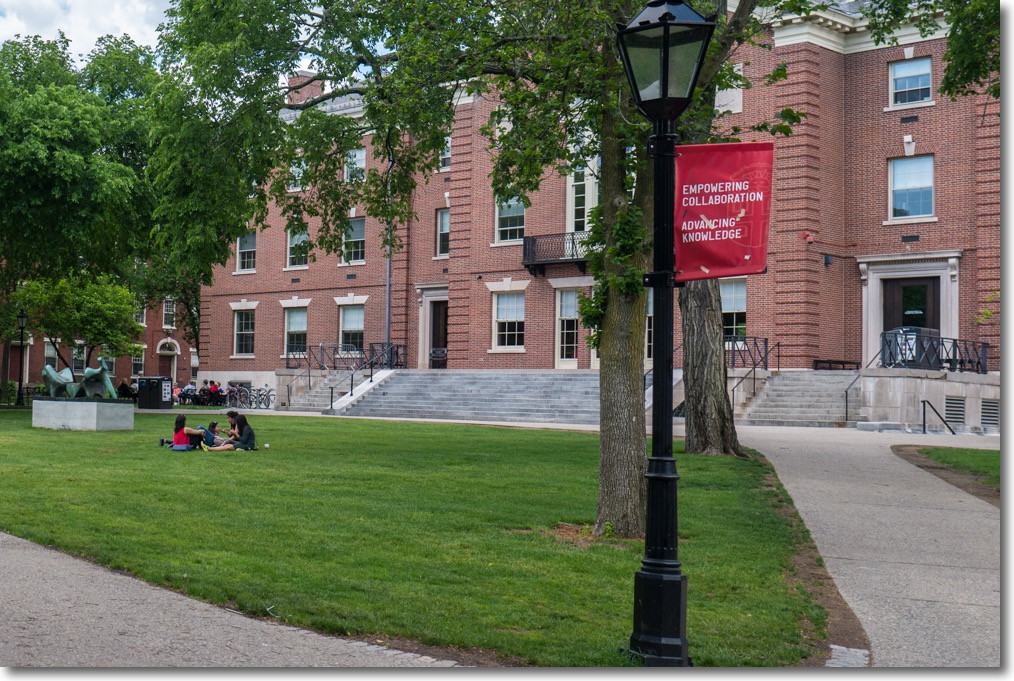
Founded in 1764, Brown is one of but nine schools dating from before the American Revolution. A healthy endowment sees to it that the 6,300 undergraduates and 2,200 post graduates are ensconced in pristine surroundings on the gorgeous 143 acre campus in beautiful Providence, Rhode Island. Size appears to be inversely proportional to quality for this, the smallest of the US states by area, is also home to its finest arts school, the neighboring Rhode Island School of Design. Indeed a shared double degree with RISD is to be had for five year students.

Brown was the first Ivy League school to offer engineering studies and also has the distinction of permitting students to design their own courses. Nothing is mandatory here. So well known is this concept that it is now known as the ‘Brown Curriculum’.

Prize winners galore grace the alumni and faculty counts here, from Nobels and National Medal of Sciences winners to Rhodes Scholars and MacArthur Genius fellows. This is as good as it gets in American academia.

The campus is a thing of beauty and my son and I enjoyed a splendid – and rarely dry – day in wandering around. We were made to feel very much at home by staff and students in this beautiful setting, a testament to the civilizing power of the liberal psyche, one much under attack today by the forces of darkness seeking to usurp the American Republic. Brown fills you with the knowledge that this evil is but a temporary setback to progress from the Age of Enlightenment on. This is not a flame that can possibly be extinguished and if we came away encouraged by this realization then that is how it should be after a visit to one of the world’s greatest schools.

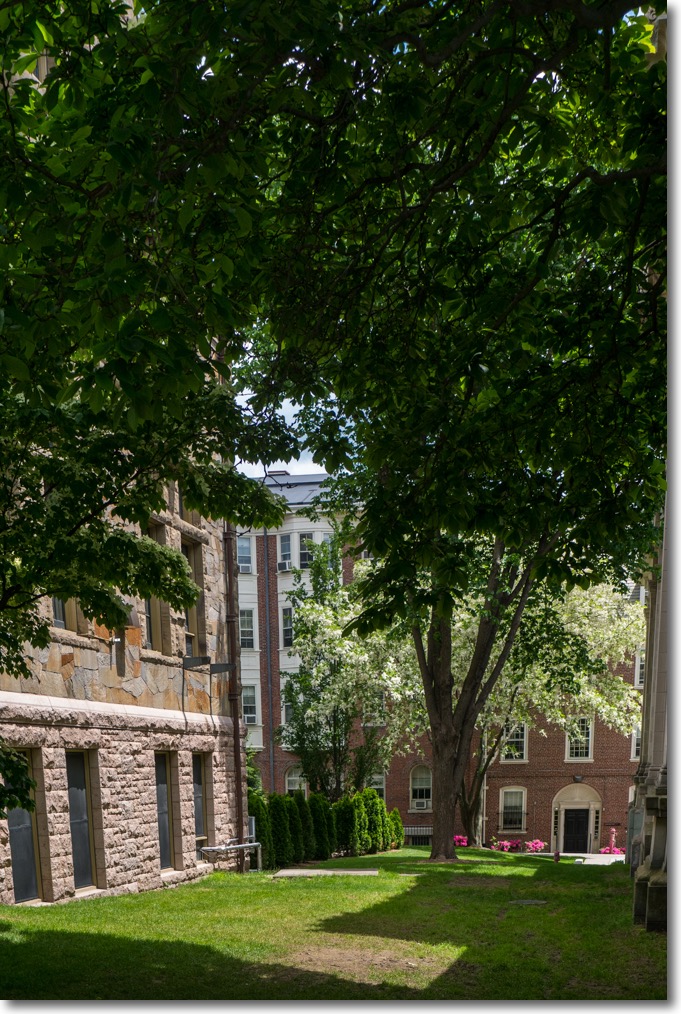
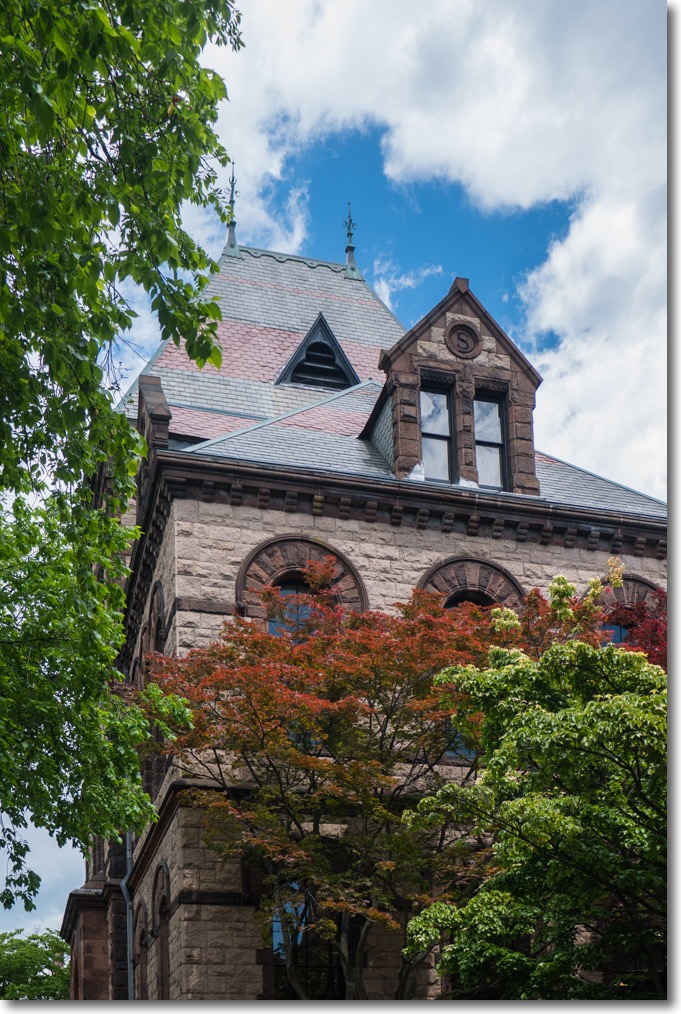
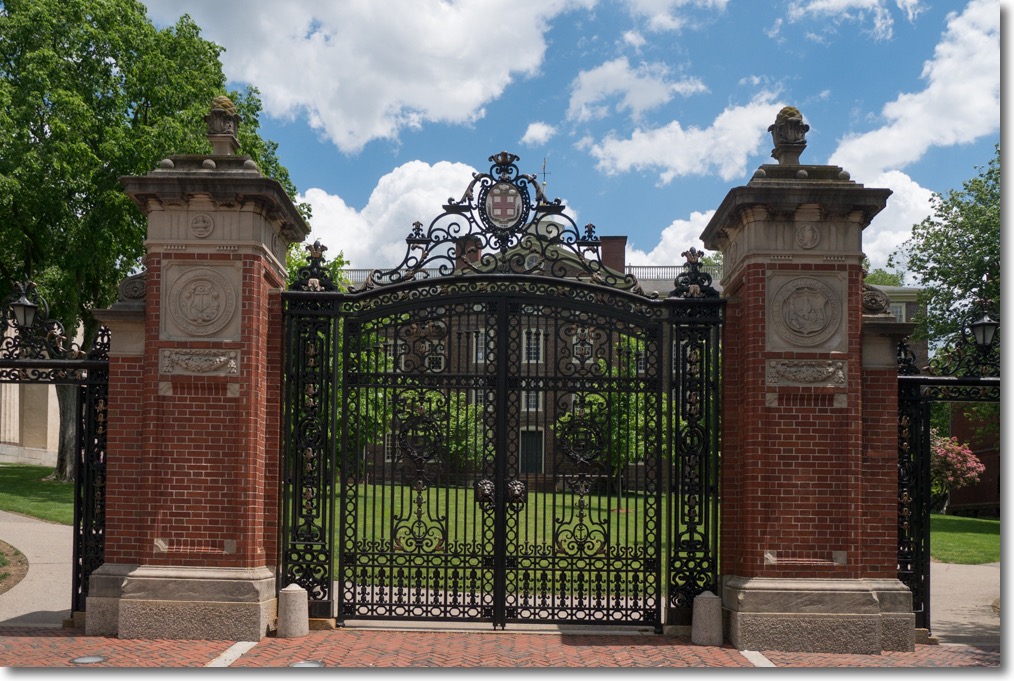
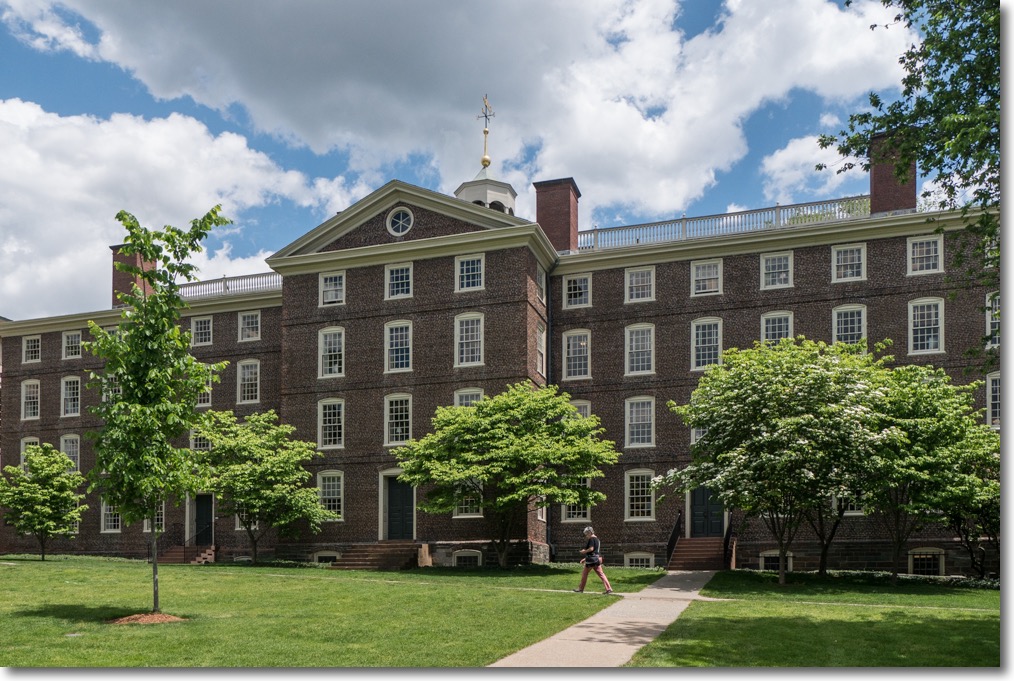
Little narrative is needed for what follows. Just gaze on the sublime beauty, the many quiet places, the expanses of lawns and air which make this a hallowed academic setting.
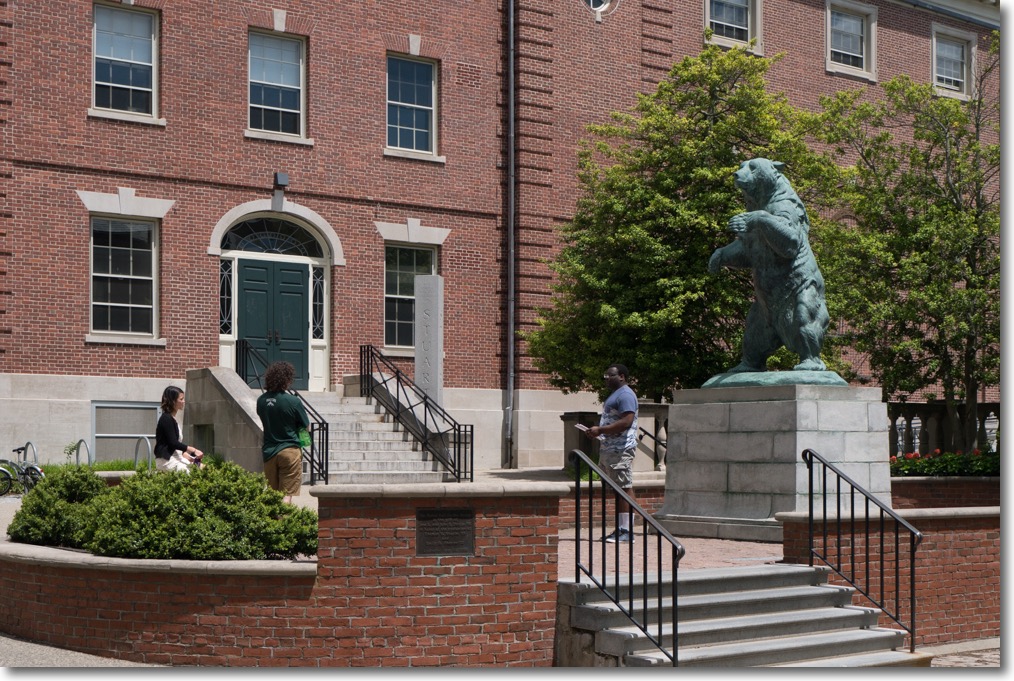
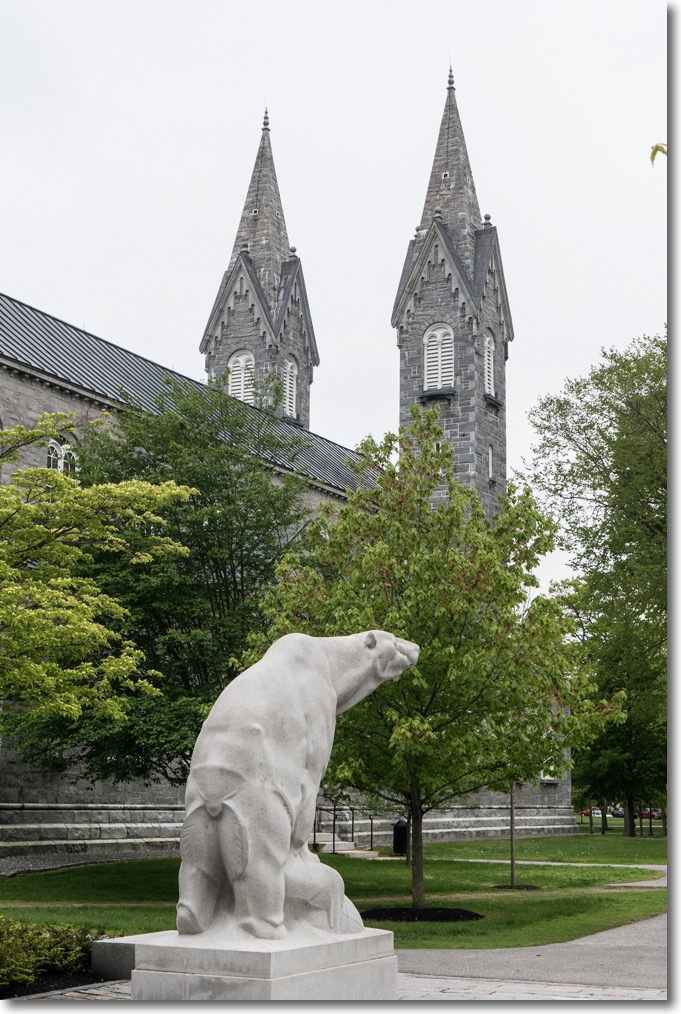
Brown’s mascot is the bear.

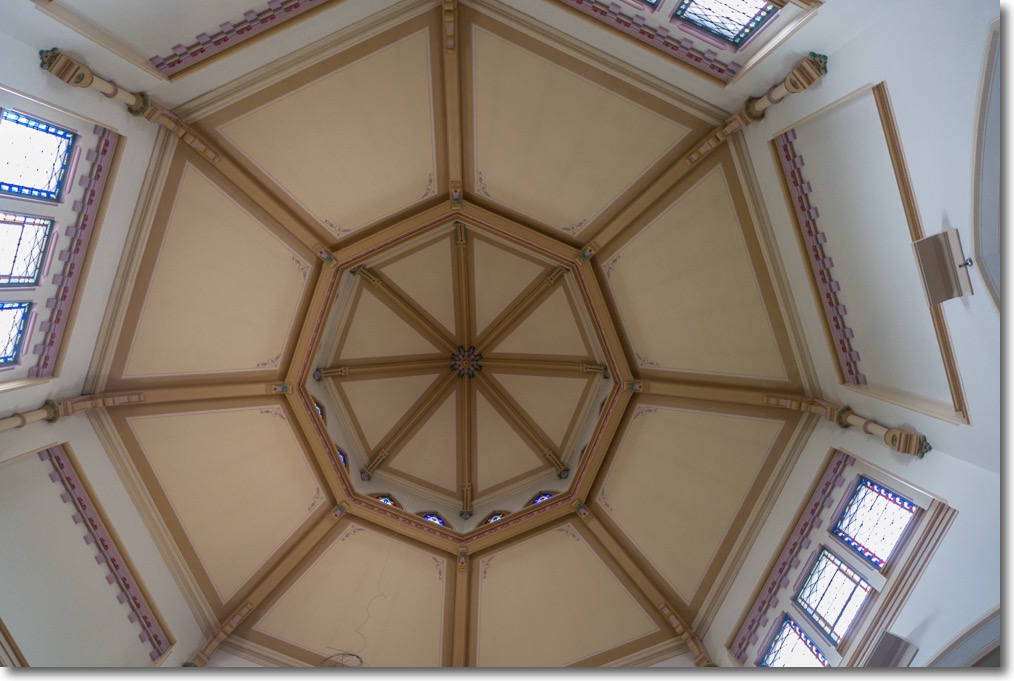
The cupola in octagonal Robinson Hall, once a library, now the Department of Economics.
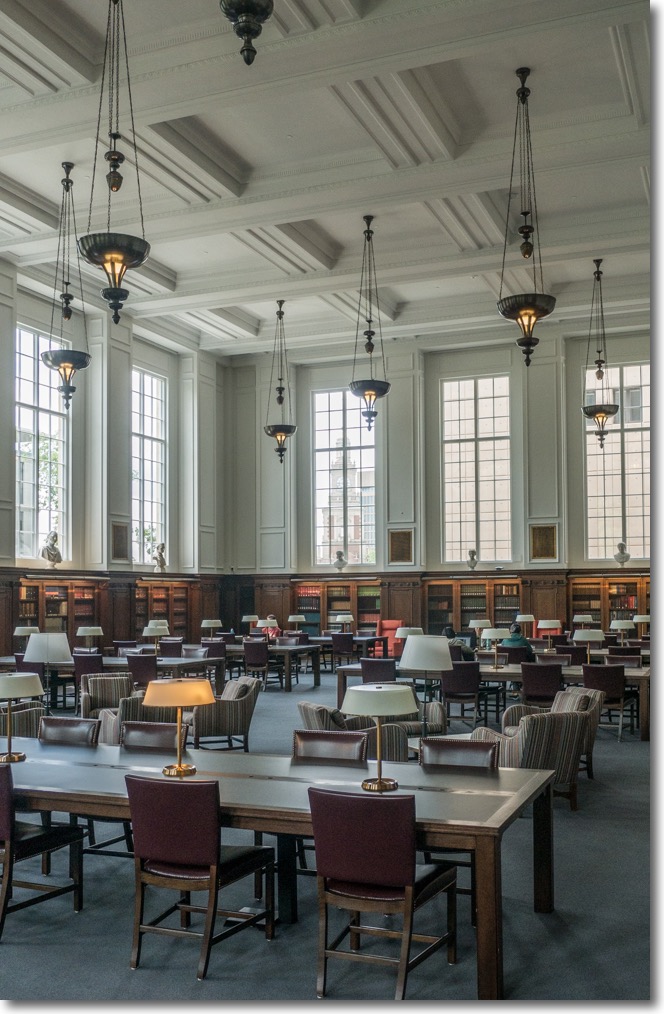

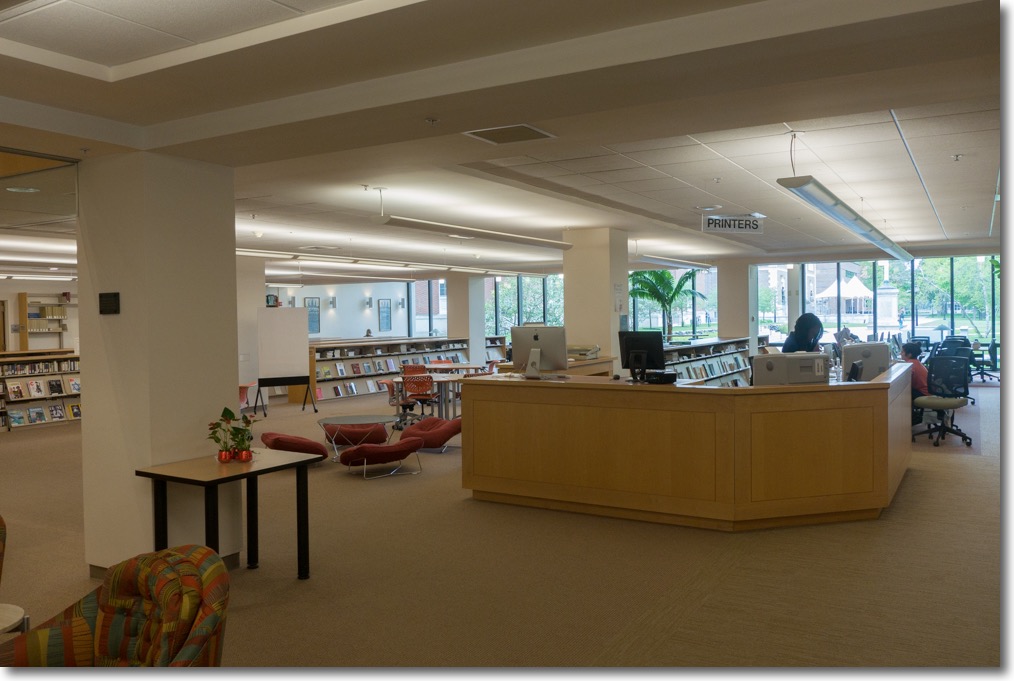
The reading room in the Hay Gallery, recently restored – right down to modern furniture – with a grant form India’s Mittal family. Mittals graduated here in ’12 and ’15. And we seek to deny their compatriots American citizenship?
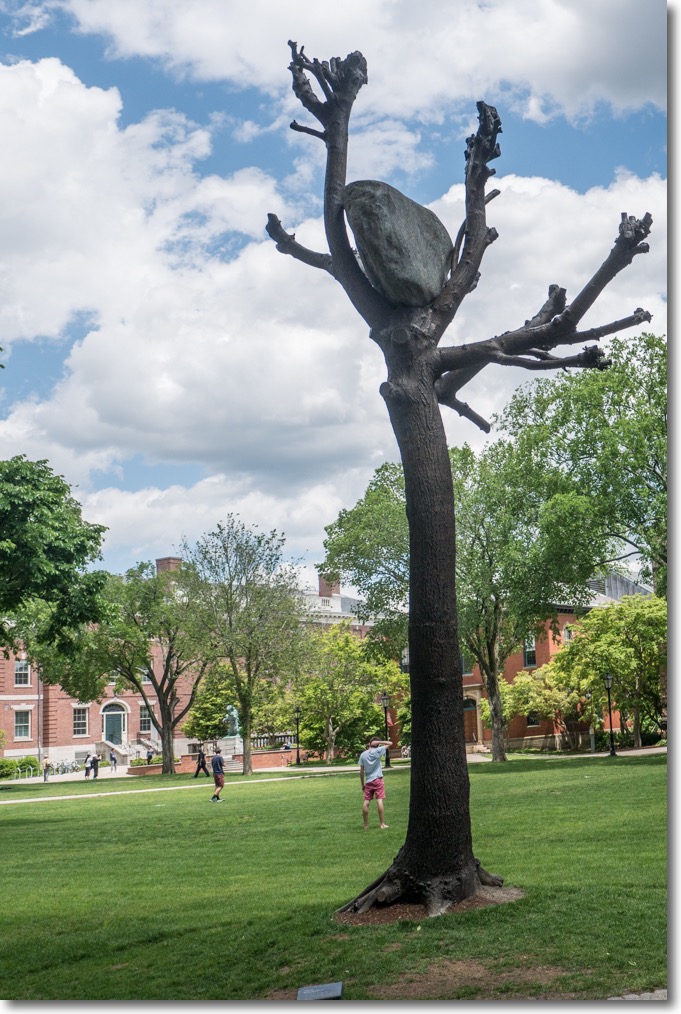

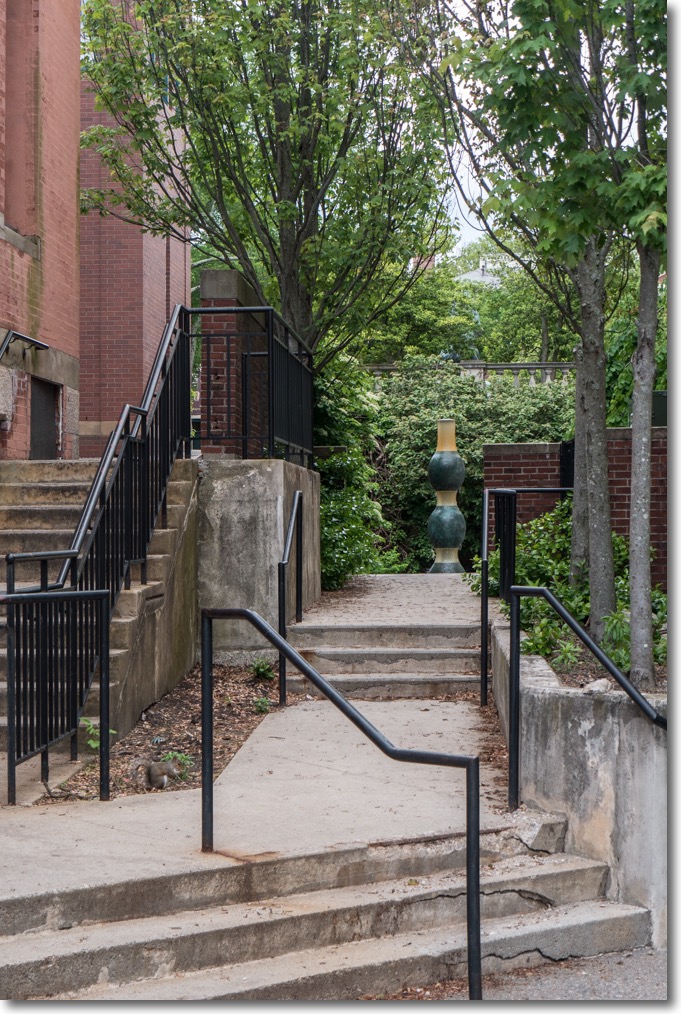
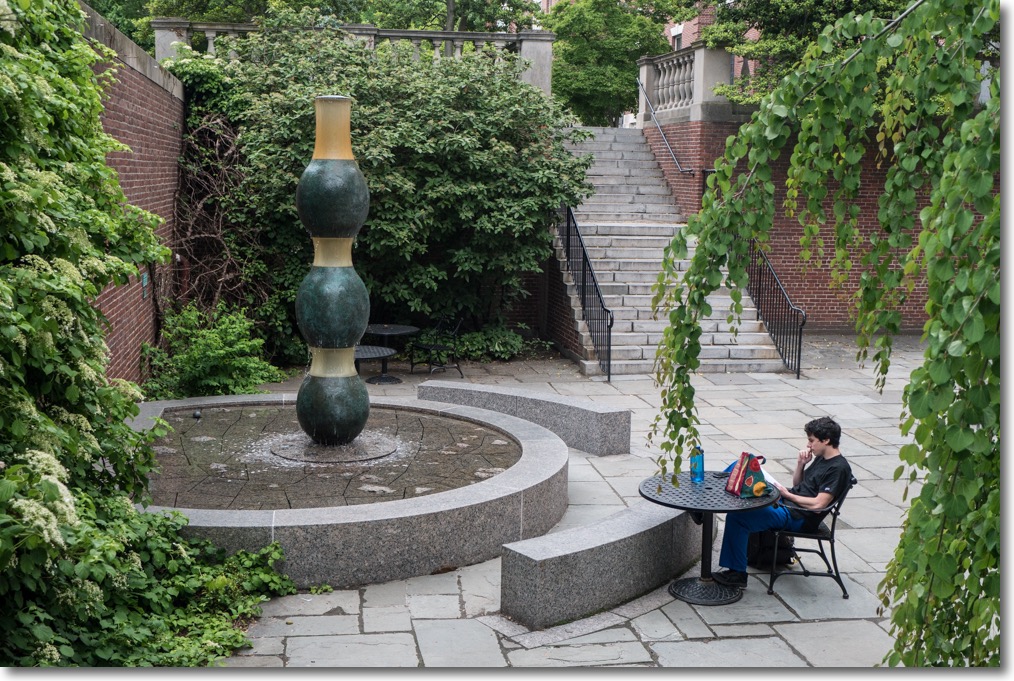
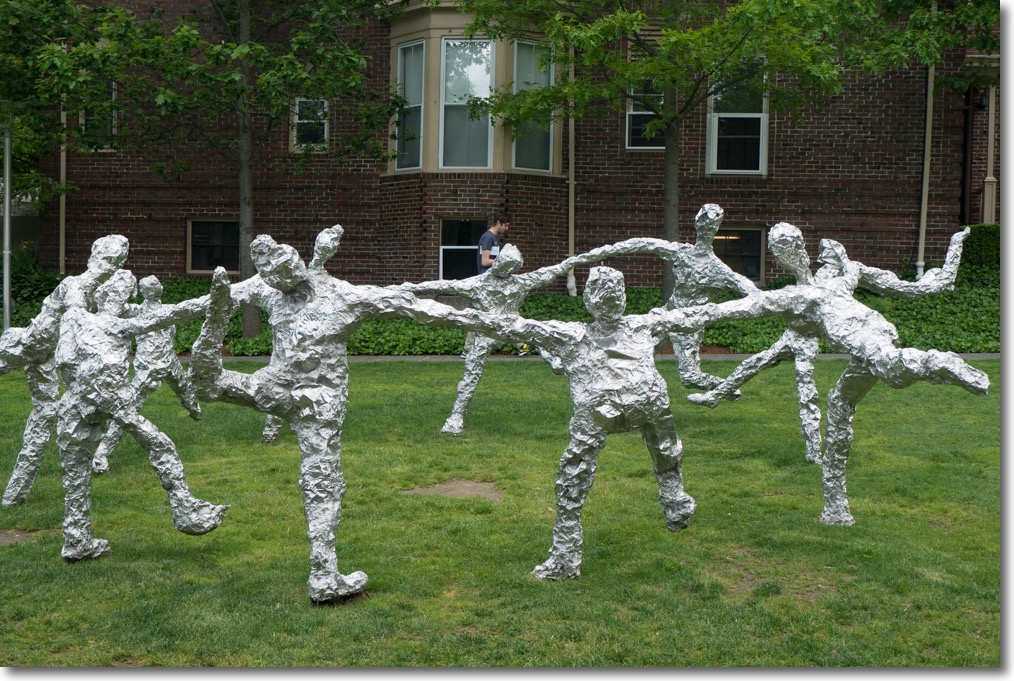
‘Idee de Pietra’ by Giuseppe Penone. High whimsy.
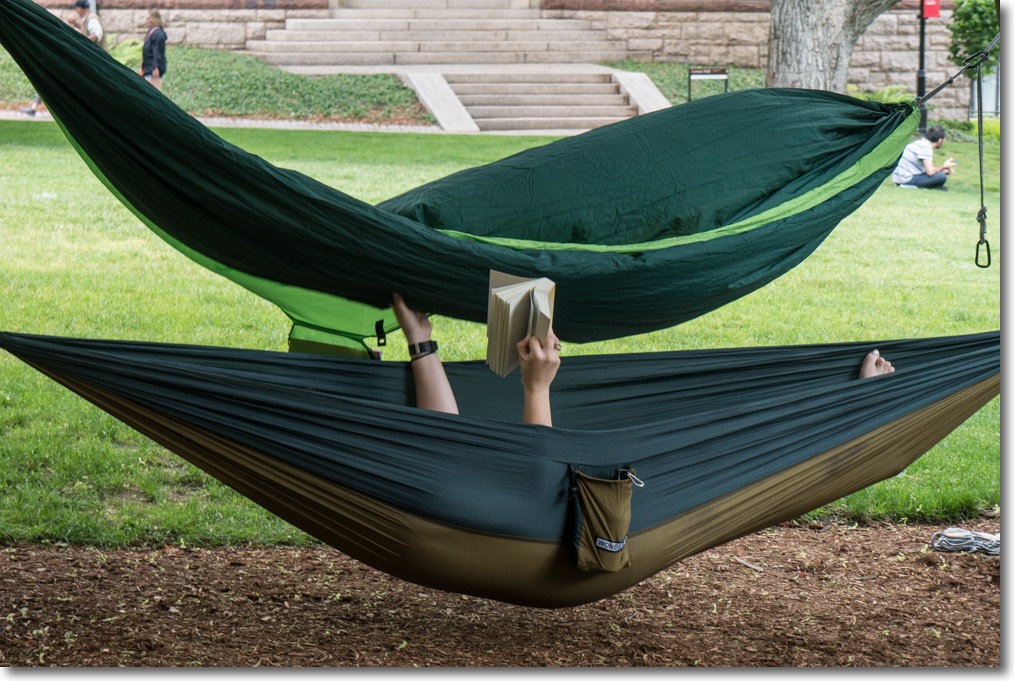

Hammock studies.
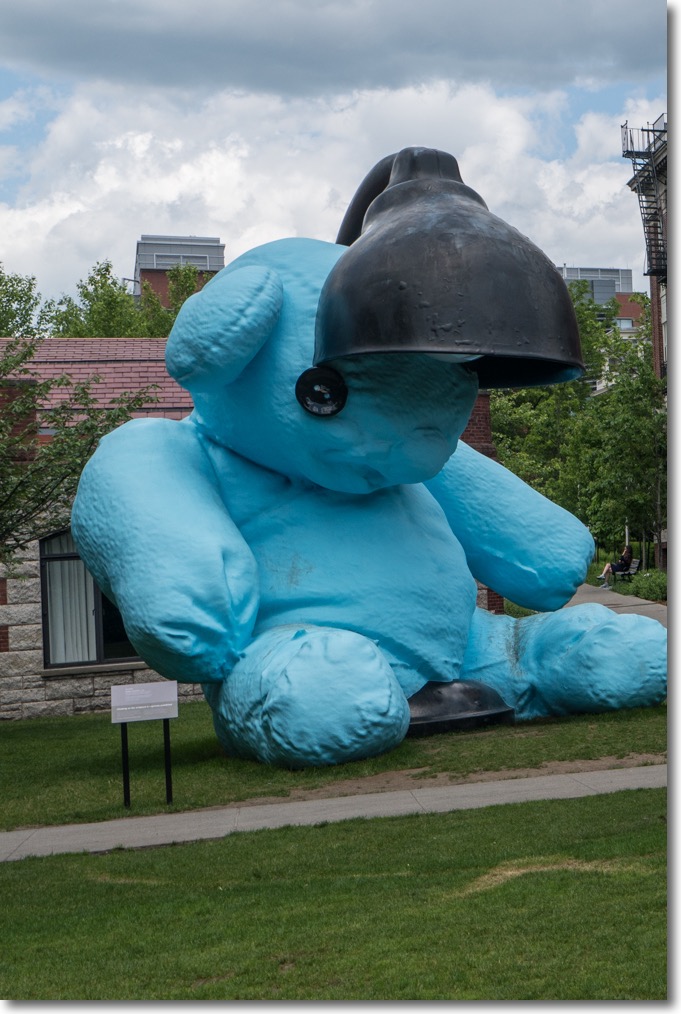

Untitled (Lamp/Bear) by Urs Fischer. Public art is everywhere on the campus grounds.
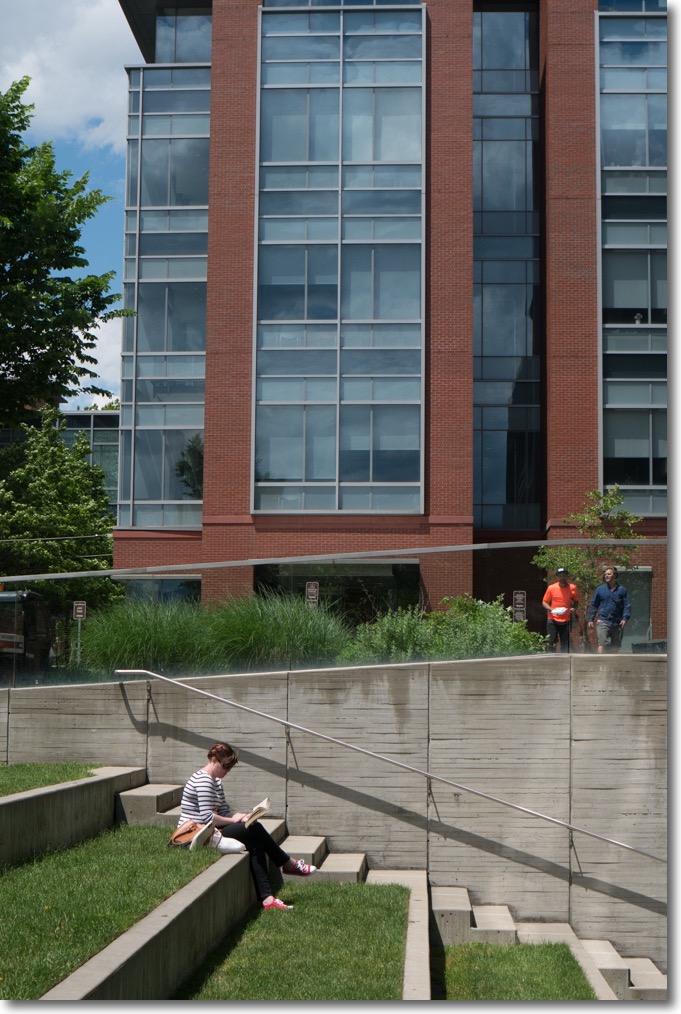

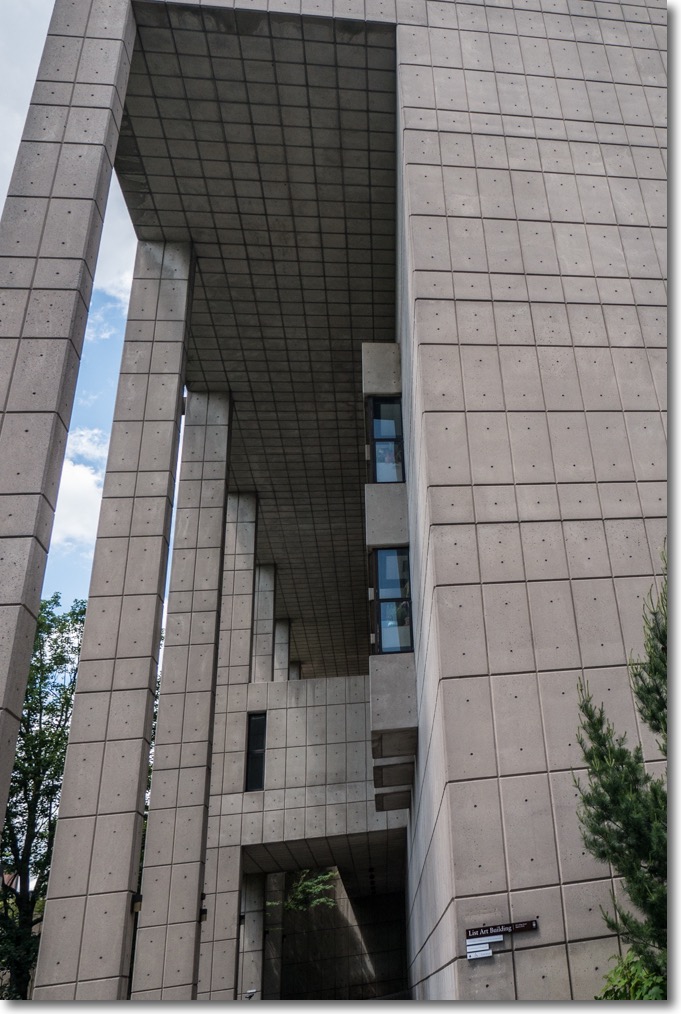
Even Brown cannot escape the obligatory ugly. This high rise gaol masquerades as the List Art building.
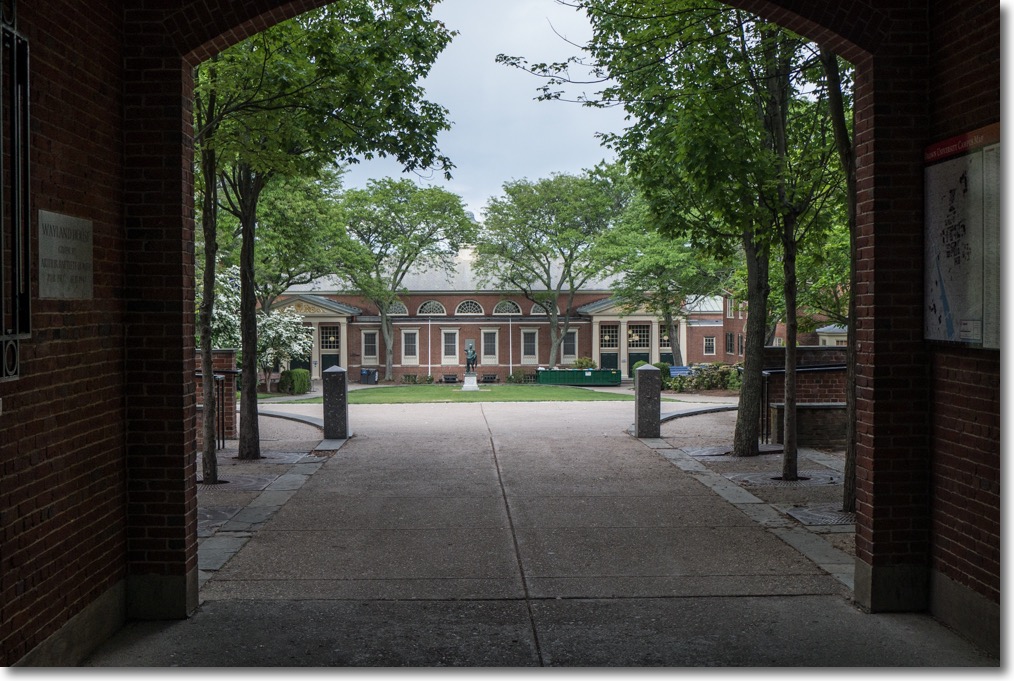

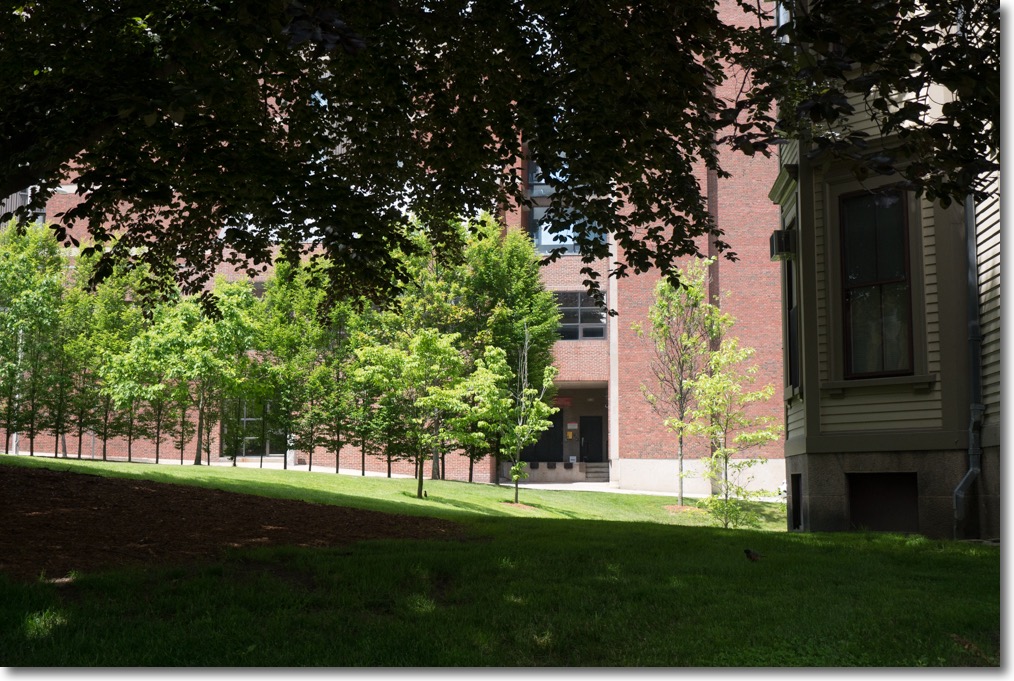
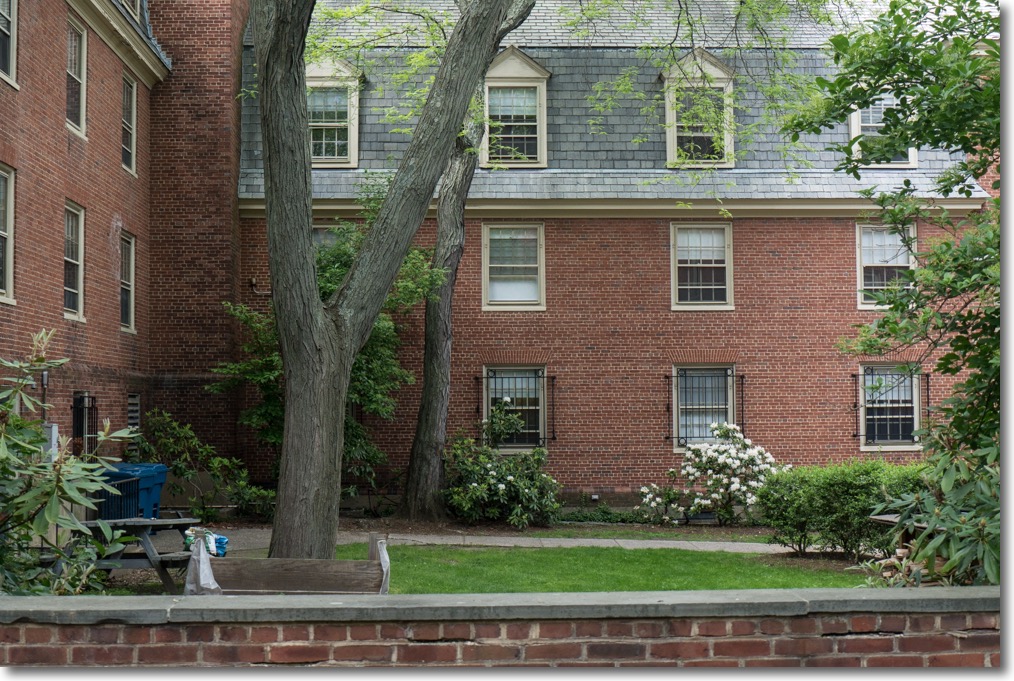
The Wriston Quad, named after a former President of the University.
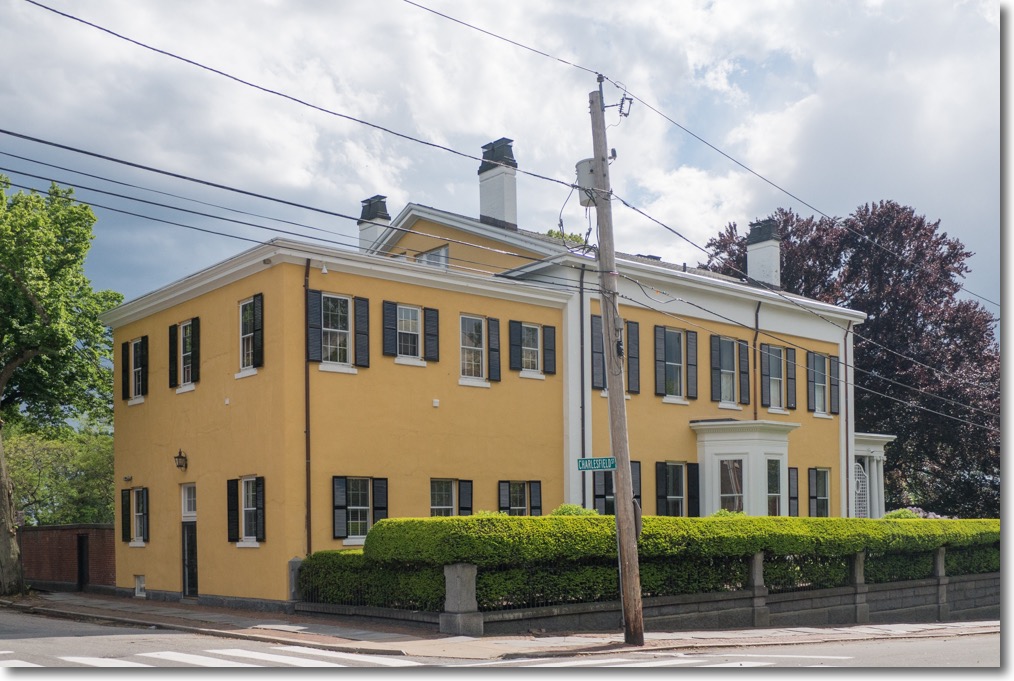

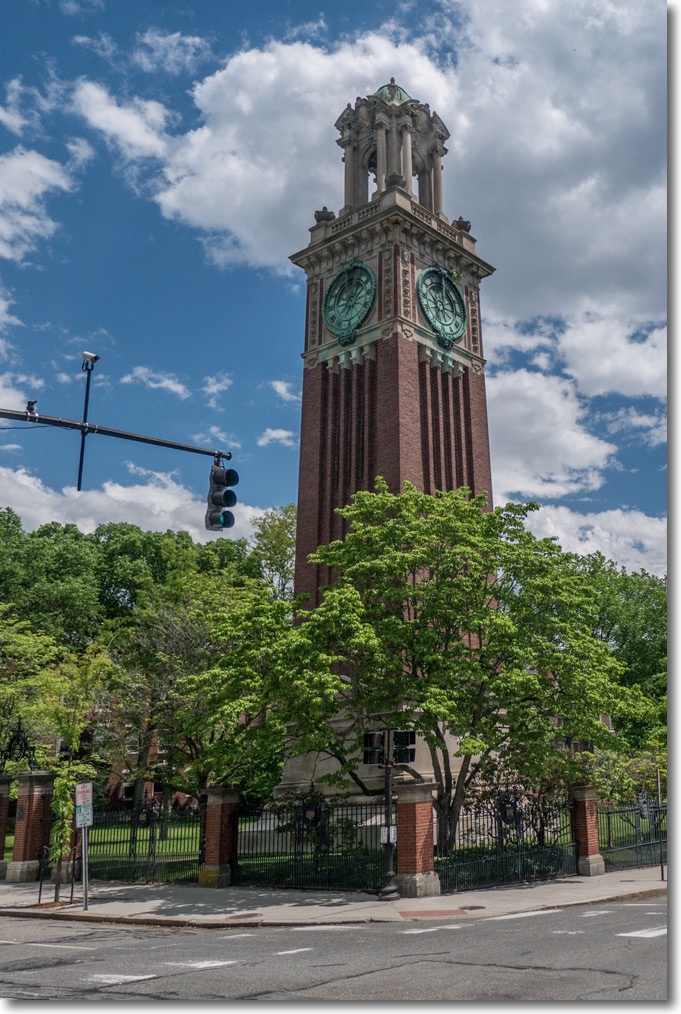
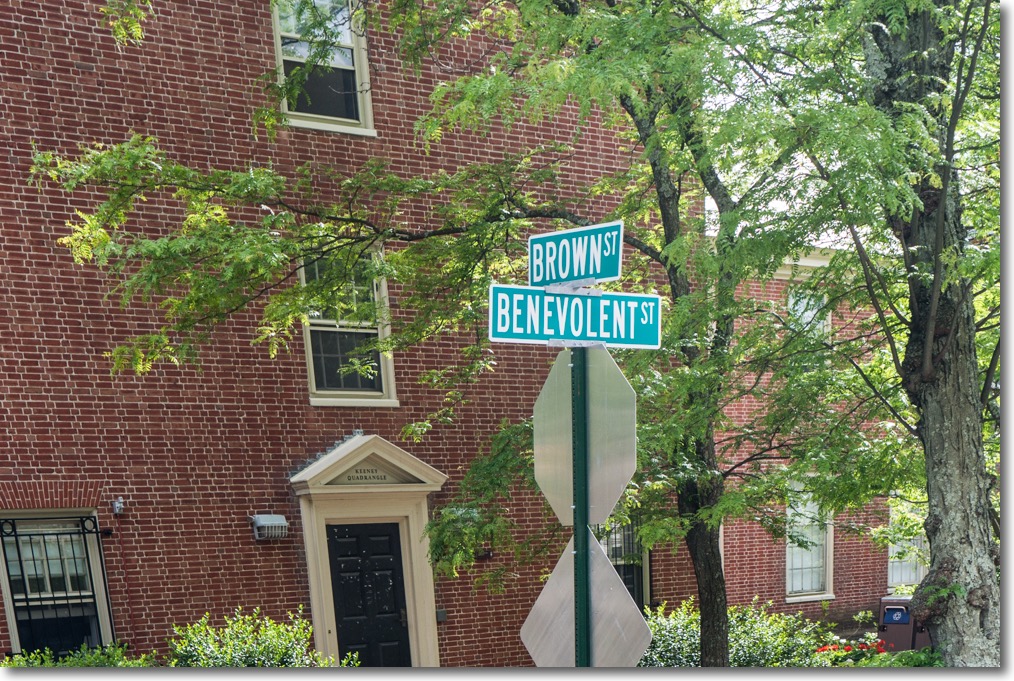
An appropriately named crossroad on which to conclude our tour.


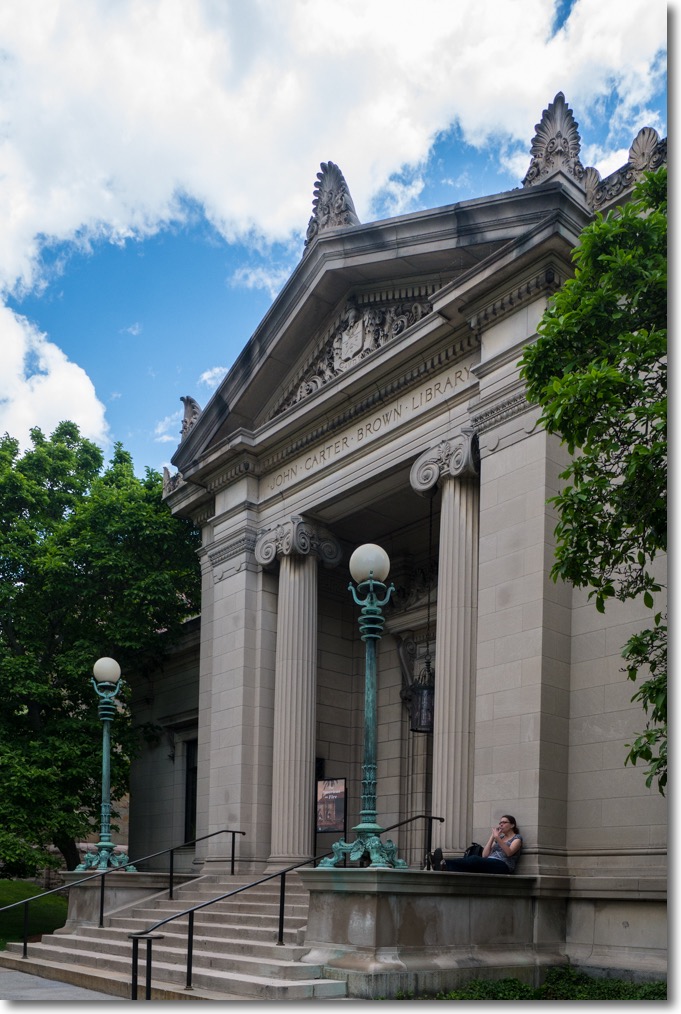
There are so many prominent alumni of Brown that it’s hard to know where to start. They include the great philanthropist John D. Rockefeller, Jr., donor of a magnificent library on the campus, Janet Yellen, the most powerful person in the world, Ted Turner, Oren B. Cheney, the founder of Bates College, George Kidd Teal, inventor of the first silicon transistor, Emma Watson, Walter/Wendy Carlos of synthesizer fame, and if that’s not enough the list of distinguished faculty members is every bit as long.
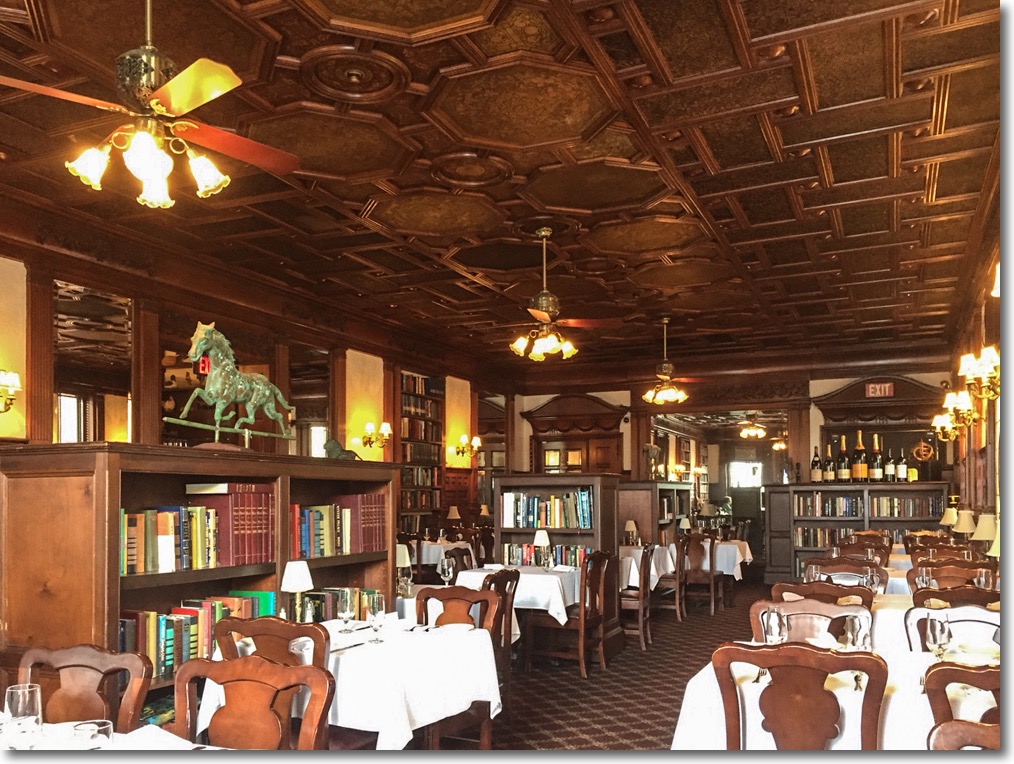
The Library, Portsmouth, NH

Craftsmanship.

The Library is a restaurant located in the Rockingham Hotel in Portsmouth, New Hampshire.


The Langdon dining room.

My son and I enjoyed a splendid lunch here. It’s a haven of tranquility and even the tab is presented inserted in a book – ours came in a Danielle Steel, so make of that what you will!

The Hotel itself was the site of the negotiation of the 1905 Russian-Japanese Peace Treaty whose successful conclusion earned Teddy Roosevelt the Nobel Peace Prize, a far better use of his time than shooting wild game.

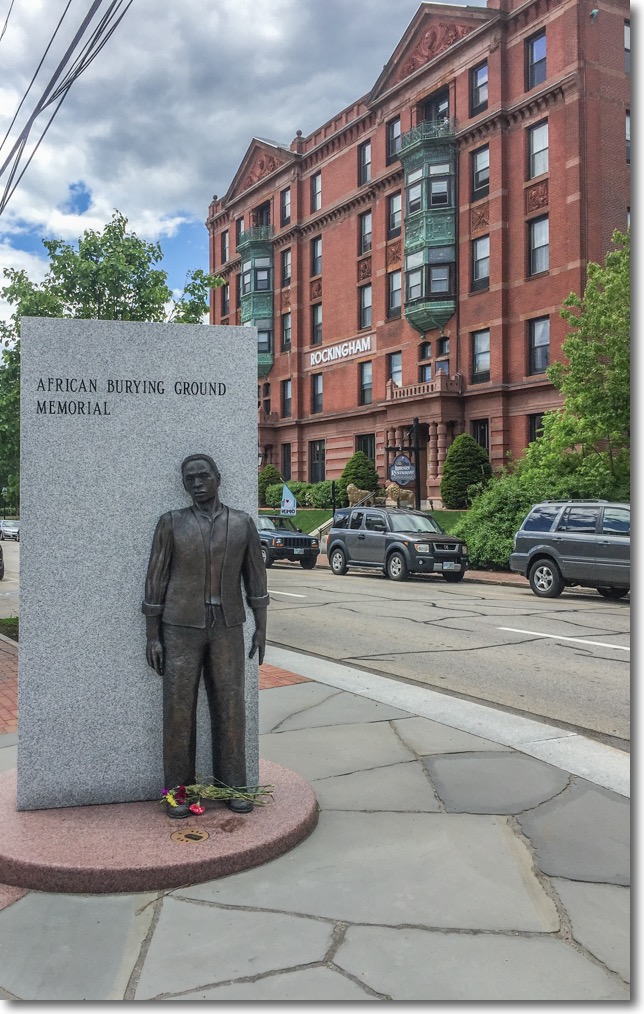
Here’s the Hotel from across the road with the African Burying Ground Memorial in the foreground:

iPhone6 snaps.

Bates College

A jewel in Lewiston, Maine.

For an alphabetical index of the New England College series of pieces, click here.

While the old mill town of Lewiston appears to be successfully gentrifying, its ‘dark, satanic mills’ being converted to businesses, restaurants and quality housing, no such excuse need be made for Bates College, a true jewel. The campus is gorgeous, and Lewiston happens to be one of the safest cities in the United States.

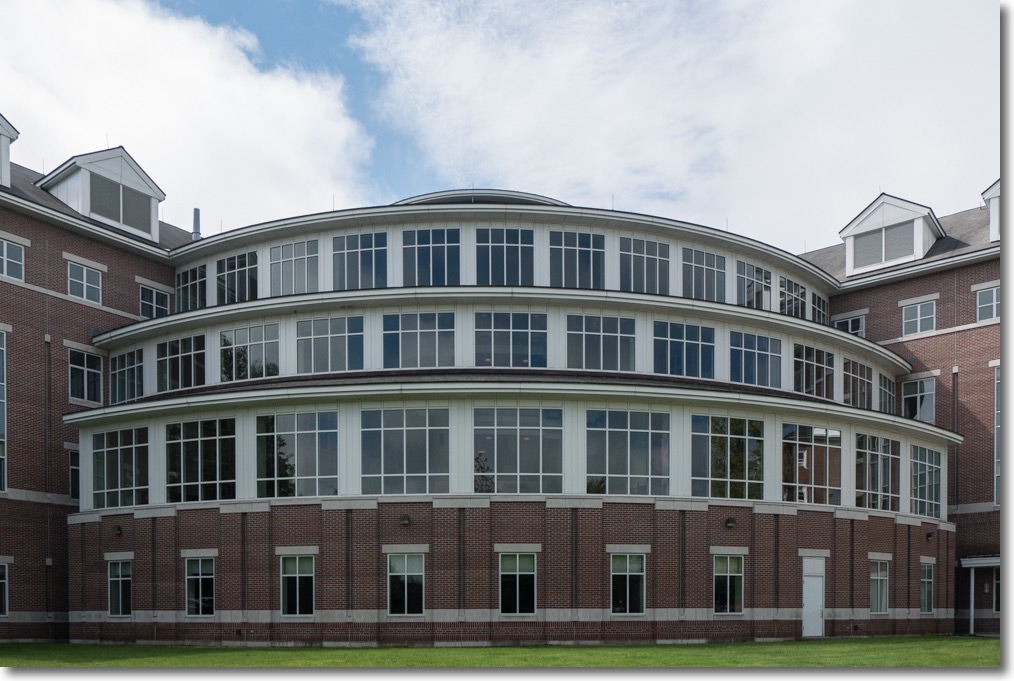
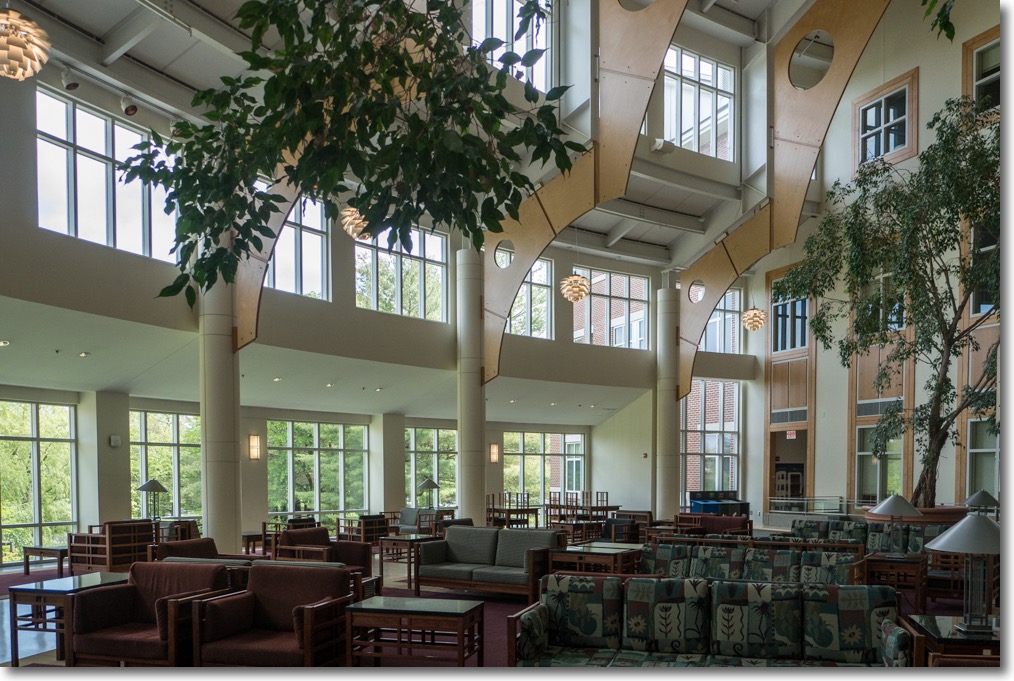
On the small side as US campuses go with but 1,800 undergraduates, and dating from 1855, Bates spans 133 acres on the Lewiston campus, and manages to be much of a muchness. Everything is where you want it and it is the second school we have visited where not a single building is out of place, regardless of age. Indeed, one of the most recent, Pettengill Hall, is one of the best, with a magnificent sweep of bay windows and the high Perry Atrium inside making for a special place to meet, to learn and to think.

A dear friend who graduated here – and also met his future spouse on campus – writes:


Without naming names, I can guiltlessly disclose this long held secret!

Bates is accused of being the costliest private school but the distinction is meaningless. These New England private colleges do not compete on price, having no need to do so in an environment of massively excess demand. So the Bates ‘premium’ is but pennies on a comparative basis. If Bates has a challenge it is to increase its endowment where, on a dollars per student basis, it’s at the low end of the range. Let’s hope its modest premium allows this to be done.


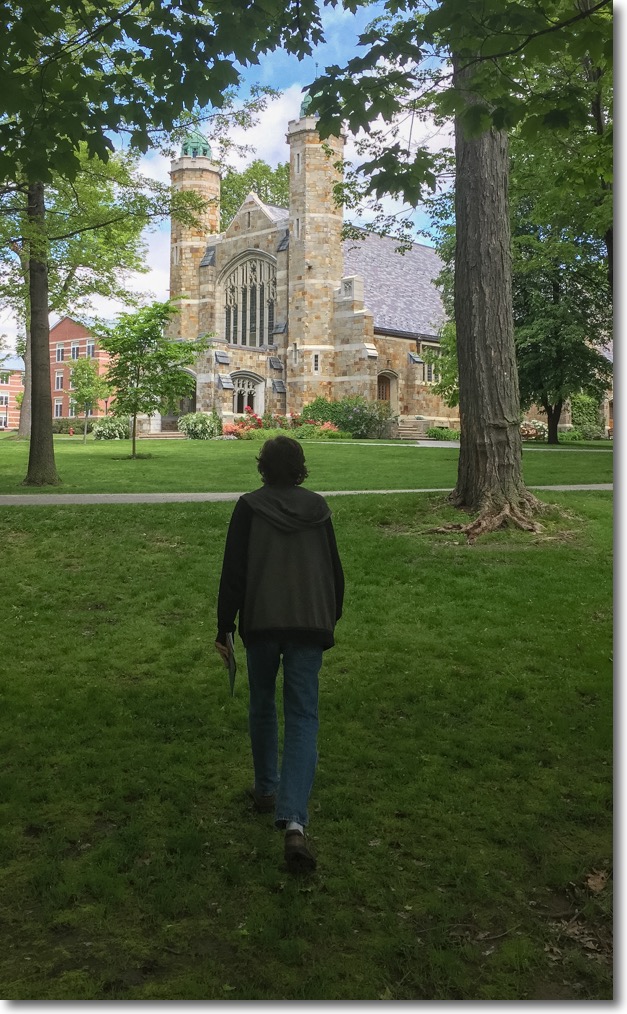
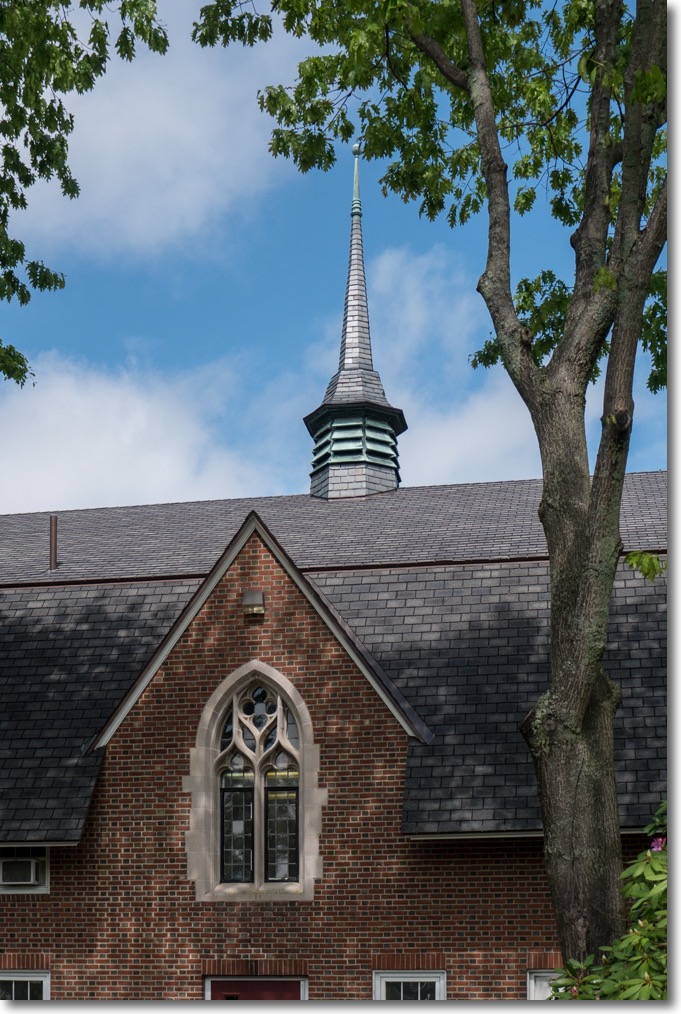
Winston approaches the Gomes Chapel, modeled on King’s College Chapel, Cambridge.


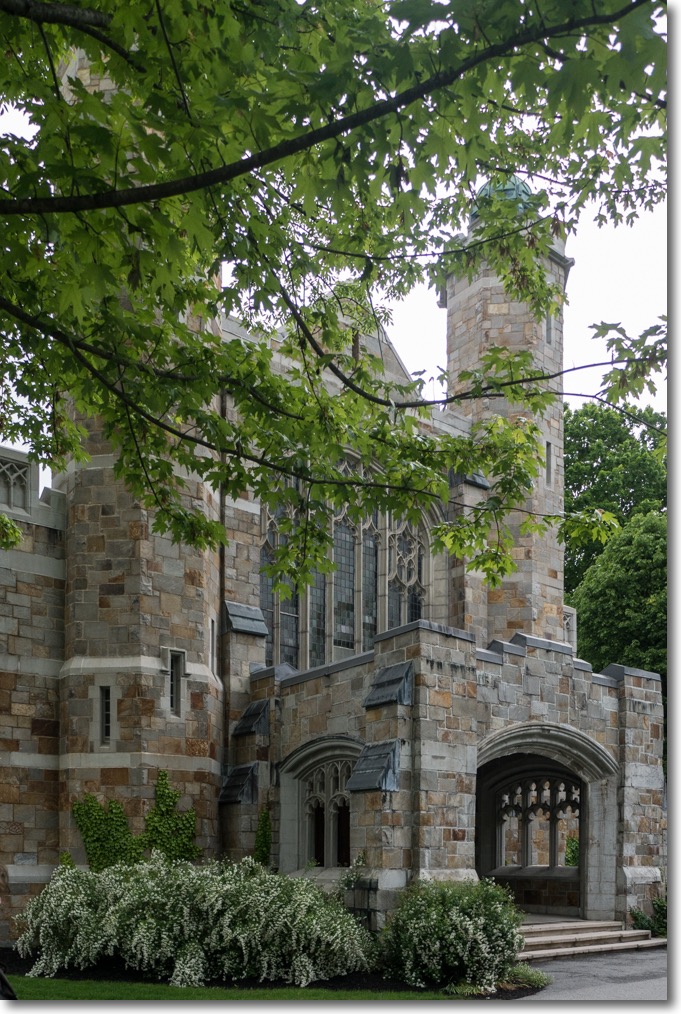
The Gomes Chapel.

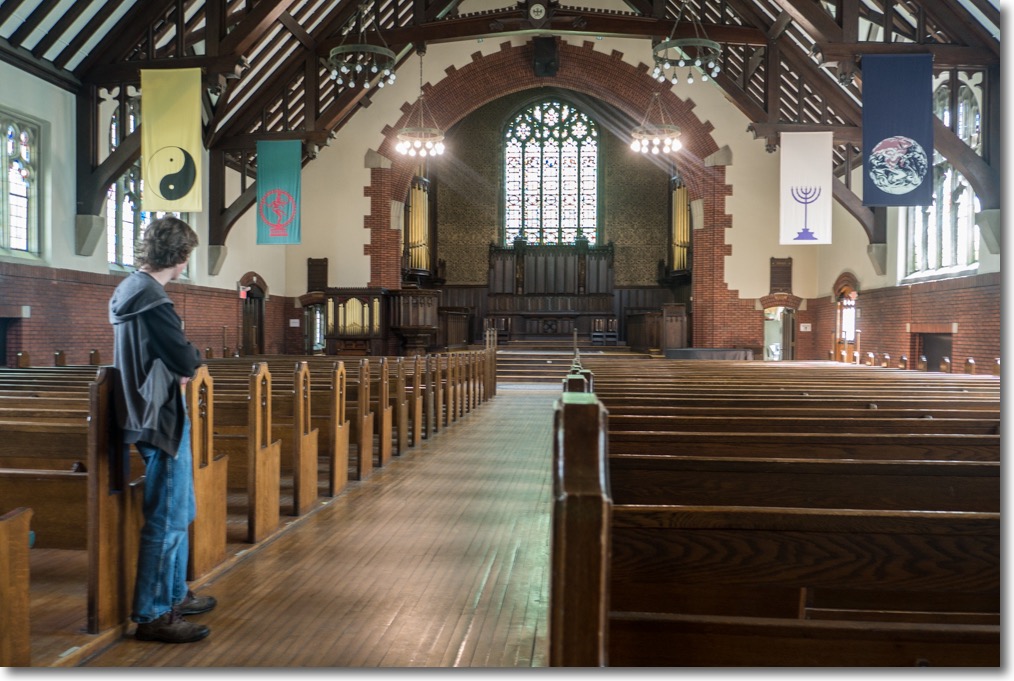
Inside the Chapel.
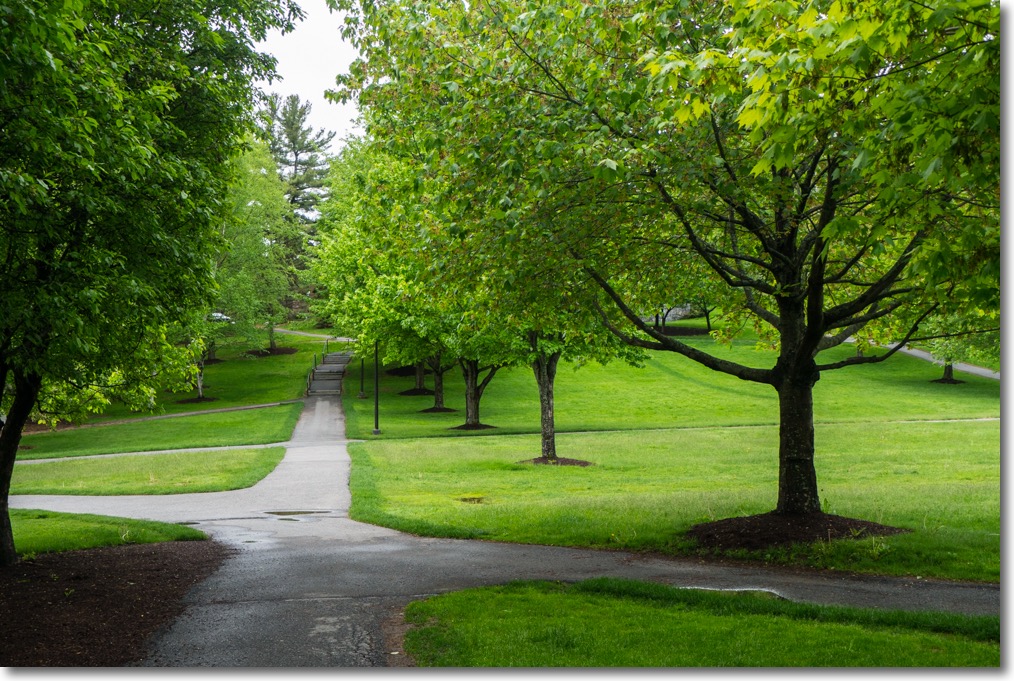

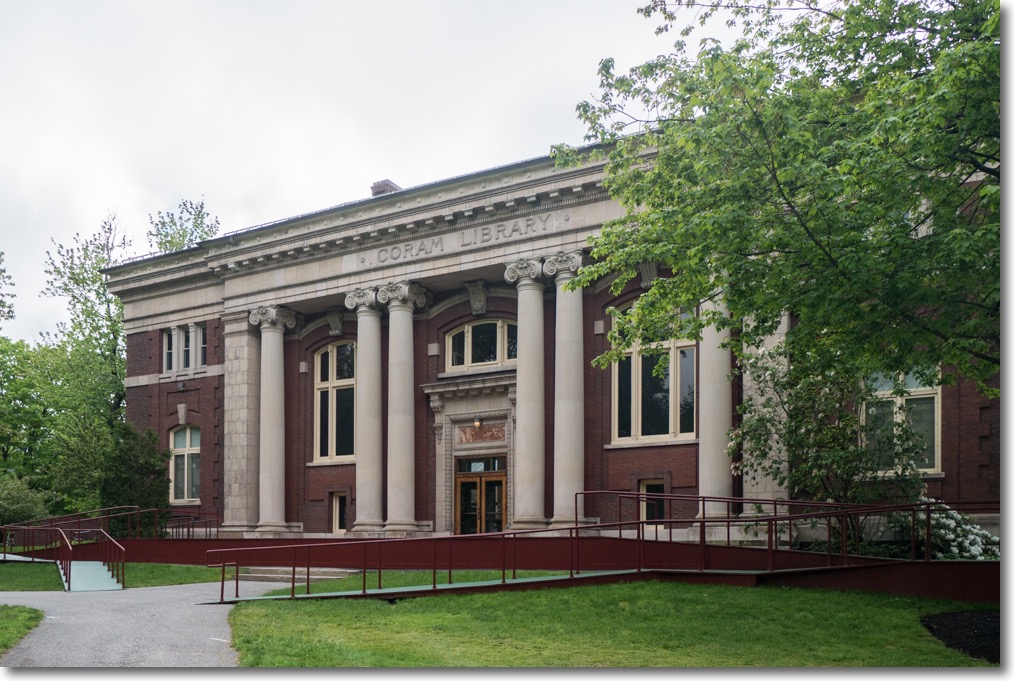
The Coram Library.


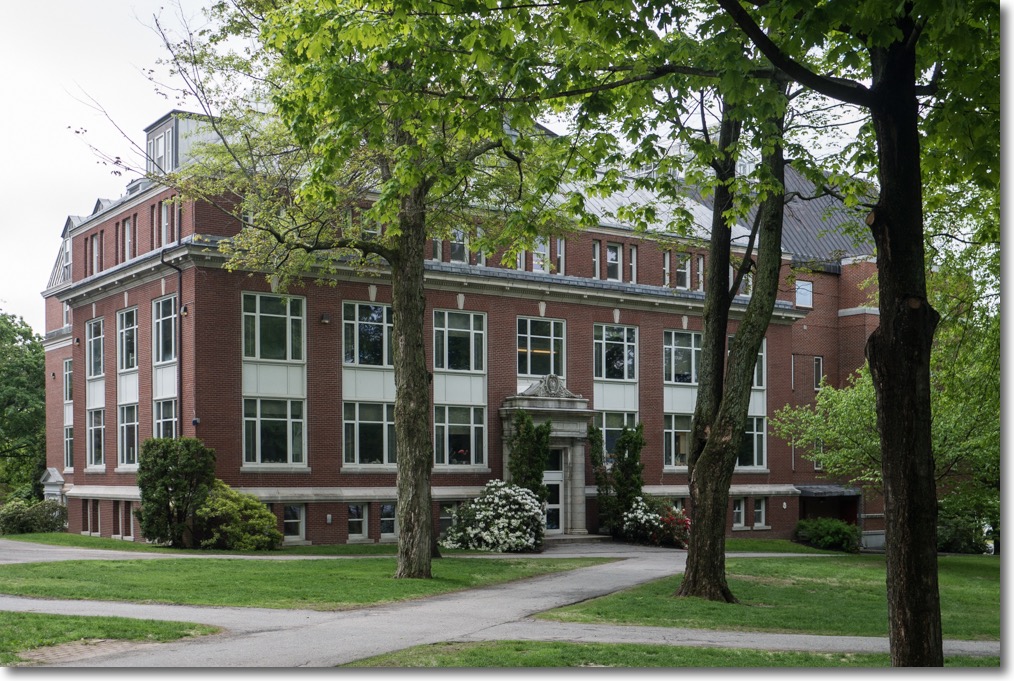
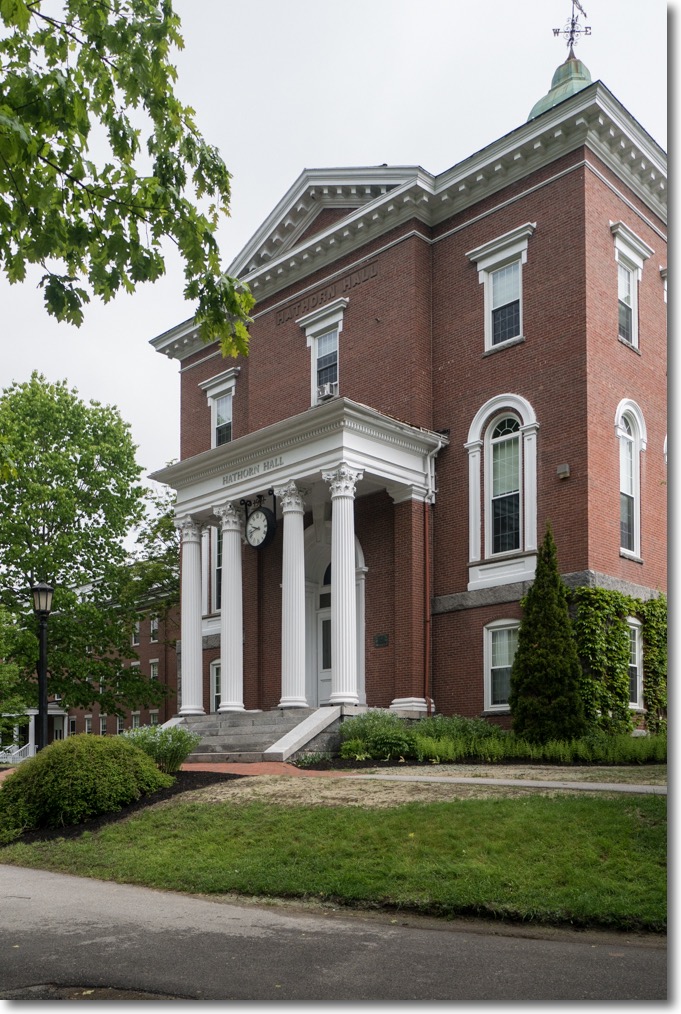
Hathorn Hall is the oldest academic building, dating from 1856.


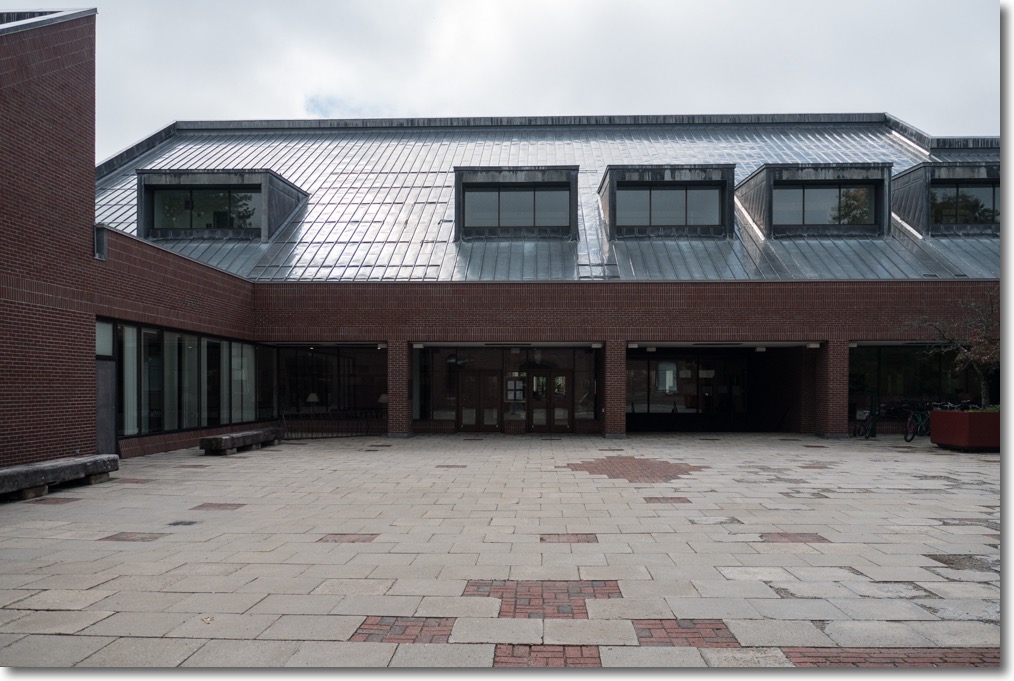
The George and Helen Ladd Library. Modern, yet nicely integrated.


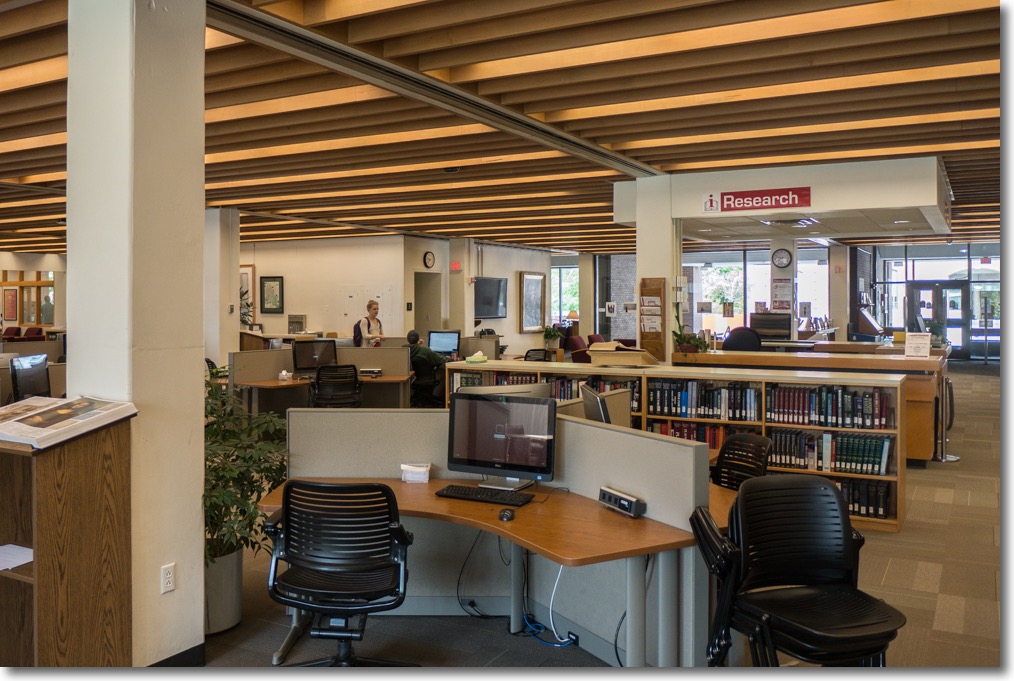
Inside the Ladd Library.


The magnificent sweep of the north facing bay windows of Pettengill Hall, dating from 1999. Proof positive that ‘modern’ need not be ugly.


The Perry Atrium inside Pettengill Hall. The wooden flying buttresses support the domed ceiling.
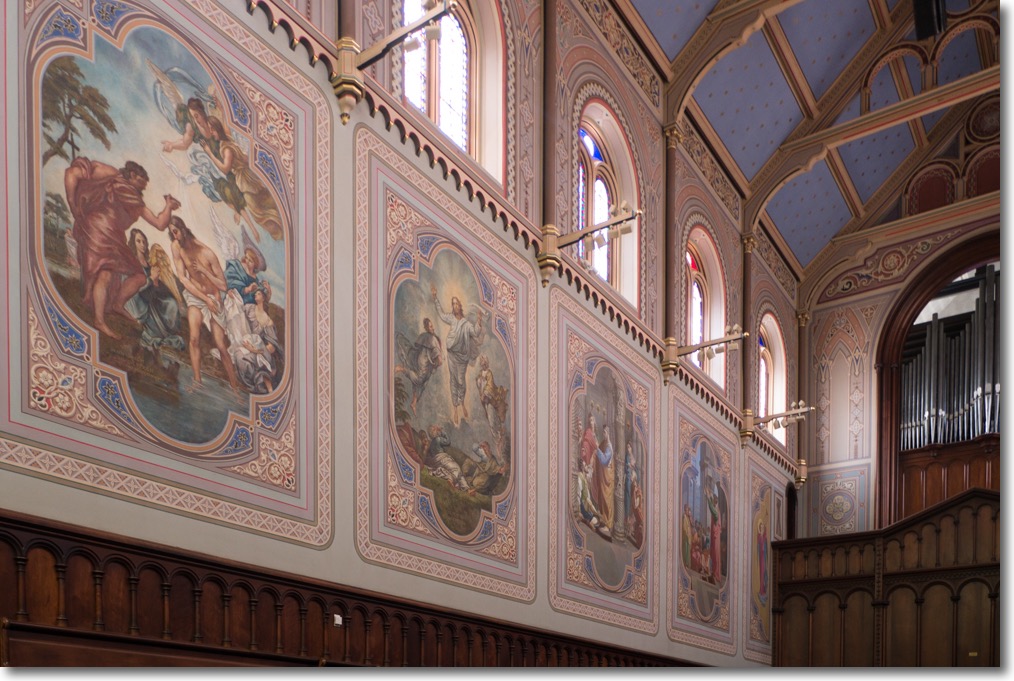
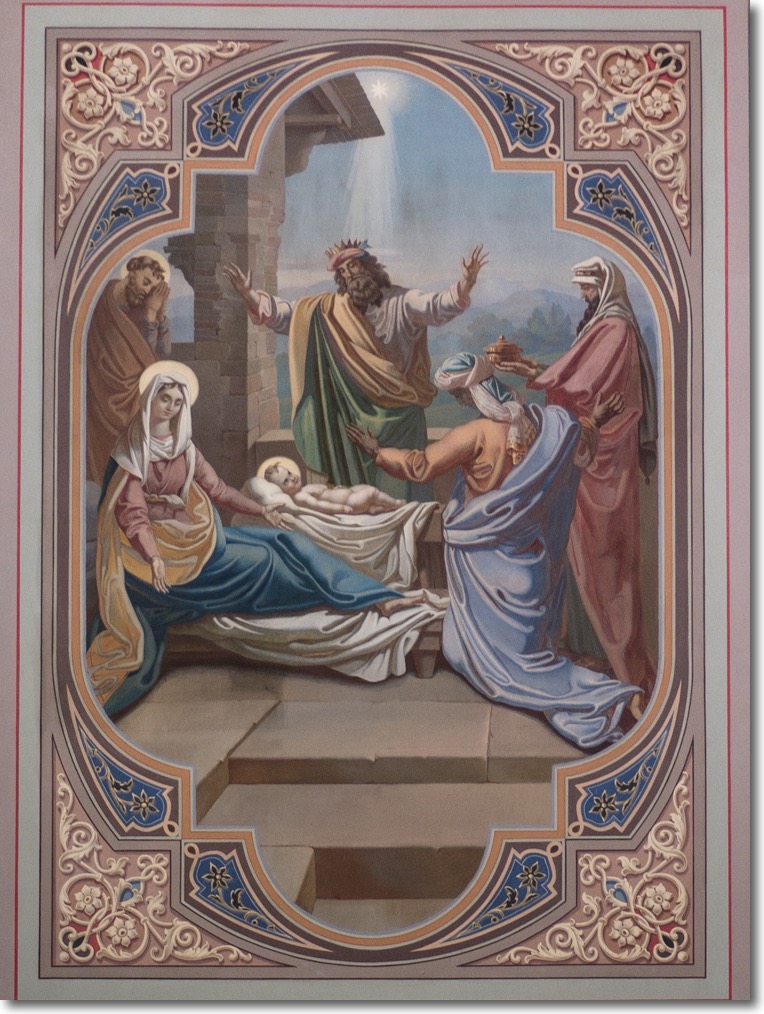

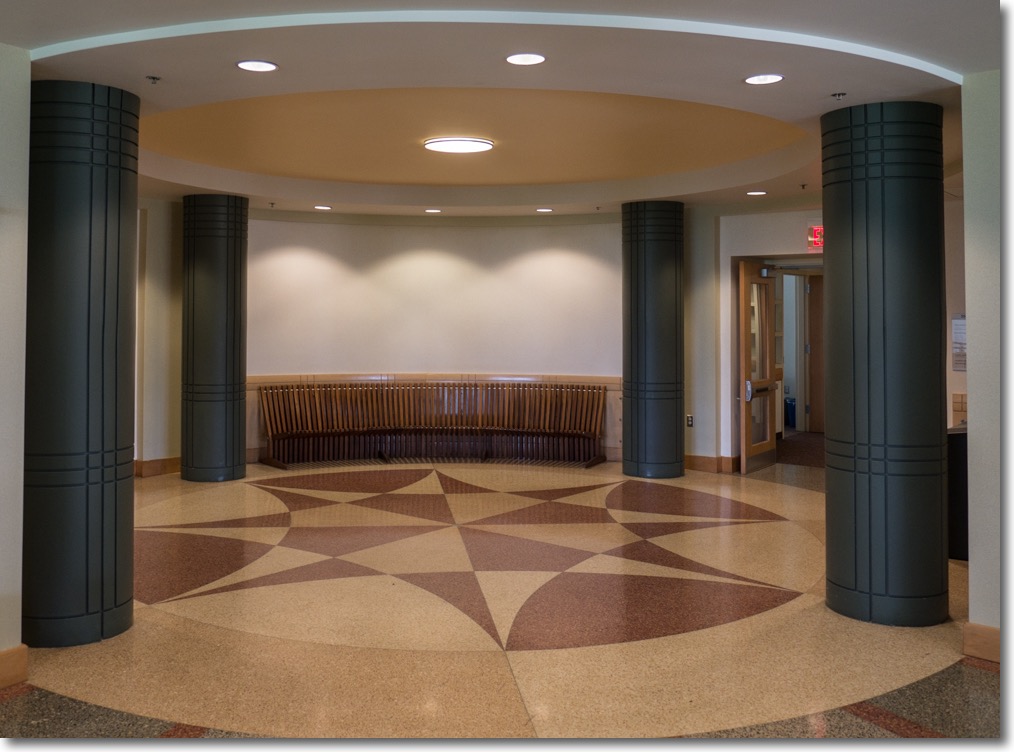
A high aesthetic inside Pettengill Hall. No improving on this. Economics, a Bates specialty, is one of the subjects taught here.


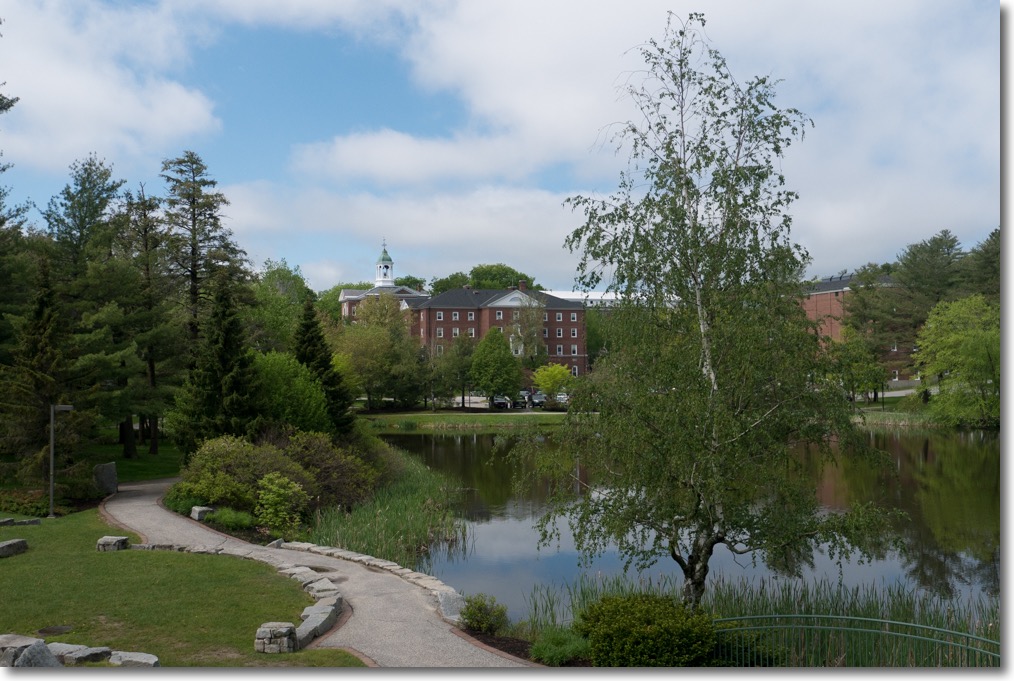
Lake Andrews provides scenic beauty.


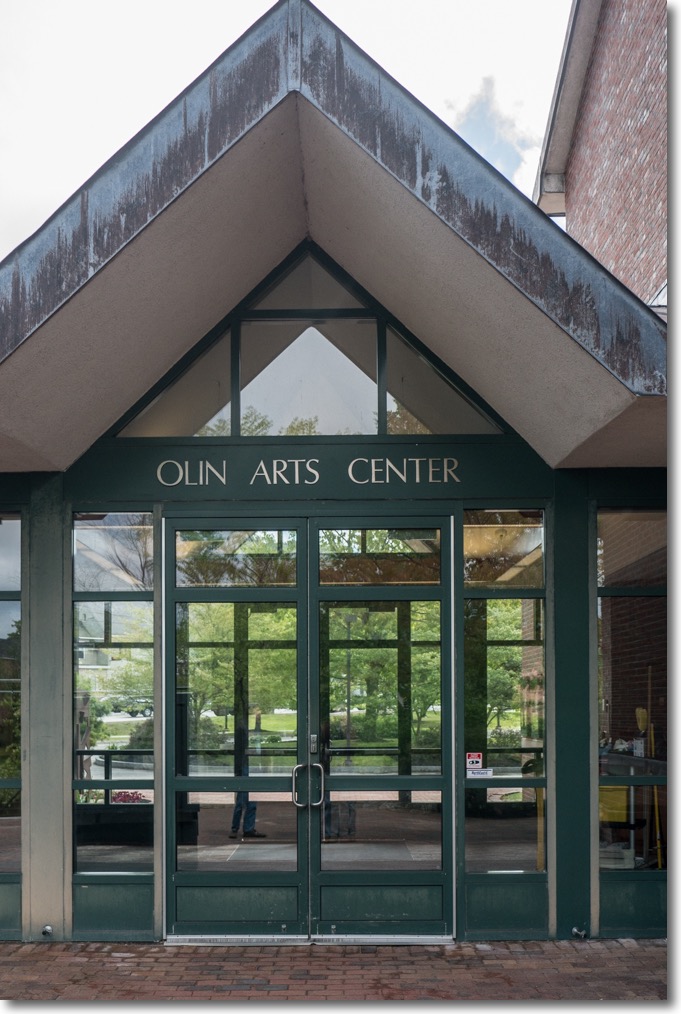
Yet another Olin building. Under renovation during our visit.


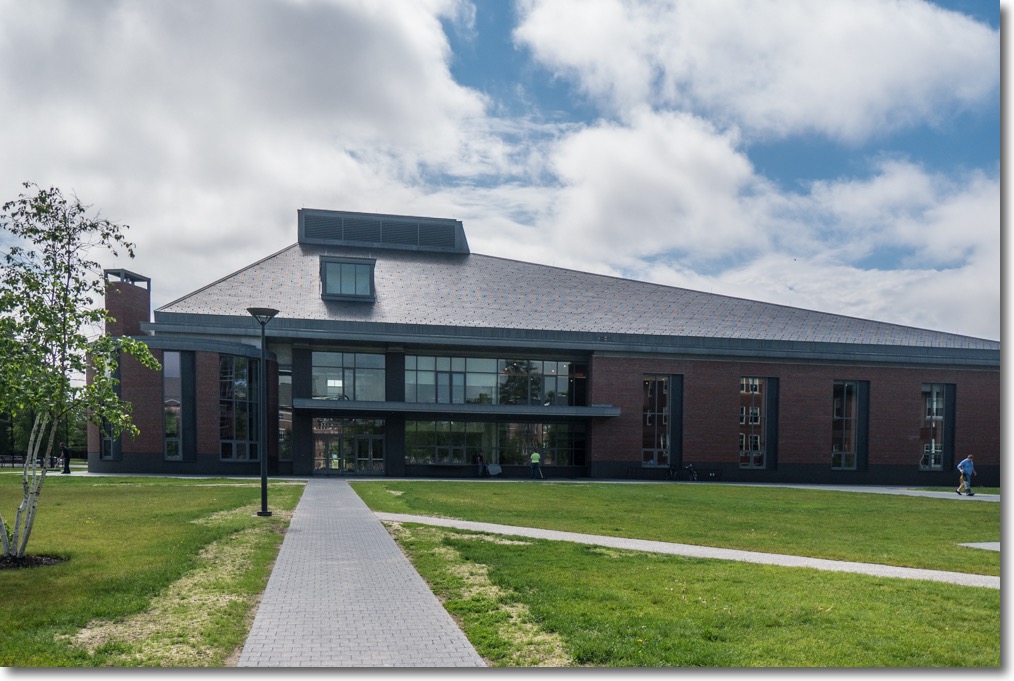
The Dining Hall. Another example of a newer building well integrated into the College’s whole.


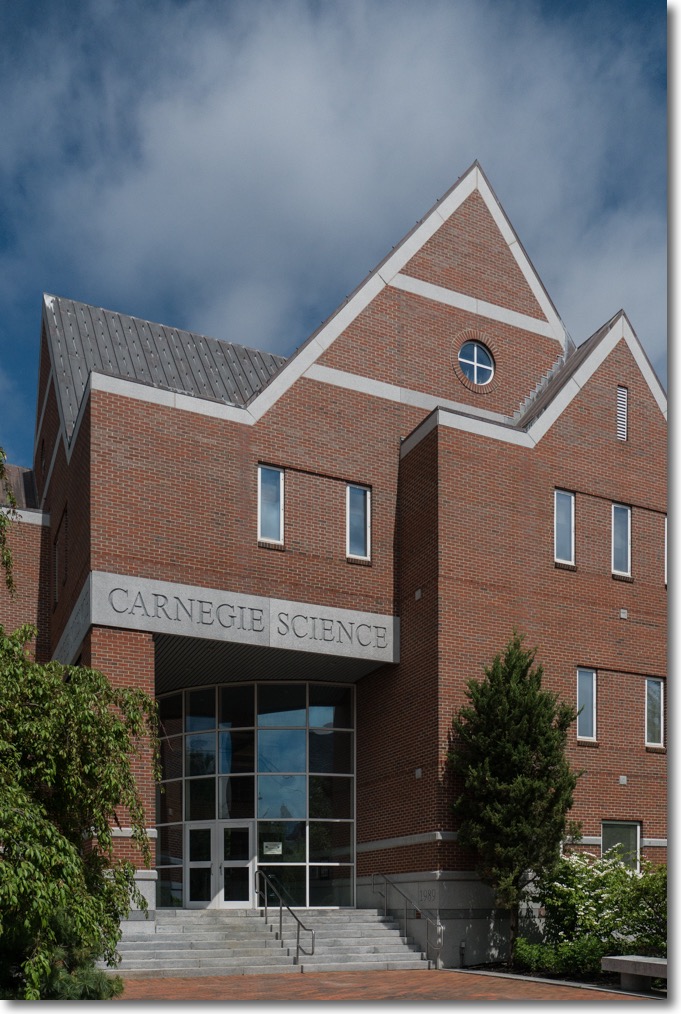
The Carnegie Science Center.

Bates alumni include Bryant Gumbel, Robert F. Kennedy, the architects Buckminster Fuller and Minoru Yamasaki, Doris Kearns Goodwin, Dean Kamen the great engineer and inventor, George Mitchell, Jan Masaryk, Edmund Muskie and Olympia Snowe.

Colby College

Verdant yet flawed.

For an alphabetical index of the New England College series of pieces, click here.

Founded in 1813, Colby College is home to 1,800 undergraduates and encompasses 714 acres in central Maine, some 50 miles north of Lewiston-Auburn. The school has a strong liberal arts tradition and is in excellent repair throughout.

Our visit here was a mixed bag for while the college has a vibrantly verdant setting there is no sense of a cohesive whole that is to be found in other schools. Frankly, much of this impression is based on the architecture, frequently shockingly bad and the use of the main building as a library is a very poorly done conversion. Most books were shipped offsite and the awful low ceilings quite destroy the interior in contrast to the superb exterior.


A verdant setting.


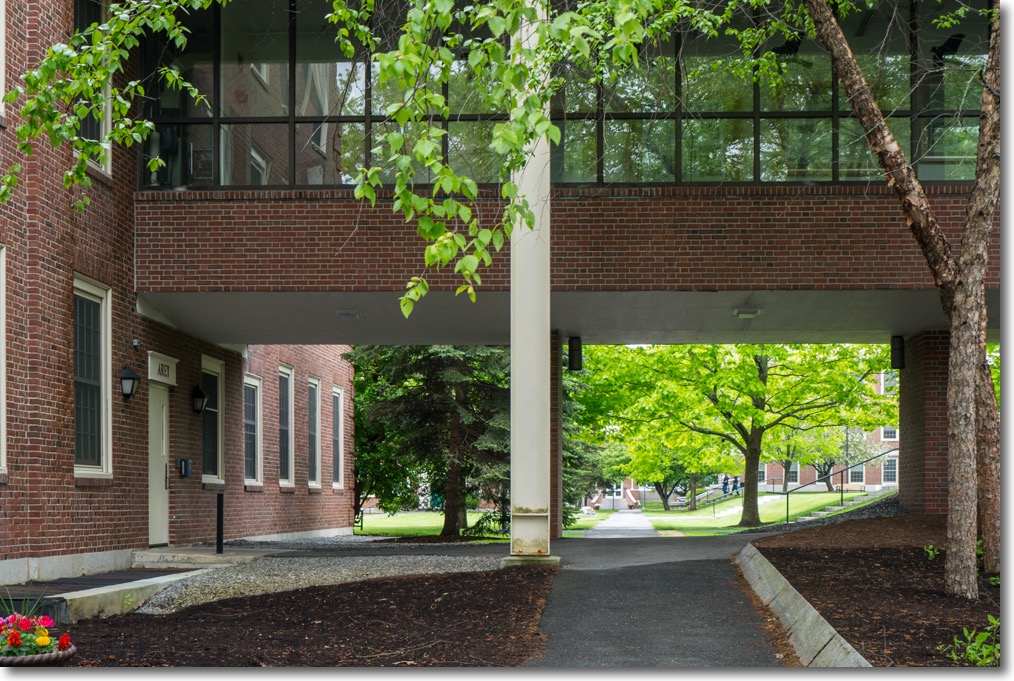
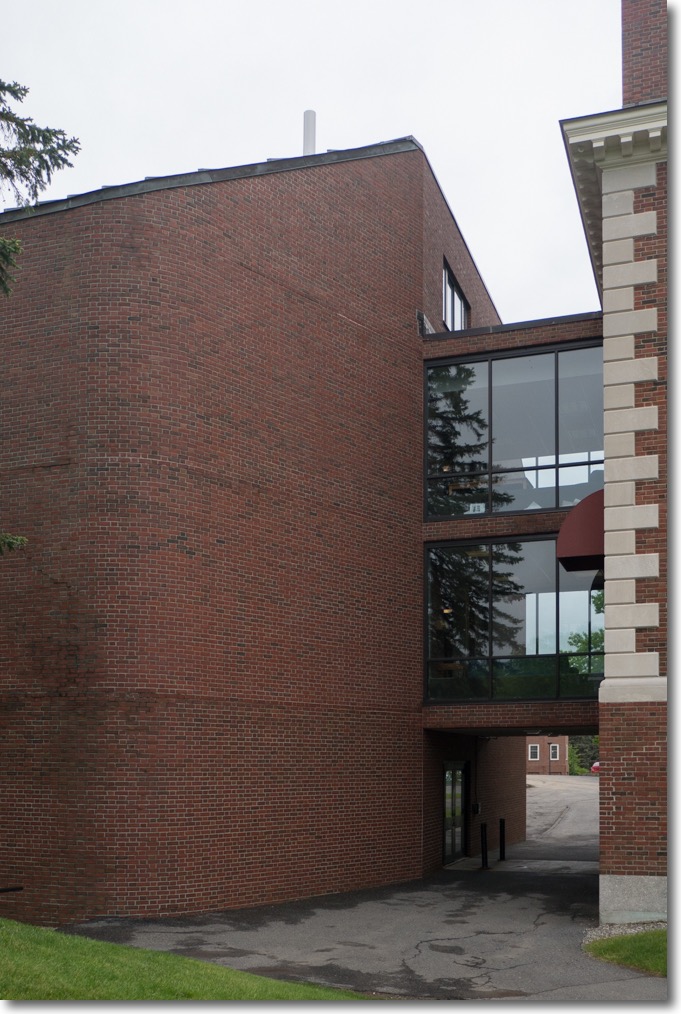
Poor architecture.


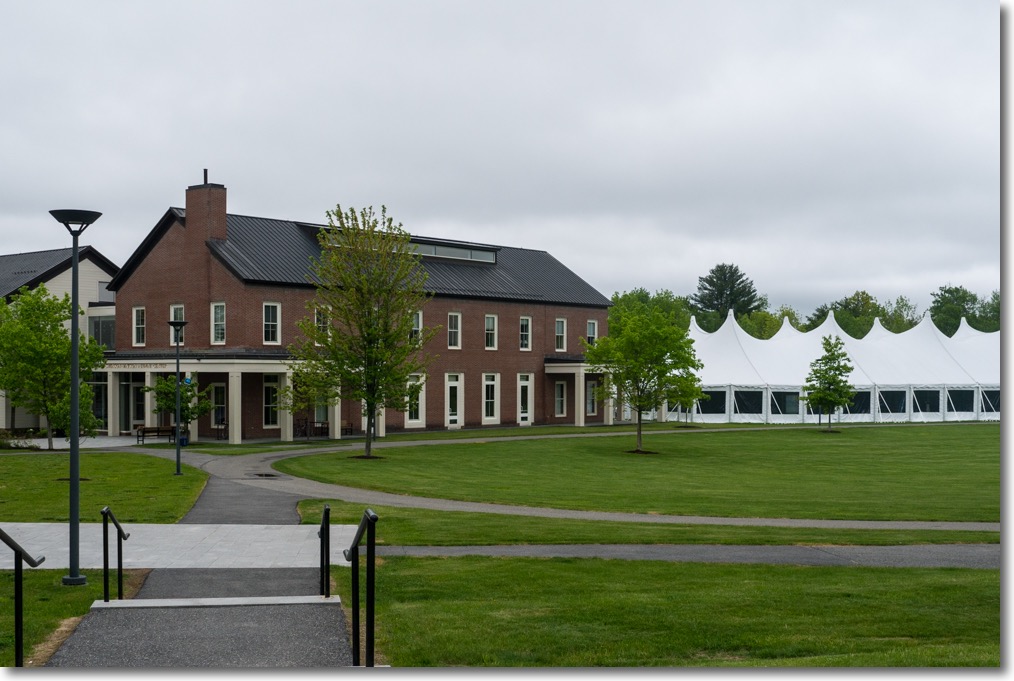
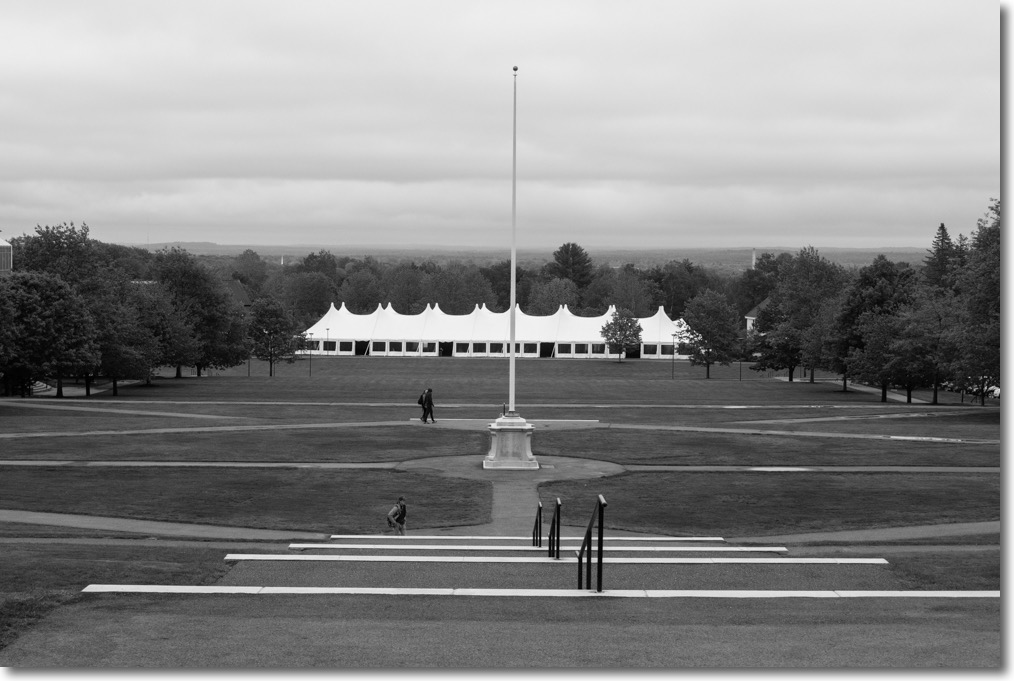
Farmhouse brick style does not cut it; tent remains from the past weekend’s graduation ceremonies.


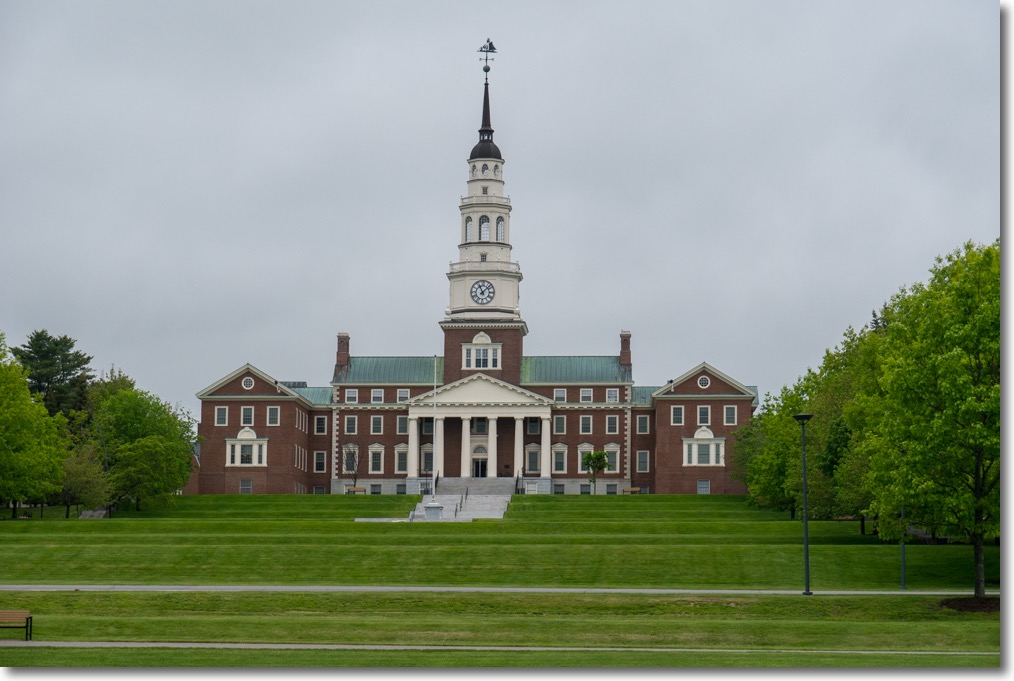
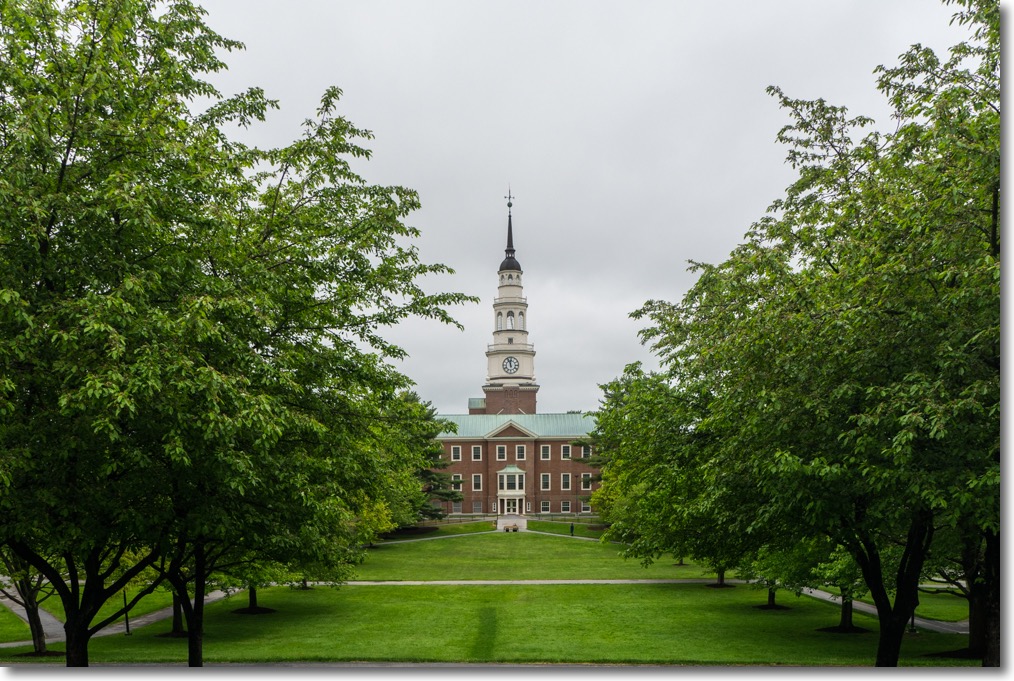
Not even the poor weather obscures the beauty of the Miller Library ….


…. yet the interior with its low ceilings and chintzy furniture could hardly be worse.


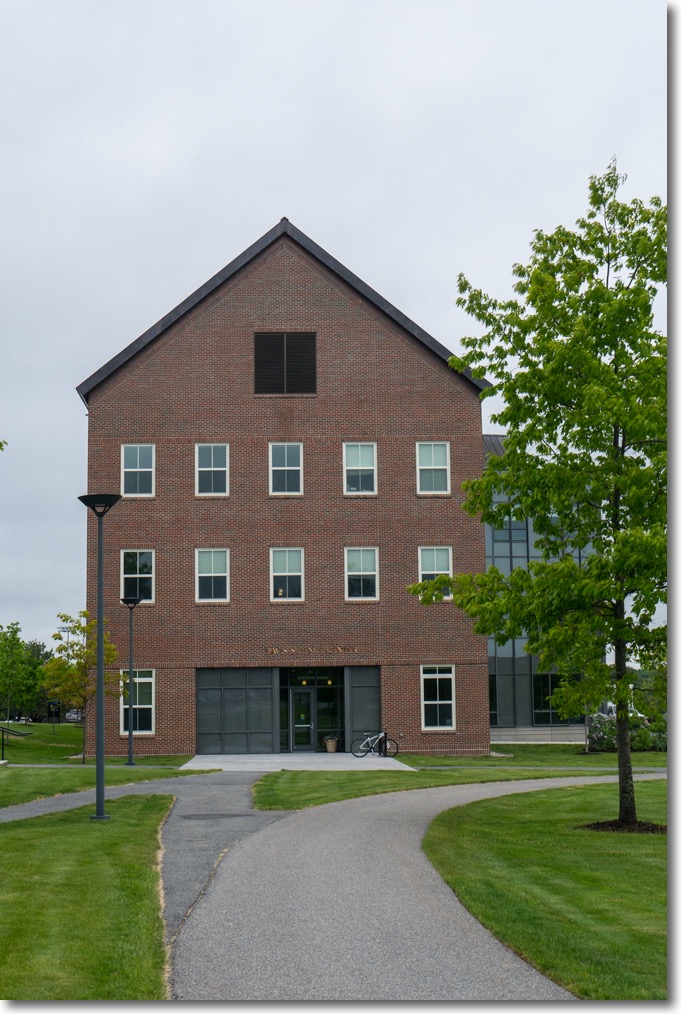
More farmhouse architecture. These people cannot even get bricks right ….


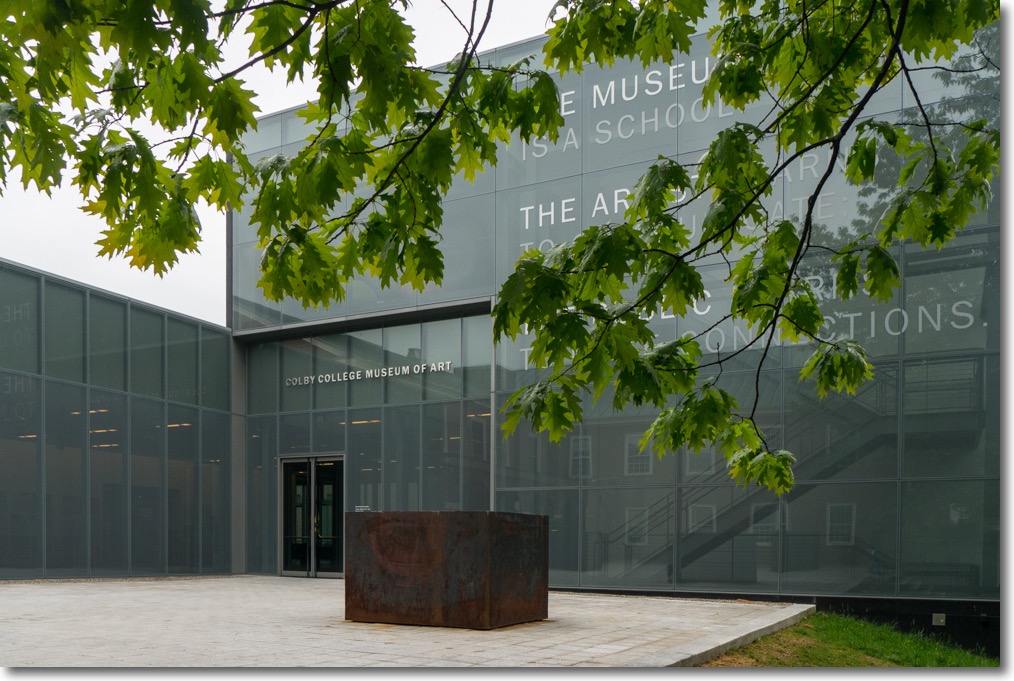
…. and when it comes to glass and steel the result is downright awful. This is the art museum.


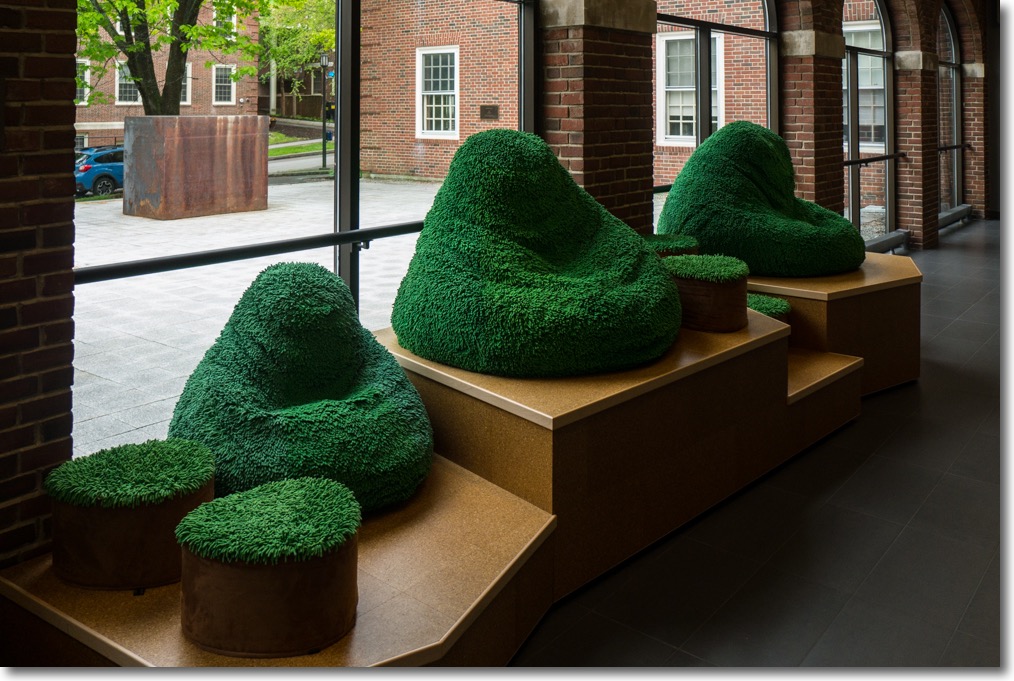
This is what passes as seating inside the museum, amply counterpointed by the ugly, rusted cube outside.


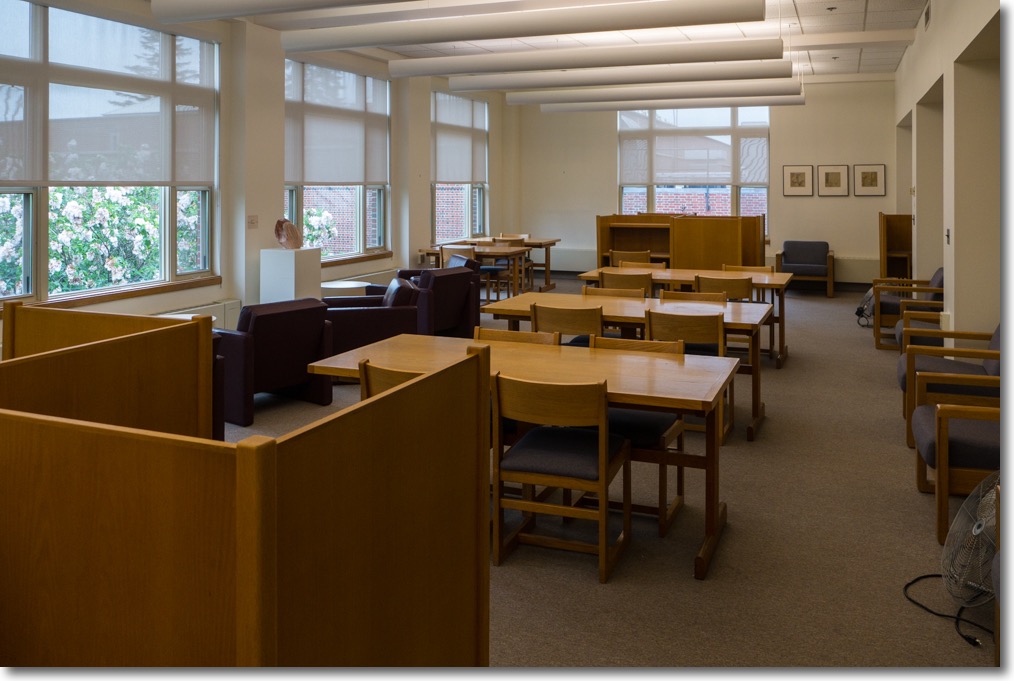
More chintzy mediocrity in the Lunder Reading Room, though the photography library is extensive and excellent.


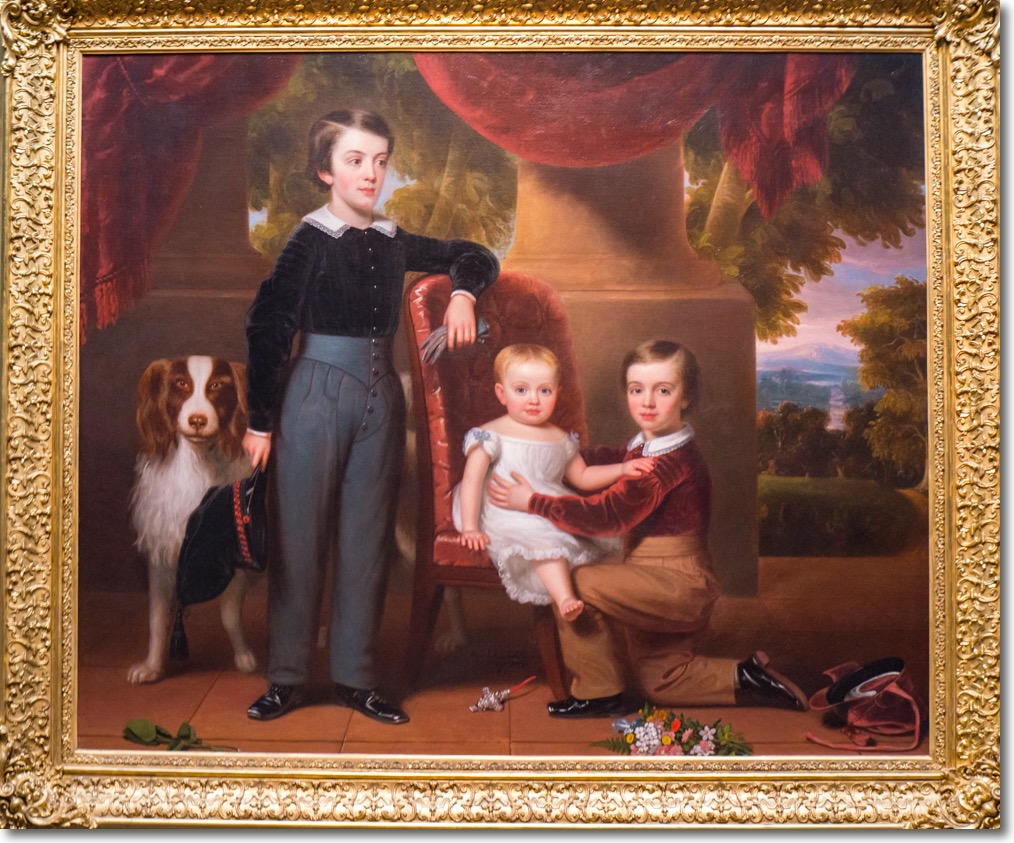
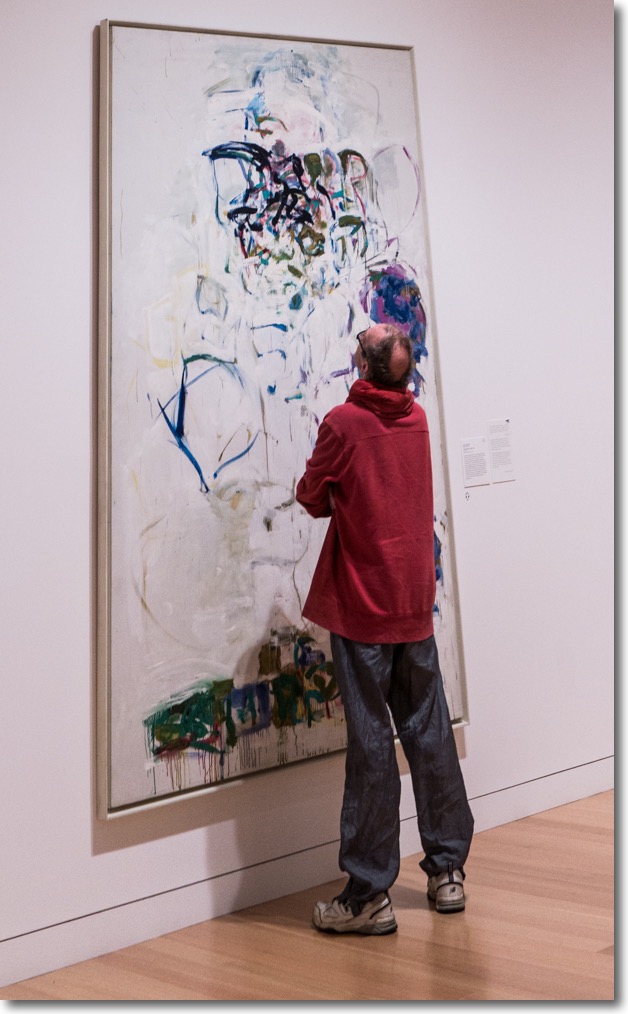
I can only think a sarcastic comedian made this banality the center of the art displays. This is Frederick R. Spencer’s ‘The Harriott Children’ of 1844 and must surely be one of the worst formal portraits ever painted. Even the dog looks like he shared a plastic surgeon with the First Lady.


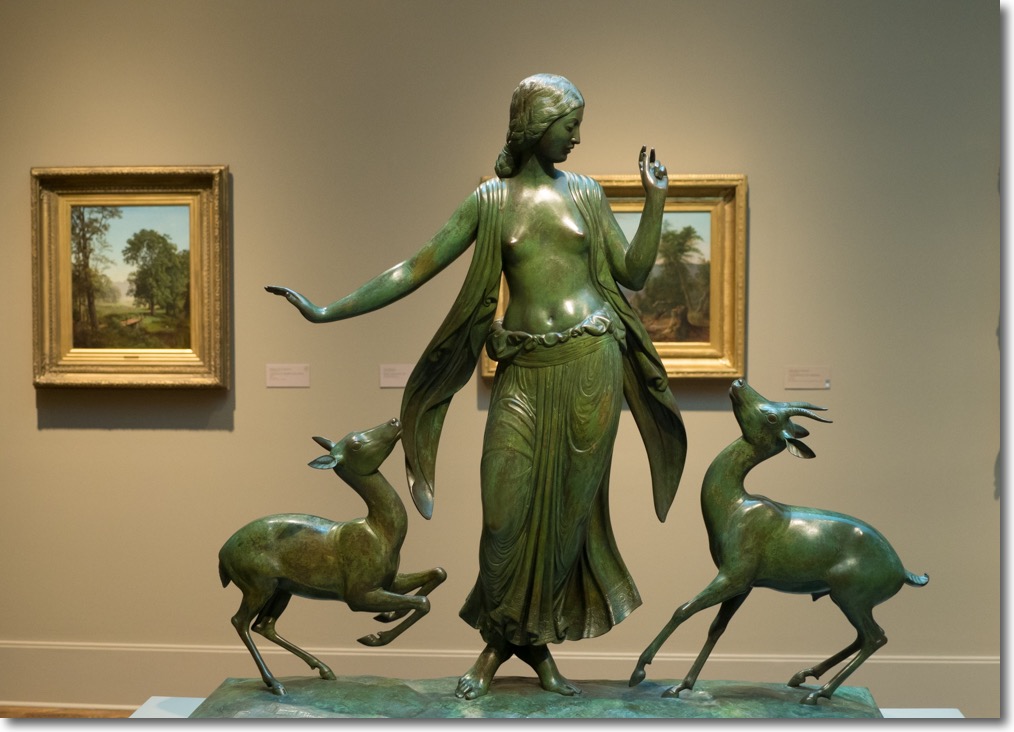
More kitsch. This horror is Paul Manship’s ‘Dancer & Gazelles’ of 1916.


Duh!


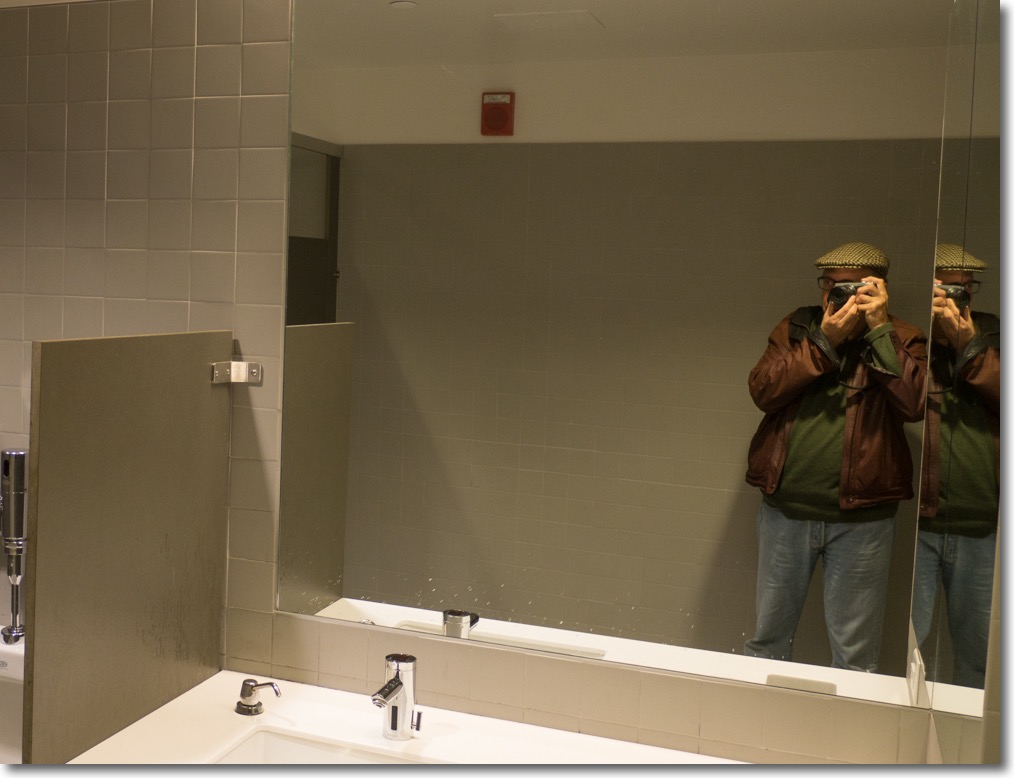
Well, the toilets are nice ….


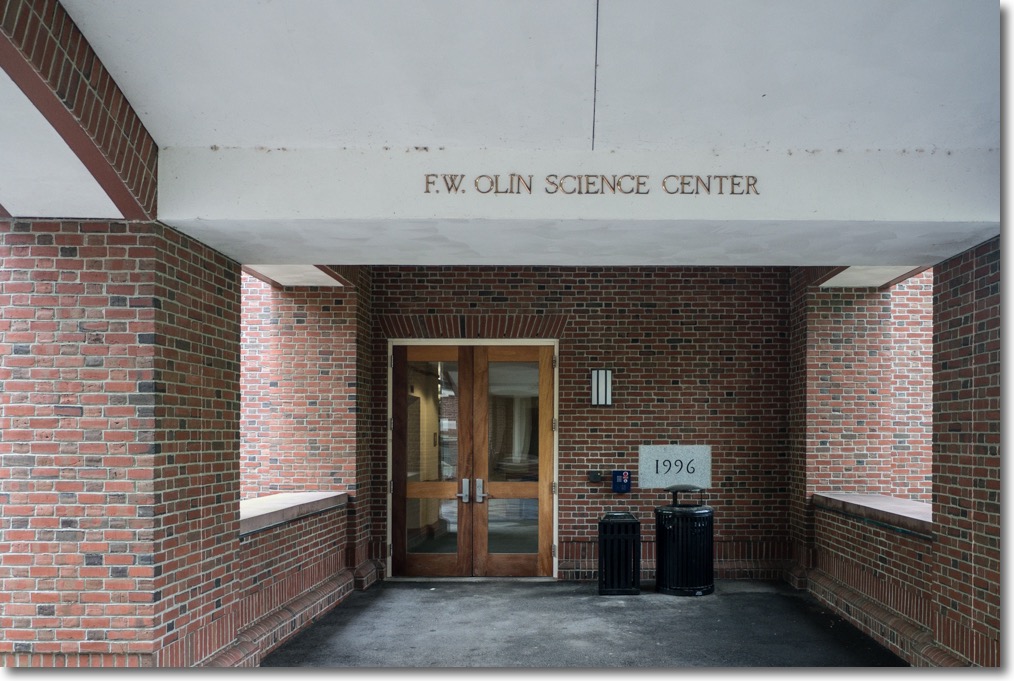
No stopping this Olin chap, whose guilt extends to yet another building on a New England campus.


This works ….


…. whereas this needs nothing so much as a wrecker’s ball.


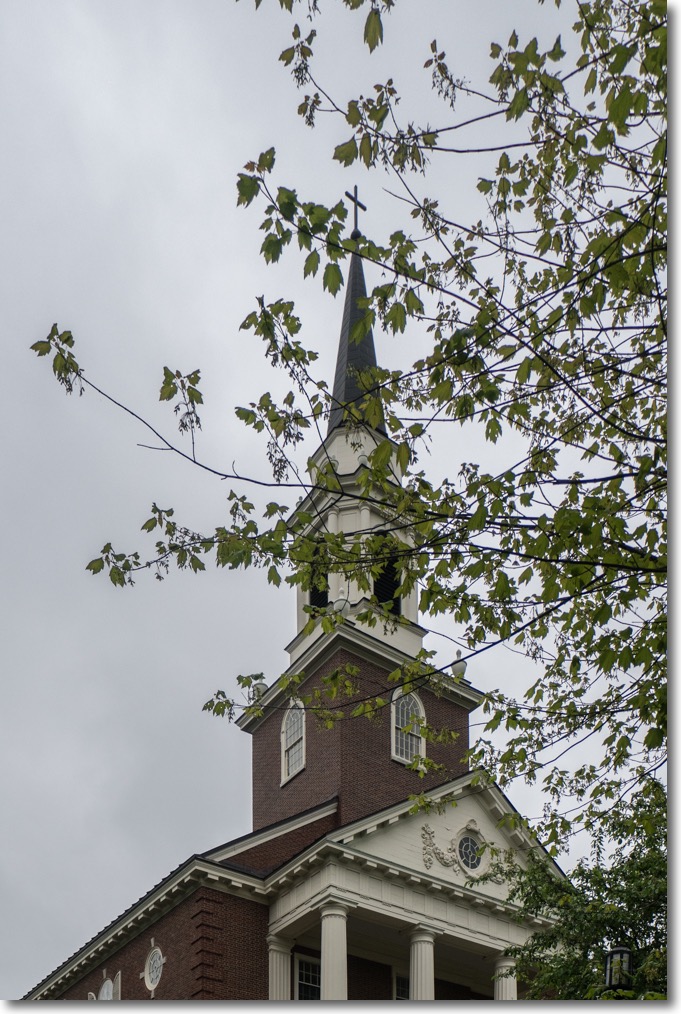
The Lorimer Chapel is fine but rather hidden away in a corner of the campus.


The main quad from the Miller Library.


There’s no arguing with the presentation of the Miller Library.

So the question for aspiring entrants is not so much the academic standards, which are fine, but whether they can live with so much mediocre architecture, and having to do so for four years could constitute cruel and unusual punishment.

Alumni of Colby College include a bunch of politicos, including economist Eric Rosengren of the Fed, Billy Bush of pu**y grabbing fame and the fine historian Doris Kearns Goodwin.

Bowdoin College

In Brunswick, Maine.

For an alphabetical index of the New England College series of pieces, click here.

Some of the best American schools are to be found in remote Maine, and Bowdoin (pronounced ‘Boh-din’) is very much a study in excellence. There are 1,800 undergraduates here in a school dating from 1839. A healthy endowment helps see to it that the school is maintained in pristine condition.

If distinction it be, then Bowdoin is distinguished as being the first college we have visited without a disfiguringly ugly modern building. Even the later additions here are beautifully integrated and the school’s building committee is to be congratulated. Bowdoin is one of the highest ranked liberal arts colleges in the nation despite its relatively modest size.


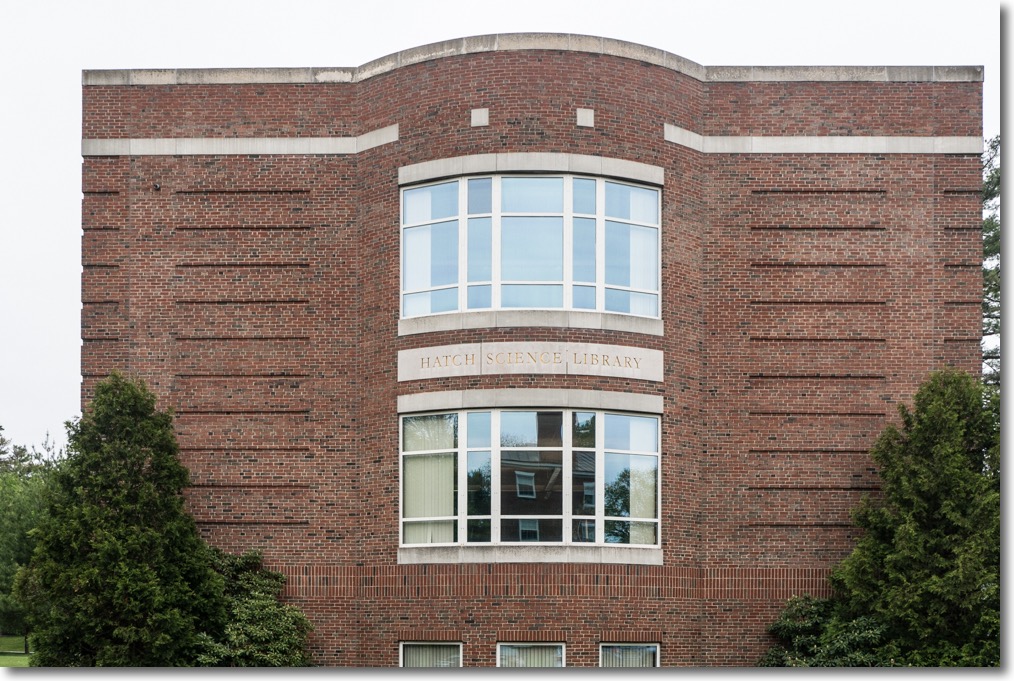
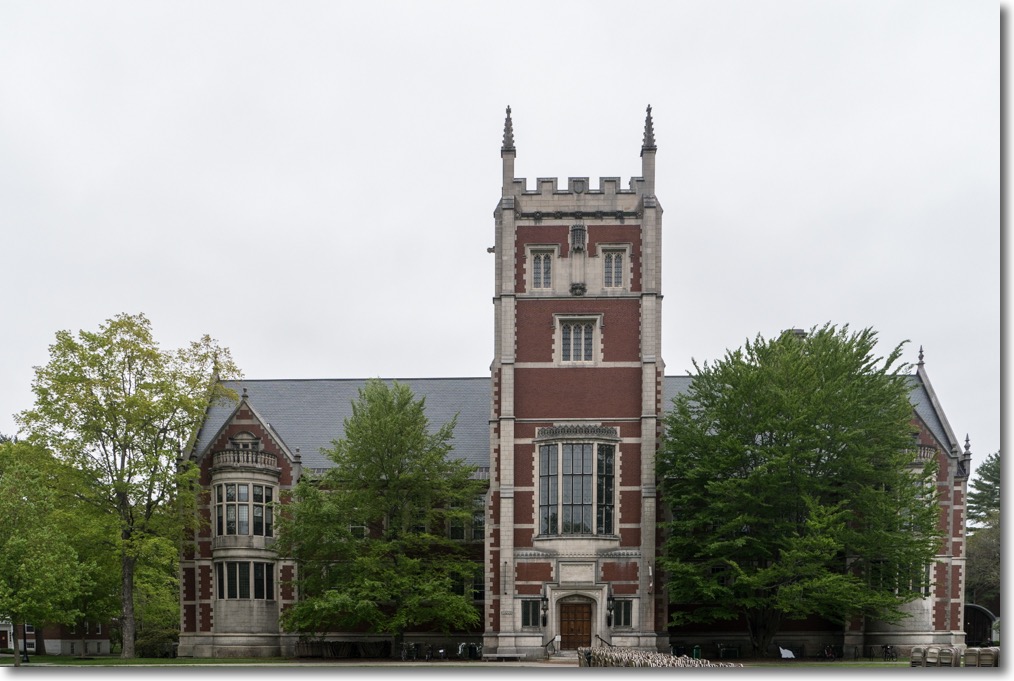
The Hatch Science Library.


Though glass and steel, the exquisite Peter Buck Center for Health and Fitness fits its surroundings perfectly.


The perfectly proportioned Bowdoin Chapel anchors the Quad.


Alumnus Robert E. Peary, class of 1877, led the first successful expedition to the North Pole in 1908, and hence the school’s mascot is the polar bear.


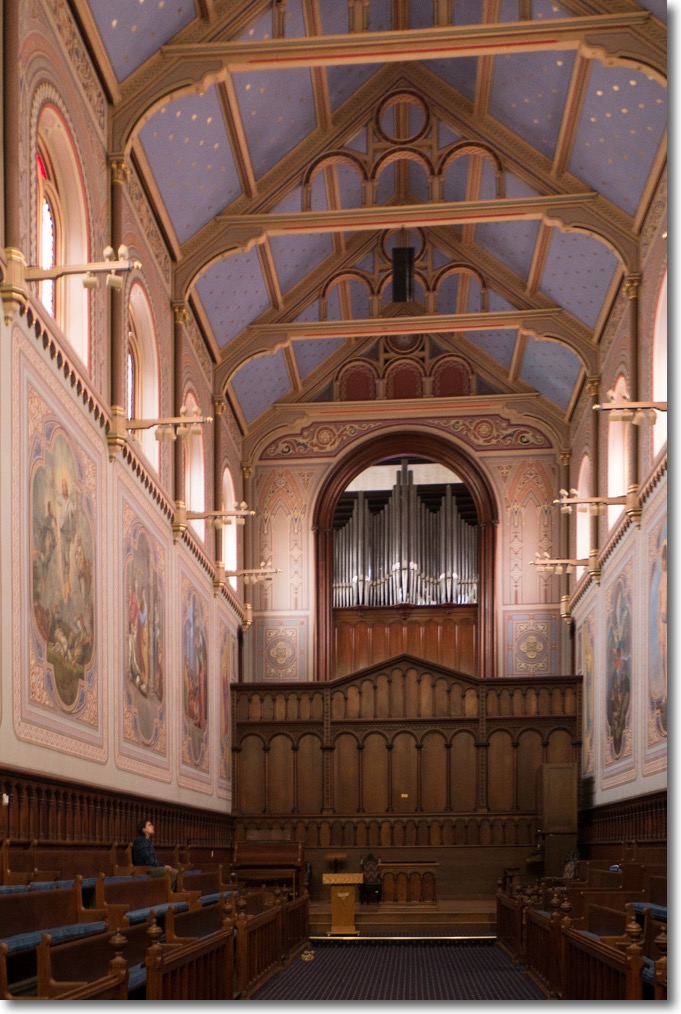
Eschewing the more commonly found stained glass, Bowdoin’s Chapel favors murals.


The Hubbard Hall and Peary-MacMillan Arctic Museum is also on the Quad.


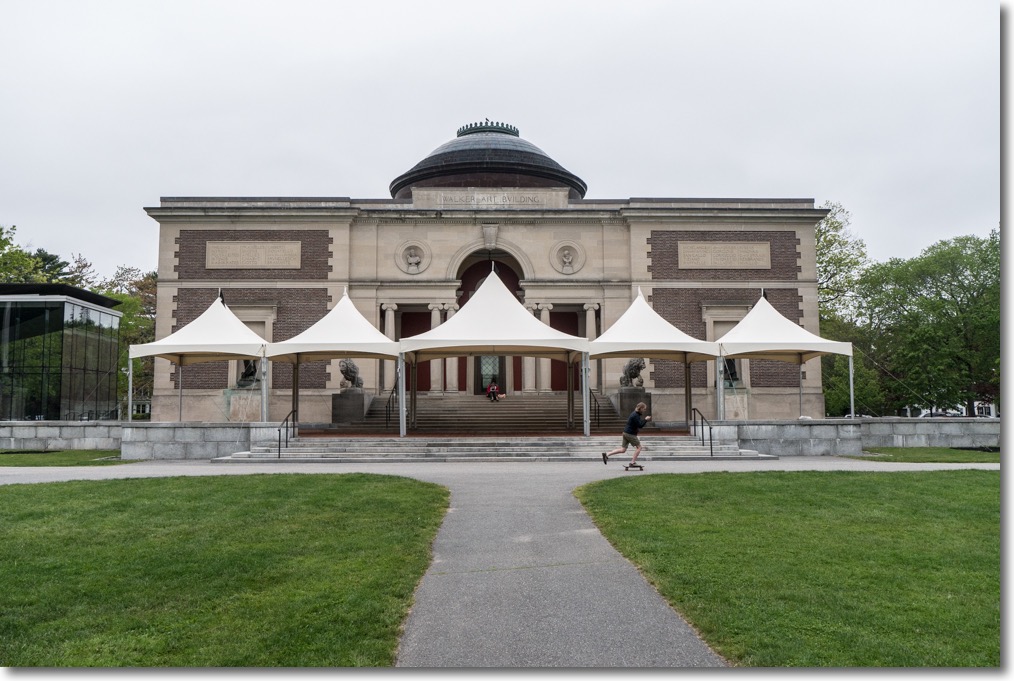
The Bowdoin College Museum of Art is opposite the Chapel and is simply one of the finest small art museums we have visited. Pride of place is given to Mary Cassatt’s impressionist masterpiece ‘The Barefoot Child‘. Cassatt, the impressionist from Pennsylvania, can hold her own with the greatest French masters.


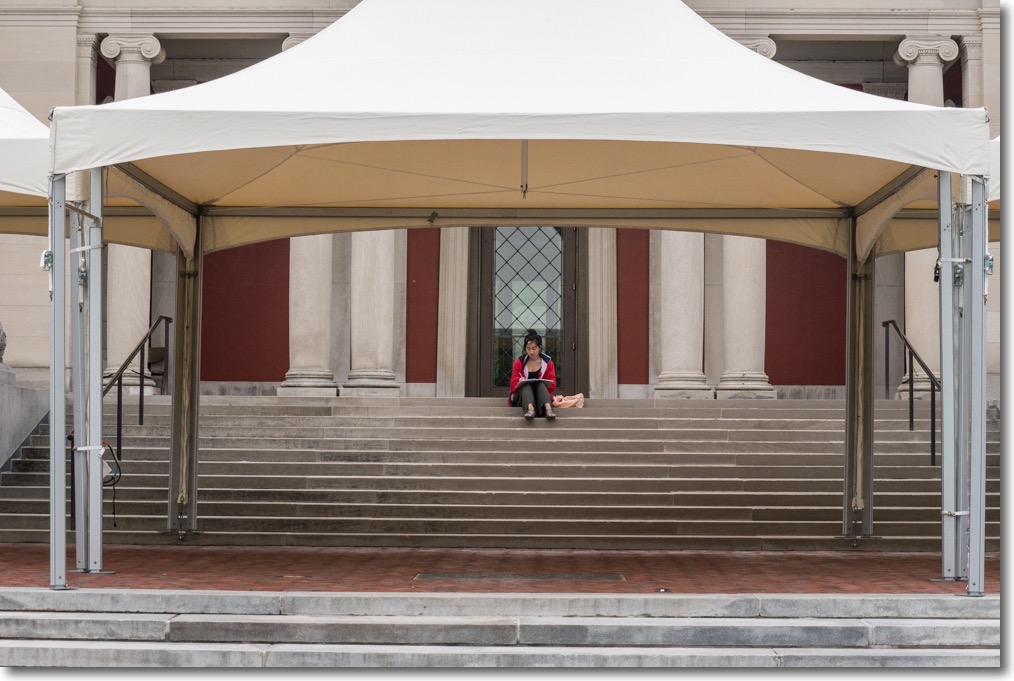
Studying on the steps of the Art Museum.


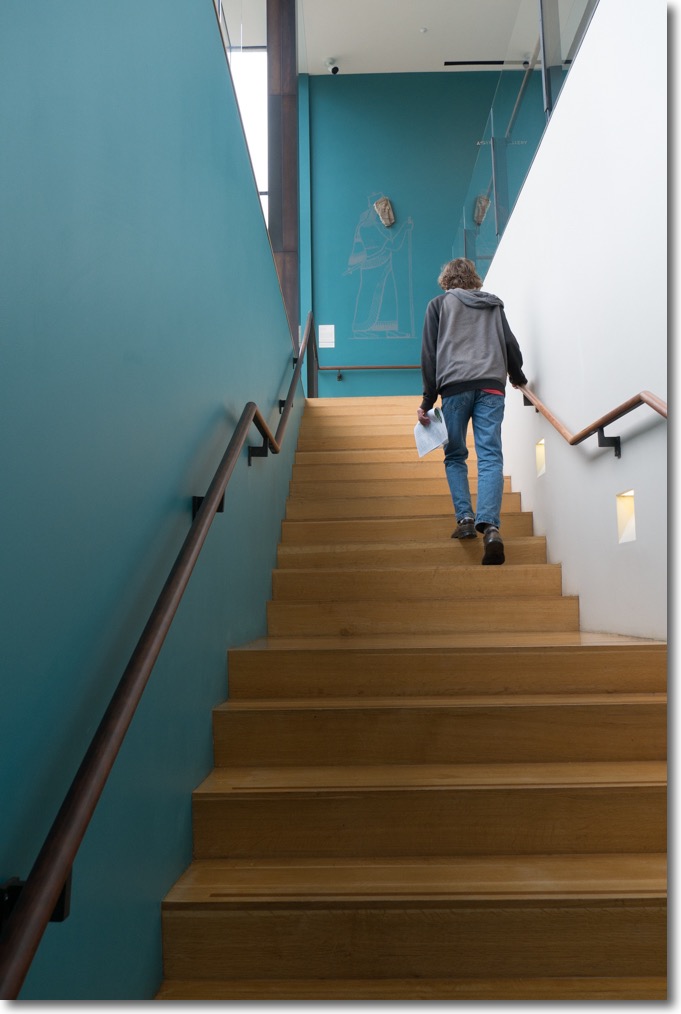
Winston enters the Art Museum through the side entrance.


Gibson Hall


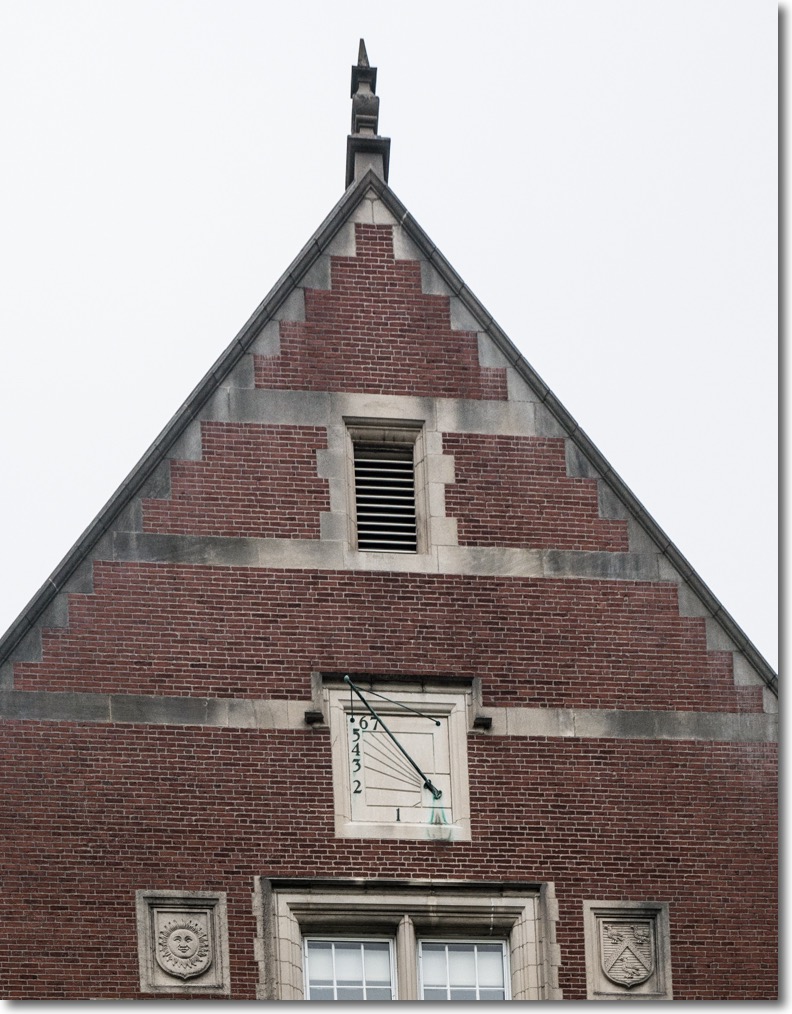
Wild sundial.


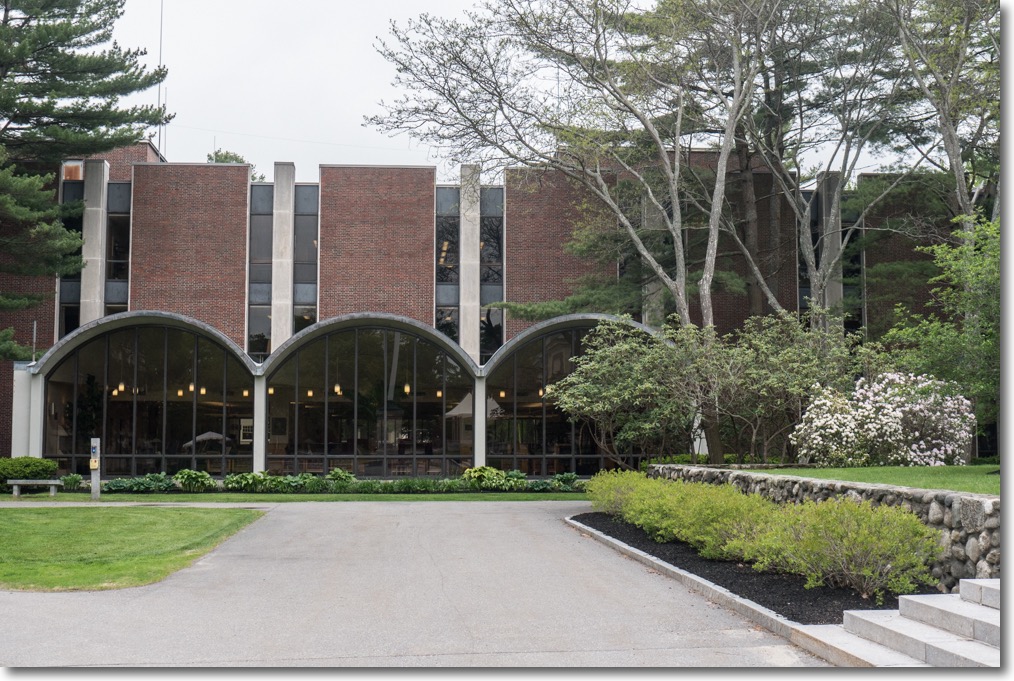
The Hawthorne-Longfellow library. The writers Nathaniel Hawthorne and Henry Wadsworth Longfellow, both graduated Phi Beta Kappa in 1825.


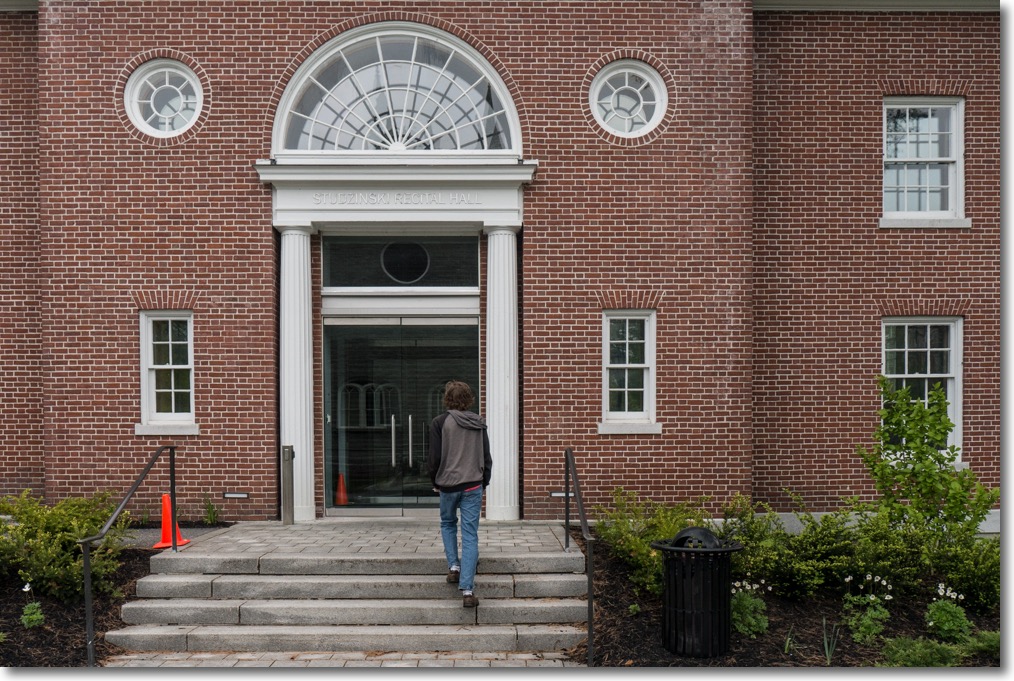
The Studzinski Recital Hall.

Distinguished alumni, in addition to those named above, include Reed Hastings (Netflix), Ken Chenault (AmEx), President Franklin Pierce, hedgie Stanley Druckenmiller, Alfred Kinsey and Joan Benoit (Olympic gold in the marathon).