Some early results.
For an index of all Leica-related articles click here.
Part I appears here.
In each case clicking on the large image again will give you an enormous version, equivalent to a 70″ wide print when viewed on a 32″ monitor.
These were all taken in very poor, overcast light, and the lens’s warm rendering of colors shines through despite the poor light. If you want the sort of clinical, perfect resolution offered by modern aspherical lenses, look elsewhere. This optic is all about color rendering and charm.
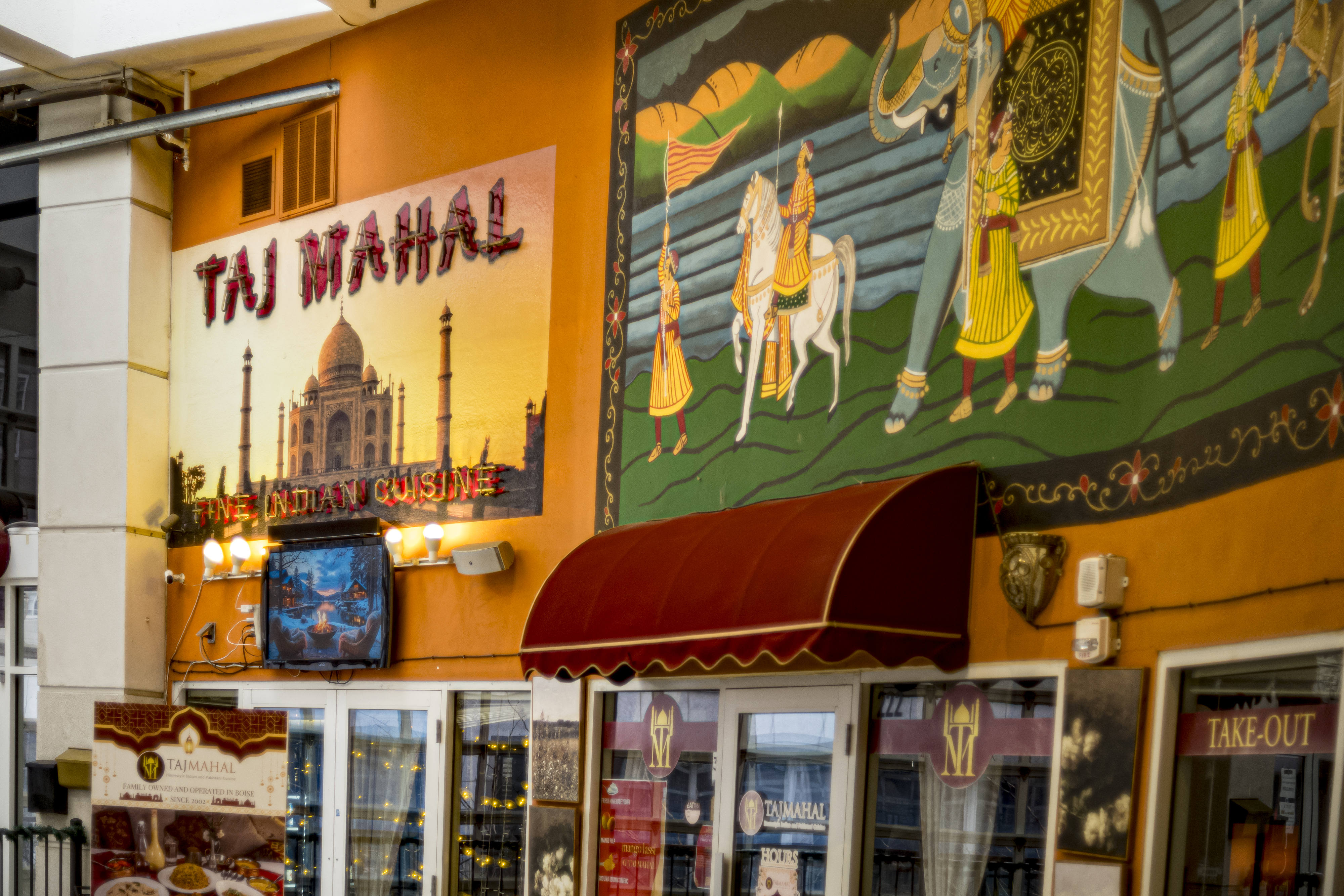
At f/2. Glow galore. Compare with the next image.
Click the image for a larger version.
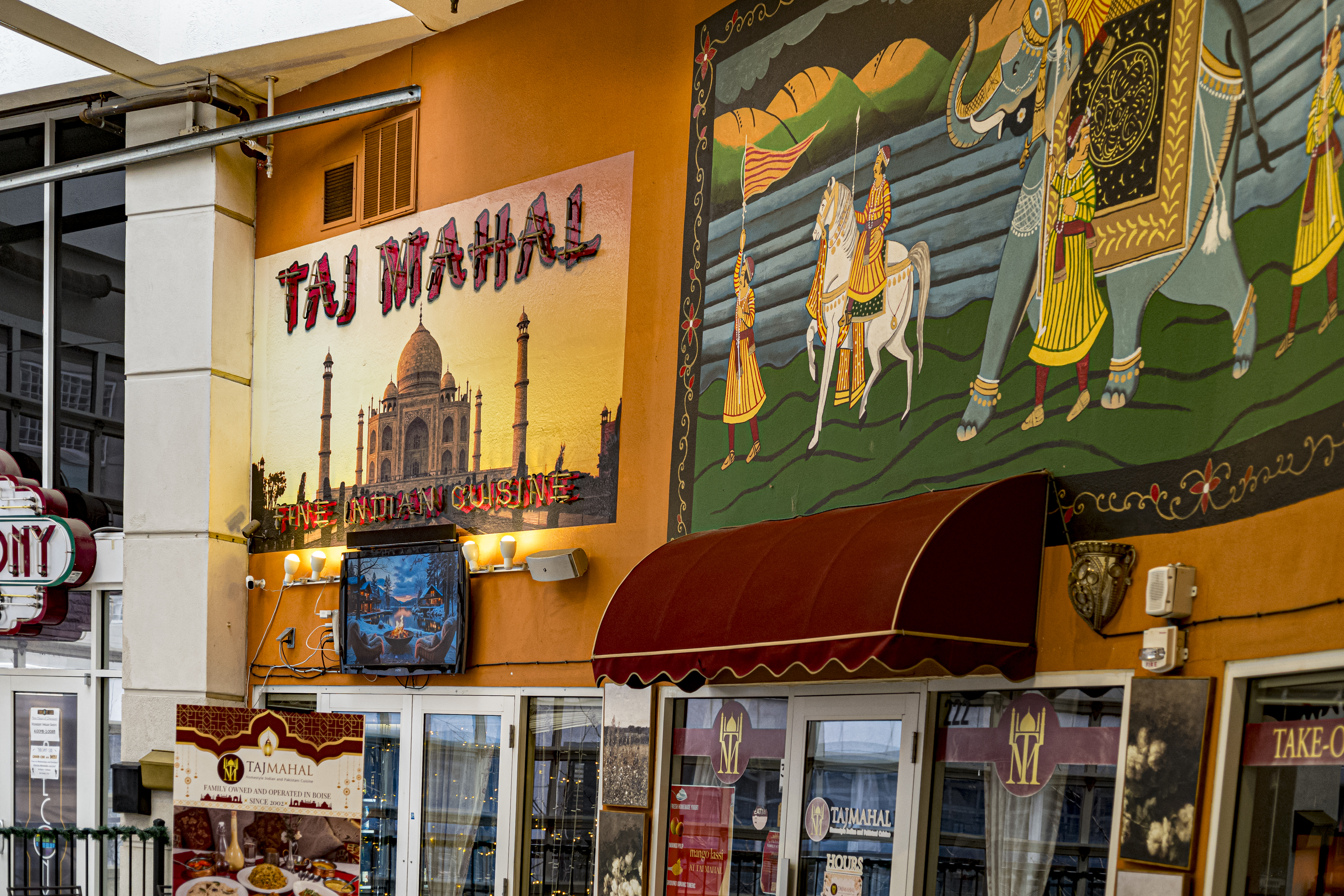
At f/4. No glow at this aperture.
Click the image for a larger version.
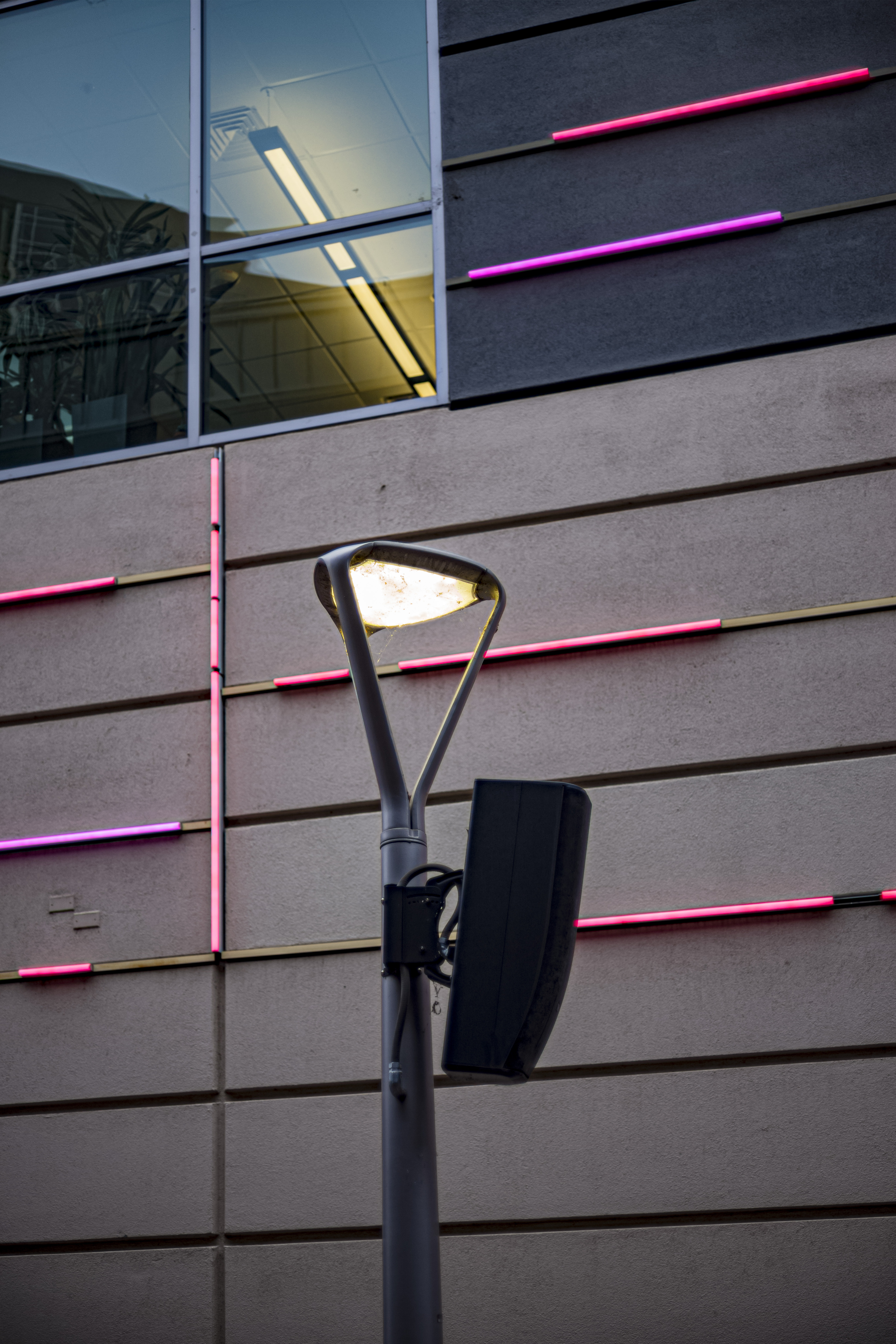
At f/2. Good central sharpness.
Click the image for a larger version.

At f/2.
Click the image for a larger version.
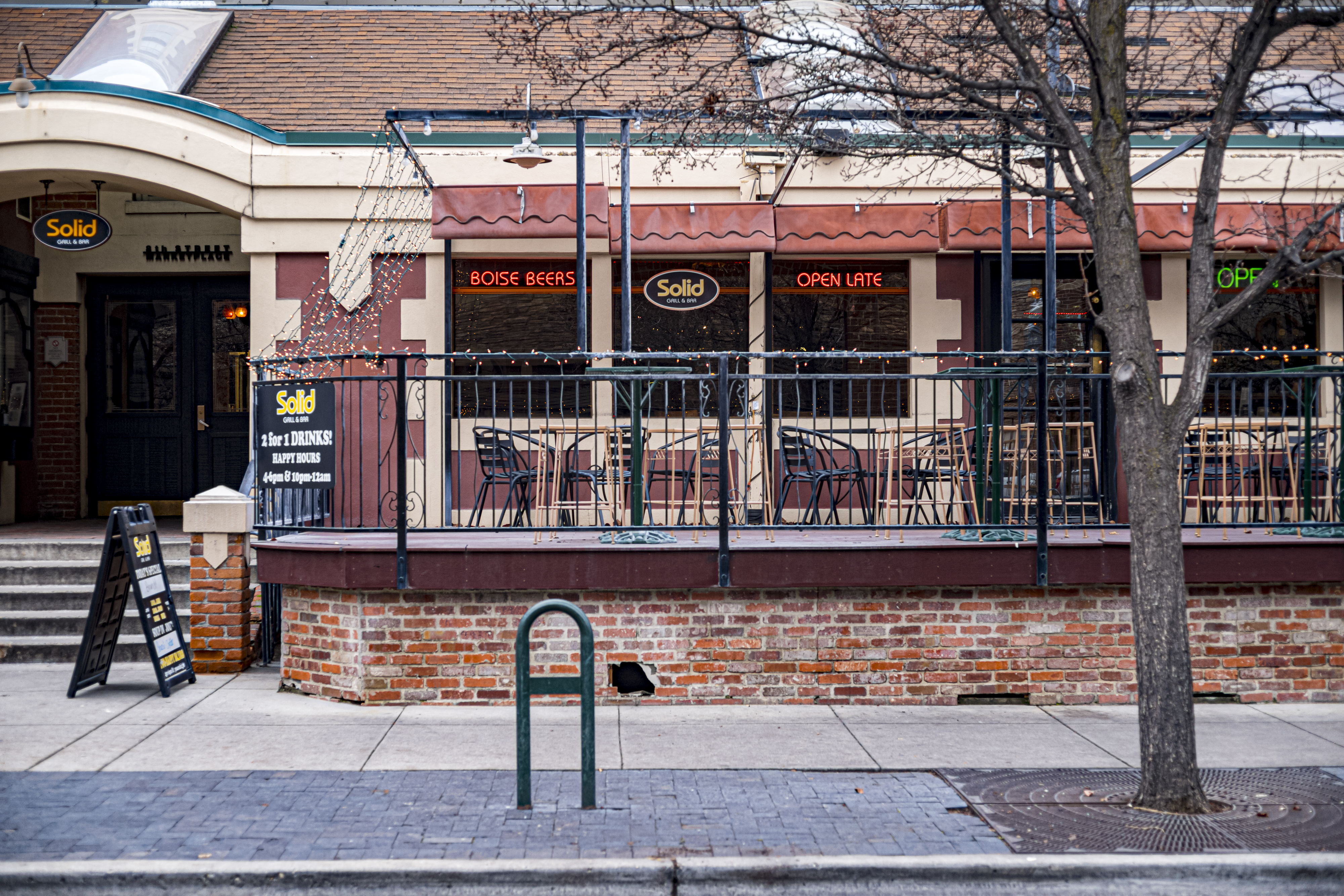
At f/2.8. Gorgeous, warm color rendering.
Click the image for a larger version.
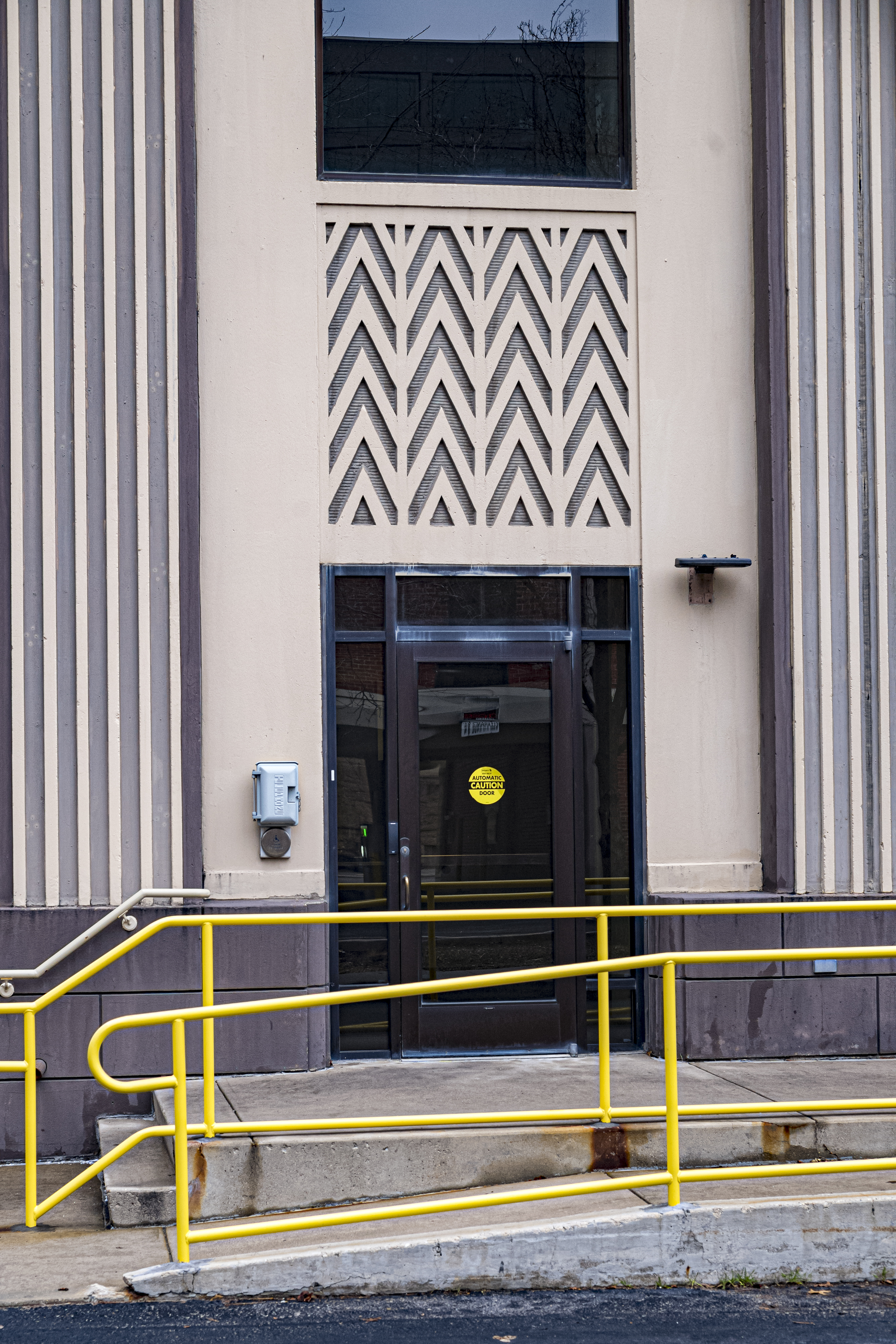
At f/5.6. Corner detail is crisp.
Click the image for a larger version.

At f/4. Slight corner vignetting. Lovely colors.
Click the image for a larger version.
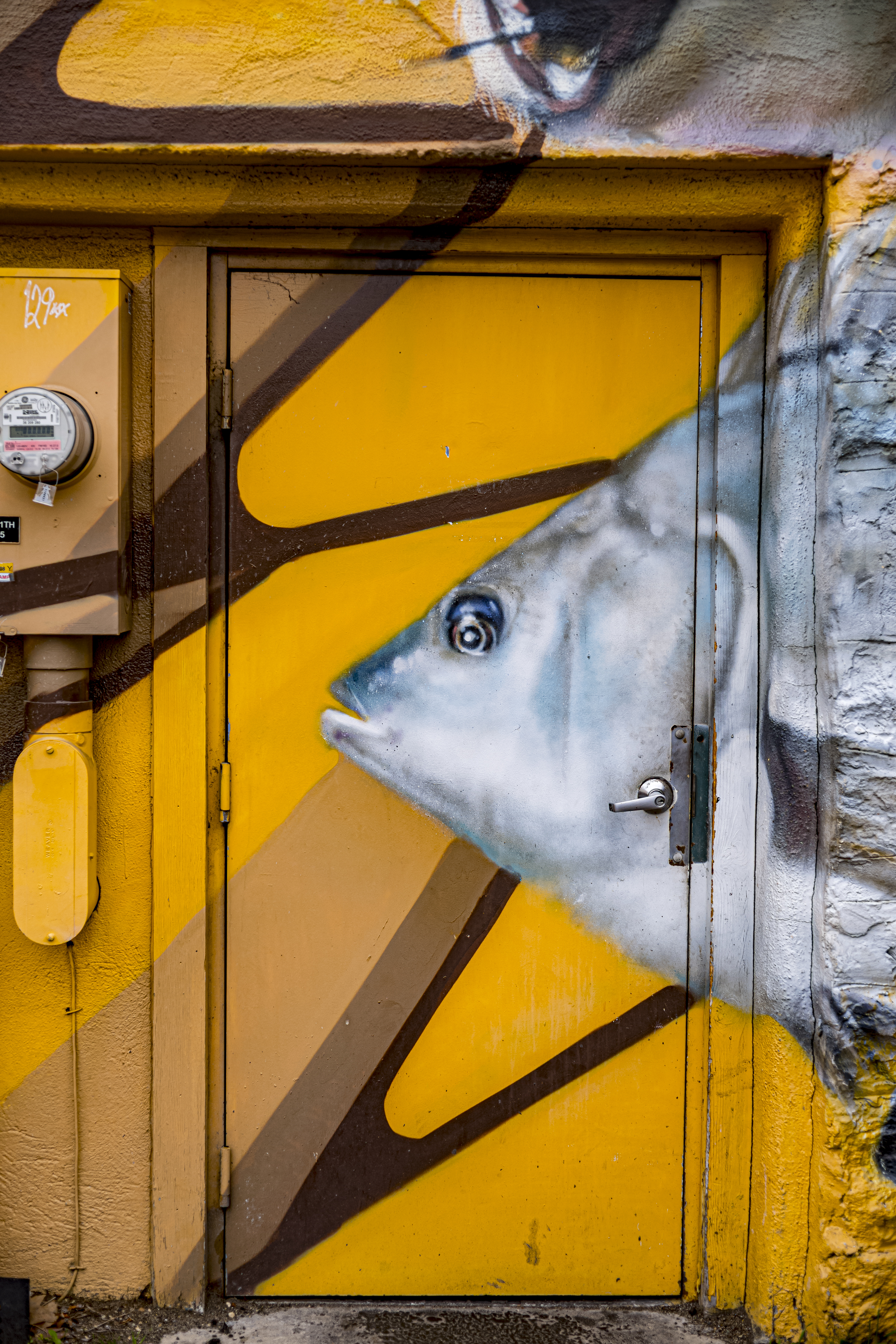
At f/4. Good central resolution, so-so edges.
Click the image for a larger version.

At f/4. No issues printing this huge.
Click the image for a larger version.
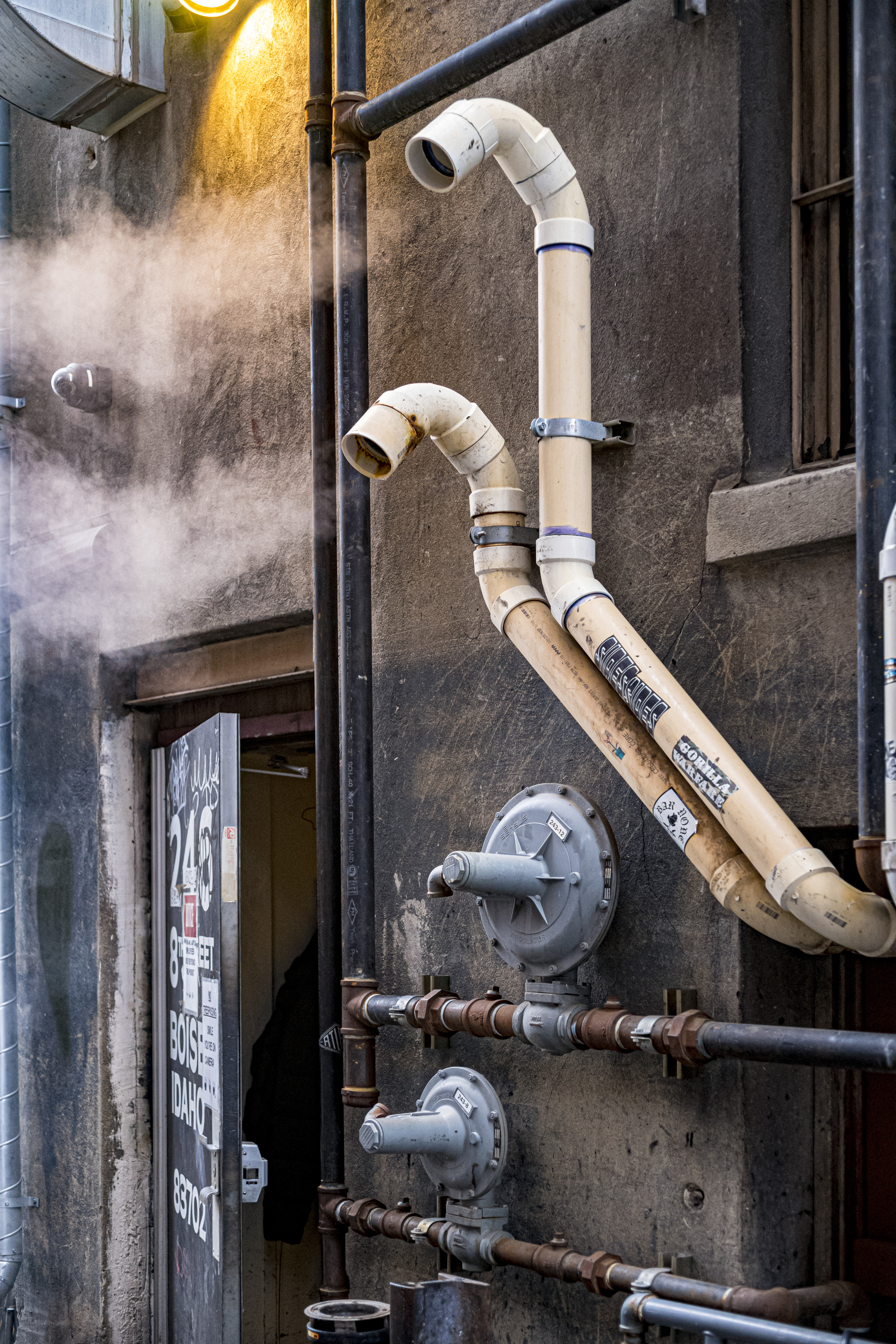
At f/2. Glow notwithstanding, micro-contrast and resolution are fine.
Check the printing on the PVC pipe in the enlarged version.
Click the image for a larger version.
All snapped on the Leica M10, the only processing in Lightroom was to correct leaning verticals in images 3, 6 and 10. Otherwise SOOC. The lens was coded 100001, as described in Part I.
A quick comparison with the 50mm f/1.4 Canon LTM:
I reviewed the bargain priced 50mm f/1.4 Canon LTM lens here, finding it to be excellent at all apertures with peak resolution at f/4 though f/11.
Here are the two lenses:
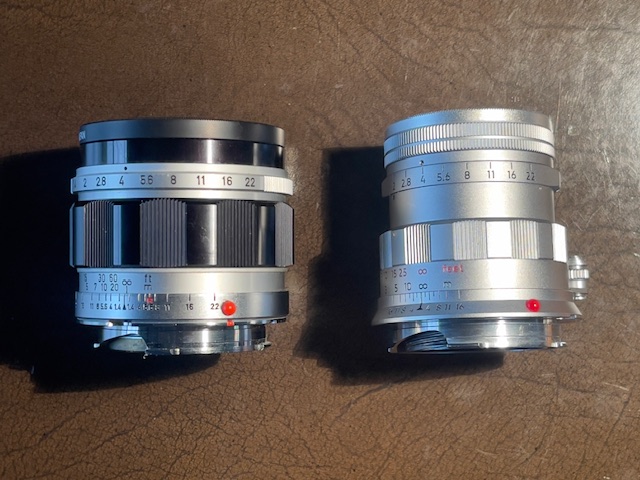
The f/1.4 Canon with M adapter alongside the LLL SP-II.
First, it’s instructive to compare weights. The Canon weighs 9.53ozs/270grams with filter and LTM-to-M adapter. The LLL weighs 9.42ozs/267grams with filter, despite being one stop slower. This is attributable to the use of alloys in the Canon compared with chrome plated brass in the LLL, which makes for a surprisingly hefty, if small, package.
I compared images taken with both optics at f/2, f/8 and f/16.
- At f/2 the Canon is considerably sharper in the center but loses out to the LLL at the edge, the LLL having excellent across the frame sharpness. The lower center resolution of the LLL image is attributable to the strong glow (spherical aberration) exhibited by this lens, its key character trait.
- At f/8, the peak for both lenses, the LLL is ever so slightly sharper across the frame, but there is so little in it it’s hard to distinguish.
- At f/16 diffraction affects the images from both lenses, with the LLL noticeably better across the frame.
The takeaway is just how good these 1950s era optical designs were. If you need f/1.4 or the best central definition at f/2, the Canon is the better choice, as well as being considerably cheaper. I paid $340 for mine with LTM-to-M adapter and shipping from Japan, but be prepared to look long and hard for a pristine copy. If it’s the character conferred by the LLL’s aberrations at f/2 (and, less, at f/2.8) then that is the lens of choice, albeit at a premium price. One other possible benefit is the closer minimum focus distance with the LLL – 0.7 meter compared with 1.0 meter for the Canon. However from f/4 through f/8 there is very little to choose definition wise between the two.
There is one other factor, the aesthetic one. The LLL just looks right on the Leica M body.