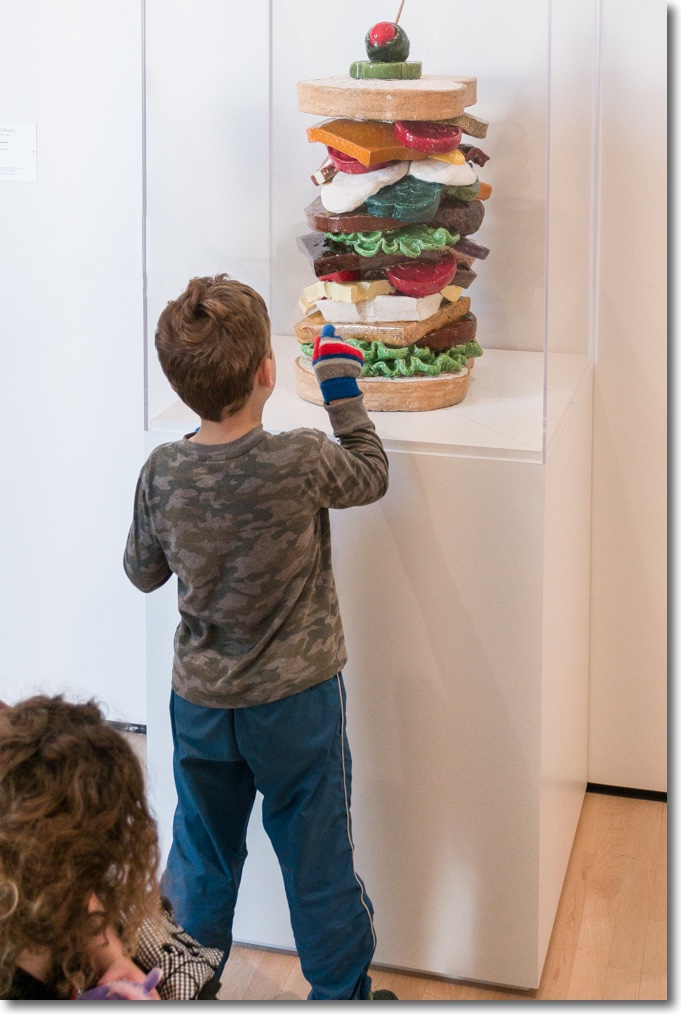
On a cool, crisp SF day.
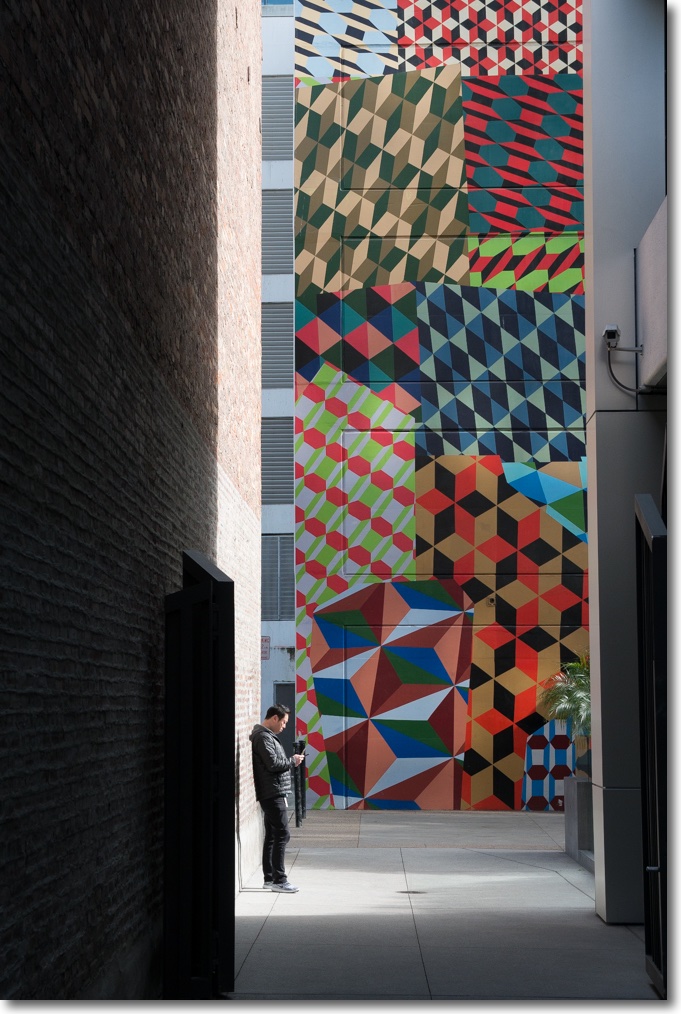
Off Howard Street.
Panny GX7, 12-35mm zoom.
On a cool, crisp SF day.
Off Howard Street.
Panny GX7, 12-35mm zoom.
A decent show.
Passing through the pothole ridden excuse for a road system that is the Bay Area the other day, and stepping carefully around all the mid-western conventioneers packing the sidewalks, I stopped by SF MOMA to catch the Brassaï photography show.
The Hungarian street snapper Brassaï was at his most prolific in the early 1930s, a period which coincides with some of the best work by his contemporary Henri Cartier-Bresson. However, whereas HC-B was more interested in surrealist design in his images, Brassaï was a street snapper par excellence and it’s hardly surprising that Paris would be his city of choice.
Back in 2011 when MOMA ran the HC-B show I remarked how poorly staged it was. MOMA has learned from its mistakes and the Brassaï show contains fewer, better spaced images even if the affectation of sourcing original, muddy prints remains. To best show the artist’s work these really should be reprinted by a competent technician.
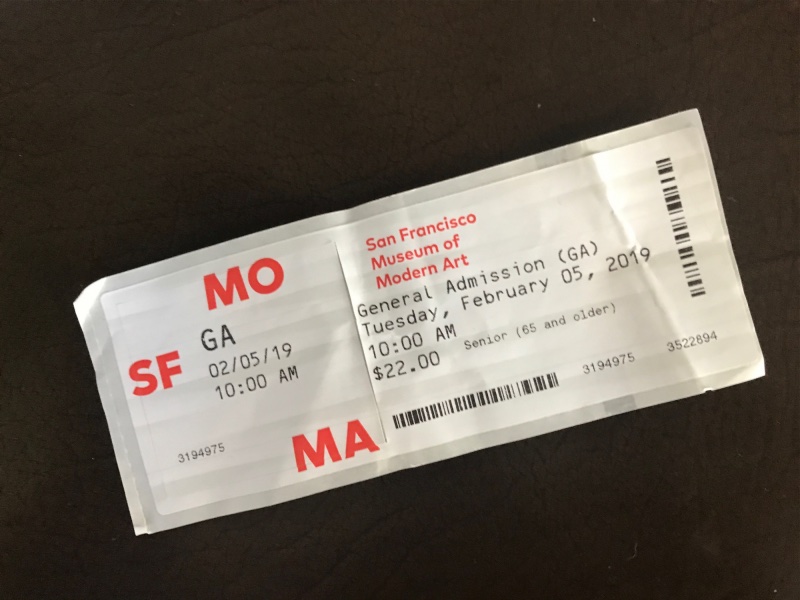
A lousy $2 discount for old age.
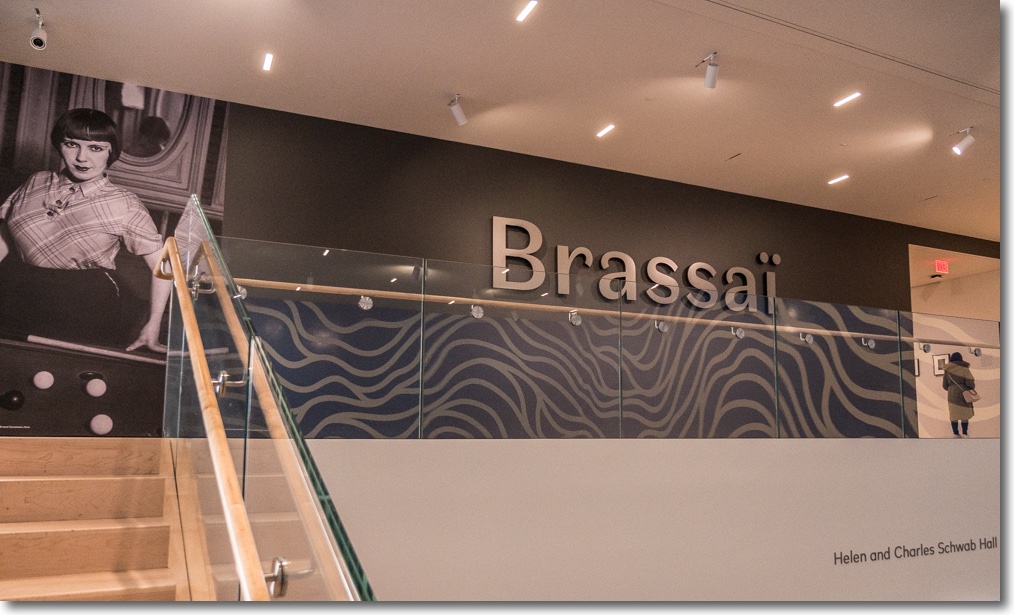
Magnificent entrance to the show.
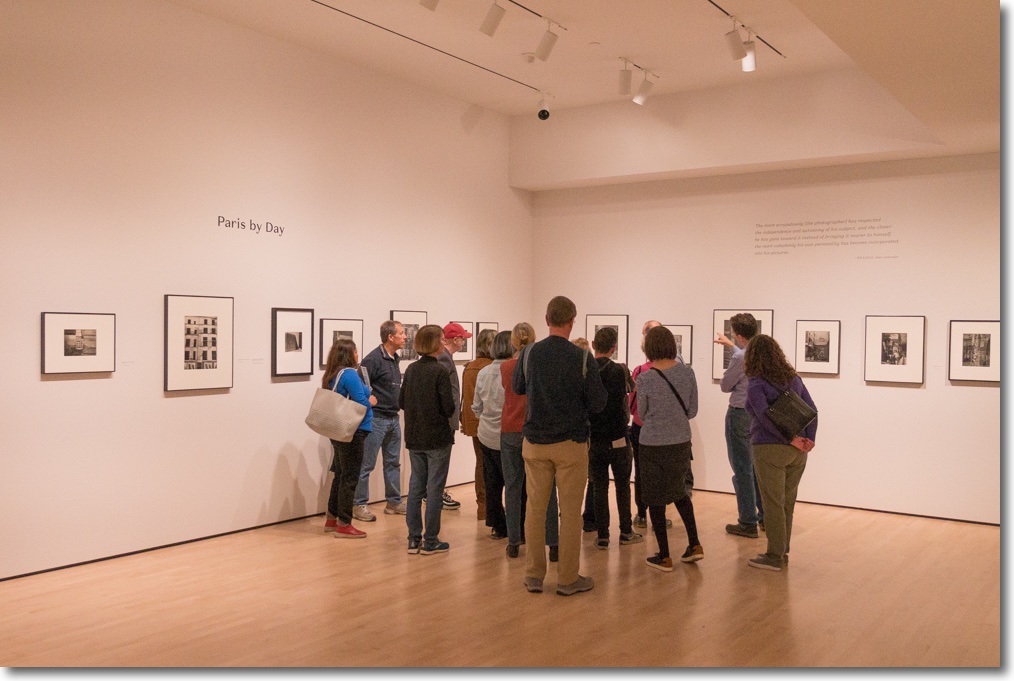
Obligatory tour guide for those incapable of forming an independent opinion.
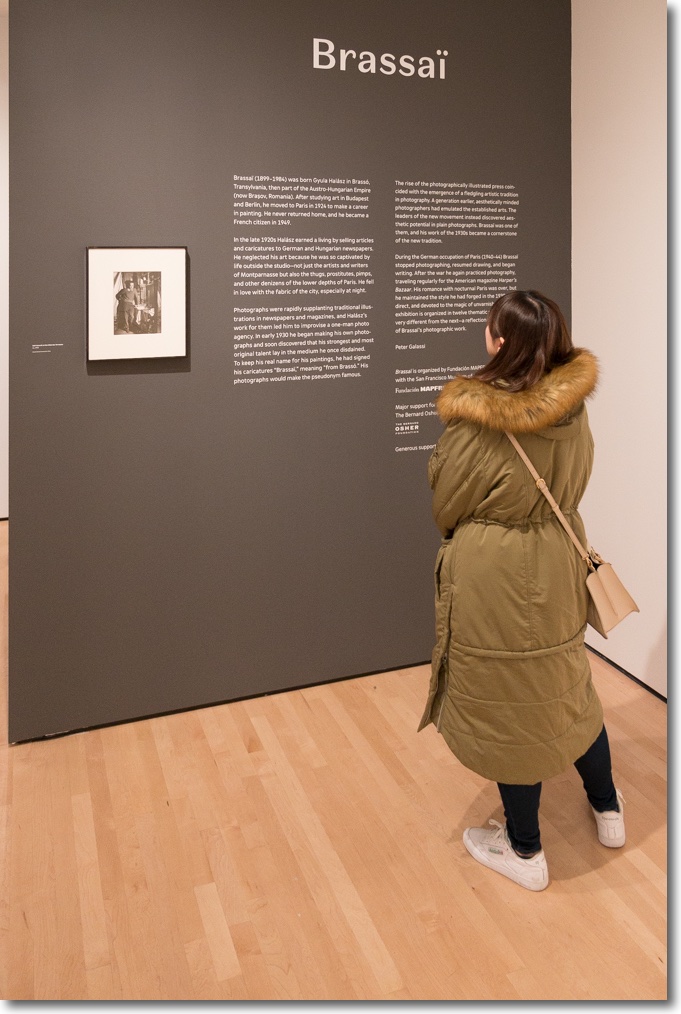
A solid introduction to the great Hungarian.
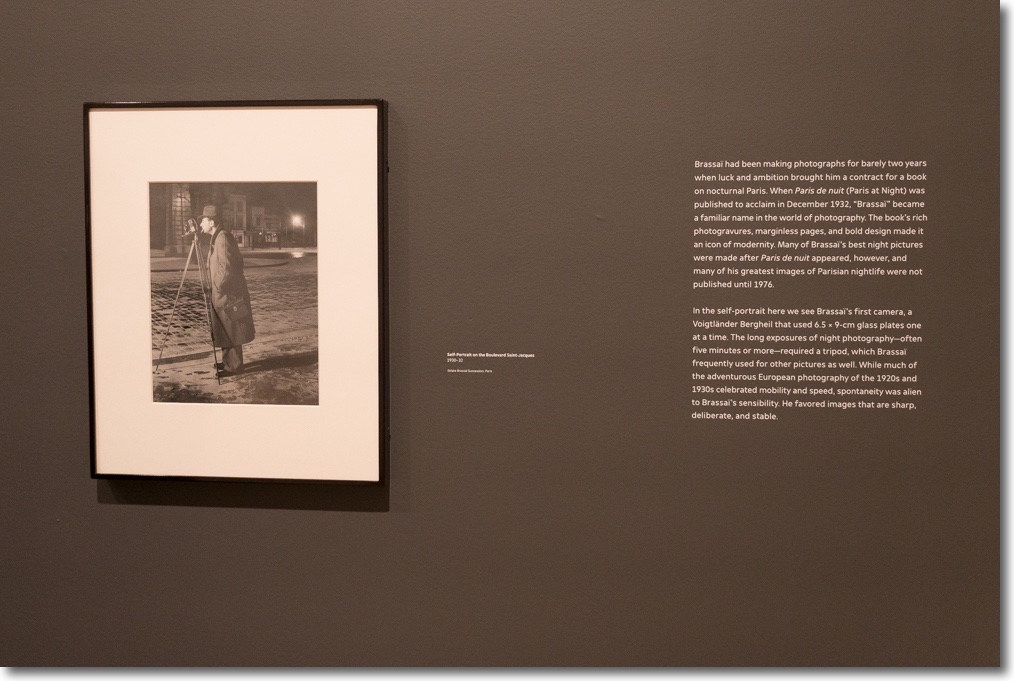
For his night snaps a tripod was essential, given the slow lenses and emulsions of the time.
The camera is a Voigtländer Bergheil which took 6x9cm glass plates!
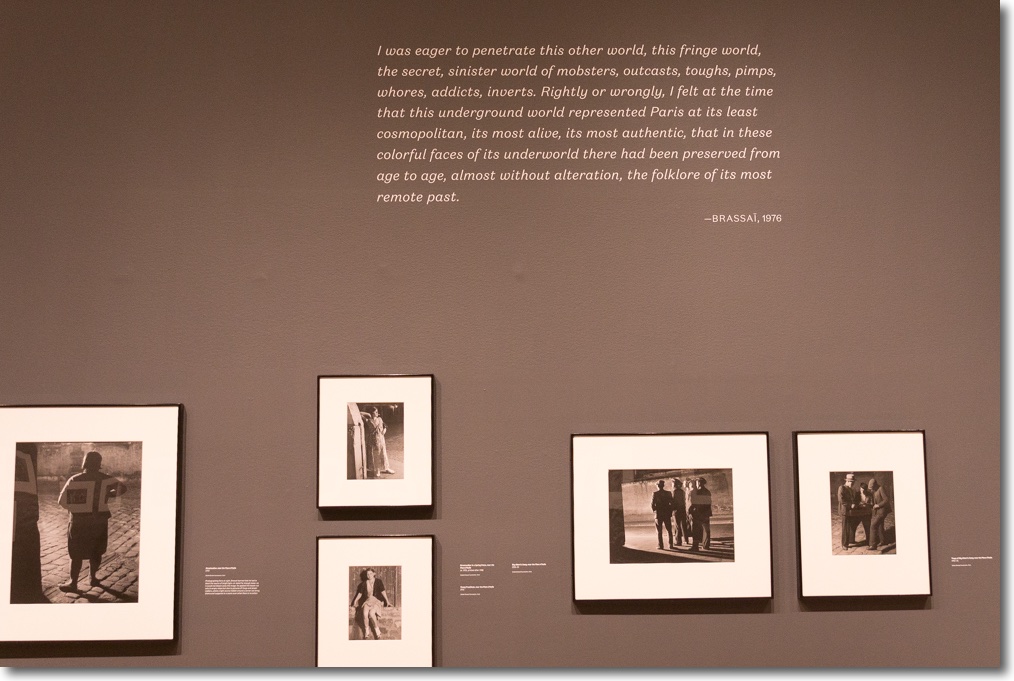
No denying the man’s philosophy.
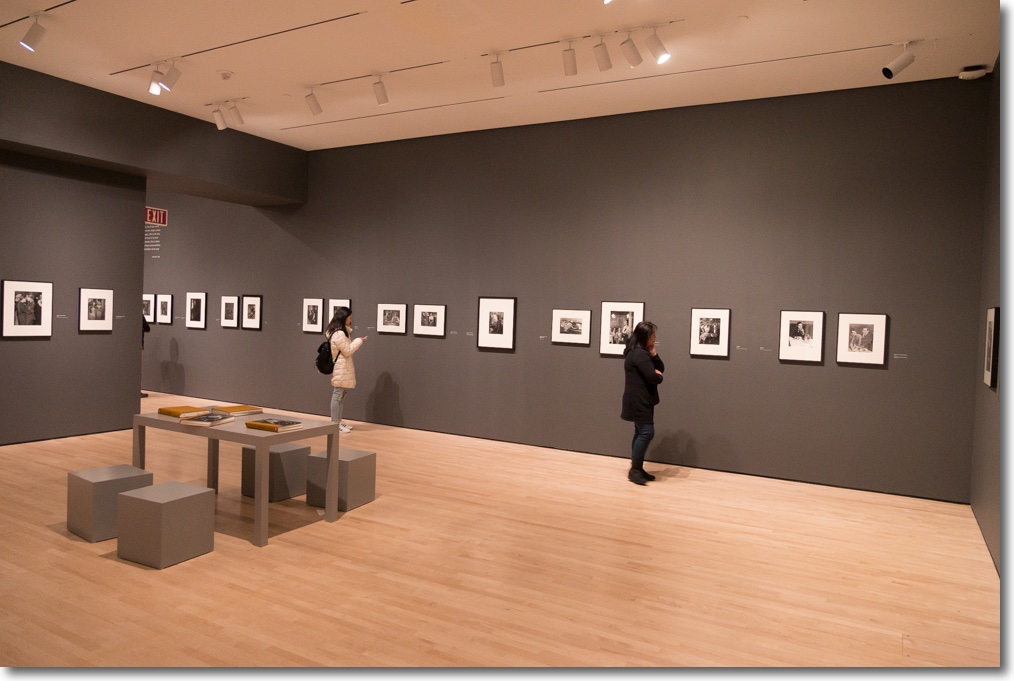
Fine uncrowded presentation of the works.
For more about Brassaï’s landmark book, ‘Paris de Nuit’, click here.
All snaps on the Panny GX7 with the 12-35mm zoom at f/2.8 and ISO 1600.
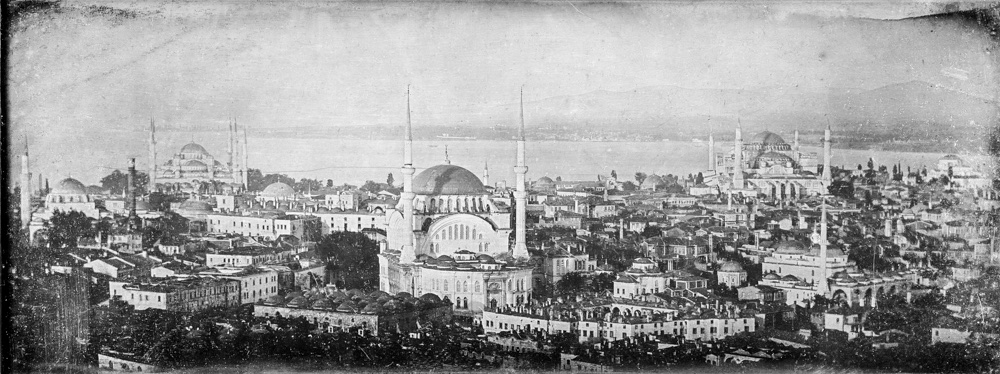
From the 1840s.
The New Tork Times has an interesting piece on early Daguerrotypes taken by the Frenchman Joseph-Philibert Girault de Prangey (1804-1892).
For some bizarre reason they have chosen to leave the awful originals un-retouched in their article, meaning that some perverted sense of authenticity prevails over the common sense one of actually letting the viewer see the pictures in all their glory. Given that every single image ever taken has been subject to some sort of manipulation – exposure, choice of gear, chemicals used, choice of sensor, viewpoint, etc. – why not show images in their best possible light? Some in the article are truly ghastly in their rendering.
A few seconds in LR yields this very decent result of Constantinople in 1843. Click the image for the truly awful ‘original’, whatever that means:
Artistic/curatorial pretense notwithstanding, it’s an interesting piece well worth a read.
A unique accomplishment.
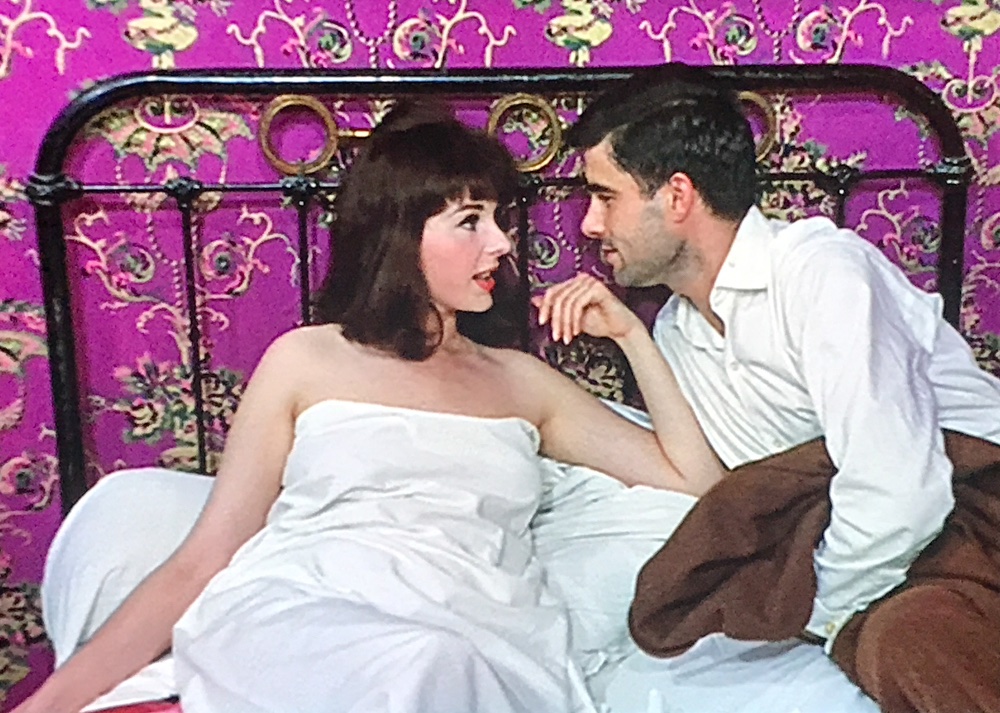
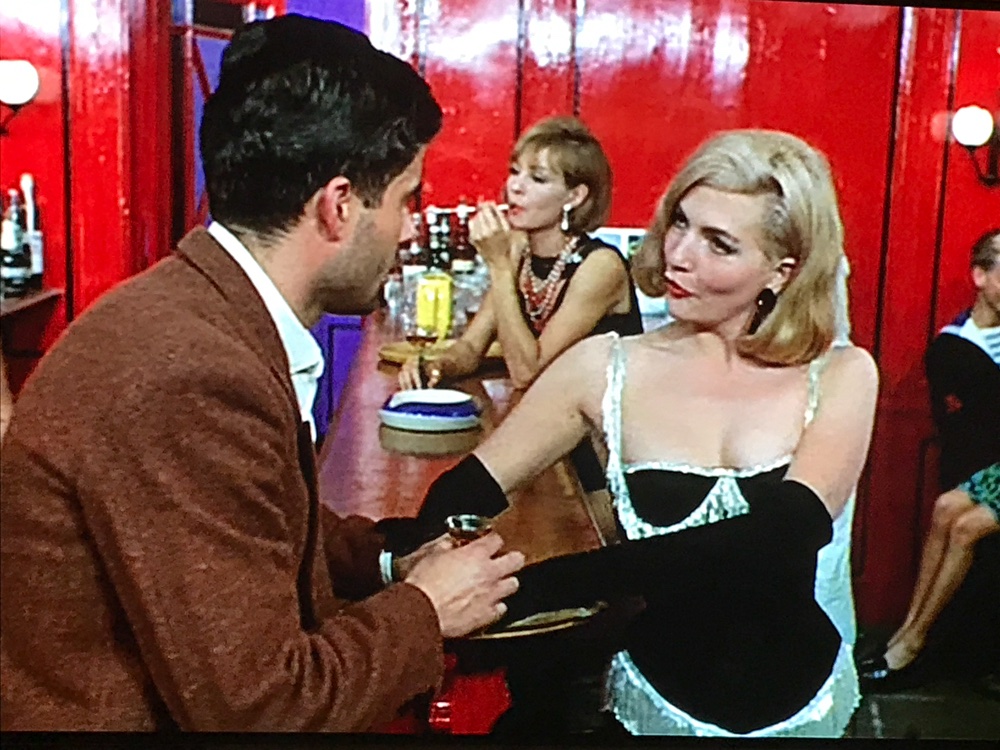
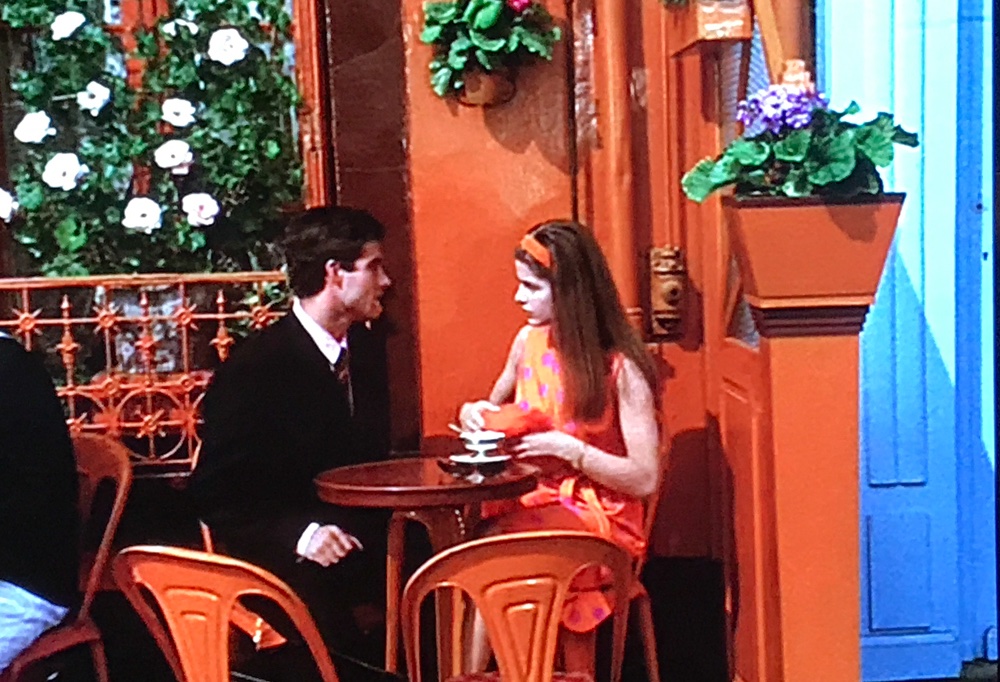
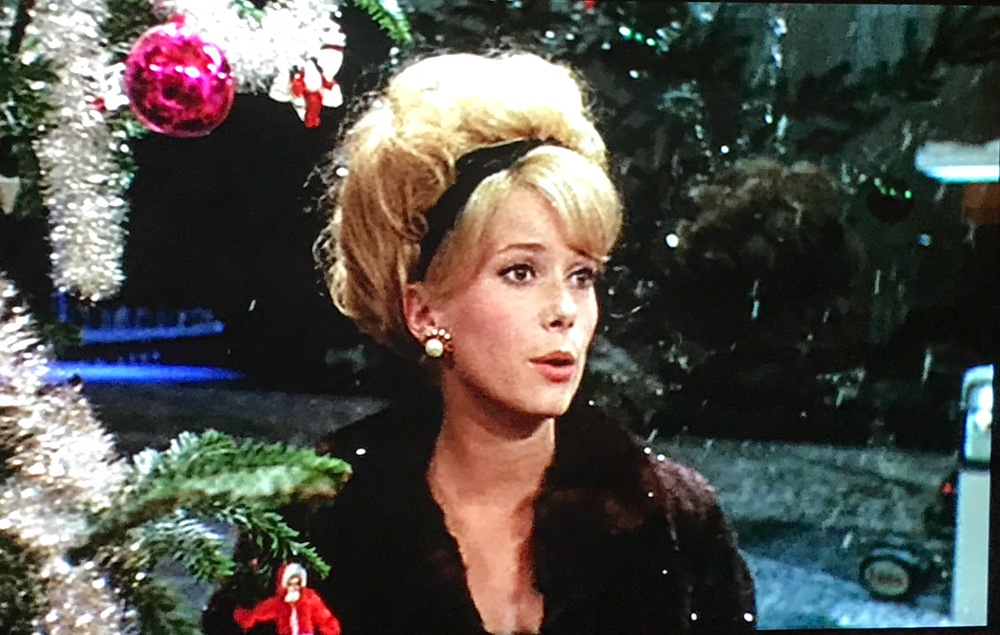
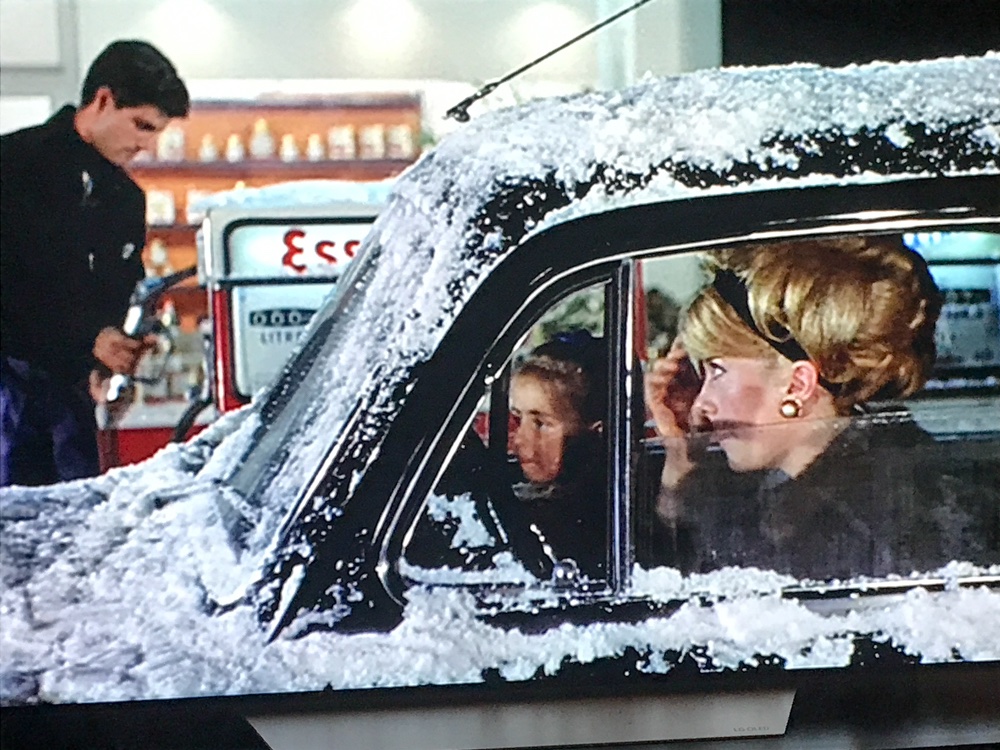
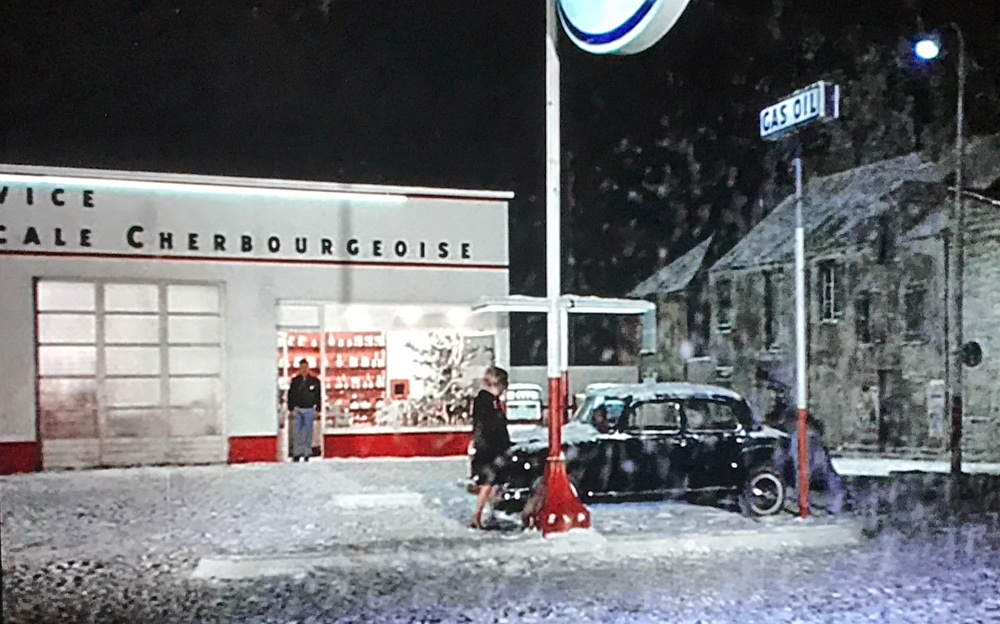
In 1964 the French director Jacques Demy made a unique movie, a story of star crossed lovers where all the words are sung. Not a single one is spoken. This was not an attempt to compete with the great American musical. After all, how do you compete with perfection? No, rather it was a unique approach to telling a story where the quality of the singing is secondary to the narrative of the story in song. And it succeeds spectacularly. The lush score was written by Michel Legrand who passed away last week. Such were his accomplishments that he garnered three best song Oscars with “The Windmills of Your Mind” in the Thomas Crown Affair being the best known to American audiences.
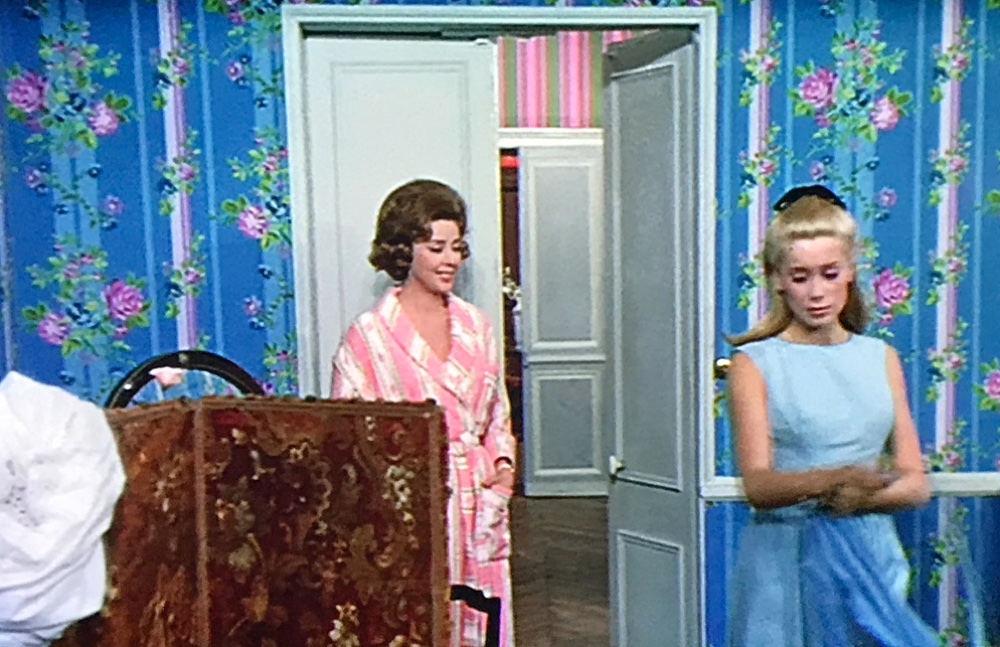
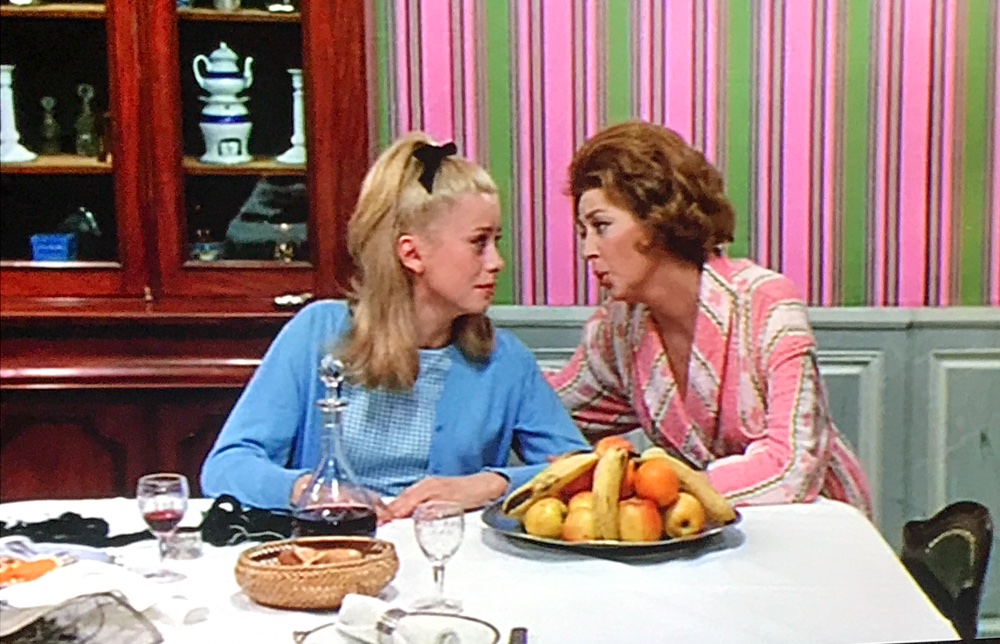
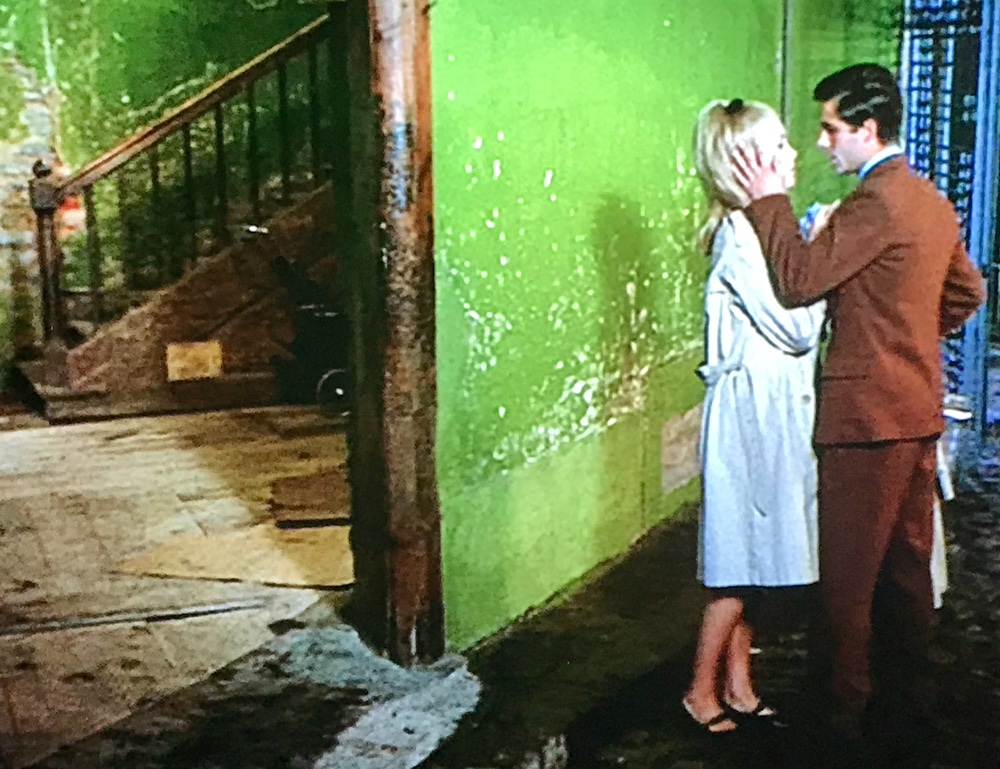
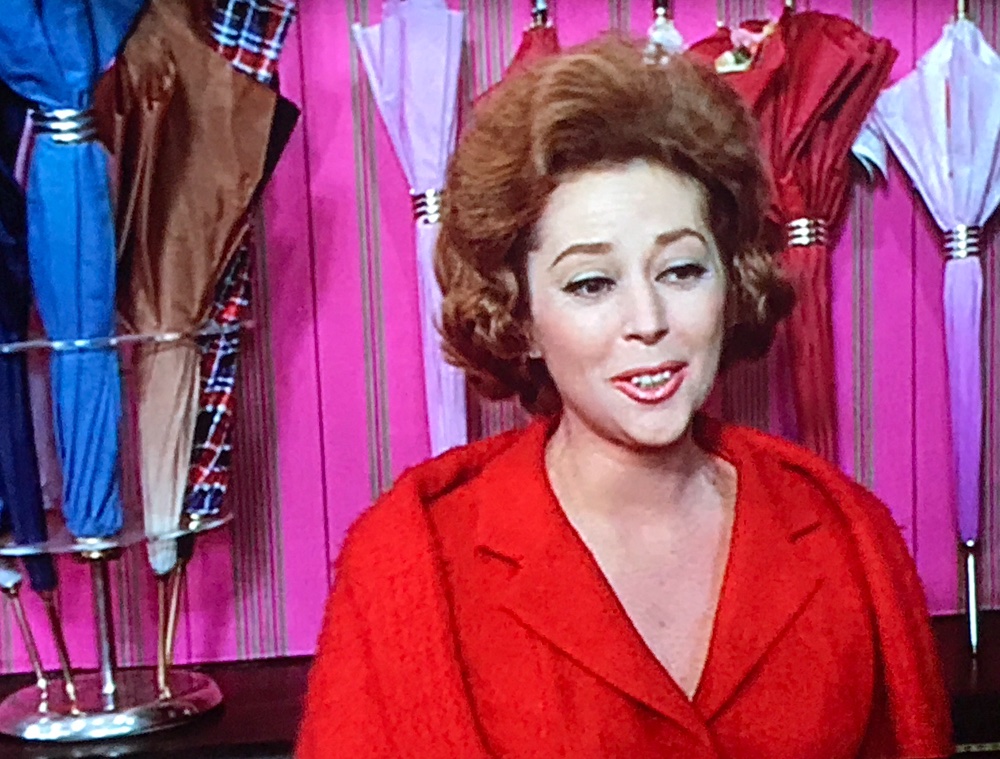
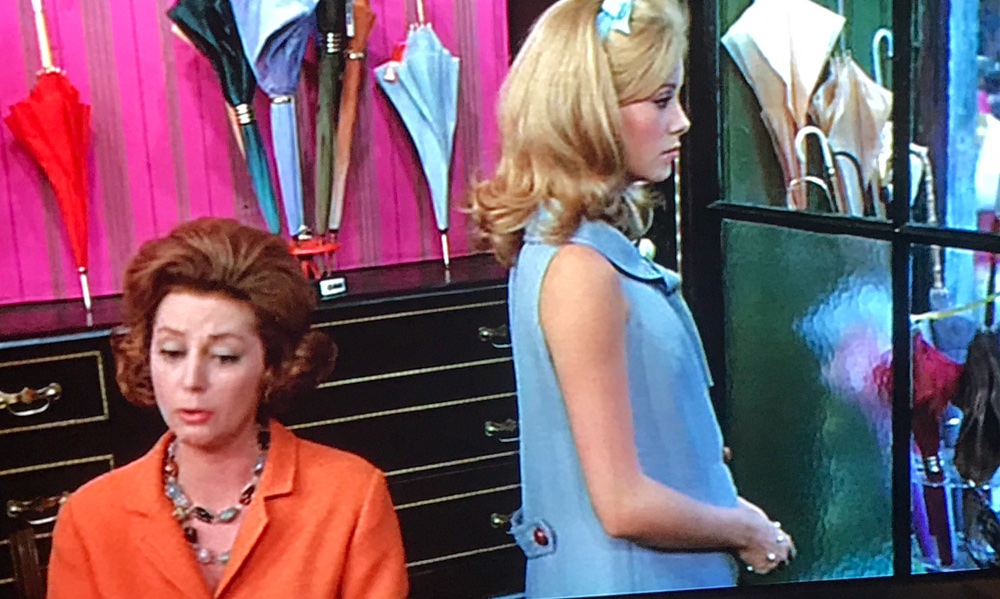
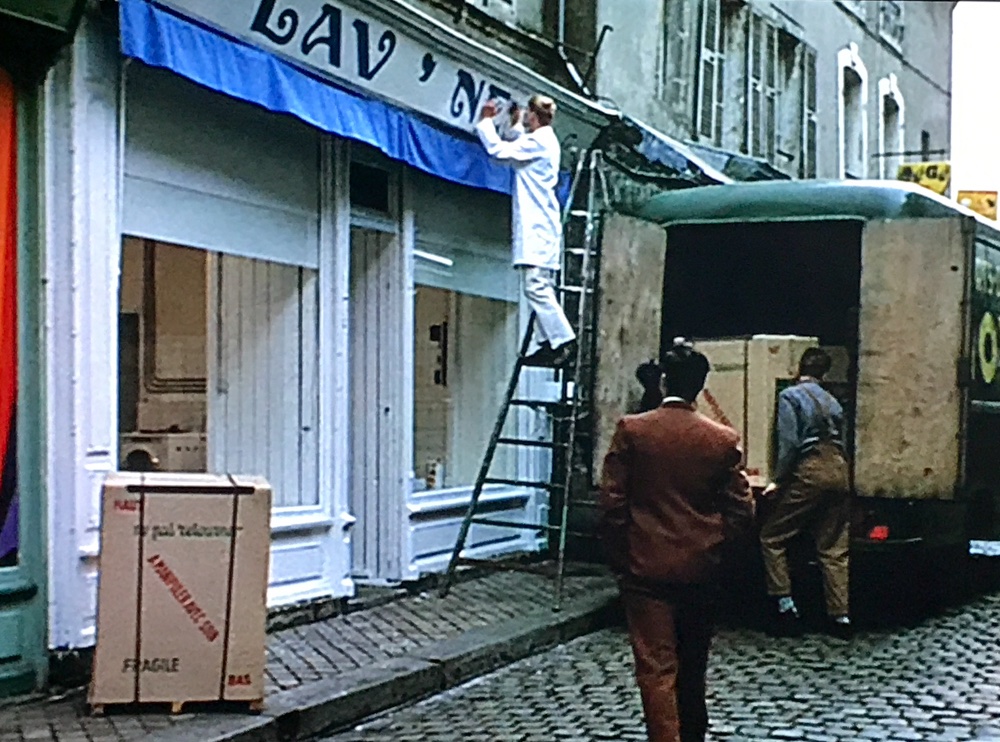
But it’s the raw visual appeal of the movie, photographed by Jean Rabier, which is a standout. The very high contrast rendition – think Kodak Ektar on steroids – coupled with the bubble gum colored sets makes for a special visual statement. And throw in a very young Catherine Deneuve in what would become her breakout movie, and the no less lovely Anne Vernon as her mother and you have the makings of something very special.
Here is a collection of favorite images from this masterpiece:
You can turn on subtitles but why when you can listen to the glories of French instead?
For the follow up musical of 1967, click here.