Seen downtown.
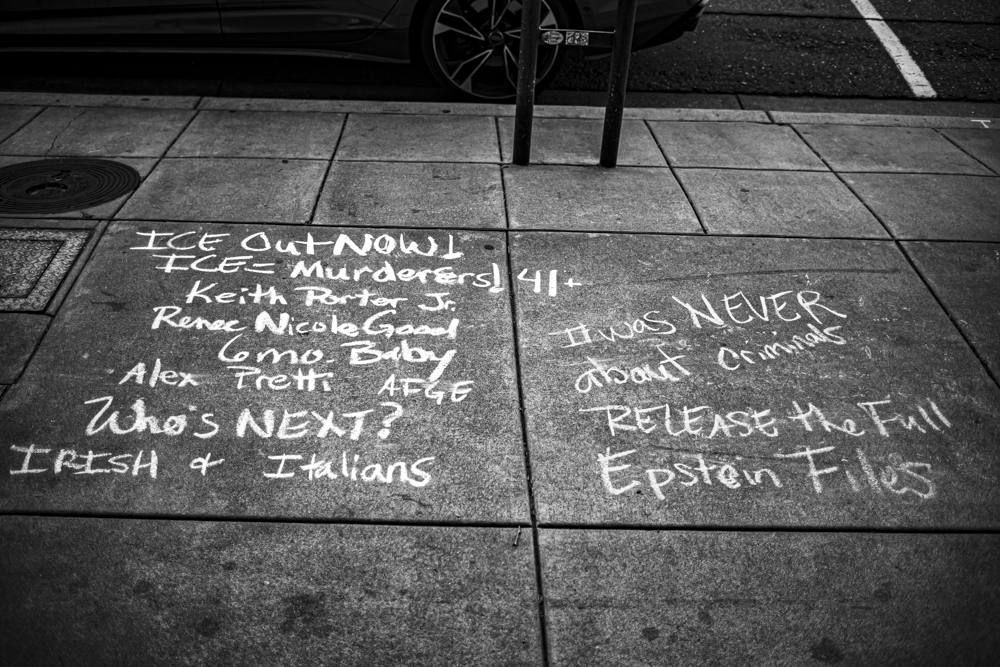
Leica M10, 35mm LLL 8 element, B&W conversion in Lightroom Classic.
Seen downtown.
Leica M10, 35mm LLL 8 element, B&W conversion in Lightroom Classic.
Puzzling.
For an index of all Leica-related articles click here.
Leica just announced the availability of a firmware update for the M10, #3.25.50.34. My M10 was on #3.22.23.38 so I went ahead and downloaded the firmware and instructions, which state:
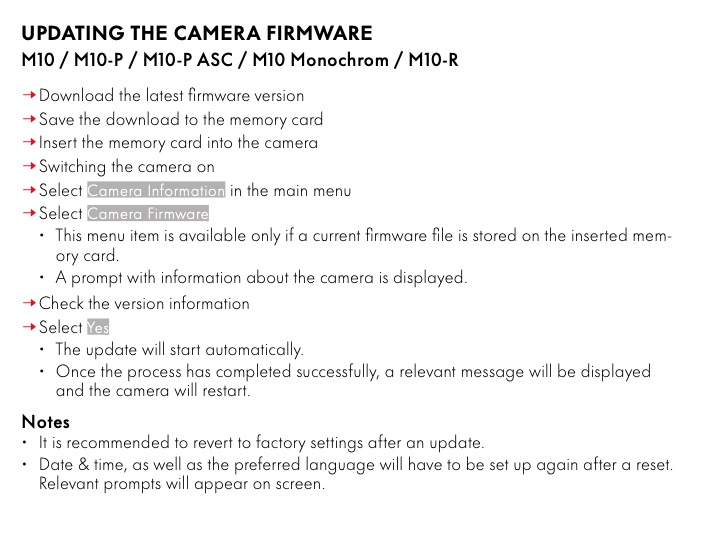
My first attempt at moving the firmware to a newly formatted SD card failed. Nothing showed on the card. The firmware file is named LEICA_M10_3.25.50.34.FW. A second attempt had the file show up on the SD card and I followed the above instructions.
Here are snaps of the LCD screen during this process which, takes some 5 minutes. A nervous time as you wonder if the camera will be bricked. There’s a two minute wait for ‘decompression’ of the file before the first image below:
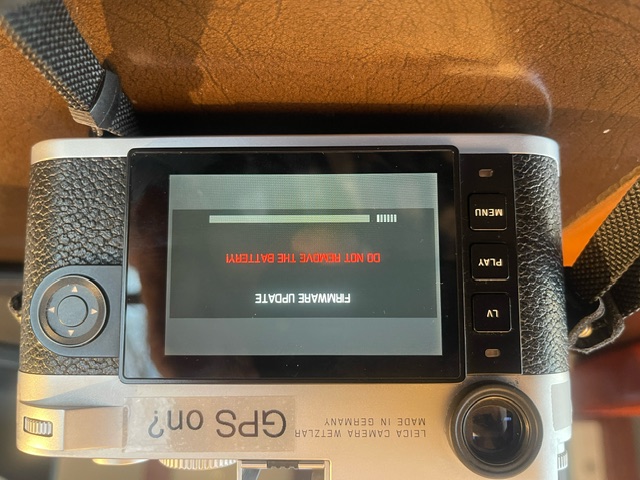
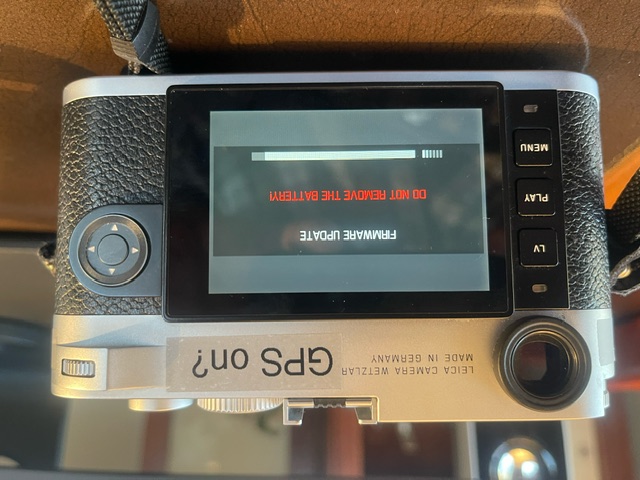
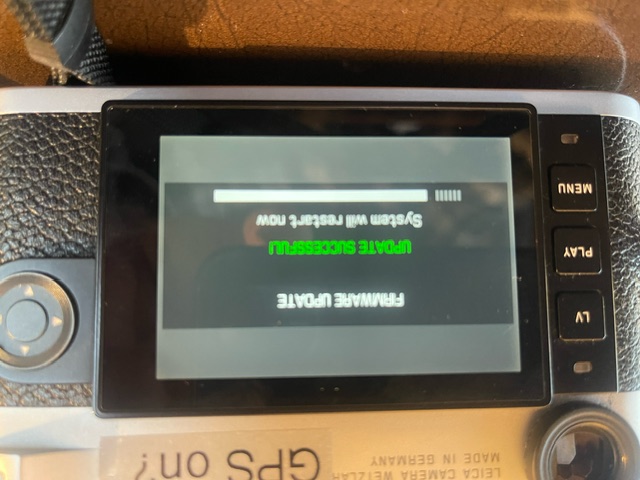
After decompression, towards the end, completion.
At conclusion the LCD went blank, but a touch on the Menu button showed all was well, and the firmware version in ‘Camera Information’ was confirmed as #3.25.50.34. There was no indication that the camera was being restarted.
Leica makes no mention of what is being changed, but apparently the prime change is the addition of the newly announced 35mm f/1.2 Noctilux. What is strange is that the lens does not appear in the menu of lenses which can be dialed in manually. Maybe the camera recognizes the new lens when it is inserted, as I assume it’s 6-bit coded. Anyway, I will not be spending $9,650 to find out.
The other odd thing is the mention in the instructions that the date and time have to be reset. I found no need to do this as both were correct.
Go figure.
I also checked to see if the (largely worthless) Leica Fotos app on the iPhone would connect faster, at best an iffy and very slow process with the previous firmware version. Nope. It still fails to connect most of the time and when it does the process takes some 3 minutes. So Fotos remains useless. By all accounts the app works better and faster with the M11, and stores GPS data in the app without the need to use the clunky Visoflex electronic viewfinder – required with the M10 – but, again, I’m not about to spend $10,000 to find out.
So unless you are buying the new Noctilux it seems pointless to do this firmware update. And if you do get the Noctilux it’s unclear whether it will be correctly recognized.
Costlier than ever.
For an index of all Leica-related articles click here.
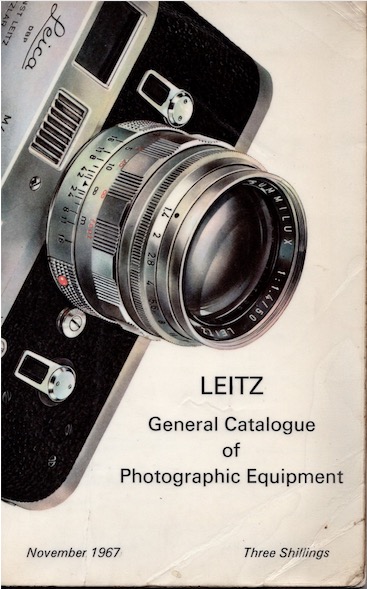
From the UK 1967 Leitz catalog:
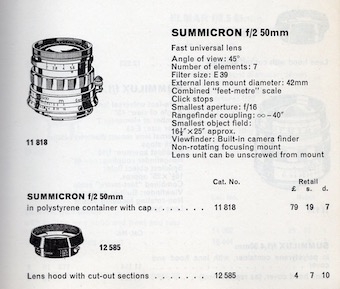
Adjusted for inflation using the CPI and converting from sterling to dollars, that 1967 price computes to $2,240 today.
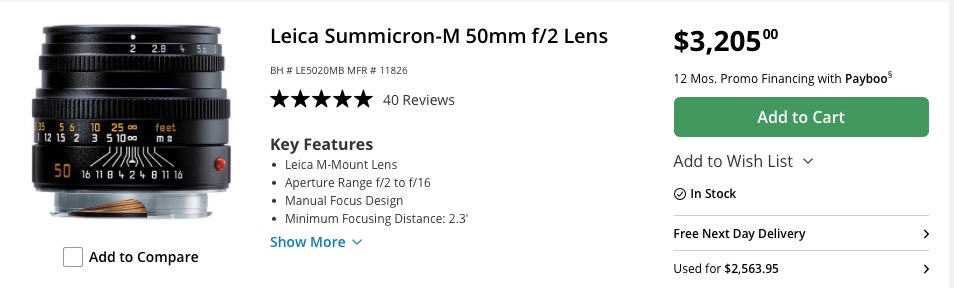
Compare with today’s price for a new copy of the latest version:
The Light Lens Lab clone performs identically at a fraction of the price, with build quality comparable to the original:
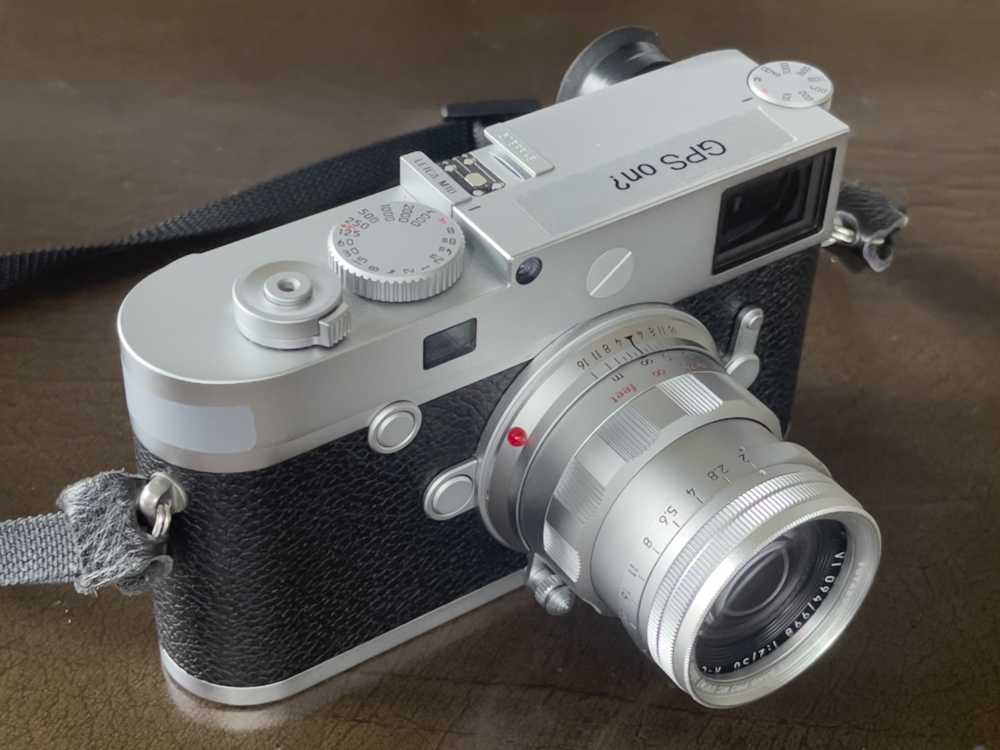
Plus, with the LLL clone, you can choose from Cooke Speed-Panchro II or Leitz Summicron clone optics.
No Pharaos in sight.
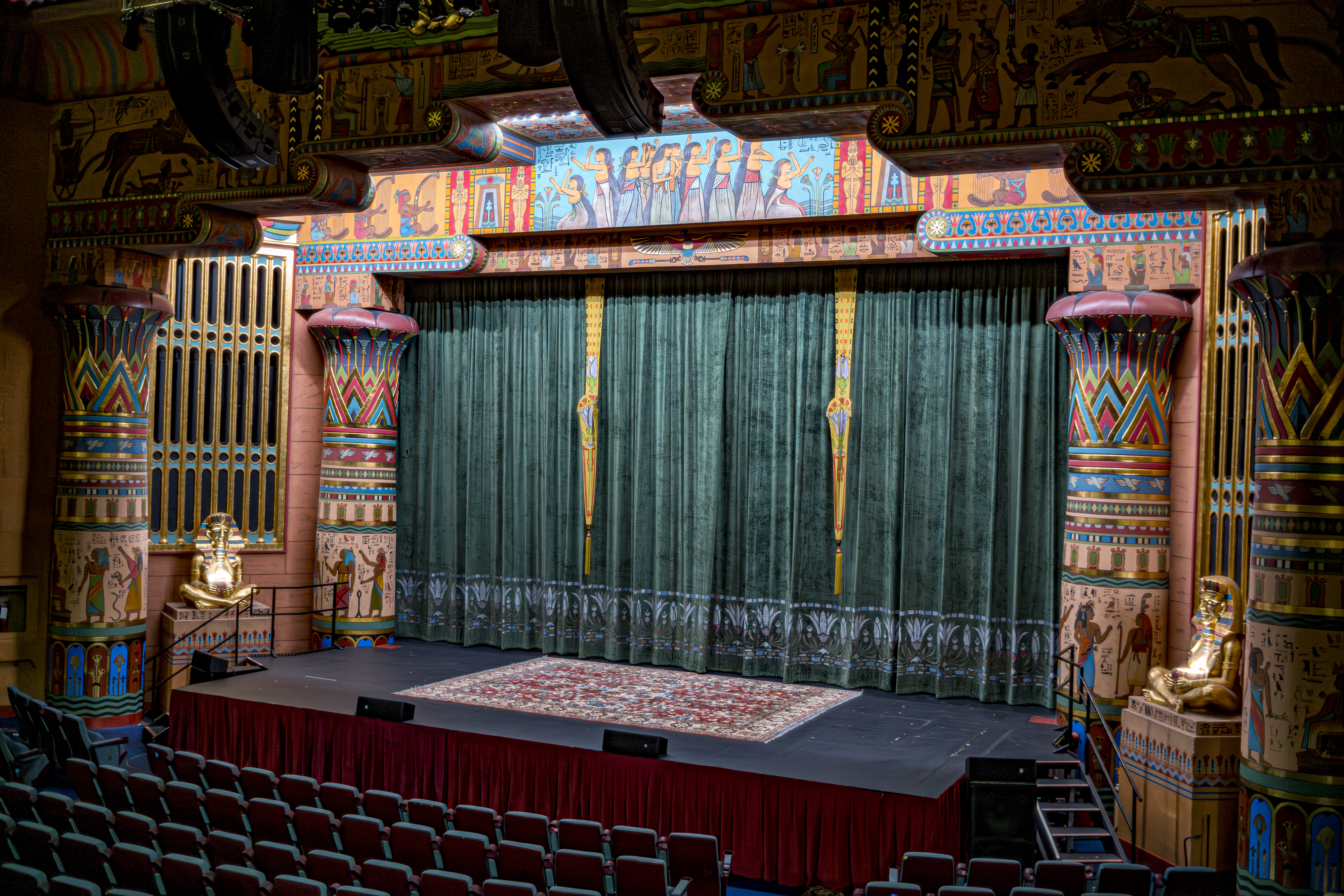
Leica M10, Light Lens Lab 35mm f/2 8 element at f/2, ISO3200.
Some early results.
For an index of all Leica-related articles click here.
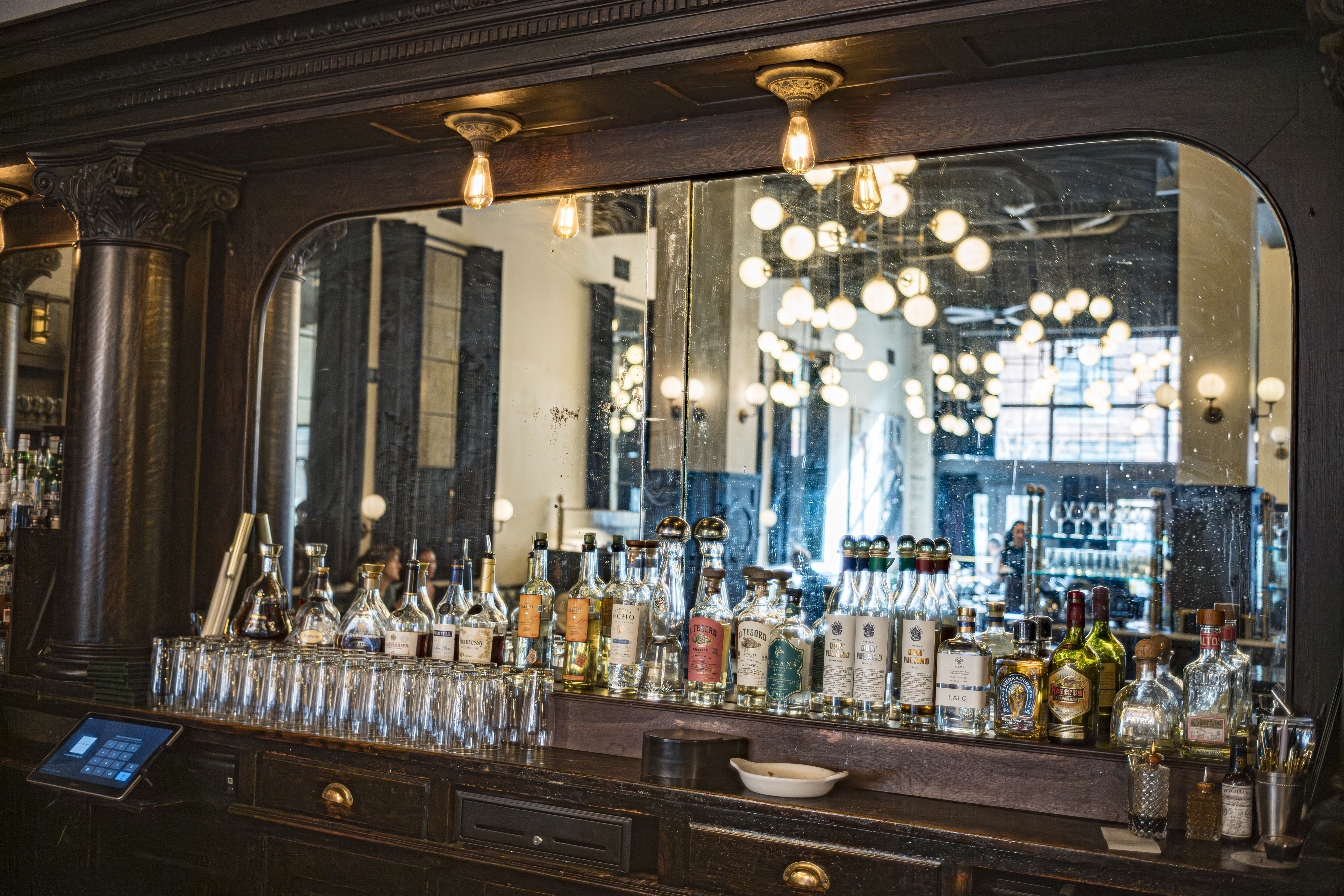
Here is a handful of test snaps from the LLL f/2 8 element Summicron clone.
These were taken in poor light, all at f/2, to see what the lens is capable of. In each case clicking the image and clicking the result will display a very large picture to permit critical evaluation. The gentle, unfussy rendering of out-of-focus areas is well shown in these snaps.
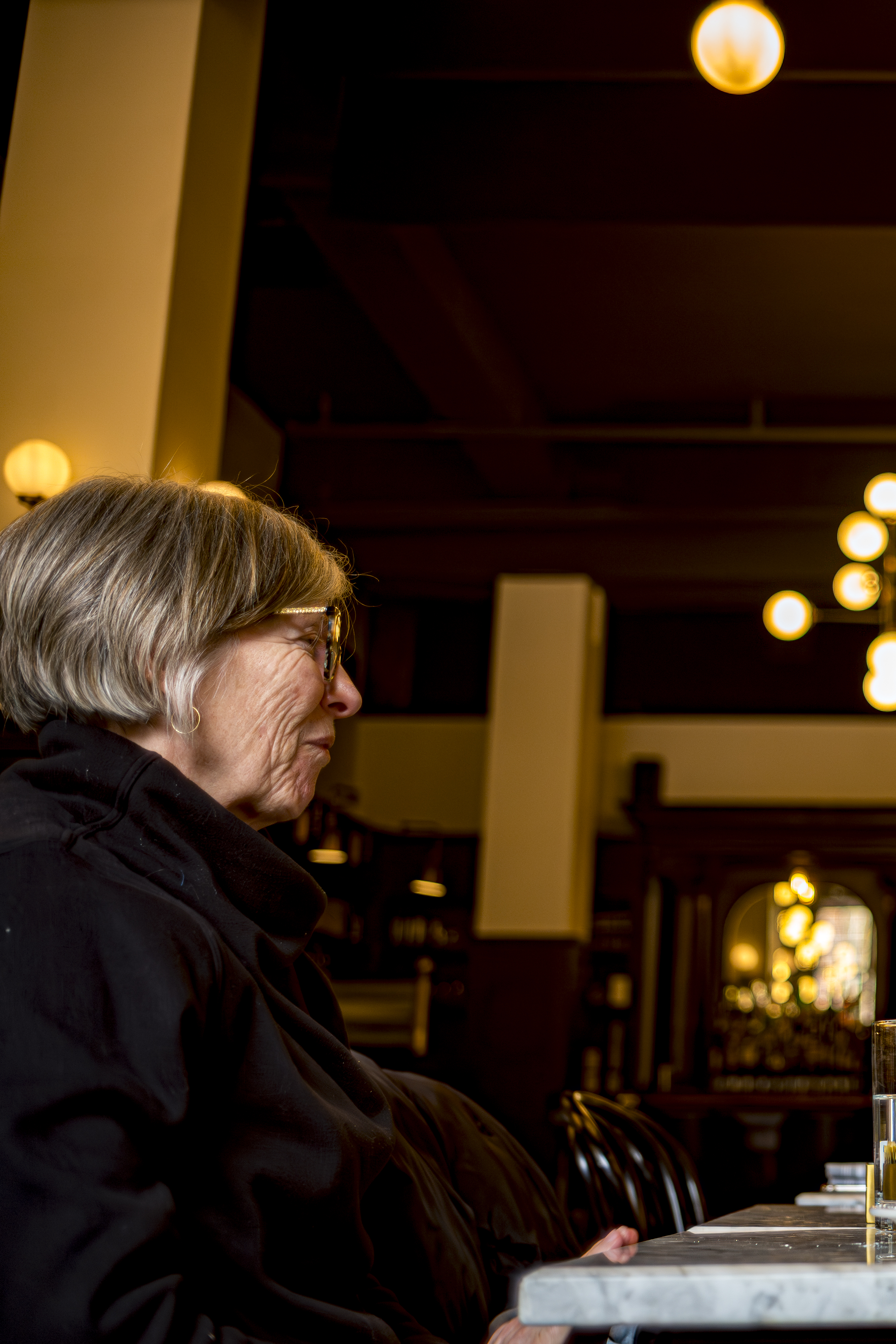
In the next image I accidentally underexposed by no fewer than 4.5 stops. Duh! Though only at ISO500 the result has considerable digital noise and the Denoise algorithm in LR Classic 15.1 did a fine job of removing the noise without robbing definition. Center resolution is exceptional with little loss in the corners, despite the lens being at full aperture.
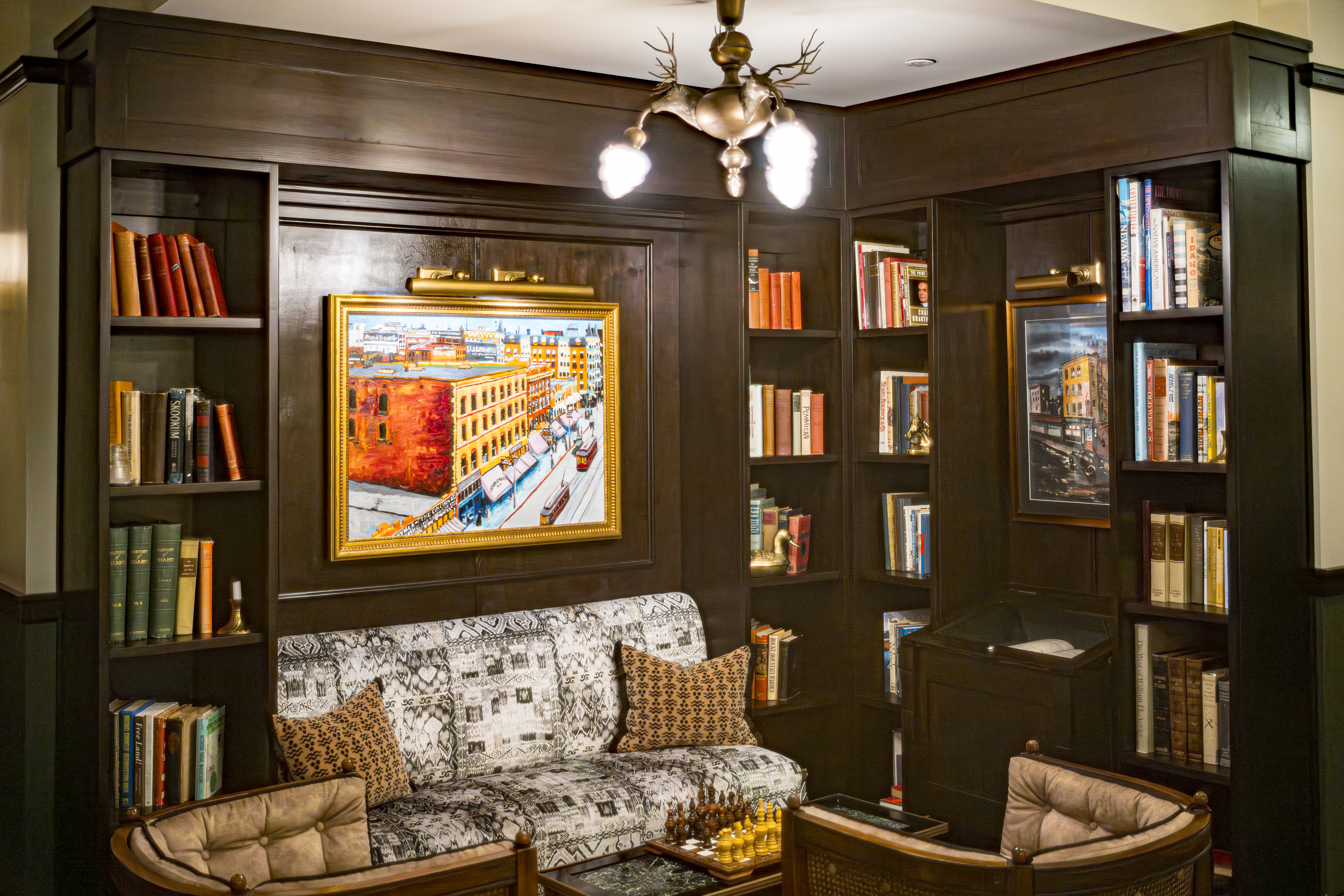
In this final image focus was on the serrated decoration immediately below the lower glass globe. The ‘Leica glow’ is on full display here. Note the rendering of out-of-focus areas:
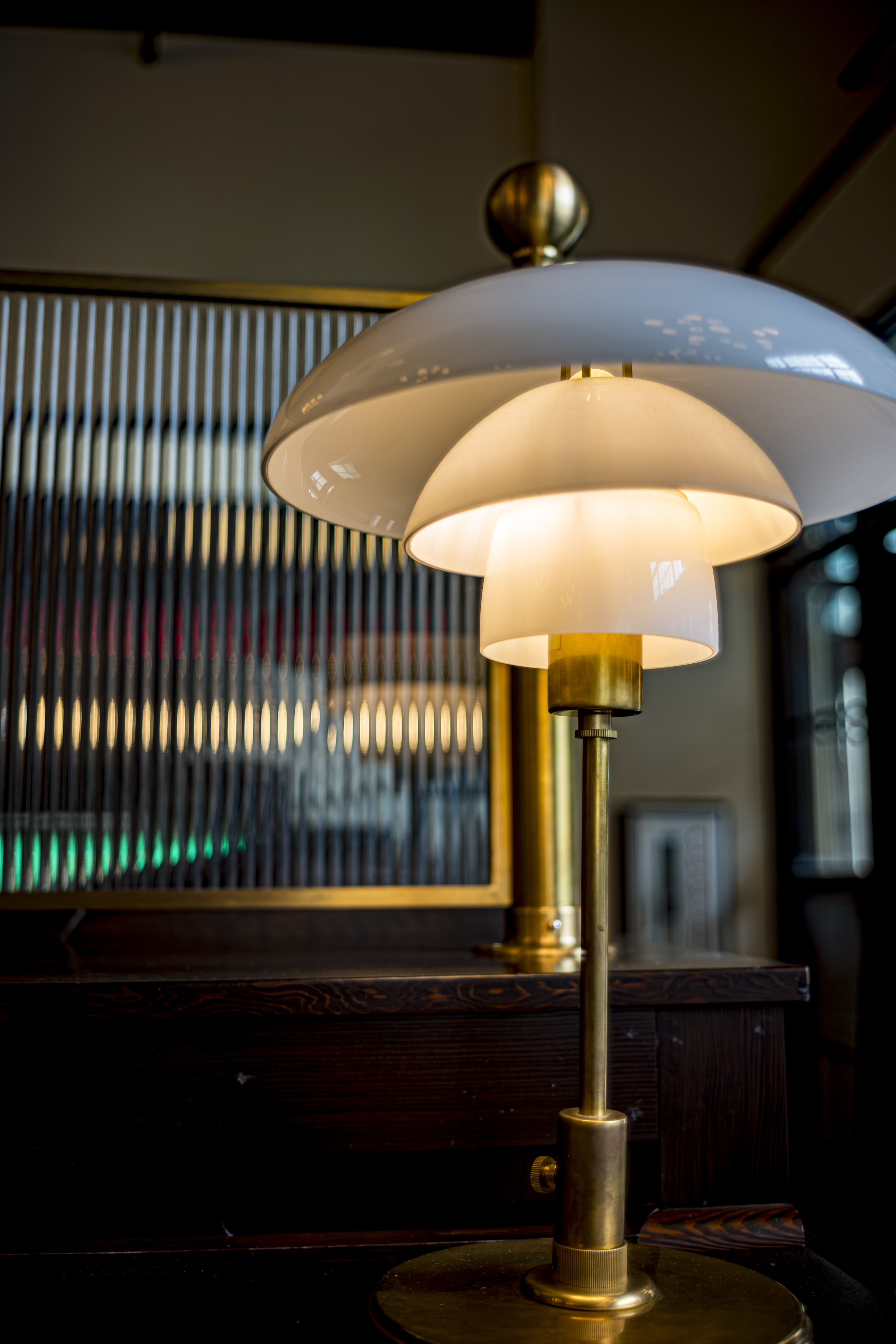
In conclusion, this is a lens which successfully emulates the 70 year old Leitz original design with the addition of modern multicoating, fresh parts and new grease, and all at a fraction of the cost of that Leitz collectible. Corner definition is high at full aperture with the corners holding up well. There is no distortion. If you want glow use f/2. For glow-free high definition f/2.8 and smaller does the trick. Highly recommended as an all round, diminutive street snapper with a fast maximum aperture. Not cheap, but built to historical Leitz, Wetzlar standards. And that means this lens defines excellence in mechanical and optical design.
All images on the Leica M10.