This blog, that is.
Daniel Boorstin, Librarian of Congress, said “I write to find out what I think.” I find I am like minded. Setting down ideas each day is a helpful process which, I suppose, is why I write this blog.
So it comes as a signal pleasure to relate that this journal is five years old today.

First post date …. for UK readers, at least.
Those five years have seen a revolution in the technology of photography, exemplified by my own experience. This photographer was a Leica devotee of some 35 years’ happy use back on June 15, 2005, with some serious Rollei medium format gear on the side. Today the hardware consists of a Canon 5D when the very highest quality ‘medium format’ quality is called for and a Panasonic G1 for street happy snapping, with the diminutive Panasonic LX1 in the glove compartment. Not a film camera in sight, these all having moved to collectors’ closets over the past five years, neatly paying for most of the digital gear in the process. Now while digital gear has all the charisma and charm of a cold war era Soviet politician, unlike that bear of old it does produce consistently, at a quality level superior in every way to film and getting better daily. What’s not to like? OK, so you no longer regard it as an heirloom to pass down to your nearest and dearest, as it will be unrepairable electronic detritus five years hence, but it is so cheap and so competent that the result is a win for the user and the maker. Confirming what I wrote, to much opprobium, on July 5, 2005, Film is dead. And so is Kodak.
The software front here has enjoyed a rock stable combination of OS X on various Macs accompanied by Lightroom which is now in its third iteration, though the changes at the margin are becoming …. marginal. A robust pair that never lock up and continue to make me wonder, as I have for the past decade, why anyone valuing his time would use the fraud that is Windows.
Processing hardware has been less of a joy, not helped by a litany of failures from Apple’s awful hardware, with only the iPhone being distinguished by its reliability, likely accompanied by the too-new-to-say iPad. Mercifully, I saw the light a while back and built my own HackPro from inexpensive PC parts and it has been running totally glitch-free 24 by 7 since put into service. It’s as fast as just about any overpriced MacPro on the planet and a fraction of the cost, not to mention infinitely upgradeable for low outlay. The advent of OS X for Intel CPUs made this possible so it was not a practical proposition until fairly recently. Every self-respecting photographer who demands the very best in performance from his processing hardware should consider building one of these, avoiding Apple’s overpriced, short lived desktop and laptop jewelry like the plague.
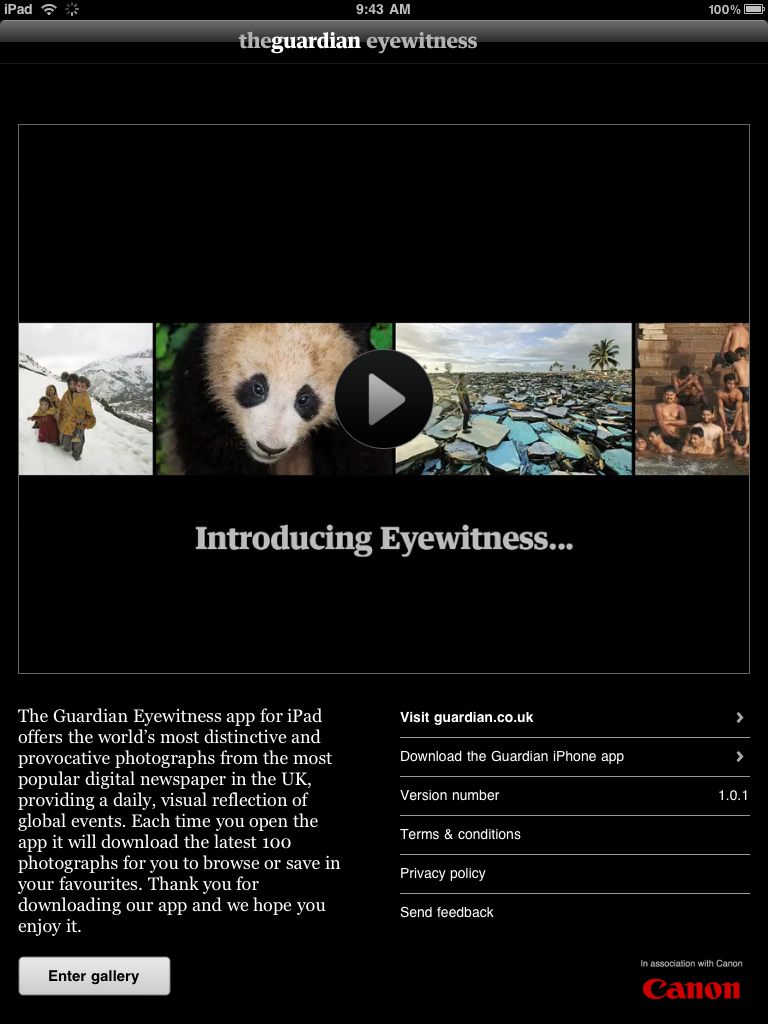
Mention of the iPad does not require much of a stretch to pronounce that the PC is Dead. The form factor and user interface of this device will come to dominate content consumption and creation over the next five years in much the same way digital imaging has come to dominate photography over the past five. Our children will ask why anyone in their right mind ever used a keyboard, one of the few remnants of antiquity in modern societies. Get ready to say goodbye first to your clunky, overheating laptop and, eventually, to your desktop gear.
No mention of hardware can be complete without lauding HP’s now discontinued DesignJet 90 wide format printer, which makes fade free prints in sizes up to 18″ x 24″ without complaining and does so at very modest cost. It made possible my one man show a while back and I bless it daily. A tool which does exactly what the maker claims – makes superb prints. It remains a great value on the used market though I suppose that, with the advent of cheap large screen TVs, I ought to add the the Print is Dead and the ecosystem of the world can only benefit.
On the personal fulfillment front, or whatever the current psychobabble calls it, photographic life has been eminently satisfying, seeing the production of two books of photographs and a one man show in April 2007. Lots of hard work and lots of fun.
This journal has also been lucky in featuring the work of many outstanding current and past photographers, and you need only click the drop-down menus above (‘Photographers’) to see their work. If I were forced to name five who have most affected me and my work they would be Cartier-Bresson, Doisneau, Penn, Porter and Horst. All are profiled on this site.
And finally, there’s the list of stinkers which you can see by clicking here. These range from jerks like ‘Anonymous’ who posts idiotic comments here, to unscrupulous photographers who think nothing of turning tragedy to profit by false means, conflicted ‘journalists’ who laud gear after first making sure future free loaners are guaranteed, and modern day crooks like Google who are robbing us of our privacy while jealously safeguarding their own. This will not change, for there are fortunes to be made, as these miscreants have learned, from human gullibility. This blog remains totally revenue free (meaning I make nothing, zilch, nada from it – even my modest book sale profits go to charity) with no click-through earnings of any sort, so you can expect it will remain outspoken, skeptical and fearless over the next five years.
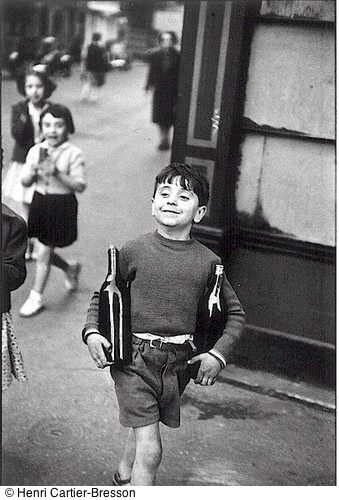
Celebrating five great years.
Thanks for stopping by this last half-decade and I hope we are both around five years’ hence.