Category Archives: iPhone

A smartphone with a decent camera

Up periscope!

The future approaches.

This year or next will probably see the addition of an optical zoom lens to high end iPhones. I wrote “high end” as the change in Apple’s marketing strategy with the iPhone 12Pro and Pro Max is clear. They are distinguished from lower models by adding a longish lens (65mm on the Max) and, in the case of the Max, bigger sensors. And bigger margins, of course.

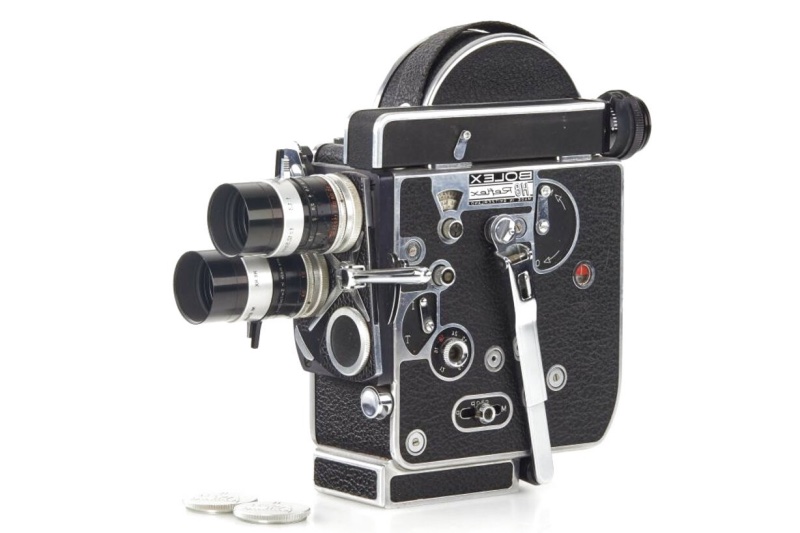
Rotating turret lenses in cine cameras have been around for decades:


The Bolex H16, originating in 1927, was last made in 2016 by the Swiss Paillard company.

Compared with zooms the lenses were lighter and faster. And mostly sharper, to boot.

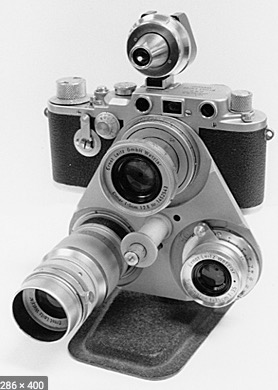
Never one to resist an opportunity to make yet another gadget, Leica went all out with a turret attachment for its 35mm film cameras, coming up with this monstrosity


The Leica turret attachment from the 1940s..

While you might argue that simply changing lenses would be easier, Leitz persisted with this nuttiness into the Leica M era which saw the old, slow screw mount give way to a fast bayonet variant, yet the turret remained available, now with bayonet mounts. The pocketable aspect of the small and elegant Leica body was rather lost in the process.

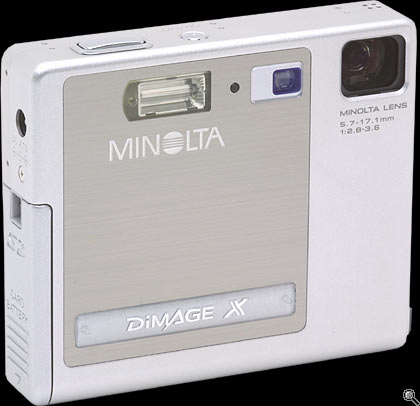
But zooms were the way of the future and while they came with limitations, they were a lot more appealing to the average consumer. 2002 saw the introduction of Minolta’s Dimage film camera with a periscope zoom, and it was a knockout.


The elegant Minolta Dimage of 2002.

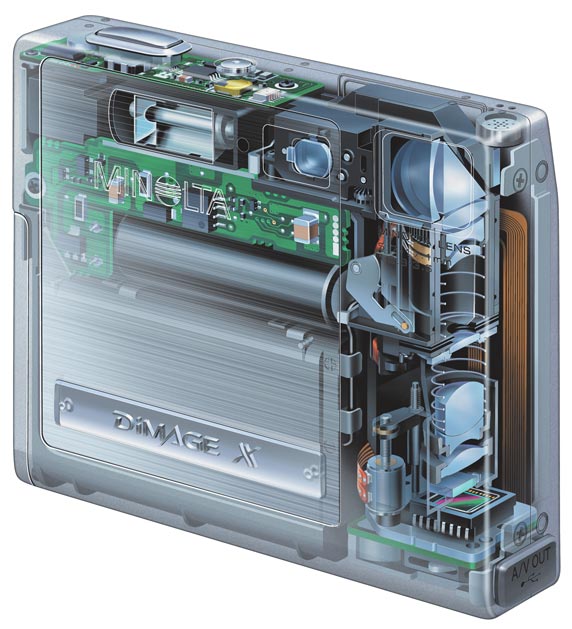
The periscope optical zoom, vertically oriented inside the case, saw light rays deflected through the associated right angle using a mirrored prism. This allowed the incorporation of an otherwise lengthy optical path within the tight confines of the body, a small 3.3″ x 2.8″ x 0.8″. For comparison, my iPhone 12Pro Max in its ‘bumper‘ measures 6.5″ x 3.1″ x 0.3″. You can read DPR’s 2002 review of this 2 megapixel digital masterpiece here.

This cutaway view shows how it worked:


Illustration of the ‘folded’ optical path.

While the Dimage sported a 37-111mm (3:1) zoom with modest aperture of f/2.8-3.6, I think we can expect a lot more from the iPhone 13 or 14. For this user a 28-200 (7:1) f/2 optic would be perfect, and leave the UWA lens as a separate choice. That makes the optical designer’s job easier and, let’s face it, you really do not need a zoom starting at 12mm given the relatively infrequent use of something so wide. Nor do you need a turret.

Once that iPhone Zoom hits the market the sole remaining users of traditional DSLRs or their mirrorless brothers will be press photographers and the fashion set, because both would be laughed off the set were they to be seen using an iPhone. And, of course, the few remaining nuts taking nature photographs because, you know, of the trillions of images already out there, all available for pennies from stock vendors, there must be something yet undiscovered. As for the camera divisions of Canon, Nikon, Sony et al, say goodbye.

The technology is out there. A 2019 Huawei cell phone uses it and you get free Chinese spying software as part of the deal. Wait for the real thing.

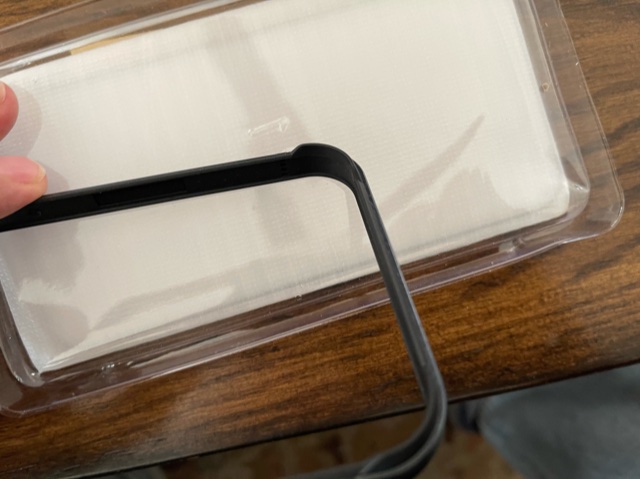
iPhone 12Pro Max bumper

Protecting the lens assembly.


Click the image to go to Amazon.

It’s not that easy to find a pure bumper for the iPhone 12Pro Max. Most cases come with a variety of front and rear covers, neither wanted by this user as I use a belt holster.

I did not want to get a case for the iPhone 12, to keep bulk down and to retain the better grip afforded by the square sides. However I did find the sides rather slippery but, more importantly, noticed that the protruding lens assembly meant that the iPhone would not rest flat on a desk or table, but would rest that corner on the lenses themselves. Not good.

So I caved and got one of the above. It’s slightly less slippery than the native edge, the square profile of the sides is retained, the touch of the buttons remains good (though the mute switch is a bit tough to access) and it has corner protrusions which protect the lenses when the iPhone is placed lens-down on a flat surface. While the package included a screen protector I consider that a waste of time as I have never known an iPhone screen to scratch unless something truly thoughtless is done to it, like putting it in a pocket with unprotected keys. As for covering the lovely Pacific Blue back, why on earth would you want to do that?

iPhone 12 Pro Max – some observations

The world’s best cellphone gets better.

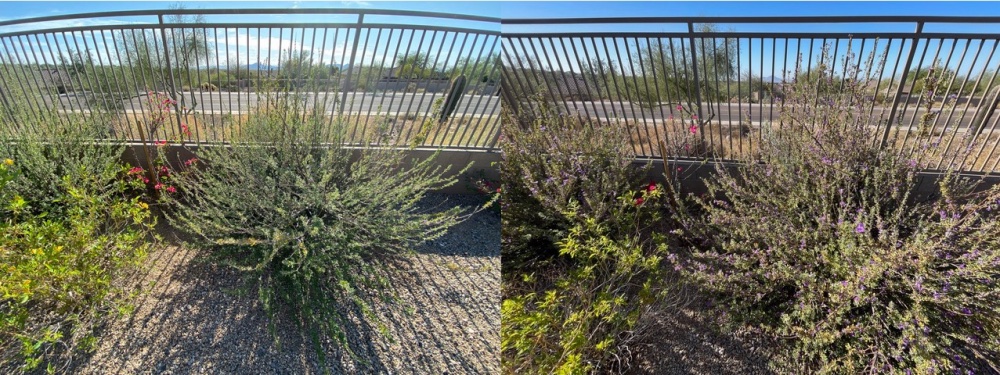
I opted for the Max large version of the iPhone 12 Pro for two reasons. I really want to obsolete my 7″ Kindle Fire for reading (it’s a nice small size and weight which can be held in one hand when lying on the sofa) as fewer gadgets are always a good thing. And because the iPhone 12 Pro Max has some nice enhancements over the iPhone 12 Pro and 11 Pro when it comes to the cameras. Night Mode is now available on both 12 Pro models for the UWA lens (not available in the iPhone 11 Pro) and internal processing sees to it that the objectionable UWA ‘mustache’ distortion is no longer present.


Uncorrected UWA images – iPhone 11 Pro vs. iPhone 12 Pro Max.

You can read about the high distortion levels in the UWA lens in the iPhone 11 Pro here and follow the link to my LR/PS distortion correction profile from that piece. Suffice it to say, as the above images disclose, there is no need for a distortion correction profile with the UWA lens in the iPhone 12 Pro Max. Masochists can go to Settings->Camera->Lens Correction to turn off in camera distortion correction for both the UWA and standard lenses.

Another reason to upgrade to the iPhone 12 is the shape of the case. The iPhone 12 has reverted to the slab sided design seen in the iPhone 4 and boy, is it wonderful to hold after the slippery eel that is the iPhone 11. So much so, that while I am sticking with a (larger) belt holster for the iPhone 12 Pro Max, I no longer use a protective cover or case as it’s so much nicer to hold naked in the hand. The worst aspect of the iPhone as a full time camera has always been its awful ergonomics, and this is a significant step in the right direction.

There’s another ergonomic upgrade courtesy of software changes. Go to Settings->Accessibility->Touch->Back Tap and set it as follows:


Back Tap.

You can now simply double tap the rear of the iPhone to release the shutter; sadly no single tap option is available. But either way, this is a strong argument to avoid the use of any sort of protective cover, or to cut a hole in the back if you do use one to permit the use of Back Tap. I have found that the UWA is so wide that getting your fingers out of the way is a challenge using Back Tap with that lens, but it’s easy with the other two.

Speaking of lenses, the ‘long’ lens, still at 50mm in the iPhone 12 and 12 Pro, is now 65mm in the iPhone 12 Pro Max. Until a periscope zoom comes along in later iPhones, this is a step in the right direction.

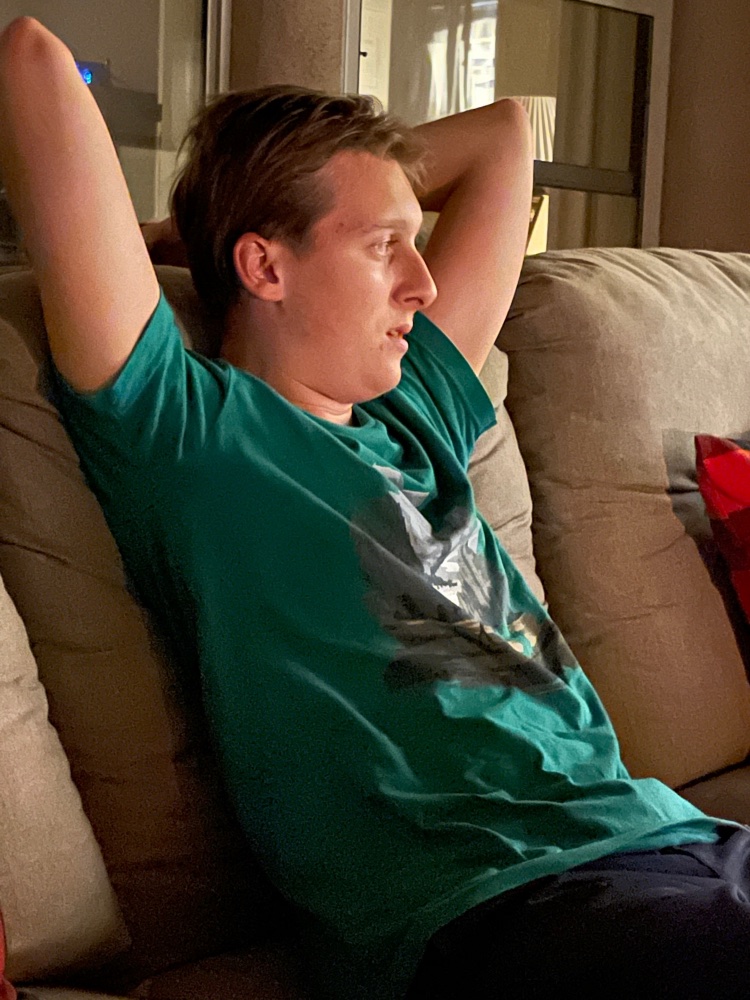
Finally, the new LIDAR detector permits accurate determination of focus even in darkness. This image of my son watching TV on the patio was taken in almost total darkness, the iPhone advising me to keep still during the three second hand held exposure. This is magic. Why would anyone revert to the dated, incompetent offerings from Sony, Nikon, Canon et al?


LIDAR assisted Night Mode in near total darkness. 65mm lens.

As for obsoleting that Kindle Fire as a book reader, here are the key statistics:

Kindle Fire – screen diagonal 6.8″, weight 10oz, battery life 7 hrs.
iPhone 12 Pro Max – screen diagonal 6.4″, 8.6 oz, battery life 20 hrs.

Hast la vista Kindle.

More when Apple Pro RAW becomes available in the iPhone 12 with an upcoming iOS release.

The iPhone 12 Pro is the best camera in the world for 99% of users.

You think the iPhone 12 Pro Max is expensive? Run the numbers. Read this. It costs $300 a year.

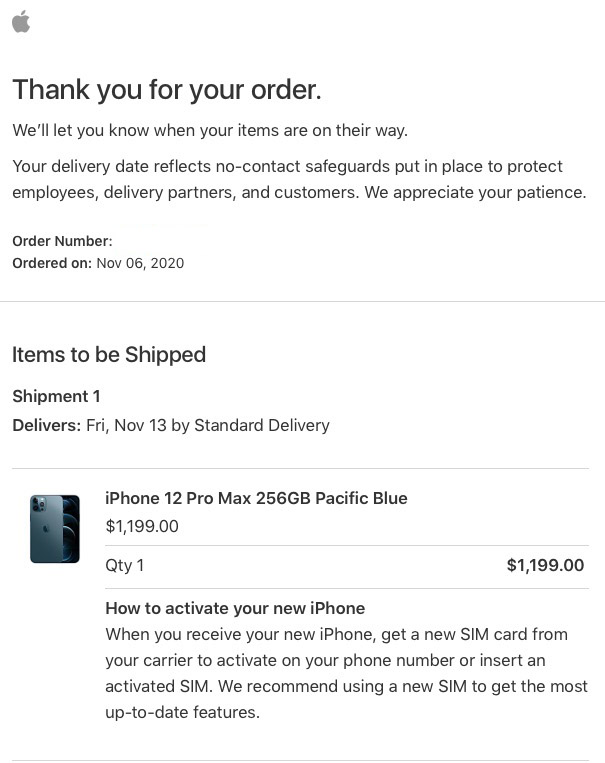
iPhone 12 on order

The best camera in the world gets better.


I have gone with the larger Max model to experience the premium camera features not available in other versions.

It’s selling like hot cakes – as I wrote (9am MST) delivery is already up to 3 weeks distant.

Serious magic

Night Mode

With the nights getting colder, it’s time for the annual overhaul of the propane heater on the patio. This exceptionally bad design dictates that something fails annually. Over the four years of ownership, the pilot has got clogged, the tilt switch failed and finally, this year, the pilot had to be completely replaced as it was beyond redemption. (The main burner will not ignite if the pilot is faulty). $18 and some sweat equity did the trick. Quite why so commonly used a device should stick with 1950s technology last seen in the Eisenhower administration defeats me, but the chances are if you eat at an outdoor restaurant equipped with these propane heaters, half of them will not be working. The lead chap at Chernobyl probably cut his teeth on propane patio heater design.

As an example, the tilt switch, which is a safety device intended to disable the main burner in the event the heater is accidentally tipped over, uses a mercury switch last seen 50 years ago in domestic HVAC systems. It is designed to fail and I simply bypassed it when it did so. The risk of a tip over in my location is zero. One thing less to go wrong.

The spark starter finally failed this year and I have given up on replacing it in favor of a wand type gas lighter. Simple, fail proof and cheap.

To cut a long story short I finally got the heater working and when it works it really is an object of wonder, putting out amounts of heat that electric alternatives can only dream about. A 5 gallon propane tank last for many hours.

Add the firepit (no pilot, no sparker, no tilt switch and bog reliable as a result), which also uses bottled propane, and you have a pretty jolly setting for watching the TV at night. As we fired up another episode of the wonderful ‘Endeavour’ series about the early life of Inspector Morse, starring that fine Welsh actor Shaun Evans, an actor far superior to the overrated John Thaw in the BBC original, it struck me that it was time to again report on the magic of Night Mode in the iPhone 11 Pro.

Winston enjoys some late night TV.

The sole illumination for this snap was the two propane sources plus the smallish flat screen TV some 10 feet from my son. This image is ‘straight out of camera’ and hand held. Night Mode kicks in automatically when needed.

The just announced iPhone 12 Pro further improves Night Mode by enhancing focus accuracy using the newly added LIDAR detector. I can’t wait.