Category Archives: Photographs

Tomorrow’s books

Well done, Al Gore!

Al Gore’s new interactive book – click the right arrow to view.

Following up on his movie about the environment, ‘An Inconvenient Truth’, Nobel laureate Al Gore has published an interactive book named ‘Our Choice’ which can be downloaded from Apple’s App Store for $5. (Not via iBooks). It is simply superb and you would expect no less from a member of Apple’s Board of Directors. Whether you agree with the content is not the point here. This is a peek into the future of books and I recommend its purchase with great enthusiasm. The level of interactivity – photos, charts, videos, voiceovers – is beautifully done.

The application used to design and create the book was created by a couple of Apple engineers (no surprises there!) at a business aptly named Push Pop Press and the exciting part is that they hope to release a Mac desktop application which will allow anyone to emulate the technology in Gore’s book. Imagine the possibilities with photo books – clickable voice overs, pictures which enlarge and fold out when clicked, videos in ‘how to’ manuals, you name it. It should work well for both the art and technology sides of photography.

I can’t wait to get my copy, which will put the simple eBooks I have created to shame. Click ‘My Books’ at the right to see these.

Update:

Sadly Push Pop Press has been acquired by scummy Facebook and the book app will never see the light of day. Look here for more details.

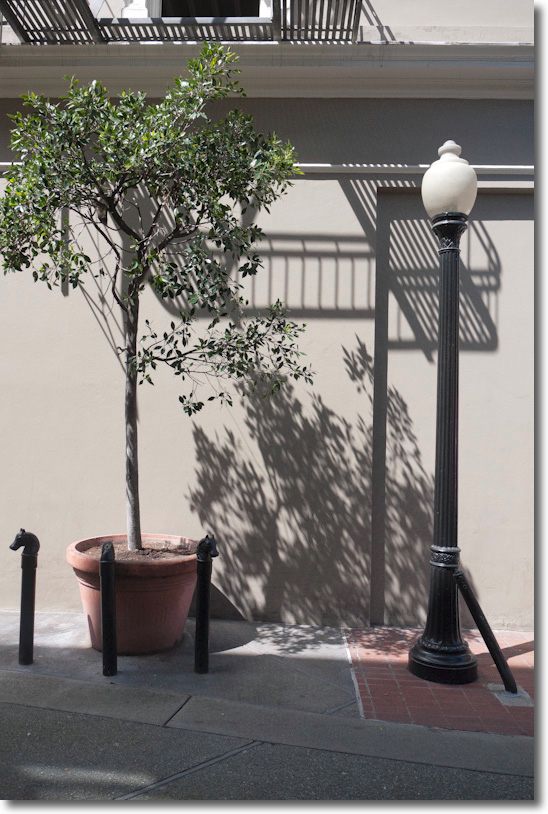
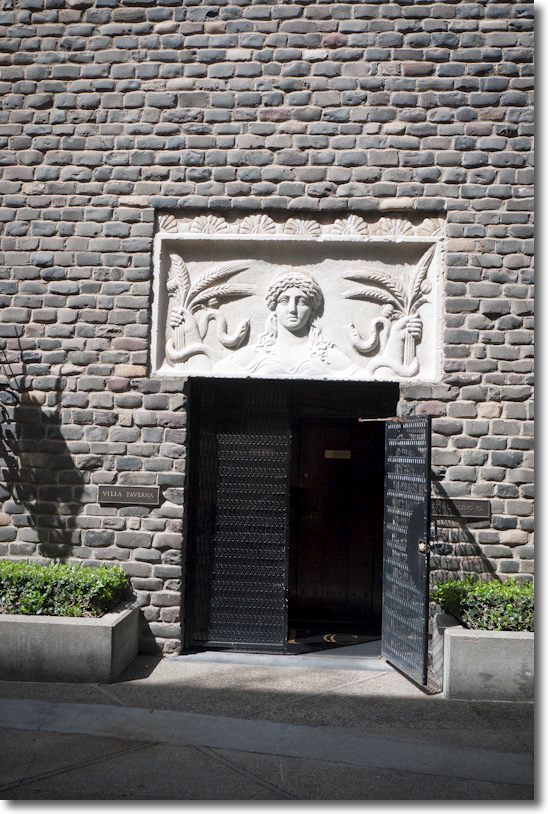
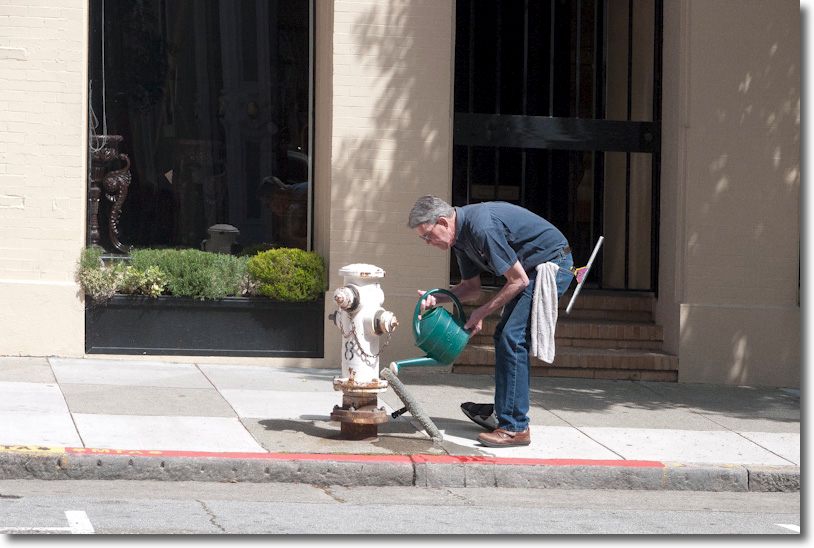
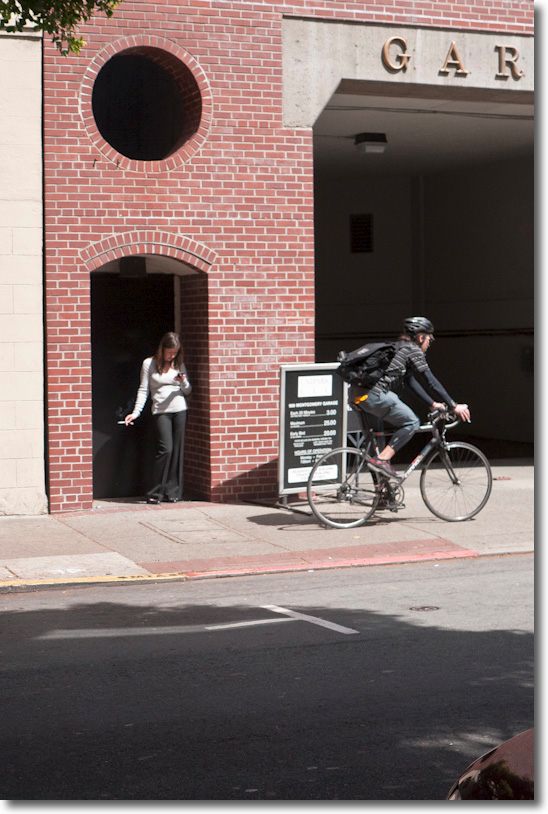
Jackson Square

Not a square, but quite lovely.

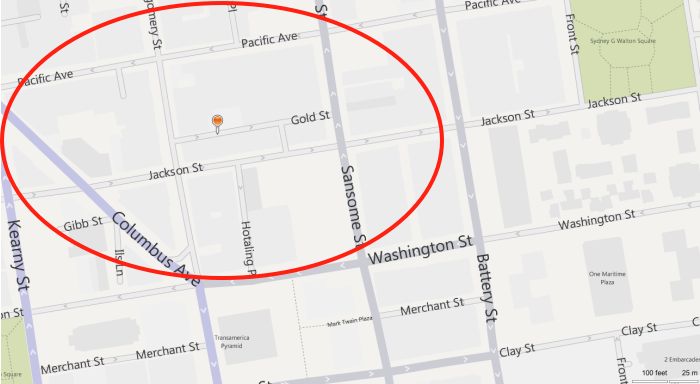
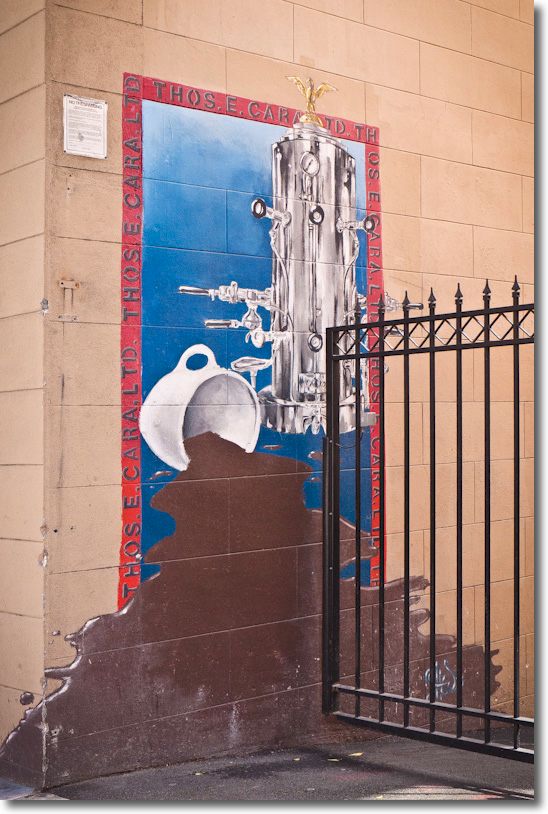
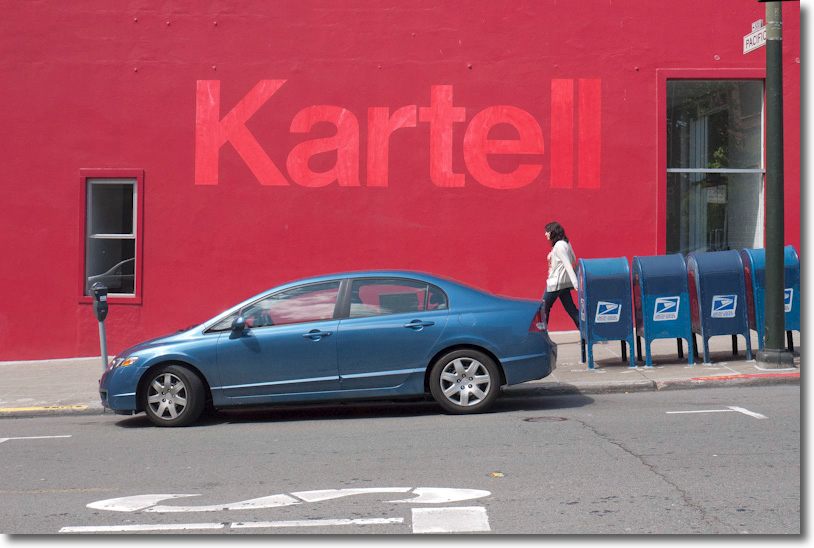
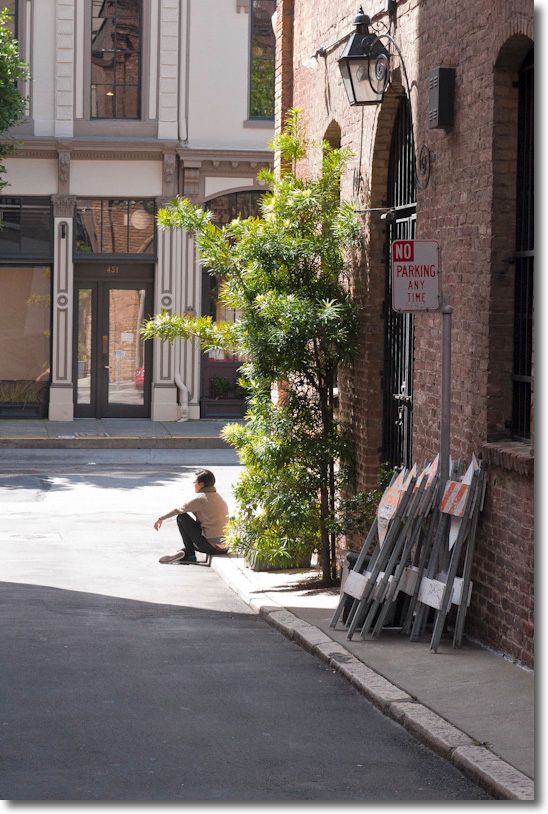
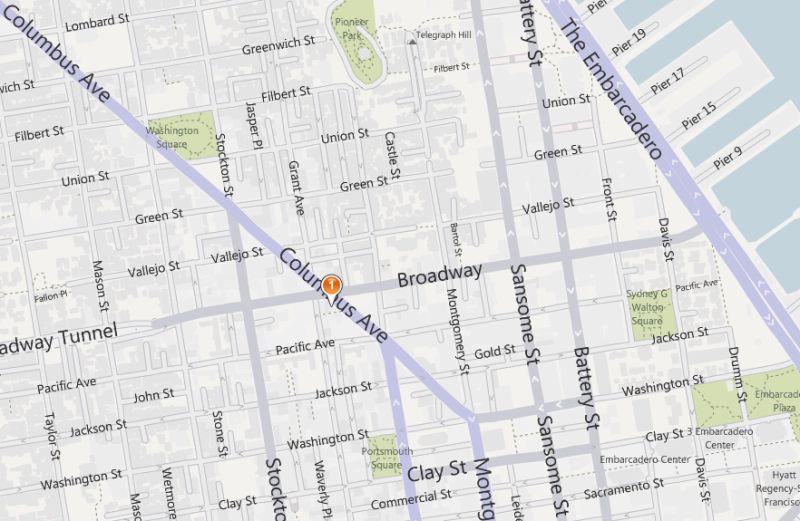
Jackson Square is a small area one block north of the Transamerica pyramid in San Francisco. It’s home to high end decorator, architect and antique businesses. It’s really only a couple of streets and alleyways, not a square, but there are many gems to be spotted there.

Jackson ‘Square’.

All of these were snapped within a minute or two.

All on the Panasonic G1 with the kit lens, ISO 320.

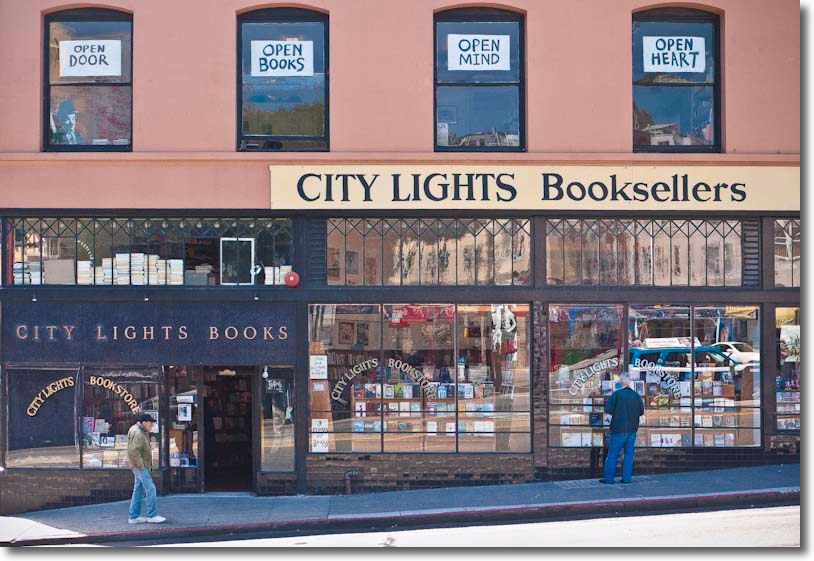
City Lights

An icon.

Go to any American bookshop, if such a thing still exists in your area, and you will find some 10% of the shelf space dedicated to what is collectively referred to as ‘Self Help’. Billions have been made from telling others how to do it, enriching the authors and publishers but must certainly not the readers. How to Make a Million, How to Sell Real Estate, How to Find a Spouse, How to Use a Computer, How to Take Pictures (good luck with that), How to Find Inner Peace, How to Beat the Stock Market (same as finding Inner Peace in my book and just as hard) and, funniest of all, How to Find Yourself.

Judging from the prevailing content at City Lights Books on Columbus Avenue, at the foot of Little Italy in San Francisco, most of their patrons are lost, because psychology, philosophy, new age stuff and so on quite dominate the store. There are lots of patrons trying to find themselves here. While I would argue that little of worth in the field of philosophy postdates the writings of the Frenchman René Descartes (the dour stoic who gave us “I think therefore I am”, Descartes was that rarest of Frenchmen, a man without passion) and the Scot David Hume (the empiricist who pronounced “Reason is, and ought only to be the slave of the passions”, Hume was that rarest of Scots, a man of passion) this in no way takes away from the need for a great bookshop like City Lights.

City Lights. G1, kit lens @ 24mm, 1/640, f/4.8.

I removed the ugly overhead wires using a combination of the Content Aware Fill and Clone Stamp tools in PS CS5.

The focus here is resolutely on the left or, as the current euphemism has it, ‘progressive’. That in no way takes anything away from a fine bookshop.

So no visit to the jewel of the west coast is complete without a call at City Lights. So famous is the store that it even has its own Wikipedia entry and, around the corner, there’s a street named after one of the founders. Shades of literary France.

City Lights Books is an amazingly fun place to visit. Not only are the chances high that you will find some fascinating gem to read but just observing the patrons is pleasure enough in itself.

Then and now

Group vacations.

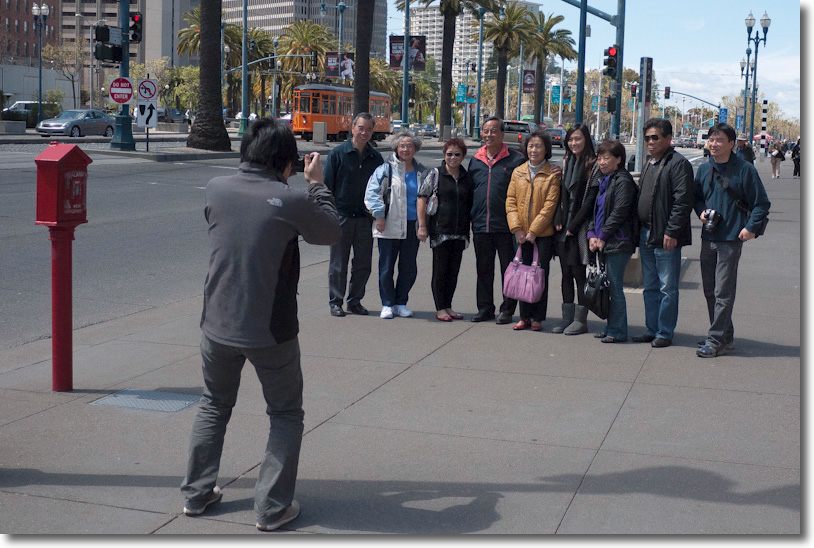
I was reminded of a picture I took in the early seventies when snapping this yesterday:

Japanese tour group, 2011. G1, kit lens @ 18mm, 1/2550, f/3.9, ISO 320

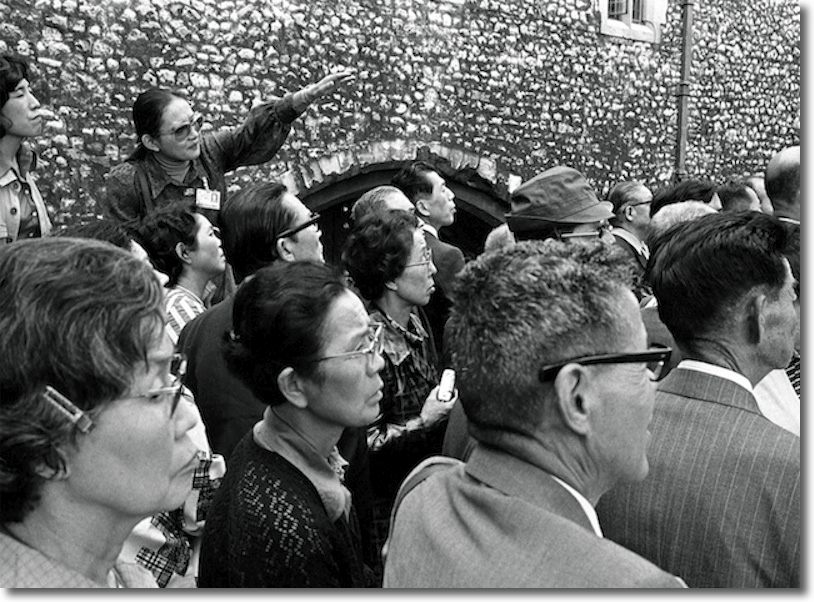
Here’s the earlier version, from the Tower of London:

Japanese tour group, 1974. Leica M3, 35mm Summaron, TriX.

Not much changes. The same unity of focus, the same group mentality, the same adherence to instructions. Nice people, though. Had the big earthquake been in San Francisco, the headlines would be replete with tales of looting and theft. All we saw in Fukushima was peaceful cooperation, courage and decency,

No looking back

An interesting exchange with a reader.

A friend of the blog left an interesting Comment/question the other day which I was pleased to debate. Absent a digital point-and-shoot, Michel is still largely a film user of all formats from 35mm to 4″ x 5″, with Leica M6 and R hardware as well as a Hasselblad 501. He’s thinking about a G series Panny for the same reason I took the leap – small, decent sensor, good lenses. Our exchange is repeated below, with Michel’s permission.
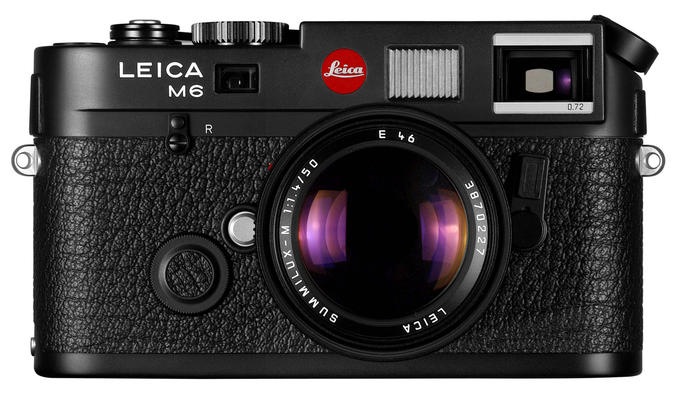
The M6 – an exemplar of the last generation of film cameras.
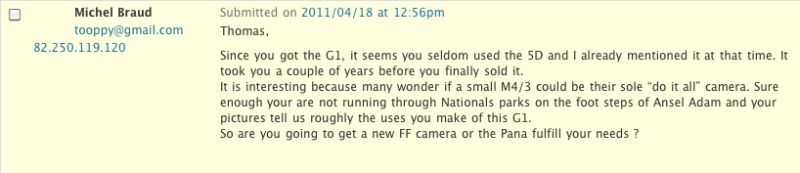
Michel – interesting question.

Full frame cameras:

First I cannot go back to a heavy full frame camera owing to wrist and back pain. Second, I cannot adopt an M9 owing to absence of autofocus and silly pricing. Lenses have a decent life expectancy, sensors do not, so $7k for an already obsolete sensor fails my basic test of economics and useful life. Case in point, I took a beating on the sale of the 5D whereas all my Canon lenses sold at 80-90% of my cost of 5 years ago.

Until/if FF cameras get much lighter, I have no interest in one. Equally, had you told me five years ago that I would be selling the 5D for an MFT sensor (which did not exist at the time) I would have laughed. So ‘never-say-never’. The design genius residing in Japan is quite capable of crafting a Full Frame body which takes a series of compact, high spec lenses and has a superb EVF which is, even in the G1, superior to anything on any Leica RF in poor light. However, if the Japanese continue to perceive there is too small a market for those, we will never see one. Great design and consumer demand/profits are not the same thing.

Small sensors:

I expect small sensor cameras to only improve over the next few years. Case in point, tests (not mine, as I have yet to try it) suggest that the second ever sensor made for MFT cameras (all Panasonic and Olympus models have used the same sensor until now), the one found in the costly Panasonic GH2, is noticeably better than the original model in the G1, EP-1, etc. I wrote off the MFT format when it was introduced and I was dead wrong. (Well, I did call the iPad right, buying two on the first day!)

The most used camera:

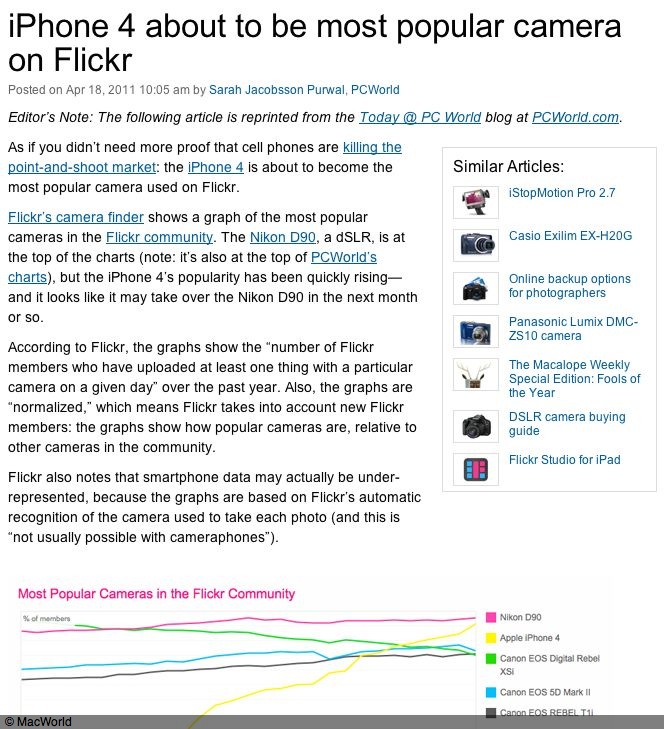
I just read today in MacWorld that the most used camera on Flickr is about to be …. the iPhone4. So I am not alone in wanting small, light and take-it-with-you-without-excuses gear. Interestingly the big body DSLRs seem to be peaking, looking at the chart below.
Cameras and trucks and prints:

A while back Steve Jobs said that the desktop PC (and, by inference, the traditional laptop) will become the ‘truck’ of the computing world. It will be a limited use, special tool for the few power users who need it. I believe the full frame and medium format digital cameras of today are already heading in the same direction. Those who need big enlargements will continue to justify putting up with the bulk, weight, noise and cost of the gear. But given that even the cheapest point-and-shoot more than adequately fills a 50″ LCD screen at home and with a little care will yield 13″ x 19″ enlargement (the maximum the ‘prosumer’ printer can do) and that paying just a little more gets you an excellent APS-C Nikon/Canon or MFT Panny/Oly which can scale to 18″ x 24″ paper prints without too much difficulty, who needs more? How many prints larger than that does the average consumer have at home on the wall? I would bet none. There’s is a growing case to be made for the argument that the traditional photo print is, in fact, dead.

One size fits all:

You make the valid point that Ansel Adams might not be the right candidate for a small sensor digital. Agreed. His descendants will happily continue using trucks. And you don’t need me to tell you that ‘One size fits all’ seldom works. Choose the right tool. However, given my avocation for street snaps and the occasional studio portrait, rather than the other way around, MFT works fine for me and I’m sure if I did the research there are some APS-C bodies every bit as capable. Pentax is a master at miniaturization and has produced some nice small APS-C bodies and lenses. Let’s hope that overpriced baubles like the Fuji X100 (yes, I am on the waiting list!) will spur the big boys into competitive action.