The best parking spot

Scooters rule!


The best parking spot, always.

Much of America enjoys over 300 sunny days a year. Here, in southern Arizona, that number exceeds 350. Yet the first time visitor will be struck by two things – the near total absence of solar panels and the rarity of scooters. The first is attributable to the usual panoply of corrupt interests which care nothing for the environment – home builders, ‘bought’ councilmen, crooked utility companies unwilling to see their revenues (and the CEO’s compensation) fall.

All the usual arguments are made, especially that solar is just another tax on the poor working man, and the heck with his children’s lungs. The second is tribute to the automotive and fossil fuel oligopolies who see to it that public transportation remains something used solely by the lowest economic demographic – because it is truly awful – while the oligarchs in the middle east petrostates and their Russkie soulmates keep the price of oil as high as possible. And because, you know, everyone needs a 5,000 lb gas guzzling monster tearing up the roads and gulping fuel with no tax penalty.

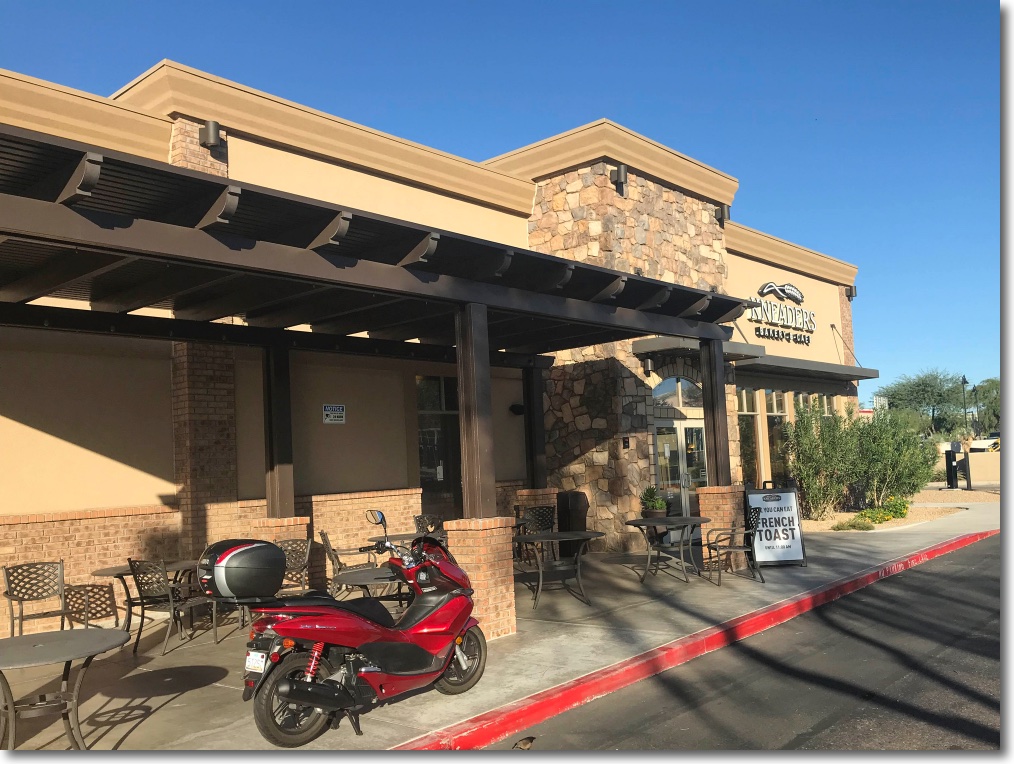
The scooter solves many of those ills and would cause an economic tsunami were it to overcome the multitude of capitalist interests which keep it cowed and unknown. Think about it – a cheap ($3,000 for my new Honda PCX150, a price which would halve with volume production), economical (100mpg on regular gas), easy to operate (all automatic), low maintenance transportation tool which requires minimal parking space, has very low insurance costs, attracting nothing but goodwill and would see the price and use of fossil fuels halve were it to reach critical mass, meaning 100 million daily commuters.

A not insignificant side benefit would be the economic collapse of the petrostates which are sworn to the destruction of the United Sates, so not only would they have no money for war, the Pentagon’s budget could be halved to $300 billion and we know that our politicians could find some more constructive use for the money saved. Heck, why not blow it on high speed rail? The USA motorcycle and scooter count is under 10 million and I would venture a guess that fewer than half that number is in daily use. Somewhat distant from ‘critical mass’ in a nation where the average household prides itself on two gas guzzling SUVs, the ones parked in the driveway as the garage is too small.

However, as the parking lot at my local restaurant/grocery store/hardware emporium invariably discloses precisely zero scoots when I show up, I suppose I should not complain, as I always get the best parking spot.
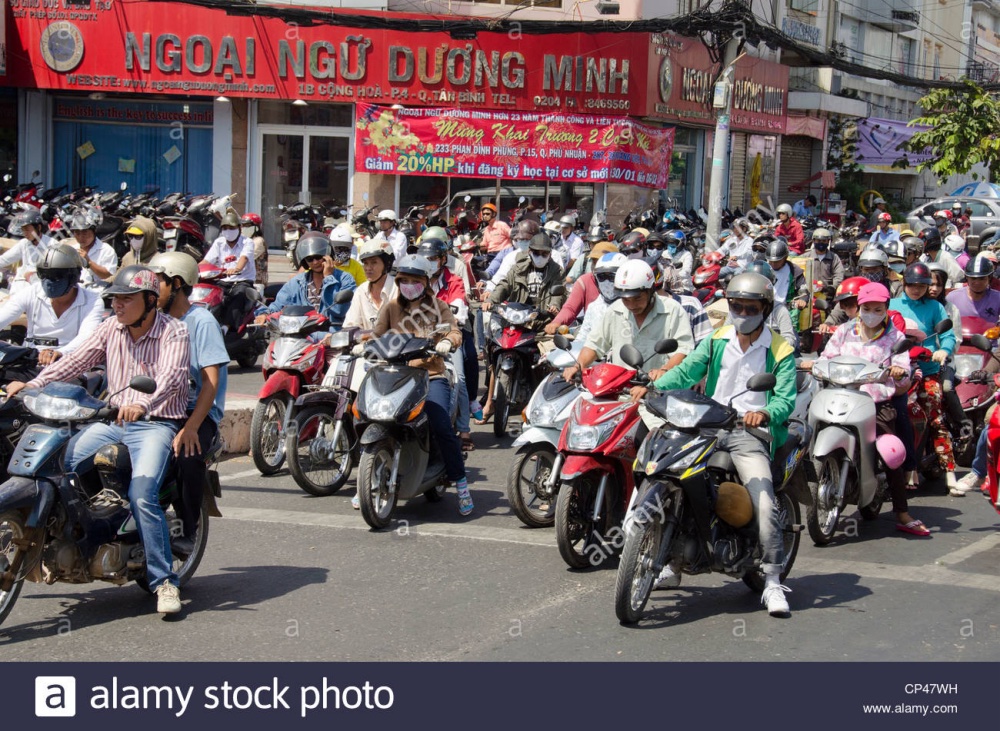

Scooters in Saigon, VietNam.

As for this image, I see very little to complain about.
The GOAZ vintage bike show

A day in the sun.

Motorcycles used to be single brand things in the store. In the UK of my youth any self respecting high street would have several such stores from Triumph (died in 1983), BSA (1972), Matchless (1966) and Royal Enfield (1971) for the lowest demographic, through to the Velocette (1971), AJS (1969) and Norton (1975) stores for the higher tuned machines with racing aspirations, then onto the high end which meant Vincent (1955) and BMW (which continues merrily to this day).

With one exception, all the great British marques failed owing to crappy engineering, with little reinvestment in modern production machinery and newer designs, the same curse which destroyed most of British industry while louche aspirants to power like Margaret Thatcher saw to it that Britain became a financialized nation centered in London, making precisely nothing, while shuffling paper denominating debt and real estate.

The one exception was Vincent which went under because of that generic British curse, lousy management. But without doubt, above all these self-inflicted wounds, the one machine which destroyed British motorcycle manufacture was the Honda CB750 of 1969, an across the frame, air cooled four which did all the things British machines did not. It started first thing, sported a powerful engine, had an electric starter, was reliable as a hammer and never leaked oil. Honda got there after making smaller predecessors like their fine 125, 175, 250 and 400 multis, all leading up to the killer 750.

So now the high street line up – this is the early 1970s – found one brand stores from Honda, Yamaha, Kawasaki and Suzuki, the ‘Big Four’, all making superb, powerful, beautifully executed multis. And, of course, BMW, with its staid but reliable and oh-so-well-made twins.

Then the accountants started to take over and today the single brand store no longer exists, unless you consider Harley-Davidson and the ever failing Indian. We can disregard those as they are restricted to PTSD sufferers who were once pawns of the Pentagon, fighting yet another losing war while having their guts vaporized along with their grey cells, such as they were.

They buy motorcycles not to ride but to commiserate.

For the other big name manufacturers, the chances that you will find many brands under one roof are high. One such (very large) roof is GOAZ Motorcycles near my home in Scottsdale, Arizona where on one lot you will find Triumph (resurrected and alive), BMW, Aprilia, KTM, Ducati, Vespa/Piaggio, the Big Four and Ducati. And let’s not forget the Ural, a Russian piece of garbage with a sidecar sold only to the criminally insane.

Every fall, in the first week of autumn (the start of our riding season, as you can no longer fry an egg unaided on the sidewalk), GOAZ holds a vintage motorcycle show where exhibitors (like me) are required to pay a $15 entry fee to show their old machines. Strange economics. Shouldn’t the gawking visitors be paying? It’s a fun show not least because Harleys and their owners are not welcome (there’s the world’s largest HD dealership next door for these knuckle draggers, complete with tattoo parlor and wedding chapel. The dealership actually makes more money from clothing sales than from bikes but the profit leader is the service section because, you know, Harleys make pre-war British bikes look like exemplars of reliability. No, I am not making any of this up.)

The 2018 fall show was held today and my much ridden 1975 BMW R90/6 was again on display, accompanied by lovely old Ducatis, Benellis, Moto Guzzis, British bikes aplenty, lots of vintage Japanese iron, Vespa and Lambretta scooters and on and on.


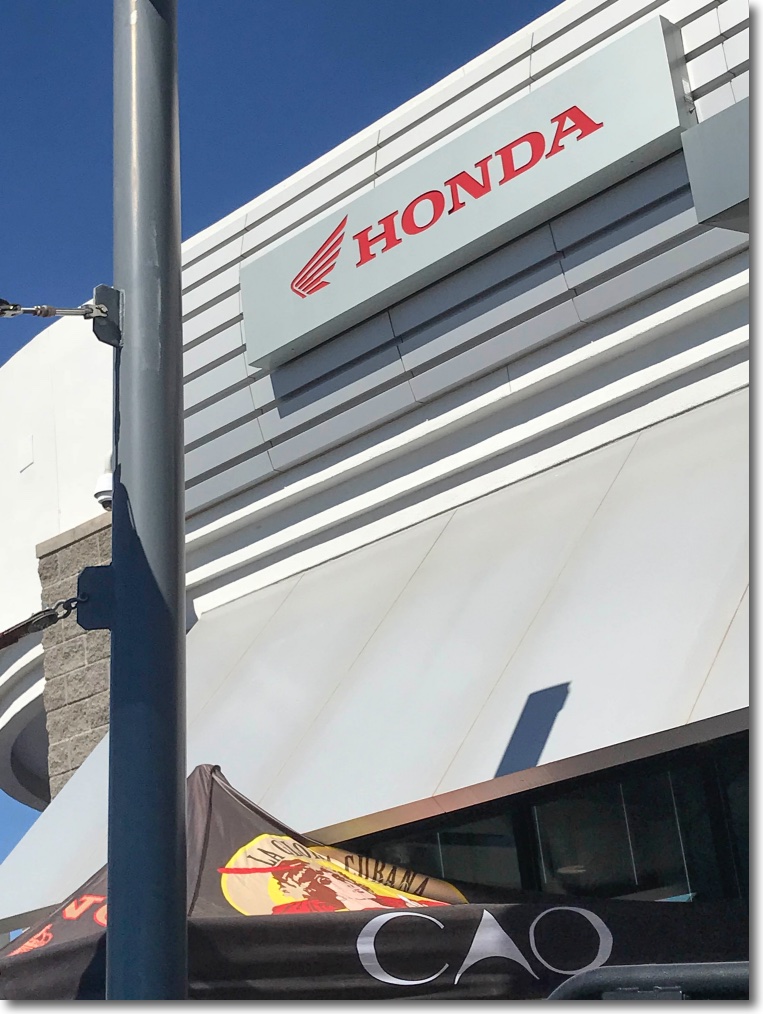
Just one of the many marques sold at the gigantic store.


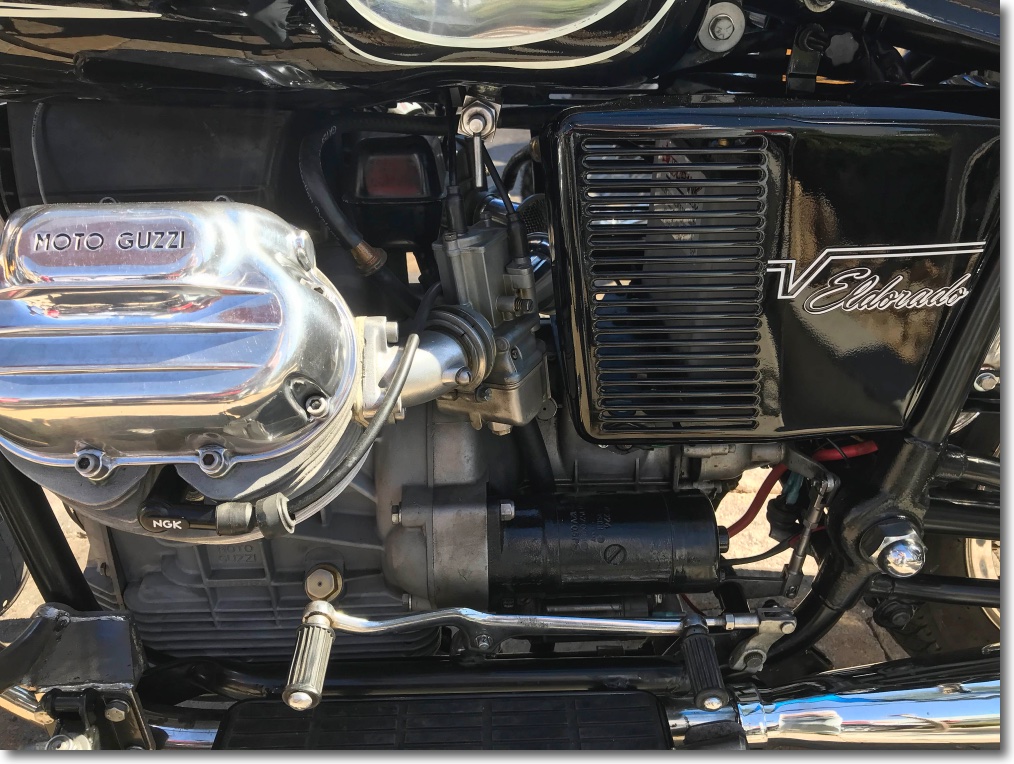
Detail of the fine 90 degree transverse V twin in a Moto Guzzi. Non-period NGK spark plug cap really must go.


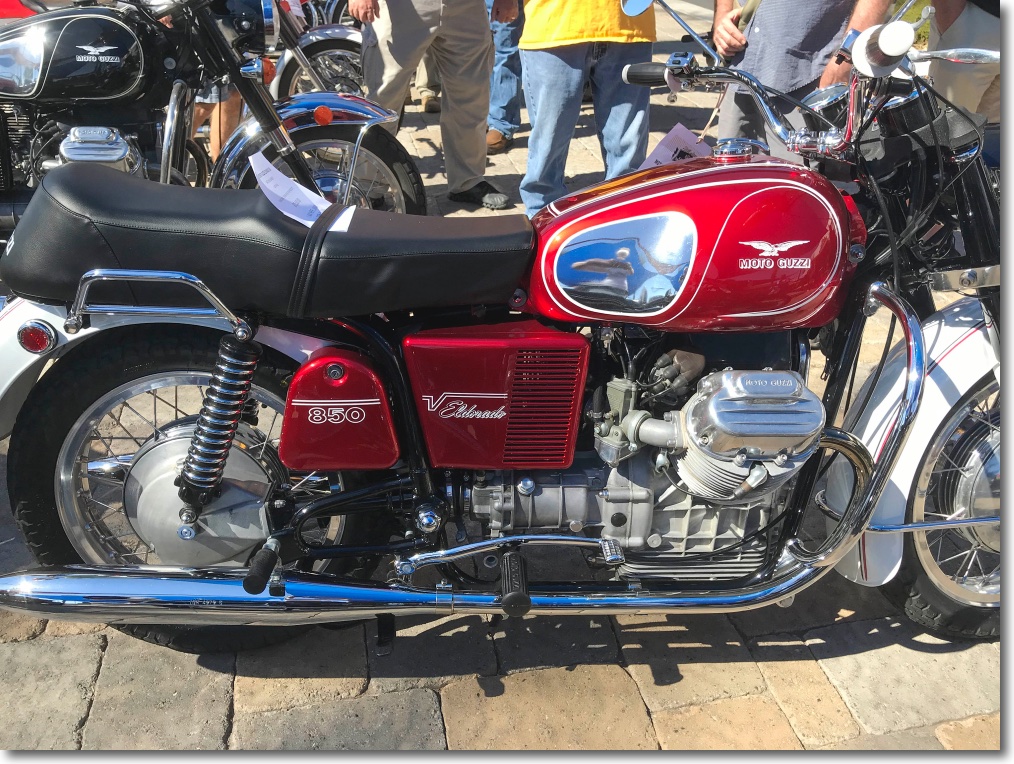
The ‘Goose’ in all its splendor. Beru spark plug cap is the right one. The asking price of $15,000 was 100% too much.


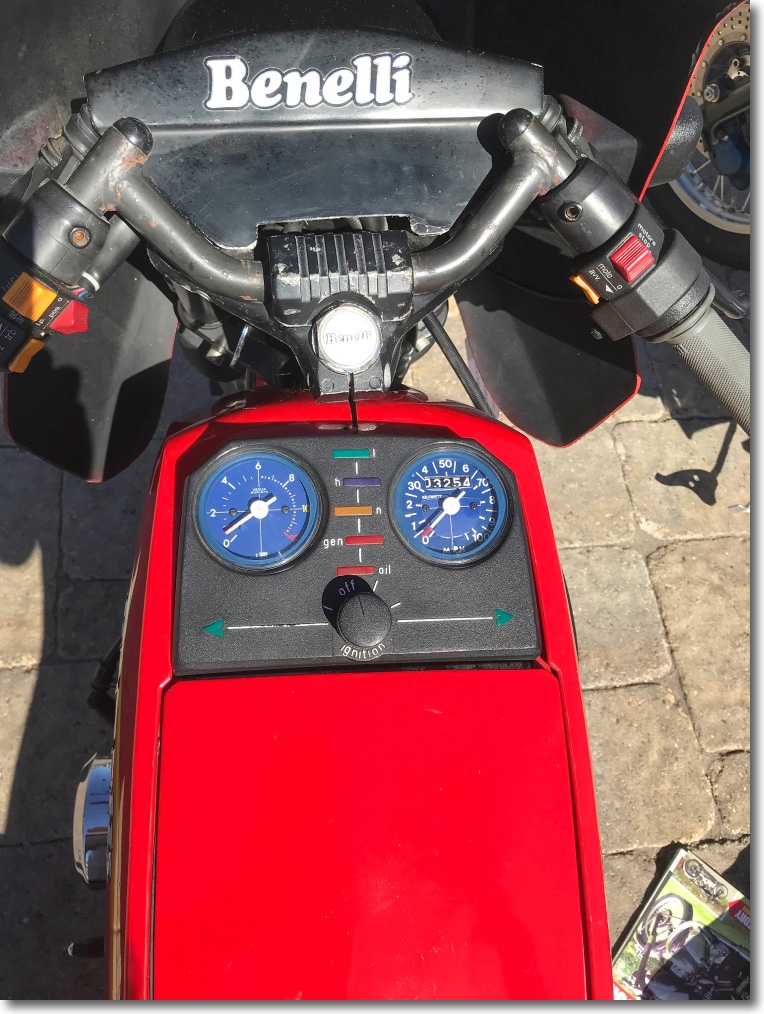
Architectural design touches on a Benelli 250 four, a two stroke screamer that could top 90mph in 1975.


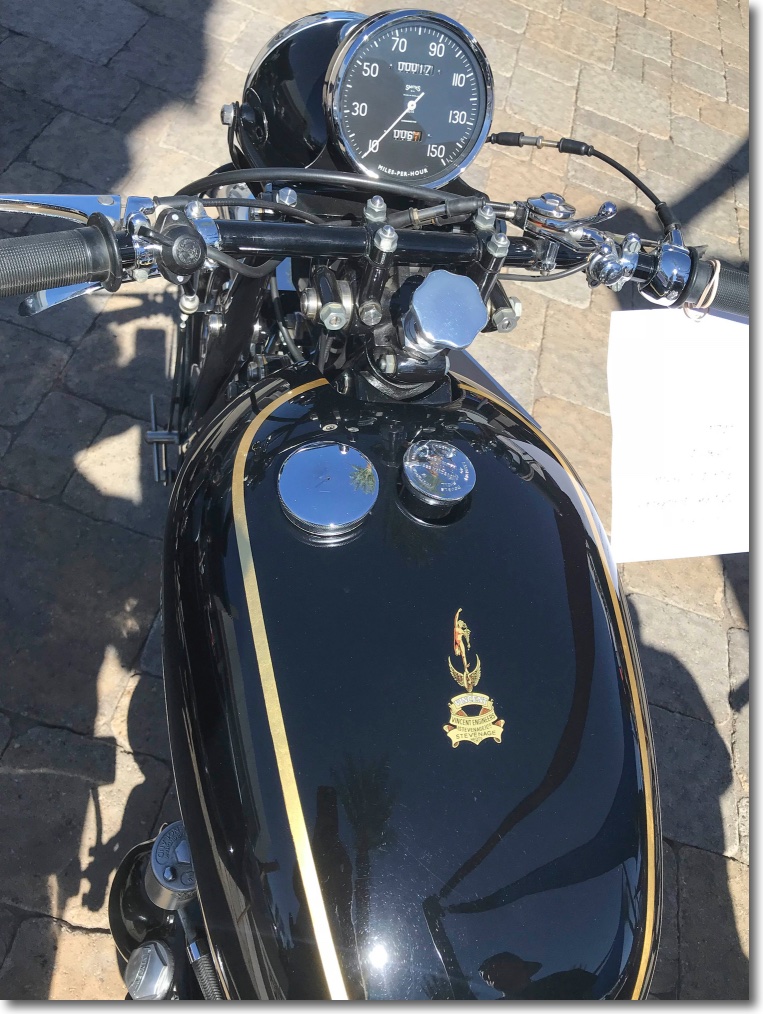
British and Best. The 1954 Vincent Black Shadow. The speedometer is not just for show.
The bike, however, is for show only, as the low post-restoration mileage and accompanying trailer testify. Ugh!


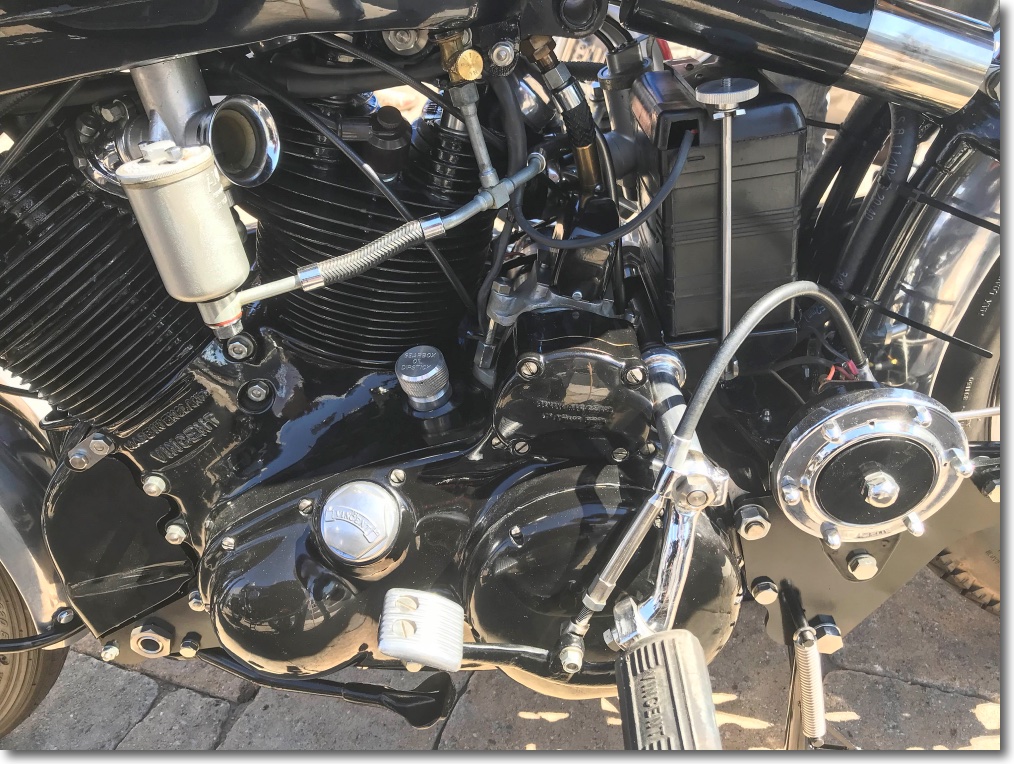
Detail of the 1000cc V-twin in the Vincent. Known as the ‘plumber’s nightmare’ for good reason.


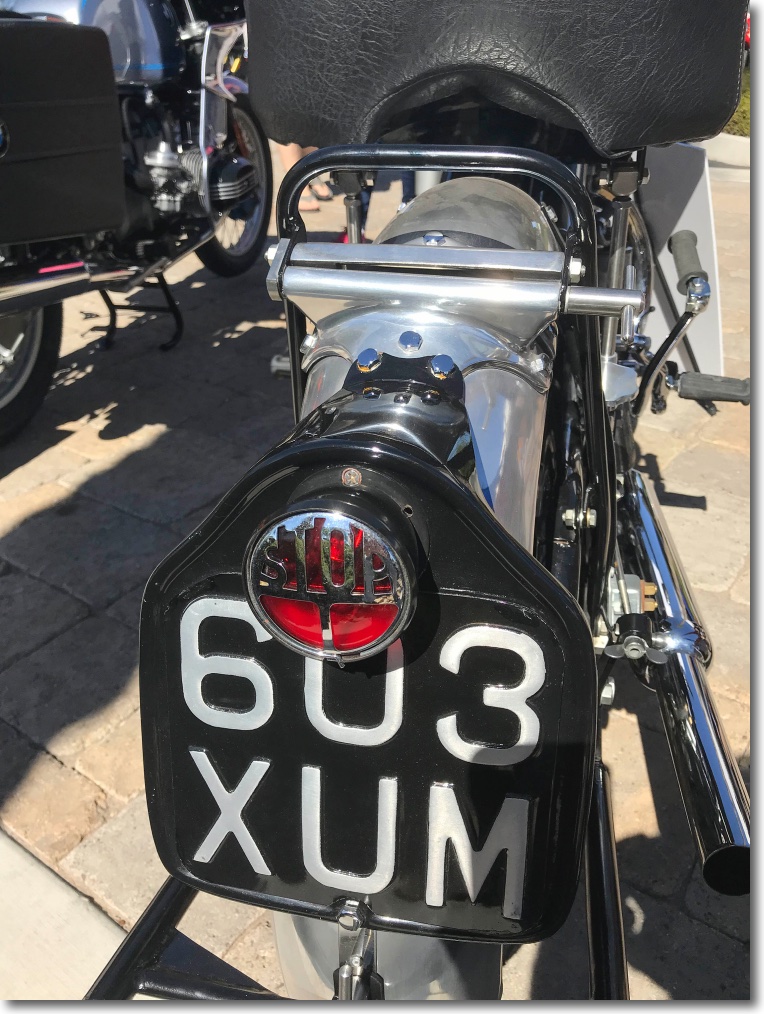
Wishful thinking, for the Vincent’s brakes were reluctant to do anything of the sort.


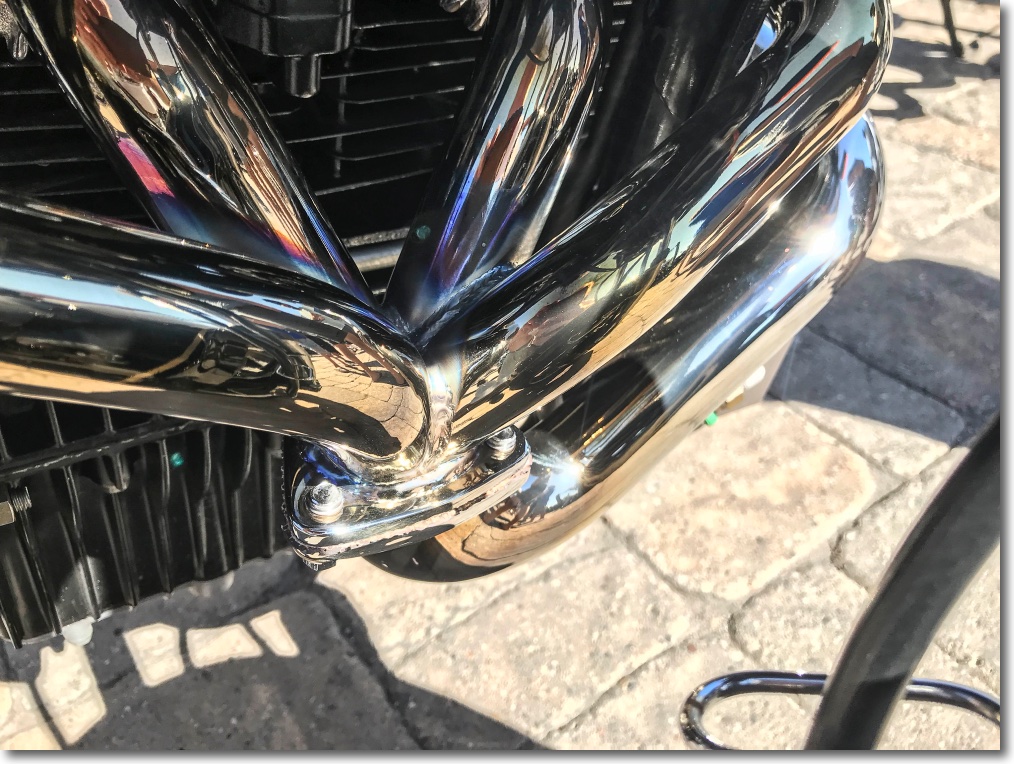
A tribute to the welder’s art. Exhaust junction on a Kawasaki Turbo.


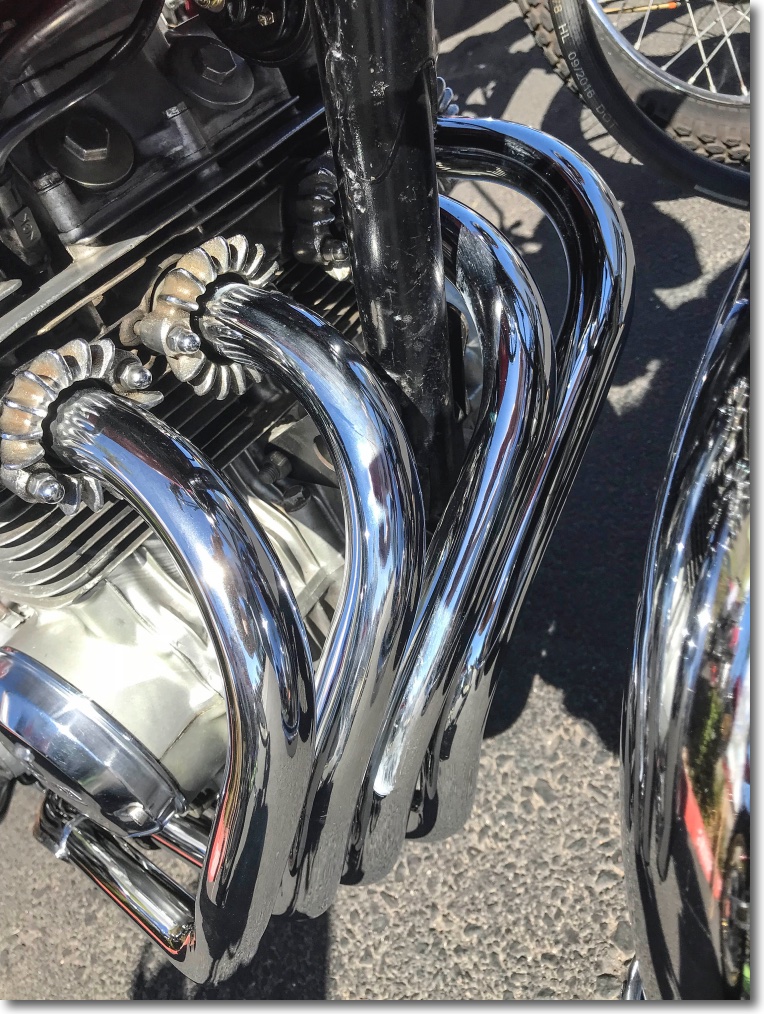
Exquisite exhaust routing on the bejeweled 1975 Honda CB400 four, one of the machines which buried the British motorcycle industry.


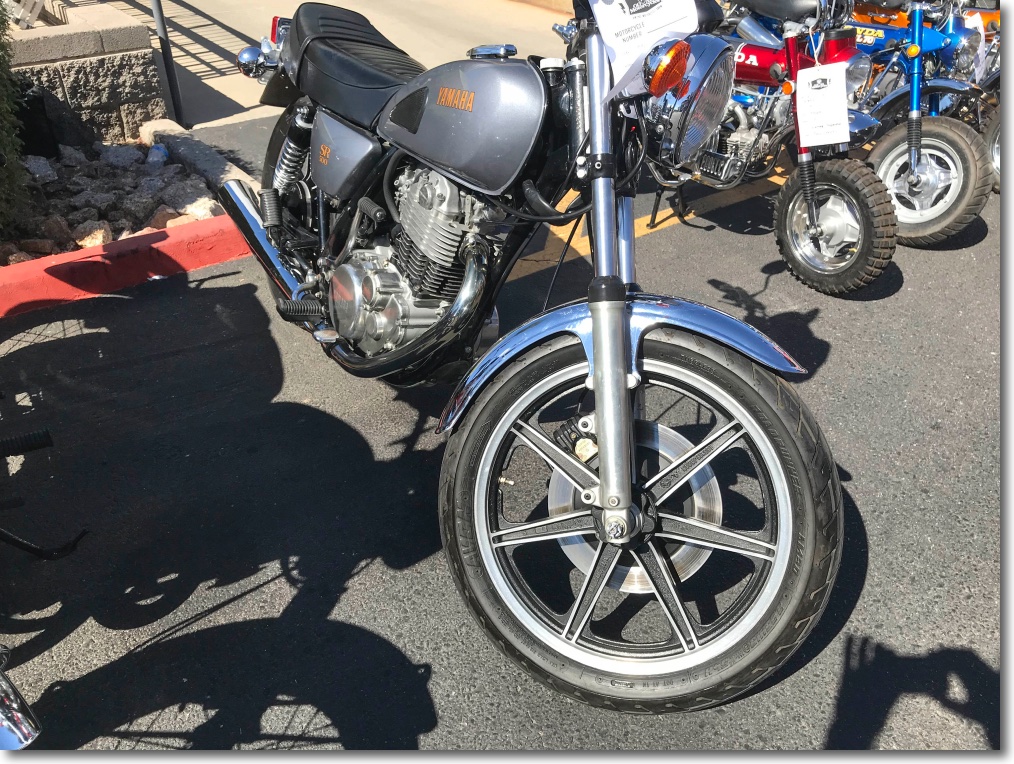
The huge single piston 500cc Yamaha ‘thumper’ of 1978. A counter-balancer ensures
your fillings do not fall out while a compression release makes the kick-starter usable.


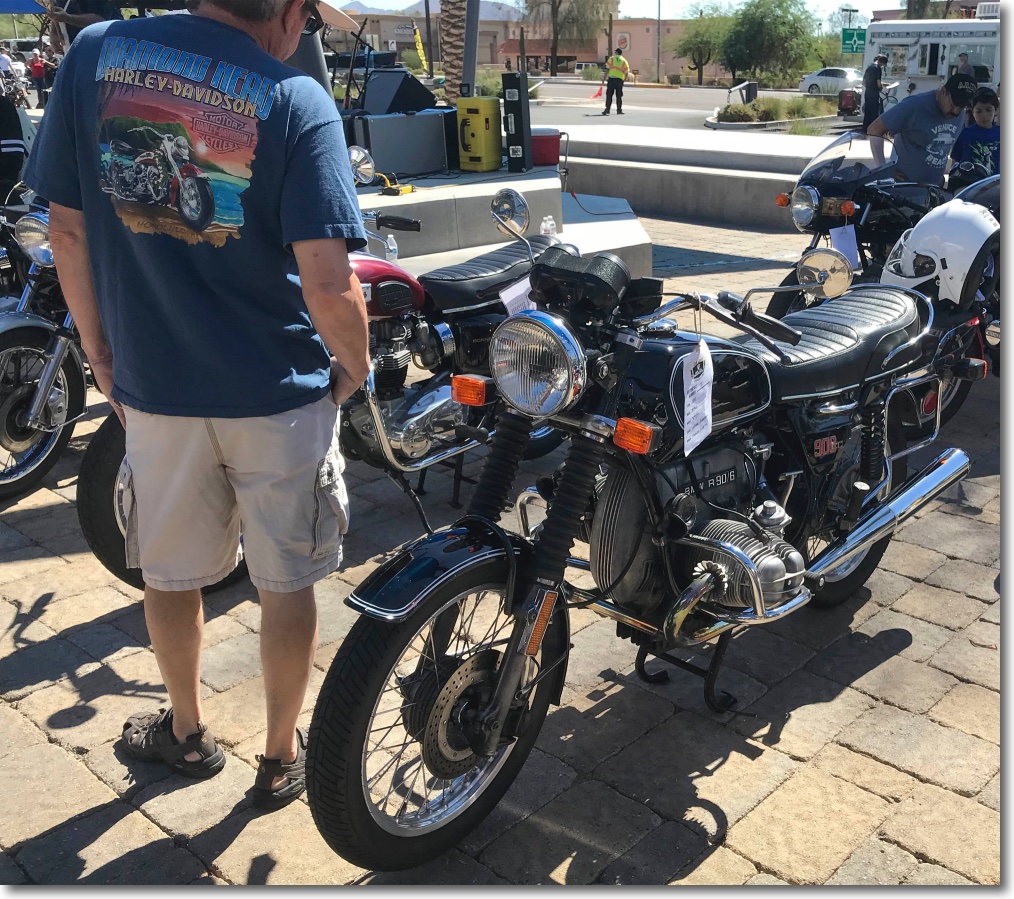
My daily rider, a 1975 BMW R90/6 with 63,000 miles and 29 years of ownership on the clock.
Still bright chrome explains why these cost so much back in the day.


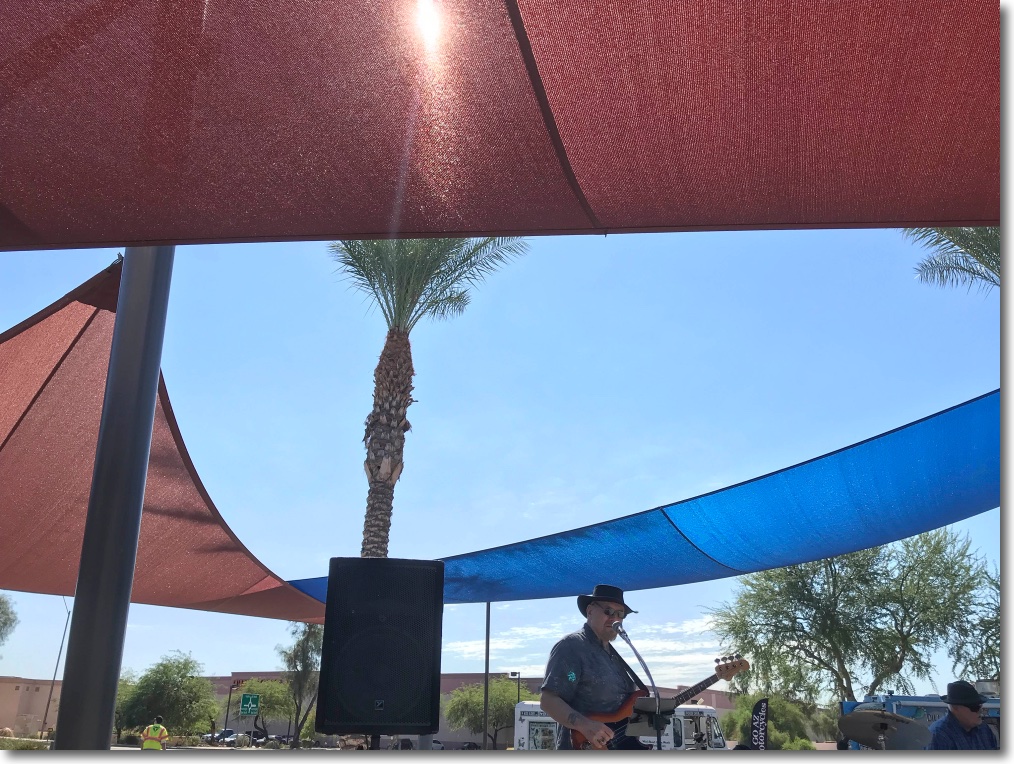
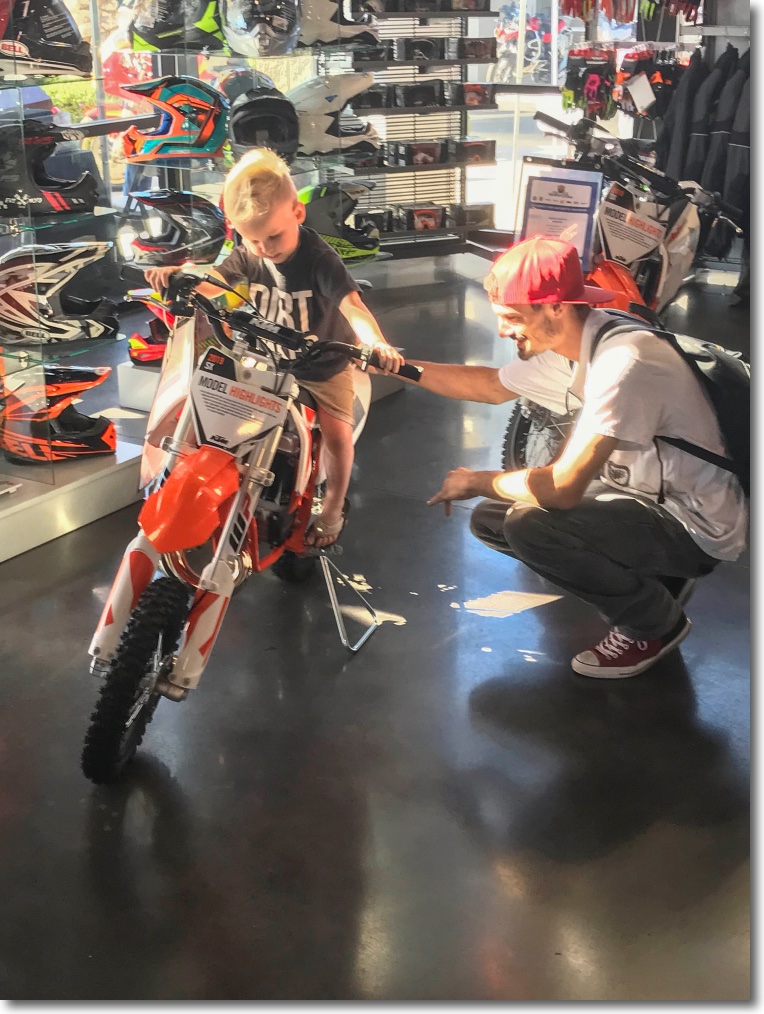
Entertainemnt. Purportedly.


All snaps on the iPhone7 in HDR mode.

The air cooled twin

BMW, of course.

BMW has been making motorcycles with air cooled twin motors since 1921. While the line was discontinued in 1995 in search of more power for children who think that 100hp is called for in a single track vehicle, the design layout continues in air and oil cooled twins to this day from the BMW factory. Sure the charm and light weight have been lost but the design is as right today as it was almost a century ago.

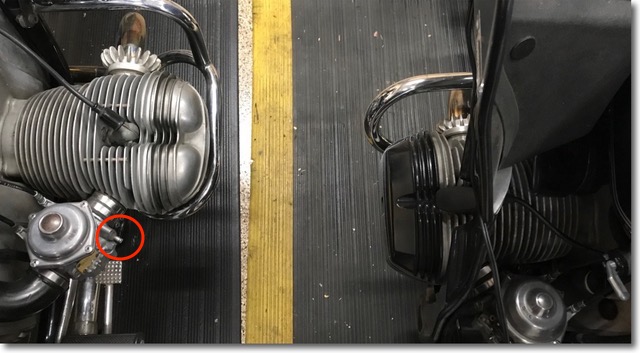
The 900cc motor at left is in a 1975 R90/6 which is now in my 29th year of ownership. The fully faired touring rig on the right is a tad larger at 1,000cc. Both develop around 60hp, perfectly adequate for touring at 70mph all day long. The beauty of these air cooled twins is that the cylinders are way out there in the air stream, so no oil or water cooling is called for. While the later machine sports a small oil cooler it’s quite unnecessary in practice. A related benefit is that the design means that the center of gravity is very low indeed, making maneuvering at low speeds child’s play. Try horsing that high mounted Japanese ‘across the frame’ four around at parking lot speeds and you will get my drift.

Each cylinder has its own carburetor, as is clear in the image. These share the same technology present in the 1921 version and are as reliable as a hammer. Periodic valve lash check-ups and adjustments are very easy as the valve covers are simply removed (two nuts and one bolt), giving full access to the valves and followers. Rapacious and unnecessary demands for ever more power doomed these machines, which remain firm favorites with touring riders for their quietness, freedom from vibration and comfort. 300,000 miles on one of these engines is no big deal.

The last time horizontally opposed, air cooled motors were used in cars was in the original four cylinder VW Beetle and four and six cylinder Porsches, before both went to water cooling. The modern Subaru uses the design in a water cooled variant and the motors are also famously long lived.

iPhone7 snap.

Panasonic S1R FF SLR

Aimed solidly at the pro.

Panasonic announced the 47mp FF S1R mirrorless camera today along with the 24mp S1. As the inventor of the mirrorless, interchangeable lens camera with the G1 a decade ago Panny knows what it’s doing and the long line of successors to that revolutionary body has captured both the video and stills markets with aplomb.

An early partnership with Leica saw to it that some of the finest MFT lenses came with Panny mounts and the S1R continues that tradition using the Leica ‘L’ bayonet, shared with the very costly S2/S3 Leica bodies. While Leica FF lenses run $5,000 a pop, it’s always good having Leica on your side when it comes to optics for no one does it better than the magicians in Wetzlar, Germany.

Those great designs invariably migrate to cheaper Panny versions and, indeed, Panny has announced that there will be some 20 lenses available 24 months hence, both Leica and Panny designs. I have used both the amateur and pro grade Panny optics on their MFT bodies and can testify to the quality of the optics. As for modern Panny MFT bodies – I use two GX7s – nothing comes closer to the Leica M2 experience of my film days when it comes to a compact street snapper, and the total silence of the electronic shutter option makes the modern Panny MFT body the stealthiest camera made.

As for the feature set of the new full frame S1R/S1, Panny appears to have nailed it, including:

  • In body IBIS (missing from Canon’s new FF offering)
  • In lens IBIS
  • Dual storage card slots (missing from both the new Canon and Nikons)
  • 4K/60fps video – a first (only a crippled cropped mode available in the new Canon)
  • Top plate LED display – like in every other FF SLR with ‘pro’ aspirations
  • Three axis touchscreen rear LCD
  • Extensive weather sealing

It’s interesting to compare the feature set with those from Canon and Nikon. Both those powerhouses have offered variously crippled iterations on their top end DSLRs, reluctant to lose the cash flow from their cash cows. Yet only the meanest observer would deny that the flapping mirror DSLR is done and dusted, the greater simplicity of the mirrorless body and greater optical design flexibility owing to the much shorter flange-to-sensor distance being the future. By contrast, while Canon and Nikon must pay fealty to owners of current costly optics by ensuring compatibility, Panny has no such oath of loyalty to maintain as they have never had an FF offering. So they can start afresh, and doing so with Leica’s ‘L’ mount is a perfect way of hitting the ground running.

In addition to pairing with Leica on the lens front, Sigma has also got its nose in the picture, promising to offer lenses. Take that with a bushel of salt for Sigma has no design chops worth mentioning, always taking the easy way out with their gargantuan designs which destroy the very idea of a small camera/large picture. As for quality control, Sigma’s corridors have yet to be darkened by that concept as my truly miserable experience with their 35mm f/1.4 ‘Art’ lens disclosed. Sigma’s optical quality reputation is well deserved. Sure, you can get crackerjack Sigma lenses, but what is your time worth while you sift through all those returns? In fact, so bad is Sigma’s QC that they remain the only lens maker that offers an aftermarket gadget to allow you to program optimal AF because, sure as heck, the factory seems incapable of doing that. That dongle should come free with every Sigma optic.

Pricing? Well, the Nikon Z6/Z7 are priced at $2,000 and $3,400 so I would expect the S1/S1R to come in a few dollars higher, given the enhanced feature set. Availability is set for early 2019. Meanwhile, I would imagine that the $6,000 mirrorless Leica SL ‘L’ mount body with its modest 24mp sensor will henceforth only sell to those who like paying up an additional $4,000 for a two cent red paper dot which states ‘Leica’ in the middle.