Rip-off merchant, Vermont style.
Milk special. Usual price: $1/gallon. Today’s special: $3.
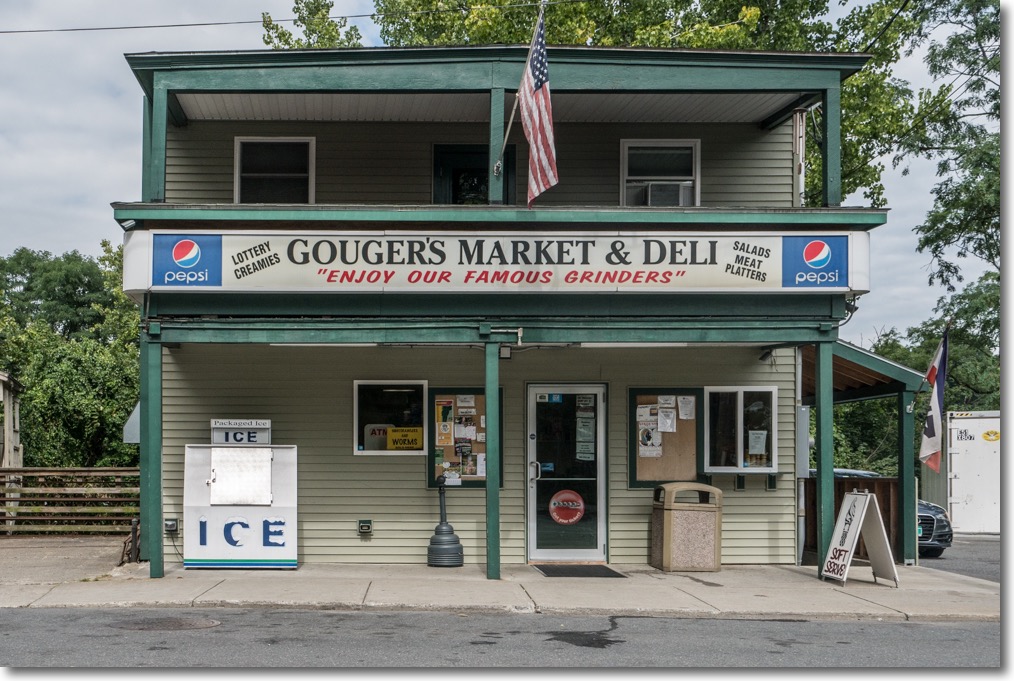
Seen in Brattleboro, Vermont.
Panny GX7, 12-35mm pro Zoom.
Rip-off merchant, Vermont style.
Milk special. Usual price: $1/gallon. Today’s special: $3.
Seen in Brattleboro, Vermont.
Panny GX7, 12-35mm pro Zoom.
Exciting.
The original Noct Nikkor, a 58mm f/1.2, was first sold in February, 1977.
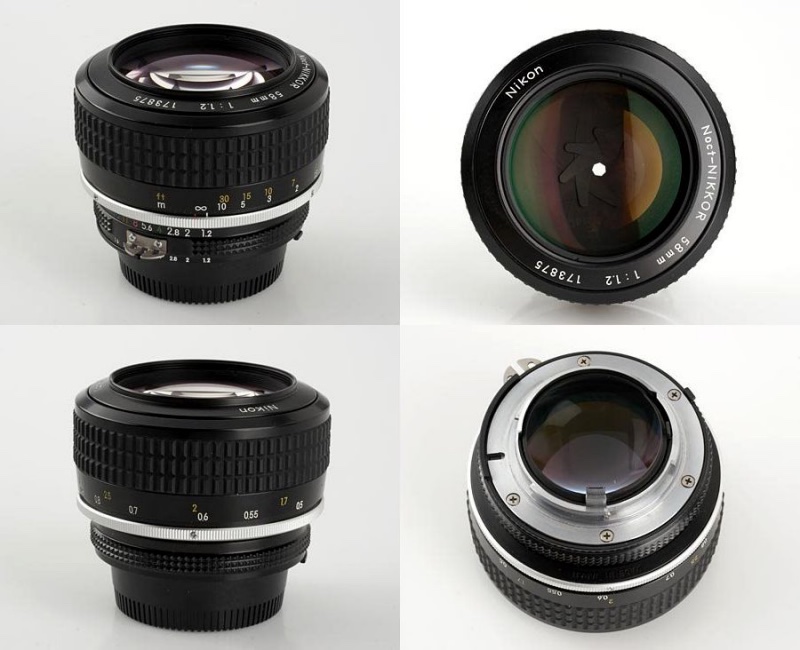
The original design has Ai aperture coupling which was revised to Ai-S in November 1981. The ‘S’ designation designates a linear aperture coupling cam compared with the non-linear original but optically and operationally there was no difference. If you could fit a CPU to the Noct then the Ai-S design would allow control of the aperture with either the aperture ring on the lens or the command dial on the body while still maintaining proper exposure metering. The snag, as the above images disclose, is that there is absolutely no room to install a CPU. Some brave/foolish souls have machined a recess in an arc of the rear element to permit CPU installation but that seems like a drastic solution to a not so real problem, as this is the only Nikkor in F mount to which a CPU cannot be fitted.
The Noct was reckoned by all and sundry – not just Nikon – to be the best standard f/1.2 lens around, and Nikon proudly profiled it in a factory piece which you can read here. The optic’s distinguishing characteristic was low coma at full aperture, as the illustrations in that linked article confirm. A mere 2,461 Ai versions and a further 8,950 Ai-S versions were sold, making the lens an instant choice of the pond scum known as ‘collectors’, which means that used examples sell for $3-7,000. The lens was discontinued in November 1998.
With the introduction of the new Z series mirrorless bodies yesterday Nikon also announced that a new Noct would be marketed in 2019, but this time it would come with a maximum aperture of f/0.95, while retaining the 58mm focal length. Price is unknown but reckon on $5-6,000. Interestingly Nikon will not include AF in the new optic, but the ability in the Z6 and Z7 mirrorless bodies to magnify the focus area in the finder/on the LCD screen means that critical focus wide open should be simple to determine. The lens is a whopper, its bulk dictating the inclusion of a tripod socket:
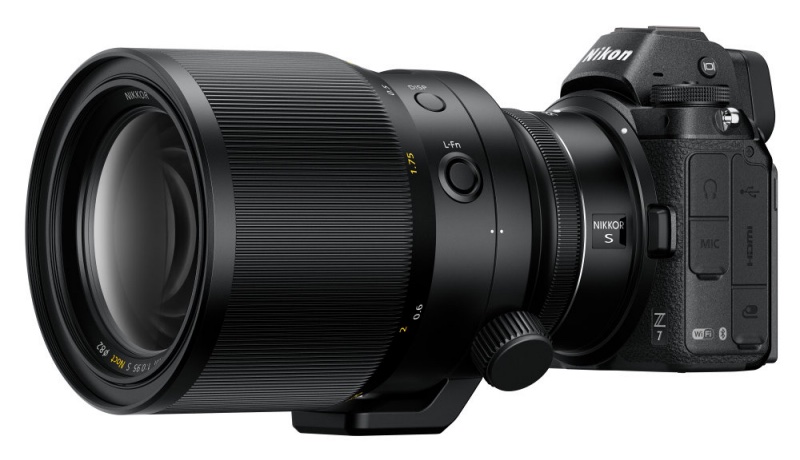
The wider diameter of the bayonet mount’s throat on the Z6/7 makes the faster aperture possible.
I can think of a couple of similarly fast lenses in the past – the f/0.95 Canon for their rangefinder cameras (good luck focusing that), reputed to be poor, the f/1.1 Zunow in a Nikon mount, reputed to be awful, the original 50mm f/1.2 Leitz Noctilux with hand ground aspherical elements, suitably priced and excellent optically and the current 50mm f/1.0 Noctilux, like its predecessor available in M rangefinder mount also and superb, as it should be at the asking price of $11,000. The original f/1.0 design of the Noctilux is now F/0.95. How on earth you are meant to focus this optic given the limitations of the Leica M’s optical rangefinder beats me, but $11k gets you bragging rights.
The new Noct promises to be cheaper and better than all comparable predecessors. Exciting times at Nikon. This may be a ‘glamor’ optic with little practical use, but it’s good to see Nikon allowing its designers to stretch for the ultimate.
Promising.
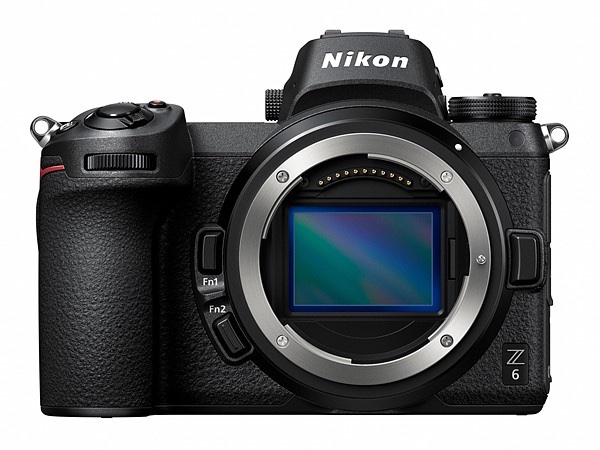
After much teasing and speculation, Nikon today announced two new FF mirrorless bodies, the 45mp Z7 and the 24mp Z6.
The motivation for these releases is likely the increasing popularity of the Sony FF mirrorless bodies but let’s get one big misconception out of the way first. There is no reason to buy an FF mirrorless body if you want to materially reduce the bulk and weight of your gear. While a mirrorless body should be an ounce or two lighter than its mirrored counterpart, for the mirror and associated mechanism are deleted, the size of the lenses will be unchanged. That means when compared to MFT lenses, FF lenses are positively gigantic. On a related note this is why mirrorless APS-C bodies make so little sense if bulk and weight reduction are motives. The lenses are still very large.
No, the primary reason to buy a mirrorless body is silent operation as they generally come with an electronic shutter option, as well as potentially very high framing rates using that shutter, for no high inertia flapping mirror has to be raised and lowered multiple times a second.
Nikon has one other legacy advantage which Canon does not offer and is irrelevant with Sony bodies. Canon made multiple changes to its lens mount over the past three decades, from RM to FL to FD to the current EF version, each largely incompatible with its successor. Legacy Canon lenses are stuck with legacy Canon bodies, fine as both may be. As for Sony, there’s no population of legacy lenses with this more recent entrant to FF.
Thus, with tens of millions of legacy Nikon F lenses out there a significant issue with the new Z6 and Z7 bodies is backwards compatibility. Will my legacy Nikkor work?
This issue is not lost on Nikon which has announced the FTZ adapter for legacy lenses at a reasonable $250, or $150 if bought with one of the new bodies.
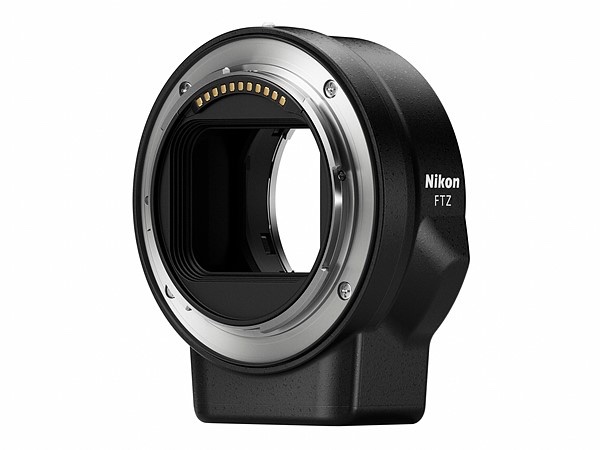
Many readers of this journal have converted their ancient non-Ai Nikkors to Ai as I indicate here. Then, to add icing to the cake they have added a CPU, finishing the whole thing off with one of my many custom lens profiles. Now that pre-Ai Nikkor offers aperture priority auto exposure with full recording of EXIF data. Make that Nikkor a late MF Ai-S model and you get linear aperture ring response meaning that you can pass aperture control back to one of the command dials on the Nikon body and still retain linear exposure automation. Will the new Nikon FTZ adapter maintain this level of data flow and automation? Looking at the specs the answer is a resounding ‘Yes’. The adapter includes pass through electrical contacts for recording of the maximum aperture of the lens and of EXIF data, and appears to retain lens aperture stop down on exposure. And the new mirrorless bodies add focus peaking as a manual focus aid.
With the first generation of AF Nikkors, the AF/AF-D optics, the situation is not as happy, for the autofocus feature is lost. Thus AF/AF-D optics appear to revert to the same operational specifications as their pre-AI, Ai and Ai-S predecessors. Sad, but for Nikon to have retained AF with the AF/AF-D optics would have meant retaining the manual ‘screwdriver’ focus motor in the body, adding bulk and weight. Maybe one day the screwdriver motor will be added to the adapter? Certainly this would make all AF/AF-D Nikkor owners very happy and would help retain the smaller body dimensions of the new mirrorless bodies.
AF Nikkors which have the focus motor inside the lens, like the AF S optics, appear to retain autofocus with the adapter.
More as we learn about theses exciting developments from Japan’s premier camera and lens maker. As a minimum the prospect of enjoying IBIS with legacy MF lenses has one salivating.
The master summarized.
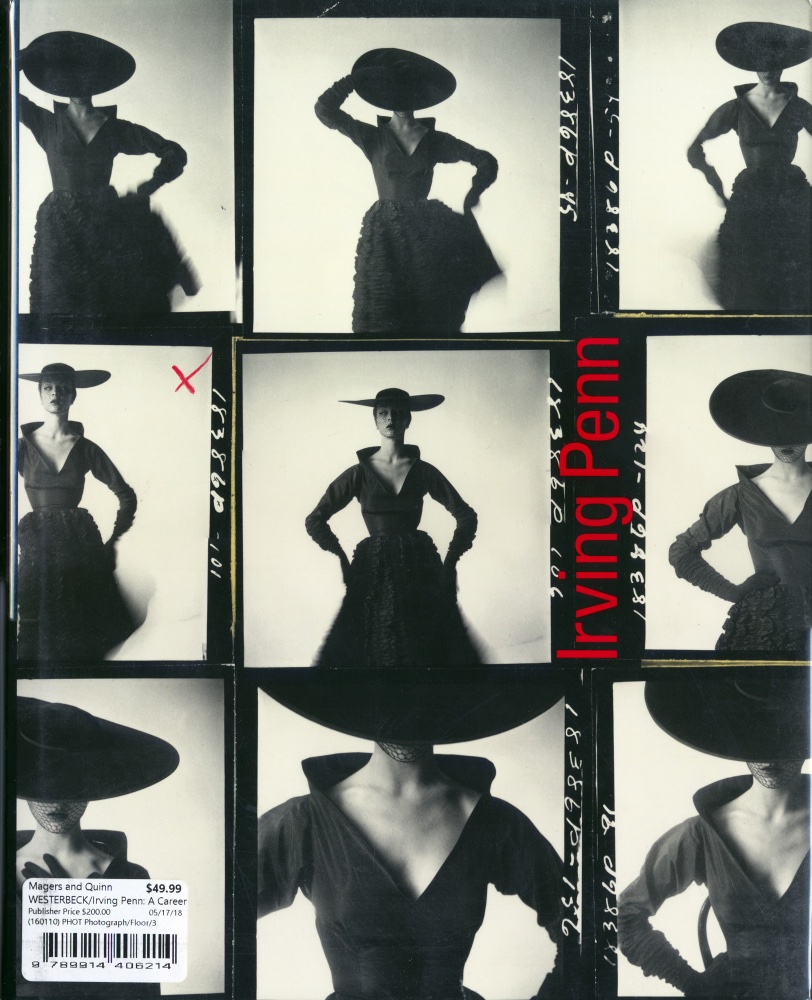
If Irving Penn is a new name to you, you must get this book. If not, there’s no better place to find a summary of the many genres Penn mastered. Fashion, still lifes, African primitives, portraits of the famous, platinum printing.
Long discontinued, good copies can be had through Amazon’s booksellers. Mine ran me $40 in near-mint condition.
Unreservedly recommended.
The master of surrealism.
There is no rule, when it comes to painters and photographers, as to when you do your best work.
One school of thought has it that you peak in your twenties, all sturm und drang, ready to fight the world and its evils. Another has it that you age like fine wine, the greatest work done before the Grim Reaper drops by.
There are no rules. No generalizations.
Take Raphael (dead at 37, too much partying). In that short span he never created anything less than perfect. Or Caravaggio (39 – whoring, boozing, fighting), each of whose handful of canvases was perfection itself. And Modigliani (36, general excess and illness), every work just so.
Then, at the GR end of the spectrum, you have Monet (86) who only every got better as a visit to L’Orangerie in the Tuileries Gardens of Paris confirms, your head spinning, those ephemeral water lilies all around. Or Leonardo (67), his head bursting with ideas and creating great art to the very end. Or Picasso, whose frenetic output ceased on his death at 92.
There are no rules. No generalizations.
Henri Cartier-Bresson was the man who made me a follower of photography, at an age when I could not even afford a camera. This master lived a very long life yet gave up photography in late middle age. As the remainder of this piece shows, there’s an argument to be made that he in fact had said most of what he wanted by 1939, aged just 31.
The Kensington Public Library, not far from my parents’ London home, had a fine collection of photography books – meaning books of pictures, not of gear usage – and the Dewey system being what it is one book in the 770 section was the first to catch my eye. That book contained HC-B’s early work, and by ‘early’ I mean images made before June 1940 when the Germans captured him and locked him up. I must have been about 11 at the time and was reasonably well schooled in the Impressionists with a smattering of the High Renaissance thrown in for classicism’s sake. And I had never seen anything like it before. The work was astonishing and I knew then and there that I wanted to take pictures like that.
HC-B had studied painting under André Lhote and the cubism touted by his teacher immediately translated into surrealism in his photographic work, started in 1929.
HC-B was 21 years old and he emerged fully formed. His images from the next decade redefined photography as we know it.
All images are © Magnum Photos.
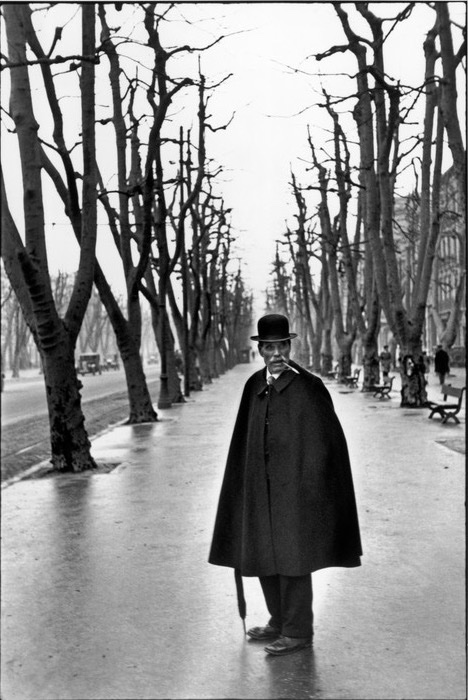
Marseille, 1932.
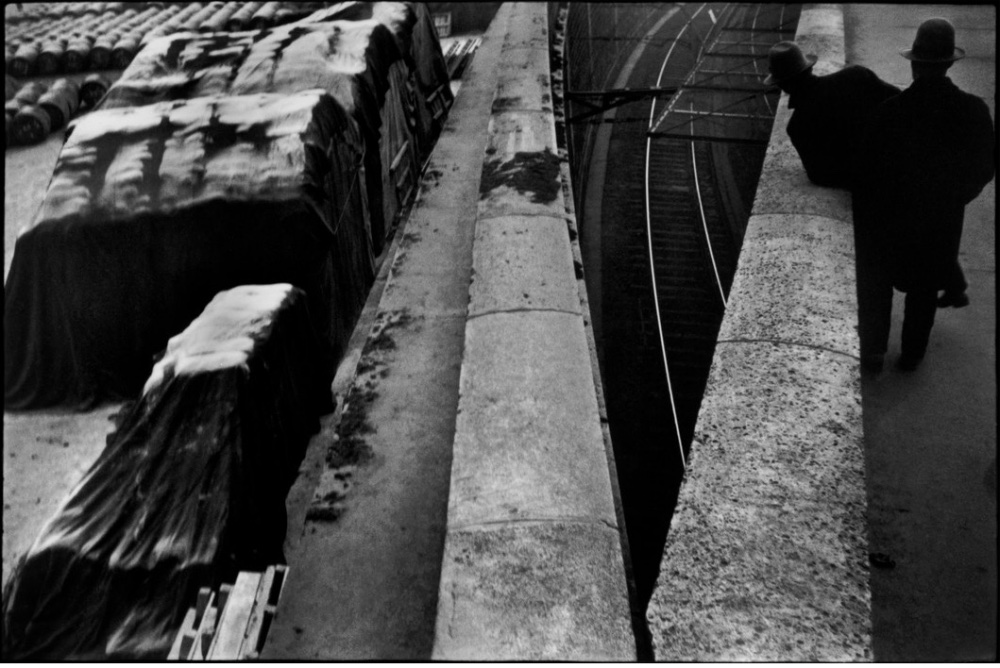
The Quai St. Bernard, Paris, 1932.
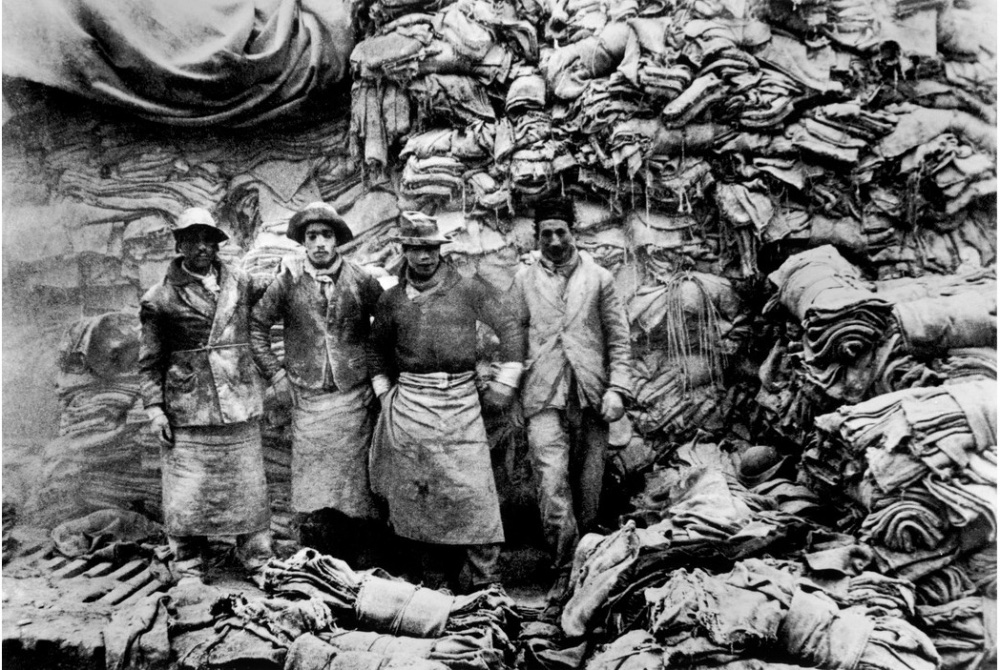
Plasterers, Paris, 1932. How on earth do you improve on this?
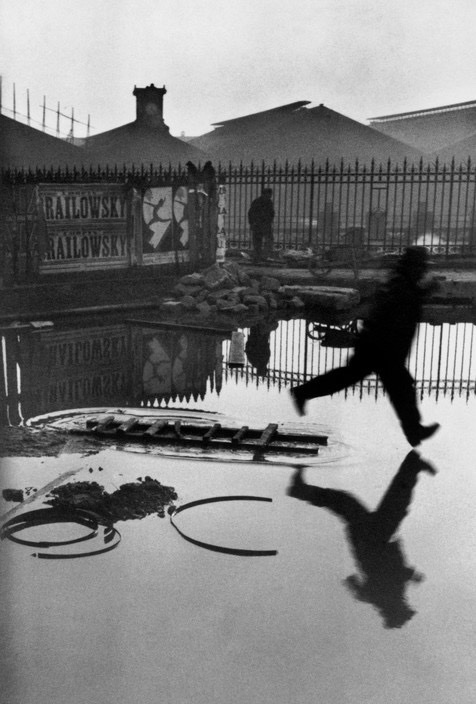
Behind the Gare St. Lazare, 1932. A symphony in monochrome.
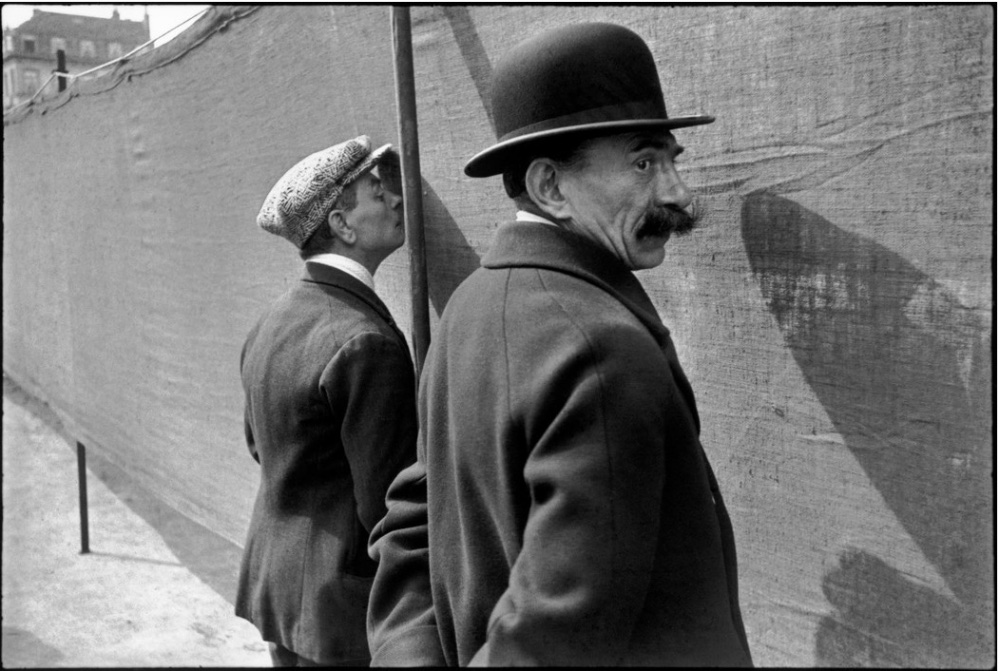
Brussels, 1932. The acme of surrealism.
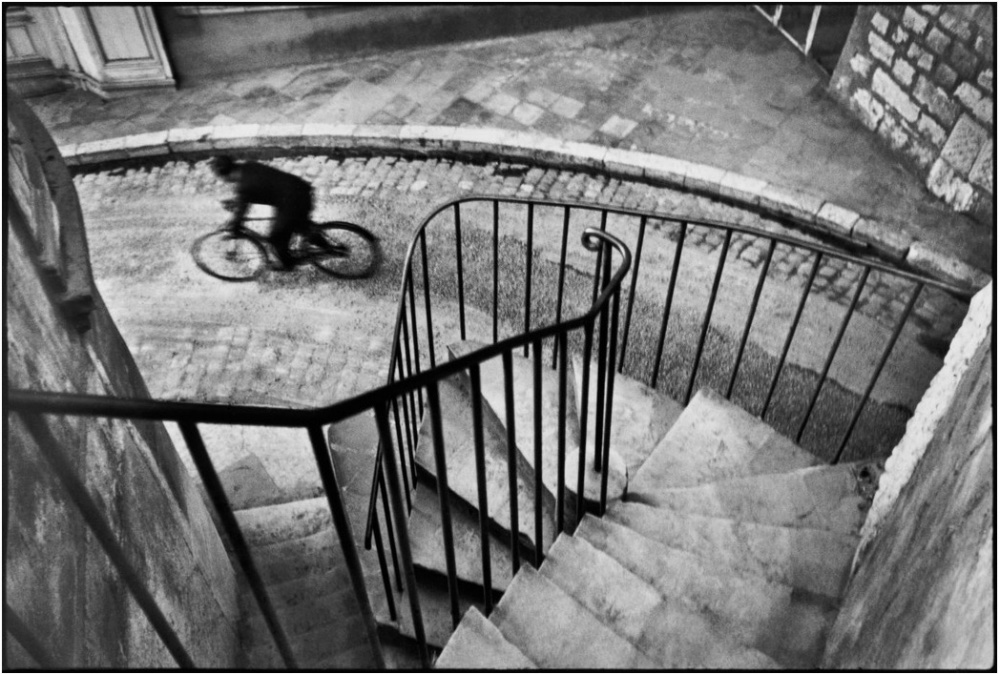
Hyères, France, 1932. The Decisive Moment defined.
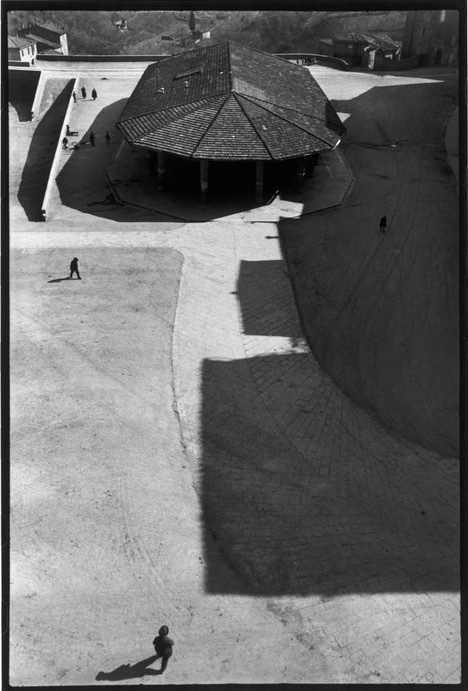
Tuscany, 1933.
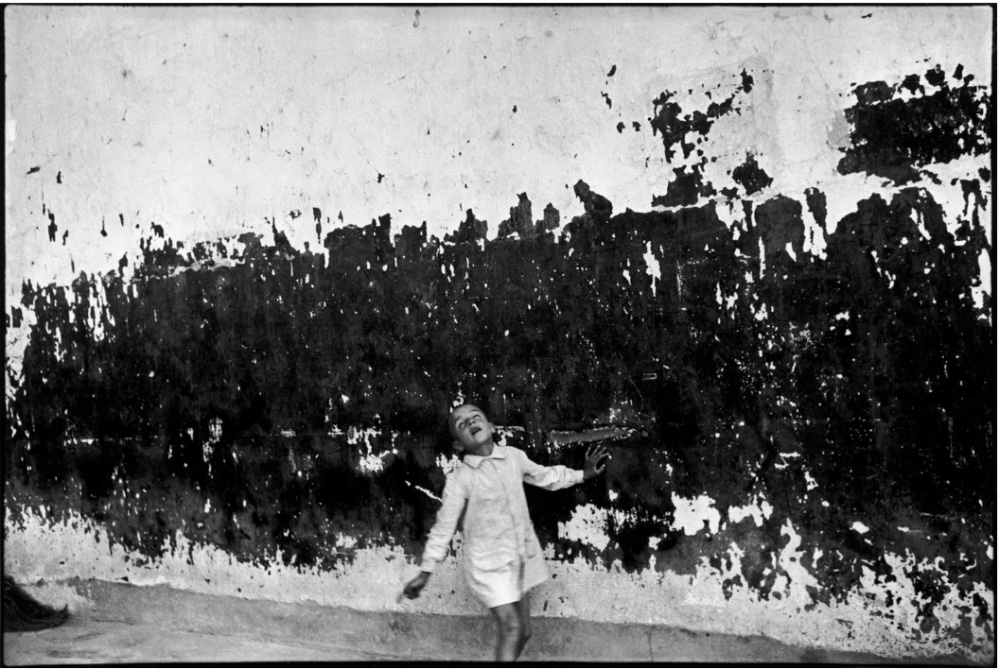
Valencia, 1933.
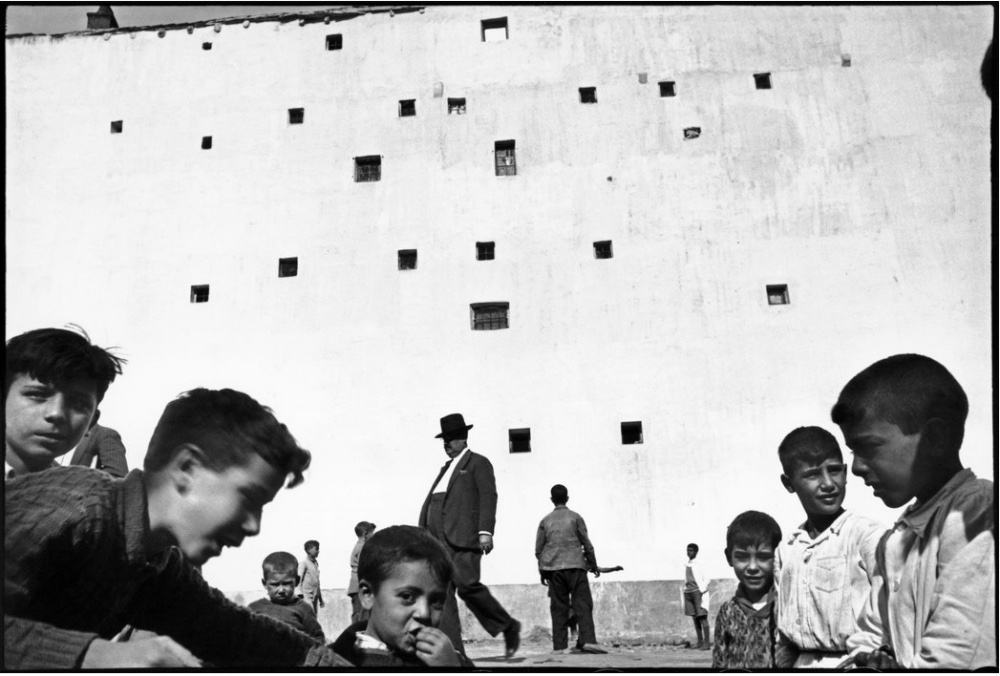
Madrid, 1933. An image of unforgettable power.
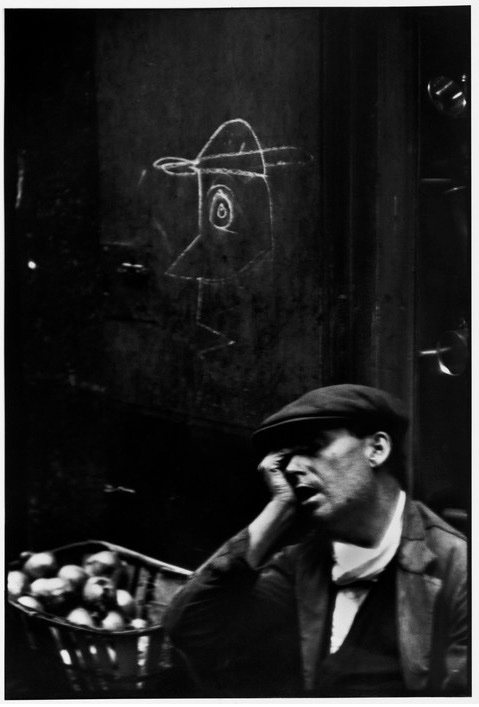
Barcelona, 1933. Rare wit in a man seemingly devoid of humor.
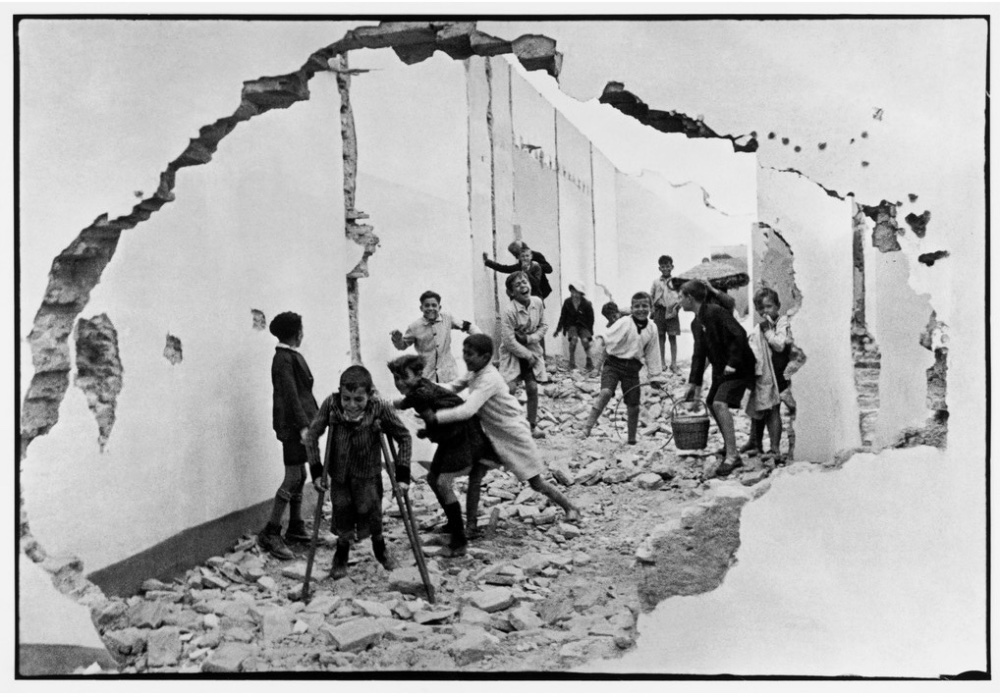
Spain, 1933
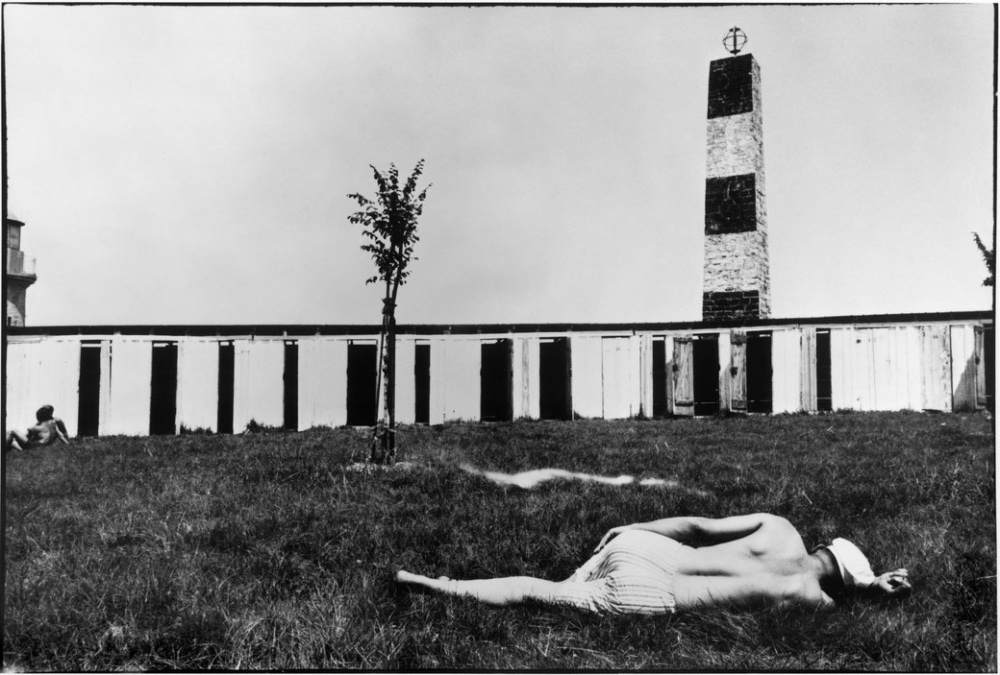
Trieste, 1933. An image which, for me, always fortells Germany’s concentration camps.
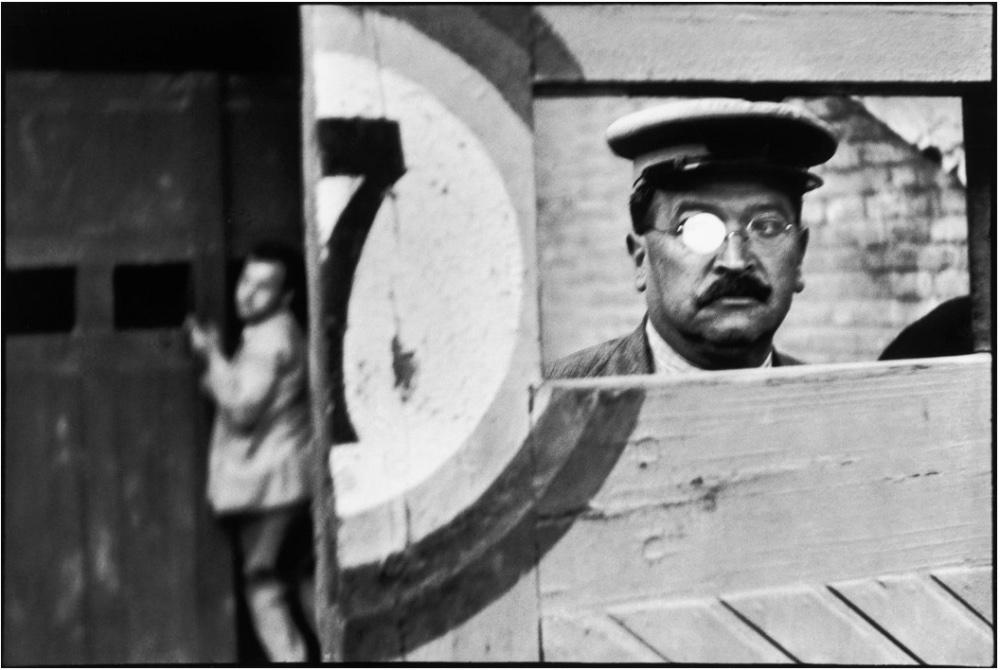
Valencia, 1933. Maybe the greatest cubist/surrealist image ever created on film.

The Shoe Fetishist, Natcho Aguirre, Mexico, 1934. Reportorial and utterly surreal.
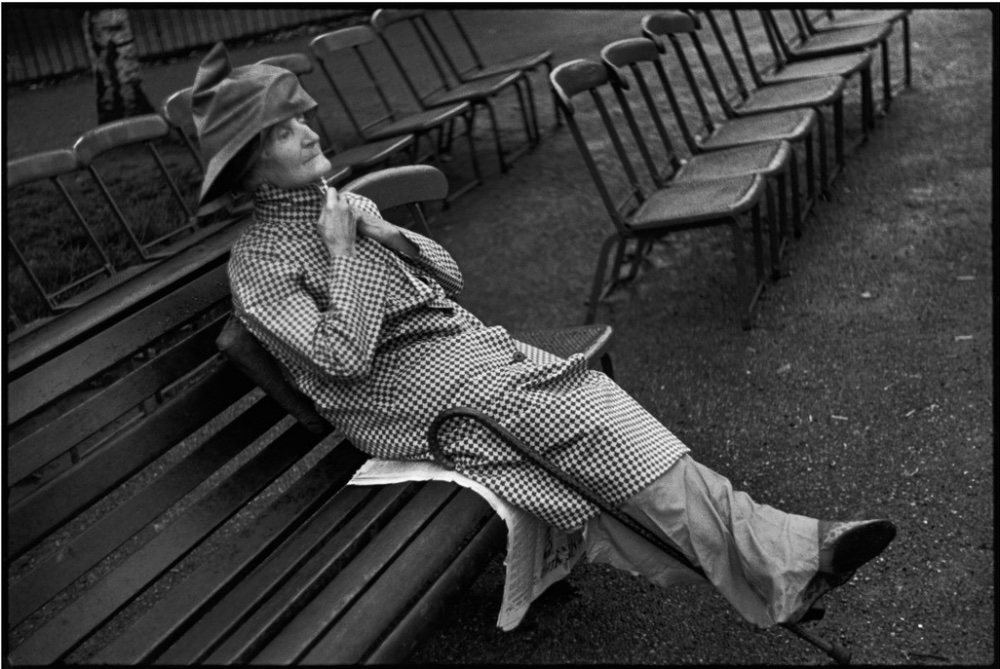
Hyde Park, 1937, as the Gathering Storm beckons.
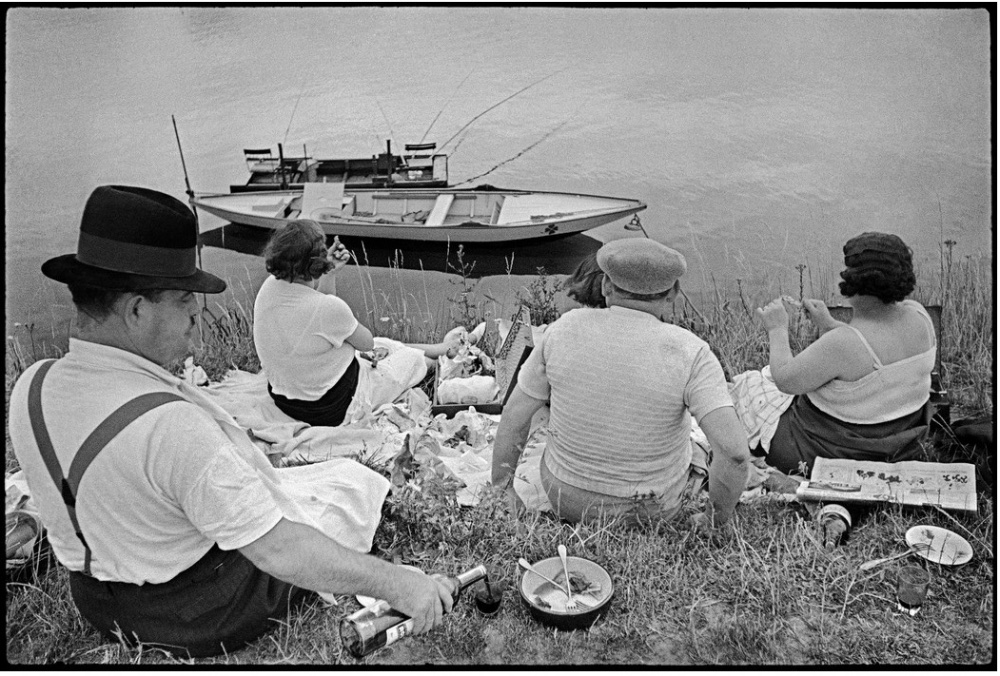
By the Seine, 1938. The image of France that started my photographic odyssey.
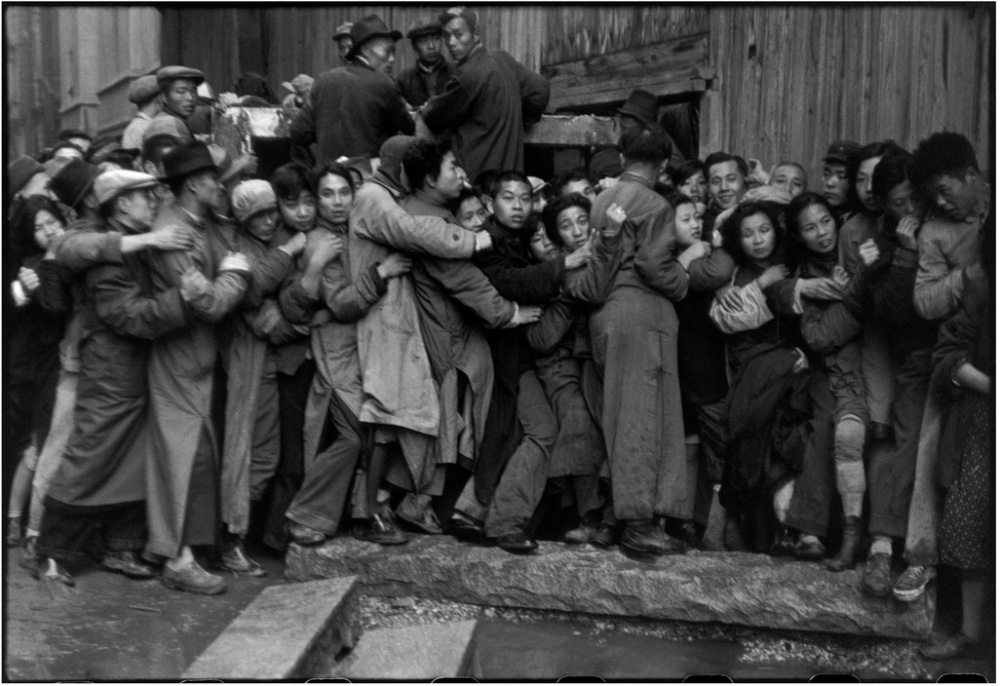
The last days of the Kuomintang, Shanghai, 1948. A rare post war image
that recaptures the dynamism of ‘The Plasterers’, above.
While sparks of his austere pre-war vision were to recur through the remainder of his long life – HC-B died in 2004 aged 96, though he gave up photography in 1975 – the fecundity of the pre-war years was never recaptured. The post-war images trend, for the most part, to the purely reportorial, the pre-war surrealism largely forgotten. Some aver it’s because HC-B was wealthy, the heir to the Bresson thread works which had made his parents rich. He did not have to try hard. I do not subscribe to that belief. He worked like a dog all his life, traveling the globe for the big picture magazines, always at the center of the action. The death of Gandhi? Mao Tse Tung’s overthrow of Chiang Kai Shek? The Paris riots? HC-B was there. Maybe the relative ‘prettiness’ of the images demanded by Life and the like diluted his vision? But if you want to see that vision in full flower, look no further than his images of the 1930s.
Perhaps the worst advice HC-B ever got was from fellow Magnum snapper Robert Capa:
I’m not interested in documenting. Documenting is extremely dull and I’m a very bad reporter. When I had an exhibit at the Museum of Modern Art in 1946, my friend, Robert Capa, told me, “Henri, be very careful. You must not have a label of a surrealist photographer. If you do, you won’t have an assignment and you’ll be like a hothouse plant. Do whatever you like, but the label should be ‘photojournalist’ “.
He should have stuck to surrealism.