By Paul Hendrickson.
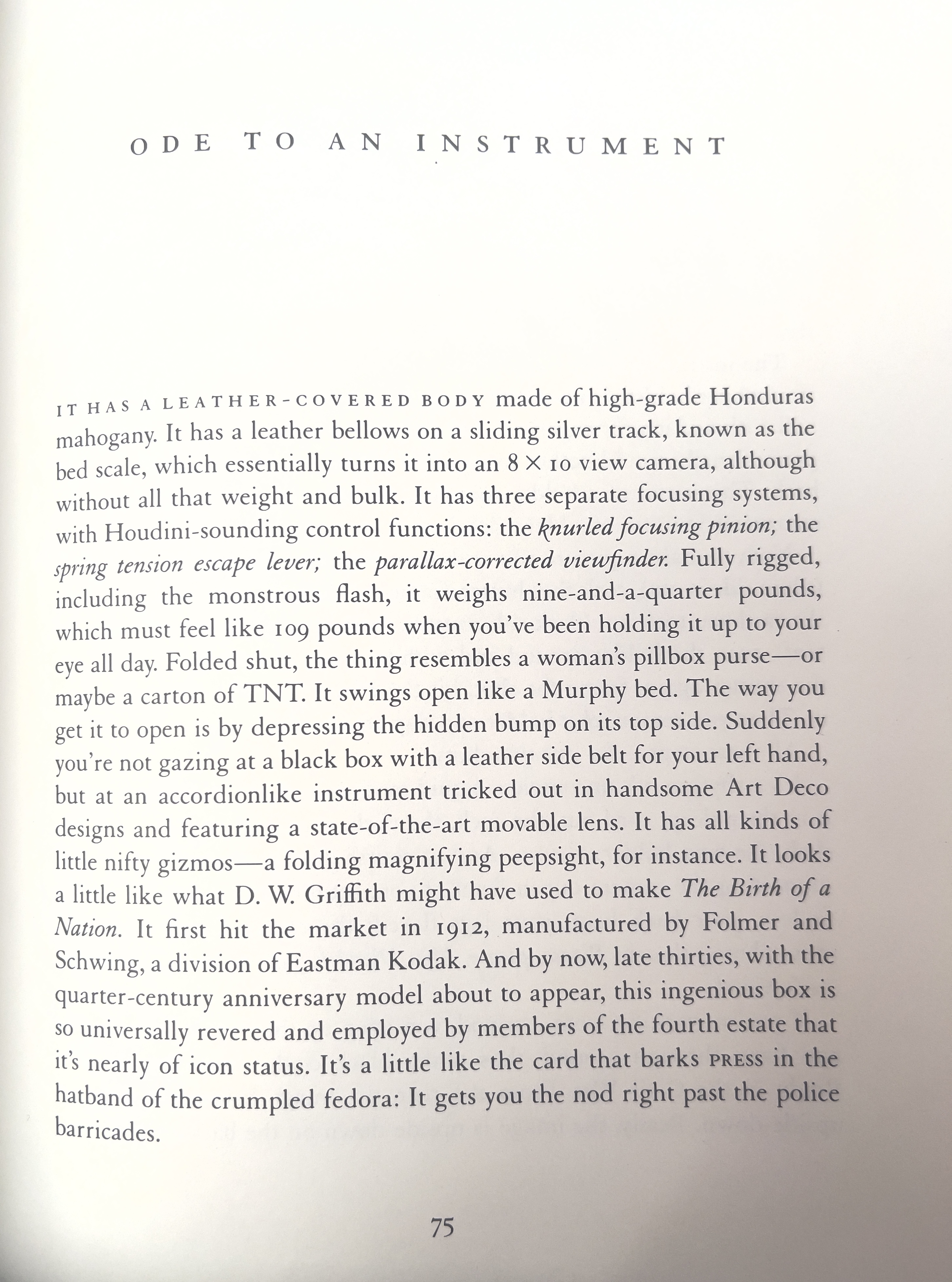
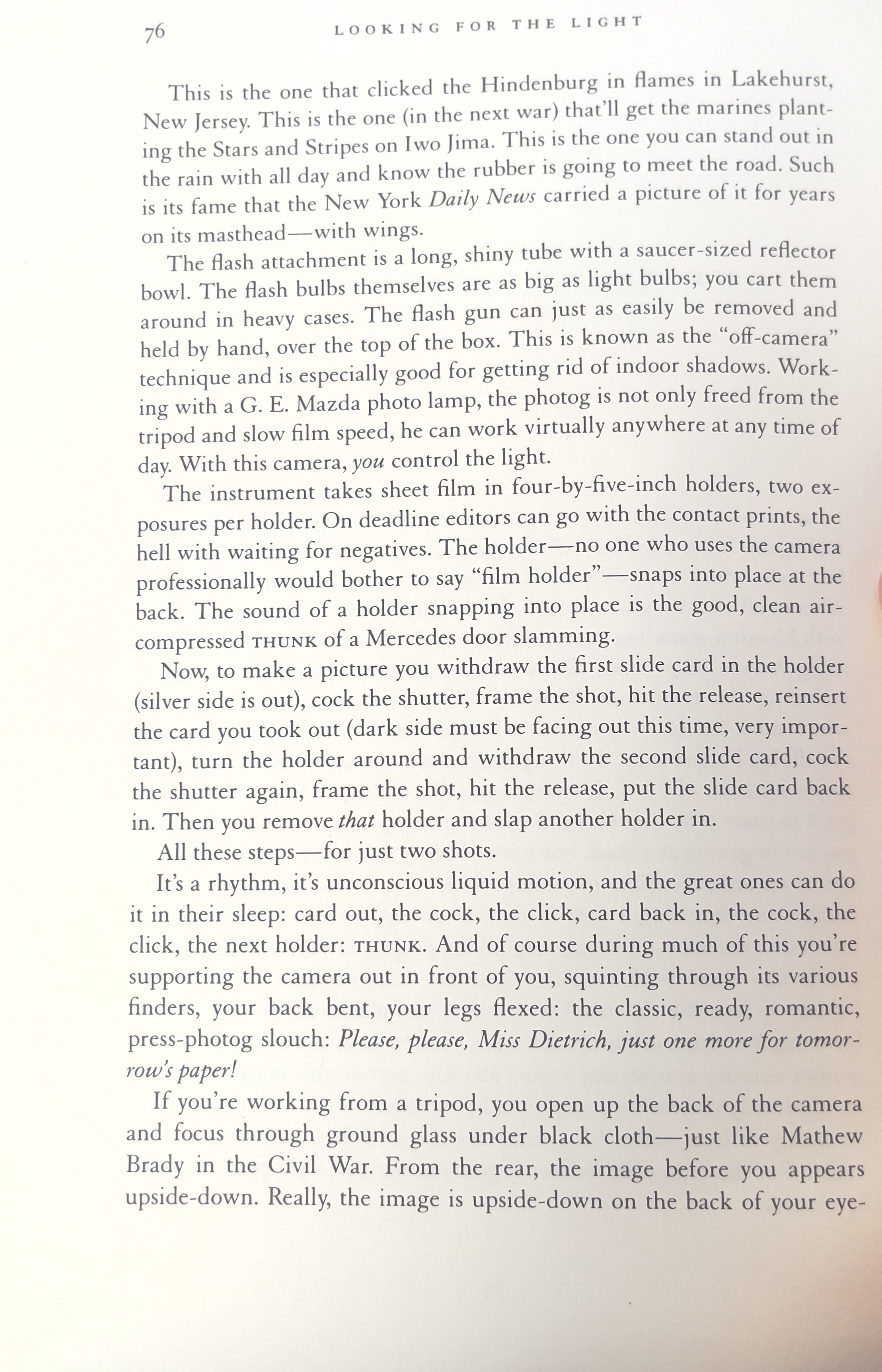
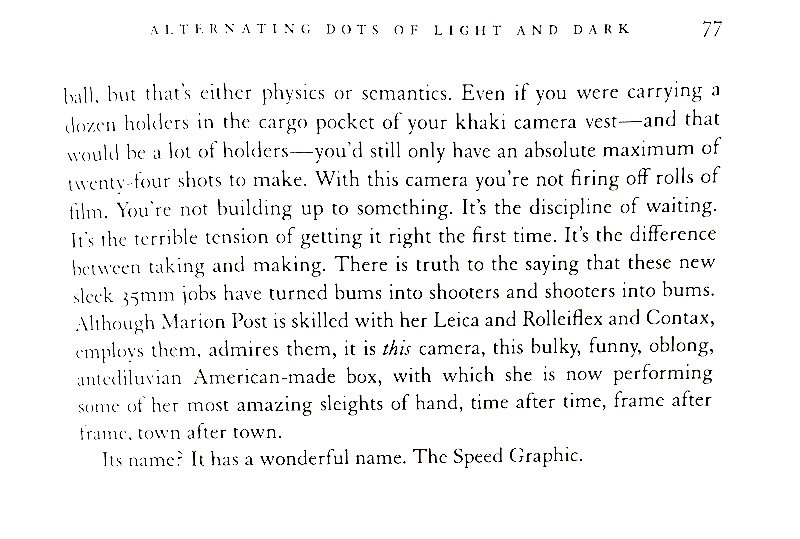
You can find more of Hendrickson’s beautiful writing in his biography of the Depression Era photographer Marion Post Wolcott.
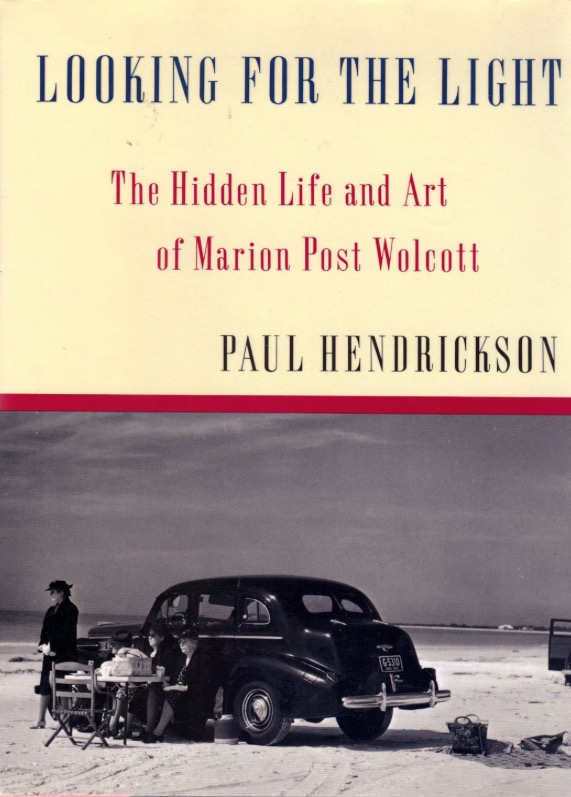
More here.
By Paul Hendrickson.
You can find more of Hendrickson’s beautiful writing in his biography of the Depression Era photographer Marion Post Wolcott.
More here.
Book review.
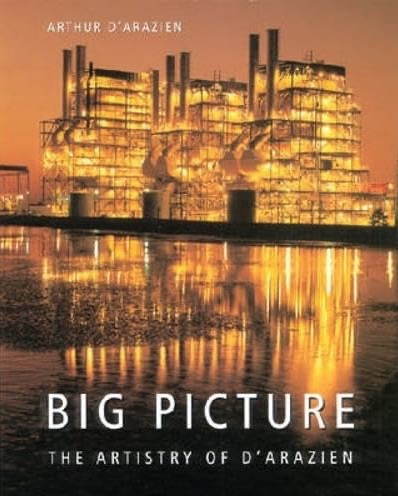
Arthur D’Arazien (1914-2002) was a premier industrial photographer, practicing during the period 1940 through 1999. His family, Armenian Turks, moved to America in 1922 when D’Araziien was 8 years old, to escape persecution.
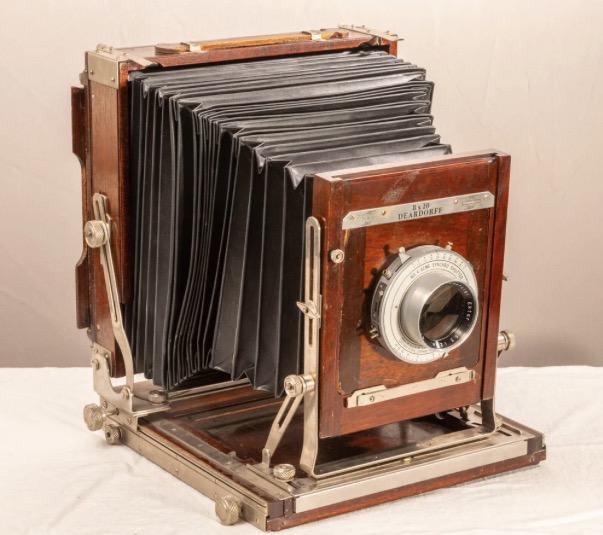
D’Arazien’s specialty was industrial photography, his first major assignment being for AT&T in 1940. Not long after he was drafted into the Army, serving in the Air Corps as an aerial photographer. His first love, equipment wise, was the huge 8″ x 10″ Deardorff, of which he owned no fewer than three. These were manufactured from 1923 to 1988 in Rochester, NY, the Kodak town. While he also used Hasselblads and, later, Nikon F2s an F3s, he candidly admits that no equipment equalled the output quality of those old wooden monsters. He frequently used arrays of flashbulbs for lighting his industrial scenes and even, on some occasions, flash powder! Flashbulbs at the time were cheaper and lighter than costly electronic strobe flash, and far less fragile to transport to the photo site. What is clear from his detailed notes accompanying each of the many images in the book ‘Big Picture: The Artistry of D’Arazien‘ is the amount of care that went into planning each image.
Now steel mills and chemical plants may not be pulse raisers but if you are the CEO of a steel pant that mill is your baby and you are mighty proud of it. It’s something you want gracing the cover of your annual report sent to your (then) grateful shareholders. That’s before all the mills shut down and moved to China.
Many of the Fortune 500 companies were his clients with some of the relationships lasting for decades. As he says in the foreword to the book “I am a good example of the American Dream come true”.
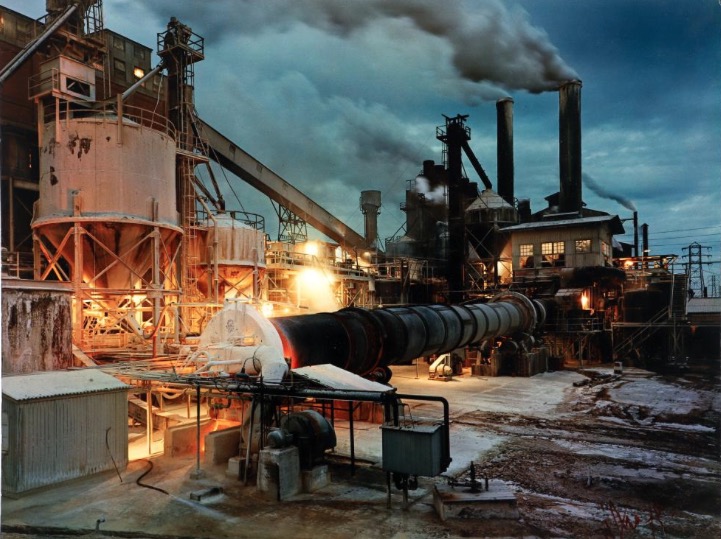
D’Arazien would often take multiple images on one sheet of film, with the first underexposed shot taken before sunset to capture the sky’s colors with the second overlaid image taken at night with lighting from the flowing steel and his many carefully placed flashbulbs, two to a reflector. Some images would take days to set up for the precious second or two of actual exposure.
If high end industrial photography, immaculately planned and executed, is of interest the book is a worthwhile library addition.
Gorgeous and tasty.
For an index of all my book reviews click here.
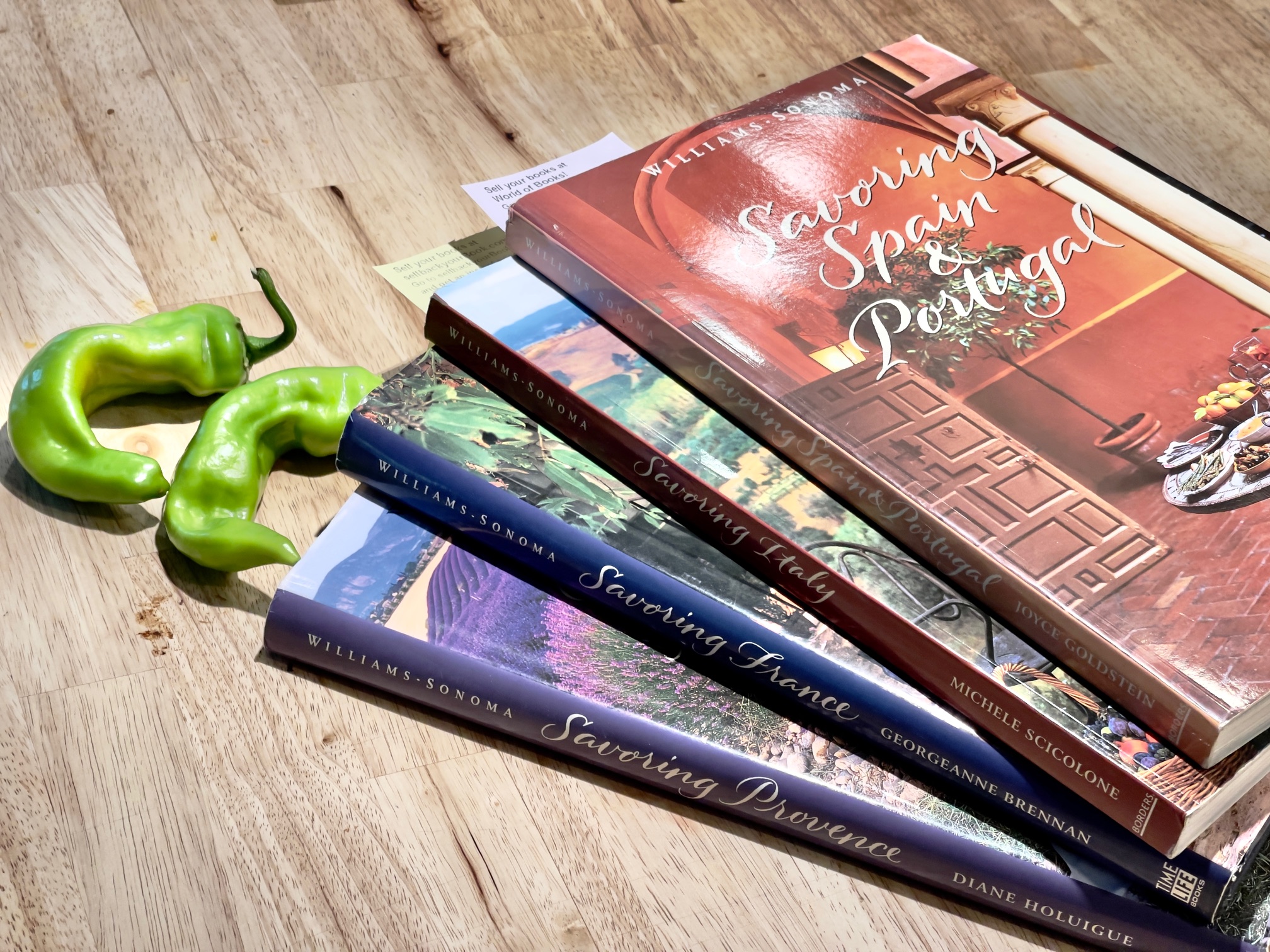
Take a magnum opus like Julia Child’s ‘Mastering the Art of French Cooking’ and you have every recipe imaginable from that land of culinary genius. Yet the books are as boring and as poorly presented as it gets. There are no photographs, a handful of poorly rendered pencil sketches passes for illustration, the fonts are dated and ugly and, well, the whole thing smacks of a well prepared meal thrown on a paper plate in higgledy piggledy fashion.
And that is very much not the case with these wonderful books from Williams-Sonoma, mostly published in the first five years of the millennium and now sadly out of print. I got mine from Abe Books, lightly used, for pennies on the dollar. Each boasts not one but two photographers – one for the locales, the other for the food and the photography is, without exception, gorgeous. And these are not just cookery books, for each recipe comes with historical detail explaining provenance and subtleties. Highly recommended not just for cooks aspiring to emulate the best in Western European cuisine but for lovers of great photography everywhere.
Urbex at its finest.
For an index of all my book reviews, click here.
There are very few words in this book and that’s appropriate for the powerful photography by Dan Barter and Dan Marbaix speaks for itself. This is Urbex at its finest, the pictures dark and moody and the many images of abandoned asylums terrifying in desolation. They must have been even more so when occupied. There are images of abandoned churches and factories and public transport termini also, but it’s the ones of the asylums which really leave a mark.

Recommended for all fans of fine photography and urban decay.
A delight.
For an index of all my book reviews, click here.
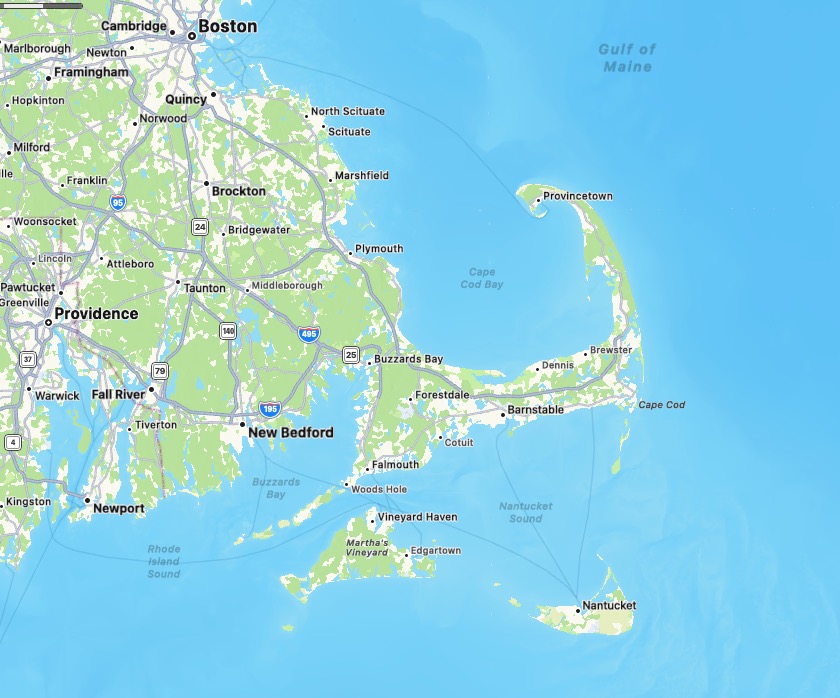
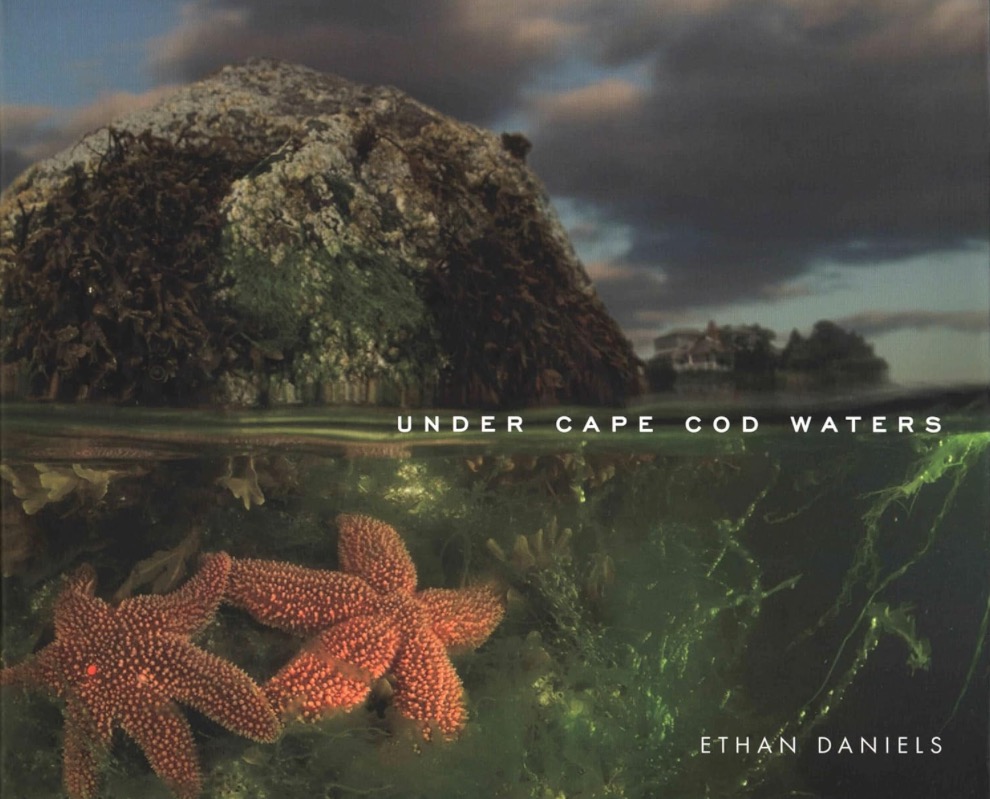
Every photograph in this book is a delight to see. Ethan Daniels has strayed from the charming towns and streets of the cape east of Boston in Massachusetts and gone underwater to photograph its many marine delights, and he has done a wonderful job.
Here is the location: