Nikkor-HC Auto 50mm f/2 lens

An ancient lens made even better.

I wrote about the excellent standard 50mm Nikkor lens for film SLRs years ago here. That lens first saw the light of day on the Nikon F in 1964 and Nikon made hundreds of thousands of them, a fair reflection of this optic’s outstanding performance, small size and toughness.

The last version made in the classic scalloped, metal focus collar style came to market in late 1972 and was optically identical with the happy addition of multicoating for better performance when bright light sources were in the image.

I had given away my 50mm f/2 H to a friend when the 50mm f/1.4 came along, that lens’s greater bulk balancing far better on the large DSLR bodies.

The f/2 continued to be made in later mounts with rubberized focus collars through 1979, though the optical formula remained unchanged.

When I recently added a film era Nikon FE to my little hardware collection I found I was hankering for the original 50mm f/2 as its small size would perfectly complement the compact FE body, and managed to snap up a mint HC, factory converted to Ai no less, for all of $70. Yes, I could have bought a beater for half that but why would you want to save $35 and suffer mental anguish every time you looked at the scarred black anodized finish which is as ugly as it gets? Here it is, mounted on the FE, the satin black front ring denoting multicoating, replacing the silver one on single coated lenses:
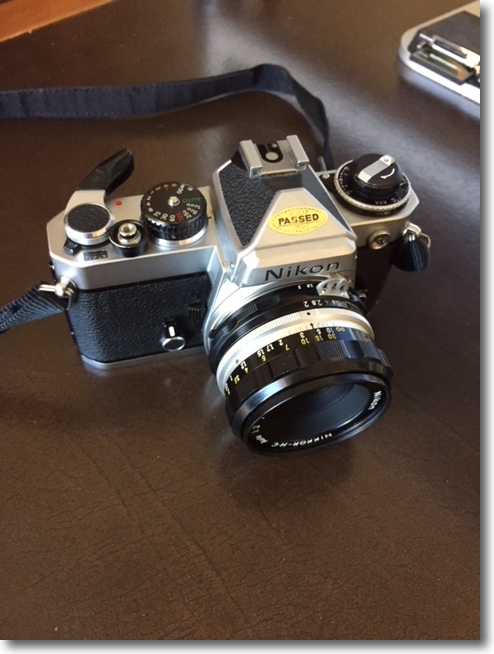
The factory Ai ring adds a second row of aperture digits which is read by the small mirrored assembly in the base of the camera’s prism and reflected into the viewfinder. Nice – you can see shutter speed and aperture through the eyepiece.

Nikon has a remarkably honest assessment of this optic’s performance on its site here and their statement about performance accords exactly with my experience:

The very minor vignetting at full aperture along with mild barrel distortion are both easily corrected using my lens correction profile in PS or LR and, if you install a CPU in the lens then that profile can be invoked automatically when you load your images into LR. CPU installation is very easy as no machining is required and the ‘Dandelion’ CPU can be found from commie vendors on eBay – just search for ‘Dandelion chip’, all of $20. My link in this paragraph includes my installation (Part I) and programming instructions (Part II) and you will not find any better. I have installed around thirty of these and they continue working fine after many years.

Here’s how the lens’s data appear – automatically – in Lightroom, for images made with a digital camera:
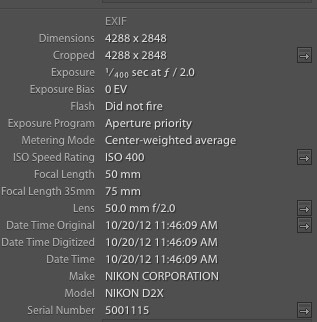
I find lens EXIF data extremely useful in the image catalog for, when searching for some long forgotten image, I tend to remember the lens used more than anything else. In the example above the image was snapped on the D2x with its 1.5x crop factor.

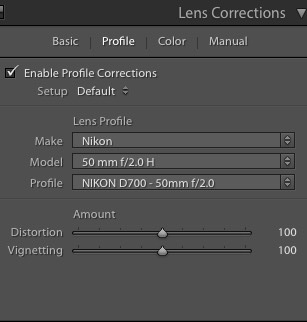
Here’s the data on the lens correction profile – while the image was snapped on the D2x, the profile was created on the D700 and that’s what I put in the file name for the profile:
The 50mm f/2 Nikkor is recommended without reservation and can be found in any condition you like for very little. You get Leica Summicron performance for 5% of the outlay and if you drop it, heck, buy another. Plus, it’s better made than the Leica lens.
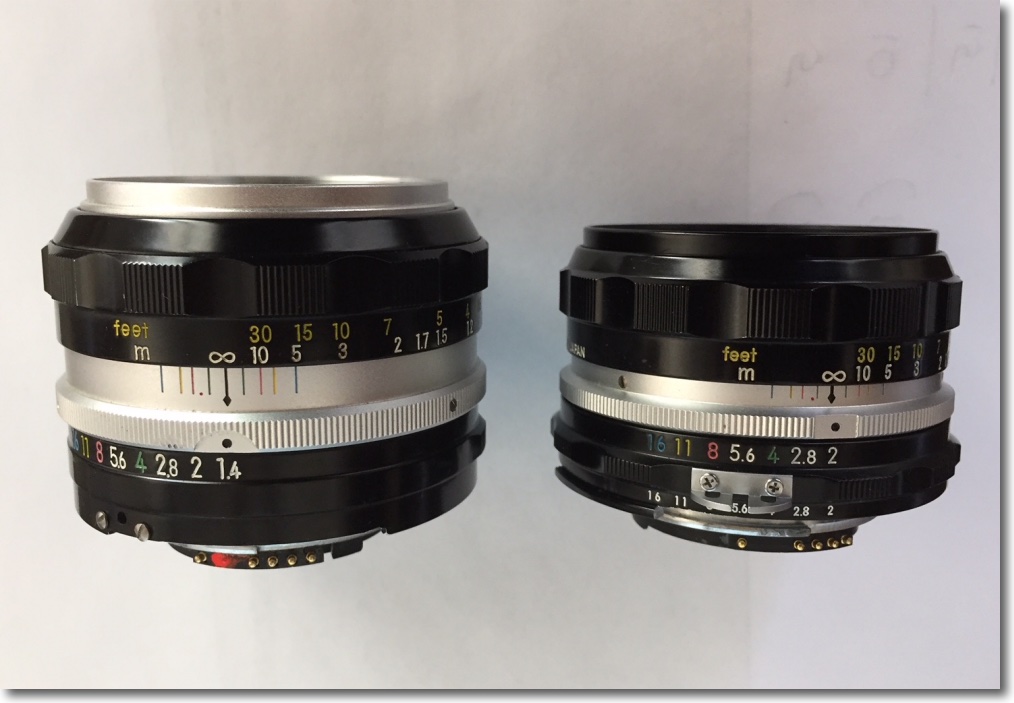

The f/1.4 is larger and heavier. The epoxy is still drying on the f/2’s CPU!
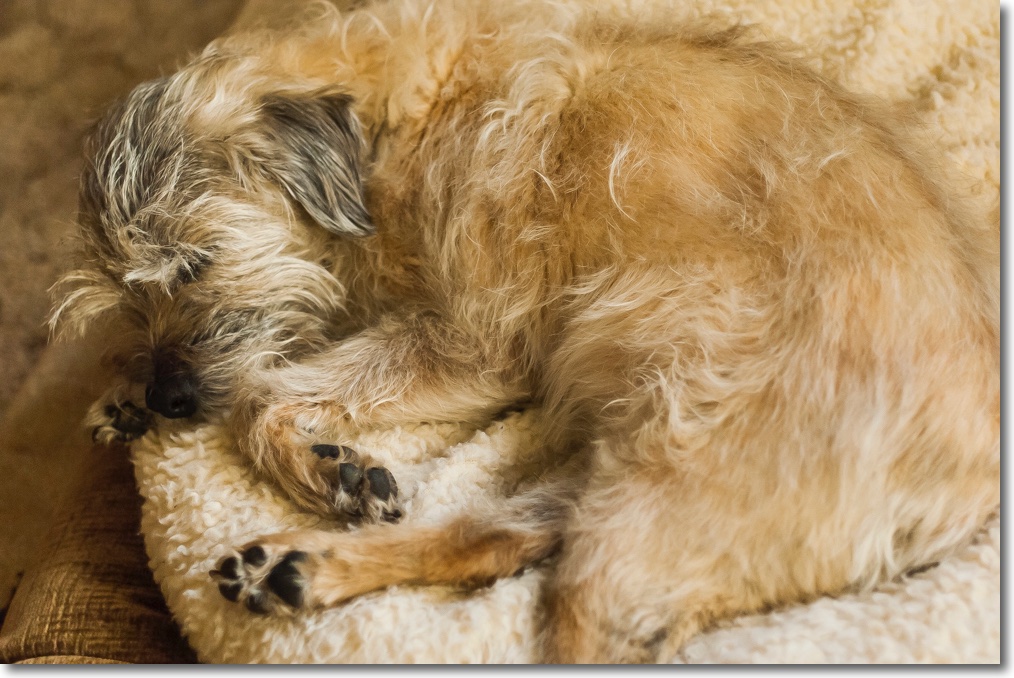

An old friend. Nikon D2x, 50mm Nikkor H at f/2.

And while I’m at it, if you want a truly unbreakable DSLR in APS-C format for well under $500, you can do a lot worse than the Nikon D2x, which is backward compatible with almost every Nikkor ever made. At 12mp it’s no pixel monster but that’s fine for up to 40″ x 60″ prints and, of course, you make those all the time, right?

Field tests:

You can judge the extent to which the lens vignettes from the sky in these two images:


At f/2, straight out of camera.
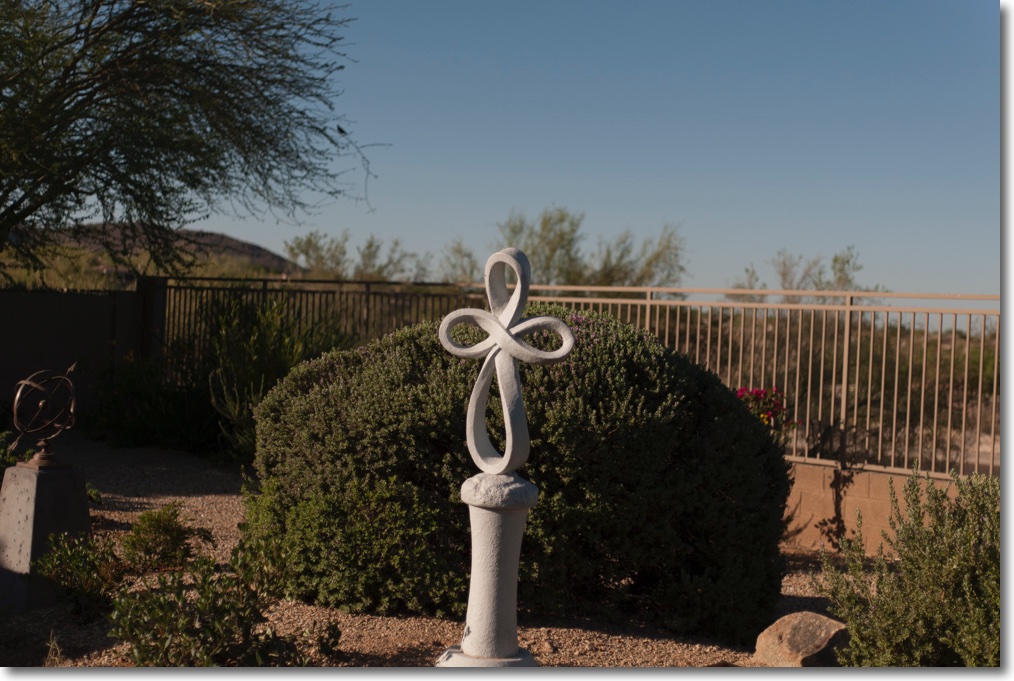

At f/2, using my lens correction profile.


Center and edge definition – note the EXIF data from Lightroom in these screenshots, conferred by the newly installed CPU:
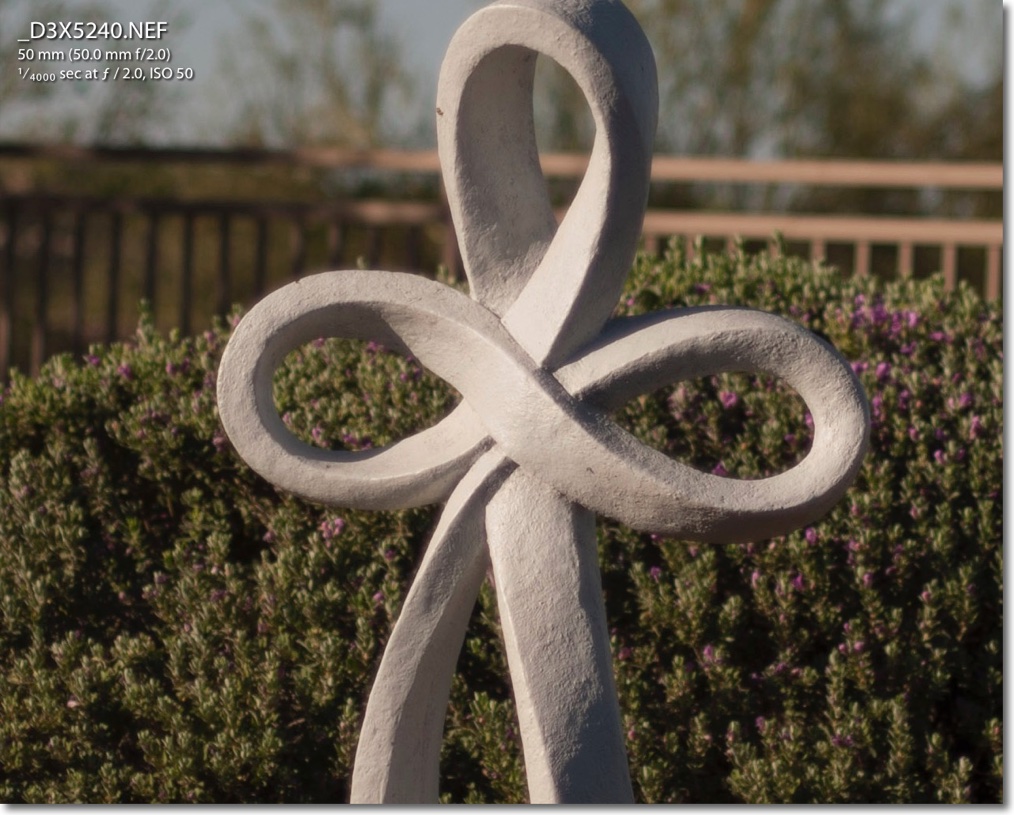


Center definition at f/2, 48″ x 72″ print. Note the gentle rendering out-of-focus areas.
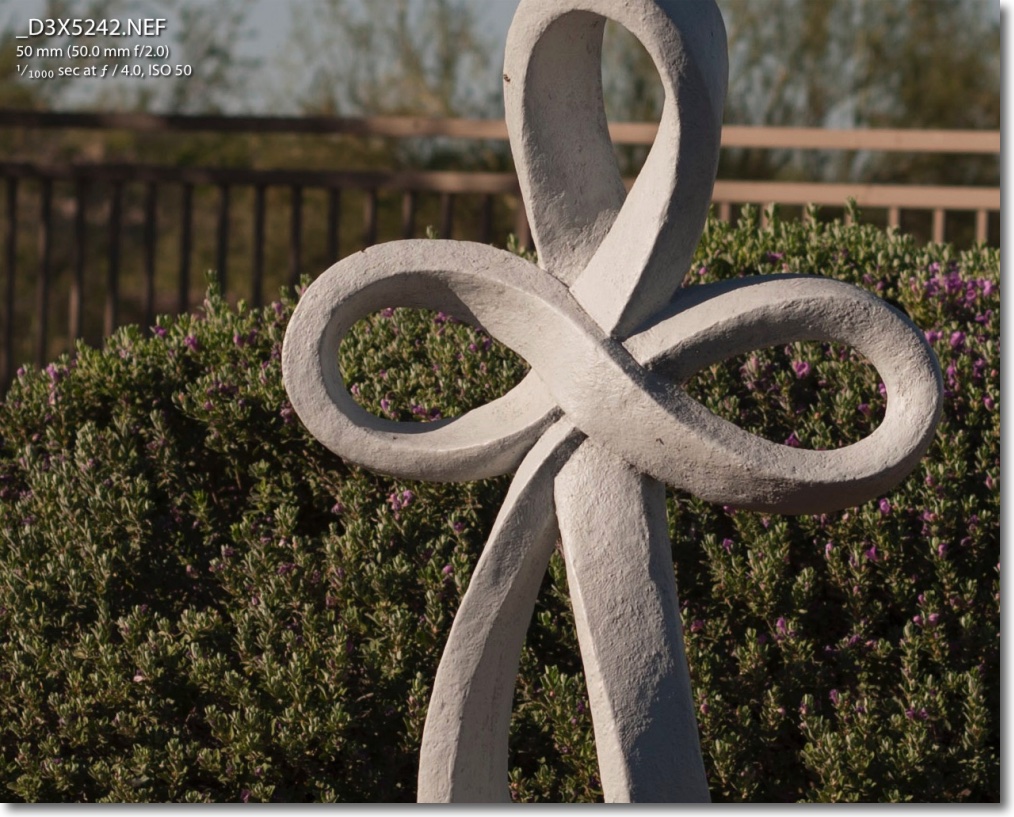

Center definition at f/4, 48″ x 72″ print.
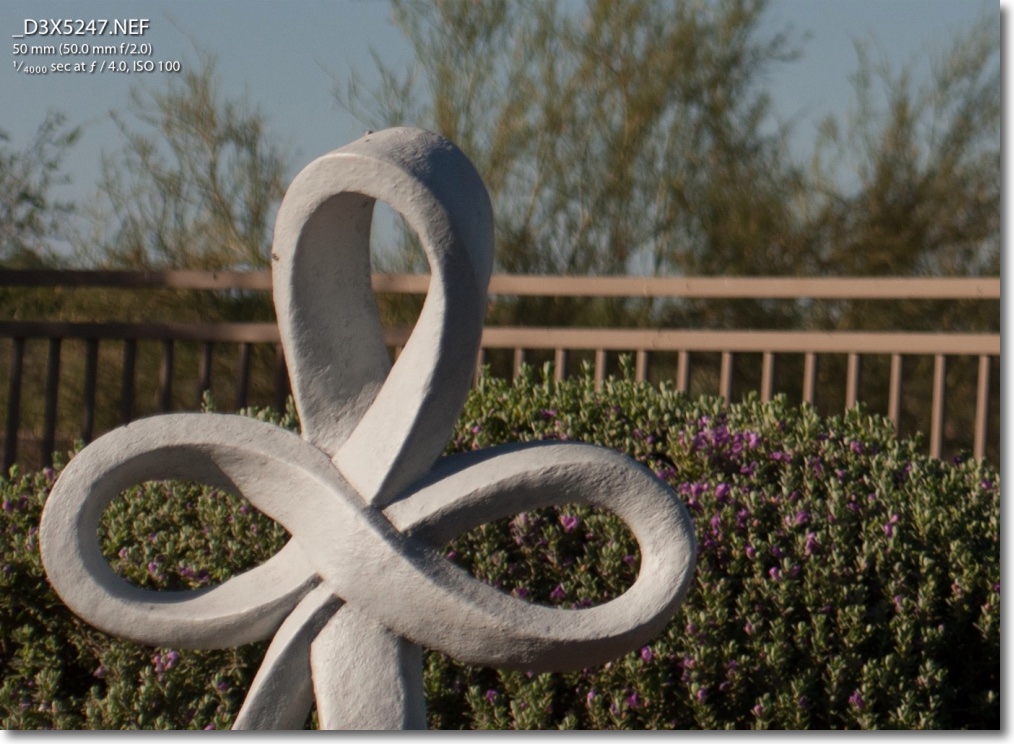

Extreme edge definition at f/4.


Like I said, Leica Summicron optics at a fraction of the price. Comparing performance in the extreme corners with that of the 50mm f/1.4 Nikkor of like vintage, the f/2 optic shows no noticeable flare compared with the f/1.4 (probably thanks to the multi-coating in the f/2) and is one stop sharper, meaning that the f/2 is as good at f/2 as the f/1.4 is at f/2.8. That said, either lens will make fine large prints at full aperture, sharp enough to please all but the meanest pixel peepers.
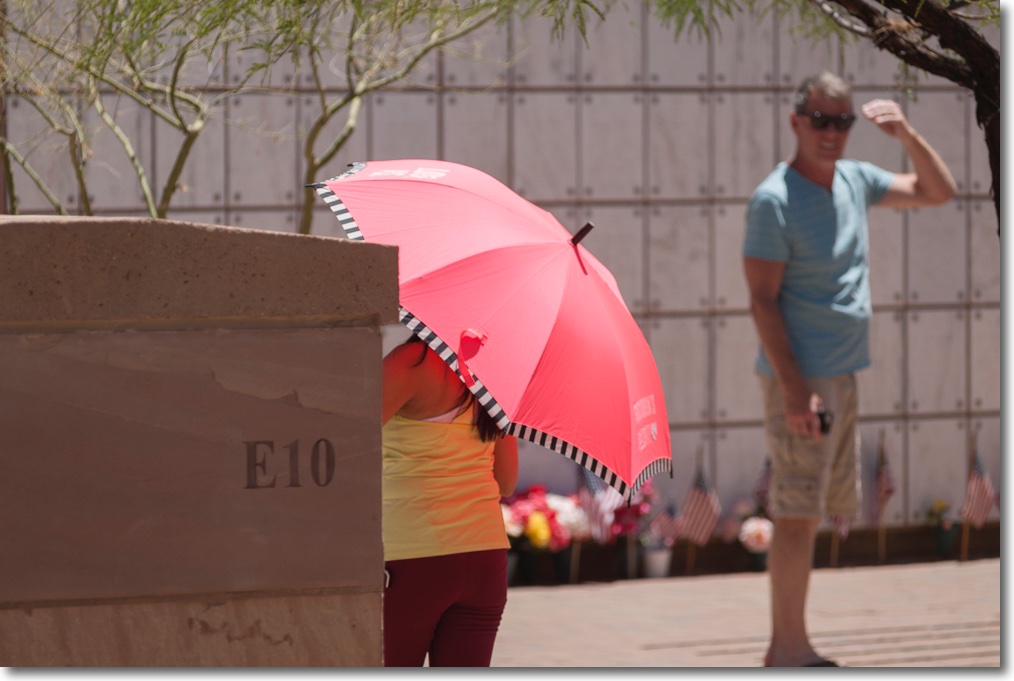
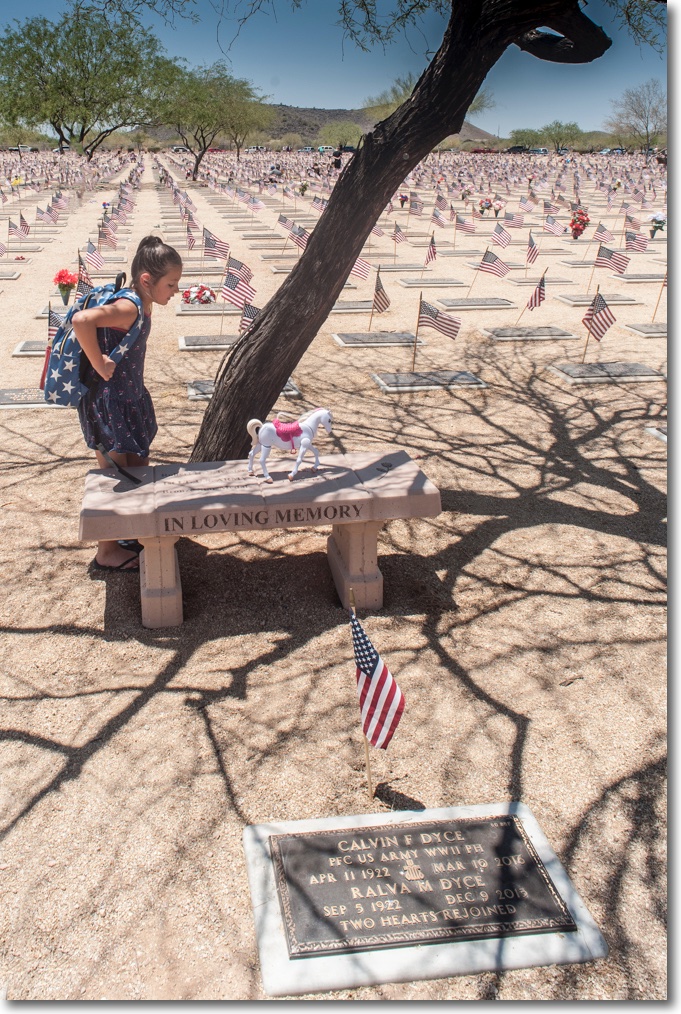
Memorial Day 2018

In the high desert.

The National Memorial Cemetery of Arizona is located on a vast piece of desert land in Cave Creek, northeast of Scottsdale where I live. The fallow space leaves lots of room for future generations of murderous politicians to send innocent men and women to an early grave. As usual, I try to visit a National Cemetery on Memorial Day and as this one is near my home, convenience was an added plus.


Click the image for the map.


Dedication.


Austere memorial.


Grave Locator.


True colors.


In the Columbarium – where ashes are stored.


The Columbarium.


Saguaro cemetery.


Lone flag.


Moving display.


Ocotillo.


Memorial Day.


Mourning.


Never forget.


USAF.


Under the hot Arizona sun.


On this occasion the hardware consisted of the Nikon D3x along with the ancient but superb 20mm UD Nikkor, the 35-70mm AFD Nikkor and the 200mm Nikkor-Q which, I swear, will not allow you to make a bad picture. The 20mm and 200mm were AI’d and chipped by me to allow recording of EXIF data, which I find key for image search and retrieval. The AFD is factory Ai’d and chipped. All pretty much straight out of camera with the exception of #10 (warmth added, cropped), #13 (monochrome conversion), #15 and #16 (LR cold tone preset plus highlight reduction). ISO200 throughout with #10 being the best of ten at 1/60th and f/32 for maximum DOF. I’m getting less steady with age!

Paris 1976

With the grain master.

This journal seems to have hit a bit of a film streak recently, so here’s more of the same.

In the 1970s, the height of the 35mm film era, Ansco made a film named GAF500 which was a color slide film rated at a nominal 500 ASA. Given that most slide snappers were using Kodachrome II (25 ASA) or Kodachrome X (64 ASA) at the time, this was quite a statement.

The film’s fame owes much to the work of French photographer Sarah Moon who jumped on its creative possibilities which perfectly matched her impressionist – nay, pointillist – photography style. Pointillisme was originated by that most special of French painters George Seurat in the 1880s. Dots of color replaced continuous tones and the results were electric. Maybe his finest work is ‘A Sunday Afternoon on the Island of La Grande Jatte’ from 1884 and you have zero excuses for not seeing it for it resides in all its magnificence in The Art Institute of Chicago.


La Grande Jatte in Chicago. The canvas is huge at 7′ x 10′.

At this time in my life I had already long decided to abandon dreary, failed England, where I had grown up and graduated in 1973 from University College, London, and had my eyes firmly set on the New World and America, a reality that came to closure in late 1977. But having been an ardent Francophile for the past 15 of my 26 years on earth, a visit to Paris was first called for. I had already devoured Proust’s magnum opus ‘Remembrance of Things Past’ not once but twice, had enjoyed a passionate affair with Impressionist painting, based on my readings of John Rewald’s magnificent books, and had maybe two hundred of Henri Cartier-Bresson’s images committed to memory.

What causes this flashback is not any great love of tea or madeleines (I dislike the first and rarely eat the second) but rather my son’s trip tomorrow to Paris with his school as part of his French studies. He will stay ’embedded’ with a French family – no English allowed! – for two weeks, half in Strasbourg, Alsace on the German border, the other half in Paris. Strasbourg with its overweening Germanic culture leaves me cold, but Paris ….

Returning to the Divine Sarah, I packed one roll of GAF500 on my trip in 1976, much inspired by her work. The rest was all TriX which is about all I used back then. Why mess with perfection? The greatest monochrome emulsion ever made. I doubt I had taken more than a handful of color snaps in my life a that point, but I did find GAF500 in my Leica on the obligatory trip up the Eiffel Tower and one of the snaps made there came out rather nicely, the essence of all that is French, looking into the fine restaurant atop the Tower.


Atop the Eiffel Tower. Leica M3, 35mm Summaron, GAF500.

So the next three weeks I will be living vicariously through my boy, Winston, whose namesake WSC was once asked how he managed to tolerate DeGaulle’s endless grandstanding in London during WW2. “He is my cross of Lorraine to bear”, WSC replied. Expounding on his theme, he added that a world without French culture, cuisine, couture and women would be a far worse place. Churchill wisely chose the south of France for his retirement, abandoning drafty, cold, rainy Chartwell to the tourist hordes. Here’s more of the same:

That week I spent in Paris was magical and I do not recall taking one bad image. This trio from the Tuileries Gardens about sums it up:


Tuileries Triptych. Leica M3, 35mm Summaron, TriX.

May Winston have as good a time.

Vive La France!