Celebrity

Book review.

Click to see on Amazon – I get no click-through payment.

This came along as a welcome gift to my photography book library. When it comes to the bad boy British photographers of the Swinging Sixties, the names you hear most often are Donovan, Duffy and Bailey. But a fourth, with a claim to having been there, is Terry O’Neill, whose pictures of the famous and near-famous are reproduced here.

In a typically well written essay introducing the book, A. A. Gill (who did sterling writing in the Sunday Times before the Dirty Digger came along) summarizes it nicely. Fame, he writes, is haute couture whereas Celebrity is ready to wear.

Some of these pictures leave me cold because given the natural beauty of their subjects it’s quite literally true to say that anyone could do it. I mean, can you imagine taking an ugly picture of Catherine Zeta-Jones, for example? Heck, even if you were a complete klutz, she wouldn’t let you.

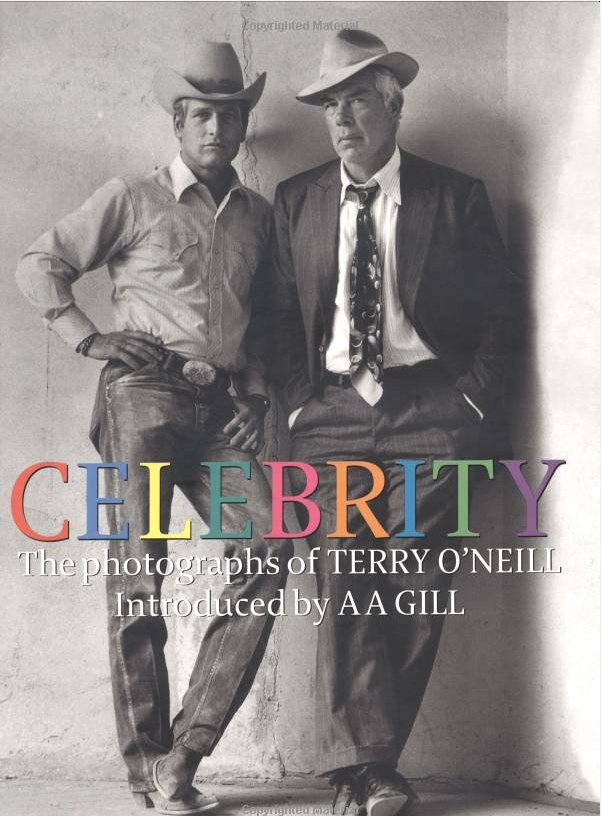
But there are others which get through and show insights to the subjects’ characters that are quite fascinating, with perhaps the best being the cover picture, above. There’s a fine one of Roger Daltrey trying to act the land baron and not quite succeeding. It’s tough when, as Pete Townshend once described him, you are just ‘a sheet metal worker from Shepherd’s Bush’. One more poignant is of Tom Jones back in his Welsh coal town, ridiculously overdressed with a huge Rolls Royce. Sad. I wonder if he was in on the cruel joke? One even more moving is of an old Marlene Dietrich (German, yes, but the sheer number of GIs she slept with testifies that she was on our side), emerging from the side curtains onto the stage like a chrysalis becoming a butterfly. A pretty old and past-it butterfly, in her case, but extra points for trying. Another well observed one is of Faye Dunaway, O’Neill’s spouse at the time, on the morning after winning the Oscar, replete with silk gown and Beverly Hills Hotel pool. (Dunaway was a Celebrity; Bailey went one better, marrying Catherine Deneuve who was, and remains, Famous).

It’s a fun book, a confection which occasionally gets you thinking. Was O’Neill a great photographer. No. The fame of his subjects rubs off, but too rarely does his work show the sort of insight common to the terrible trio mentioned above.

There’s a video of O’Neill sounding disillusioned and preaching how digital is not ‘real photography’ which you can see, in lieu of watching the kettle boil, by clicking below. (Refresh your browser window if it’s not visible below):

Paul Bock

An American photographer of Hungarian descent.

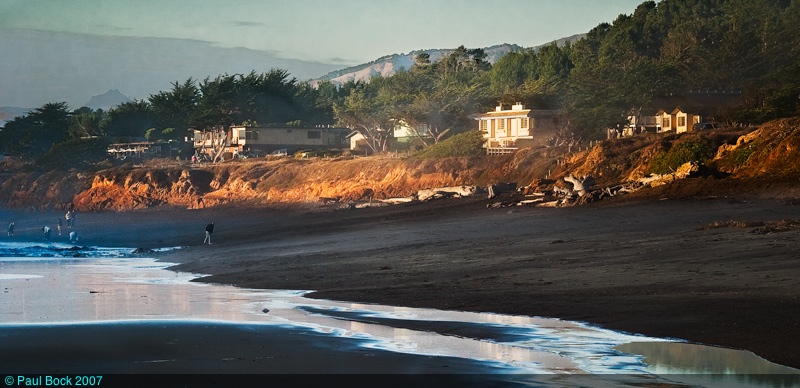
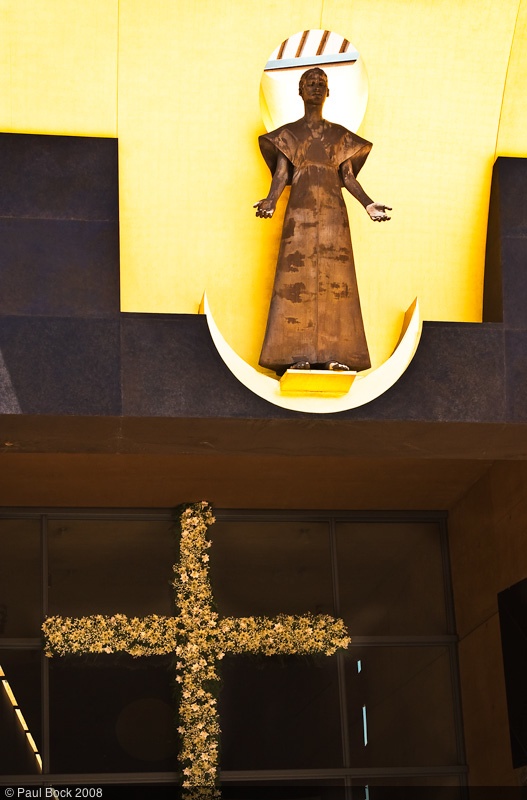
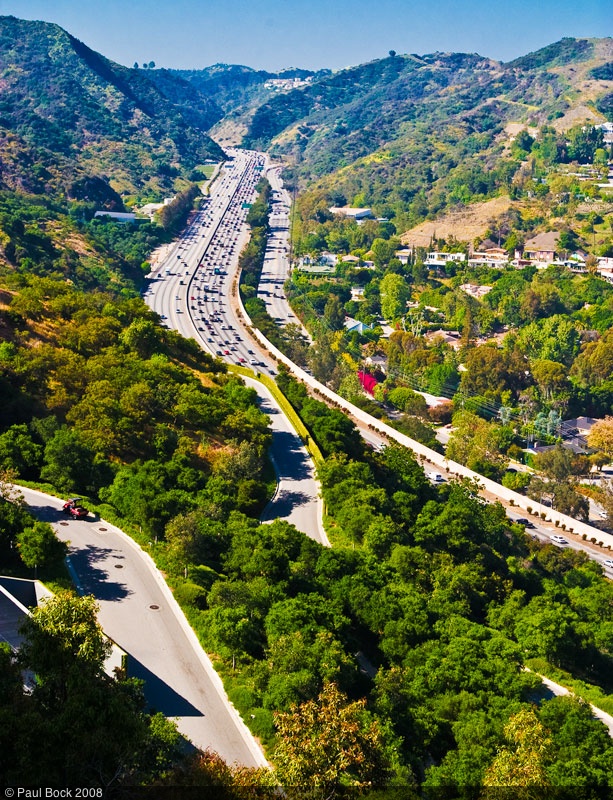
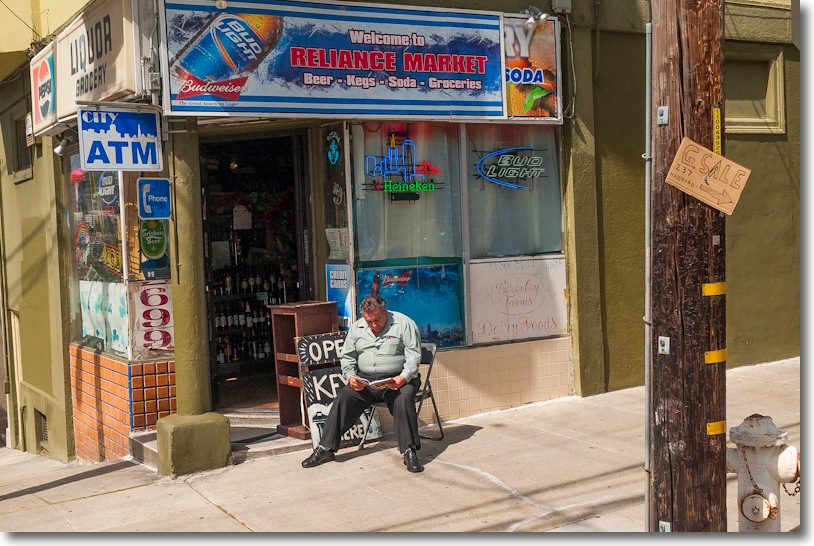
Paul Bock makes his home in Los Angeles, one of my favorite American cities. He tells his own story below and it’s one of a dedicated and involved student and practitioner of photography. His work is studied, contemplative and insightful – an oasis of calm in a fevered world. I think you will enjoy his work as much as I do. Click here for Paul’s site.

* * * * *

I was born in Hungary and got my first camera when I was fourteen.

At about that time, I read Perelman’s “Physics of Every Day”, and I was fascinated by this character, who had better eyes then anybody else. Walking in the forest, he could see the birds, the squirrels, the snakes, before they could see him. Thus he lived in a world different than ours: he was closer to the truth. At that time, I wished I had eyes like him, so I could see behind the scene, so I could be part of a world hidden from most.

That childhood fascination is still with me. It is all about discovery, about seeing “the other side”, finding the essence of things, the hidden, the importance, the truth.

At that very special moment when I release the shutter and an emotional rush makes my heart pound and stops my breath, I feel that I am like Perelman’s character: I’ve seen behind the obvious, I’ve gotten a glimpse of that hidden world behind the façade and I captured it in my camera.

My intention is to bring this hidden world, my world, to the viewer though my images, and share the excitement of discovery.

I became a structural engineer, and photography had to stay in the background, but was never forgotten. In 1974 I immigrated to America and have lived in the Los Angeles area since then.

In 1998 I purchased a 4×5 camera, and dedicated increasingly more and more time to photography. I was attracted to the richness of detail and tonality of 4×5 film and to the control provided by the camera’s movements. When digital capture reached a reasonable level of quality, I happily embraced it. I still enjoy the freedom and mobility I gained by shedding the 60 pounds of large format gear and the unlimited control available in post processing.

In 2000 I studied photography with Larry Janss (in his early days Larry Janss was Ansel Adam’s assistant and later became a renowned fine art photographer and educator), and in 2004 I graduated from Tri-Community School of Photography in Los Angeles.

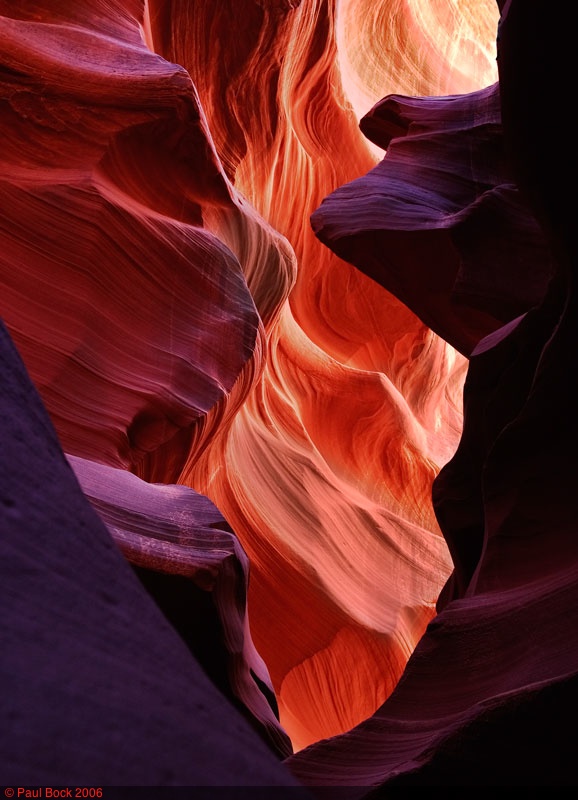
In 2008, in a juried competition, my “Silent Scream” image (Reproduced below – Ed.) created in Antelope Canyon won the prize of the Associated Artists of Inland Empire.

In 2009 I was invited to present a solo exhibit of one hundred of my images at the “Euro Foto Art” Photo Salon in Oradea (Nagyvarad), Romania, and was installed as a creative member of the AAFR (Association of Fine Art Photographers of Romania). Those one hundred photos were later exhibited in Bucharest, Arad and Iasi, and then were donated to the Partium University of Nagyvarad.

I like large prints, and print all my images on an Epson 7800 Stylus Pro printer, using K3 pigment based inks, on Epson Ultra Premium Matte Presentation paper.


Twenty Years Later.


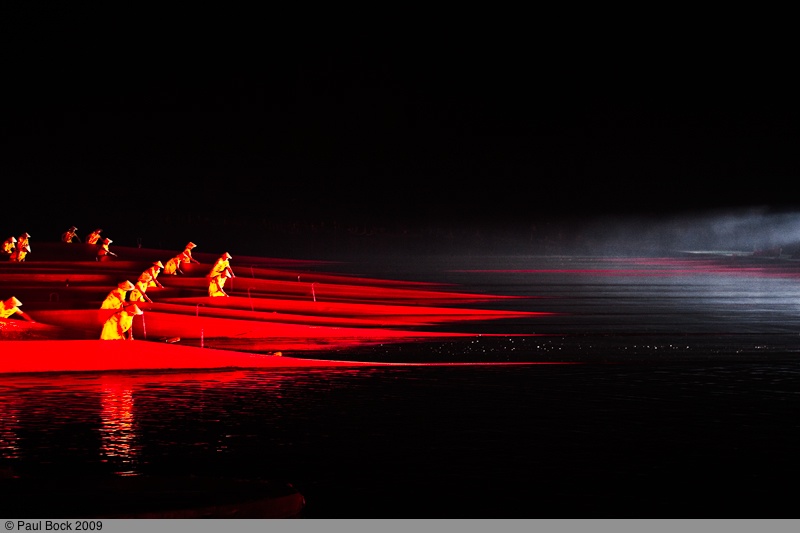
Red.


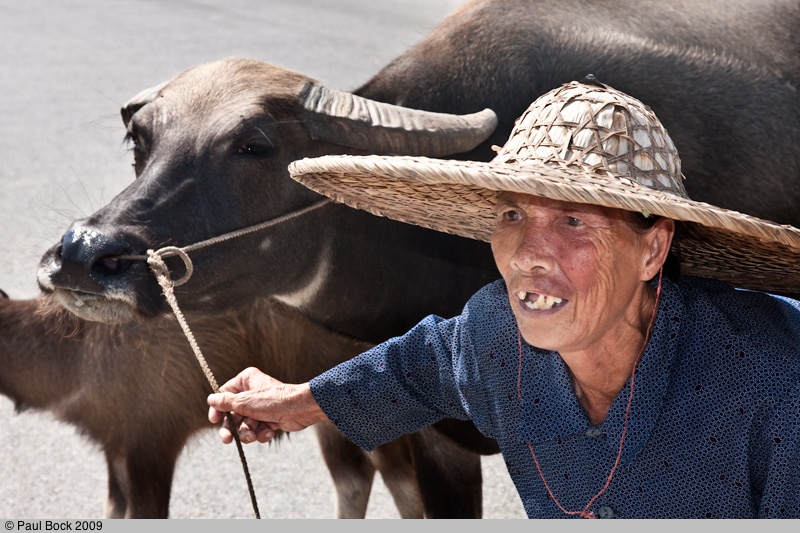
Woman with Buffalo.


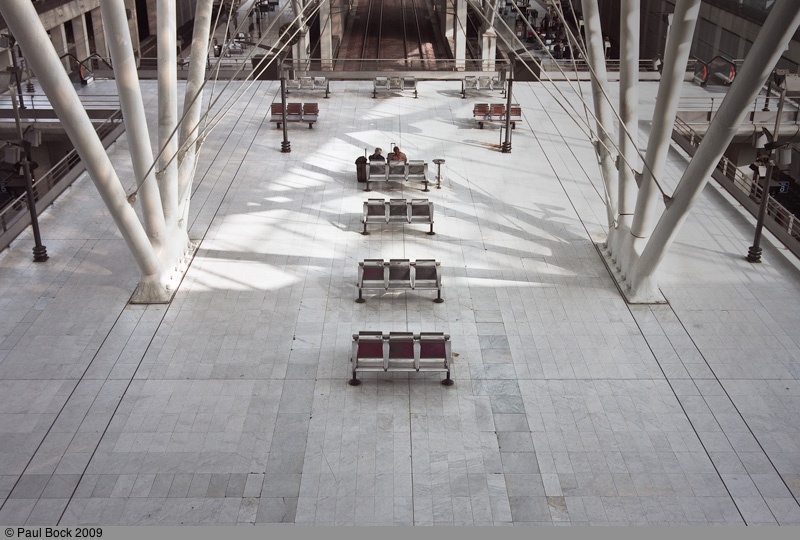
Waiting.


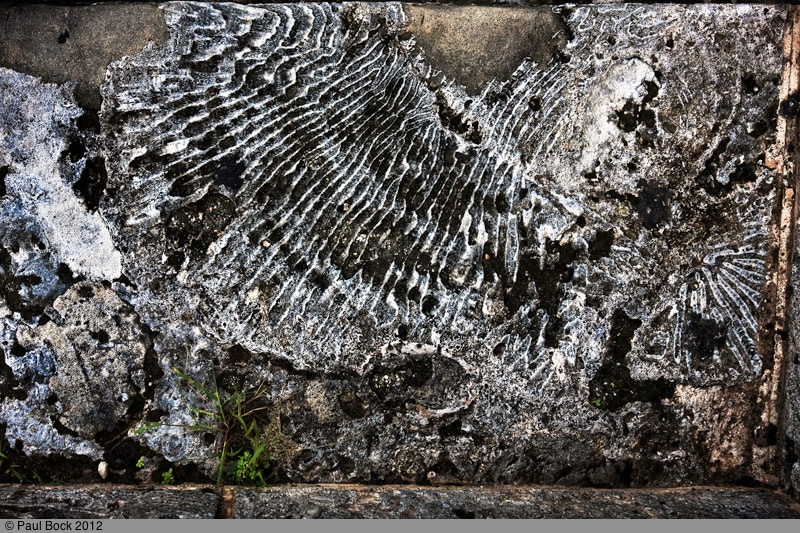
Rapture.


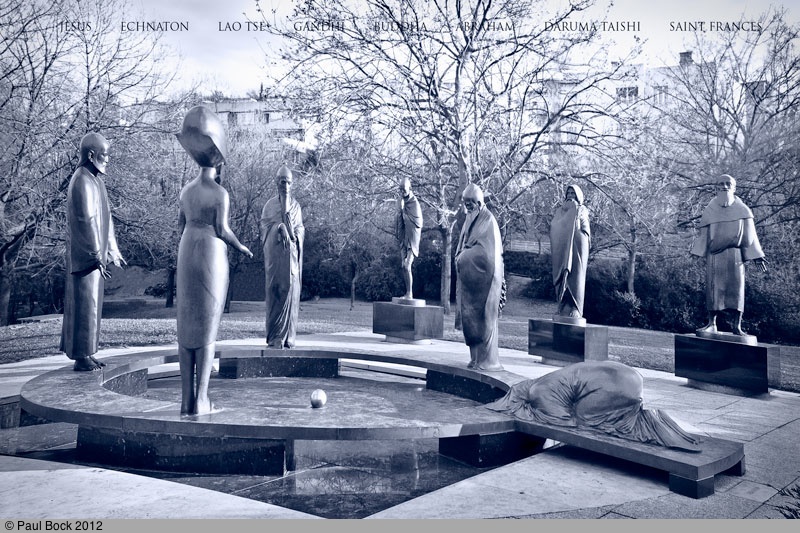
Philosophers.


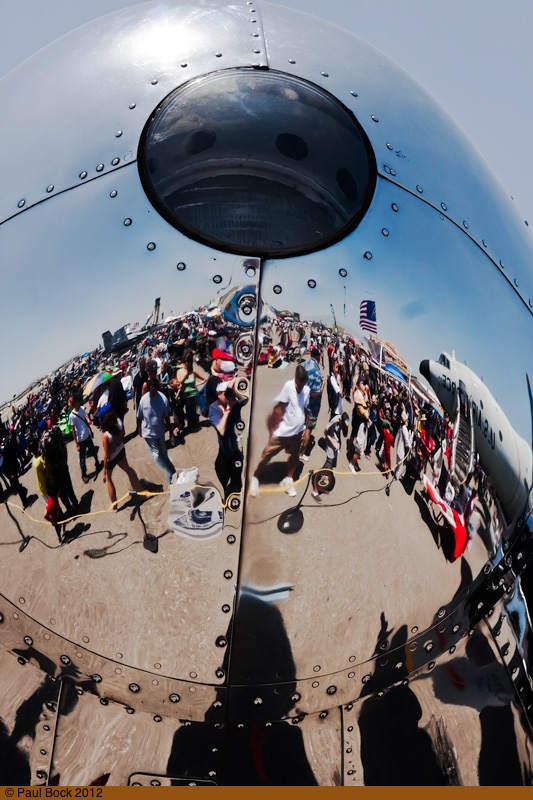
It’s a Small World.


Silent Scream.


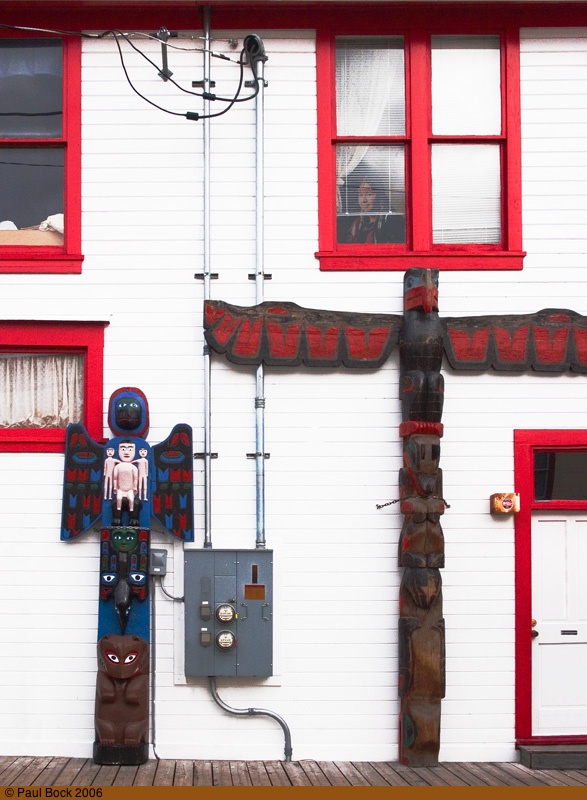
Totem.


Moonstone Bay.


The Angel.


405.

Pre-Ai-S Nikkor exposure issues

The non-linearity problem.

This is of interest to those who are contemplating the addition of a CPU to a pre-Ai-S Nikkor lens, meaning an Ai or a pre-Ai lens which has been modified to Ai specifications.

Because I have found that pre-Ai lenses are the ones I enjoy using most – the quality, fit and finish are in a different league from what followed – I have accumulated no fewer than nine. A related advantage is that these lenses are often seen as orphans in a digital world and sold as “use on film cameras only” owing to the absence of the Ai conversion. That keeps their prices low and makes them outstanding bargains in the process. The least I paid was $39 for the 200/4, the most was $252 for the 28/2. Most were around $125 and are all close to mint condition.

Of my collection, two came already converted to Ai specifications, five were converted by the estimable John White, and two I converted myself. As you can see from the picture, I have installed CPUs in each at $30 per lens, with the 28/3.5 and 50/1.4 being a challenge, all the others being a simple glue-on job.
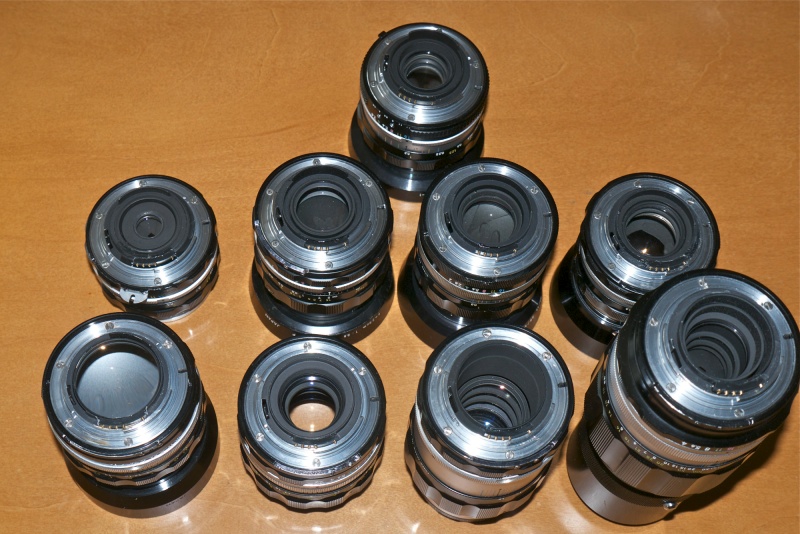
Top: 24/2.8. Middle: 28/3.5, 28/2, 35/2, 50/2. Bottom: 50/1.4, 105/2.5, 135/3.5, 200/4.
A CPU has been installed on each. All are pre-Ai, with scalloped, metal focus collars.

When using auto exposure, I always use ‘A’ mode, meaning aperture priority. I set the aperture and the camera chooses the shutter speed. Because these pre-Ai-S lenses have non-linear aperture stop down geometry, I pass control from the camera to the lens for aperture setting by appropriately programming the CPU and setting the camera controls. Not only is this my preferred way of setting aperture, as I find the large ring on the lens far easier to use than the fiddly control wheel on the camera, it also avoids exposure issues. Plus it’s very much the way I have been using cameras for 40+ years and that’s how I like it.

When Nikon introduced the Ai-S lens design, the optics generally remained unchanged. What did change is that the mechanics were redesigned so that the aperture lever in the lens moved a constant amount from stop to stop. This allowed the use of Ai-S lenses with modern digital bodies which did not have the ability to pass control to the lens – like the D40 for example. The aperture could be accurately controlled with the body figuring out the extent to which the stop down lever had to be moved rather than by the user definitively dialing it in on the lens. Clever.

On the costlier DSLRs (D200, D300, D300s, D700, D7000, D800, D800E, D1-D4) Nikon made it possible to pass control to the aperture ring on the lens together with a ‘non-CPU lens’ option in the body for better EXIF data recording. That’s not as good as using a CPU, and I spell out the advantages of a CPU here, but it does result in proper exposure in ‘A’ and ‘M’ (but not in ‘P’ or ‘S’) modes when the aperture ring on the lens is used to set aperture. A fine way of extending the life of lenses many of which are approaching 50 years in age.

The upshot of all this is that if you let the camera set the aperture on pre-Ai-S lenses then you will likely run into exposure errors. To determine the extent of these errors, I set the camera to take control of aperture, setting each lens to its minimum aperture (just as you would with an AF or AF D lens) and setting the aperture using the control dial on the body. Then I used the simple expedient of running through the aperture range, using auto exposure in ‘A’ mode, determining which (if any) was correctly exposed, then adjusted the others in LR4 to match.

The result is not pretty, and the variations are all over the map. A ‘0.00’ reading means exposure was correct. Negative numbers show the number of stops of underexposure, positive ones the number of stops of overexposure.
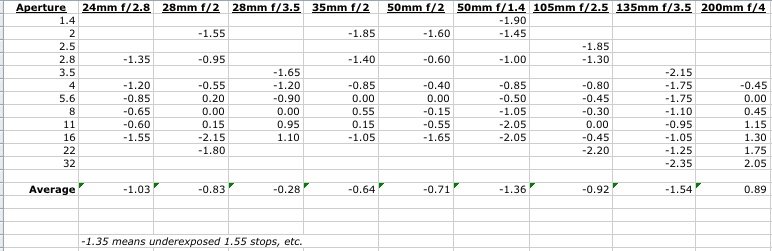
Exposure errors with pre-Ai-S lenses when aperture control is passed to the camera.

Some of these variations have no discernible pattern whatsoever. Take a look at the 28/2 or 35/2 columns above, as an example.

With recent sensors, 1 or even 2 stops of underexposure is not a deal killer. With the outstanding processing controls in Lightroom 4, a significant improvement over Lightroom 3, you would be hard pressed to tell the difference between a RAW file which has been correctly exposed compared with one fixed after two stops under exposure. You might see a little more noise in the shadows, but that too can be fixed. But overexposure is a different kettle of fish. One stop over is close to being a deal killer, even with RAW, when it comes to bright highlight details. Two stops is a no-no on any but the lowest contrast, low key subjects. So that absolutely rules out the 200/4 which overexposes through most of its aperture range. The 28/2 is pushing the underexposure limit at f/16 and the 105/2.5 likewise at f/22. The 135mm is not a happy camper at full or minimum aperture and the 50/1.4 is not good at its two smallest apertures. You can decide whether these are debilitating issues for your method of use. The other lenses you can pretty much get away with, but you will constantly be tweaking exposure adjustments in post processing.

So why not just make Adobe lens correction profiles to compensate for these exposure errors? I suspect that is possible from my extensive work with Adobe’s excellent application, and you can download any number of profiles I have created here, each of which can be automatically recognized by LR or PS on import of files taken with a CPU-equipped lens. But profiles are applied upon import of a file into LR or PS, by which time the bird has flown, meaning that highlights which were burned out at the taking stage will remain burned out no matter how accurately the profile corrects the exposure error.
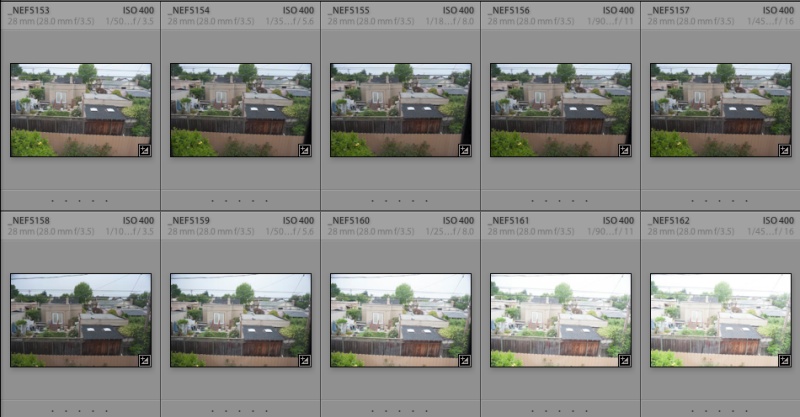
A range of exposures with the 28mm, f/3.5 Ai’d. Lens aperture control in top row,
camera control in bottom row. Camera in ‘A’ auto exposure mode.

The Bottom Line:

First, you must be comfortable using Manual Focus lenses, because every Ai’d, Ai or Ai-S lens is MF.

Then if, like me, you appreciate great engineering and execution, and further conclude that it makes you a better photographer (it works for me), and if you like a bargain and are not averse to a bit of tinkering, the Ai and Ai’d lenses are the optics of choice. Most will accept a CPU with the application of epoxy only and they are pure joy to use – touch, feel, optics are one, and as good as it ever was. I have demonstrated optical quality here time and again, and my standard for judgment is not an 800 pixel LCD display or test chart, but is rather a 24″ x 18″ glossy print. These lenses have fabulous optics.

Destroying classics:

As for ‘destroying’ classics, well that’s easy. Unless it’s something really costly and rare, these are so cheap that you can always find another. Millions were made and remain in circulation. If the installation of a CPU makes you a better snapper, forget the ‘classic’ issue and have at it. No one except you will ever see the CPU! Type “Nikon Nikkor lens Ai” into US eBay and you will routinely get over 1,000 listings, two-thirds pre-Ai-S, the remainder Ai-S. KEH lists hundreds more, generally costing a little more, but with no risk about returning a dud. Assuming that eBay items transact no more than once a year, there are some 50,000 new listings coming to the eBay market alone annually.

If, however, you like to snap in ‘S’ or ‘P’ modes and/or your camera body does not permit transfer of aperture control to the aperture ring on the lens, then you should avoid Ai and Ai’d lenses and search out Ai-S versions instead, if you propose to add a CPU. They typically run a little more, far fewer were made, and the lovely scalloped metal focus rings of the pre-Ai versions are replaced by plastic surfaces, but they will deliver correct exposure when the camera controls aperture selection and they remain far better made than any AF, AF-D or AF-S plastic monstrosity.

And for those interested, the optics you will most often find on my D700 are the 50/1.4, because it is so awfully good, and the 24/2.8, because that focal length largely accords with how I see. But then I must confess the 28/2 and 35/2 are real corkers, I love the 105 and 135 for what they can do and the 200 is a sheer delight. Well, you get the point.
Out and about with the 28mm Nikkor

The perfect street snapper.

While the manual focus Nikkors I use lack the immediate response of the later AF optics, they remain a lot of fun to use and the 28mm f/2 Nikkor N.C. doesn’t need that much focusing in any case, owing to an extended depth of field at all but the largest apertures. They are also far better made than the current optics, making the whole experience a pleasure. The 28mm f/2 is a chunky piece and melds nicely with the far from svelte D700 body. The following snaps use my tailored lens correction profile which you can download here. I use it with Lightroom 4; it works equally well in Photoshop.

I set to it the other day and took but this one lens with me, hitting the streets of San Francisco, as usual. The 28mm is arguably the ideal street snapper – not too long, not too short – and the f2 speed will handle just about anything you will encounter.

Lunch break in the Castro District.

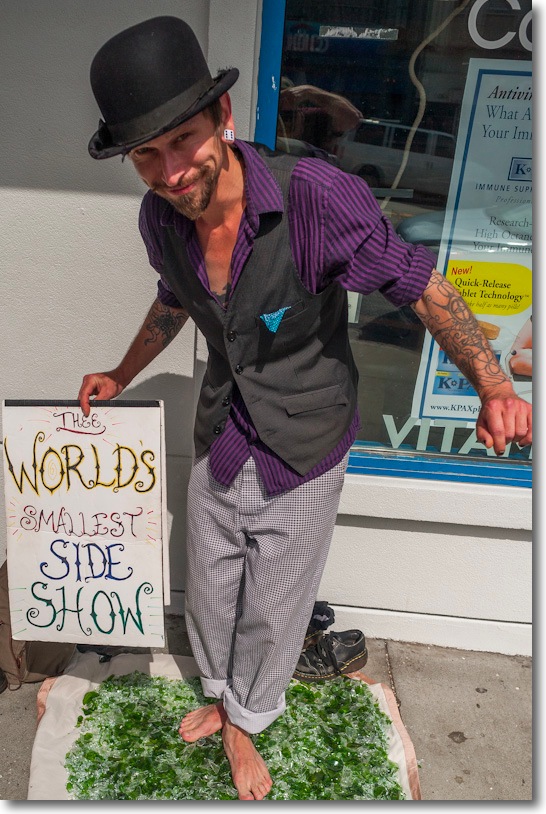
Thee World’s Smallest Side Show. On Castro Street.

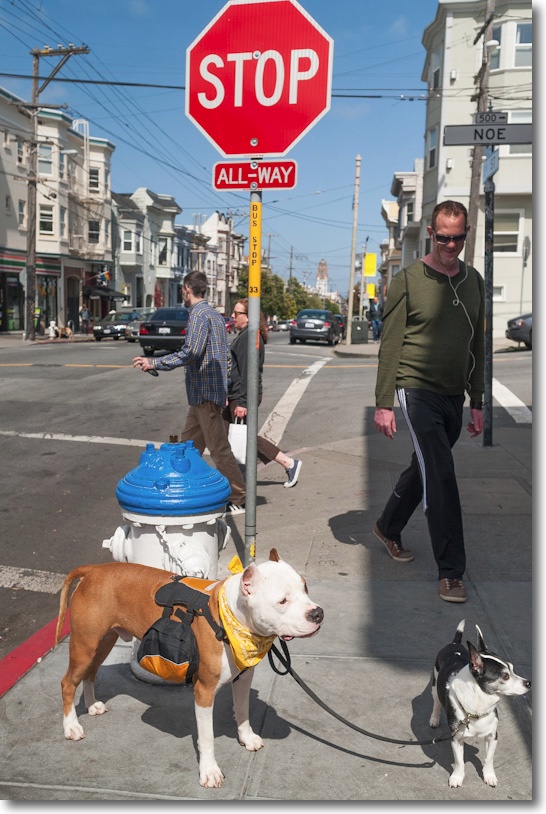
In addition to a particular lifestyle, you will see a lot of dogs in the Castro District.

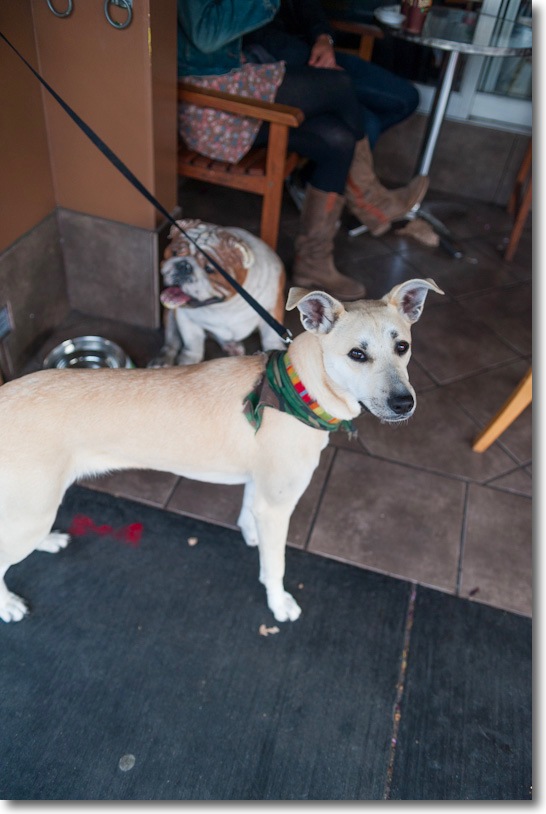
More pups. At f/2.

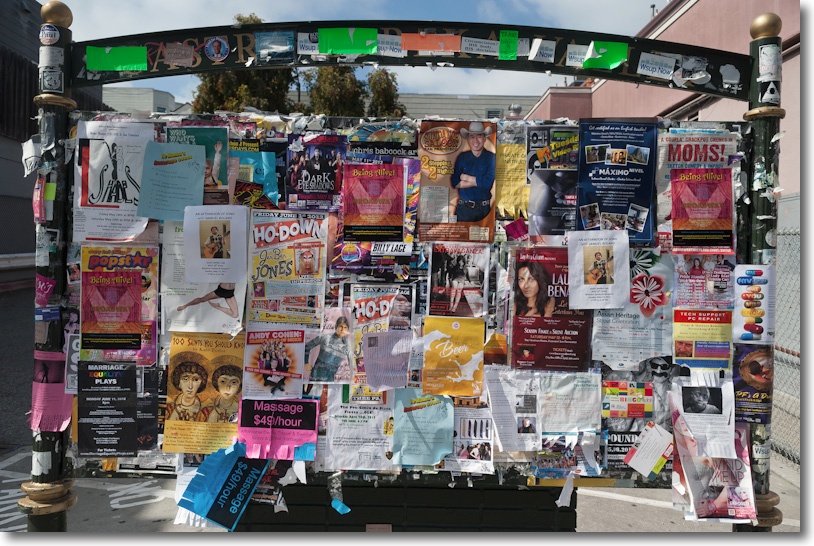
Noticeboard in the vibrant Castro community. French lessons to massages ….

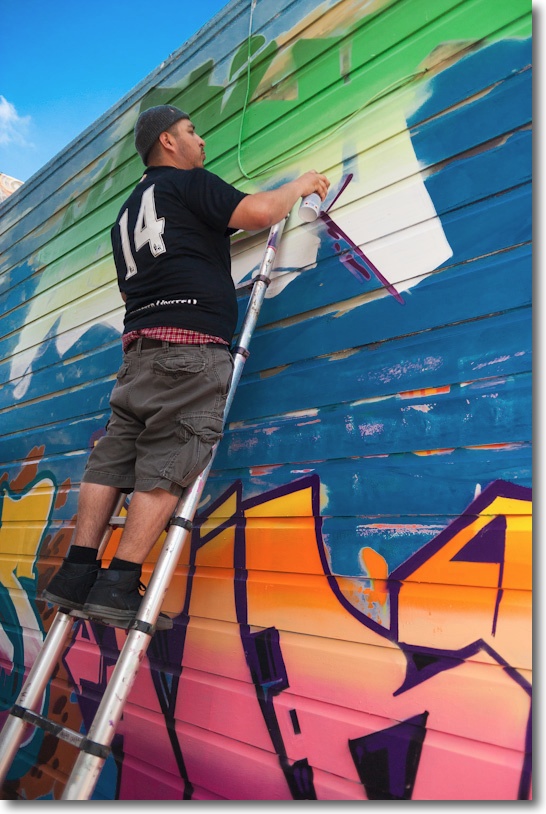
Mission District muralist. A team of six friends was working on this
mural. This was the team leader, and he told me they had been at it all day.
They remove the spray tips from the aerosol cans to get a sharper line.
Here they are filling in the rough sketch.

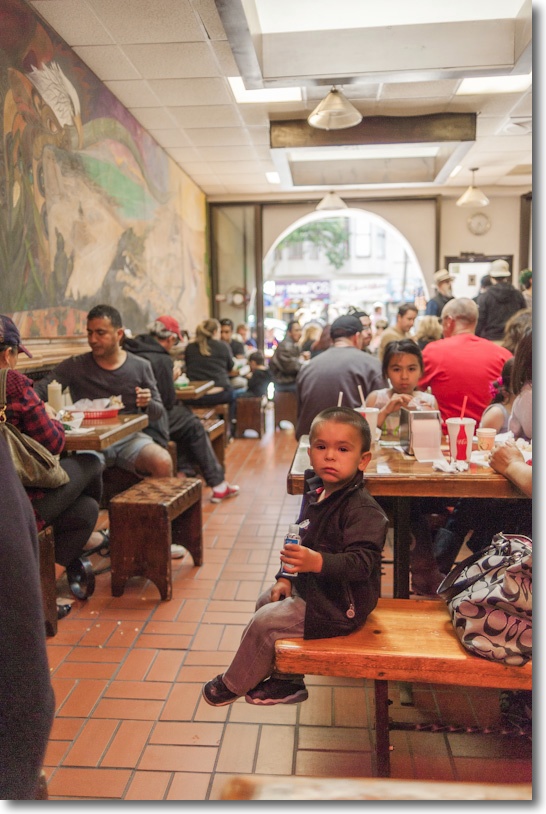
The Taqueria on Mission at 25th Street makes divine food.
This little boy was enjoying his meal. Snapped at f/2.
A face straight out of Goya‘s
oeuvre – questioning and tragic.

Lovely window light at La Taqueria. At f/2.8.
The lens profile fixes the corner shading. Click the picture.

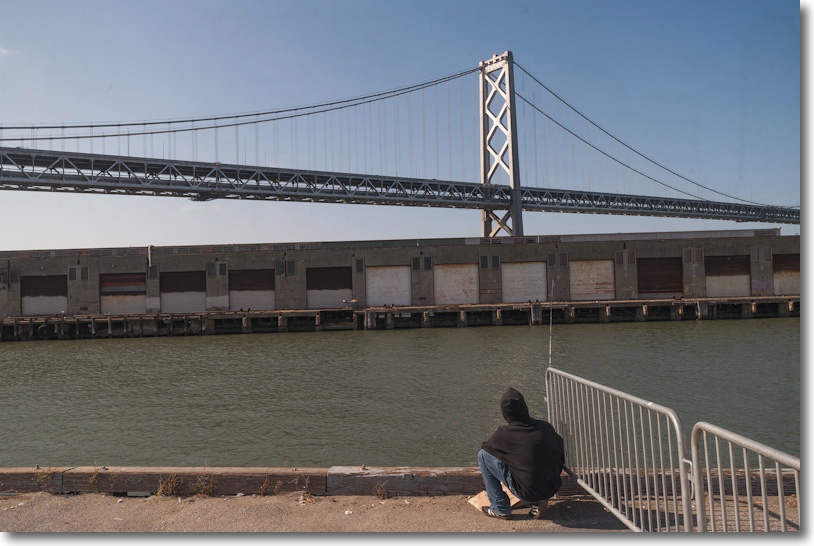
Late evening light catches a hopeful fisherman at the Bay Bridge

The 28mm f/2 pre-Ai Nikkor N.C. is a crackerjack lens. A thrill to use. My multicoated version (hence the “C” in the designation) renders very contrasty images on the D700, needs no stopping down for even big prints, has a lovely feel and heft and just seems made for the modern full frame Nikon DSLR. Not bad for a 40+ year old optic.

Francis Bacon

A dark modernist.

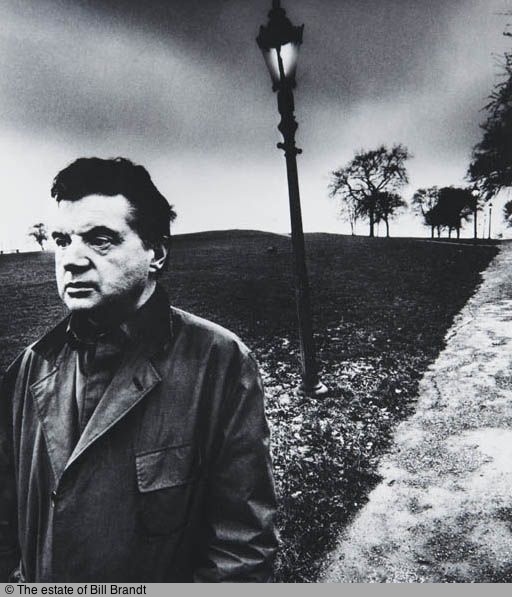
No painters used photography more than Degas, David Hockney and Francis Bacon (1909-1992). For the last, it was the source of much of his output of dark, brooding, tortured canvases, familiar to all. I doubt that his personality was captured better than by the expressionist photographer Bill Brandt in this powerful portrait:

Bacon’s foundation has just released a free e-book on the painter, his studio and his use of photography, well explained in the first of the two included videos. You can read more about it here, whence you can download it to your iPad at no cost. The book is an example of where art publishing is headed and is beautifully done.