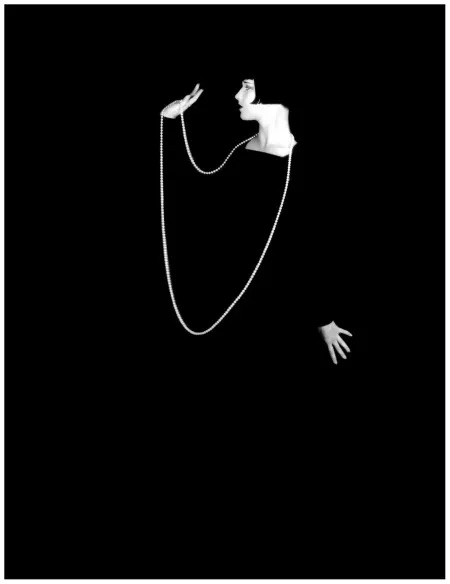
Louise Brooks in Fadeaway

Stunning work by a Hollywood great.


Louise Brooks by Eugene Robert Richee, 1930s

Adapting the style of illustrator Cole Phillips, the prominent Hollywood Golden Era photographer Eugene Robert Richee captured this stunning image of Louise Brooks at Paramount in the 1930s where his career spanned over twenty years. The Fadeaway technique emphasizes her striking profile, further accentuated by the bobbed hair style. The image was made on a monster 8″x10″ sheet film camera and the retouching was done on the original negative. There was no Photoshop back then!

The Krays

English gangsters..

The night club scene of 1960s London was dominated by two gangster brothers, the Kray Twins. Identical twins, Ronnie was seriously insane and Reggie just a tad less so. Each committed murders in public and ended up serving a life sentence in gaol.
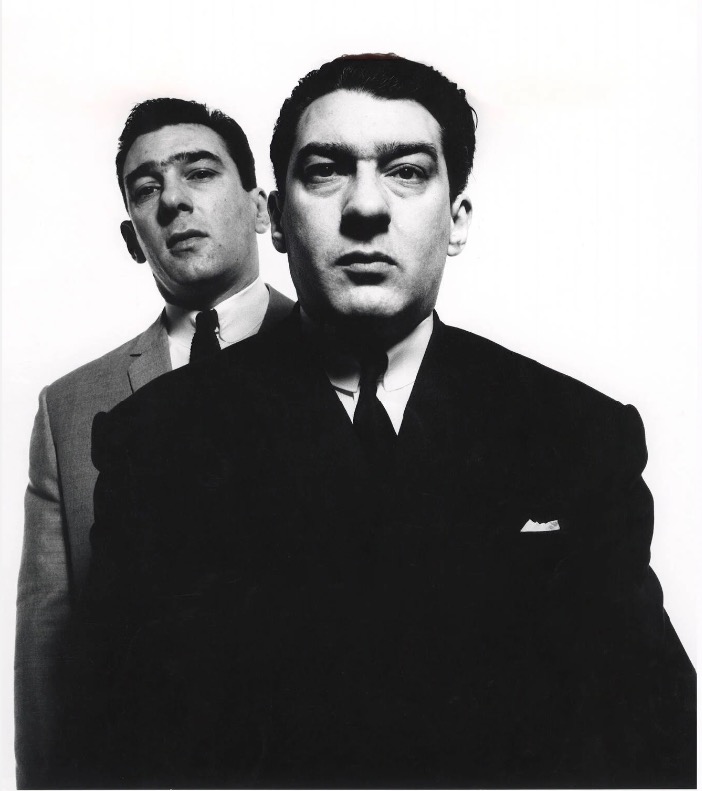


Reggie and Ronnie Kray by David Bailey, 1965

While the brothers established a measure of respectability after opening an upper class night club which was a magnet to the knobs and actors of the time, they inevitably returned to their roots of psychotic violence and mayhem, their empire ending once they were incarcerated.

David Bailey’s superb portrait of the pair pulls no punches. They are in your face, the submissive Reggie and the dominant Ronnie looking ready to lay about them with whatever weapon came to hand. Bottle, lead pipe, knife, sword (!), gun. You name it. They were not fussy. Bailey grew up in the same poor East End of London as the Krays so he will have been particularly attuned to their make up. It shows.

Two excellent movies have been made about the Twins. The deeper psychological portrait is to be found in The Krays where the Kemp brothers from the rock group Spandau Ballet deliver insightful performances. The more recent offering, Legend, sees Tom Hardy deliver a tour de force performance, acting both brothers. The script is less nuanced but the movie is worth watching for Hardy alone.

Bailey’s picture haunts me to this day. The other week I was taking some studio portraits of a pair of Welsh Terriers owned by friends and, well, I couldn’t help but plagiarize Bailey’s composition. Buckley, the male at left is clearly submissive, while Tilly, the female is the dominant one of the pair.
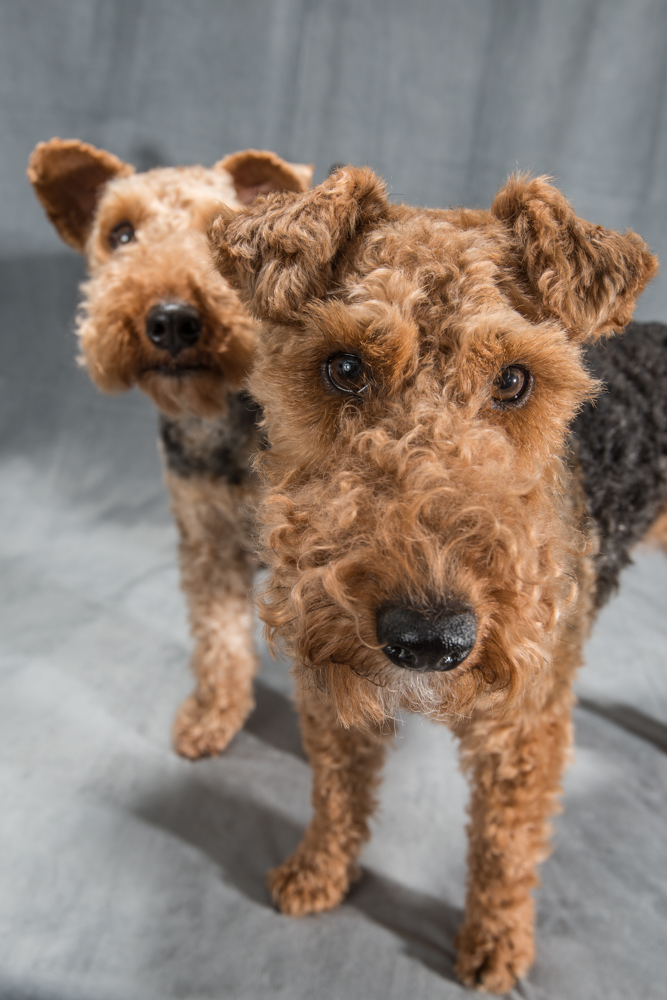


Buckley and Tilly, the Welsh Terriers.
Nikon D800, 16-35mm AF-S Nikkor, Novatron strobes.

Welsh Terriers were bred to flush out badgers whose setts (underground homes) would cause foxhunting horses to break legs. You probably should not mess with these boys any more than you would with the Kray Twins.

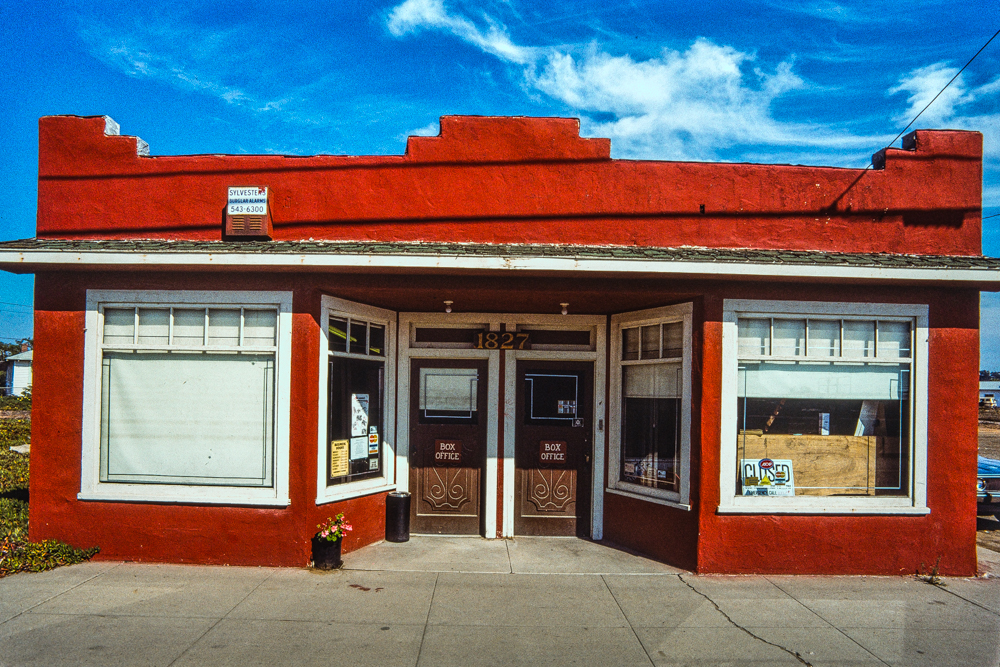
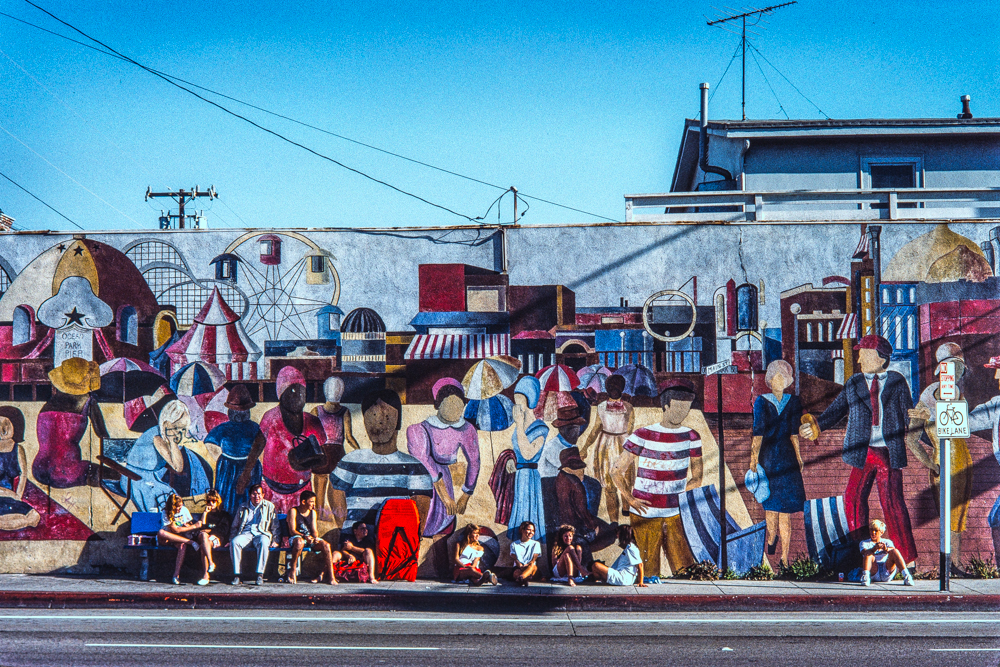
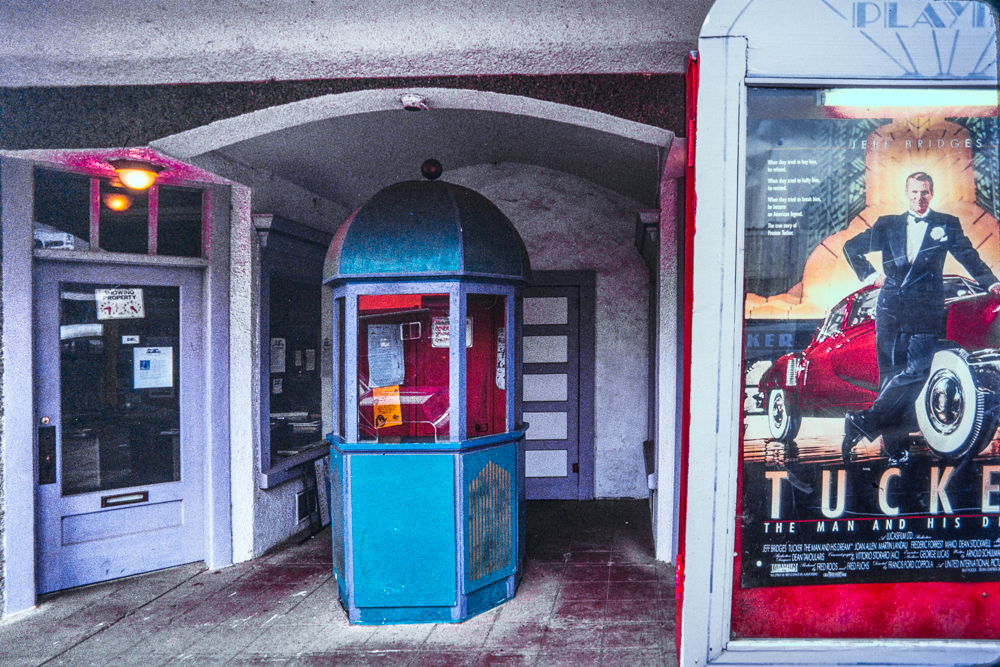
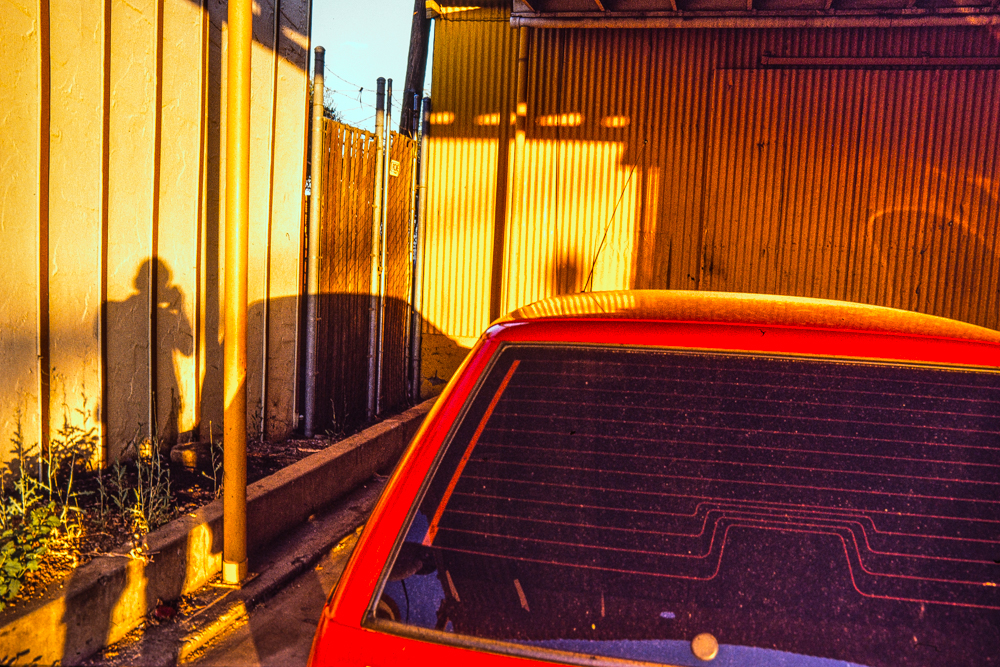
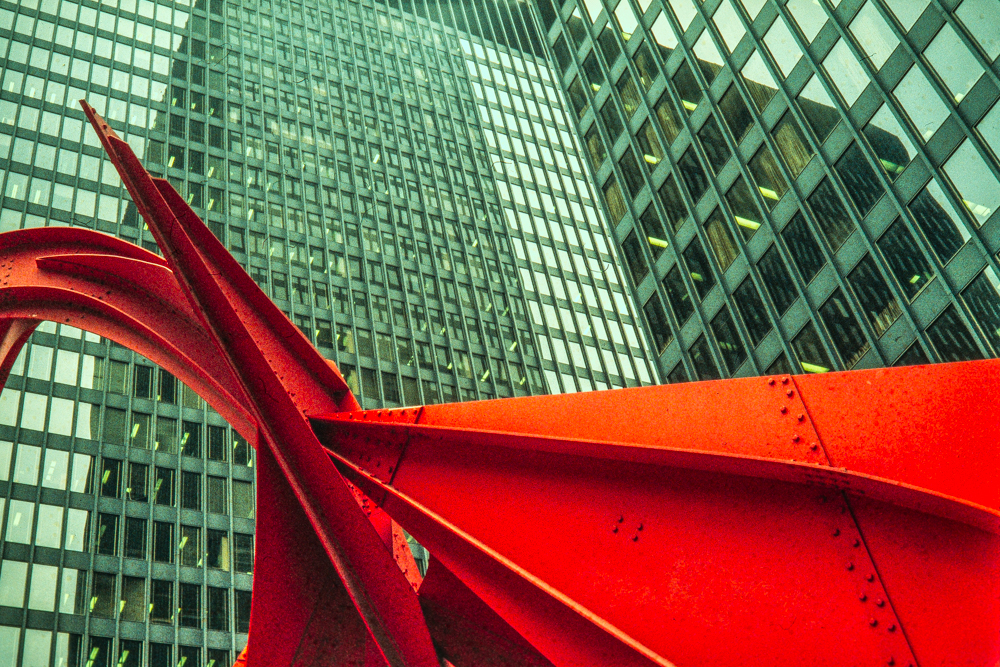
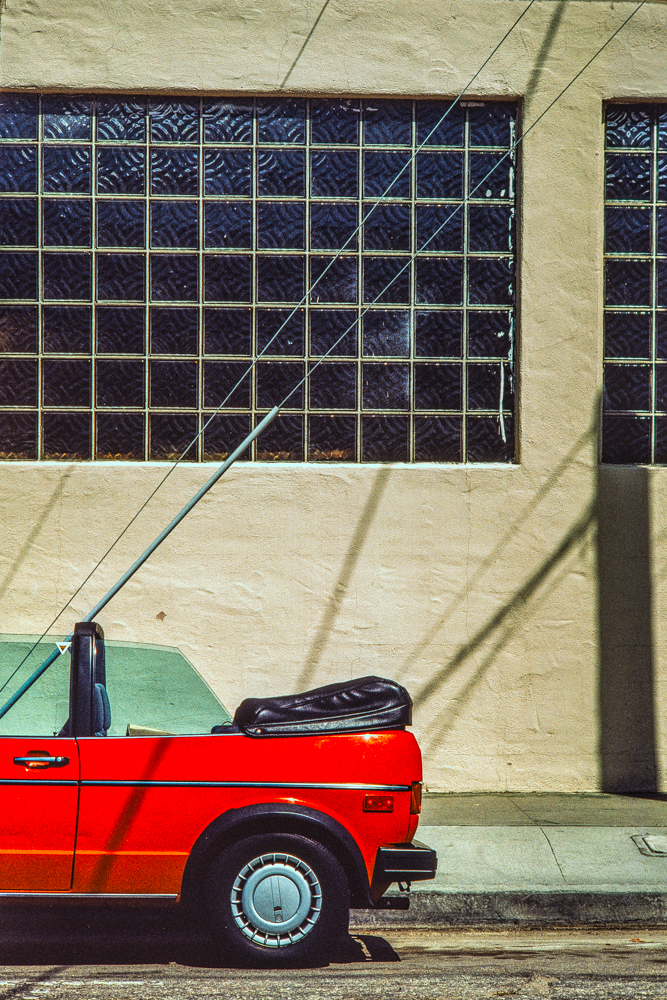
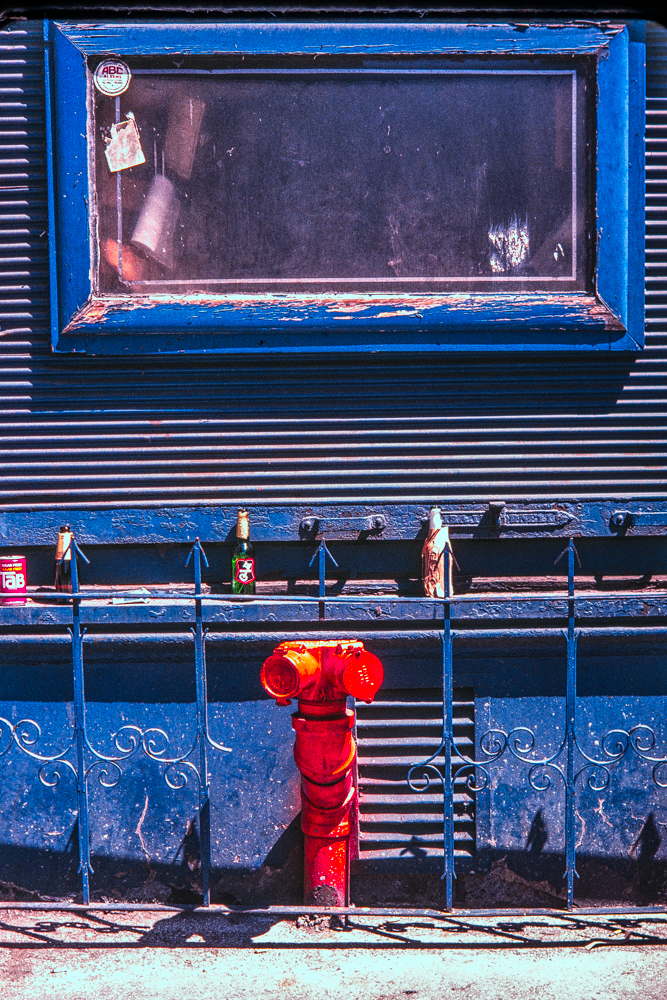
Kodachrome reds

Unique

Perhaps the most distinctive characteristic of Kodachrome was the vivid rendering of reds. Just like early Technicolor in the movies.


San Diego. Leicaflex SL, 50mm Summicron-R.


Central CA. Leicaflex SL, 50mm Summicron-R.


DTLA. Leicaflex SL, 50mm Summicron-R.


Long Beach. Leicaflex SL, 50mm Summicron-R.


Central CA. Leicaflex SL, 50mm Summicron-R.


St. George, UT. Leicaflex SL, 50mm Summicron-R.


Chicago. Leicaflex SL, 50mm Summicron-R.


Santa Barbara. Leicaflex SL, 90mm Summicron-R. A beautifully balanced body/lens combination.


SoHo, NYC. Pentax ME Super, 28mm Super Takumar.

All scanned using the Nikon D800.

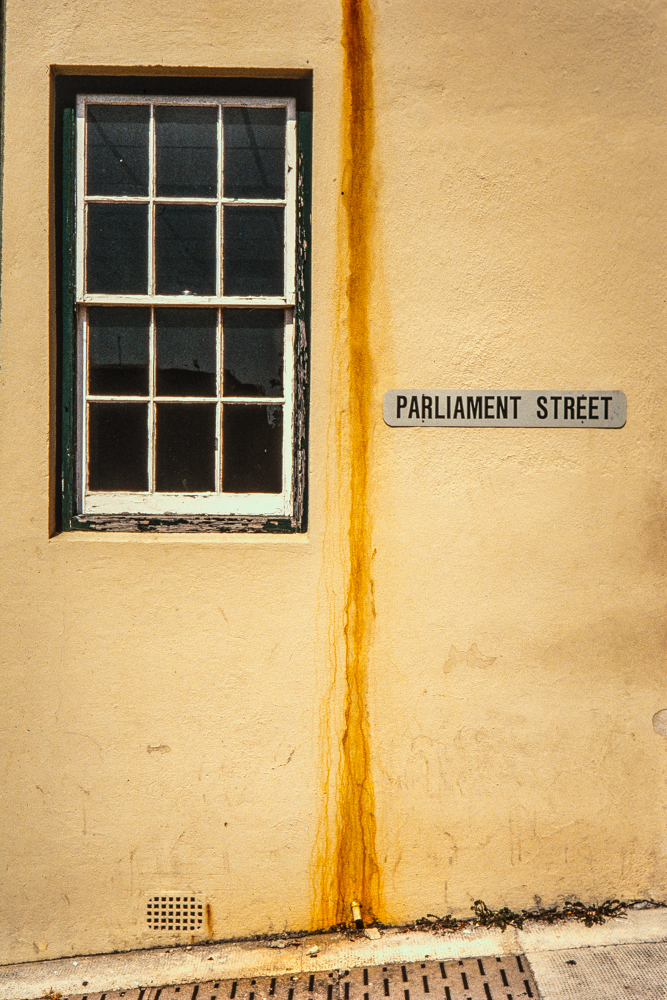
Bermuda

Gorgeous.

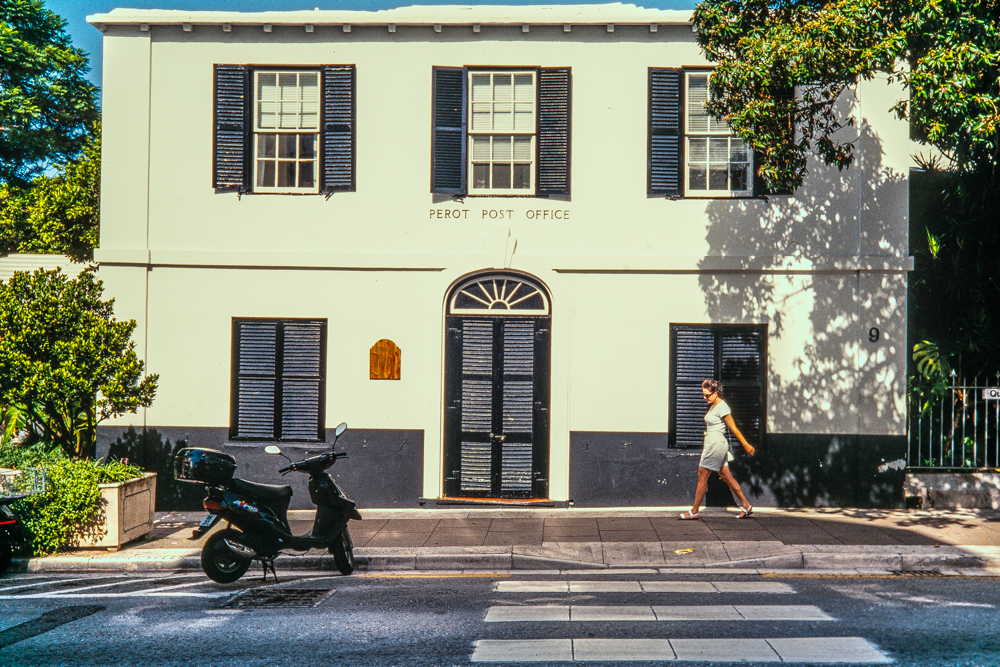
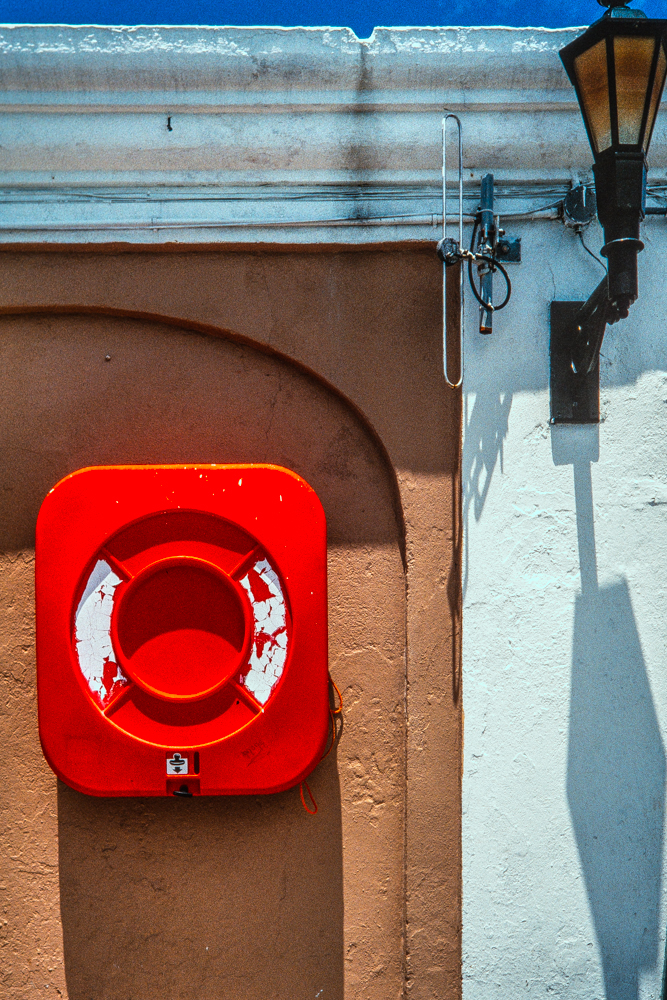
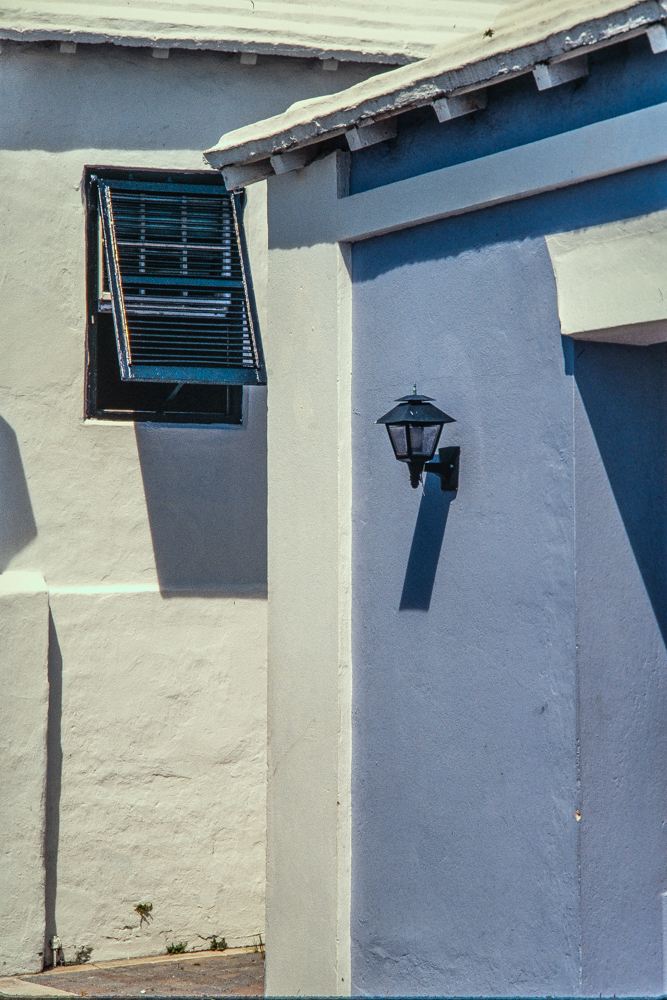
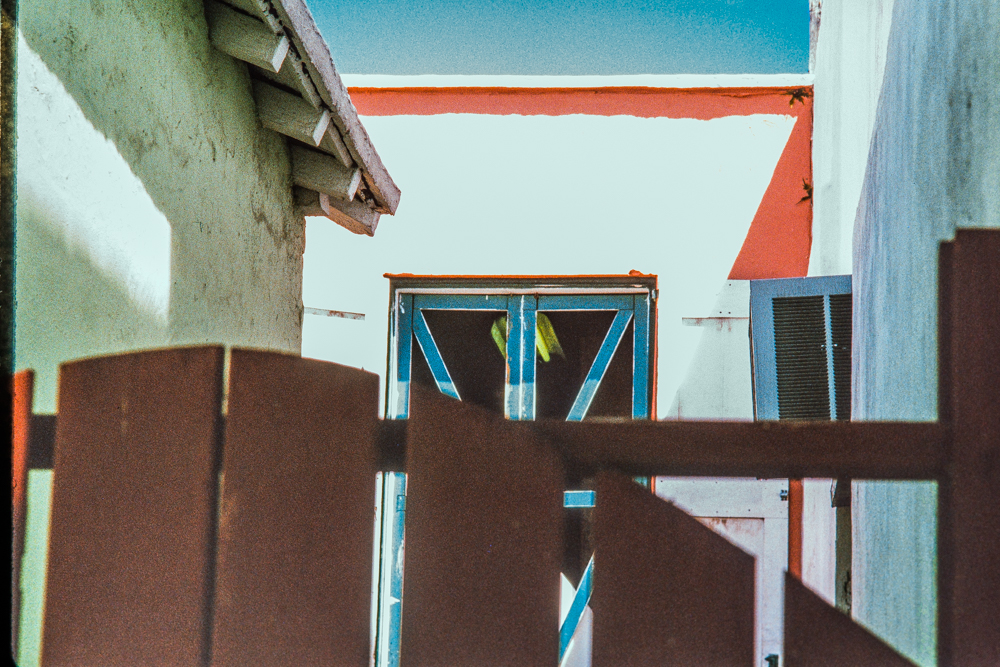
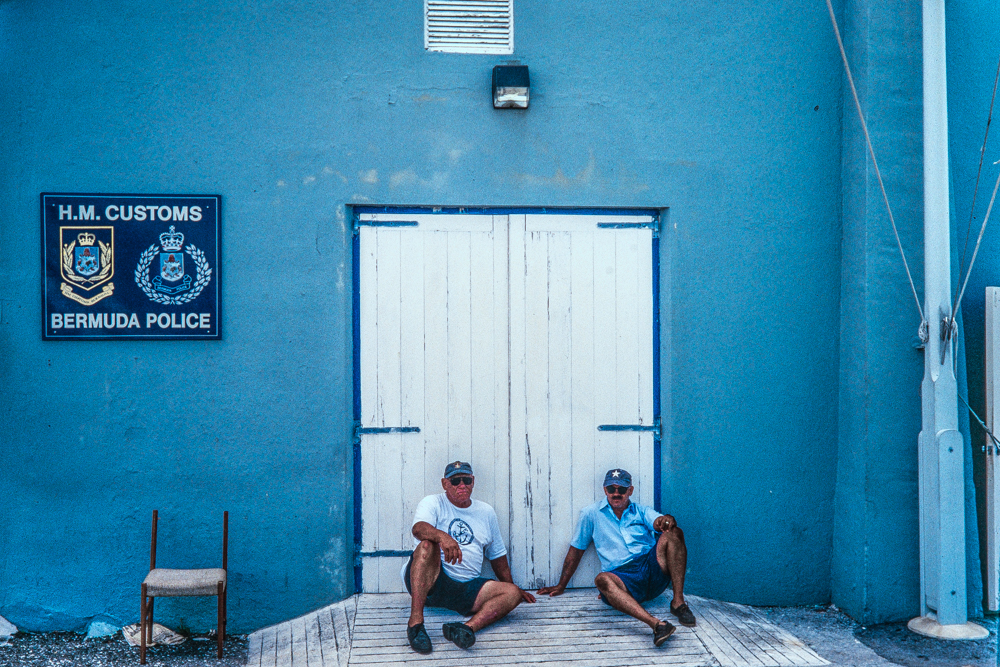
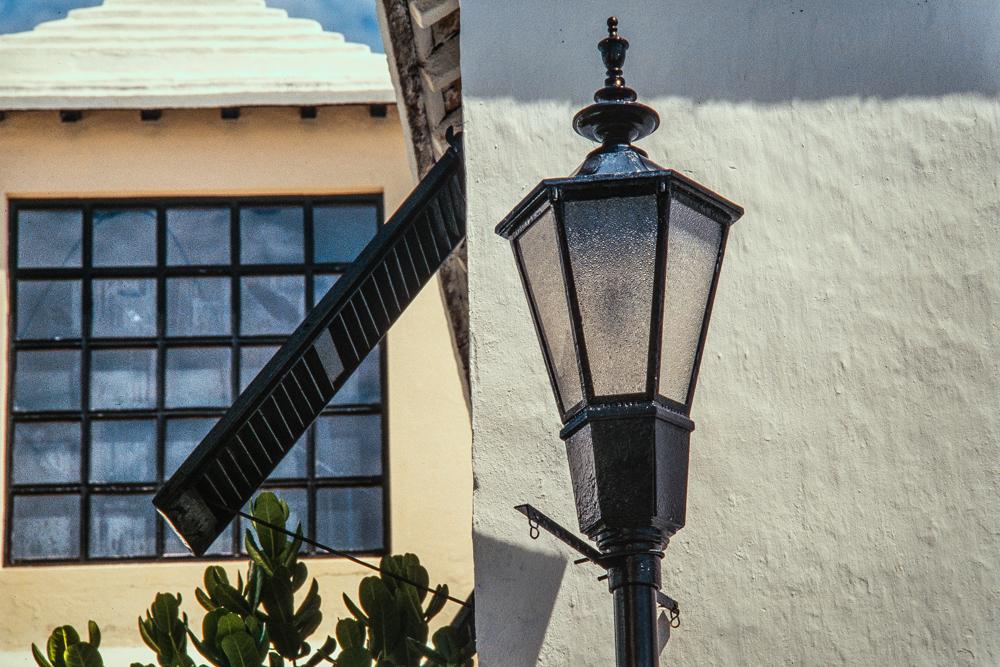
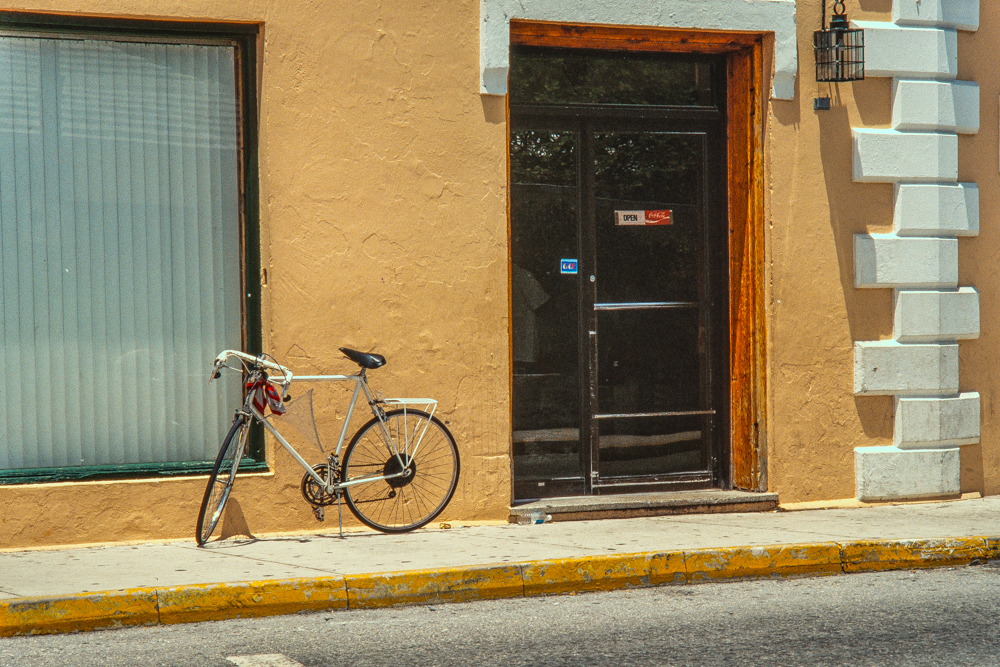
Bermuda is a feast for the eyes and it’s probably impossible to take a bad photograph there. It’s even harder to take a good one, given the abundance of color and subject matter.

These are from a trip in August, 1999 and clearly affluence had reared its more than welcome head as my 35mm Summaron and 90mm Elmar had been upgraded and a 20mm Russkie lens added, but the Leica M3 remained. For once I switched from Kodachrome 64 to Ektachrome 64 and the slides have held up well, not fading one bit.


Lunch al fresco


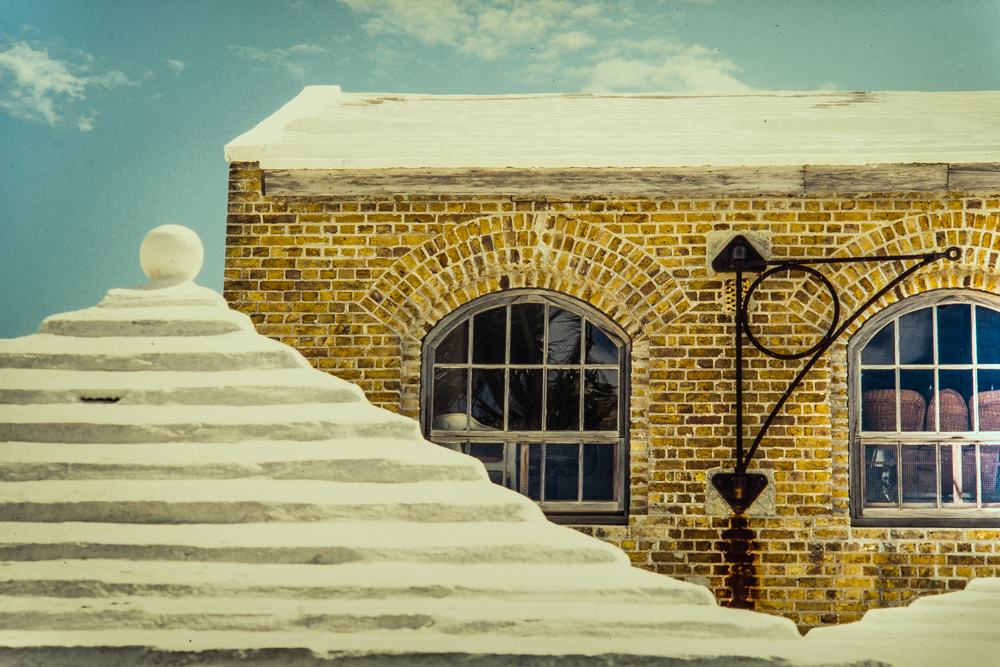
The ziggurat pattern directs rain water to underground storage tanks


The ultrawide 20mm Russkie Orion lens was ideal for this sort of surrealist image


Siesta time


The island is solid rock so graves are above ground


Leica M3, 20mm Orion, 35mm Asph Summicron, 50mm Summicron, 90mm Asph Summicron, Kodak Ektachrome 64, ‘scanned’ with the Nikon D800.

The vintage Black & Decker electric can opener

They don’t make ’em like they used to.

I wrote about an excellent and inexpensive manual can opener here. That design works well but increasing pain from stressed wrists suggested I look for a powered alternative.

I owned one of these years ago, but while functional it is quite specially ugly:


The current model

As the image discloses it is also ridiculously overpriced.

So I hunted around and found a beautiful, curvaceous vintage B&D design on eBay.


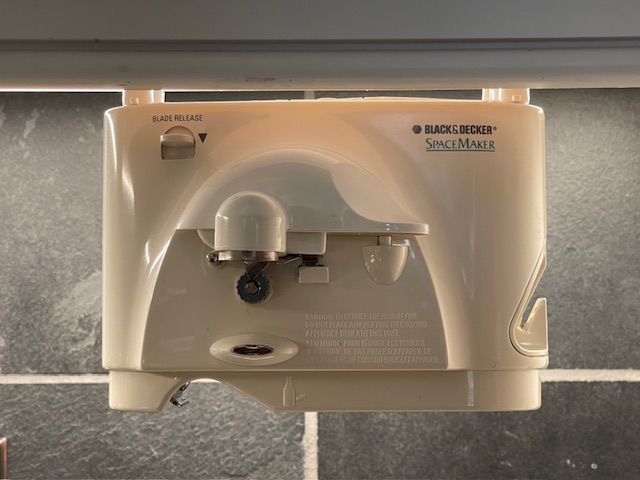
The vintage EC85 model

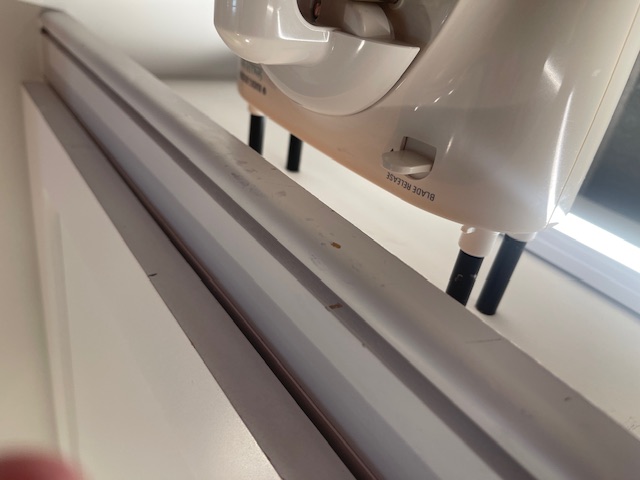
I had to craft four 2” stand-off metal ferrules to drop the opener sufficiently below the deep valance at the front of the cupboard base, to permit proper access to controls. Quality workshop time. These ferrules are invisible. The provided retaining screws are very long to permit proper height positioning, and the threads engage immediately. A well thought out design.


The invisible ferrules

Note how the cutter assembly ugliness is largely invisible – compare with the current model. B&D originally provided up to 5 sets of stand-offs (‘spiders’), but my opener came with only one (just visible in the first image) – hence the ferrules, which are actually more robust than the original design. The spider doubles as an alignment aide for the four 1/4″ through holes which are required for the pass-through retaining screws. The major complaint with these is yellowing of the plastic body and I lucked out with a decent looking one.

So if you can find one which is not yellowed and includes the spiders (make sure the screw washers are included), your outlay will not exceed $50 and you will not shudder every time you look at it. Of course, it’s only 40 years old, so it works perfectly. A bottle opener (lower left) and knife sharpener (right) are included. And yes, a magnet grabs and holds the cut off lid.

Enjoy – and no more wrist pain. And I would avoid free standing designs – there are better uses for your kitchen counter space and ‘free standing’ is a flawed design concept when you are struggling with that extra large can.