The last face lift.
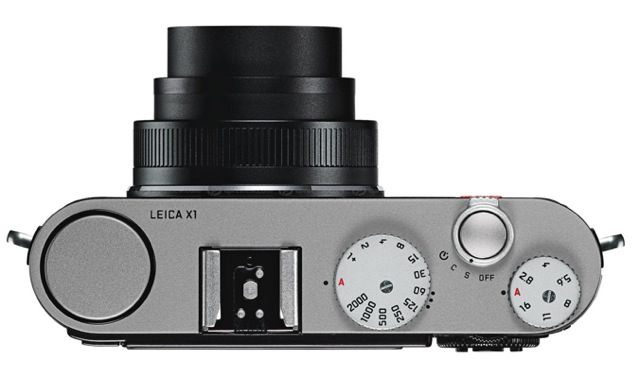
I wish Leica well with its new M9. There’s always a market, however small, for the dowager on her third face lift and no shortage of insecure, wealthy buyers with weak egos craving fame by association. I think of the M9 as the Joan Collins of cameras. Neither is cheap.
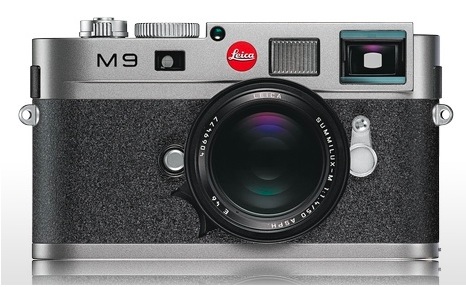
The Joan Collins of cameras – the Leica M9.
The best thing to be learned from the M9’s tired makeover of a design that peaked in 1959 with the M2 is that the viewfinder is key. It is the window to the soul of the photographer’s subject, and the less it imposes itself between subject and snap, the better it serves its purpose.
The first twenty years or so of digital camera design will, I believe, go down as the period during which manufacturers’ disregard of the needs of consumers was at an all time high. So enamored did they become of digital this, and LCD that, their design results were some of the slowest, least responsive and unusable cameras ever made. You hardly need me to tell you that. Go to any crowded place on a sunny day and enjoy watching their owners squinting at silly little screens held two feet away from their eyes while taking pictures far worse than their parents managed on the Brownies and Instamatics of yore. Those at least were properly framed and action shots were the order of the day.
At the other extreme from the point-and-shoot set were the ‘professional’ DSLRs which made matters even worse. Like the Leica M9 these depended on fifty year old technology, this time in the guise of flapping mirrors and bulky glass prisms to get the image to the snapper’s eye. But as this is the digital age, these cameras started to sprout dozens of excrescences in the guise of control buttons and yet more ergonomic noise on their miserable LCD screens and ever more cluttered viewfinders. The only significant change in appearance was that the shapes became more organic and free flowing as modern plastics and manufacturing technologies took the sharp edges off. Just look at the original Nikon F for comparison, if you want to see what I’m talking about.
But the innovators in camera design, the Japanese, have woken up. First, they need a new idea to sell more gear to all those current digital owners, be they amateurs or pros. Second, some of them actually use the gear they make and grew up adulating the Leica M as the touchstone of camera and industrial design for, in 1959 when Mr. Yamamoto was knee high to a grasshopper, the Leica M2 was the unique blend of form and function. Small, fast and with decent lenses, it was the traveling companion of choice not just for well heeled amateurs but for pros wanting the best there was. And Yamamoto san, when he finally migrated to longer pants, found that the M2 was his snapper of choice, surrounded as he was by flashing LEDs and beeping buzzers galore.
To cut a long story short, the example set by the Leica M has placed camera design on the cusp of the next revolution. The changes that will bring will be nowhere near as earth shaking as the invention of digital sensors but they will finally make the digital camera the practical tool it has so far largely failed to be. And the most significant of those changes will, simply stated, be in the area where the Leica M once excelled. The viewfinder. The window to the subject’s soul.
I doubt it matters what the sensor size or format will be, for the new crop of digital cameras will come in any size you want. Medium format, full frame 35mm, APS-C, Micro four thirds, microdot – whatever. But what all of these designs will boast will be an absence of the ridiculous pentaprism, flapping mirror and LCD screen, all obsoleted by the growing availability of fast, noise free, bright-in-any-light and superbly compact electronic viewfinders. And they will focus fast with no shutter lag. A whole new selling proposition, rediscovered from those halcyon Leica days.
The maker at the cusp of what I call the Viewfinder Revolution is, of course, Panasonic, with their ground breaking G1/GH1 designs. That will not last long and you can bet that the basements of Nikon, Canon, Sony, Pentax/Samsung, Olympus et alia are a beehive of activity, filled with engineers and lawyers finding workarounds to Panny’s patents.
And their new designs will boldly drop the faux pentaprism hump that Panny felt was needed to introduce users to a new design ethic, will delete all the silly little buttons and will relegate the LCD screen to its rightful place as nothing more than a rarely used configuration display for favored settings. The EVF, whether eye level, waist level or both, will move modern camera design to a place where the wonderful digital sensors of today and tomorrow will finally be wrapped in a body with a viewfinder which can do them justice.
So thanks, Leica, for pointing the way. It’s just too bad that, like our heroine in the first paragraph, you refuse to age gracefully and pass to the museum which is your well deserved resting place.

The Leica M of women – Joan in 1960 and in 2007
Note: The writer used Leica M2/3/6 cameras and lenses almost exclusively in the period 1973-2008 (doubtless all now owned by Yamamoto san) and can assure the reader that the only ‘Leica glow’ he ever felt from all those wonderful lenses was from the red ink on his bank statement. Only those who have paid the asking price of the M9 and its glass will feel that glow, and they will spare no effort telling you about it.