All posts by Thomas Pindelski

Frank Horvat

Wit and class.

You can view my library of photography and art books by clicking here.

“You’re using a Rollei? Did God put your eyes on your stomach? And a flashlight? It’s an arbitrary interference! And color? I would only use color if I had my own palette, but I certainly wouldn’t rely on Kodak’s!”

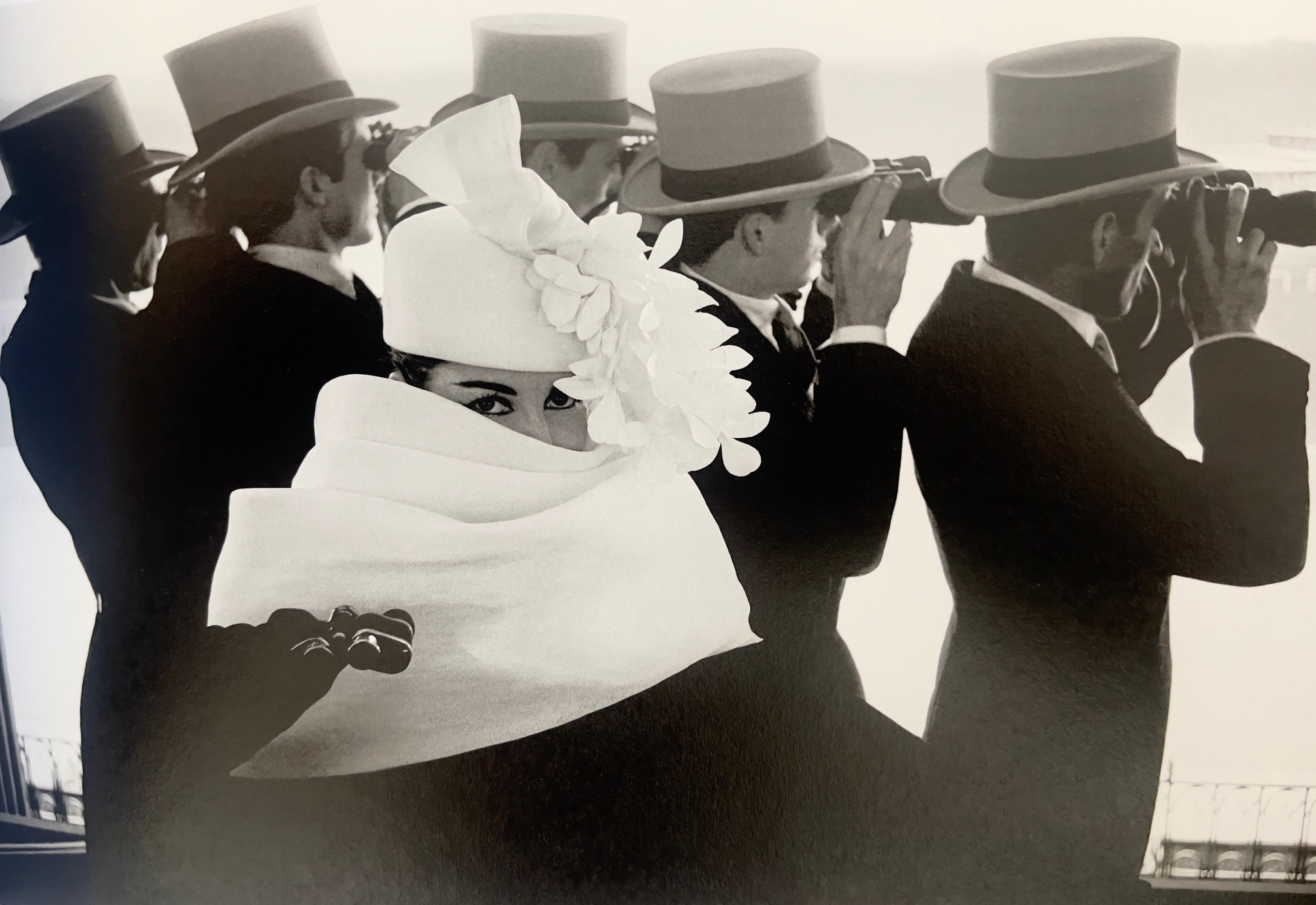
The year is 1950, the city is the center of the western world – Paris – and a very young Italian photographer named Frank Horvat (1928-2020) had just received this tongue lashing at a weekly critique session. The lashing came from none other than Henri Cartier-Bresson.

Suffice it to say that Horvat traded in his Rollei for a used Leica and went on to become one of the mainstays of fashion photography in the last great decades of haute couture, the 1950s and 1960s.

Like the Englishmen Duffy, Donovan, Bailey and Armstrong-Jones, Horvat ditched the large format negative swapping it for the much grainier one from a Leica or Nikon and took the model out of the studio and into the streets. Lots of fun. Luxuriate in the host of images contained in the book’s 250+ pages, Horvat’s work filled with wit and whimsy.


Paris, 1958. Givenchy dress.

Tracking Charnier

The French Connection.

This post contains spoilers regarding the conclusion of the movie The French Connection II so if you have not seen the movie and it’s on your list, quit now.

The original The French Connection was released in 1971 and was directed by William Friedkin. Famous for its car chase under the elevated subway, it’s a far lighter movie than its 1975 successor, directed by John Frankenheimer. Both movies address the smuggling of heroin through the French port of Marseille and the sequel has some truly horrifying footage of a heroin addicted Gene Hackman nearly dying from his captors’ ministrations.

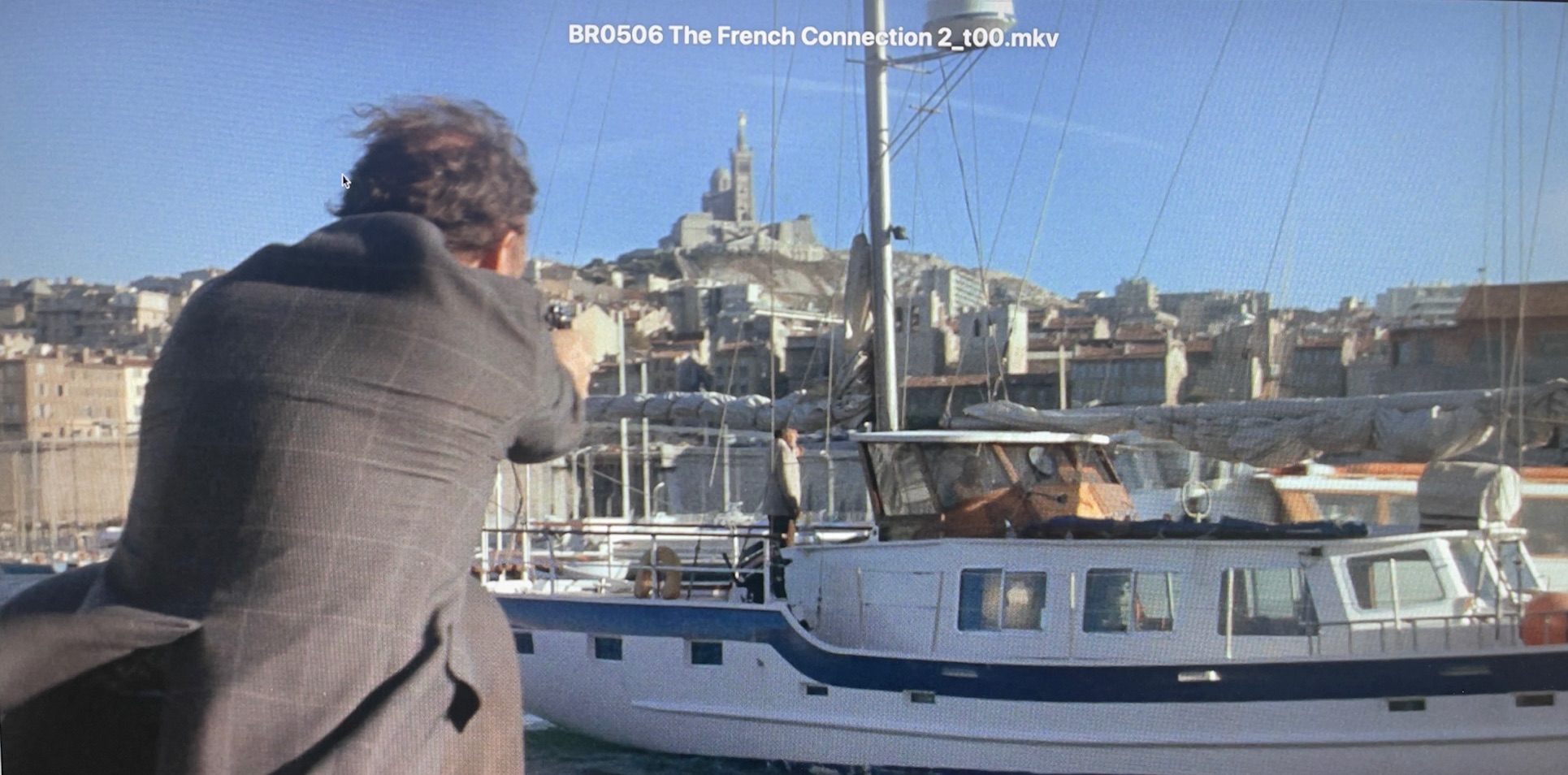
Suffice it to say that the last ten seconds of the second movie are some of the most dramatic on film, culminating in the death of the drug kingpin Alain Charnier, splendidly acted in both movies by the distinguished Spanish actor Fernando Rey.


Montpellier to Marseille.

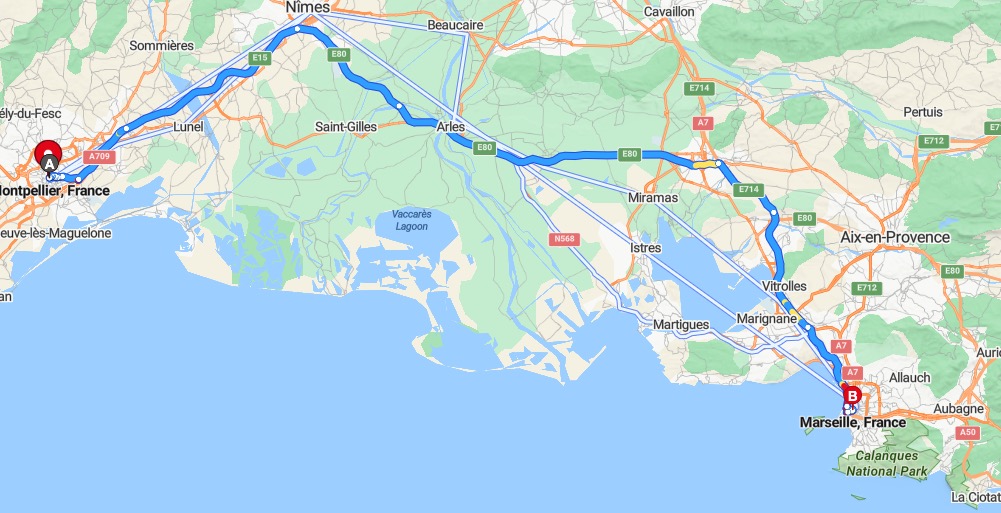
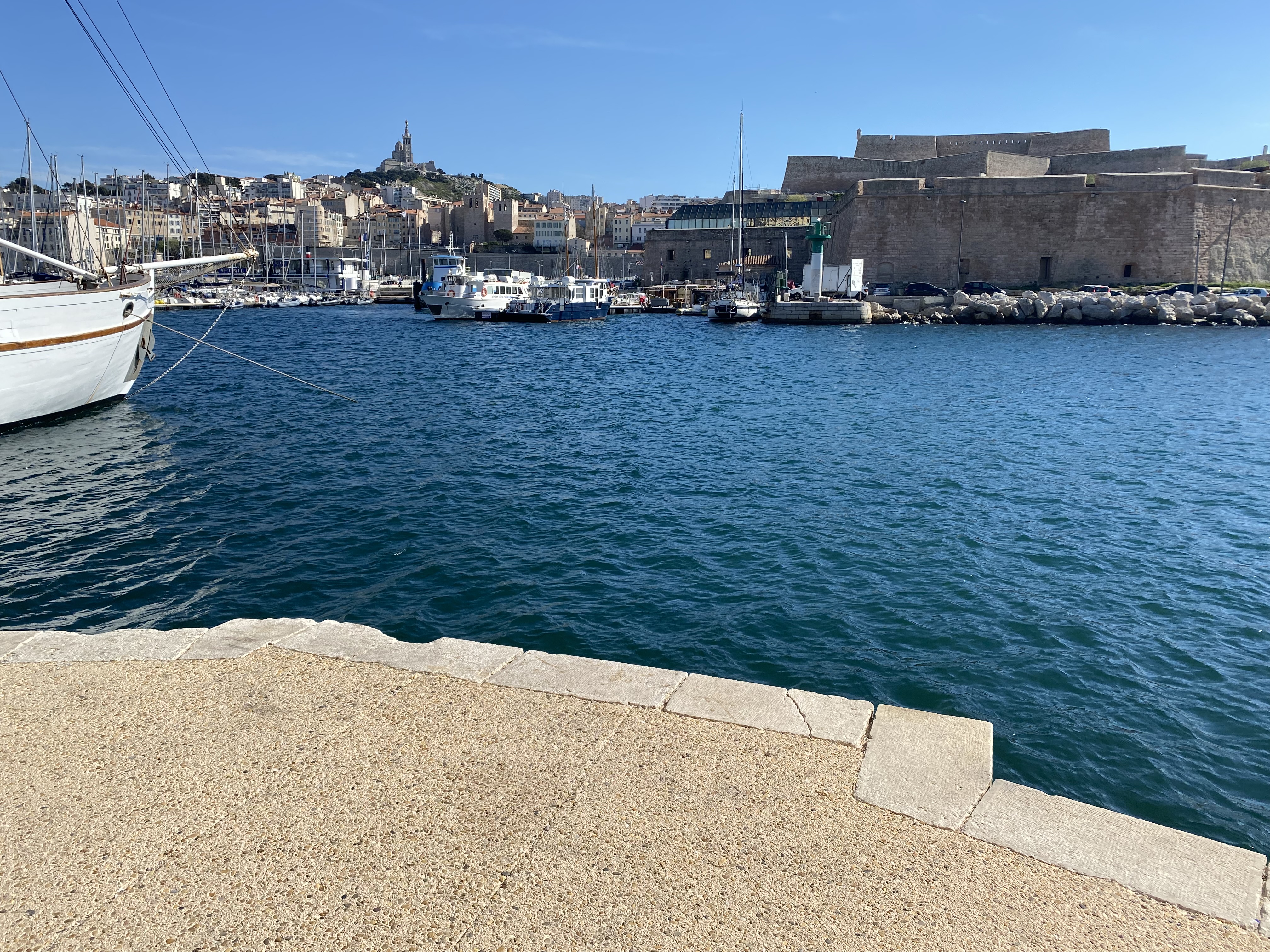
My son Winston spent an extended sojourn in France during the first half of the year, extending his French studies with a tour of Europe, centered in the beautiful ancient town of Montpellier, some 70 miles west of Marseille on the Mediterranean Sea, and he came up with the idea of finding the exact location from which Hackman fires the deadly shots at the evil Charnier. He did this using his memory of the documentary style ending, no GPS involved, but his image of the shooter’s location comes with GPS data courtesy of the iPhone he used. This is from the shooter’s viewpoint, though Charnier’s luxury yacht is missing:


Winston’s image of Charnier’s location.

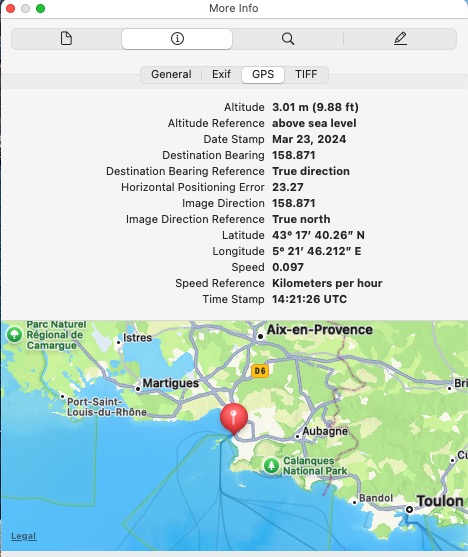
And here are the exact coordinates:


The site of the climactic closing seconds of the movie.

Tremendous fun and encomiums to Winston for his diligent tracing of a great movie location.


Hackman, as ‘Popeye Doyle’, fires the killing shots.

Edward Hopper and the American Hotel

A fascinating review.

You can view my library of photography and art books by clicking here.

Published in 2019 this splendid anthology of Hopper’s painting centers on the theme of hotels and travel and is recommended for the many illustrations it contains. You certainly should not buy it for the prose which is stultified and lugubrious in the extreme. The fact that the noun ‘dialectic’ occurs regularly suggests that the writer(s) learned English as a second language and are intent on having you know that they understand the rules of grammar better than you. Example: “As a frequent painter of hospitality sites, Sloan provides object lessons how a hotel can suggest value in the vernacular and comfort in the commonplace” (p.21). Please.

Well, forget that nonsense and luxuriate in the host of images contained in the book’s 200+ pages.

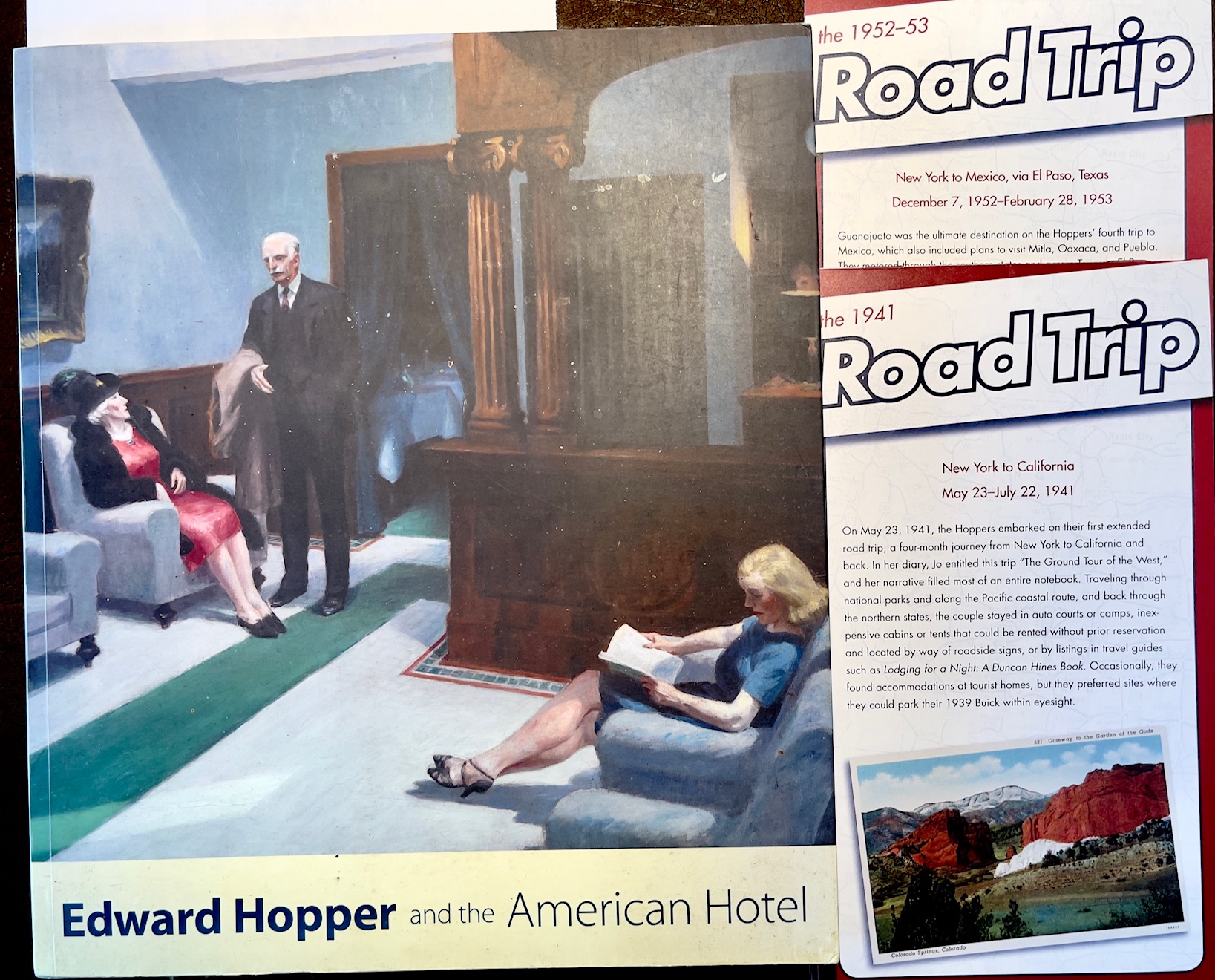
One of the really fun inclusions consists of two maps documenting road trips Hopper and his wife took in 1941 and 1952-53. Lots of fun as they show the exact places he stayed and (often) painted.


The book with Hopper’s road trip maps.

The long, sharp shadows and miserable people which Hopper so often depicts are abundantly present. He pulls no punches, even when the humor is sardonic as in this amusingly titled ‘Excursion into Philosophy’:


Excursion into Philosophy, 1959.

And those miserable people can only be described as exceptionally physically ugly:


Ugly. Morning Sun, 1952.

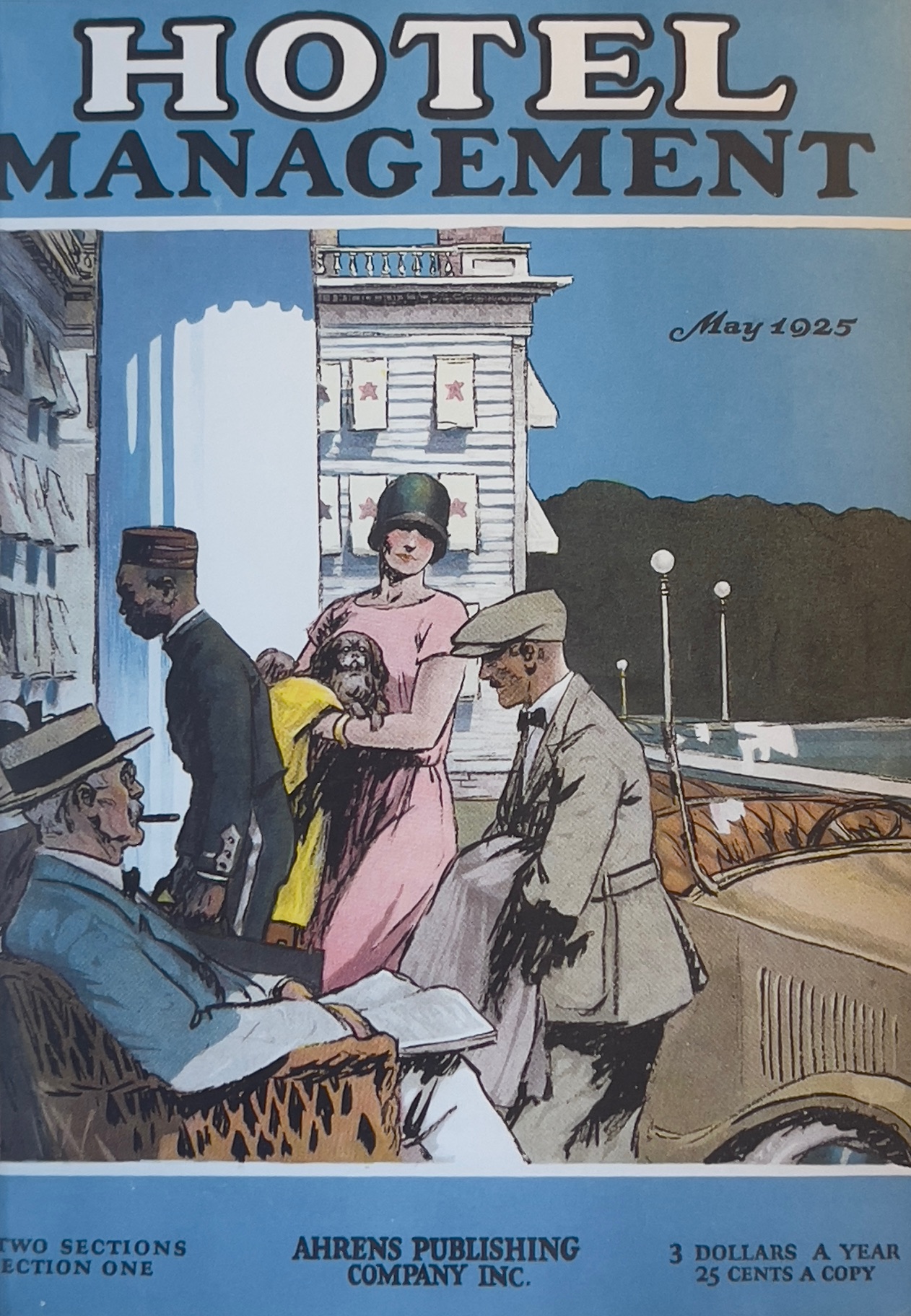
Hopper’s vision is intensely photographic but one interesting educational point of the book is that he was also a fine cartoonist, creating no fewer than 18 covers for an industry periodical named ‘Hotel Management’. Not the most thrilling of subjects, true, but he glamorizes the travel experience and its travelers – his style is reminiscent of George Barbier:


Hotel Management cover, May 1925.

The book is recommended for all photographers looking to enhance their vision.


Click the image for Amazon.

Thank you to my son Winston for the fine Christmas gift.

The Fight to Save Googie

American optimism under threat.

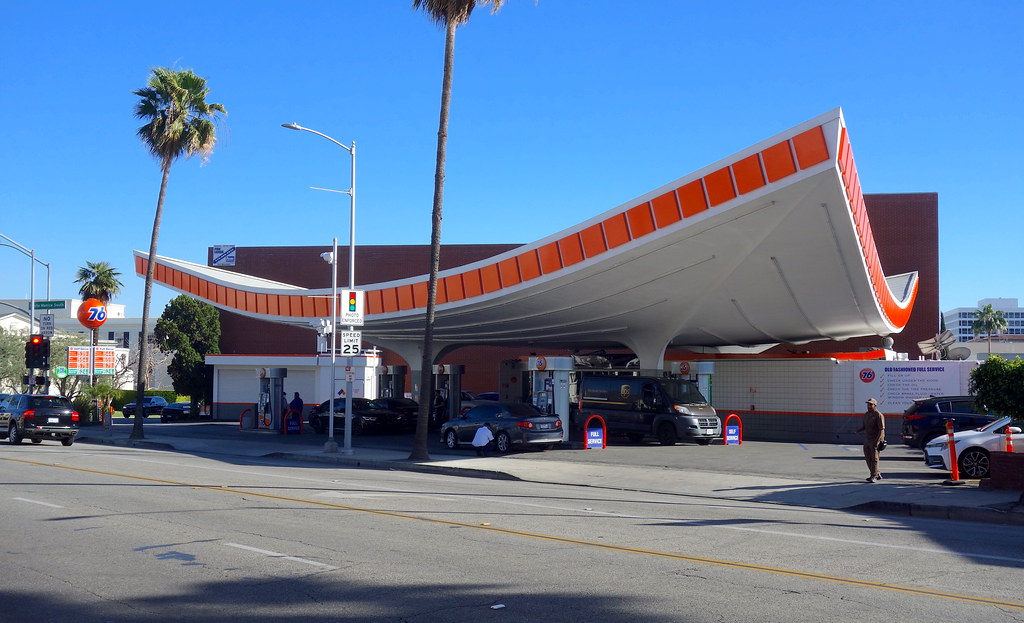
A splendid article in the New York Times relates how preservationists are fighting to save Googie architecture, the whimsical style of the sixties largely found in Los Angeles.

While nothing quite beats the Union 76 gas station in Beverly Hills, which is not mentioned in that article, the splendid photography is worth visiting.


The Googie Union 76 in Beverly Hills.
Click the image for the article.

Mac Mini M4 after one month – Part VI

It will do, and is fine with LRc.

In Part III I set forth some technical measurements which indicated that the performance of the 2024 Mac Mini M4 was pretty much on a par with that of the 2010 Mac Pro fitted with dual 3.46gHz 6-core Intel CPUs, 80gb of memory and a speedy Nvidia GTX980 GPU. By contrast the M4 Mini has a single 10 core CPU and just 16gb of very fast memory. This testifies not only to the great performance gains realized by Apple with its in house Apple Silicon M4 CPU with its integrated GPU, but also shows just how awfully good that old behemoth, the Mac Pro tower was almost 15 years ago. Sadly, Apple’s planned obsolescence strategy, which saw to it that the Mac Pro was now six generations of MacOS behind, forced the upgrade. Well, that and the aggressive pricing of the new Mini, and my electricity bills will fall!

I now have a month of heavy daily use with the M4 Mini under my belt, much of that with the Apple Silicon optimized Lightroom Classic (LRc – v14.1.1), an upgrade from the prior Lightroom v6.4), so the following observations are mostly subjective.

Start up is much faster at 4-6 seconds compared with 20 for the older version, if I get a beachball it’s maybe once or twice a week, and with previews enabled image-to-image flipping is instantaneous. There’s the very occasional delay of 3-4 seconds for the image to render in full definition but that was also much the case with the Mac Pro.

More significantly, the latest version of LRc adds significant functionality in terms of localized image adjustments with both the Remove and Masking tools well implemented and easy to use, largely obsoleting the more complex variants in Photoshop. Indeed as I hate paying rent I dropped PS all together and made a one-off purchase of Affinity Photo 2 which does all I need on those rare occasions where LRc cannot do the trick.

A good example of the use of these new to me tools is in this night snap of a retailer’s window in Carmel, CA. The host of images I took in that setting all have a common factor which is that the dynamic range is very high, necessitating exposure for the highlights, to avoid burn out, with a post processing need to bring up the shadows. In the case of these ‘before’ and ‘after’ images not only was the shadows slider used to bring up the shadows across the whole image, I then selectively masked the fountain at the lower left to bring the sparkle in the water to life. The difference is, err…., night and day:
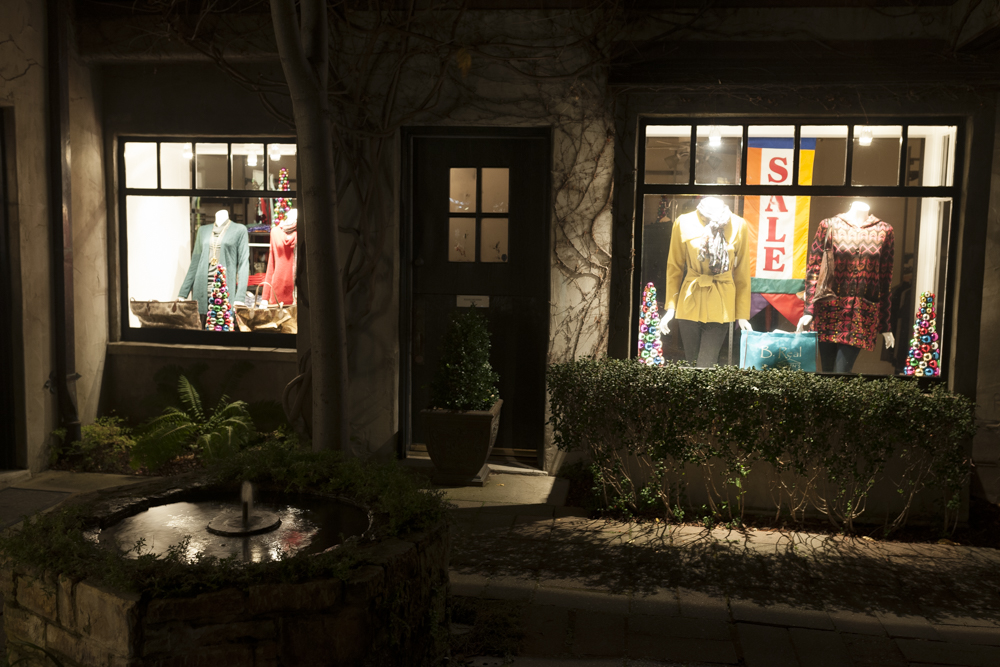

Before.
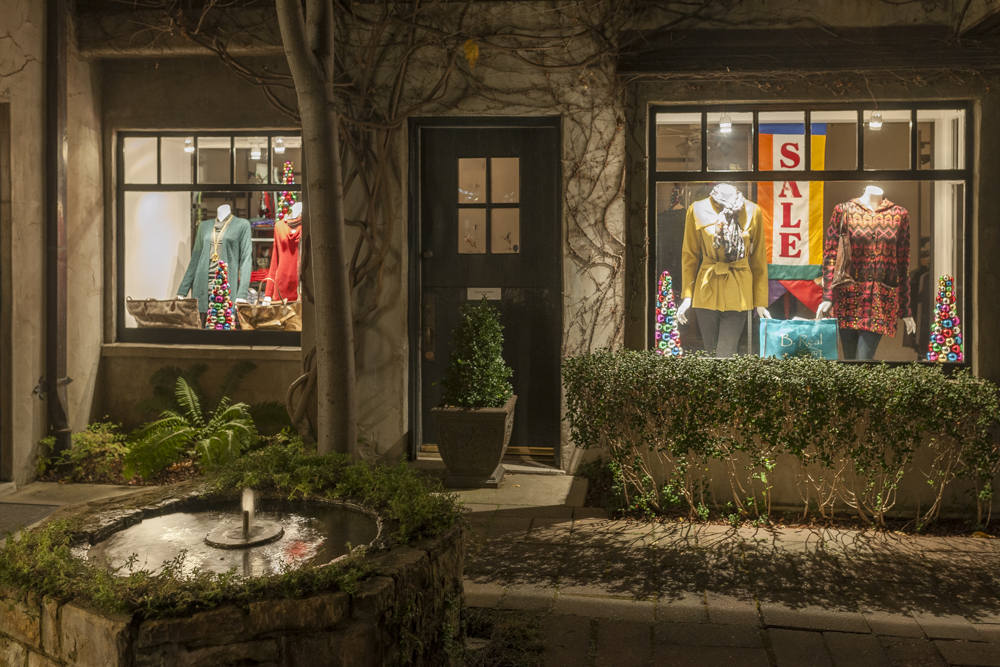

After.

In learning some of these new features I invested in Scott Kelby’s book. It does not cover the recently added Remove/Generative Fill functions but is an excellent learning resource, greatly superior to any video I have seen.

Returning to the Mac Mini M4, it never gets more than a tad warm to the touch, is small enough to nestle at the back of the keyboard tray and performs equally to the old Mac Pro at a fraction of the cost. While there were many frustrations regarding application incompatibility when switching from Intel to Apple Silicon CPUs these are now behind me, though I still hate paying Adobe $10 monthly in rent for LRc. Otherwise, what’s not to like?