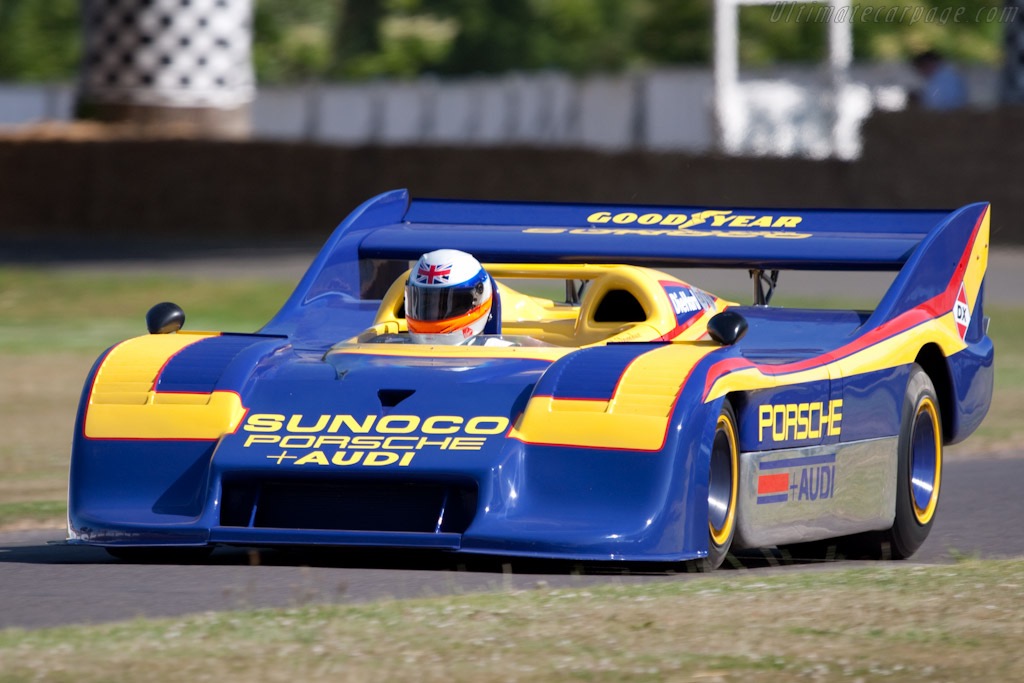
That first time ….
The wait for my first Leica, an M3, was two years, which is how long it took me as a teenager to amass the fortune required to buy a used one with the proceeds of my newspaper round in London. The moment it arrived, I threw out the leather case, stuck a roll of TriX in it and the very first picture I took, Frame 00001, was a winner. That experience continued for many years and the camera seemed as much a part of me from that day as any machine I have ever owned. The enthusiasm of the new never wore off until something better came along 35 years later in the guise of the Canon 5D and, later, the Panasonic G1.
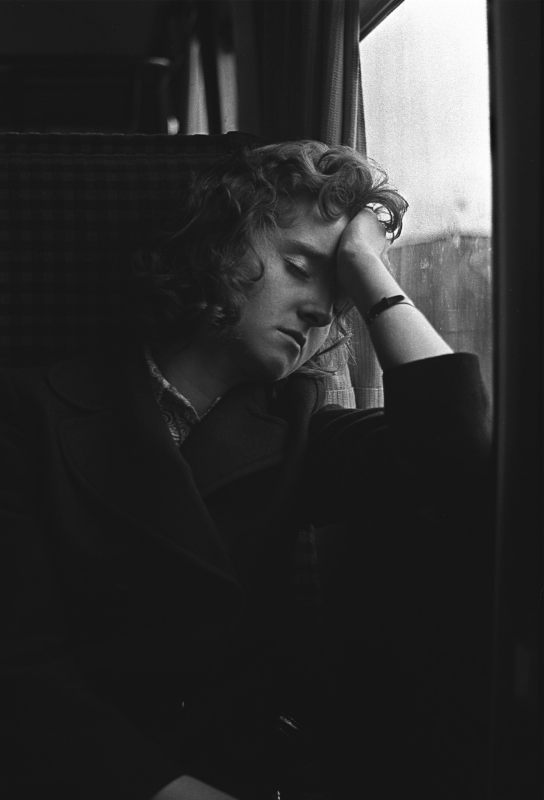
Frame 00001
It was, in other words, just right for the way I roll. A minimum of technology in the way of the image, simple, quiet, fast, beautifully made and supremely elegant. One of the most perfect machines man created.
Later that experience was to repeat – though not at such a level of perfection – with my first Mercedes and Porsche and BMW motorcycle. Machines made for users, not poseurs.
The ultimate in simplicity and representing the very peak of the machine age, is my Patek Philippe wristwatch. Unjustifiably costly, expensive to overhaul (just like my Leicas) but elegant beyond words, reliable and with an absolute minimum of controls. It did one thing very well and continues to do so.
The Leica moved on as I am not a collector and the camera is stuck with 60 year old technology, as did the cars (the Porsche 911 is stuck with 60 year old looks) when more reliable products came from the far east, but the BMW (60 year old technology and looks!) and watch survive to this day.
The iPad is in the same league. Simple, quality execution, marches to its own drummer. Like all of the above machines it will become an anachronism after a few years as yet more capable devices come along but, right now, it is simply the best there is for the way I roll.
Now that the status of the new has passed and the hysteria has wound down and I have had a chance to use the device hard for one week, what is there to say?
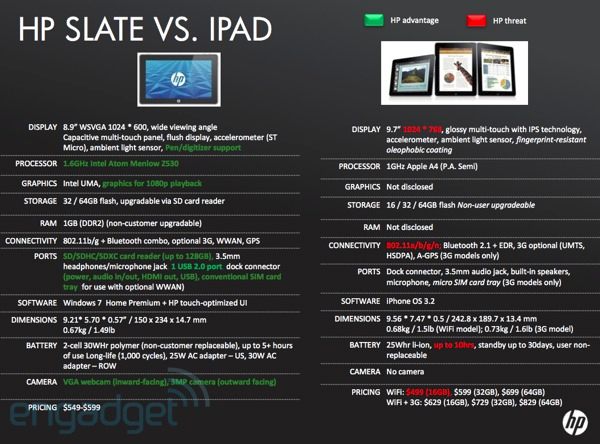
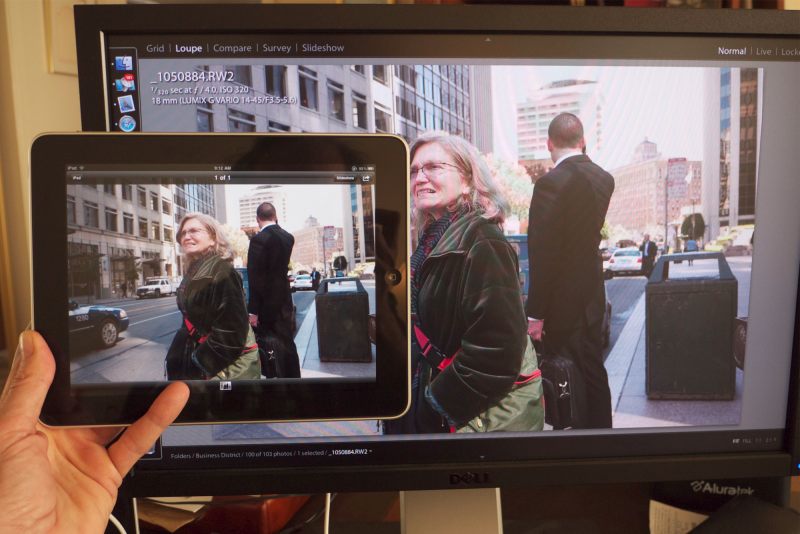
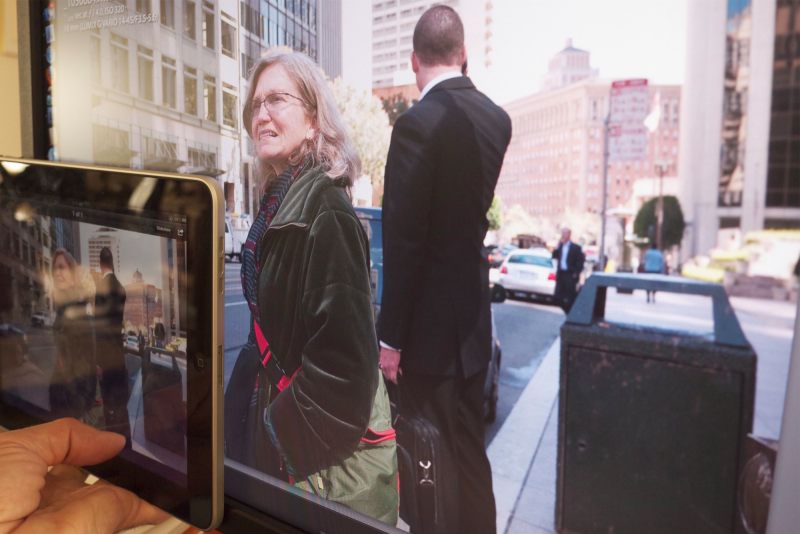
The Hardware: The screen is just right – slightly smaller than most books, the iPad’s weight is ideal for reading like a book in your lap. Once the experts have tested them, I will add a matt stick-on film to avoid the insidious reflections resulting from Mr. Jobs’s high gloss fetish, which will further improve matters, especially when you try to read with a light source over your shoulder.
The back is wrong. While the machined aluminum is gorgeous to behold, like Leitz satin chrome of old, the back is gently curved meaning the device will simply not sit still on a flat surface. The lightest nudge and it wants to pirouette. And unless you change the shape no stick on rubber is going to fix that. It’s not that you really mind as it’s a lap-held device, but it’s discomfiting to see the iPad spin as you place it on the coffee table.
The device has four mechanical controls. The Home button just like on the iPhone and they got the resistance to pressure and tactile and audible feedback dead right. The other three mechanical switches – the volume rocker, on/off and screen rotation lock – are wrong, very wrong and dead wrong, respectively. All are wrong in that their edges are too sharp. The crude finish contrasts with the overall excellence of the design. They may wear with age (though I doubt it) but Apple should look to its iPhone for profile and finish of these. The volume rocker is very wrong as that should be a touchscreen control. The rotation lock is dead wrong as this really should be a software function. Every mechanical device is just one more thing to go wrong and a slider is more wear prone than a touch switch. A dedicated touch area on the screen to lock orientation would be faster and less failure prone.
The screen is, of course high gloss – see above for the fix – and has the oleophobic finish shared with the 3G and 3GS iPhones, meaning the grease from your fingers is easily wiped off. Two wrongs making a half right. Like the iPhone’s, the glass is incredibly tough and it would take a concerted effort with a sharp object to scratch it.
The overall form factor and the sheer thinness (another Jobs fetish) of the device makes it a bit slippery to carry around. There’s not a lot to grasp and friction is notable for its absence. There’s not the chunkiness of a netbook nor the rough cover of a book making it easy to hold. It wants to be dropped and I suspect that the force of gravity and the resulting impact will see many remaindered iPads. Care is called for here. Get a shoulder bag of some sort.
Speed is outstanding and shows what happens when you design software to run natively with a new CPU’s architecture, rather than try to compromise with conversion approaches. It puts a netbook to shame on routine surfing and email tasks and poses a decent challenge to a fully featured laptop or desktop machine. I confess when Jobs said “It screams” at the roll out that my BS meter bent its needle. My meter was wrong!
“Subjective clap trap” I hear the Doubting Thomases among you expostulate. Fine.
Here’s my nuclear powered C2Q 2.83gHz desktop on wireless 802.11n 2.4gHz, running Snow Leopard 10.6.3:

And here’s the iPad on the same network at the same location::
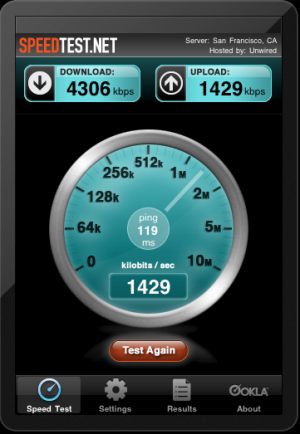
The download speed is 38% of the desktop’s and the upload is virtually identical! And while a 4.3gHz download speed will have Europeans and Asians laughing in ridicule, it’s pretty decent for web surfing.
Heat is notable for its absence and is a standout feature. No matter how long or hard you use it the iPad remains cool. Remarkable and a marked contrast to any of Apple’s tired laptop offerings which can double as toasters in a pinch. There’s no fan and the iPad is silent in operation – another step forward in machine design.
Weight is remarkable, also for its absence. With charger it’s 1.6 lbs, compared to 3.3 lbs for my deceased netbook and 6 lbs for your MacBook Pro. It’s the difference between lugging around a full frame DSLR and a Panasonic G1. A tremendous accomplishment which reduces the resistance to use when you absolutely do not want to have to check your email at the weekend from the ass who is your boss.
The speaker is remarkable after using a netbook or laptop. It simply has no right being that good. For serious listening there’s a standard mini-jack headphone socket and doubtless a plethora of speakers to come from the aftermarket. I’m holding out for a pair of Bowers & Wilkins. “British and Best” as my mother would say of Sheffield Steel.
And if the light weight and low heat output were not enough, the real icing on the hardware cake is the battery. I speculated that Apple would lie about the battery life as they always have in the past with their mobile devices and I am delighted to admit I was dead wrong. 11-12 hours at a charge regardless of what you are doing is the norm, and as the battery is a lithium ion type there’s no need to drain it before recharging to maximize life. Two recharges from half full are the same, in figuring the number of recharge cycles, as one recharge from empty.
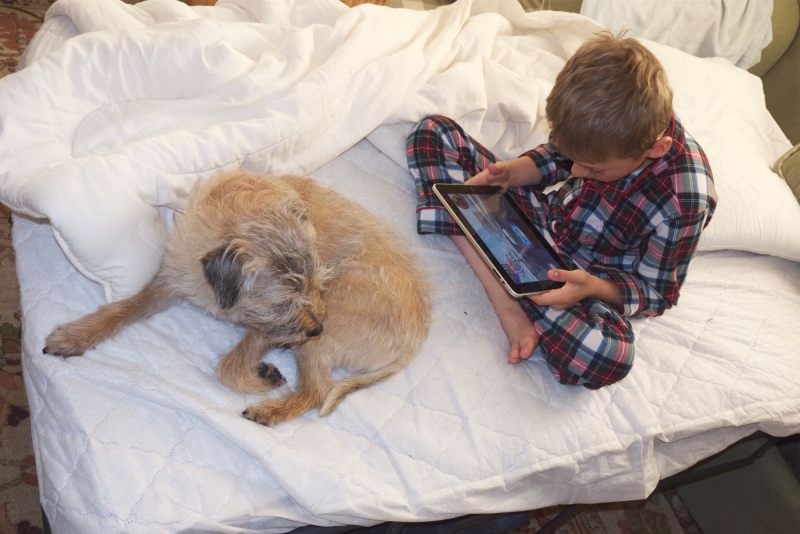
iPad tester and critic at work.
Tomorrow some opinions and thoughts on the software side of the equation and on the user interface.
And my first stock market trade on the iPad? A winner just as with that first Leica. Why yes, a few shares of Apple stock to make sure I didn’t have to actually pay for it. Un-American to contemplate that prospect. I live, after all, in the land of hand-outs. Now do you see what I’m going on about when I write of the Unfair Advantage? I confess to being comfortable in bed sporting my Scottish tartan jammies at the time ….