Category Archives: Photographers

Fred Herzog

Street snaps in color.

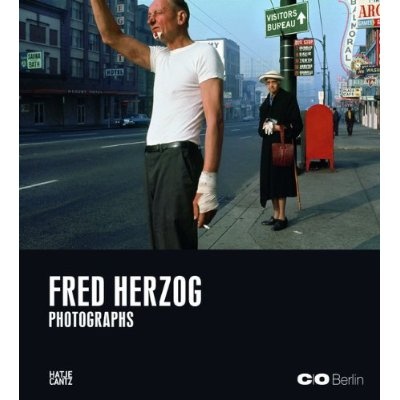
Fred Herzog (1930 – 2019) is an Austrian-born street photographer who did much pioneering color work on the street of Vancouver in the 1950s and 1960s.

Click the picture to go to Amazon US. I do not earn any click-through money.

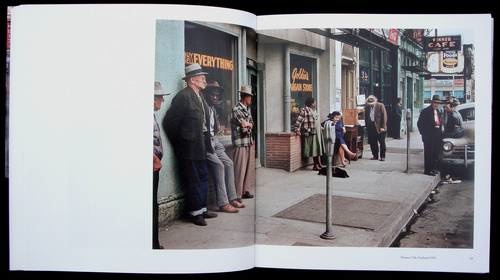
His gentle views of street life, generally in the poorer parts of town, use color effectively, the emphasis being very much on the use of color than on the selection of dramatic moments.

If, like me, you believe that most street monochrome work is a cop out, the photographer being incapable of controlling color, then this book is for you. Others working in a similar style during this period include Helen Levitt and Saul Leiter.

The Radical Camera

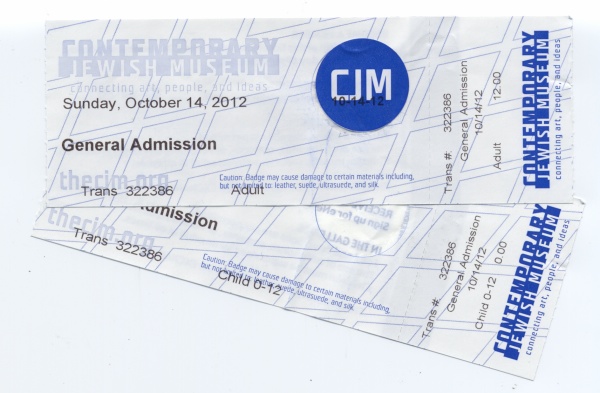
A fine show at the CJM.

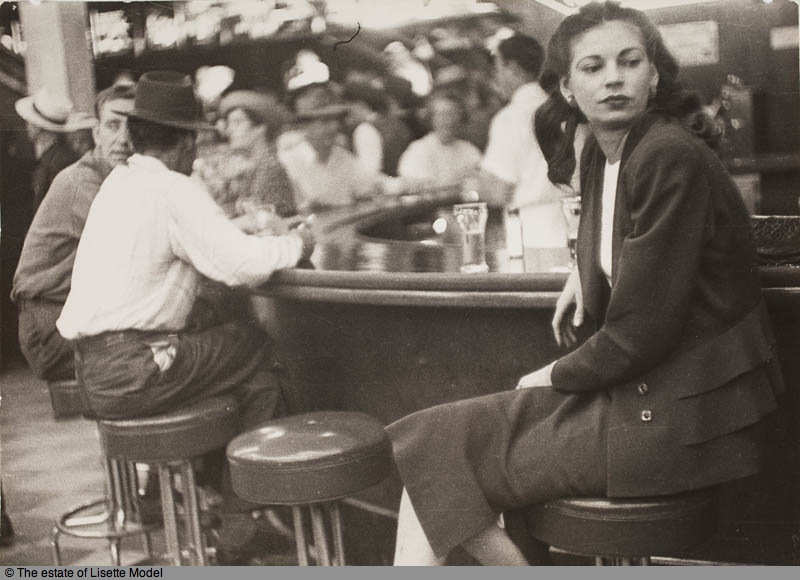
Sammy’s, New York, 1941. Photo by Lisette Model.

Once upon a time unobserved street photography, high angles, low angles, crazy angles, was unknown. Until, that is, the New York Photo League (1936-51) came along. From the Depression to the Red Scare, these New York photographers, mostly poor, mostly Jewish mostly left-wing, redefined how we see. So much so that whereas their work was shocking and new back then, today we think nothing of the unposed street snap which they popularised.

San Francisco’s Contemporary Jewish Museum has an outstanding show of some 150 original images taken by this group of photographers who changed how we see. It has just opened, runs through January 21, 2013, and is highly recommended for those of the street snapper persuasion.

Cindy Sherman

An outstanding show at MOMA SF.

In a sweeping Retrospective show of her work (can you have a Prospective show?) at SF MOMA through October 8, 2012, Cindy Sherman shows why she is one of the most interesting contemporary photographers.

For some forty years now Sherman has been working with just one subject. Herself.

Sherman as the Duchess of Windsor, the much divorced Wallis Simpson who never got to be Queen.

Expert in make-up and prosthetics, Sherman has portrayed herself in dozens of styles. Flapper, floosie, whore, matron, aristocrat, bag lady, newly moneyed, and so on. The show is too big to take in at one pop, but two of the rooms stand out. In one a handful of large format pictures, maybe 3′ x 5′, show her portrayed against insanely lush backdrops, varying from Dynasty kitsch to landed gentry. The scheming Duchess of Windsor above, perfectly understood, is but one such example, though the out-of-focus masking is beyond crude. (She needs to learn Photoshop’s Magic Lasso tool). The viewer is simultaneously awed by the detail and technique and repelled by the excess on show, as Sherman treads a fine line between purportedly respectful rendering of the subject and her surroundings and disgust at the vast wealth on display. Evil is the root of all money here.

In another room are painterly renditions of characters from the Dutch and Italian Renaissance schools, and they are simply breathtaking. When you see Sherman as Caravaggio’s ‘Sick Bacchus’ your jaw will drop in amazement and admiration.

Sherman as Caravaggio’s Sick Bacchus.

It’s hard not to be impressed, and puzzled. Here’s a woman making herself up in imitative styles and surroundings, making recreations of famous paintings. Is that bad taste or great art? Hard to call. But there’s no denying the woman’s work ethic and, well yes, her originality.

Margaret Bourke-White airborne

Fabulous.

Thrilling images from the doyenne of mid-20th century photojournalism of America from a helicopter.

Click the picture.

When I lived in New York (1980-87), the center of the civilized world (and of the uncivilized one, known as Wall Street), my home was but two blocks south-west of Columbus Circle at 310 West 56th Street – see the fourth picture. The trains from the air in snow (#9) is reminiscent of the work of the German master Hans Saebens. #11 reminds me of the genius of the financier Charles Tyson Yerkes who made Chicago’s El possible as well as developing the London Underground at the turn of the 20th century. If you enjoy writing about high finance, there is none better than Theodore Dreiser’s trilogy – The Financier, The Titan and The Stoic – whose pseudonymous anti-hero, one Frank Algernon Cowperwood – is none other than Yerkes. Dreiser’s prose is as thrilling as Bourke-White’s art.