Past is prologue.
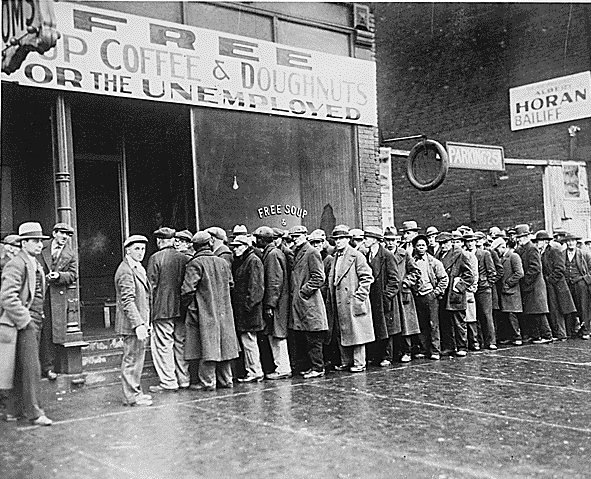
(Former) Masters of the Universe line up for lunch. Photographer unknown
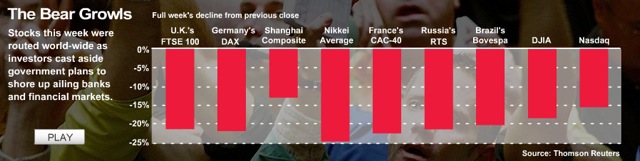
The week that was
Past is prologue.
The body as canvas.
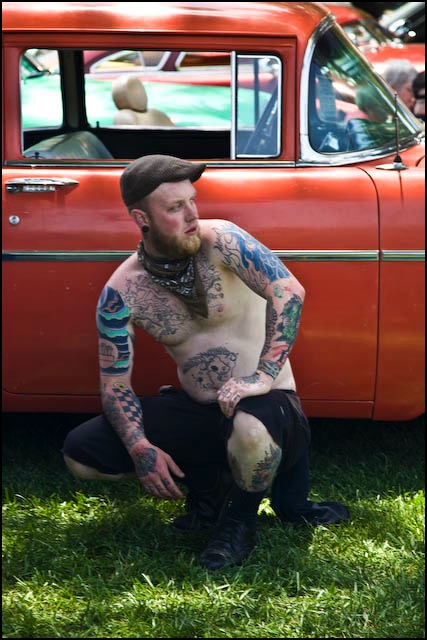
This man was painting the most exquisite curlicues and decorations – using a very sharp-edged brush – on the back of a rather tired old VW squareback which someone obviously loved very much. He noticed me admiring his work so I asked if I might take a snap of his tattoed body.
He was only too pleased to oblige and struck this classically dignified pose without any direction from me.
The idea of a great man.
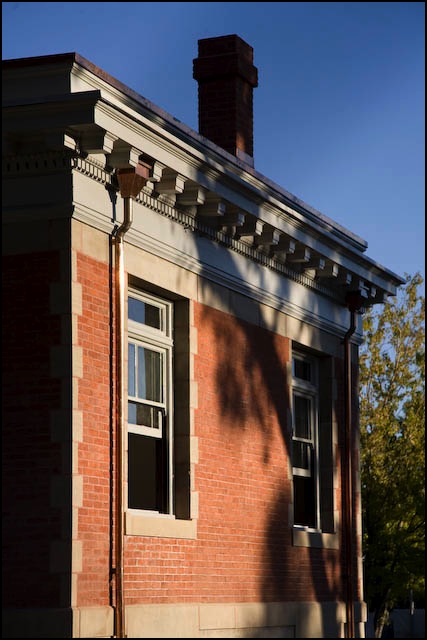
Paso Robles Carnegie Library, built in 1908.
5D, 24-105 at 105mm, 1/500, f/6.7, ISO200
It’s said that the true measure of philanthropy is not how much you give but how much you have left. By that measure, Andrew Carnegie (1835-1919) is the greatest philanthropist the world has seen, having given away almost all of his fortune at the time of his death. Inflation makes comparisons difficult, but if you figure wealth as a percentage of Gross National Product, Carnegie ranks fifth in America, after Rockefeller, Vanderbilt, Astor and Girard (d. 1831 – trade and banking).
Carnegie mostly gave his money to build public libraries in the United States, England and his native Scotland. While I see libraries as essentially a waste of real estate in a digital world (the Library of Congress could be digitized for $1 billion, the space put to better use) there is an undeniable charm to a fine library and the tactile enjoyment of good books.
The small town of Paso Robles, a stone’s throw from my home in Templeton in central California, has a pretty town square graced with a Carnegie Library. Sadly, the brick building was damaged in the earthquake a few years ago and the City has finally come around to fixing the damage. While the whole is still surrounded with chain-link fencing, it’s possible to see the results of the rebuilding from a distance.
Many would denigrate Carnegie for his use of low paid labor in his steel mills near Pittsburgh. To me, the choices are simple. You take one or two generations of the poor and stupid, exploit them horribly and confer a priceless gift on the world. The next generation now has no excuse for being either poor or stupid. Or you do nothing and the poor and stupid continue being just that. It’s your choice, but there’s little arguing with the benefits of the Carnegie way.
A great man and a beautiful piece of architecture. Check out the brand, spanking new copper piping in the snap above. Gorgeous.
Except for a very small tweak in Photoshop to fix perspective, the picture has had no post processing.
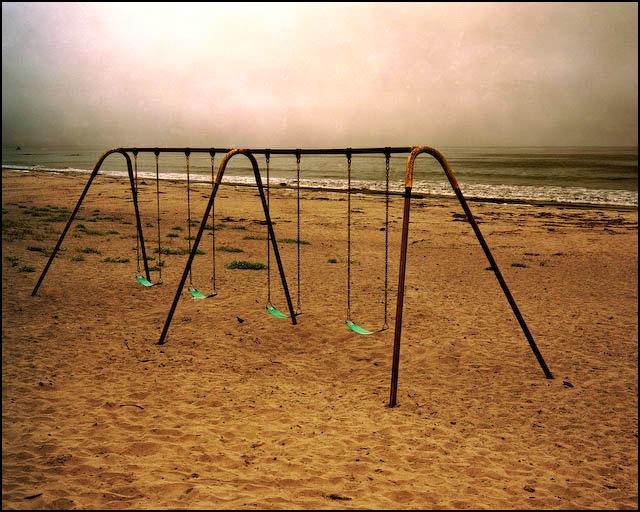
All alone
From my recent one man show.
An annual ritual.
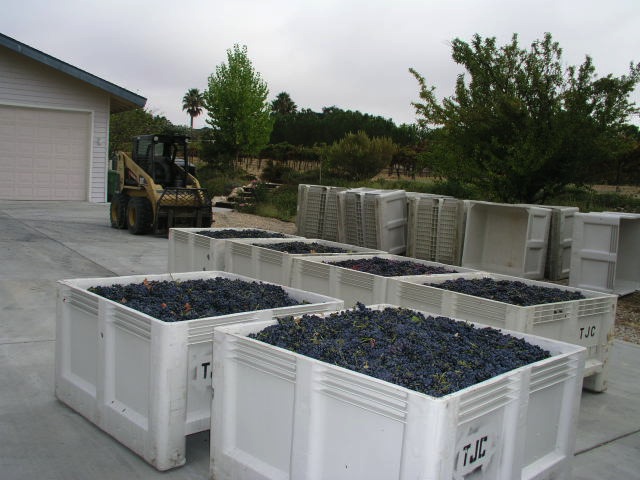
The crew arrives at 6:30. It’s still dark.
For $7 an hour these great people work insanely hard and by noon we will have twenty of these bins containing 10 tons of the finest Zinfandel grapes in the world; the area where I live – the Templeton Gap in Central California – is renowned for its Zinfandel varietals above all else.
Then the vines will gracefully shed their leaves, the crew will return to prune them to a nub and another growing cycle is complete.
So, I find myself wondering, as a great American farmer, where’s my government subsidy?
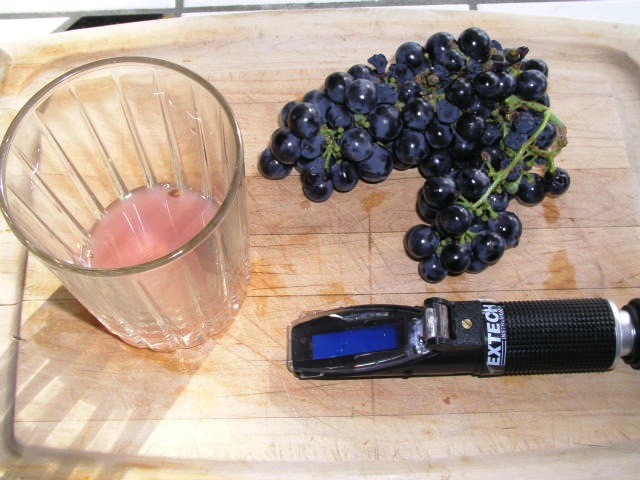
The wine grower is required, by contract, to provide grapes with a certain Brix level – 25 to 28 for Zinfandel. I’m at 26.5 which is just about right. The tool in the picture is a refractometer, a nice optical device as old as Sir Isaac Newton. A drop of grape juice on the lens, a peek through the eyepiece and Brix is determined.
Back to the regular topics tomorrow. Now please excuse me, I have to go tread on some grapes….