Category Archives: Leica

All about the wonderful cameras from Wetzlar.

Walter Mandler

The designer’s designer.

For an index of all Leica-related articles click here.

The names of great engineers are known to few. And that is sad. Who knows who designed the Golden Gate? Who cares? What do you mean who cares? What does that say about our educational system? Everyone should know and care.

And it’s the same with photographers. Ask the average fellow with $10k of the best in gear around his neck who Gauss, Bertele or Mandler (1922-2005) was and you will be met with a blank stare. And that saddens me. Because those are three of the lens designers without whose work the 12-400mm f/2.8 autofocus retractable zoom on that magical digital in your vest pocket would not exist.
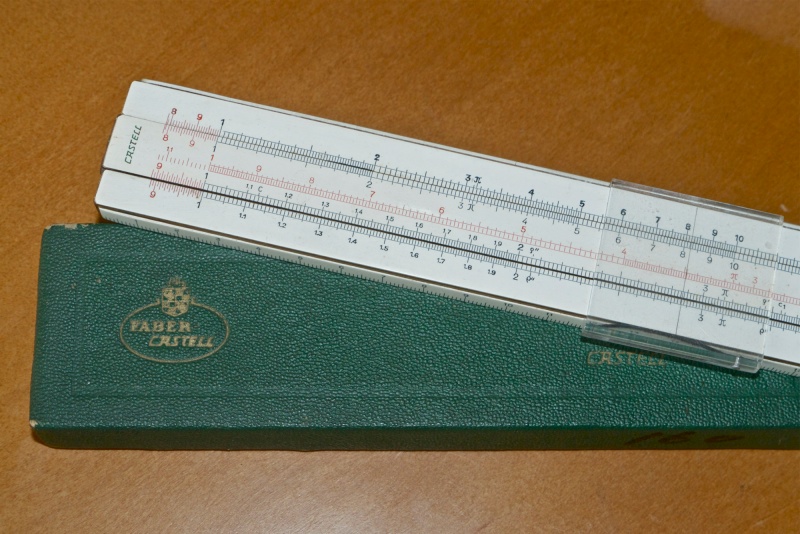
Mandler’s primary design tool.

Back in 1973, I concluded my undergraduate dissertation, which happened to deal with the thrilling subject of the erosion of polymers. Until then, research had lacked understanding of a crucial variable. That was accurate determination of the speed of impact of abrasive particles (sand, grit) on the polymer (plastic) linings used to reduce wear in intake ducts for helicopter jet engines, essential for killing the innocents in Asia. Because the subject fascinated me no end (the erosion, not the killing part), I determined to solve for this missing variable and rooting around in the back of the lab at University College School of Engineering, UC London, I came across two tools of priceless value. A Perkin-Elmer stroboscope whose light duration was specified to great accuracy, and a Minolta SRT101 SLR with a 50mm f/2 Rokkor lens. Yes, you guessed it. Another rip off of Walter Mandler’s timeless Leica Summicron design. (By the way, this was my first serious inkling of America’s genius. Perkin-Elmer made the mirror which NASA placed on the moon, allowing us to determine its distance to, oh, a foot or two, when they bounced a timed light beam off it).

Now my first thought of the Minolta was that I could get to rack it out, no charge, given UC’s famously liberal culture, taking pictures of the many street protests of the time. “Honest, Dr. Jones, they grabbed me and smashed the camera. It wasn’t my fault!” But then I thought about it and the light went off, so to speak. I have a light of known duration, I have a camera which can photograph the intervening flying abrasive particles using Schlieren lighting with the strobe pointed directly into the lens and the rest is just exposure and some simple measurement of blur lengths and schoolboy mathematics. Heck, I even processed the film myself! (PlusX in Microphen if you must know – I was a loyal Kodak man even back then).

The dropped jaws occasioned by my insouciant presentation to the assembled dons, with the requisite anti-American incantations about ‘Nam and the efficiency of killing, said a First, and a First it was. “No, Doctor Jones, I want to go into the real world. Thanks for the offer of post-graduate study, anyway. I want to compete, not teach. And escaping poverty would be nice, too.”
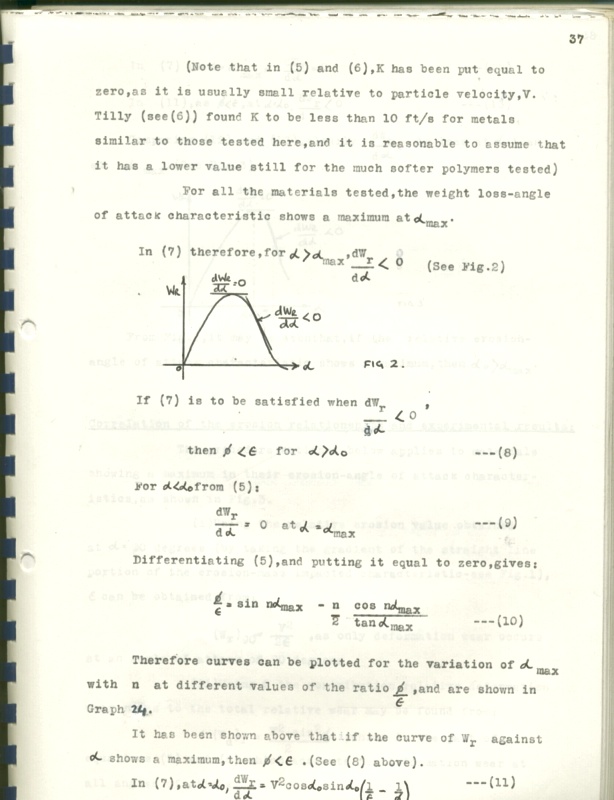
What a First looks like. I had to type this on my mum’s old Remington ….

My tool of choice. RMP? Renata Maria Pindelski.

And thank you, Dr. Mandler.

Surprise fact, something other than Labatt’s and professional complainants was produced in the frozen North that passes for Canada, a nation with the longest contiguous border with the most powerful country on earth and little to show for it. A German company in Midland, Ontario, Canada, a subsidiary of Ernst Leitz, Wetzlar, West Germany, saw to it that Canada’s reputation in the optical pantheon would be secure, even if it was secured by a German mathematician and designer. Walter Mandler was that designer and few would dispute that he is one of the premier optical designers in history.

I am pleased to relate that I owned and used all of the following Walter Mandler designed lenses and not for one moment were they anything but the best. And every time I pressed the button I knew Mandler’s genius was on my side; all I had to do was to try to live up to his standards:

  • 35mm Summicron f/2
  • 50mm Summicron f/2
  • 90mm Elmar f/4
  • 90mm Summicron-R f/2
  • 90mm Elmarit f/2.8
  • 90mm Tele-Elmarit f/2.8
  • 135mm Elmar f/4
  • 135mm Tele Elmar f/4
  • 200mm Telyt f/4
  • 280mm Telyt f/4.8

…. and last, and by no means least, his masterpiece for NASA (and for you and me), the ….

  • 180mm f/3.4 Apo-Telyt-R f/3.4

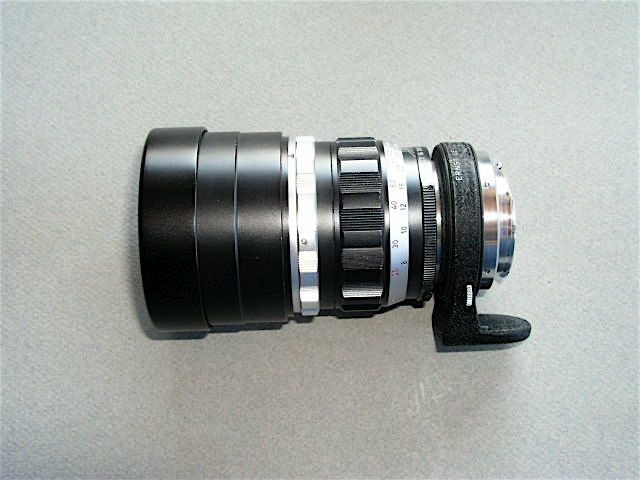
Mandler’s 200mm f/4 Telyt for the Visoflex.

I owned maybe a half dozen other Leitz optics, non-Mandlers I admit, but clearly he dominated the output of the marque. And if you tell me that my 21mm Apo-Elmarit-M f/2.8, the 35mm Apo-Summicron-M f/2, the 90mm Apo-Summicron-M f/2 or the 400mm Telyt f/6.8 didn’t have Mandler’s genes all over them, well, you have no idea.

And each was special in its own way. Anything with that magic sobriquet ‘Summicron’ needs no explanation. It means ‘f/2 and beyond compare’. Maybe bad pictures can be taken with a Summicron, but I never went there. And while I could never afford a Mandler Summilux (f/1.4 and every bit as good, while twice as fast) I now revel in a 1969 Nikkor-S 50mm f/1.4 which was ‘borrowed’ from Mandler’s workbench. That and Nikon’s 50mm Nikkor-H f/2 of that era, a Summicron clone, are every bit as good as Mandler’s Summiluxes and Summicrons, respectively. Though I hate waste, I have no qualms about owning both. And the Nikon optics make no quality concessions. Today those facts would attract some serious patent litigation, but back then the king deigned not to sue his loyal supplicants.

So, unsung master that he may be, next time you snap a picture give a thought to the master lens designer of the past century.

Words are cheap. Here are some Mandlers:
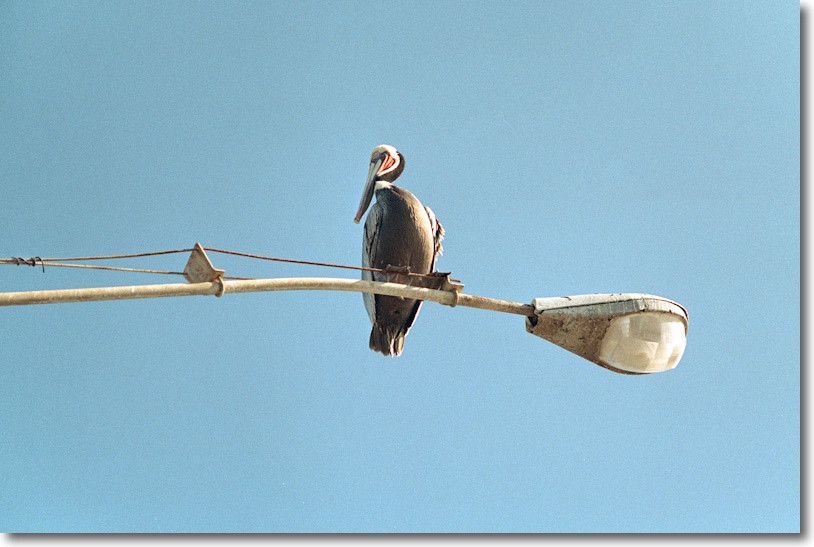
Pelican, Morro Bay. Leica M2, 90mm Elmar, Kodak Gold 100.
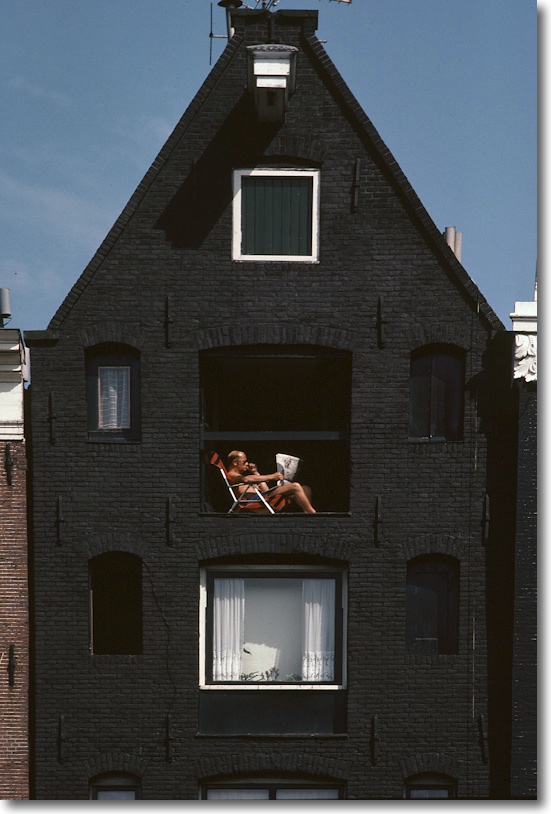
Morning paper, Greenwich Village. Leica M3, 135mm Elmar. Kodachrome 64.

American whales. NY Museum of Natural History. Leica M3, 35mm Summicron, Kodachrome 64.
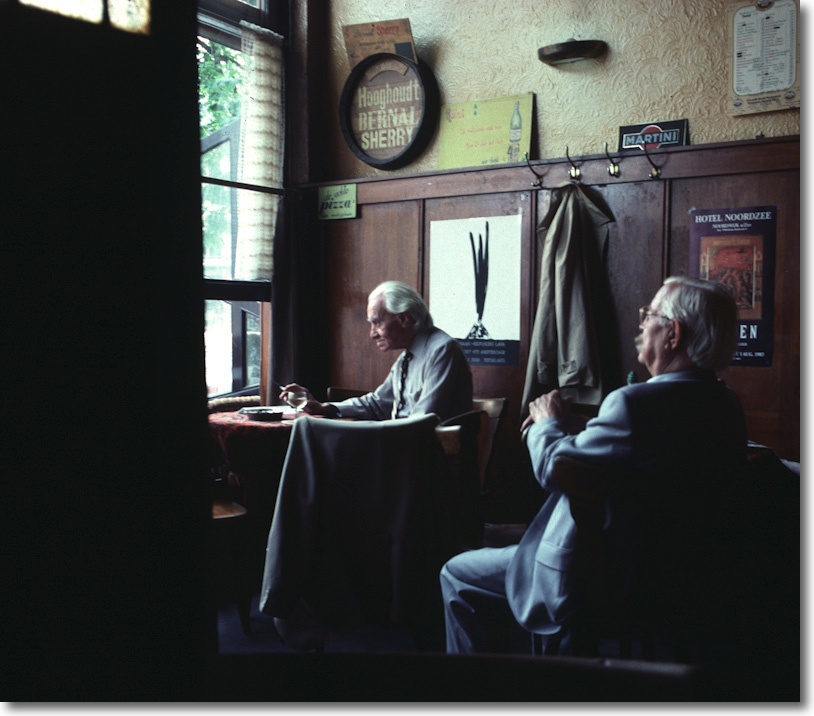
Amsterdam café. Leica M3, 50mm Summicron.
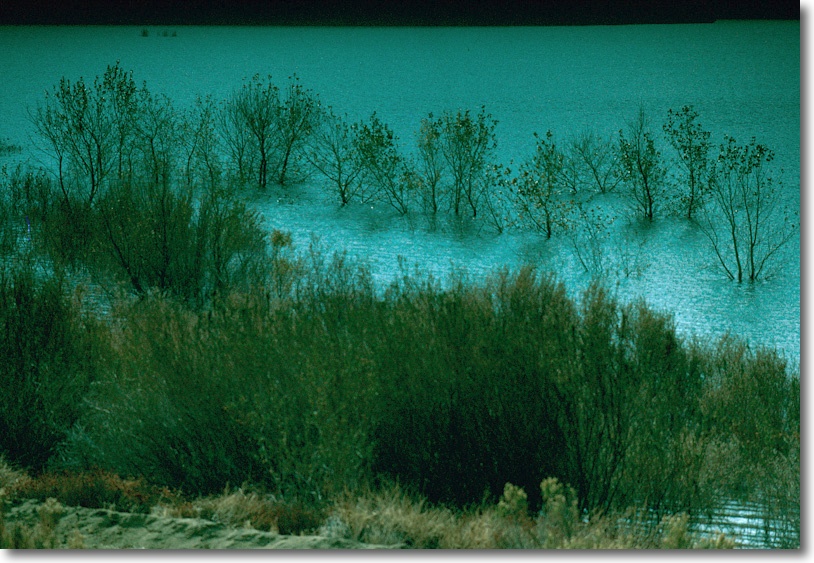
Lake Elizabeth. Leicaflex SL, 180mm Apo-Telyt-R, Kodachrome 64.
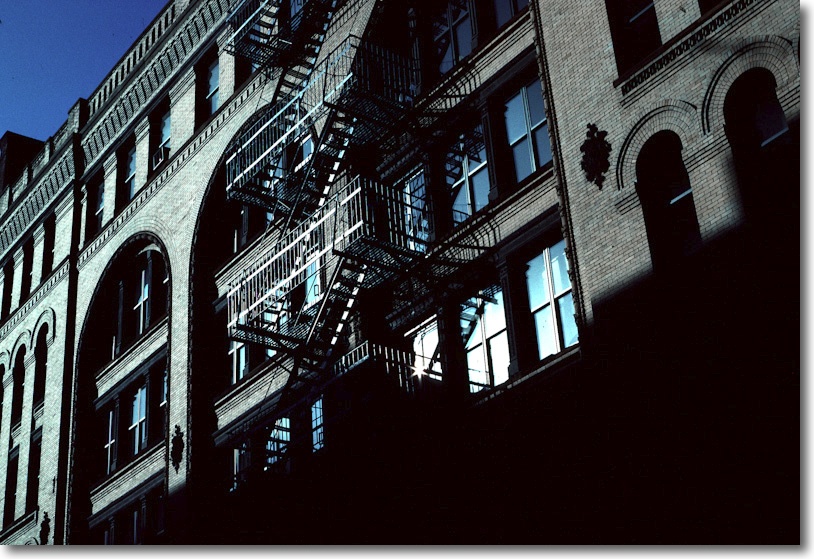
SoHo, NYC. Leicaflex SL, 50mm Summicron-R, Kodachrome 64.
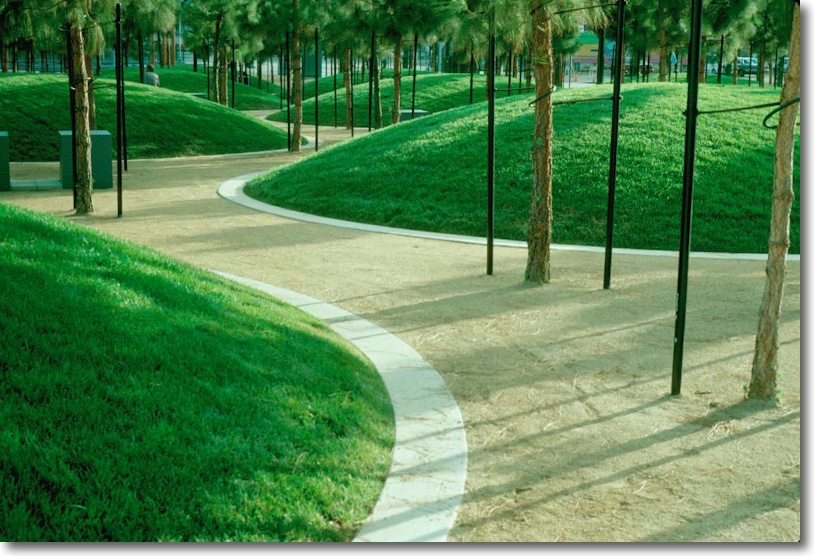
San Diego downtown. Leica M2, 90mm Elmarit, Kodak Gold 100.
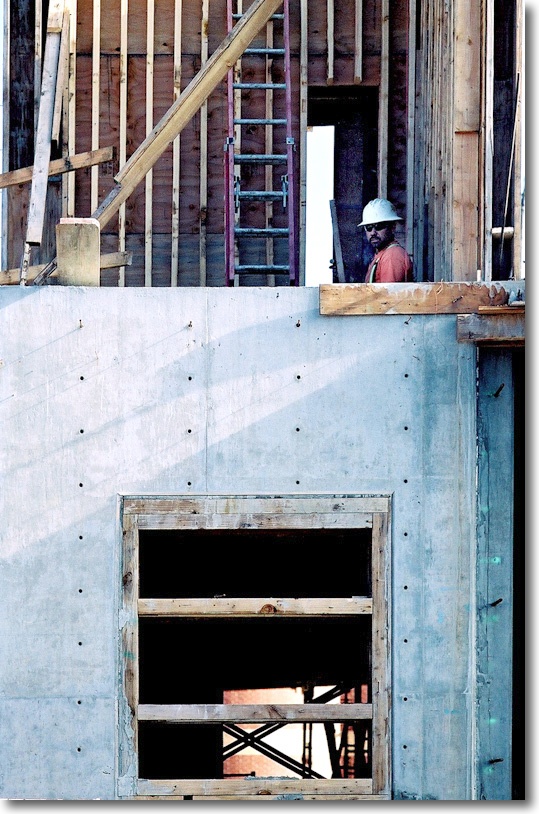
San Luis Obispo hard hat. Leicaflex SL, 90mm Summicron-R, Kodak Gold 100.

See what I mean?
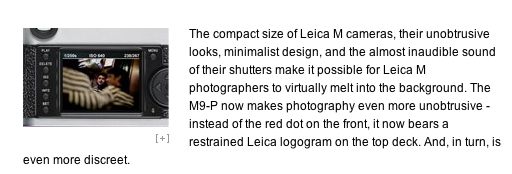
The ‘new’ Leica M9P

What a scam.

It’s five years since I sold my first – and last – Leica and sadly the former German masters of design have given me no reason to regret that decision.

You thought $7,000 for a camera body with no lens, no autofocus lenses available and a sixty year old viewfinder design, allied with a noisy shutter was a lot?

You are a piker.

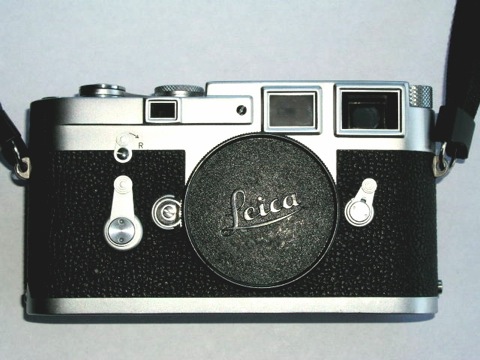
Because for a mere $1,000 extra you can have the 2 cent red paper dot on the front (you know, the one that says you are rich and screams ‘steal me and my owner’s wallet’) removed and the word ‘Leica’ engraved in script on the top plate like they used to do twenty years ago. And lest we forget, Leica has made the LCD glass tougher than the one made of pure cheese on the ‘base’ model. Such a deal.

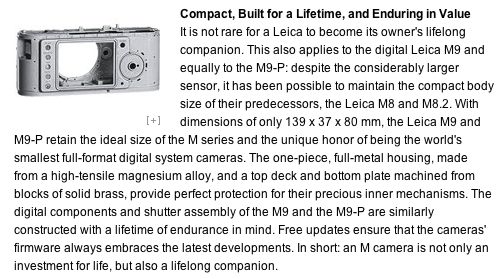
Here’s the latest blurb from the antiquarians at Leica Camera:

Hey, but “Hang on a minute”, you say. I get one of the smallest cameras out there. The factory says so.

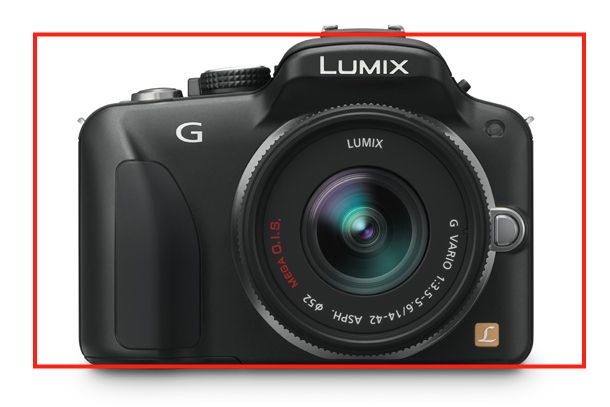
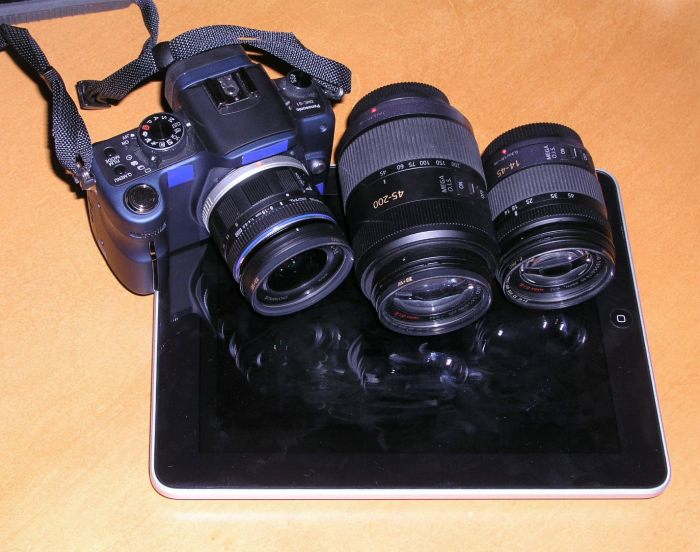
Uh huh. And for a bit less you can get a Panny G3 whose modern sensor will rival the M9’s dated Kodak one (so much for a ‘lifetime camera’), offers auto everything, is super quiet and comes with a great choice of lenses, some even branded (if not made) by Leica. No red dot at those prices, though. But you do get a pro-quality movie mode to compensate. As a point of reference, the red outline of the M9 is superimposed on the G3 body below.

And you can buy 13 of those for the price of one M9P or a mere 11 for the price of one regular M9. That way, when your Panny blows after 50,000 exposures you recycle it and pull the next one out of its box. Better still, get smart, buy one, and upgrade to a G4 in 18 months. It will be even better.

As for logo removal, my roll of black electrician’s tape should last the next five generations in Dr. P’s lineage.

A fool and his money are easily parted.

The cost of gear

Never lower.

Selling off my Canon 5D outfit gave me pause to reflect on the cost of photography gear. While it’s not something I pay much attention to, my ‘investment’ in hardware has, for many years, been less than zero. That is largely attributable to selling off my Leica equipment a few years back, most of it bought before the lunatic increases in second hand values seen in the late 1990s. Most items sold for at least twice what I had paid, some of the older ones for five times my cost. So even after splashing out on my 5D, a bunch of lenses and the HP DJ90 printer, I was well ahead of the game. While I denigrate the collector mentality which saw my Leica gear rise so greatly in value, living free is not so bad either.

My Leica M3. That was then ….

In 1971, when I got serious about street snapping and bought my first Leica, a used M3, a new M4 could be had for some $940, complete with the greatest 50mm lens ever made, the f/2 Summicron. If film is your thing you cannot improve on this combination forty years later. Today a new digital M9 with a similar optic will run you $9,000, or $10,000 with the even more street-suitable 35mm lens. That’s an annual compounded inflation rate of almost 6%. By contrast, the US CPI has an annualized increase of 4.5% over the same period, which makes Leica’s price inflation look reasonable. Stated differently, that M4 + lens, inflated at the US CPI rate, would cost you $5,200 today. Yet, when someone tells you that a modern M9 + lens runs you the price of a good used car you blanch and look elsewhere.

The M9 is a far more capable body than any of its predecessors and for the over-and-above-inflation price increase you get a full frame digital sensor, a ‘motor drive’ as there’s no film to advance, aperture-priority exposure automation, extremely high ISO capability, a thousand shots a roll and instant gratification. All missing from that M4 of yesteryear. That’s a lot of value added for the incremental $4,000 or so over an M4 at today’s prices. And you still get that dumb-as-it-gets removable baseplate.

Yet why do so few serious photographers buy it? The reason is simple. It’s not that the M9, in some abstracted sense, ‘seems’ expensive. It’s that everything else is so much cheaper. And if you take function and flexibility into account, the single-use Leica (street snaps only, please) pales when compared to like priced modern megacomputers in the guise of the big Canons and Nikons. Indeed, for just a few hundred dollars you have a choice of any number of DSLRs from the likes of Nikon, Canon, Pentax, Samsung, Olympus, Sony and Panasonic which will outperform that M9 in every respect – speed, automation, flexibility and so on – while yielding results indistinguishable in quality from the Leica’s to all except those who have shelled out the price of entry for the latter. The Leica has migrated from tool to fetish.

I’m thinking about this as I contemplate what to do with all the excess proceeds from my 5D sales. My little G1 outfit with 9-18, 14-45 and 45-200mm lenses, which ran me all of $1,650, can deliver 13″ x 19″ prints with ease, 18″ x 24″ if I try a little harder. I tried the 20mm f/1.7 pancake and returned this poor optic one day after purchase. It was, arguably, a luxury purchase, meaning I really did not need it, but I had all that cash burning a hole in my pocket, so blowing $400 of it on a toy seemed the thing to do.

Panny lists a 45mm Macro with Leica branding (right, pull the other leg) which helps them justify $800 for the lens. But my macro days are over. Been there, done that.

…. this is now. G1 and friends.

There’s also a tempting Panny fisheye lens which may entice me should I get the hankering to do QTVRs again, but the 9-18mm Oly satisfies my ultrawide needs for now.

On the software front simplification has also been the order of the day. Lightroom and Photoshop CS5 are a powerful team for just about everything I need, absent QTVRs. Panoramas, perspective correction, selective blurring, you name it. Plus LR’s superb cataloging and keywording. So no way to blow some cash there.

And when it comes to heat mounting my big prints, the old Seal press has about a thousand years left on it and the last I checked, they do still make them like that.

I guess I’ll just invest the excess, setting $1100 aside for the Fuji X100. Now that is one piece of gear I very much do not want to have to return for credit.

Meanwhile, there’s nothing to it. I simply have to take my dirt cheap gear and go make some more pictures.

The Leitz close-up gizmo outfit

A new high in strangeness.

For an index of all Leica-related articles click here.

If the 20mm Russar and 400mm Telyt were odd ducks in my lens tool kit over the years, this one takes the biscuit.

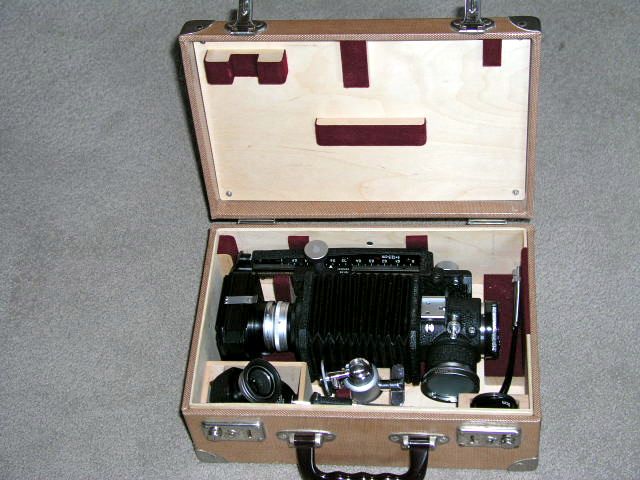
It’s the Leica close-up kit marketed in the 1950s which I owned for many years. I say “owned” rather than “used” because it was much more fun to assemble this collection of hardware and play with it than it was to use.

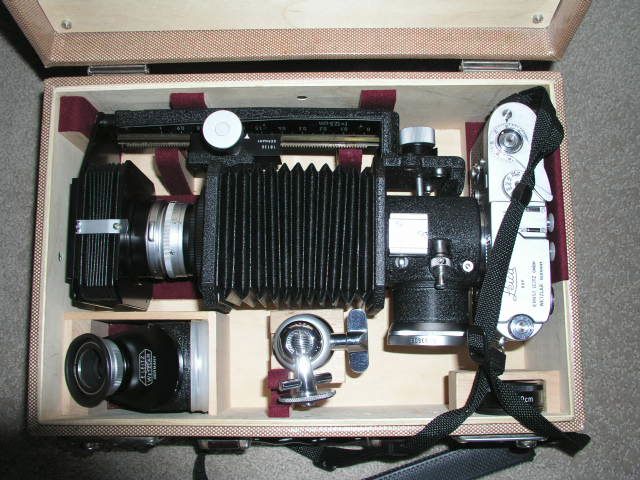
The Leitz close-up kit.

What you see in the neat fitted box is my Leica M2 attached to a Visoflex I mirror housing. The housing is attached to the Leitz Focusing Bellows I fitted with a 135mm f/4.5 Hektor lens head and a compendium lens shade – the latter extendable at will for very effective shielding of the lens. There’s a fine 45 degree right-way-round prism finder lower left. An excellent Leitz ball and socket head is lower center. These are beautifully made and I continue to use a variant on my monopod with the Panasonic G1. Highly recommended if you can track one down on the used market – exceptionally engineered, very secure when tightened owing to the design of the ball and indestructible. Attach a QR plate and you are done.

It’s hard to put into words how beautifully engineered everything in this kit really was. Every component speaks to the very height of the machinist’s art and confirms that Leitz’s quality and finish had only one way to go once the fifties ended. Downhill.

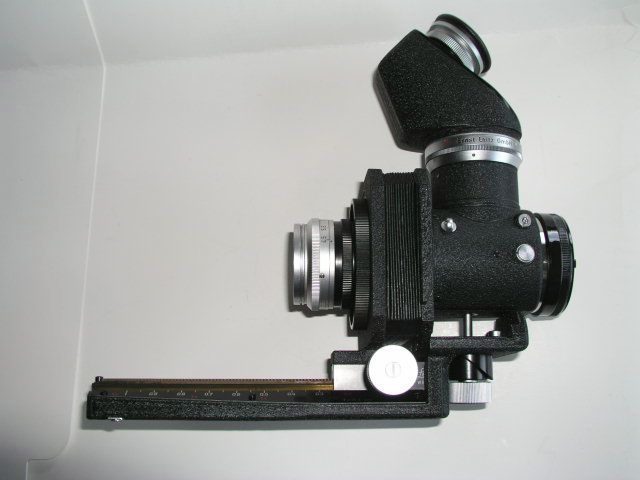
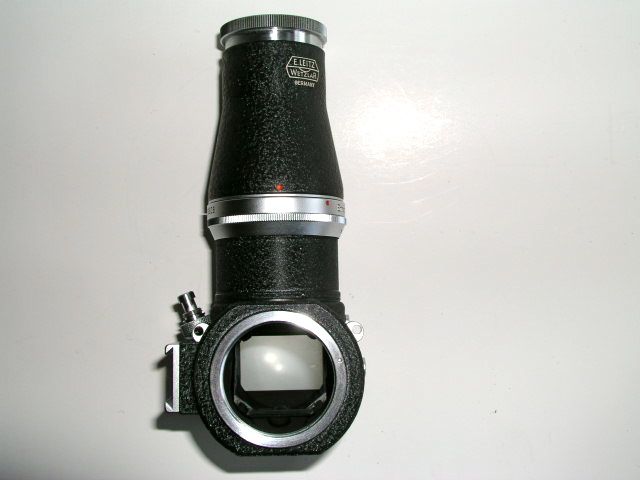
The lens fitted to the assembled Visoflex I and Bellows I

The idea of a continuous focusing range from infinity to life size was not new at that time – large technical cameras with long extension bellows had been doing that trick for ages – but seldom had it been executed as elegantly as here, especially in the 35mm film format.

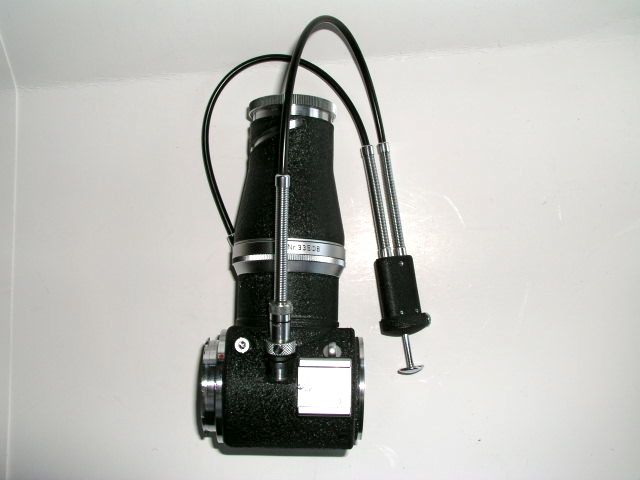
The fitted case also accommodated a dual cable release with adjustable pin lengths. The idea was that the longer pin would raise the flapping mirror in the Visoflex I and further pressure on the plunger would then trip the camera’s shutter. It worked well.

Double cable release attached to the Visoflex I.

Everything was designed just so, right down to the bracing blocks in the lid of the case which made absolutely sure that your precious gear would not flail about in transit.

Truly a fitted case.

A second finder in the kit provided a reverse waist level view and, as you can see, the mirror in the Visoflex I was well oversized, for better function with long lenses.

With the waist level viewfinder in place.

In practice the 45 degree finder was far superior, offering an unreversed image at chest height, and included eyesight adjustment. Perfect.

Focusing, however, was far from perfect. The plain ground glass screen in the Visoflex I had no focusing aids and lacked a fresnel lens, so light drop off to the edges was severe. You simply opened the lens up to its modest f/4.5 maximum aperture (nope,no click stops here) and then racked it back and forth either side of what you though was sharp until it looked as good as you could get it. Then, fingers crossed, you pressed the button or rather you depressed the plunger on the twin release, trying not to forget to stop the lens down first. Of course, as the lens was completely manual things went dark really fast, so that handheld photography was pretty much out of the question. Definition at f/4.5 was iffy and depth of field so shallow that only the very lucky tried to use this apparatus hand held.

The compendium lens hood just went to prove that the engineers and designers at Leitz, Wetzlar had spared no expense. Like everything else in the kit it was beautifully made, slipped into the front of the bellows focusing rack on two chromed rods and clipped neatly to the front of the Hektor lens head in the groove provided.

The compendium lens hood for the Visoflex I.

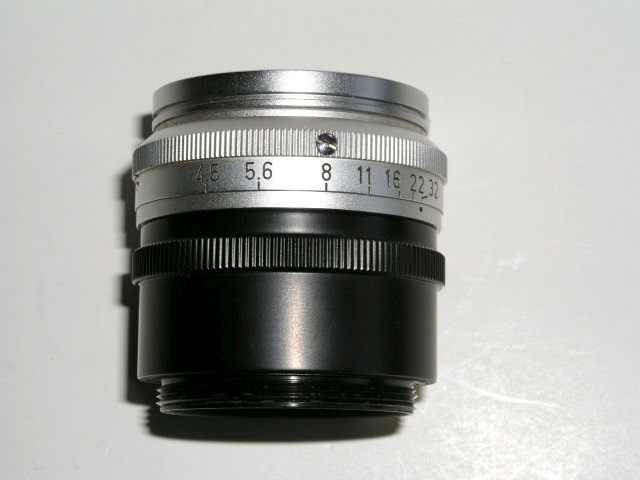
The Hektor lens head was ordinarily sold with a coupled rangefinder focusing mount but for use with this kit the head was detached from the rangefinder mount and inserted into an adapter tube for fitting to the Bellow. Leitz wallowed in an orgy of adapters for seemingly everything in those days and various other lens heads had to use specific types. However only the rare 125mm f/2.5 Hektor and the 135mm Hektor and, later, Elmar and Tele Elmar kens heads would focus to infinity. You could also fit the 200mm and 400mm Telyt heads if you could find a second tripod to support the whole thing. The 135mm Hektor was a decent pre-war four element design and gained anti-reflection coating during the war years, being replaced by the more capable Elmar and, later the even better Tele Elmar which was the last 135mm rangefinder lens Leitz made with a detachable head. The even later 135mm Apo-Telyt-M was strictly for use on a Leica M body, with a fixed head. It was quite superb for its intended purpose, as my copy testified, provided your Leica M’s rangefinder was properly calibrated. Many were not and only the M3 with its nearly life-sized finder could really do the lens justice at full aperture and close focus distances when it came to dead on focusing.

The Hektor lens head fitted to its intermediate collar.

It’s some reflection on how times have changed when this sixty year old gear is compared to a modern full frame DSLR. My Canon 5D fitted with the Canon 100mm f/2.8 EF Macro and a ring flash offers focusing from infinity to life-size in a standard focus mount – no bellows needed! – is auto focus and auto aperture, delivers quality which will knock your socks off, and is easy to use handheld. There’s even a costlier ‘L’ version available with anti-shake technology. As these things go it’s also relatively compact, if not lightweight. None of that could be said of the Leitz outfit but the craven functionality of the Canon gear lacks everything the Leitz hardware possesses in spades. Sheer physical engineering beauty.

I have taken more great pictures with the Canon gear than I can recall but cannot recall having taken one half decent picture with the Leitz outfit – which is why you see none her.

But it sure was nice to look at. I bought and sold mine, after many years of ownership, for a song.

Leitz 400mm f/6.8 Telyt

Another funky lens.

For an index of all Leica-related articles click here.

Templeton sunset. Leicaflex SL, 400mm Telyt f/6.8 with adapter #14127,
1/125, f/6.8, Kodak Gold 100, handheld with shoulder brace.

Continuing the saga of odd lenses, here’s another one I used for years before it gave way to modern automated technology.

This one is at the opposite end of the range to the 20mm Russar profiled the other day and is none other than the magnificent Leitz 400mm f/6.8 Telyt.

Leitz has a long and storied tradition of making great 400mm lenses, starting with the 400mm f/5 Telyt made for the 1936 Olympics – you know, the games where Jesse Owens so disappointed German hopes for white supremacy. Indeed, you can bet there are many images documenting his four gold medals taken on this very lens. The pre-war model was uncoated and once America had recapitalized them on the sound principle that a fat German was safer than a hungry one, the Germans updated it post-war with a new mount and lens coatings to reduce flare. While the lens was fairly special for its time – f/5 at that length was really fast – it used a conventional rotating helicoid to focus and was a handful to use owing to its great weight. Handling was hardly helped by the fact that the Leica screw mount body user had to first fit a mirror box, the Visoflex, to permit focusing and viewing. This device did Rube Goldberg proud. To make matter worse, Leitz also offered a simple mounting tube and an optical viewfinder, though how on earth you focused or, for that matter, composed accurately with that remains a mystery to me.

So Leitz went back to the drawing board and conceived a handy follow focus mount with a trigger. The user held the grip and, on pressing the trigger, could change focus with a trombone sliding action, with fine focus being accomplished with a turn wheel under the thumb.

The focusing device, the Televit, came in Leica M and R mounts for use on the fine Leicaflex cameras and accepted the lens heads from the 200 f/4 and 280 f/4.8 existing lenses plus two new head units designed specially for the Televit.

These were the 400mm and 560 f/5.6 Telyt lens heads, which could only be used with the Televit, unlike the 200mm and 280mm lenses which came with a traditional, and detachable, helicoid focus mount. The Televit was a big improvement in the focusing department but the whole thing still weighed a ton.

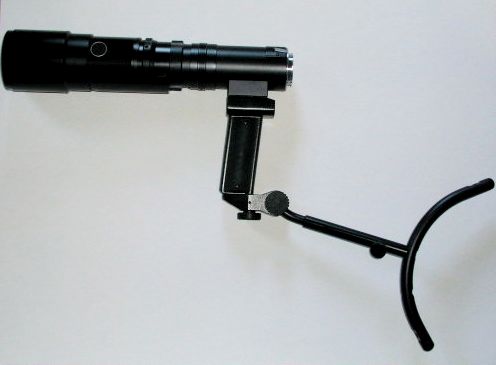
So Leitz tried yet again and, in the 1970s, released their best effort yet, the 400mm and 560mm follow focus Telyts with a modest maximum aperture of f/6.8. These used a simple two element construction and were long focus not telephoto, meaning the 400mm lens really was 400mm (16 inches) long. Like the Televit, the heads for the two optical units were interchangeable and the lens came with a shoulder stock. This was a nice idea but in practice was a pain to assemble, so most dispensed with it. I always preferred a monopod with a QR base with mine and mostly used the lens at f/6.8. Sharpness did not improve on stopping down and you generally wanted to avoid doing that as the aperture control was as rudimentary as on the pre-war f/5 predecessor, meaning click stops with no preset mechanism. Ugh!

I used my 400mm f/6.8 Telyt first on my M2 and M3 with a Visoflex 2 or Visoflex 3 mirror box (much improved versions of the earlier Visoflex 1, but still Goldbergish), then on my Leicaflex SL film body with an adapter where it worked well if slowly – exposure metering was a match-the-needles affair. A nicely balanced outfit. But it really came into its own when the Canon 5D came along and one more adapter ring now allowed use of the lens on a modern high definition full frame body with aperture priority exposure automation.

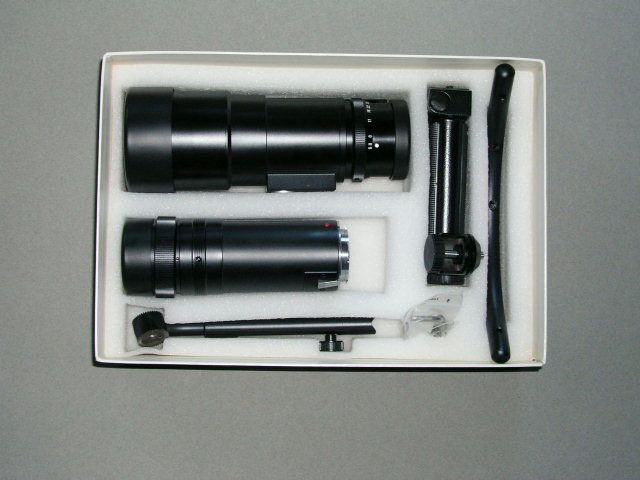
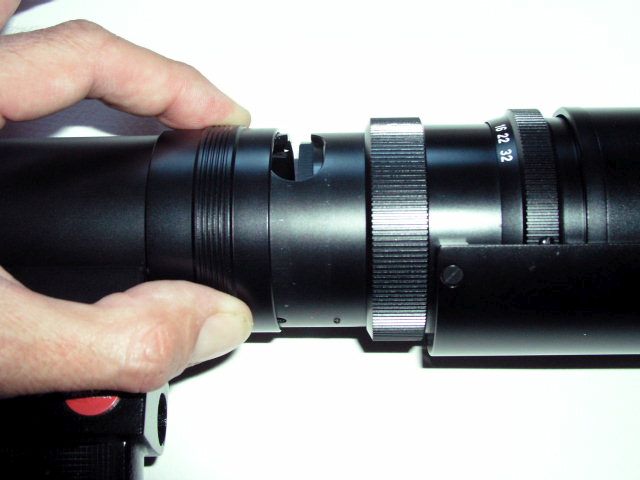
The 400mm f/6.8 Telyt dismantled for transit.

Assembled.

Built-in filter slot.

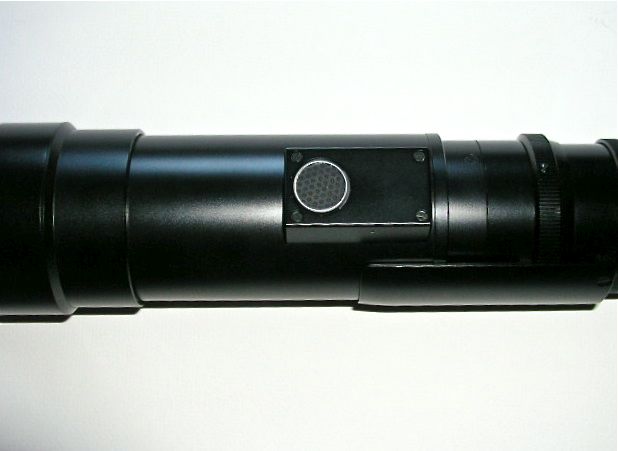
The focus release button for the trombone movement.

When I first bought the lens it had been sitting unused for many years and the grease in the trombone slide had dried out. $80 later it was relubricated and working superbly. You really needed no fine focus control as it was so nicely balanced that achieving fine focus just using the sliding motion was easy. This was probably as good as traditional manual focus technology every got with a lens of this length. They can be found for a song on the used market; just prepare to have yours relubricated before use.

As you can see the lens was no slouch:

Egrets off Highway 1, California. Canon 5D, 400mm f/6.8 Telyt with #14127 Leica-M to Leica-R
and Leica-R to Canon EOS adapters, 1/125, f/11, ISO 200, monopod.

The Telyt was sold (as it was in mint condition it went to a collector, needless to add – what a waste) and replaced with the Canon 400mm f/5.6 ‘L’ which is superior in every way – sharper, auto aperture, superb autofocus. Technology had moved on and it’s the reason you will never see a pro using a Leica at a soccer game – they still do not make autofocus long lenses to this day, and without autofocus you cannot compete. That Canon lens has, in turn, been largely superseded by the magical Panasonic 45-200 (90-400mm FFE) which offers 400mm equivalent length at the long end at f/5.6 and – here’s the magical bit – fits in your jacket pocket and weighs under one pound. And did I mention that it includes anti-shake technology?