A pure delight.
A couple of years back I wrote of how I use iCal to track warranties, so what would appear on my pop-up list of reminders today but the fact that I have now completed one year with the Panasonic G1.
And what a year it’s been.
The G1 was intended to be a replacement as a street snapper for my Panasonic LX1 to which I had glued an external optical viewfinder to speed framing. The LX1 is a handy and small number but its shutter lag is so-so and the ergonomics are compromised by the small size. Further, with a very small sensor, image quality tends to suffer as you enlarge the finished image. But it remains a handy traveling companion in the car’s glovebox at all times.
Until the G1 came along there really was no adequate replacement for my collection of Leica M2 and M3 street snappers, sold a few years back to procure funds for the Canon 5D and its range of fine lenses. The Canon’s image quality left the Leicas in the dust but no one could accuse the large and loud 5D of being a street snapper unless you are of the persuasion that has it that a gun is a better negotiating instrument than a quill pen.
Here, finally, was a small, unobtrusive, quiet and fast camera with a high quality kit lens which suffices for most situations encountered by the street maven. Sure, the maximum aperture is pedestrian but throw in a very capable anti-shake system and you gain two stops of speed if not of narrow depth of field. Indeed, I have not been particularly excited about adding the 20mm f/1.7 Panasonic lens owing to its lack of the one thing street photography really benefits from and that’s anti-shake technology. The 20mm focal length of that lens is certainly in the sweet spot – most of my street snaps are taken in the 14-20mm range – but it simply does not add enough and takes away the very handy zoom range of the kit lens which, at 28-90mm in full frame terms is about as perfect a traveling lens as one could wish.
And while I have added the Panasonic 45-200 zoom, which is superb in every way, it’s that jewel of a kit lens is what you find on my G1 99% of the time. Fast focusing, as sharp fully open as stopped down, small and with decent flare resistance, it answers most of this photographer’s prayers. I keep a UV filter on for protection and refuse to use the ridiculous, gargantuan lens hood.
The G1 has been discontinued in favor of the G2 with a 14-42mm kit lens and a movie mode has been added. Neither change means anything to me so the G1 and I remain happy campers.
The only alternative out there for my purposes is the underwhelming and ridiculously overpriced Leica X1 which seeks to trade on the Leica name and the fabulous
ergonomic shape of the Leica M’s body. Sure, the 40mm equivalent fixed focal length lens is ideal (though why on earth you have to wait for it to extend when you switch on the camera beats me – Leica should have used a fixed mount lens), and the APS-C sensor sounds nice though from what I have seen it only improves on the G1’s smaller sensor above 800 ISO. In addition, reports suggest the focus is slow, the shutter lag high and, of course, there’s no credible viewfinder for street work. No, I do not regard an LCD screen, invisible in daylight, as an alternative to a proper viewfinder. And that’s all you get for $2,000 …. are you kidding me?
In the past year I have taken just over 6,000 street snaps with the G1 and have had no reliability issues. Once I had set all the myriad variables to my preferred working method – 320 ISO, aperture priority, single shot, etc. – I simply forgot about all the arcane options and programmed just two Custom settings – one for 320 ISO and the other for 800 ISO for poor light. Then all that remains is to hit the streets and bang away.
Complaints? Well, the zoom collar on the kit lens continues to feel as if someone had buried the optic in the sand at Brighton Beach (NY or Sussex – the sand is much the same either side of the pond) unlike that on the 45-200 which is butter smooth. It grates (!) compared with the overall jewel-like precision of the camera. The electronic viewfinder burns out highlights on sunny days all to easily making pre-visualisation a tad tricky at times but it’s not that big a deal. The final image is, of course, unaffected and the trade-off is the brightness of the image in poor light or in interiors, which is outstanding. Once or twice after changing lenses I have received an error message, fixed by simply giving the lens a bit of a tweak on the camera. And that’s about it. I have no complaints about the silly overload of menu choices as I have simply saved my preferred ones to the Custom choice on the top dial. Panny got it pretty much right first time and all that remains is to wait for the GF2 with no prism hump (not needed in an EVF SLR in any case) and an even smaller Leica-looking body. Nirvana.
If the G1 fails or is stolen or damaged, I console myself with the thought that I can go through a dozen and a half of these and still have change left compared to what that Leica M9 would have run me and, unlike the well heeled owner of that piece of jewelry, my fear quotient when it comes to loss or damage is zero. Plus I don’t have to pause to focus manually through a 70 year old, antiquated rangefinder with a viewfinder which offers at best an approximation of the finished image. Finally, this is a street snapper – you are not going to use it for 40″ x 30″ pin sharp landscape prints. I use the Canon 5D for those.
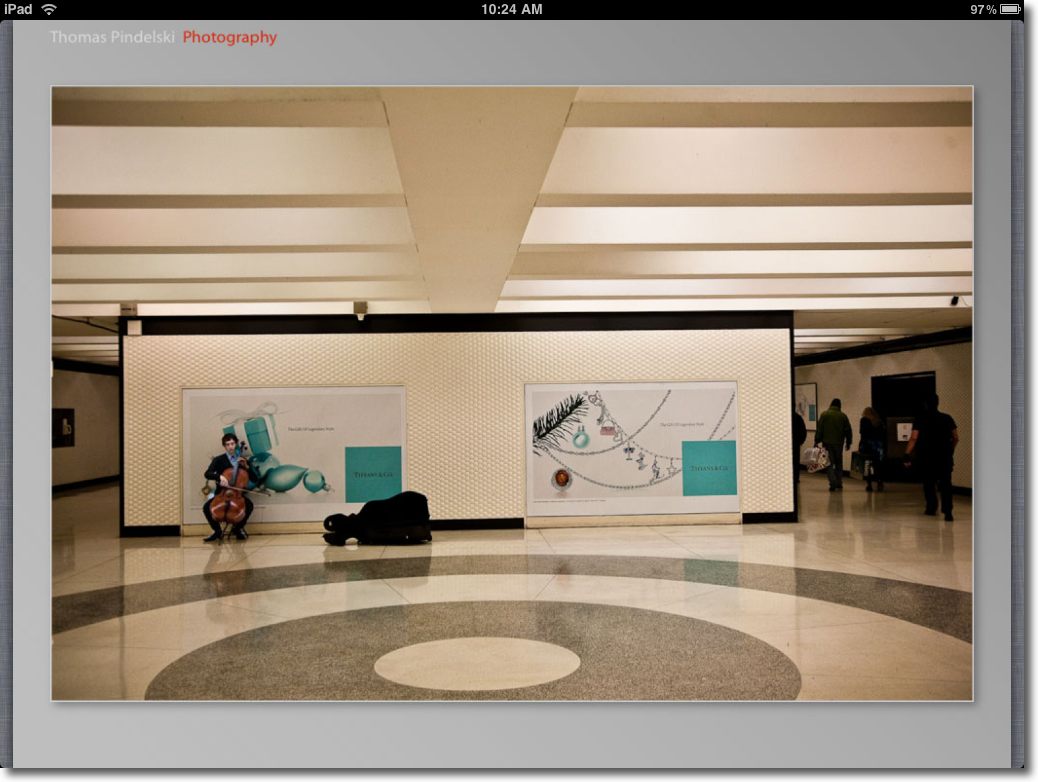
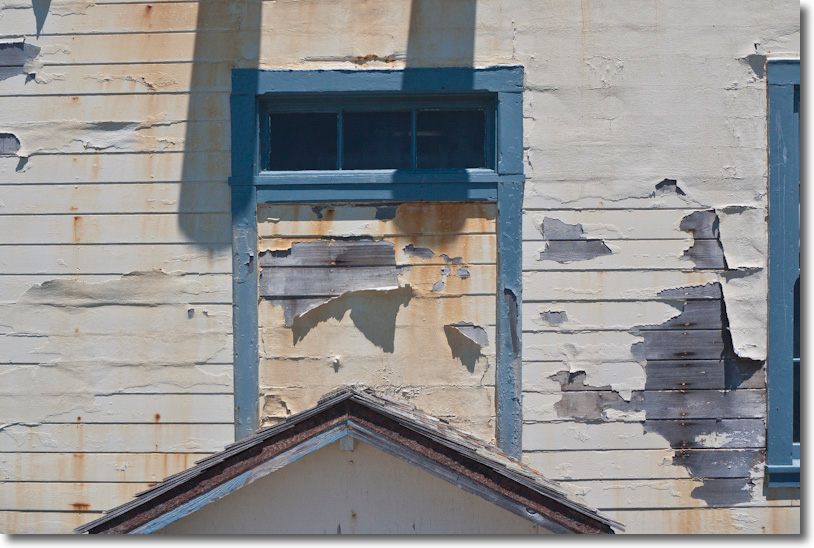
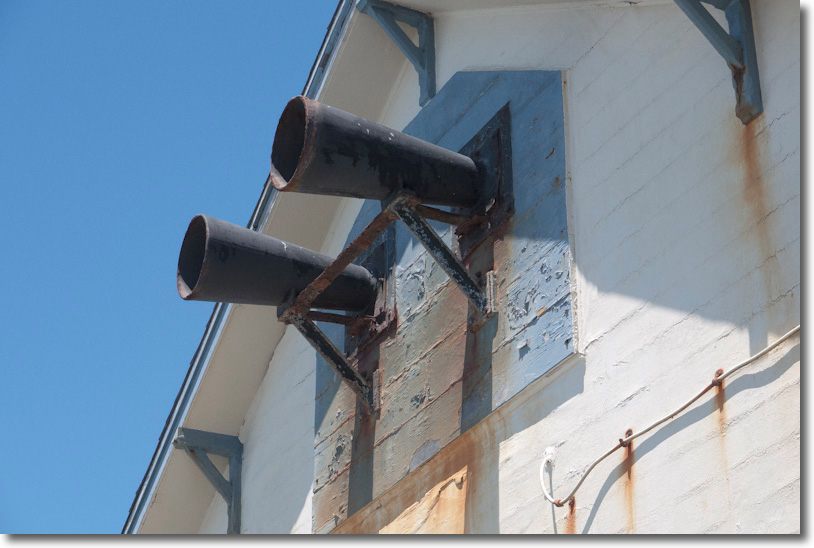
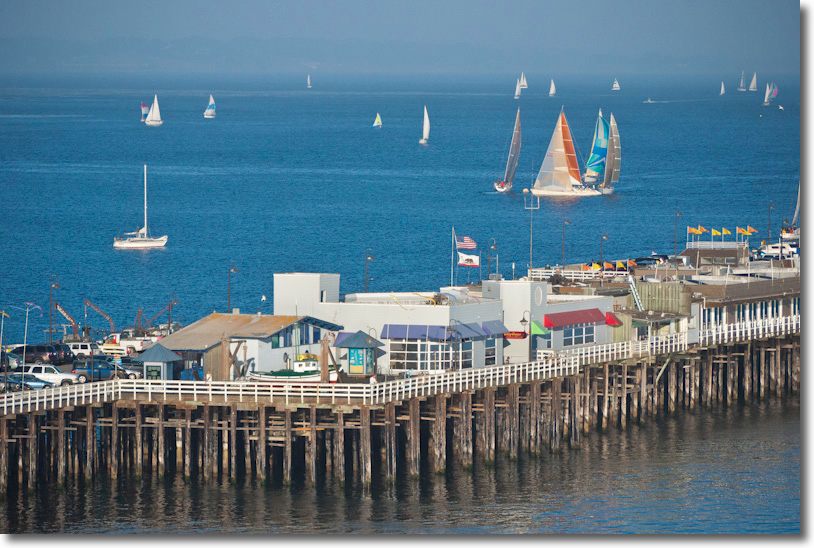
So, without further ado, just click the picture below to see a couple of dozen snaps from my past year with the G1 which has, quite simply, revitalized my street photography.

Click the picture for more.
To see more from the Panasonic G1 go to my Photoblog, which is named Snap!, believe it or not.