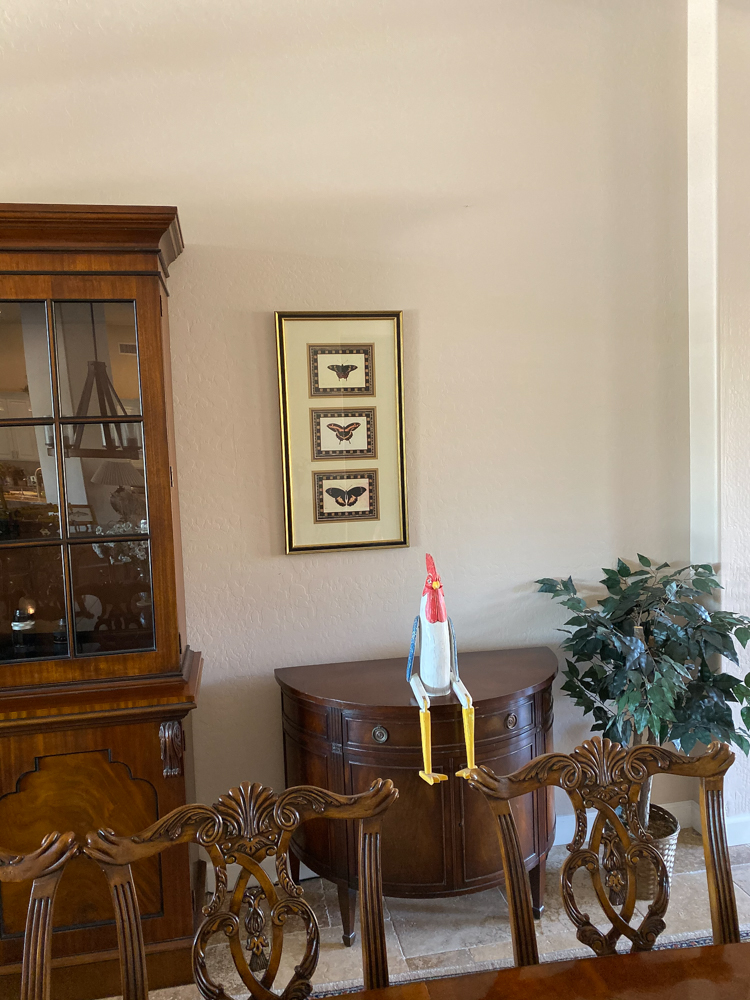
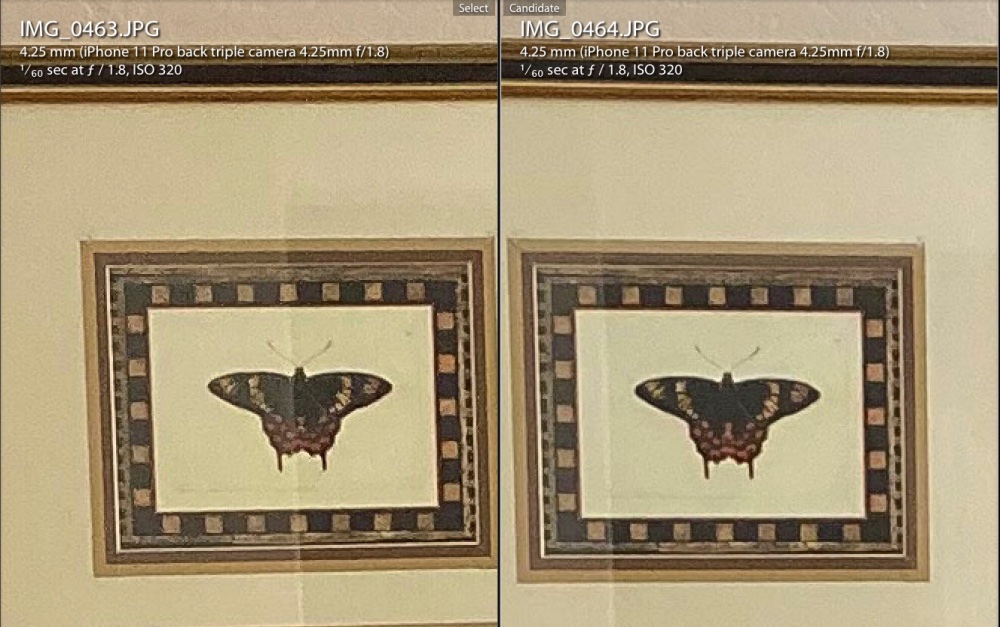
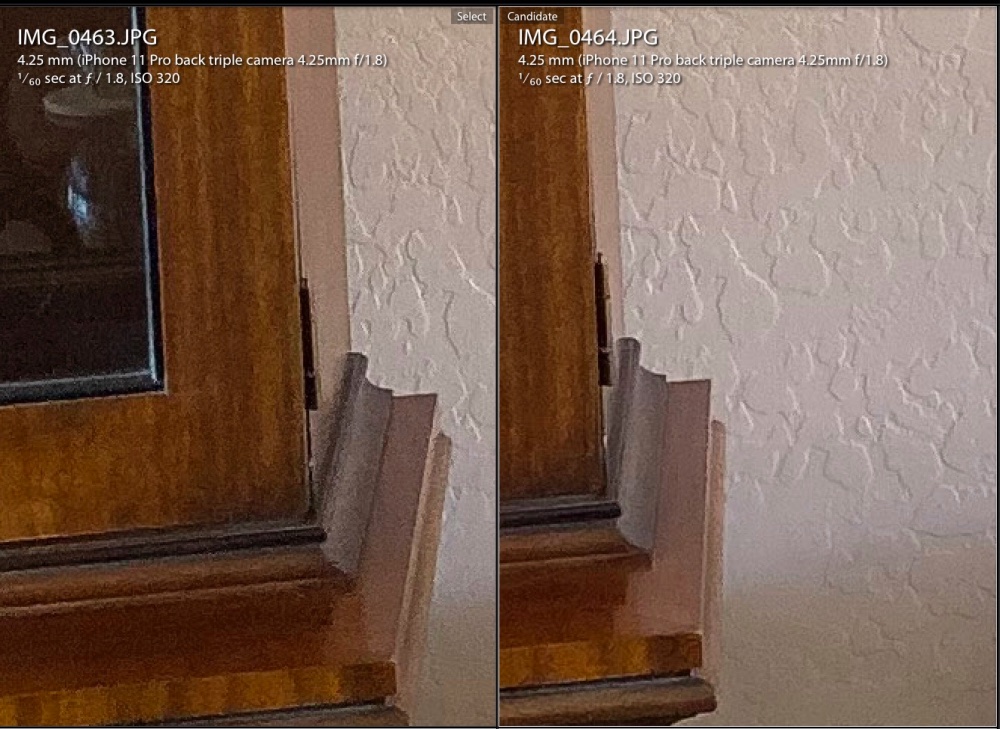
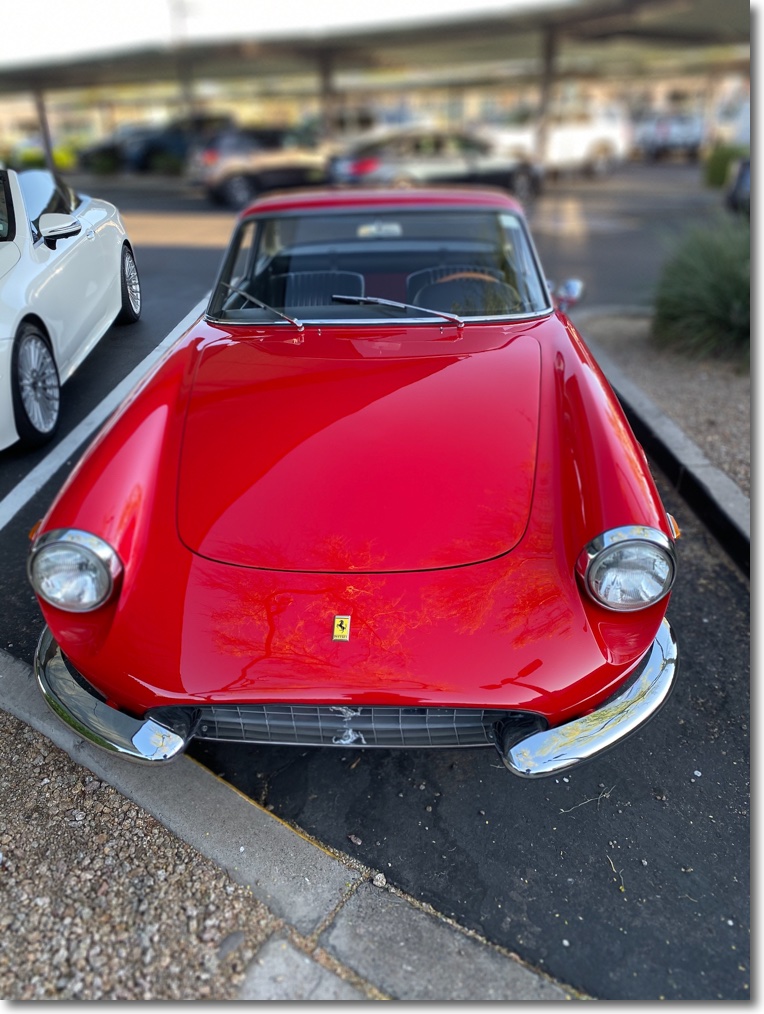
The iPhone 11 Pro

Profound implications for camera makers.

Click here for an index of all iPhone articles.


Ugly as sin – Steve must be spinning in his grave.

Yes, the price of the new iPhone 11Pro, just introduced, is high. Yes, the ergonomics are as awful as they were with iPhone 1 back in 2007. The on/off switch remains opposite the shutter button, making sure you turn off the camera when you most need it. And yes, the absence of a proper viewfinder in bright light makes framing a hit-or-miss proposition. And yes, the device is sprouting ugly faster than the pig in the Oval Office, with its three clunky lenses and increasingly confusing menu structure.

But take a moment to read the specifications and compare them with your advanced MFT or FF camera:

And don’t forget the always on GPS so you always know where your snap was taken. And the cell phone. And the internet. And email. And Messaging. And Google Maps. And all those stupid games. Your camera does none of those.

When I started with MFT one of the primary appeals was that you could get close to FF quality without FF bulk. This was especially true when it came to the size of lenses, something which has always made a nonsense of the ‘in between’ APS-C interchangeable lens format whose lenses are scarcely smaller than their FF counterparts. I transitioned to MFT with the superb Panasonic G1 a decade ago. As a replacement for the film Leica M it was a street snapper’s dream. Better definition, finer grain, lots of images on one card, great lens range and size and bulk comparable to the exemplar of film rangefinder cameras. Later upgrades saw the Panasonic G3 replace the G1 and finally the GX7 which is the ultimate Leica M replacement, with its truly silent electronic shutter and Leica M form factor.

But now the iPhone, with its multiple lenses covering most of what a photographer needs – wide, standard, modest telephoto – looks set to obsolete the MFT system in a much smaller package. FF? At the high end for sports snappers and journalists needing ‘street cred’ (who is going to take you seriously if the iPhone is your camera of choice?) it’s likely to survive, albeit with a minuscule and falling market share.

Price of the new iPhone 11? $1,000 with 64gB, which compares with $600 for iPhone 1 in July, 2007, with its crappy 2mp camera. Inflate that at 4% annually and you get $960 and the new iPhone has a larger, better screen, eight times the memory and is several orders of magnitude faster. So while $1,000 sounds like a lot, I prefer to think that $600 back on 2007 was really expensive. I know. I bought one.

Robert Frank is dead

The passing of an angry man.


Since first encountering his work as a teenager, I have always thought it must have been awful to be Robert Frank. I mean, how could anyone go through life so angry with so much contempt for the country which opened its arms to him? He was free to leave, after all. All he saw in America was the bad, the way those who chose not to compete and improve themselves were self-imposed failures. That’s not the America that this penniless immigrant (actually, less than penniless, as I borrowed $4,000 from my US employer on arrival) found in 1977. And what I found was a nation with abundant optimism and opportunities galore for those who cared to sign the front of a check, not the back. For those who put their hands to work rather than parading with them outstretched, palm up, America was paradise.

I wrote about Frank’s work a long time ago here and yes, while you should have his book ‘The Americans’ on your shelf, its content should be viewed with considerable skepticism.

Frank just died and the New York Times, predictably, eulogized him.

The Young Girls of Rochefort

Eye candy.

Jacques Démy followed up his unique movie of 1964 The Umbrellas of Cherbourg with the no less enjoyable The Young Girls of Rochefort in 1967.

Where the earlier musical is deeply dramatic under its layer of song, the later one is about nothing else but joy. Joy in performance, joy in dance, joy in color and, most especially, joy in two of the most beautiful French women ever given us by the silver screen.

Those two women are, again, Catherine Deneuve, and her biological sister François Dorléac, who tragically died just a couple of years later in a car crash at an unfairly young 25. Where Deneuve is all cool, remote beauty, Dorléac is warmth and charm and that indefinable something found only in the French.

Here are some images from this very special piece of eye candy, from a magnificent BluRay restoration by Criterion:


Dorléac is simply gorgeous.


George Chakiris of West Side Story fame and Michel Piccoli are the male leads.


At 45 minutes something magical happens. Gene Kelly joins the cast.


Pastel colors throughout jump off the screen.


It does not get better than this.


The dance scenes in the square are the most complex I have seen.


The sisters put on a couple of drop dead performances.


Renoir, anyone?


Dorléac’s pleated dress is to die for.


As Dorléac tracks down Kelly who has found her lost music score,
Michel Legrand delivers a stunning piano concerto to complete the scene.


A dream couple, and Kelly still very much has it.


The finale. Everyone dances in the movie.


If Hollywood can claim to do one thing better than any other it’s the musical. Démy takes on the best and proves that he is fully up to the challenge.

There is no English version available, though it was allegedly made at the same time. French is all you need or want.