Lewis Hine and the Empire State

Images for the ages.

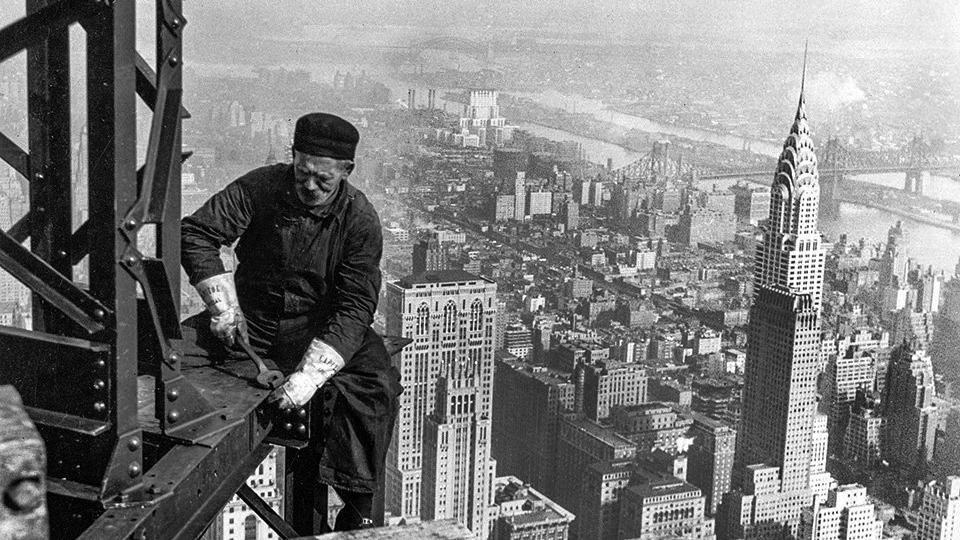
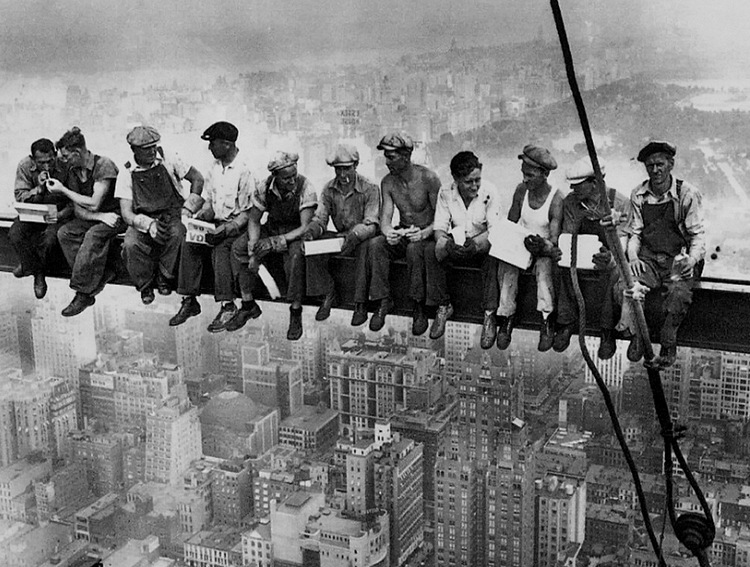
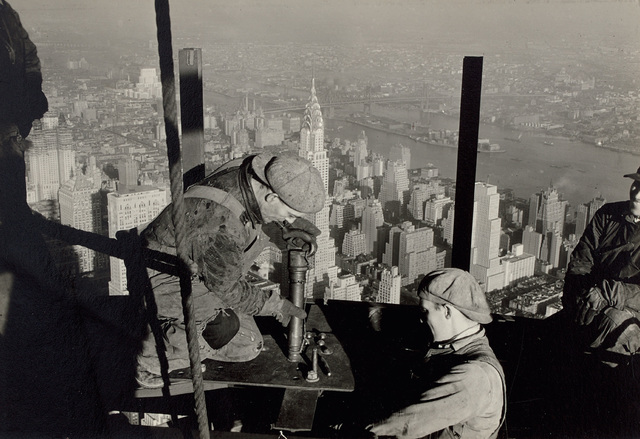
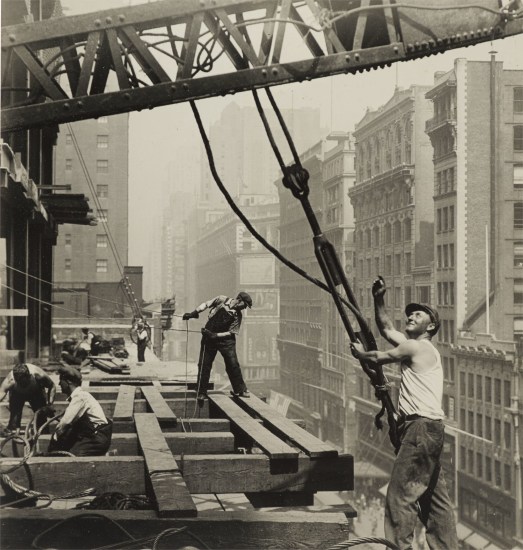
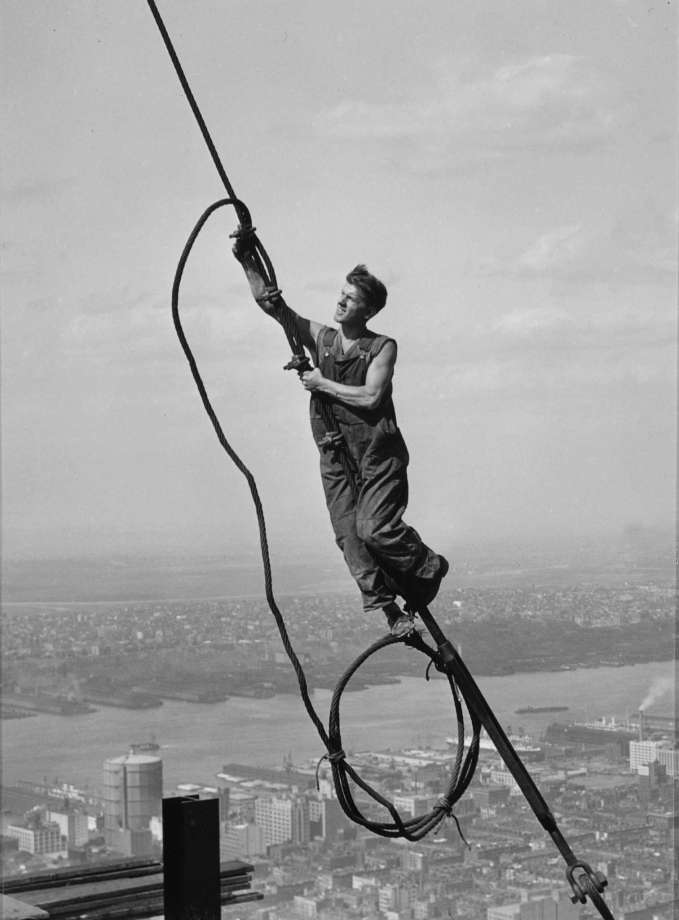
While Lewis Hine is known as perhaps the greatest social conscience photographer of the past century, he was also there with his camera when the Empire State building was being built.

Every statistic about this skyscraper is nothing less than breathtaking.

Started a couple of days after the Black Tuesday stock market crash in 1929, it would be the world’s tallest building. Actual construction started on March 17, 1930 as the Great Depression was starting to rage. It was completed on April 11, 1931, with opening a few days later. Read that again. 102 floors in the center of Manhattan built in just 13 months in an era when the blue collar man was grateful for a job rather than for a handout. The site is that of the old Waldorf Astoria hotel which relocated uptown to Park Avenue, and Lewis Hine was there to record the construction process with unforgettable photographs.
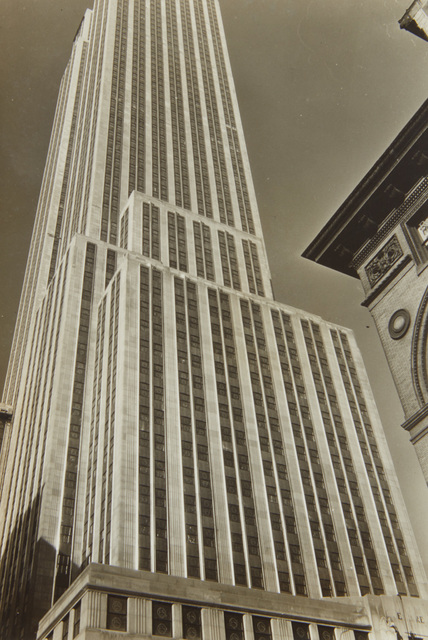
When you visit it – and you should – do what I do when entering this Art Deco masterpiece. Get on your hands and knees on the green marbled floor of the lobby and run the tips of your fingers over the brass inlay strips separating the marble slabs. Perfection.

Arguably three key technologies made this building possible – structural steel (Andrew Carnegie, Henry Clay Frick and Bethlehem Steel), electric elevators (Elisha Otis) and air conditioning (Willis Carrier). This was an era when American companies used American resources and American immigrants to craft great things.

Everything about the Empire State building is nothing less than breathtaking but most breathtaking of all is its stunning beauty.
Modern and good

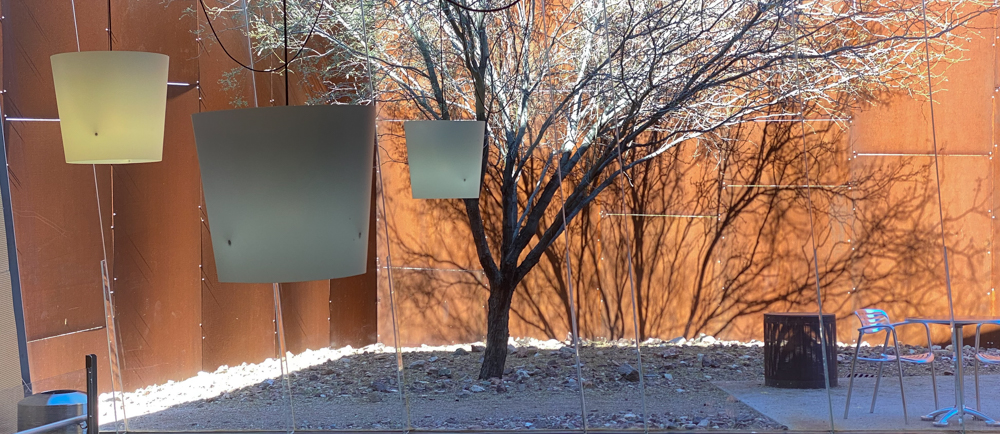
Rust works.


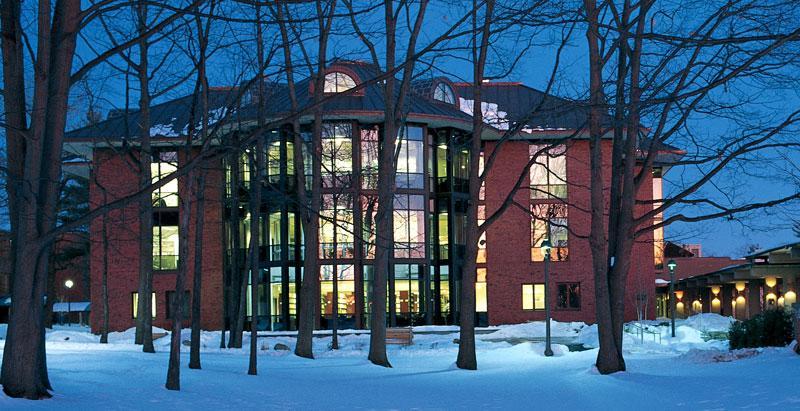
A view from inside the local library which is one of those ultra modern constructions with nary a right angle in sight. The exterior walls are in steel which has rusted to a light brown and works well in the sun here.

iPhone 11 Pro.

Another occasion

This is as good as life gets.


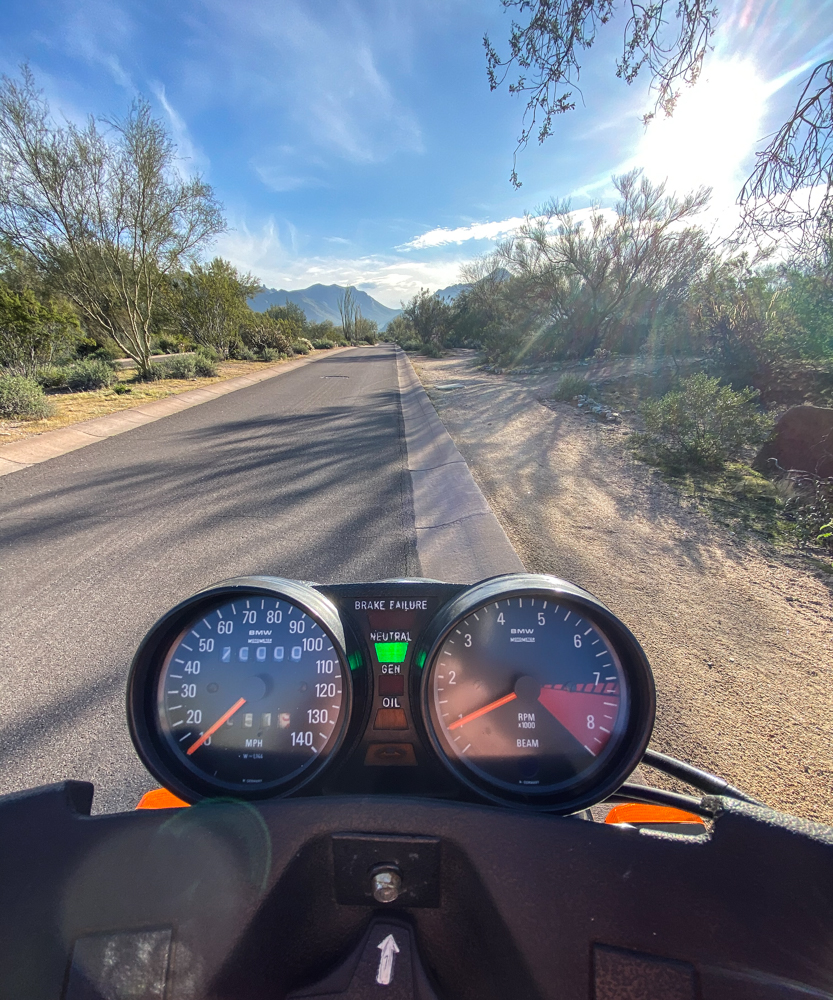
The two costliest repairs I have suffered on my 1975 BMW R90/6 ‘airhead’ have been replacement of stripped nylon gears in the totally mechanical instruments – the drive is by gear and cables. Some genius in Munich decided a nylon gear beats the 2 cents costlier brass alternative used through 1969, and both stripped. He was probably British, and formerly worked on Triumphs. The tach gave out at 60,676 and the speedo joined it in sympathy at 61,724. If the needle goes crazy, the gear is stripped. If it just jerks about then a new cable is called for, the Teflon liner being worn out. The last thing you want in that cable is lubricant, which will only hasten its demise.

The work was done by Palo Alto Speedometer – unreservedly recommended. I used to use them on my old MB’s instruments also – but at $300 a pop they are not cheap.

A properly tuned air cooled BMW boxer twin is happiest at 4,000-5,000 rpm. Many owners ride these at far lower revs, constraining proper oiling and doing awful things to the crankshaft. It does well to remember that Germans only understand one thing – a strong hand at the tiller. Subtlety has no part in their make up. And, by the way, not only is the tach needle as stable as can be, given the early Industrial Revolution technology, the speedometer is also dead accurate.

iPhone 11 Pro, UWA optic.

The joy of 18

My son is a man.

Winston turns 18 today and, as luck would have it, received an offer from his college of choice last night. There could be no finer birthday gift.


Winston’s home for the next four years.

All you need to know about the college is that it enjoys the same weather as his prep school (snow!) and is in the most perfect setting imaginable.

Back to the future

Minolta pointed the way.

Given that they have yet to have an idea not stolen from someone else – meanly mostly from Apple – I spend little time in reading about anything from Samsung.

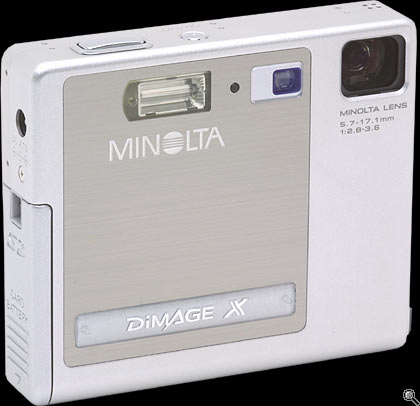
But their most recent theft is surprising only for how long it took them to think of it, for their latest ‘high-end’ phone (there’s an oxymoron for you) steals from a 2002 inspired design by Minolta in its 2mp Dimage digital point and shoot.


The elegant Minolta Dimage of 2002.

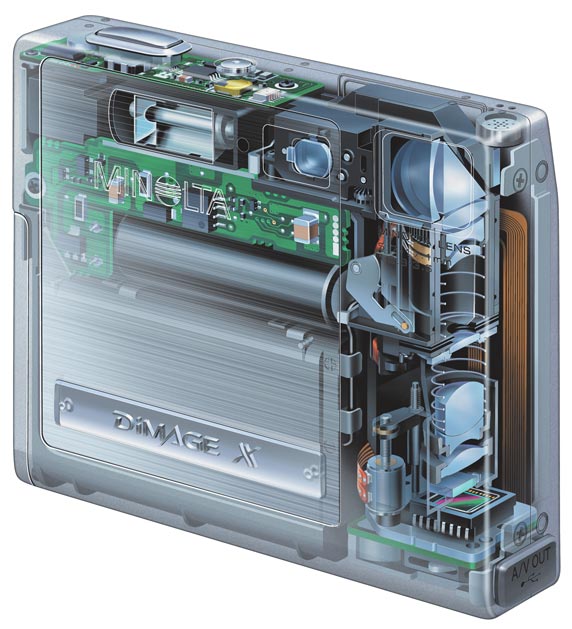
This elegant design had one truly original feature, in addition to its neat packaging in that small square case. It used a periscope optical zoom, vertically oriented inside the case, with light rays deflected through the associated right angle with a mirrored prism. This allowed the incorporation of an otherwise lengthy optical path within the tight confines of the body, a small 3.3″ x 2.8″ x 0.8″. For comparison, my iPhone 11 Pro in its case measures 5.5″ x 3″ x 0.5″.

This cutaway view shows how it worked:


Illustration of the ‘folded’ optical path.

We can expect to see this sort of thing in a future iPhone as modern technology has made things even smaller 18 years after Minolta’s inspired design. Optical zooms beat digital zooms as there’s no pixel degredation as magnifications increase.

Now if there’s a criticism to be leveled at the iPhone 11 Pro – in addition to its poor ergonomics – it’s that there’s no lens at the long end. Sure, there’s a 10x digital zoom, but you can do that just as easily in Lightroom, with all the attendant issues. So you are stuck with ultrawide, very wide and normal, call it 12mm, 24mm and 50mm FFE, all superb but none of them long.

So if Apple can add one of those ‘periscope’ optical zooms and make the 50mm a 50-200mm optic, well, that’s going to be all she wrote for the few remaining sales of silly-priced and even sillier-sized DSLRs.