Category Archives: iPhone

A smartphone with a decent camera

Focos depth masks

A closer look at a useful app.

I made mention of the inexpensive Focos app as part of my preliminary look at the new iPhone 11 Pro.

Since then I have done more reading and learning and set forth below how to use manual masking to optimise out of focus areas.

I mistakenly stated that Focos used the depth map which iPhone 11 saves with the image. In fact iPhone 11 only saves such a depth map – a detailed database showing the distance of each pixel in the image from the lens – with images taken using the Portrait mode. In Portrait mode the iPhone 11 switches to the 2x lens and, indeed, the extent of the blurring of out of focus areas can be changed in the iPhone stock Photos app. Go into edit mode, tap the yellow concentric circle at top left and you can adjust the aperture and hence the OOF effect.

Yet Focos allows DOF manipulation even on images taken on pre-iPhone X models, the first iPhone with a depth sensor. That sensor is also used as part of the FaceID security access protection system for the device.

How does Focos do this? It uses Artificial Intelligence to guesstimate the distance of image points from the lens, such AI based on analysis of over one million images, according to the developer. This allows the photographer to not only change the degree of blurring in post processing, but also to change the exact point of sharpest focus, something that cannot be done in iPhone X and 11 Portrait mode images, or in any other image from those iPhones in post-processing.

Mostly, for solid components in the picture, Focos does a good job at establishing its own depth map based on this AI approach. But sometimes it’s not so good.

Take this image:


Original iPhone 11 image, no Portrait mode.

Passing this through Focos keeps the jacket and embossed stitching razor sharp, but the hair is not sharply rendered.

In such cases, Focos has a manual facility where the depth map and the sharp area can be changed.

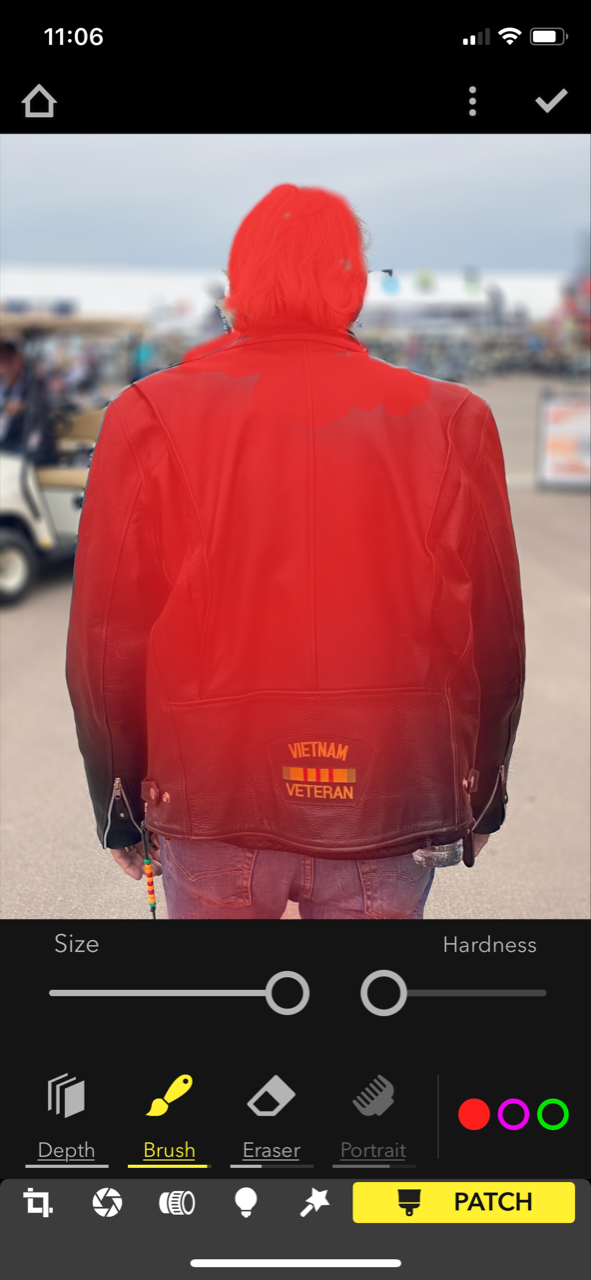
The default depth map (red areas) for this image has been extended to add the back of the veteran’s head, originally not shaded in red:


The sharp area mask has been extended in Focos on the iPhone.

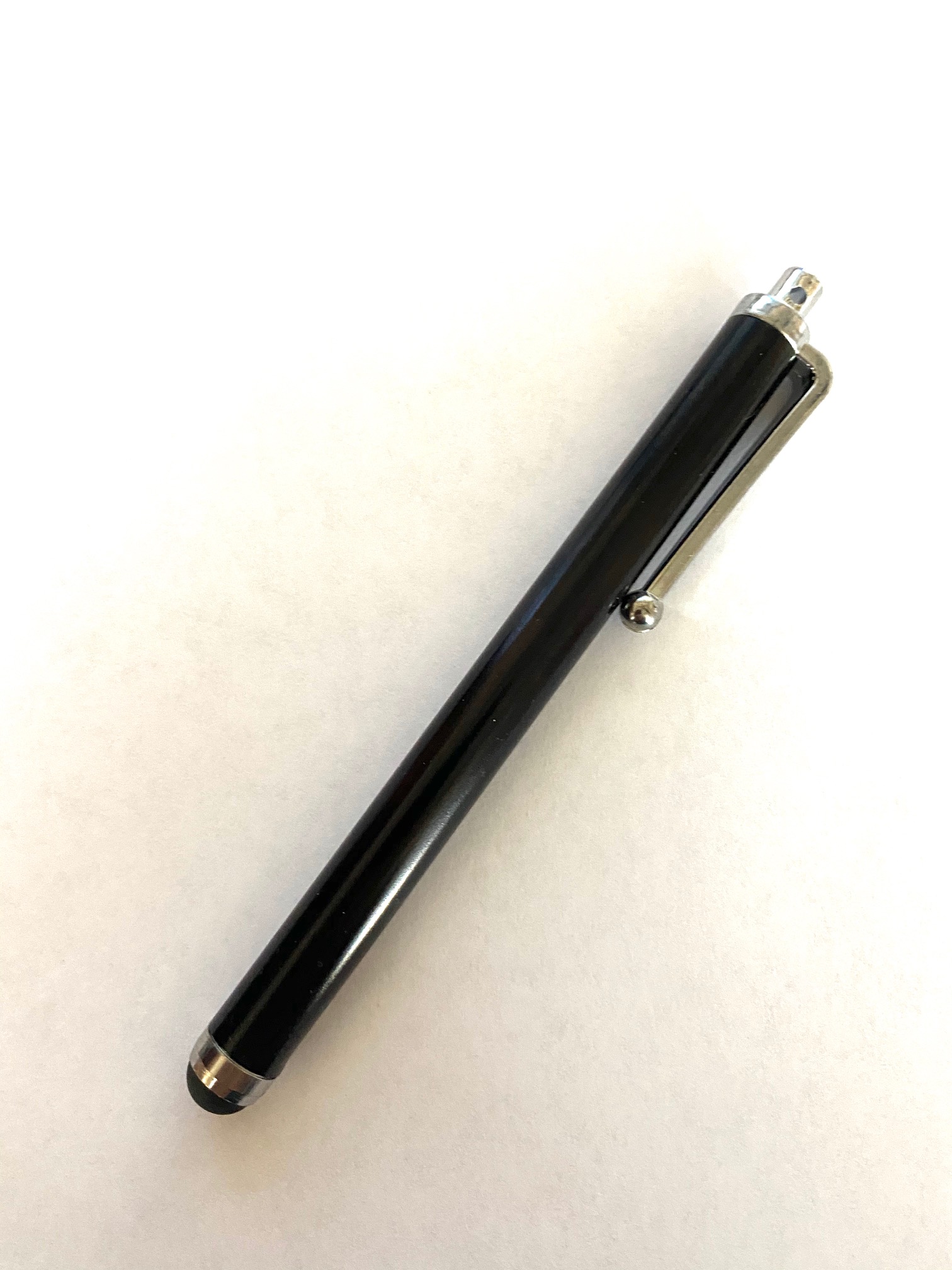
Rather than using an imprecise finger to mask the sharp area, I use an inexpensive electrostatic pen, something like this:


Pen used for masking.

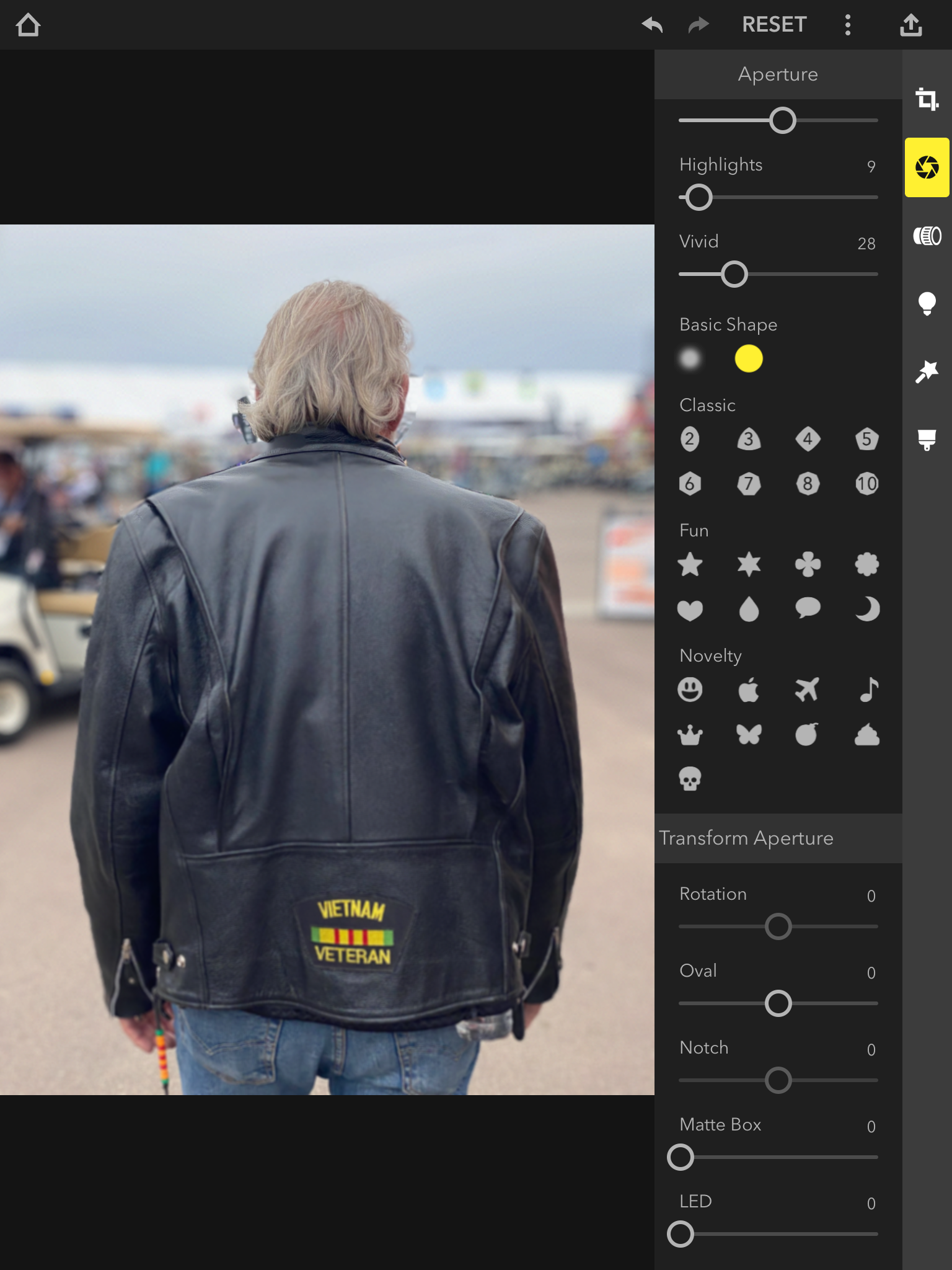
Further, while the image can be enlarged on the iPhone for greater masking precision, it’s far easier to do this on the larger iPad screen, so I use AirDrop to export the image to Photos on the iPad, and have at it there. The aperture/OOF effect are adjusted in this screen:


Adjusting the degree of blur on the iPad.

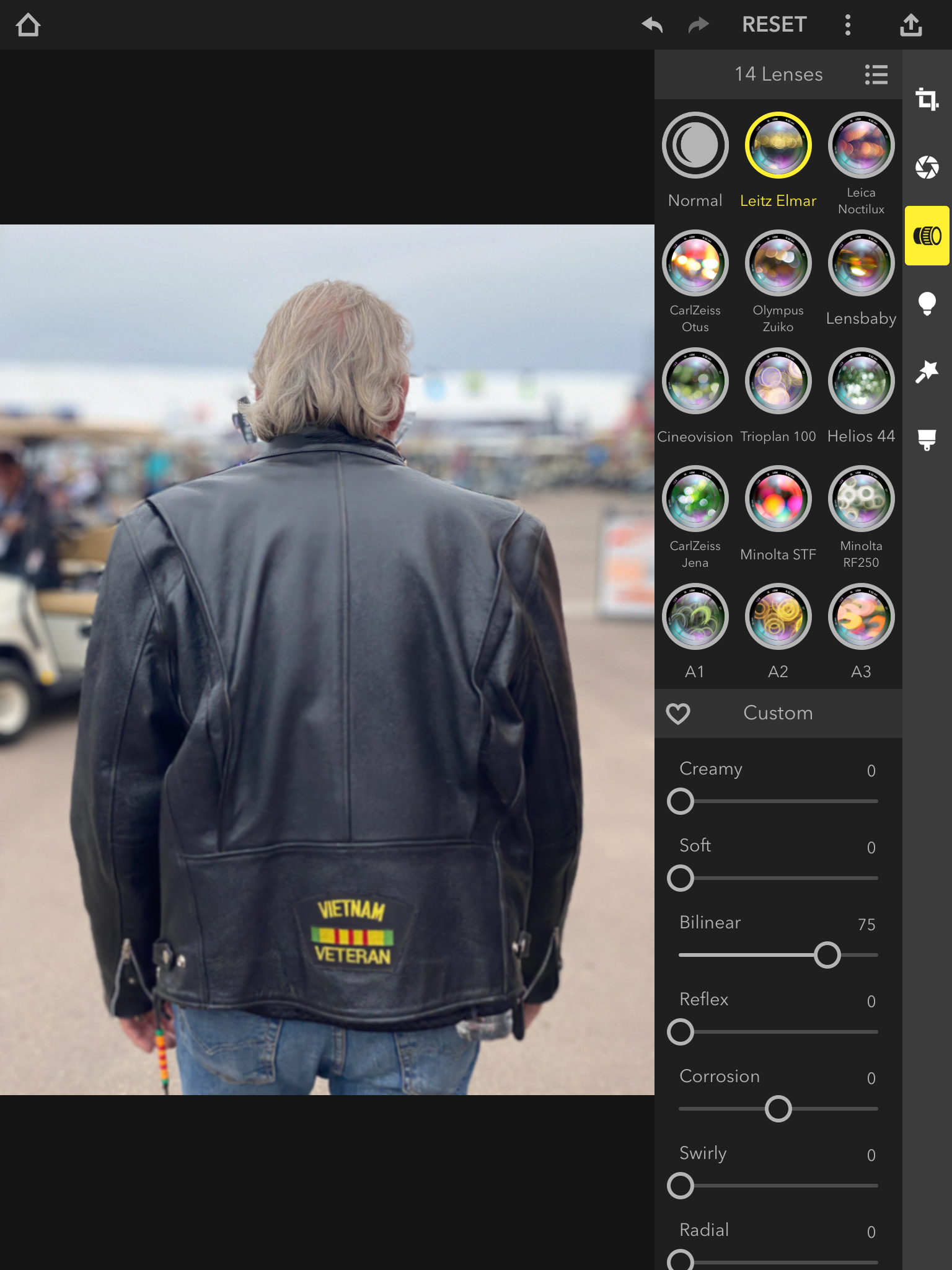
Then the blur appearance is modified using your lens of choice. I invariably use the Leitz 50mm Elmar as I like the benign bokeh it delivers – and because I used one for years:


Lens choices, shown on the iPad.

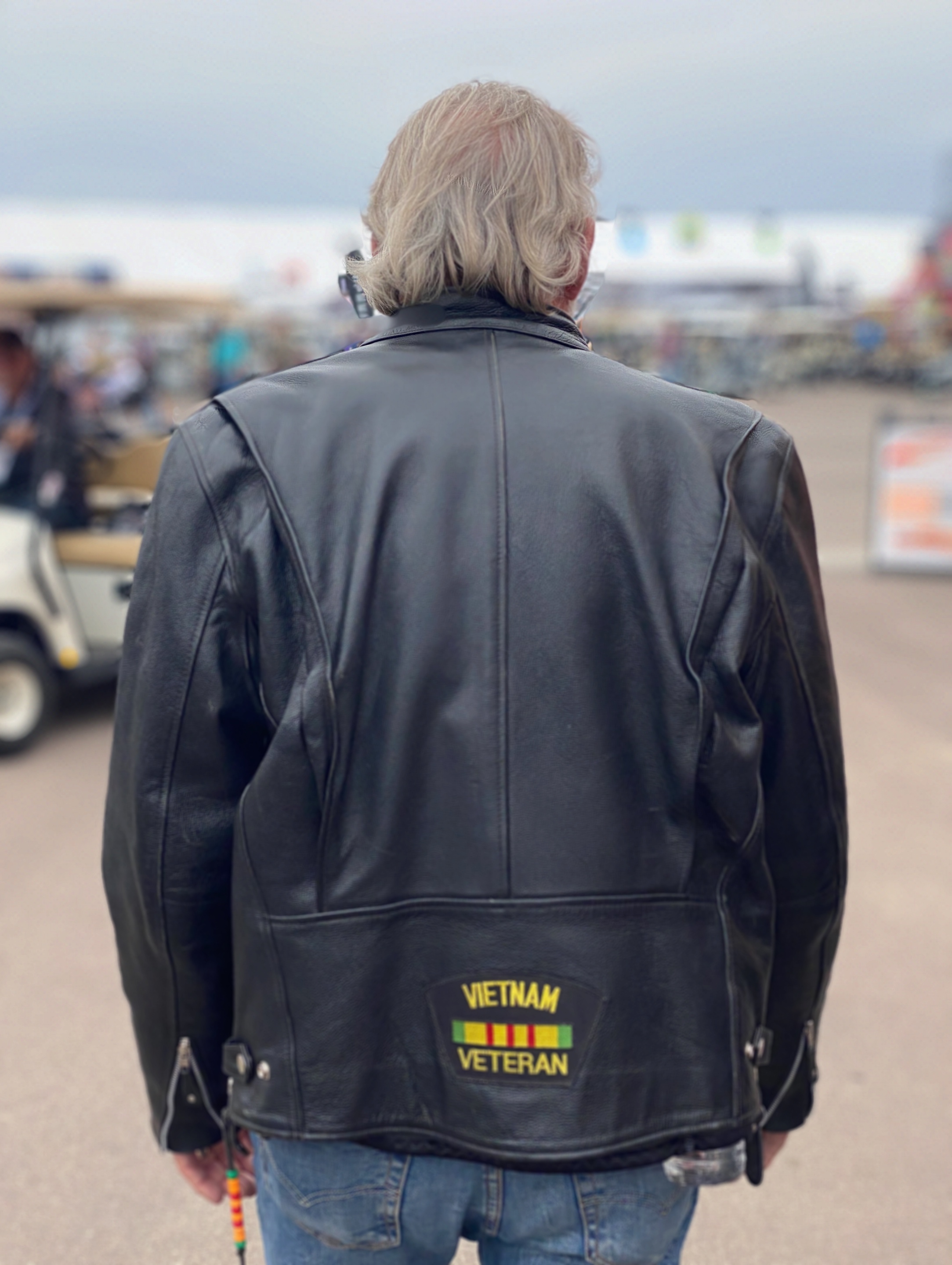
And here is the happy result, which takes less time to do than it does to explain:


The final result.

So for those instances where Focos does a poor auto-masking job, manual masking easily fixes what ails it.

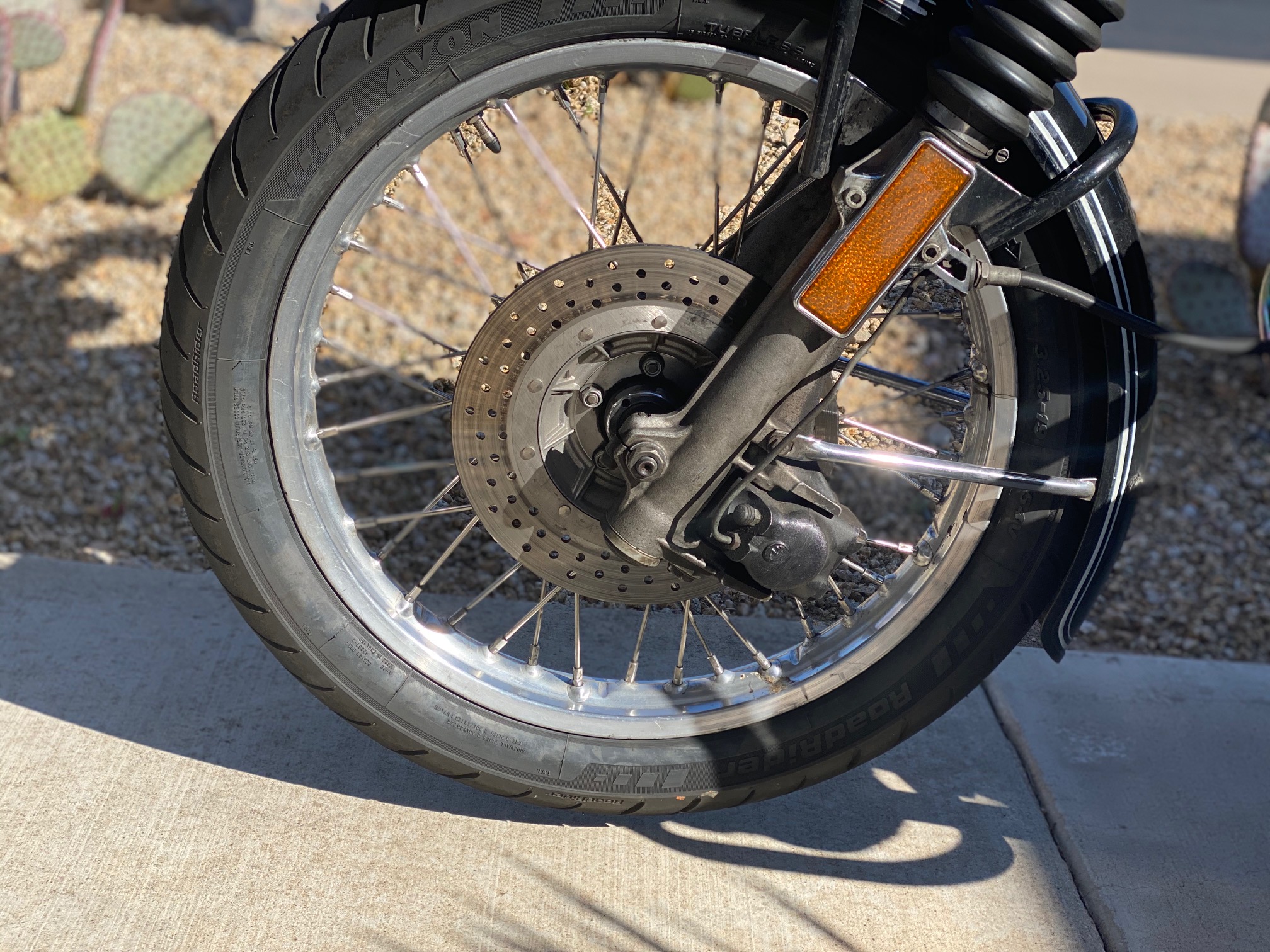
What happens when the going gets tough? This is the sort of image which is a nightmare for computational photography when it’s a case of blurring backgrounds. In Portrait mode the iPhone 11 does a very poor job:


SOOC in Portrait mode.

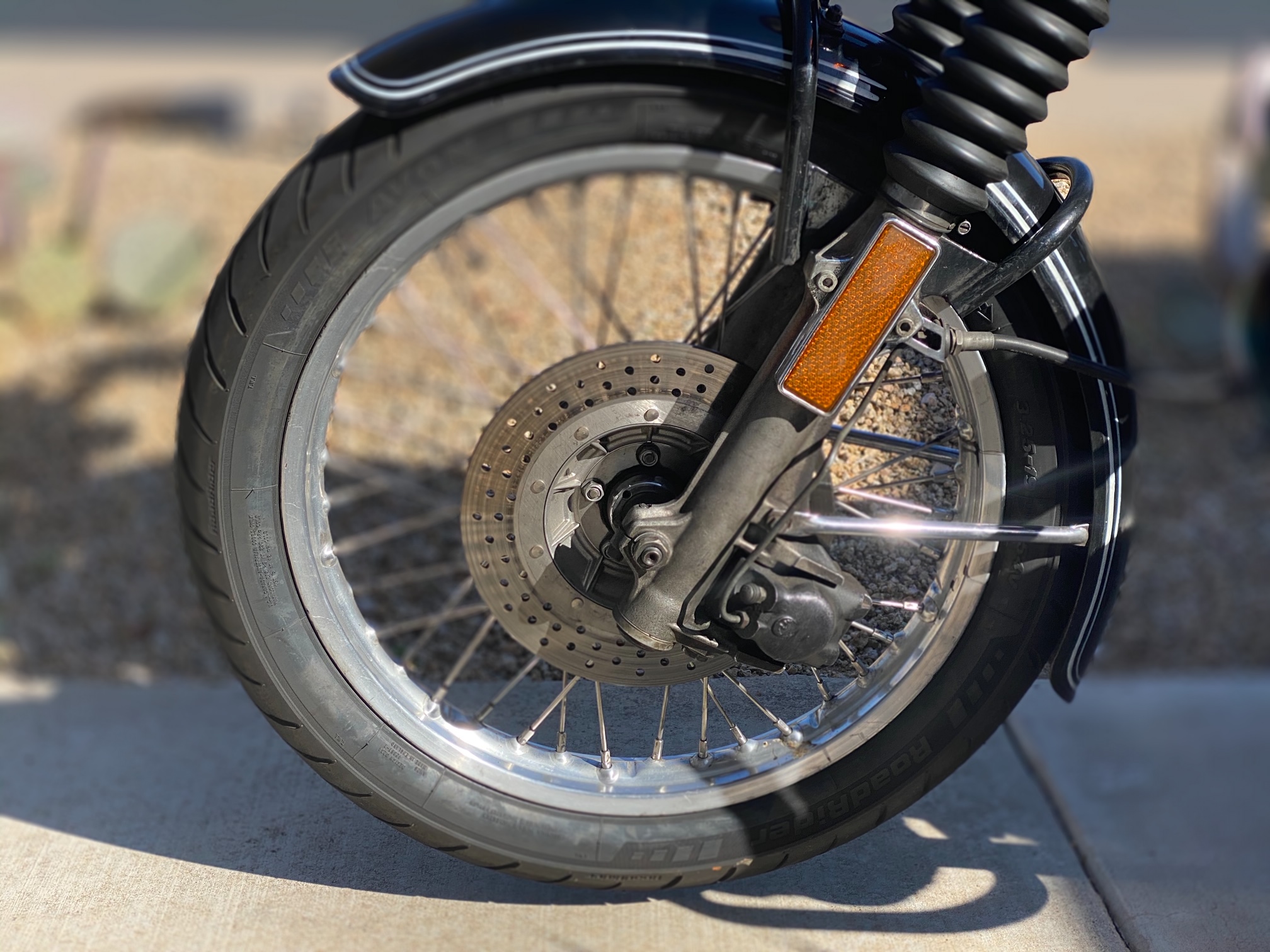
At f/4.5, the camera’s selected aperture, some of the spokes have gone missing. This is likely because there are simply too few pixels in the depth map sensor to permit creation of a sufficiently detailed enough map. The spokes are small in the image and likely preclude sufficiently accurate depth map recording. As this image was taken using Portrait mode, meaning the iPhone has stored a depth map, how does it look when the aperture is increased to the maximum available, f/1.4 in the Photos app? Even worse:


Aperture changed in iPhone Photos edit mode. At maximum aperture spokes disappear.

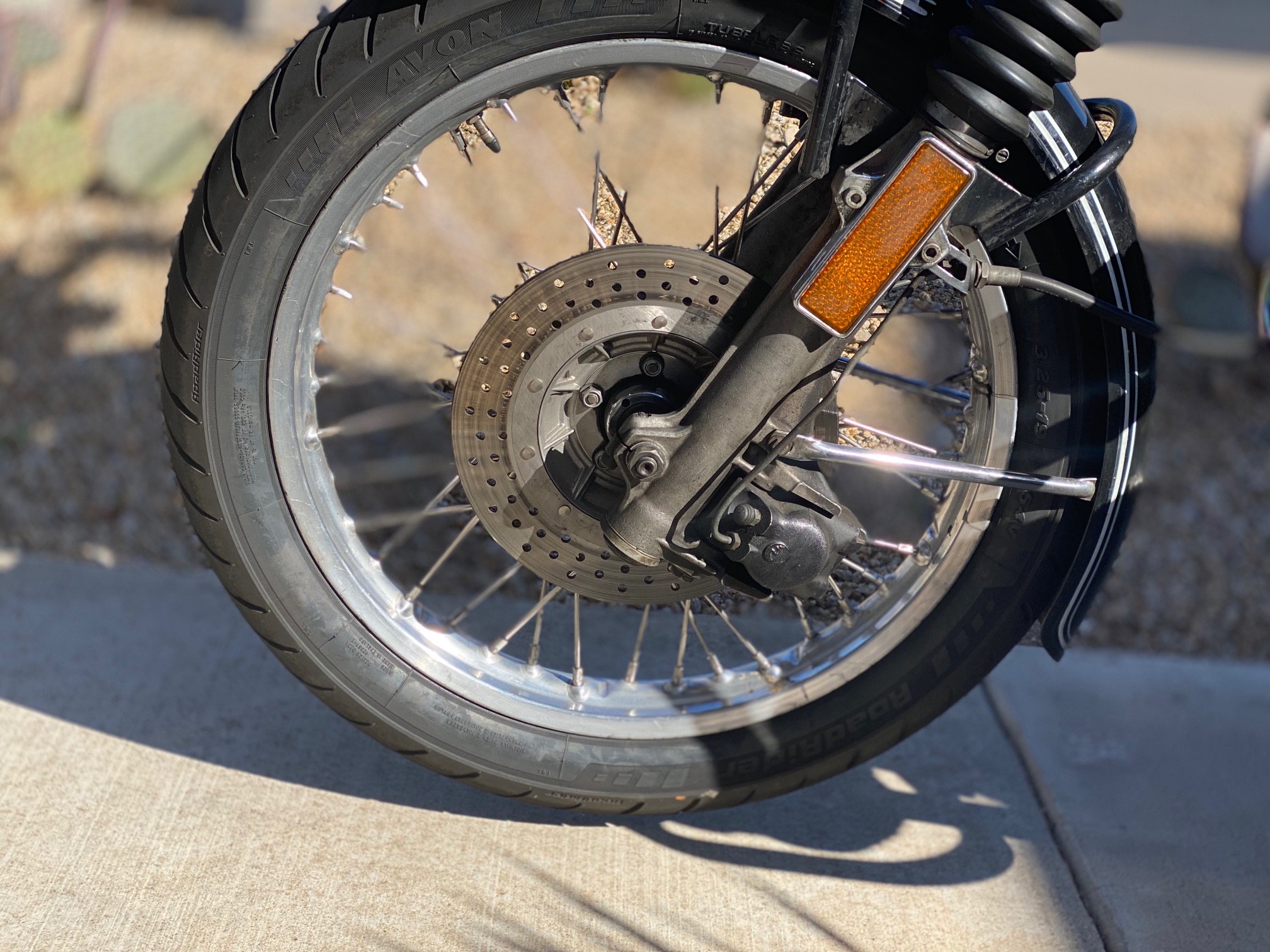
How about a regular, non-Portrait mode image snapped on the iPhone 11 Pro and manipulated in Focos for an f/1.4 aperture? Still awful, though better than the iPhone’s Portrait mode + in camera depth map delivers, but some OOF areas are shown sharp:


The final result.

So until depth sensors get finer ‘grained’ both the iPhone’s Portrait mode and Focos’s AI approach leave something to be desired. And only a true masochist would seek to edit the spoked wheel image for proper rendering. Simply move the slider to f/16 in either image and all is sharp. Forget about bokeh. That will have to do for now as we await a better iPhone depth sensor – which is likely, given Apple’s increasing focus on 3D rendering in future iPhones.

When should you use Focos in lieu of the iPhone’s portrait mode? If taking bursts, as Portrait mode prohibits those. Or when you need the far greater versatility Focos offers for manipulating OOF areas. Otherwise, the iPhone 11 Pro’s native Portrait mode is perfectly fine, as long as your preferred daily rider and photo subject is not a classic bike with spoked wheels!

Should Apple make a stand alone camera?

Capitalizing on its software and hardware advances.

In an end-of-2019 piece I wrote:

“I have had two transformative iPhone experiences – in 2007 when I bought iPhone 1 on the day it became available, and this year when I bought the iPhone 11 Pro which will change the photography hardware landscape permanently. All of the big makers will be gone in a few years. The iPhone’s camera is an order of magnitude better, doing things the clumsy SLR offerings can only dream of. The remaining reasons to buy clunky gear are that you need high definition from really long lenses – a couple of guys at Nat Geo – and because showing up at the Vogue studios with an iPhone to snap today’s supermodel just does not earn machismo points.”

So should Apple make a stand alone camera?

Apple has made a stand alone camera before. That was in 1997 and sensors were not up to much and, face it, the product looked like a door stop.

But now, with computational software making bad images great, with image quality rivaling that from big, clunky gear, and Sony’s superb lenses and sensors in the iPhone 11 Pro, is it not time for Apple to capitalize on its imaging prowess and make a true camera?

I no longer think this make sense. No one who has used the latest iPhone as a camera wants to revert to interchangeable lenses and all the bulk and weight of the traditional digital body. When you have computational photography working for you, a feature missing from every stand alone camera out there, who needs the clutter of lenses and gadget bags? Heck, even tripods are passé. On the other hand, most serious snappers using the iPhone will confirm that its ergonomics are pretty awful. There is a total absence of physical buttons and dials with all those satisfying, confirming clicks, and gripping the thing steadily – and keeping digits out of the way of the ultra wide lens’s field of view – is not easy. However, I do not think that Apple is about to return to physical controls in its pocket devices any more than it is likely to add a mechanical keyboard to the iPhone.

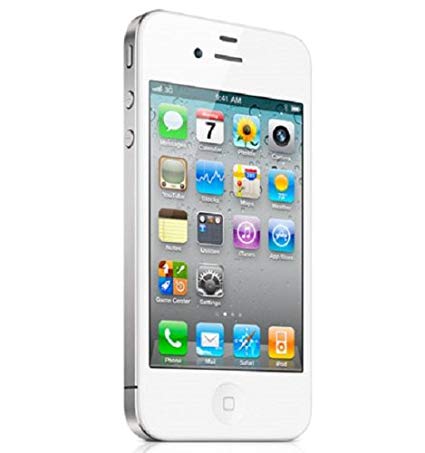
No, there’s lots of room for ergonomic improvement within the constraints of the iPhone’s small size and now, with chief designer Jony Ive no longer with the company, I expect that ergonomics will improve fast. Ive confused svelte with easy to use and his obsession with light weight and looks resulted in devices increasingly hard to hold and with mediocre battery life. A minuscule increase in thickness in the iPhone 11 fixed the battery life issue for good – good for a day of really hard use with ease – and I expect that the iPhone 12 will revert to the square sides design of the magnificent iPhone 4.


The iPhone 4 of 2011.

Aperture wheel? Not needed, as each image is stored with a depth map, allowing depth of field to be adjusted in post processing. Shutter speed wheel? Nah. With OIS shutter speeds don’t matter a whole lot and in action images burst sequences allow the best image to be easily chosen. Point of best exposure? Just touch the screen. So after much use of cameras in the iPhone I am coming around to concluding that the desire for physical controls is so much refusal to adapt and change. All that’s needed is a carcass design which allows this slippery-as-an-eel device to be held with solid purchase for the fingers. You know, like that iPhone of a decade ago.

Plus who wants a stand alone device robbed of all the functionality of the regular iPhone?

P.S. Apple – a longer fourth lens would be nice!

Amos Chapple on the iPhone 11 Pro

The virtue of carelessness.

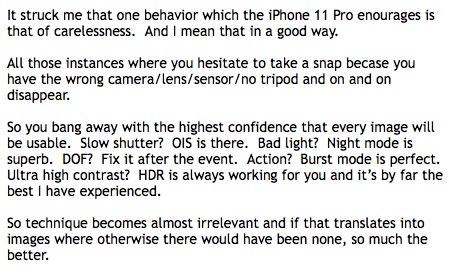
A few days ago I wrote this to a photographer friend:


The virtue of carelessness.

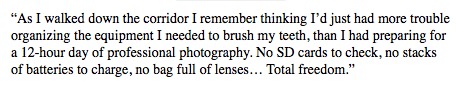
Not a couple of days later an excellent pictorial by New Zealand photographer Amos Chapple from the cultural center of the world, Murmansk in Russkieland, says this:


Chapple on the iPhone 11 Pro’s camera.

To see Chapple’s outstanding images and share in his iPhone 11 experience, click the image below.


Russkies discuss invasion plans. Click the image for details.

It bears repeating that the quality of the Android competition is only relevant to your choice if your data either have no value or you enjoy having your device hacked by Ivan. Want security? Stick with iOS.

As regards the author’s complaint of Night Mode not always working with the telephoto lens, it actually never works with that optic. It’s currently restricted to the standard and wide lenses.

Looking to the future

Small sensors rule.


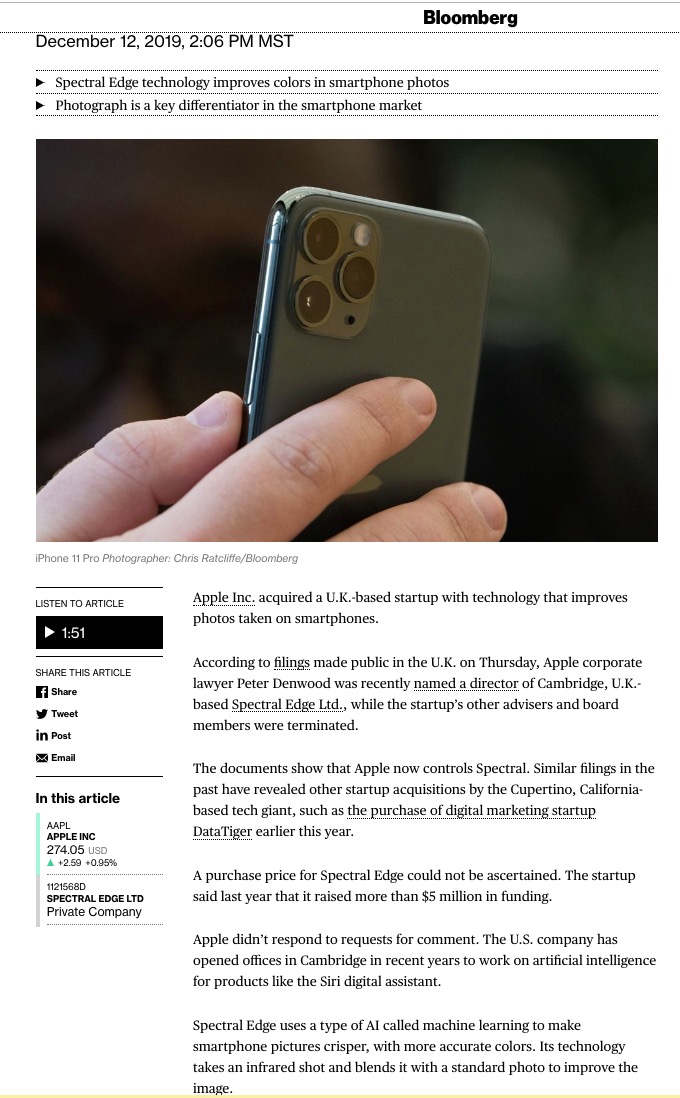
Apple’s latest acquisition.

Let’s face it, the photography world needs yet another 35 mm f/1.4 or 24-70 mm f/2.8 lens for full frame as much as it needs a hole in the head.

The future is not with more optics but with better computational photography and Apple knows this better than anyone, with the dramatic improvements in quality visible in the output of the iPhone 11 Pro. Yes, those Sony optics and sensors in the iPhone 11 Pro are tremendous but the secret sauce is in the code. Any phone maker can buy the optics from Sony. Only Apple has the code and the fabulous A13 CPU to drive all those instructions. So Apple’s latest acquisition makes eminent sense while the competition at the major SLR manufacturers continues to make optics no one needs. Like the Pentagon, these camera makers are fighting the previous war.

It’s the likes of Sony and Nikon who should be buying these businesses with their smarts, not Apple, if they are to have any chance of survival. I think those chances fall daily. These companies are like Kodak whose board of directors believed film would never die.

Apple has already shown with its latest cell phones that the need for bulky digital gear falls daily. To all those skeptics who say that small sensors will never equal the output from big gear, I would remind them of what Oscar Barnack accomplished with the Leica a century ago. “Small camera, big picture“ applies as much today as it did when Oscar was a lad.

The photography future is with small, leaving just a few masochists to hump around heavy equipment bags and tripods. Increasingly, their results are indistinguishable from those produced by cell phones in capable hands.

Upcoming deaths

All change.

Here are some of the activities and businesses which will die with the oncoming tsunami of change powered by computational photography:

  • Professional wedding photographers – anyone can take a good wedding snap, and it only has a shelf life through the divorce date
  • Micro Four-Thirds cameras and lenses – they add nothing to iPhone 11 Pro quality at 4x the bulk and weight
  • Olympus – all their eggs in one basket …. and a handful of microscope sales and accounting fraud
  • Nikon – no diversification
  • Canon’s big gear division
  • Panasonic’s camera division – they managed to deliver a great FF body just as the format died. They should stick to TVs and washing machines
  • Pentax – no distinguishing product
  • APS-C – a ridiculous format which delivers the quality of MFT in the bulk of FF
  • All those silly-priced Zeiss lenses for full frame
  • The third rate garbage that goes by the moniker ‘Sigma lens’, an oxymoron if there ever was one
  • Most large format digital – silly priced, no quality advantage over big sensor digital bodies
  • Sony’s camera division. On the other hand their cell phone lens and sensor division will bloom
  • The last handful of reportage pros – everyone has a camera and the pro will never be in the right place at the right time
  • The mystique associated with ‘pro’ gear. It’s inferior in most practical aspects to the best cell phone cameras
  • DP Review – how many cell phone reviews can you do in a year?
  • All the other hardware sites for pixel peekers

Leica, however, will survive as there are always antiquarians with china cabinets to fill.

And it’s all because of this little part with 8.5 billion transistors in the area of two postage stamps, plus a team of very smart programmers:

And by the time Samsung has managed to steal all this proprietary technology, Apple will be on the A20. I provided an early peek inside Samsung’s design lab almost a decade ago.


iPhone 11 Pro fully loaded with case, credit card, DL, health insurance card and ATM card. Nikon? Not so much.