Category Archives: Hardware

Stuff

LG Electronics OLED65C7P 65-Inch 4K Ultra HD Smart OLED TV

The state of the art.

Update October 14, 2024: The sound became intermittent in the LG OLED TV, necessitating replacement of the motherboard, a process I illustrate here.

Five years ago I updated my 42″ Vizio LCD TV to a 55″ model, and the saga appeared here.

At the conclusion of that piece, after two years’ use, I wrote:

Technology has moved on and since that $700 LCD TV of yore we have seen the introduction of LED panels – thinner and lighter – and the more recent development of OLED displays, one also found in the much hyped iPhone X. And 4K, meaning 2160 pixels to the inch compared with 1080 for regular HD, is now mainstream.

From Wikipedia:

“An organic light-emitting diode (OLED) is a light-emitting diode (LED) in which the emissive electroluminescent layer is a film of organic compound that emits light in response to an electric current. This layer of organic semiconductor is situated between two electrodes; typically, at least one of these electrodes is transparent. OLEDs are used to create digital displays in devices such as television screens, computer monitors, portable systems such as mobile phones, handheld game consoles and PDAs. A major area of research is the development of white OLED devices for use in solid-state lighting applications.”

The bottom line is a picture with pitch black blacks and a very high dynamic range; quite literally like nothing seen before in flat panel technology.

Now this gain does not come cheap. I decided to up the panel size to 65″ diagonal, having more room in my Scottsdale home than in the Bay Area apartment of yore. That’s a 40% increase in display area (the ratio of the squares of the diagonals) yet the increase in TV width is but four inches. Here’s why:
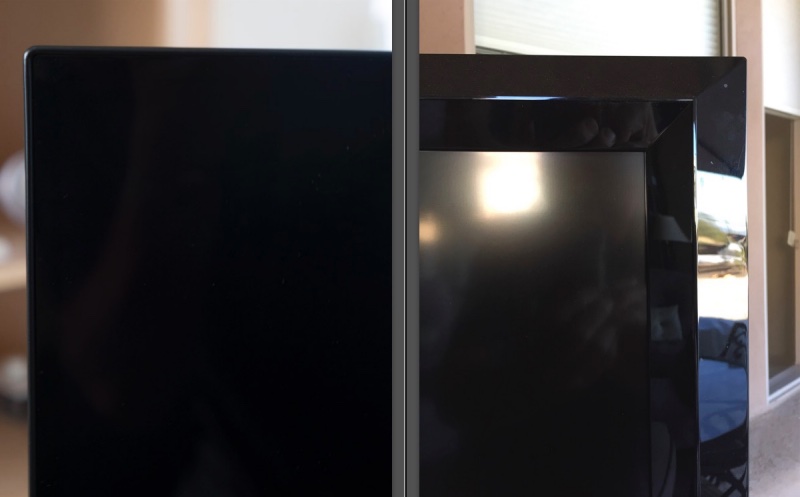

The LG bezel at left, Vizio at right.

LG has worked miracles with this display, for the bezel is almost non-existent, compared with the 1.5″ one on the Vizio. So that’s an immediate width reduction of almost 3″ in the LG, offsetting the larger screen dimensions.

But it gets better. I’m not sure that display thickness means anything, unless you are hanging the set on the wall, I suppose, but it’s fair to say that the thinness of the LG’s display defies belief:
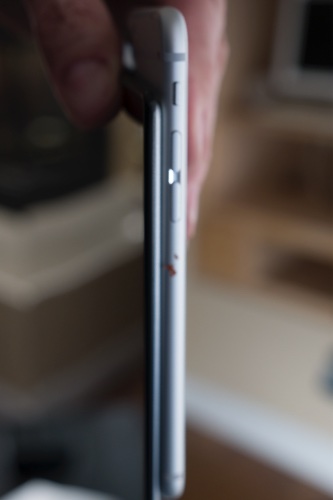

The thickness of the LG panel compared with an iPhone6.

The iPhone 6 is one of the slimmest smartphones on the market with a thickness of just 0.27″. Wait for it …. the LG comes in at 0.16″. Almost half the thickness. Stunning. So thin is the LG panel that extra care in handling has to be used when unpacking the set, to avoid damage. LG’s instructions specifically address the right way to do this. That said, the LG 65″ TV weighs in at a scant 54.5 lbs, something my son and I could easily manhandle into place. The full specs are here; a 55″ version is also available for smaller rooms.

The oft quoted rule that you should buy a TV right before Brain Damage Sunday (aka The Superbowl) may not apply here. It is very difficult to make fault-free large OLED panels – as far as I know the only manufacturers are LG, Samsung and Sony – and 4K displays have four times the pixel density of regular 1080p HD ones. I calculate the 65″ OLED display to have over 4.9 billion pixels. Just one bad pixel and the panel is a goner. I would hate to be in the 4K panel manufacturing business …. Here’s the price trend – after the usual big post-introduction drop the price has actually risen from my purchase date:
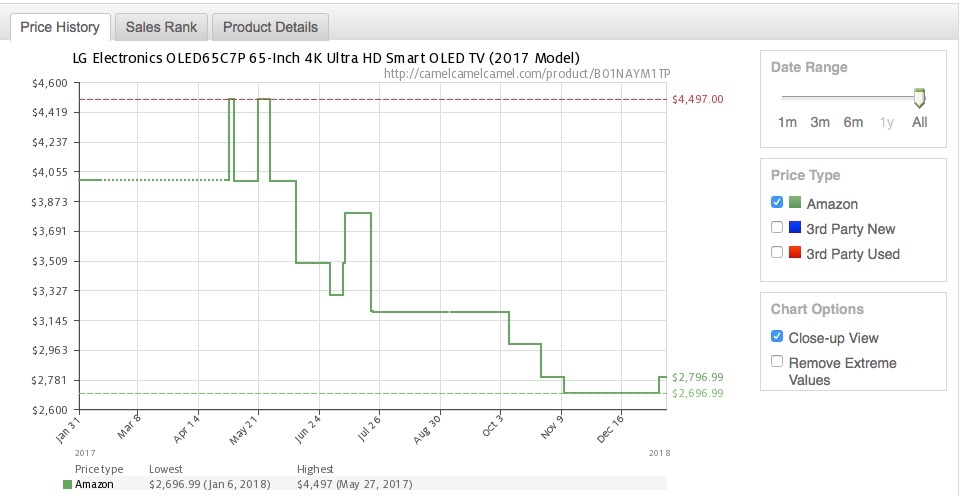

65″ 2017 LG price trend. Click the image.

The rear base of the panel is thicker to accommodate electronics and speakers, though with a display of this quality it really does not do to go with the internal speakers, which are simply too small to do the set justice.

The Market God having been good to me lately I splashed out on a pair of Martin Logan ESLs, an electrostatic design which makes for exceptional transparency while making a dramatic design statement. These suspend a thin transparent film (think Saran wrap) between two highly charged panels; alter the current delivered and the thin film membrane moves, just like a loudspeaker’s cone, but many times lighter, so more responsive. Indeed, the design means that the speakers are literally transparent, the charged plates either side of the membrane being heavily perforated. The trade off is that these present a very low impedance (2 ohms, compared with the 4-8 ohms of regular cone speakers) but very high capacitance load to the amplifier, so not just any amp will work in a stable manner at high current loads. Simply stated, if the amplifier manufacturer does not quote RMS power delivery into sub-4 ohm loads you should look elsewhere.

There is a lot of overpriced trash in the high end speaker sector. Martin Logan has been around for ever and appears financially stable.
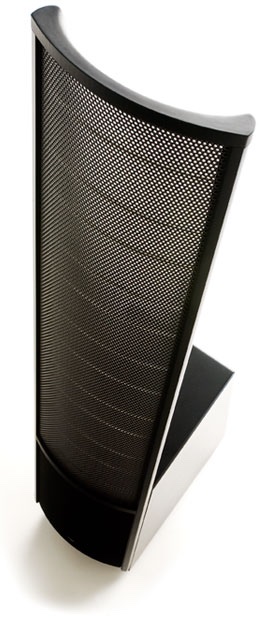

A very special loudspeaker – the Martin Logan ESL.

Other makers I would look at include the British Bowers & Wilkins and the no less British Quad Electroacoustics. You can bet most of the megabuck manufacturers out there will be so much Chapter XI dross a year or two hence after the next financial meltdown. Bread on the table tends to beat high-priced speakers in the corner. These three are survivors; indeed, Peter Walker of Quad fame brought the first full range electrostatic speaker to market in 1955. All three of the manufacturers I mention have been around for decades, and my 40 year old pair of B&W DM3 bookshelf speakers remains as good today as it did in 1977 when first purchased.
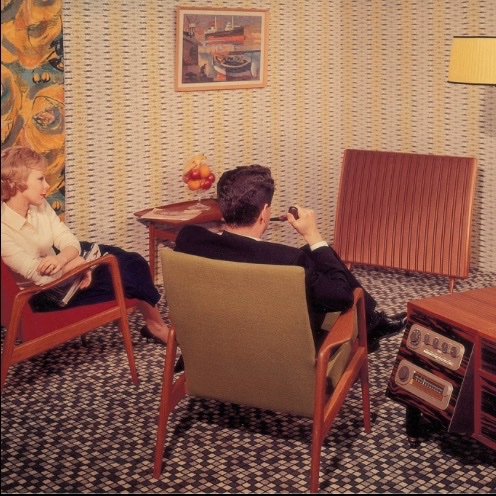

Flashback to 1955. Monaural sound, a pipe,
the Quad ESL, ghastly furniture and an
obedient spouse. Quad tube electronics at right.

Further, look for an amplifier which delivers high current to the speakers; as a rule of thumb, that means an amplifier which weighs a lot – 18 lbs or more. That may sound like a strange metric, but high current amplifiers need large transformers, and large transformers weigh more than small ones! With such fine speakers as the Martin Logan electrostatics it was time to upgrade the (excellent) Onkyo TX-8160 which delivers 80 watts RMS into 8 ohms and happily increases that to 140 watts into 2 ohms. Yes, it’s a high current device.

Another issue with electrostatic speakers – in addition to needing a constant power supply to energize the panels – is that they are not very good at delivering the bone-crunching bass power common in modern movies. Martin Logan partially addresses this by crossing over to a traditional cone woofer at 500Hz but the speaker still runs out of grunt in the 20-100Hz range. Down to about 100 Hz they are fine but that’s about all she wrote at the lower end. So to fill in the bottom octaves I have added a Martin Logan Dynamo 700 powered subwoofer which packs 700 watts of power and goes handily down to 20Hz or so. Again, not for rock freaks, for this is an intensely musical device which renders the deep notes just so, without exaggeration. Try the opening 32Hz organ note on the Solti/Chicago Symphony recording of Mahler’s Eight Symphony. That is how a pipe organ sounds.
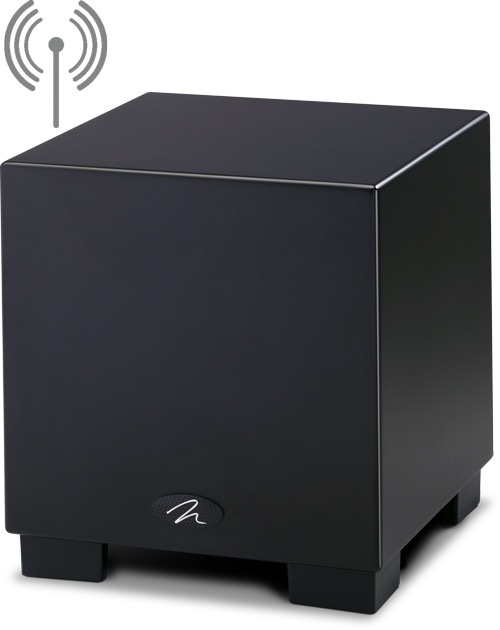

The Martin Logan Dynamo 700 subwoofer. Low notes are rendered correctly.

While ML offers a wireless module for the Dynamo 700 (and you can get 1000 and even 1500 watt versions) I used cables as wireless is just one more interference source in a world crowded with wireless waveforms. You can’t beat copper wires.

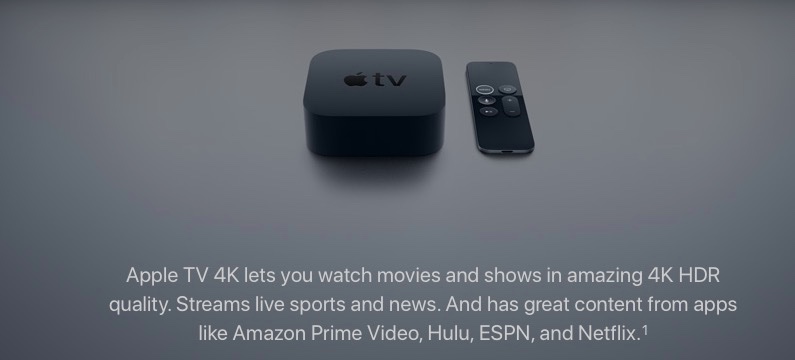
How about 4K content? The best repository of streaming 4K content is to be found in iTunes and you will need the AppleTV 4K streaming device to deliver it, as well as a high bandwidth broadband connection. Historically Apple’s movies have been overpriced but they have smartened up. Not only is all 4K content still priced at $6 a rental, any existing movies you may have already purchased will be upgraded to 4K free if that format is available. There are other streaming devices, like the Roku, but none compares for user interface and 4K movie choice to Apple’s offering. The only drawback is that Disney movies (meaning Disney, Pixar and the pap that is Star Wars) and YouTube content are not available in 4K on the AppleTV which I would regard as a feature not a drawback. Indeed Star Wars may well lay claim to having fomented more brain damage in America’s youth than American football.

One of the nicest features of the AppleTV 4K is the remote control which can be easily programmed to control your receiver’s volume as well as powering the AppleTV and your OLED TV on and off with the press of any button. The touchpad takes a bit of getting used to, but practice makes perfect. Best of all, the Siri voice activated feature works perfectly, unlike in any iOS device I have used.

Click the image.

The icing on the cake is that Apple has just added Amazon Prime (free and paid) movies to the AppleTV interface (it even pops up in older 3rd generation 1080p AppleTVs), and while Amazon’s UI is indistinguishable from a bilge pump (both suck), free is good. One day the egos at Disney and Apple will effect a compromise and you will be able to watch all the Star Wars garbage on your spanking new OLED TV in revolting 4K detail. Yecch!

Setting up:

TV setup is potentially a daunting prospect, for the sheer number of user adjustable variables in the LG OLED TV is overwhelming. However, there are people out there who do this sort of thing for a living and one of the best guides I have found is here. The only setting I disagree with is ‘OLED light’ which they have at 16; 50 works better in my environment. Also, it bears repeating what these folks say – be sure to turn off ‘Energy Saver’ or you will think your new OLED TV is broken. The Saver delivers impossibly muddy results.

Setup of the speakers is far easier. Shine a flashlight at the panels from your listening position so that the reflection is one third of the way in from the inside vertical edge. Then fit the spikes to tilt the speakers back and you are done. Martin Logan has a truly exceptional set of instructions, written in clear, idiomatic English; these go into far more detail and include a fascinating history of the design of electrostatic speakers, with due credit given to the great Peter Walker and his original Quad ESL. The folks at ML are a class act. (‘QUAD’ stands for ‘Quality Unit Amplifier, Domestic’ and refers to the company’s pioneering tube amplifier and its first commercial product, a later variant of which I used for decades).

Setting up the subwoofer is trivial. Dial in a crossover point around 100Hz using the back panel controls and adjust the volume to suit.

Worth it? If you aspire to a Rolls Royce, then you do not ask the price of entry.
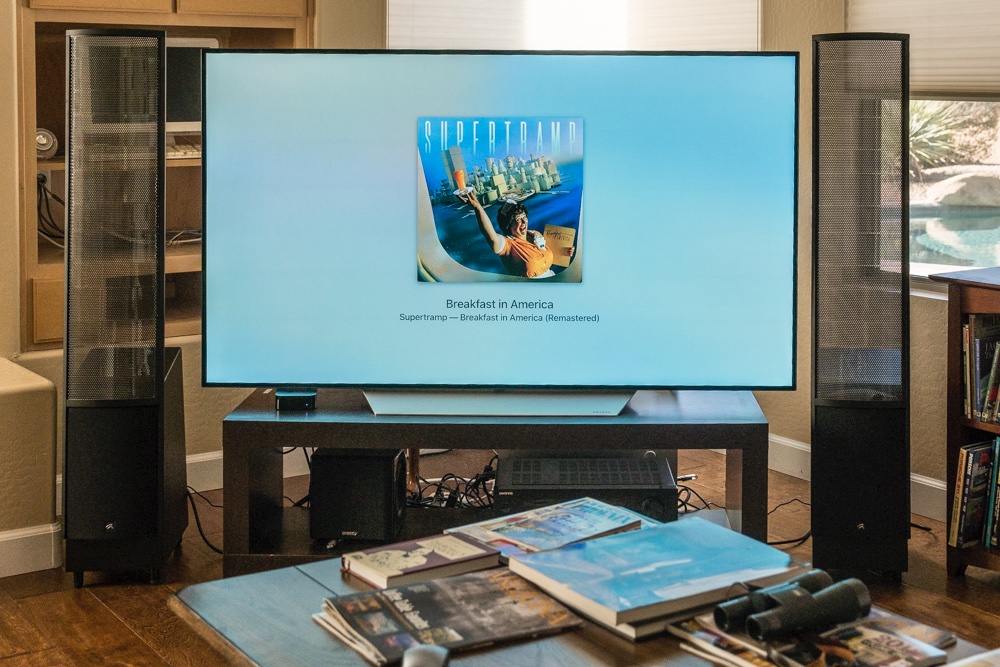

“Could we have kippers for breakfast?”

What of that old 55″ Vizio? Why, it’s doing sterling duty on the patio:
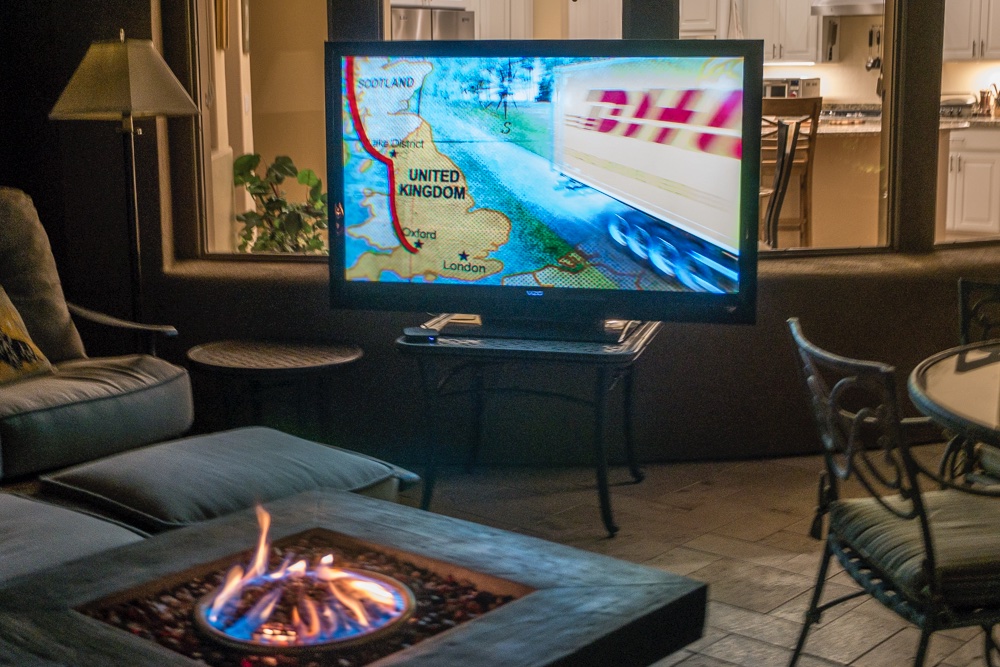

1080p Vizio TV with matching 1080p Gen3 AppleTV.
Rokinon MFT 7.5mm f/3.5 MFT fisheye lens – Part I

Exceptional and cheap.


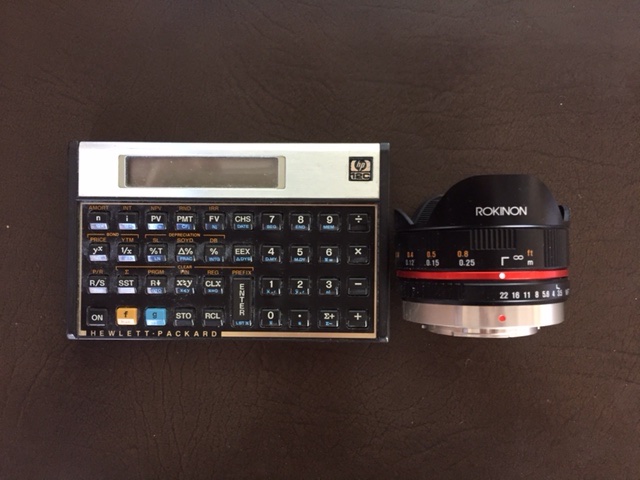
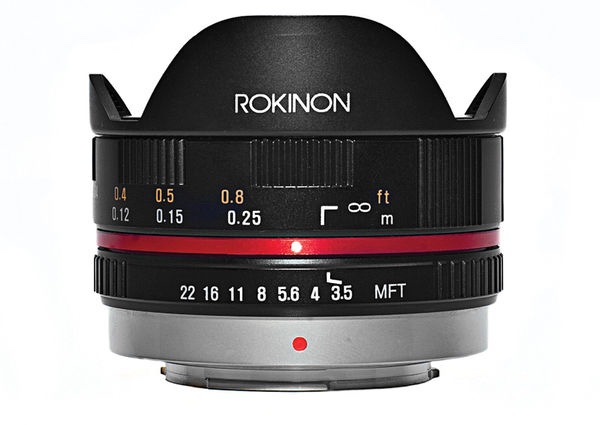
The Rokinon 7.5mm fisheye for MFT. Click the image to go to Amazon.


Garden cranes at sunset. There are no halos from the sun. Uncorrected original at f/8.


Corrected in Fisheye-Hemi from Imaudio. Graded darkening of the sky added in LR.

At $218 the Rokinon MFT fisheye lens costs less than a third of its Panasonic counterpart; it sacrifices AF and full EXIF data for truly outstanding all metal construction and resolution to die for. I have not tested the Panny FE but reviews disclose that the Rokinon is a far better optic. The 7.5mm fisheye is the only true MFT lens listed by Rokinon on its USA site; all others are either APS-C or full frame adapted to the Panny/Oly MFT bayonet mount and are, accordingly, huge and out of proportion on an MFT body.

I have no interest in the gimmickry of fisheye perspective but I am very interested in having an ultrawide prime. I first experimented with de-fishing images from my Canon FF fisheye here, concluding that defished images were almost as sharp as those from a very costly Canon 14mm prime and came in at 12mm effective focal length. That’s considerably wider.

While there are many fisheye profiles to be found in Lightroom, none does a great job and there is not one tailored to this lens. Some fishing around (sorry!) on the web disclosed that there was an outstanding plugin for LR from Imaudio for $30 and after testing the trial version, which watermarks the processed image, I sprung for it. There is no loss of edge definition unlike with the stock LR profiles and the image is considerably wider, less being lost. Look carefully at the above images and you will see that content loss really is negligible.

In keeping with the MFT aesthetic, the lens is tiny, unlike your FF or APS-C fisheye with an adapter.

Manual focusing:

The Rokinon is a manual focus optic. However the great depth of field means that careful focusing is really only needed at close distances and large apertures. Otherwise at, say, f/8 (the aperture ring has half click-stops except between f/16 and f/22) the focus is set at the hyperfocal distance (just short of infinity, like in the first image above) and you bang away, happy as a clam. When careful manual focus is required, using the relatively stiff focus collar, Panny MFT cameras come with the best focus aid in the business. Having first set ‘Shoot w/o lens’ on the last page of the third menu to ‘Yes’, allowing the lens to be recognized, you push the left quadrant rear button once, then the Set button. The center of the image is magnified allowing easy critical focus. On the GX7 you can vary the magnification using the knurled wheel around the shutter release button. I have mine set to maximum magnification.

When focused the group of lens elements extends within the confines of the petal, non-detachable lens hood. The total extension is around 1/8″. The rear glass moves forward a like amount suggesting that all the elements are being moved in unison during focusing. There is no way to attach filters and the deep, provided lens cap must be correctly oriented to clip on and lock in place. In practice the lens hood’s petals do a fine job of protecting the front glass. A rear lens cap is also provided and fits well.

The same lens appears to be marketed under a variety of brand names, including Bower and Samyang. Buy the cheapest. I much prefer chrome finish lenses and the Rokinon comes in a chrome variant; however, I have read that the chromed focus ring is plastic whereas the black one is very much metal, so I opted for the latter. The weight is just 6.2 ozs (176 grams). As I stated above, it is tiny, easily accommodated in a trouser or jacket pocket.

As I only ever use my GX7 bodies in aperture priority auto-exposure mode, correct exposure is guaranteed with the Rokinon, despite the absence of any communication mechanism between lens and body. Of course, one of the most appealing bits of magic of the MFT format comes into play here: as the aperture is changed the finder image remains the same brightness, for the finder automatically adjusts to the change in aperture. The only variable which visibly changes is depth of field.

Along with the outstanding 12-35mm f/2.8 Panasonic pro zoom and the small GX7 Panny body the user has a full frame equivalent lens range of 12mm to 70mm. The size:performance equation here seems to be impossible to improve on.

More in Part II.

Panasonic 12-35mm f/2.8 Power OIS MFT lens – Part II

Outstanding in every respect.

The mechanical aspects of the Panasonic 12-35mm f/2.8 12-35mm zoom were outlined here.

This is a costly zoom and for the money you get a fixed f/2.8 maximum aperture, a far higher standard of construction than the kit zoom, with silky smooth controls, and bulk not much greater than the kit lens. The original 14-45mm kit zoom was a fine optic and you can read about it here. It has long been discontinued but affordable ones can be found on the used market.

What does the 12-35mm add? Outstanding micro-contrast and edge to edge sharpness even at full aperture, an f/2.8 which comes in handy in marginal lighting. And the extra width at 12mm is a good trade-off for the loss of 10mm at the long end.

Here’s a selection of images taken in Williams and Sedona, Arizona the other day.


In Williams, AZ: Boat. 26mm, f/5.6


No halos, right into the sun. 24mm, f/6.3.


Brando lives! 12mm, f/6.3.


Hot rod. 32mm, f/6.3.


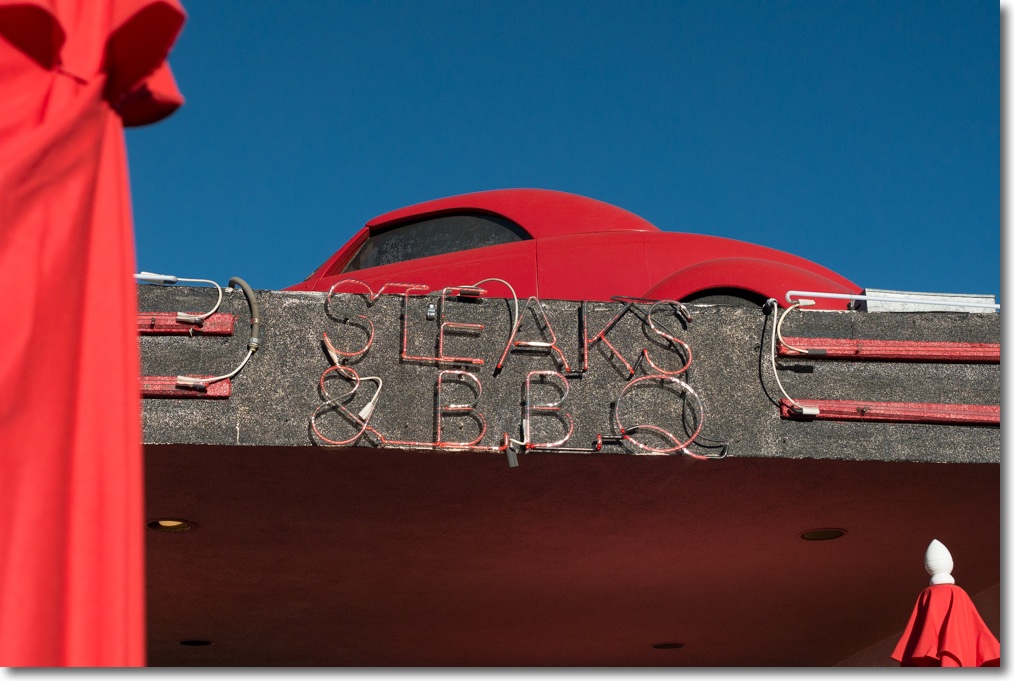
Steaks & BBQ. 25mm, f/7.1.


Cruiser’s. 14mm, f/5.6.


Deserted. Note the Art Deco touch on the bank building at left. 23mm, f/5.6.


Western outfitters. 23mm, f/5.6.


Sultana Theater. 12mm, f/4.5.


Sultana Theater plaque. 33mm, f/5.6.


Tasting and Tap house, formerly an opium den! 29mm, f/5.6.


Santa Fe. 17mm, f/5.6.


Native America Trading Post. 35mm, f/5.6.


Halloween witch. 12mm, f/4.


Italian Bistro (what?), 22mm, f/10.


Grand Canyon Hotel. 31mm, f/10.


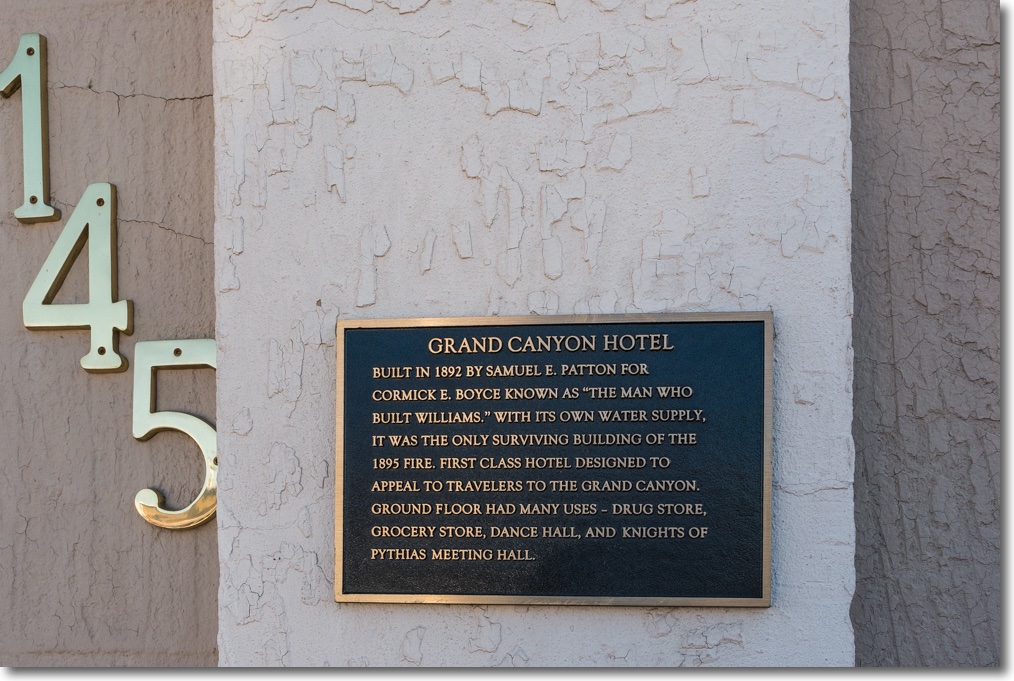
Grand Canyon Hotel plaque. 16mm, f/5.6.


The Carriage House is a separate three room building in back of the hotel. 31mm, f/10.


In Sedona, AZ: Tinplate display at the Son Silver West gallery in Sedona. 19mm, f/6.3.


Hot peppers and T Rex. 23mm, f/6.3.


Pottery pumpkins. 19mm, f/6.3.


More hot chili peppers.

Except for modest use of the Highlight and Shadow sliders in Lightroom for the Williams images – the late sun lighting means very high contrast – these are pretty much straight out of camera, my Panasonic GX7.

Proof of the pudding? The Panny 12-35mm has replaced three of my other MFT lenses – the 14-45mm kit zoom, the Olympus 17mm prime and its brother the Oly 45mm prime. All sold. Now my MFT kit is back to basics, consonant with the ‘small and light’ concept of the original design. I own only one other MFT optic, the excellent 45-200mm zoom, with its mighty reach for special occasions. It resides permanently on my other GX7 body.

Here’s the ‘contact sheet’ from the Williams outing; having grown up poor and using film, digital waste is not something I indulge in:


The two images with a ‘2’ in the upper left corner were roundtripped via Photoshop – the first to remove overhead wires, the second to fix verticals.

Nikon D850

No, you do not need one.

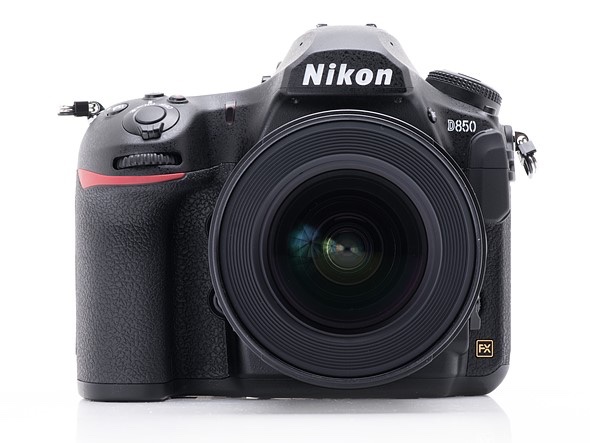
The Nikon D850 may well be the most capable camera yet made. A jack of all trades it comes with extraordinary sensor definition, access to a vast array of the best in lenses …. and you do not need it.

While the stress which this body will place on your lens and computer gear is immense, what with a 46mp sensor and 7fps continuous frame rate which will dictate more money for the very best lenses, the fastest CPUs and SSDs and just about everything else in the chain, the bottom line is that for – I’m guessing here – 99.9% of users the camera is total overkill. That’s because those 99.9% display their images on iPhones and tablets and small computer screens. The technology in that sensor is wasted.

If you want to read a comprehensive review the folks at DP Review do their usually excellent job. Click here.

Richard Thaler of the University of Chicago was awarded the Nobel Prize in Economics last week for his decades long work in the field of behavioral economics. Scoffed at by classical economists for years, for they argue that man is a perfectly logical decision maker in matters economic, we all intuitively know that his views are right. We are irrational beings who do not make coldly objective decisions. A YouTube video, a 62 second clip of a discussion between Gene Hackman and Dustin Hoffman, goes a long way to debunking those classicists’ belief that money is a purely fungible commodity.

Were it not for the realities of behavioral economics, cameras like the Nikon D850 would never have been made as the professional audience which can justify the technologies therein is too small to turn a profit. It’s amateurs who need the bragging rights of 46mp and 7fps, and it’s behavioral economics which make this body a profit center for Nikon. Those amateurs have only irrational reasons for owning this body. Heck, maybe Professor Thaler will buy one with his prize money?

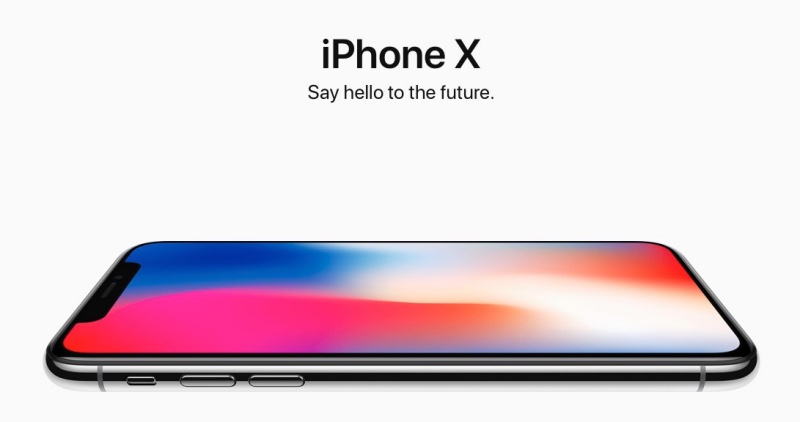
iPhone X

A solution looking for a problem.


Say hello to the future, for it is broken.

Apple’s much hyped tenth anniversary iPhone, the iPhone X, was hyped to market yesterday in a presentation from Apple’s over-the-top palatial new HQ in Cupertino. I have long given up watching these hypefests, sick and tired of the sleazy, self-congratulatory tone and now follow them using online text services. And follow them one must for any market investor must be aware of what is happening to a company which constitutes such a significant proportion of the major market indices.

The feature most hyped in the new phone, not available for many weeks yet, is FaceID, replacing the TouchID fingerprint sensor. Not an adjunct to TouchID, mind you. A replacement. This is claimed to be far less likely to go wrong but casually denies some of the troubling Constitutional realities of the technology. And, by the way, where are all the complaints about TouchID which I find works just fine on my relatively old iPhone 6?

Constitutional realities? The fascist masquerading as a cop in your hometown doesn’t like your face at the rally protesting his relative in the Oval Office and applies his nightstick to your head. While you are down for the count he uses FaceID on your iPhone X to unlock your phone only to find that you are a fully paid up member of the ACLU and a routine opponent of trigger happy cops with guns. It’s off to the slammer for you.

Next he finds that you are a strong supporter of DACA after searching your emails, that as a civilized human being you desire peace and solace for immigrants whose only language is English and who came here as babes in arms. Remember that bit which goes “Give me your tired, your poor, your huddled masses yearning to breathe free”? Well, there goes the gaol door key in the river. Fourth Amendment be hanged.

But other practical obstacles exist, none involving pigs with guns or oval offices. Sure, your identical twin can unlock your phone using FaceID but, let’s face it, that affects a handful of users, so no big deal. But you are a keen motorcyclist and actually like to protect the space between your ears, always wearing a helmet. FaceID? Fughedaboutit.

I suppose one should add, on a positive note, that the masked bad guy or gal using FaceID to call home asking how to set off that explosive vest will be at a loss, but most of these folks use burner phones from WalMart in any case. Why waste money on an iPhone when the savings can be put to work by procuring more C4?

FaceID is the ultimate solution looking for a problem and I expect it to encounter many.

But there’s an amusing, or troubling if you prefer, side note to these ruminations.

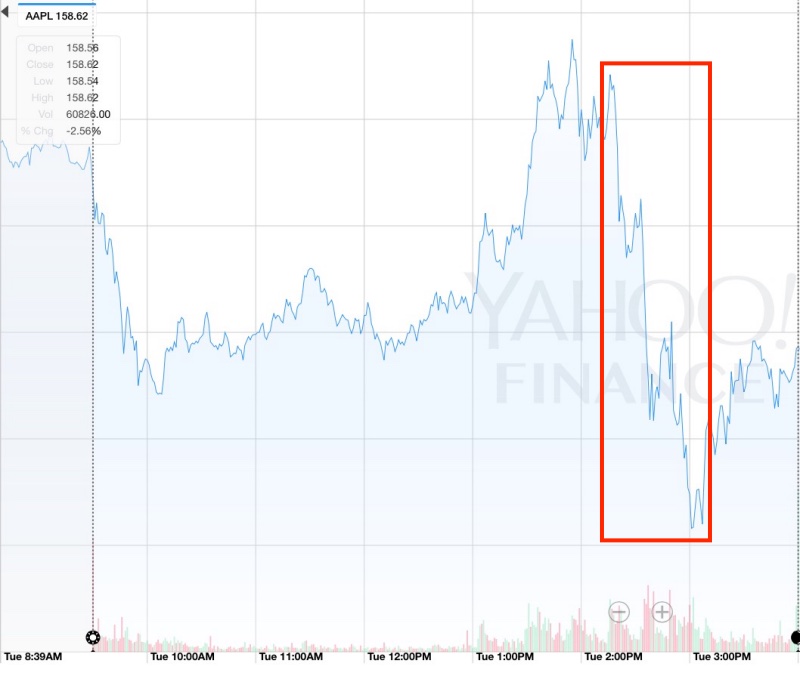
As I was following the live text updates yesterday, when a senior hypeman started the iPhone X presentation he picked up the new phone boasting of how it would recognize his face and unlock the phone …. only to have FaceID fail. Oily marketer that he is he smoothly switched to a back-up phone but it was too late. The market has priced in this technology as a competitive advantage over Samsung’s pathetic offering (FaceID uses 3D sensors so – it is claimed – that it cannot be fooled by a 2D photograph, unlike the Samsung system which can be thus fooled). The reaction of the stock, shown in the red rectangle below, was swift and brutal. It appears I’m not the only one who follows AAPL:

That’s a loss of market capitalization of exactly $22.02 billion in 30 minutes. Way to go, Apple. You need better carnival barkers, though your best has long departed this world.

As I said, a solution looking for a problem and finding one before the gadget was even in the stores. The key feature, and it fails. And they are asking $1,000 and up for the HypePhone. That’s more than even an Apple laptop. Pass.