Photography is over

Lost in a sea of garbage.

Over nine years ago I wrote that photojournalism, as a profession, was dead. The iPhone killed it. Everyone is now a putative photojournalist and he will be at the scene well before the pro with his kit bag and boarding pass. You can read that piece here.

Now with online services where you post an image which promptly disappears, where everyone is a photographer, it’s not irrational to state that photography as a whole is over.

By that I mean the well composed, considered image, objects arranged in the frame just so in the interest of the best dynamic.

Film director Wim Wenders states it well:

“It’s not just the meaning of the image that has changed, it’s that the act of looking does not have the same meaning. Now, it’s about showing, sending and maybe remembering. It is no longer essentially about the image. The image for me was always linked to the idea of uniqueness, to a frame and to composition. You produced something that was, in itself, a singular moment. As such, it had a certain sacredness. That whole notion is gone.”

You can read the interview in The Guardian here.

The art and artifice of making a great image are no more.
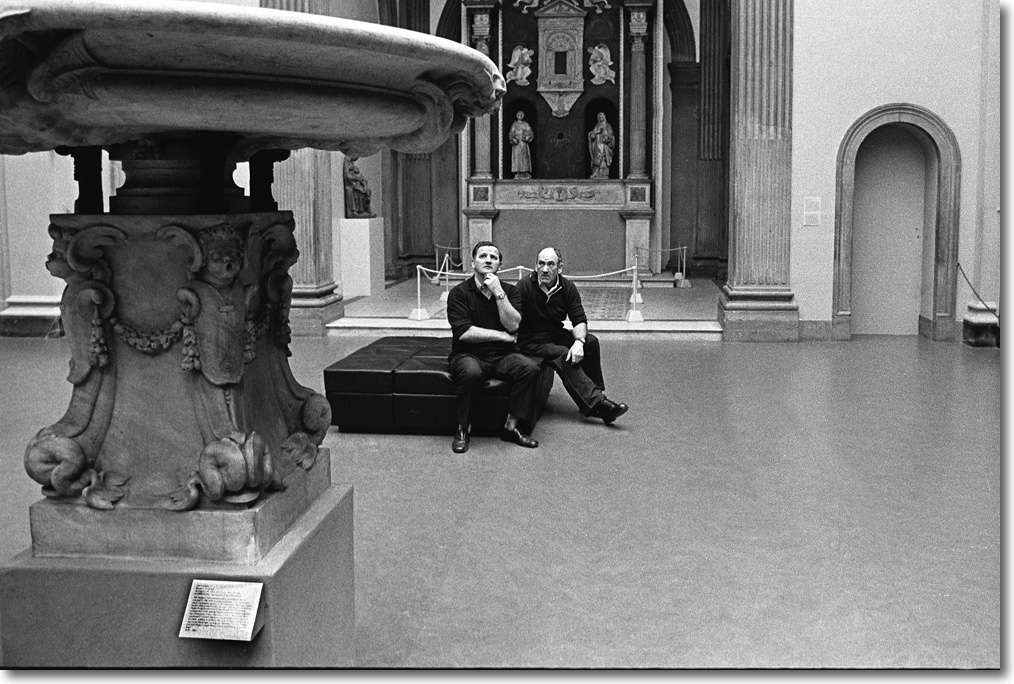

In the Victoria and Albert Museum, London, 1973. Leica M3, 50mm Summicron, TriX. I spent many happy hours here in my youth.
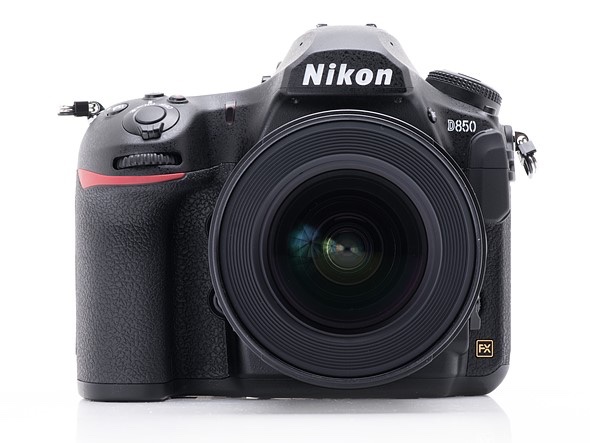
Nikon D850

No, you do not need one.

The Nikon D850 may well be the most capable camera yet made. A jack of all trades it comes with extraordinary sensor definition, access to a vast array of the best in lenses …. and you do not need it.

While the stress which this body will place on your lens and computer gear is immense, what with a 46mp sensor and 7fps continuous frame rate which will dictate more money for the very best lenses, the fastest CPUs and SSDs and just about everything else in the chain, the bottom line is that for – I’m guessing here – 99.9% of users the camera is total overkill. That’s because those 99.9% display their images on iPhones and tablets and small computer screens. The technology in that sensor is wasted.

If you want to read a comprehensive review the folks at DP Review do their usually excellent job. Click here.

Richard Thaler of the University of Chicago was awarded the Nobel Prize in Economics last week for his decades long work in the field of behavioral economics. Scoffed at by classical economists for years, for they argue that man is a perfectly logical decision maker in matters economic, we all intuitively know that his views are right. We are irrational beings who do not make coldly objective decisions. A YouTube video, a 62 second clip of a discussion between Gene Hackman and Dustin Hoffman, goes a long way to debunking those classicists’ belief that money is a purely fungible commodity.

Were it not for the realities of behavioral economics, cameras like the Nikon D850 would never have been made as the professional audience which can justify the technologies therein is too small to turn a profit. It’s amateurs who need the bragging rights of 46mp and 7fps, and it’s behavioral economics which make this body a profit center for Nikon. Those amateurs have only irrational reasons for owning this body. Heck, maybe Professor Thaler will buy one with his prize money?

The Clark Art Institute

World class.

Sterling Clark made money in the smartest way possible. He chose his (grand)parents well. Grandpa was the co-founder of the Singer Sewing Machine Company which created one of the great American industrial revolution fortunes. His grandson fell in love with art, especially the French impressionists, and had much of the collection paid for by the time of the Great Depression.

Surviving the latter, as smart money did, he became paranoid about the cold war destroying his collection in New York and moved it in the 1950s to Williamstown, Massachusetts, right by Williams College. The collection specializes in Renoir with a smattering of Monet, Sisley and Pissarro, along with some truly awful academic art by William Bouguereau. Those can be excused in light of the strength of the Impressionist pieces. There are also several fine John Singer Sargent portraits.

My son and I visited the Clark on a revisit to WIlliams College and had a fun time of it.


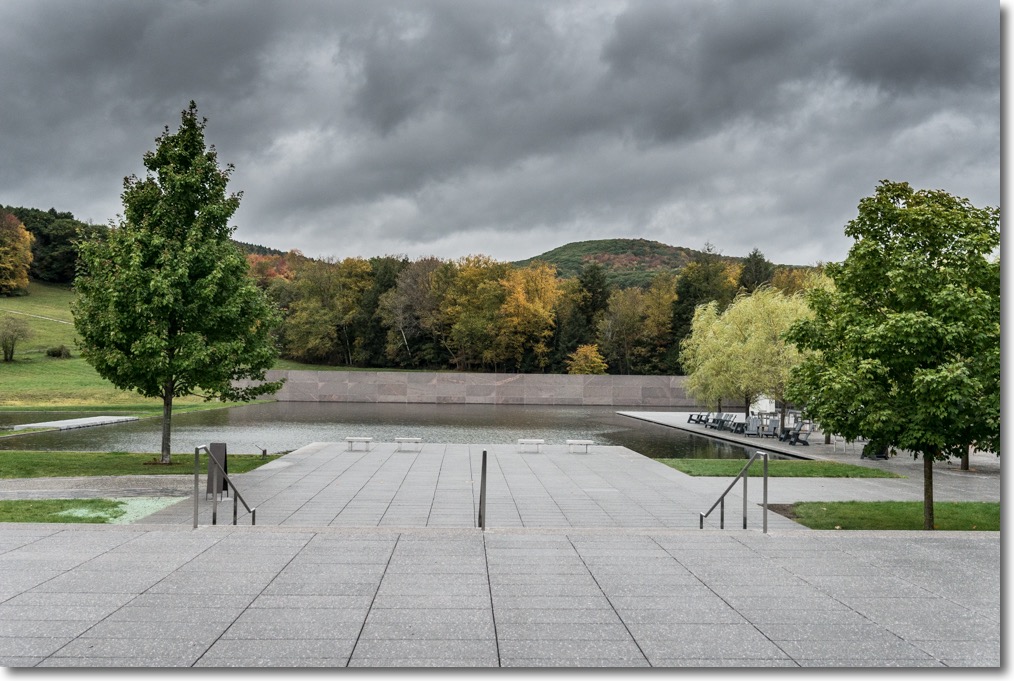
The entrance space is large, light and airy.


The pool uses recycled water. Of course. (Isn’t all water ‘recycled’?)


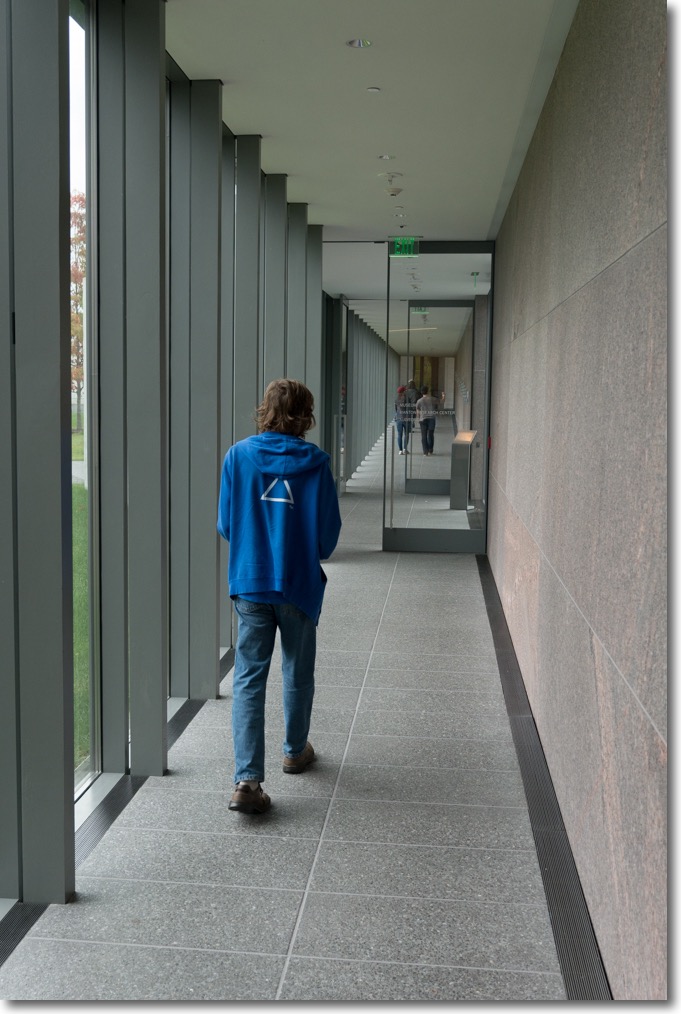
Winston enter the main gallery through the modern addition in back.


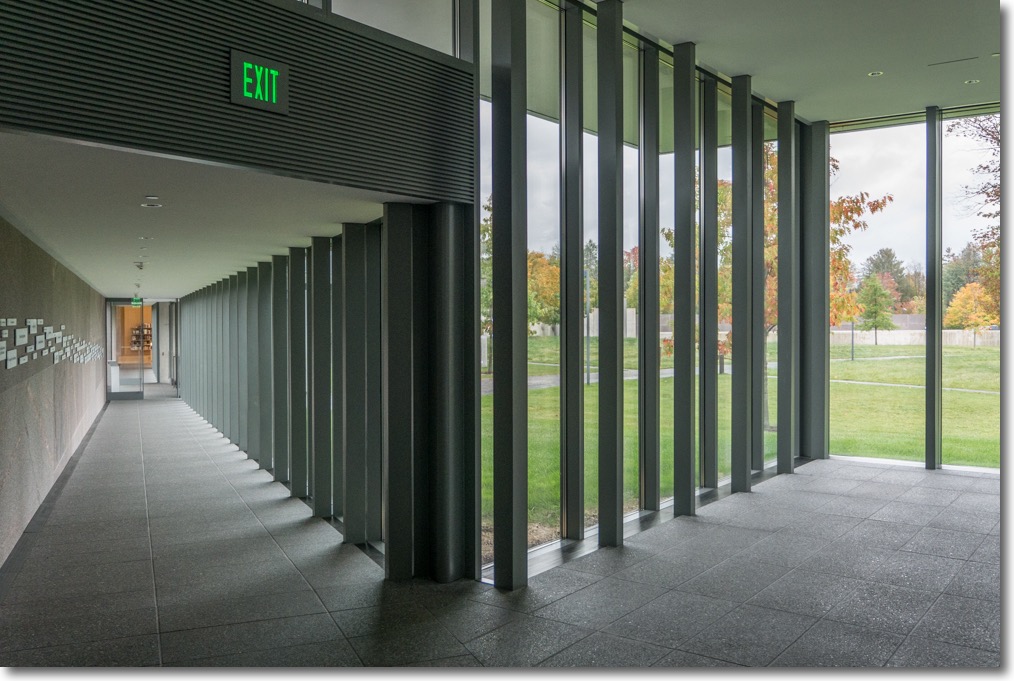
Severe but well done, the architecture of the addition integrates well.


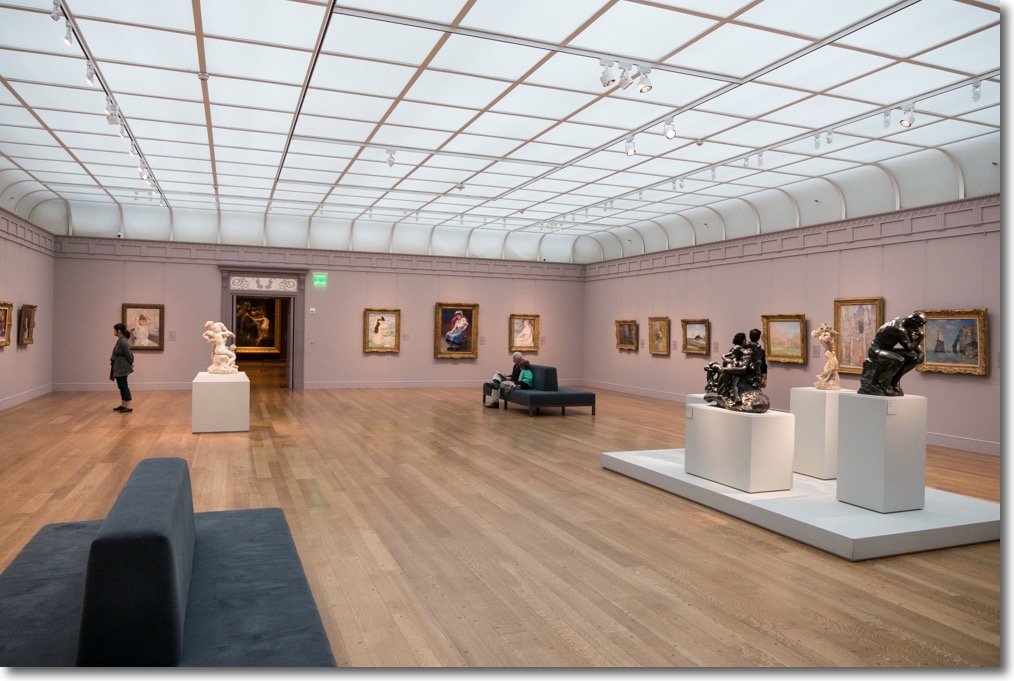
Maybe the finest Renoir collection this side of the Louvre.

If Renoir is your thing, a visit to the Clark is recommended.

Panny GX7 snaps, 12-35mm f/2.8 Vario lens, a universal purpose lens of stellar quality and low bulk.

Vermont scenes

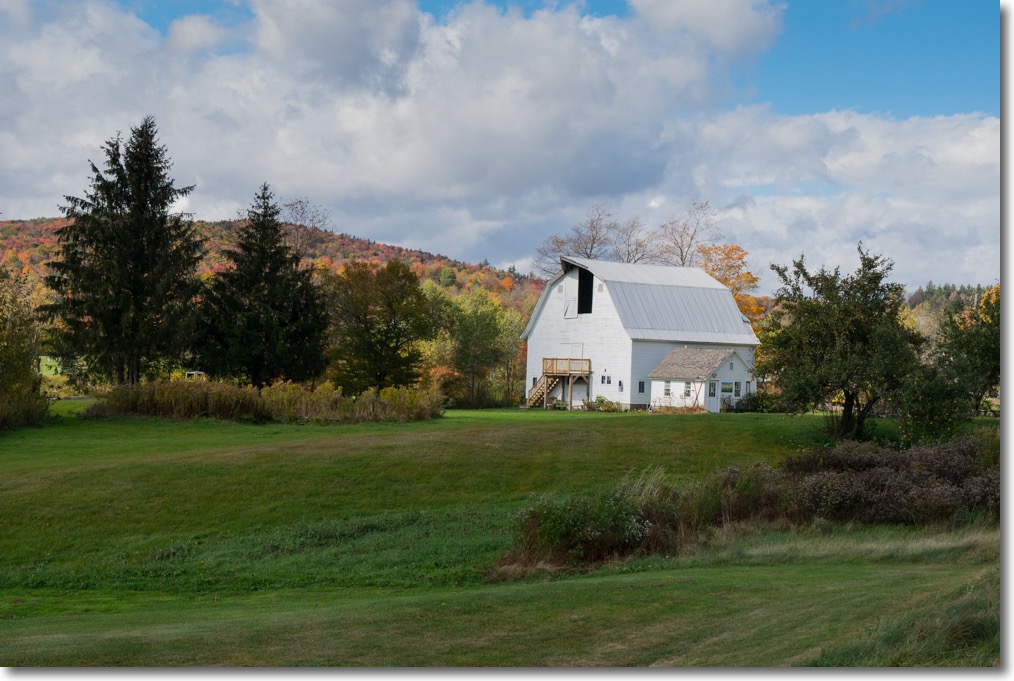
Beauty, subtly written.


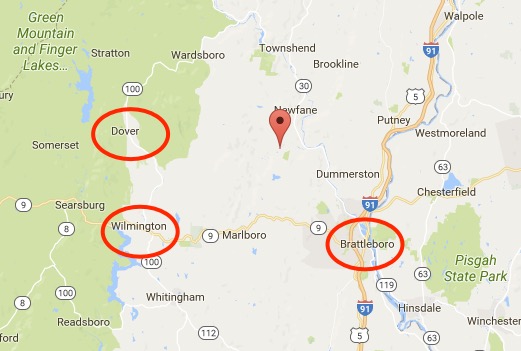
The marker denotes Williamsville.

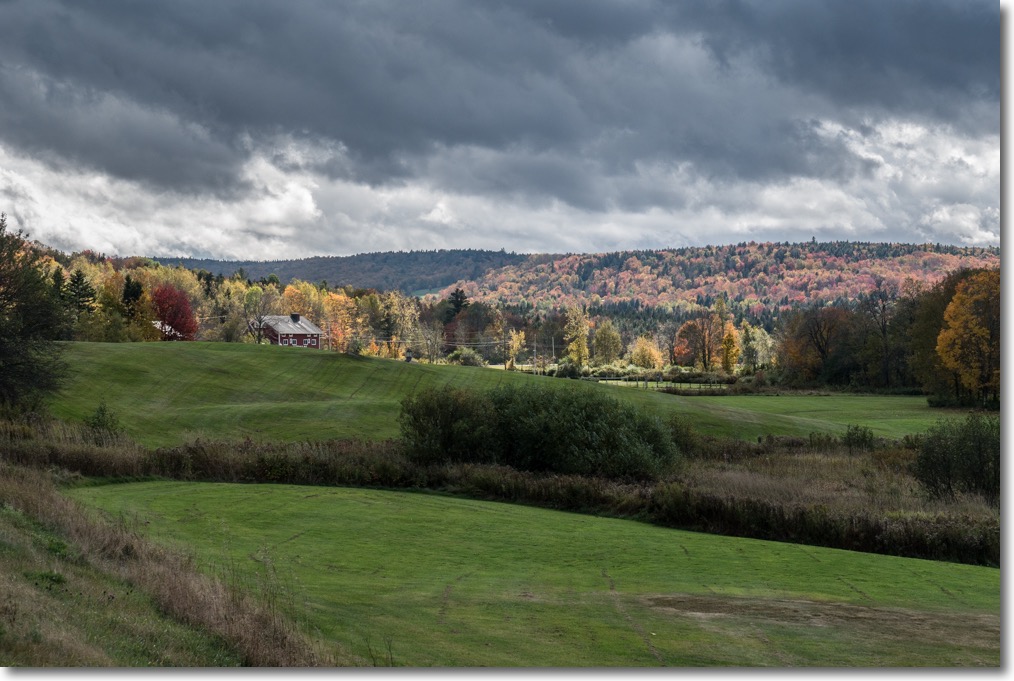
Vermont on a fall day is special, as a round trip from Brattleboro via Wilmington, Dover and WIlliamsville proves.


Between Wilmington and Dover.


Fall colors are coming.


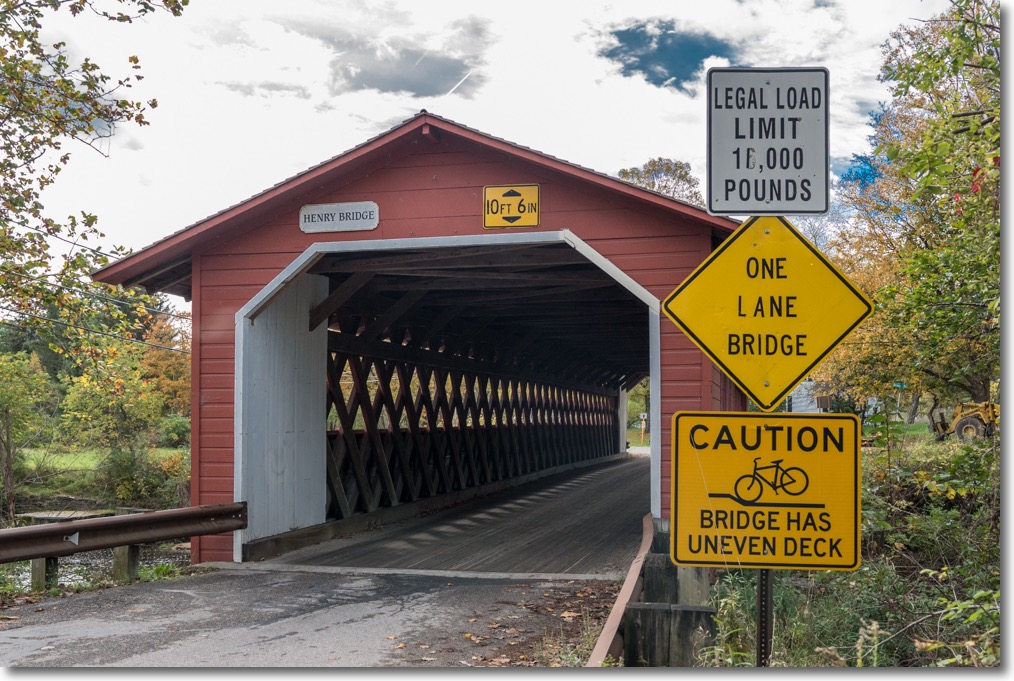
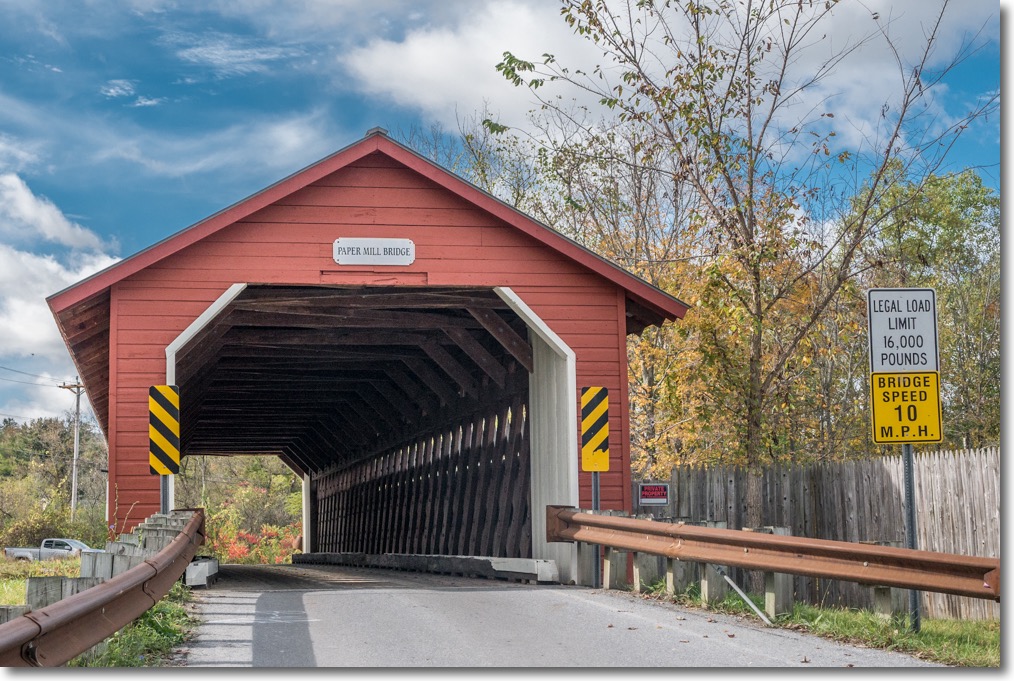
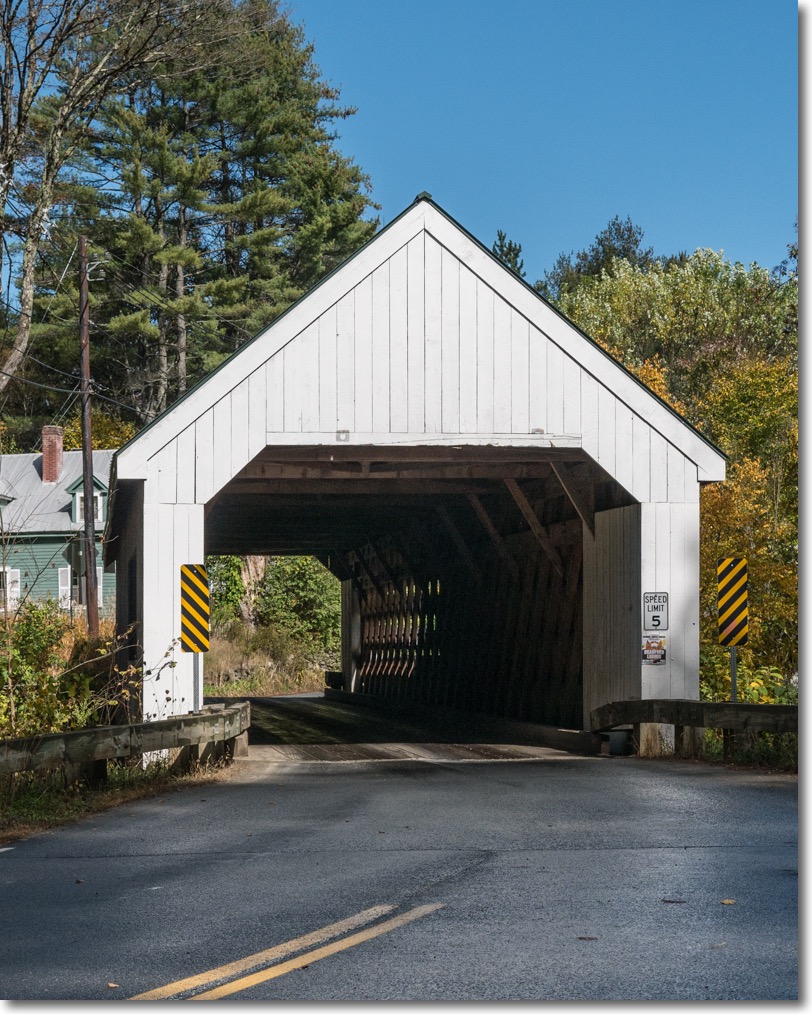
Single lane covered bridge between Williamsville and Brattleboro.


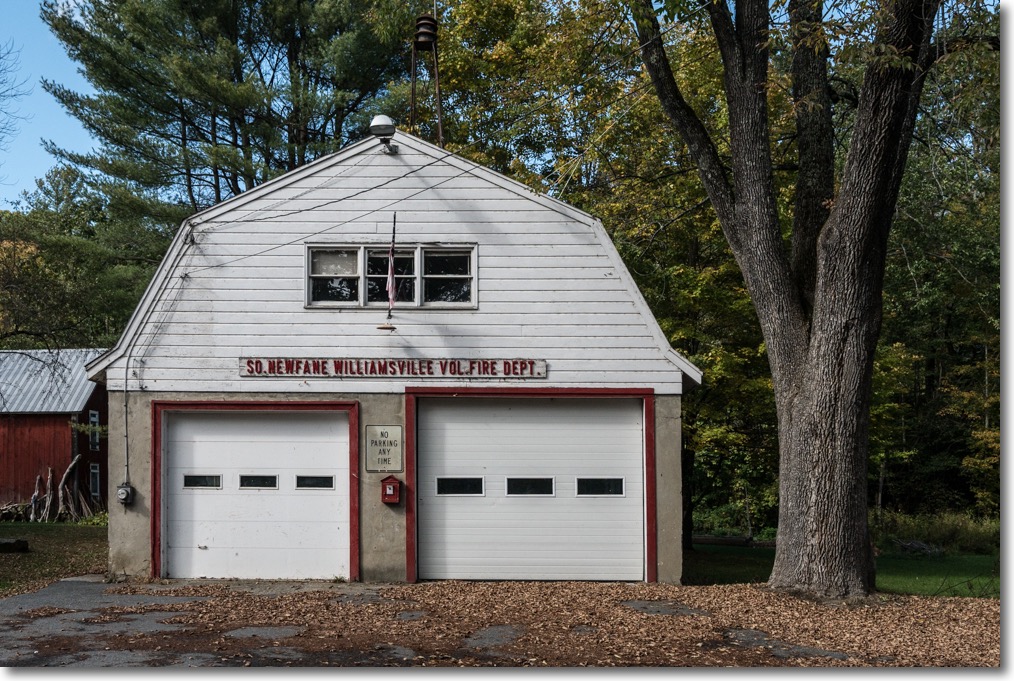
Wiliiamsville Volunteer Fire Department.


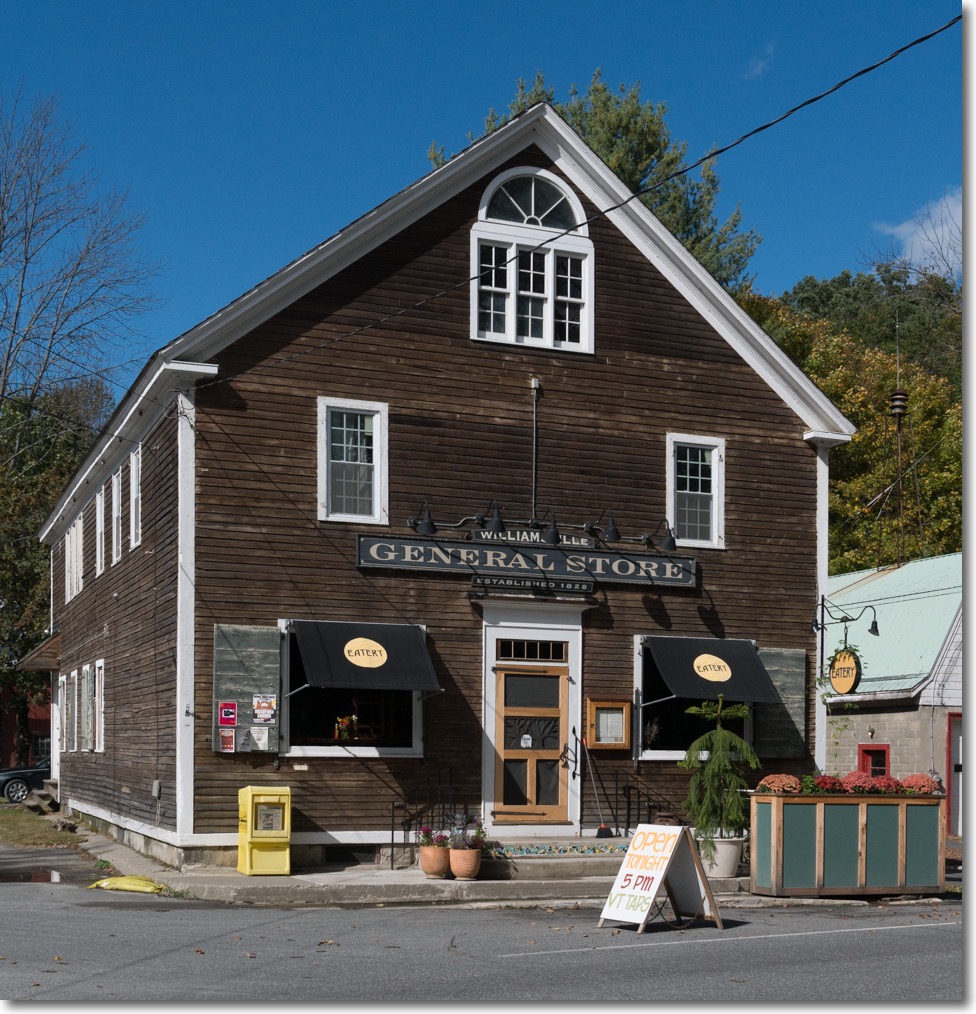
Williamsville general store.


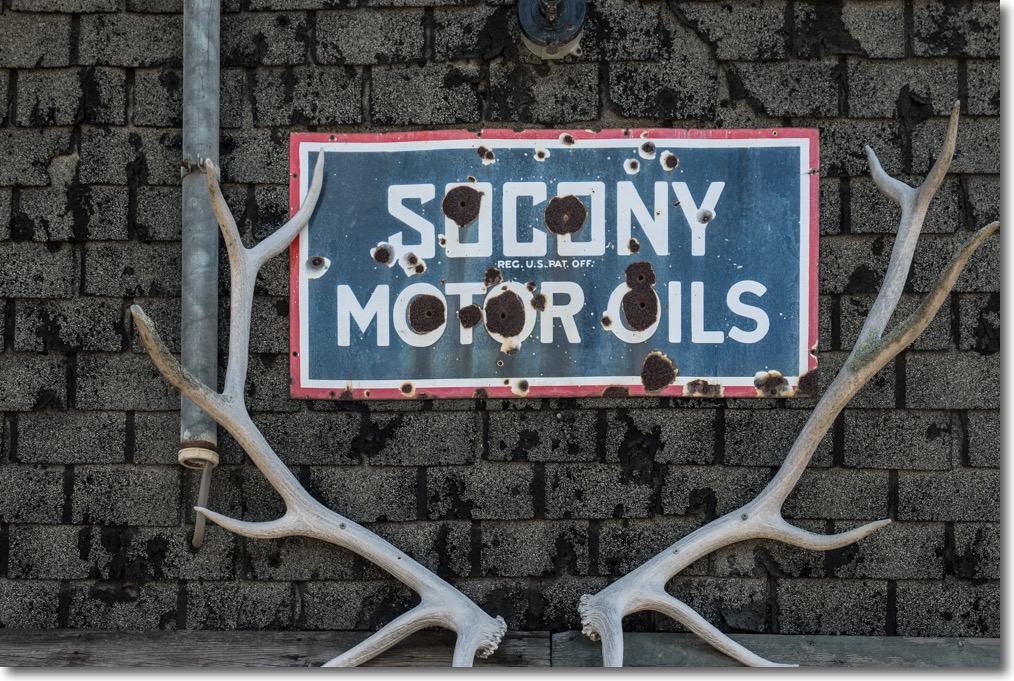
Standard Oil Company of New York, one of the original Rockefeller oil companies resulting from the 1911 anti-trust break-up of Standard Oil, became Mobil in 1920 and merged with Exxon in 1999. Capitalism prefers monoopolies to competition, and is busy recreating the Standard Oil Trust. Rockefeller would be proud, even if the sign has been used for target practice.


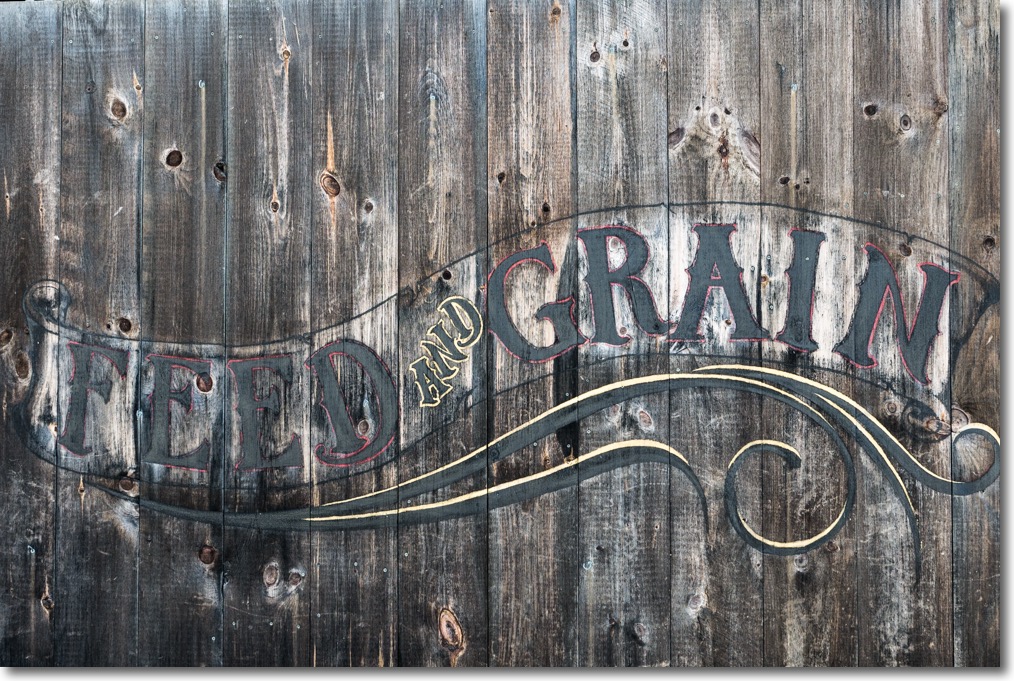
Feed and Grain.


Baptist church near Dover.

All snaps on the Panny GX7 with the 12-35mm Vario, which does a lovely job of rendering color and detail.