There is no such thing as a ‘film look’ – only bad processing.
I confess to finding all the talk about the classical ‘look’ of printed images taken on film to be so much rot.
(Please note: The pictures in this journal entry are purposefully large to enhance screen quality, so they make take a while to load on slower connections.)
Unless you make prints from film using an enlarger – an all analog chain if you like – every image we see is to a greater or lesser extent digital. Film has to be scanned to be shown on your computer. That’s digital. The scanned image has to be printed on some sort of printer, be it ink jet, dye sublimation, laser, using pigment inks or dyes. All digital. And, obviously, everything seen on the computer screen, where, let’s face it, 99.9% of photographs are now viewed, is digital.
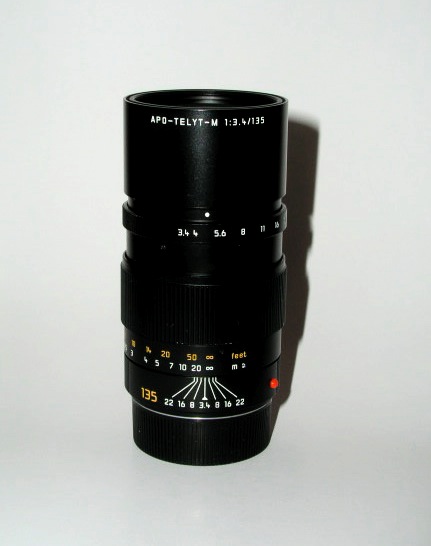
This journal entry was prompted when I read a piece on a chat board written by a fellow extolling the ‘Leica glow’ in images which, he claimed, only his film based Leica camera and lenses could deliver. No indication of the basis for this judgement or, indeed, anything about how he makes prints. The thrust of his poorly reasoned argument seems to be that digital looks ‘plastic’ (the English I learned suggests that plasticity is a good thing in an image, but I’ll let it go) whereas film looks real.
It’s unclear to me why some, like this person, still fight digital imaging. It might be that people who write on chat boards are like visitors to a hospital. They only go there because they have a problem, even if the disease is hypochondria. Part of it is, I suspect, that some practitioners have given digital a bad name through excessive sharpening, contrast, saturation and so on. That hardly exonerates poor practitioners of analog printing who loved garish excess, like Ansel Adams. The reality is that you will get lousy results with any process if you have a lack of skill, taste or both.
Another reason for proclaiming the superiority of film may well be that its defenders have invested such huge amounts in now largely worthless equipment that some sort of justification is called for. They are, of course, Label Drinkers. You buy a Rolls Royce and it has to be good, even if the thing breaks down constantly. How could you admit otherwise? Everyone knows it’s the best. Clearly, the resale value of gear is irrelevant, and all that matters is whether it helps you take good pictures. The only problem for these fellas is that they have to have the latest and greatest and, well, trade-in values on that M6 or M7 Leica just aren’t what they used to be. The ridiculous price of the digital M8 just compounds their problem. Here’s a $5,000 body (no lens!) which is not weather sealed, has manual focus, limited automation and no zoom lenses. Absent low light snaps, where it probably excels, it’s an overpriced, bulky, point-and-shoot (which is what Leica rangefinder photography is all about) far less capable for the most part than any number of $400 offerings from the far east. So economics become a prop for an ill reasoned position. Not the first time that has happened. Makes film a lot more appealing, though, if you are stuck with those old bodies.
Amusingly, the same psychology – it’s expensive so it must be good – comes into play when they finally spring for that M8, having dumped the M6 or M7 at a huge loss. They are now duty bound to proclaim that the digital Leica takes better pictures (!) than anything else out there. But of course.
Unless you are taking pictures in very challenging lighting, requiring fast lenses and low noise, high ISO sensitivity, and you need to make really large prints, then there is simply no difference in the image taken with costly gear like the top Nikons, Canons or Leicas and the $300 point-and-shoot. Digital or film, it makes no difference in regular prints. Up to, say, 8″ x 10″ in hard copy prints or up to a 30″ computer screen, it all looks great. I was reminded how terrific some 6 mp images taken on a Nikon looked, when I examined them on the 30″ Apple Cinema Display the other day in the Apple store. The only reason I know they were Nikon digital originals is because that’s what it said on the file information. You simply could not have asked for a better image – dynamic range on the screen greatly exceeding anything a print could offer. Like looking at projected slides in days of old.
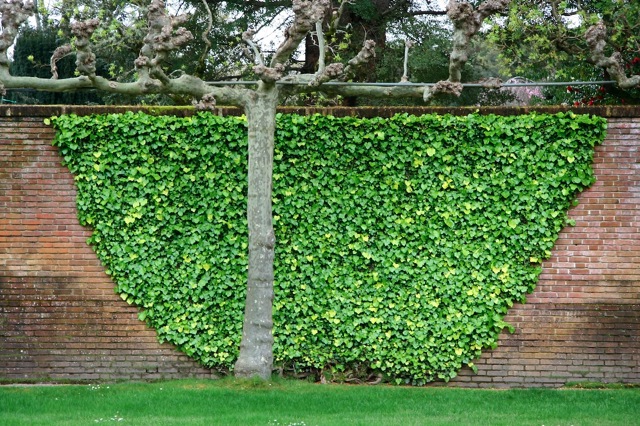
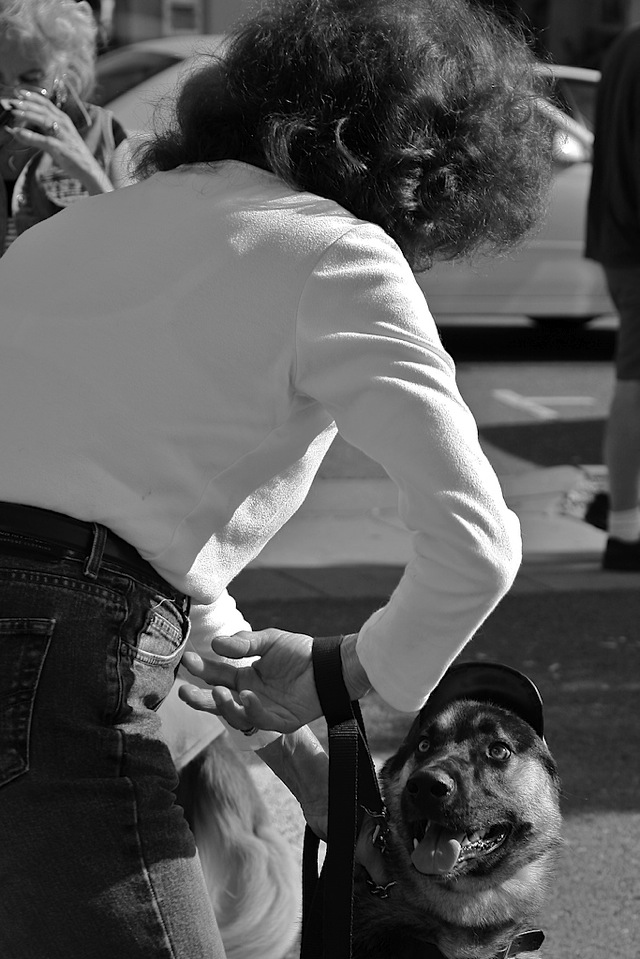
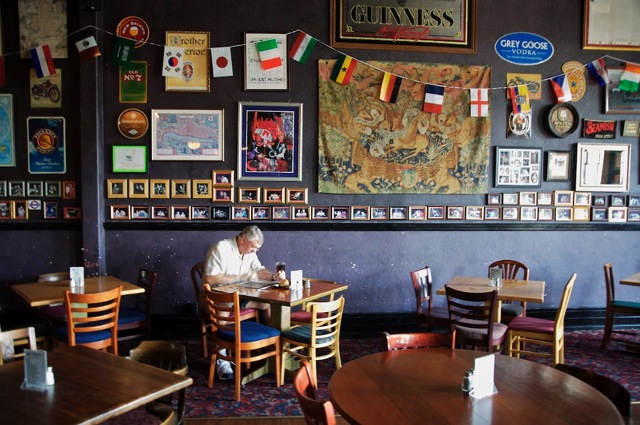
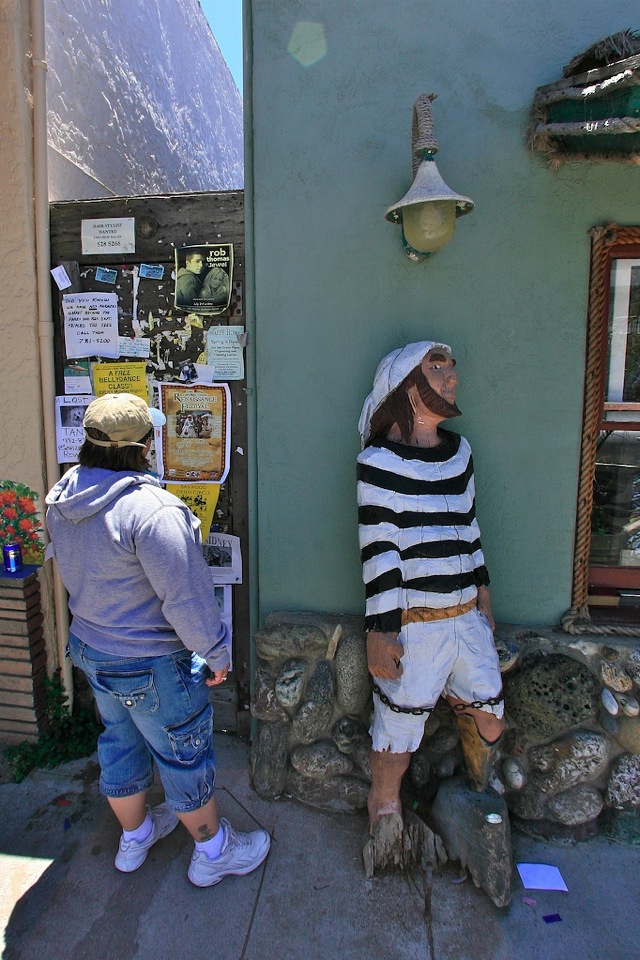
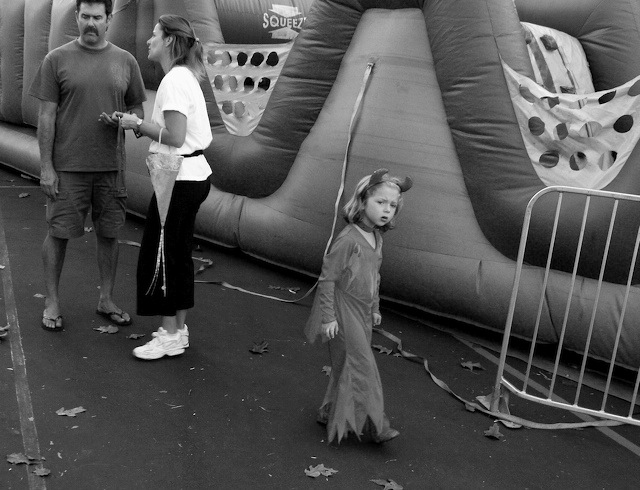
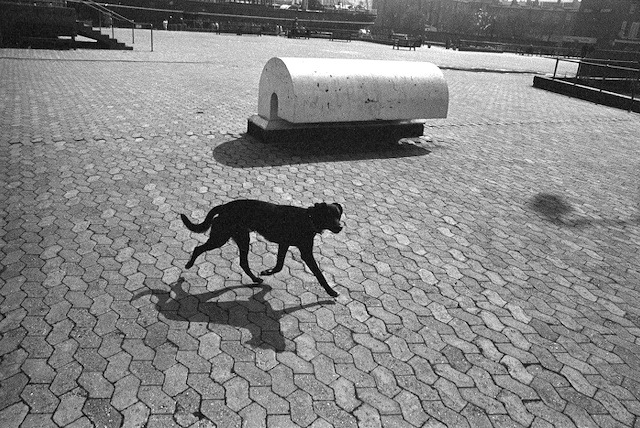
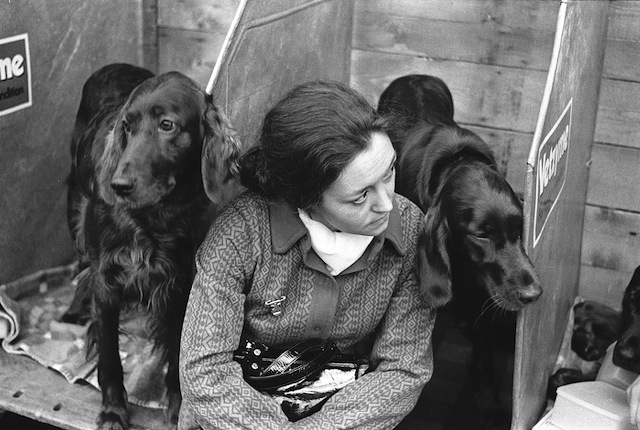
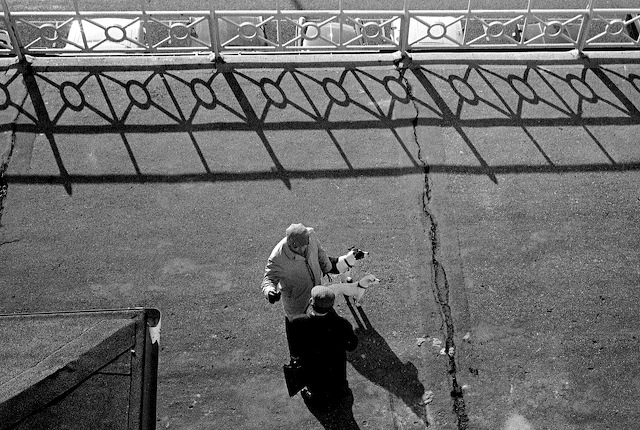
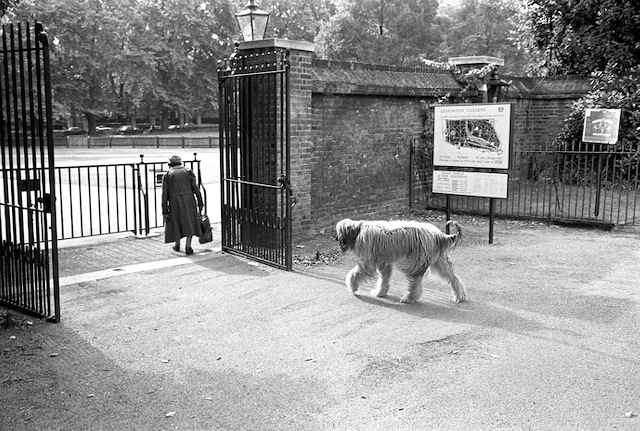
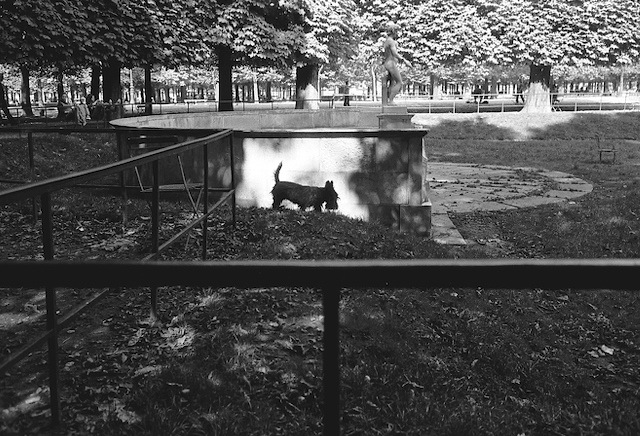
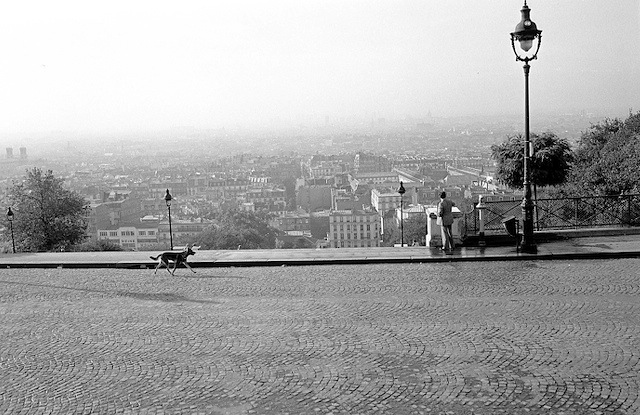
Reverting to that chat board thread, one correspondent confidently stated that he can always tell which images on his computer screen are digital (whatever that means – I suppose he is referring to the original being snapped with a digital camera) – which left me laughing helplessly. Anyway, for that expert and fellow travellers, here’s a selection of my snaps from the archives wherein I invite you to guess which are digital and which film. Meaning, in my world, which were taken on a film Leica as opposed to a digital Canon 5D. And don’t go guessing by aspect ratio – both my Leicas and the 5D share the same native 3:2 image ratio and I crop away depending on my mood. All will be revealed tomorrow. Oh!, and by the way, I hope you enjoy the pictures!
By the way, there as those dogs again….