And now for some pictures

Which is what it’s all about.

All that cataloging in Aperture did have a bright side, specifically an opportunity to reacquaint myself with many pictures from days past. So after all this talk of cameras and printers and software in recent columns, I thought it might be nice to share some pictures with you.

As is the case, I suspect, with many photographers, I have perfect recall of the equipment and film used to take these, even though the stored files are silent, as it’s not something I routinely record. The digital age, of course, does this for you today.

So here goes – 15 snaps chosen at random and in no particular order.


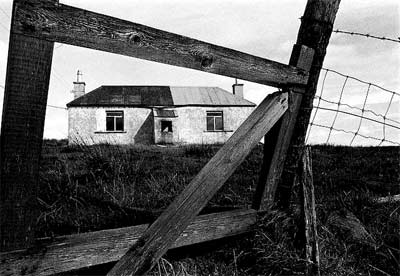
South Uist, Outer Hebrides, 1977.
A rugged, lonely place.
Nikon F, 28mm Vivitar, TriX.


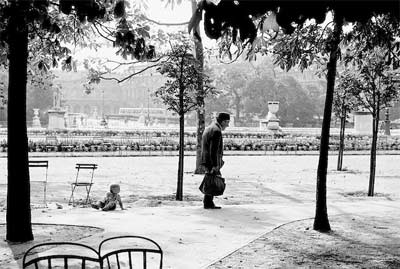
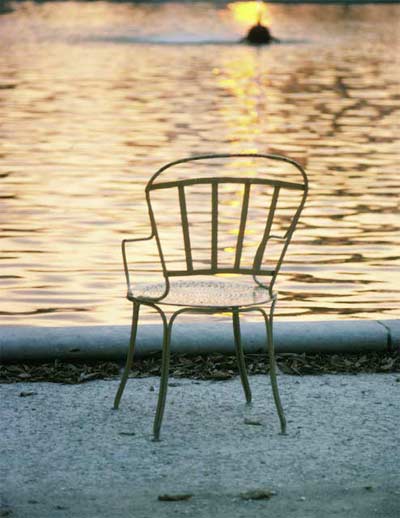
Tuileries Gardens, Paris, 1977.
A life begins, another draws to a close.
Leica M3, 35mm Summaron, TriX.


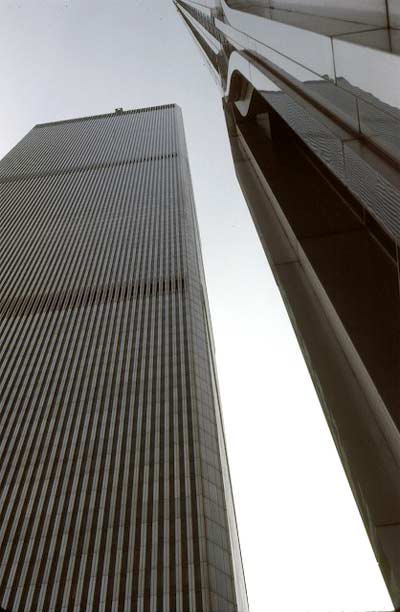
World Trade Centers, 1982.
Pentax ME Super, 40mm Pentax SMC, Kodachrome 64.


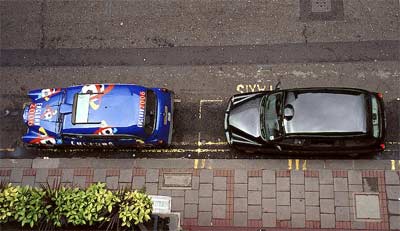
London, 2000.
Cabs old and new.
Leica M6, 35mm Asph Summicron, Kodachrome 64.


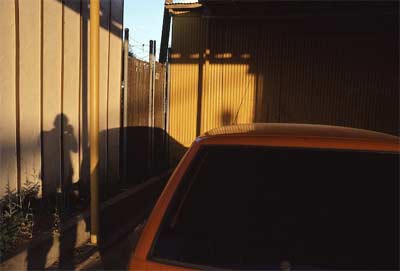
Tucson, Arizona.
A warm day!
Leica M6, 90mm Elmarit, Kodachrome 64.


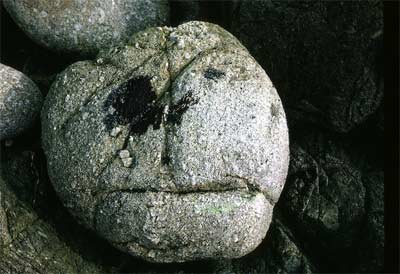
Pebble Beach, California, 1987.
‘The Pirate’.
Leicaflex SL, 50mm Summicron-R. Kodachrome 64.


Tuileries Gardens, Paris, 1975.
What’s not to like about Paris?
Leica M3, 90mm Elmar, Kodachrome X.


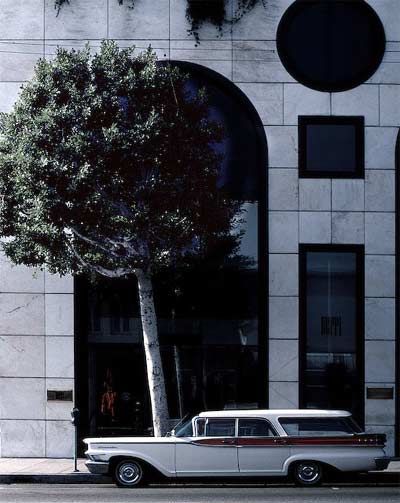
Rodeo Drive, California, 1989.
Someone parked this huge ’60s wagon on this costliest of shopping destinations.
Leica M3, 50mm Summicron, Kodachrome 64.


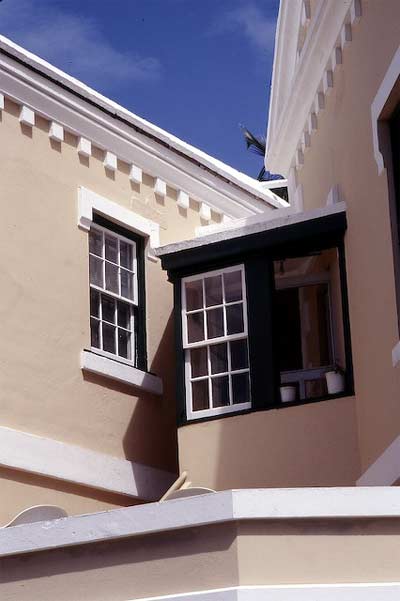
Bermuda, 1999.
Land of sublime architecture.
Leica M6, 90mm Elmarit, Kodachrome 64.


Somewhere in Arizona, 1988.
Leicaflex SL, 50mm Summicron-R, Kodachrome 64.


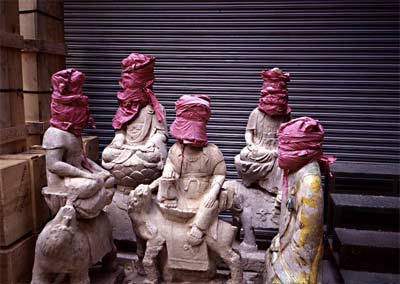
Hong Kong, 1995.
Statues ready for illicit export.
Rollei 35, 40mm Tessar, Kodachrome 64.


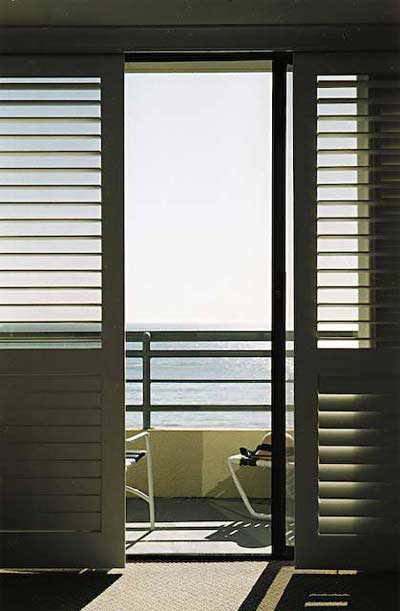
Pismo Beach, California, 2004.
A lazy, sunny afternoon by the Pacific.
Leica M2, 35mm Asph Summicron, Kodak Gold 100.


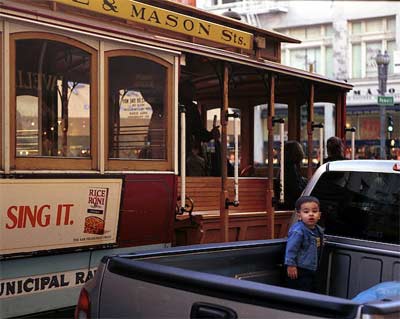
Union Square, San Francisco, 1999.
A child’s wonder.
Leica M2, 35mm Asph Summicron, Kodak Gold 100.


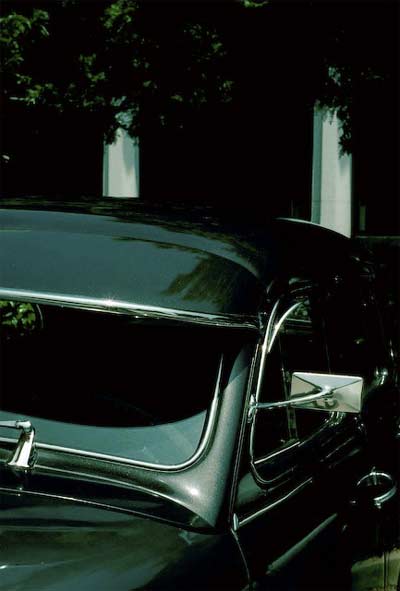
Pasadena, California, 1988.
Gangster car.
Leica M3, 35mm Summicron, Kodachrome 64.


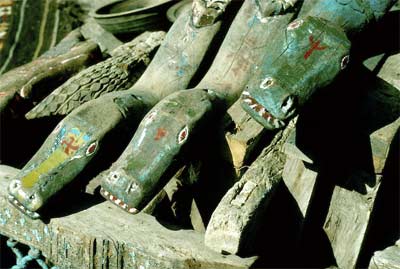
Santa Fe, New Mexico, 1995.
Rocking horses at an antique dealer’s.
Leica M2, 50mm Summicron, Kodachrome 64.

Global interest

Isn’t the Internet wonderful?

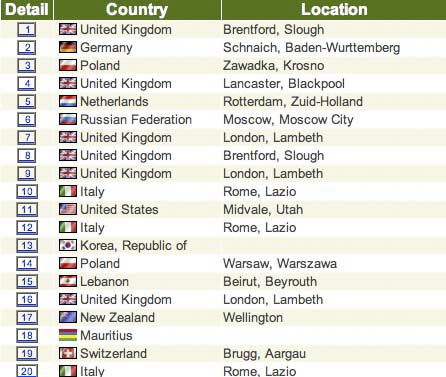
Recent data on the locations of some of the visitors to this site – a truly global selection! Don’t worry, I do not know your identity, only the location of the reader.

Let me see. The United Kindom where I grew up and learned that most civilized of games, cricket. When Hermann Hesse wrote of ‘The Glass Bead Game’ he must have been thinking about Lords.

Baden-Wurttemberg which my mother visited in 1938 and always spoke of fondly.

Poland of course – now how do I recover those 14,000 acres stolen from my family?

Holland and many pleasant memories of a wonderful country and its great people.

Russia, may she stay free and hew to true democracy.

Italy, the center of art, design, culture, fashion – always has been, always will be.

South Korea – may you become one again after the brutal regime up north collapses, as it must.

Lebanon – may you find peace and prosperity.

New Zealand – haven of beauty and fine people.

Mauritius – is there anywhere more beautiful?

Switzerland – thank you for my Patek Philippe, (yes, Patek, the salesman of the two, was a Pole) an analog dream in a digital world.

But above all, here is to all of you, for photography is tuly the universal language.

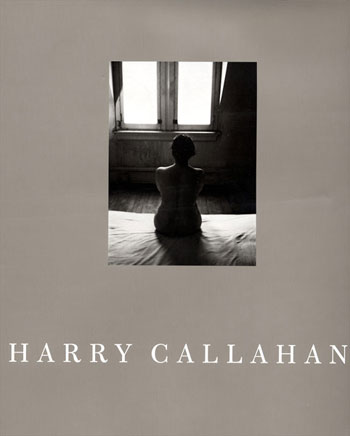
Harry Callahan

Book review

Harry Callahan (1912-1999) left a substantial body of work, yet I cannot help thinking he rues the fact that what he is remembered for most is the many pictures, frequently nudes, of his wife Eleanor.

And while he was an enthusiastic experimenter, be it with double exposures or light traces, these wonderful early pictures set a standard and style imitated, but seldom equaled, by many since.

It’s not that Eleanor is some sort of model ideal of a woman, whose modern image in men’s eyes dictates exaggerated breasts and miniscule hips. Quite the opposite. She is powerfully built, a woman of the mid-West, with solid bones and generous hips. A Real Woman. And does he do her justice. Whether it’s the powerful, face-on image showing a determined chin and direct gaze, or the many nude-in-landscape studies which define the genre, his photographs of his wife are never less than special and deservedly define his oeuvre.

The Chronology of his life in this book, published by Bulfinch, goes a long way to illustrating his restless mind and thirst for experiment. I quote:

1938 – Purchases first camera, a Rolleicord 120.

1941 – Begins to work with a 9 x 12 Linhof Technica (sic) camera.

1941 – Moved by the sharpness of Adams’ (sic) prints, trades enlarger for an 8 x 10 camera and begins to make contact prints.

1943 – Buys 35mm Contax single-lens reflex camera (sic – can’t they get anything right?) and begins two-year series of photographs of pedestrians.

The latter rival, by the way, anything done by Walker Evans in this genre, adopting a far grittier approach.

This is curiosity at its best and not mere fascination with equipment as Callahan takes lots and lots of pictures along the way.

He starts exhibiting in 1941 and thereafter it seems there is scarcely a month when a show or publication does not come to market.

Rightly so, for there is much to be learned from the mind of this true original, whether from the early monochrome or later color work.

Highly recommended.

Elton John’s collection

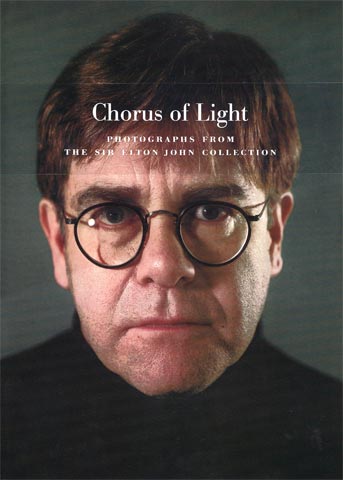
Chorus of Light – Photographs from the Sir Elton John Collection – book review

Elton John (sorry, ‘Sir Elton’ just sounds too silly) has a lot of talent. He also has a lot of money which allows him to feed his manic collector’s streak. The collection on view here is of his photographs.

The only reason to buy this book is that it can be picked up for just a few dollars, having been remaindered no sooner than it was published. What you get is a 13” x 9.5” collection of some 150 photographs, nicely reproduced, representing many of the classic images of the twentieth century. Why anyone would want to pay huge sums of money for ‘original’ photographs – a contradiction in terms if there ever was one – beats me, but you get to peek, almost free, at a fine collection here.

The interview with John, who is predictably egotistical, is actually quite interesting.

If you like classic photography this is a cheap entrée.

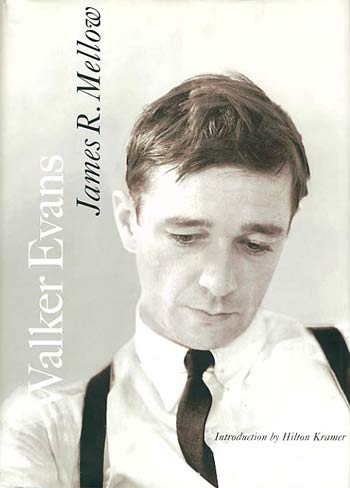
Walker Evans

Book review

It’s hard to know what to make of Walker Evans’s photography.

On the one hand he is justly famous for his depression era photographs of American sharecroppers and the misery of their existence, photographic work commissioned by the Roosevelt administration.

On the other hand, much of his work can be dismissed as a twentieth century variation on Atget’s nineteenth century pictures of a seemingly deserted Paris.

In Atget’s case, the lack of people can be attributed to the slow films of the era, where a passer by would render a ghostly image, if he recorded one at all. By contrast, for Evans the stillness of the cities he photographed is solely due to careful planning and composition. And frankly, the architectural photographs are, for the most part, unexceptional and boring, despite having been set up with infinite attention to lighting and timing.

To make matters more difficult, this book comes from the ‘sell it by the pound’ philosophy of American biography, one of the saddest developments in modern writing. Weighing in at some six hundred and fifty pages, it closes in 1956 with the death of the author, James Mellow, who died in 1997. Evans died in 1975 aged 72, leaving the last eighteen years of his life sketched by Mellow in a few paragraphs. So even allowing for the fact that those years were not amongst the most productive in Evans’s life, they would have conceivably added another 200 pages to an already ominously thick tome

These were some of the thoughts going through my head as I approached the daunting task of reading about one of America’s most respected photographers. It has to be said, then, that this biography is really quite gripping. Mellow writes beautiful, idiosyncratic English and displays a genuine love for his subject. His exhaustive research never makes the text lugubrious or boring. Best of all, the many reproductions of Evans’s work are interspersed with the text, thus placing them in context with the writing. It is well worth trading some loss in reproduced quality for this optimal presentation of the work.

Evans was a curious mixture. Well versed in literature and painting, he more or less stumbled on photography. Maybe his most telling comment about his contemporaries was to the effect that he denigrated the obsession with technique shared by Ansel Adams, Edward Weston and Paul Strand “….none of whom I admire”, while admitting that technique interested him more than it did Cartier-Bresson “….though I admire his work very much.” A telling statement when you consider that Evans’s second exhibition at the Julien Levy Gallery in New York in 1934 was with Manuel Alvarez Bravo and….Henri Cartier-Bresson. So one can read an element of envy into the comment on technique, and it brings one in a roundabout fashion to the realization that his best work by far was very much in the style of Cartier-Bresson.
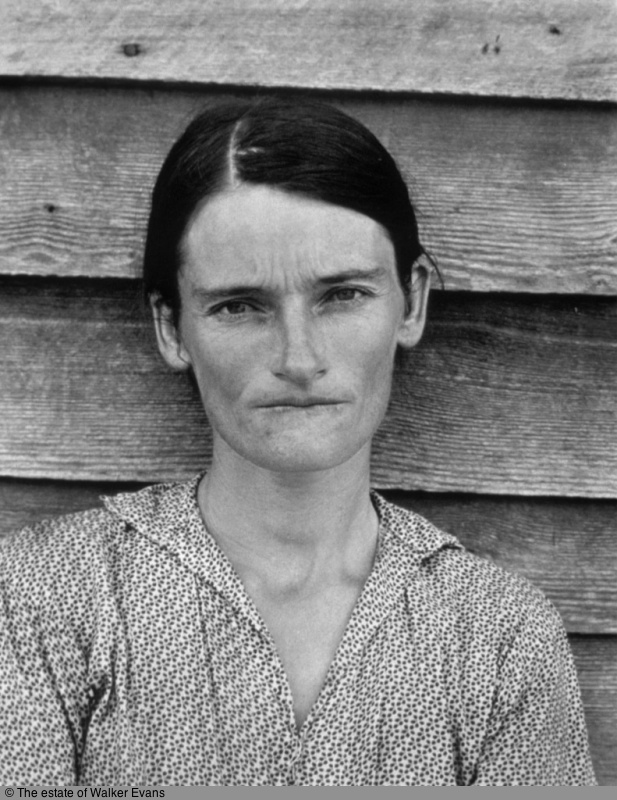
Sharecropper’s wife.

Memorable photography is just that. Memorable. One remembers the pictures without having to look at them and those of Evans’s pictures I recall are all from the great street and subway images he took in the late-1920s and throughout the 1930s. The aggressive girl snapped on Fulton Street in 1929, the incongruously fur-attired black woman on 42nd Street in the same year and those incredible subway pictures taken in the late 1930s. Amazingly, Evans had challenged himself to take the subway pictures but then had to be pushed by mightily impressed friends to complete the project. He was nothing if not self-effacing. This seems very much a character trait – he was no self starter and needed the prodding of colleagues and business associates time and again to get on with the job. A self-starter would have left a broader body of work albeit maybe one of lower quality.
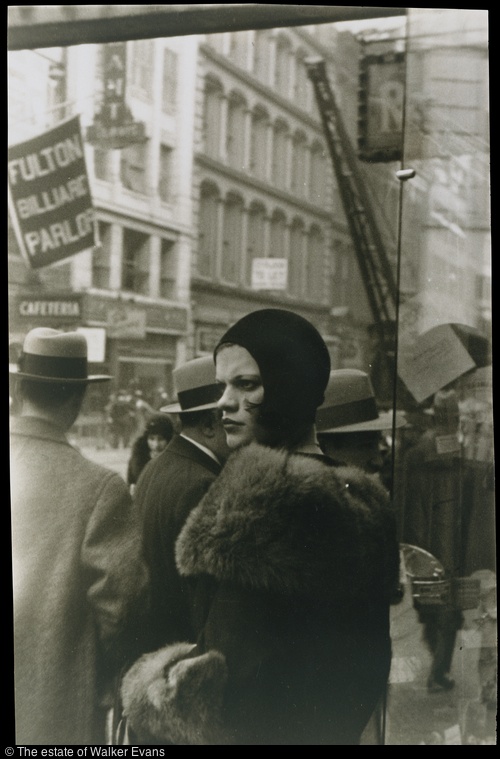
Girl on Fulton Street.

So Evans’s work can be enjoyed on many levels, from straight reportage and historical documentary to some of the finest street photography of his time. No prizes for guessing which impresses as great photography, though. Don’t be put off by the weightiness of this tome. It is an excellent study of a great photographer.
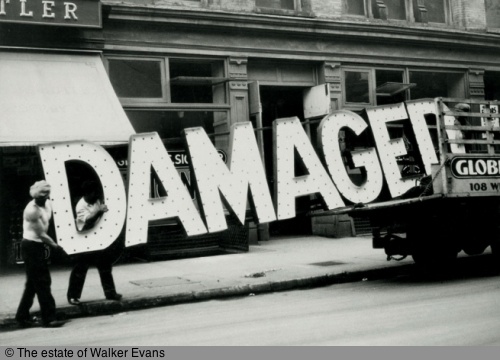
Damaged.