Some snaps.
For an index of all Leica-related articles click here.
Part I is here.
These were taken mostly at full aperture unless otherwise noted, with AutoISO. Absent minor correction of leaning verticals the images are pretty much SOOC. Spot AF-s was used (locking the focus with a first pressure on the shutter release, then recomposing) as I do not trust area focus options. At 200mmm, even with the slow maximum aperture of f/6.3, depth-of-field is very shallow. For ISOs of 3,200 and above I used LRc’s excellent ‘Denoise’ feature. It takes out digital noise without destroying definition. All originals were taken on DNG files, converted in LRc to JPG for this journal:

Autofocus on the little boy is spot on. 200mm, ISO 12,500.
Click the image for a larger version.
My previous experience with the Sigma 35mm f/1.4 Art lens suggested that Sigma’s quality control was less than stellar, with the autofocus being significantly off. Sigma makes the UD11 dock but it appears that it does not permit correction of autofocus errors, serving only to adjust manual focus collar rotation speed. It also allows downloading of the latest firmware but you can do that without a dock. Anyway, it appears I have lucked out as far as focus accuracy goes. The Leica SL2-S does not have a function to correct for lens autofocus errors, so that’s not a solution if your lens’s focus is off.
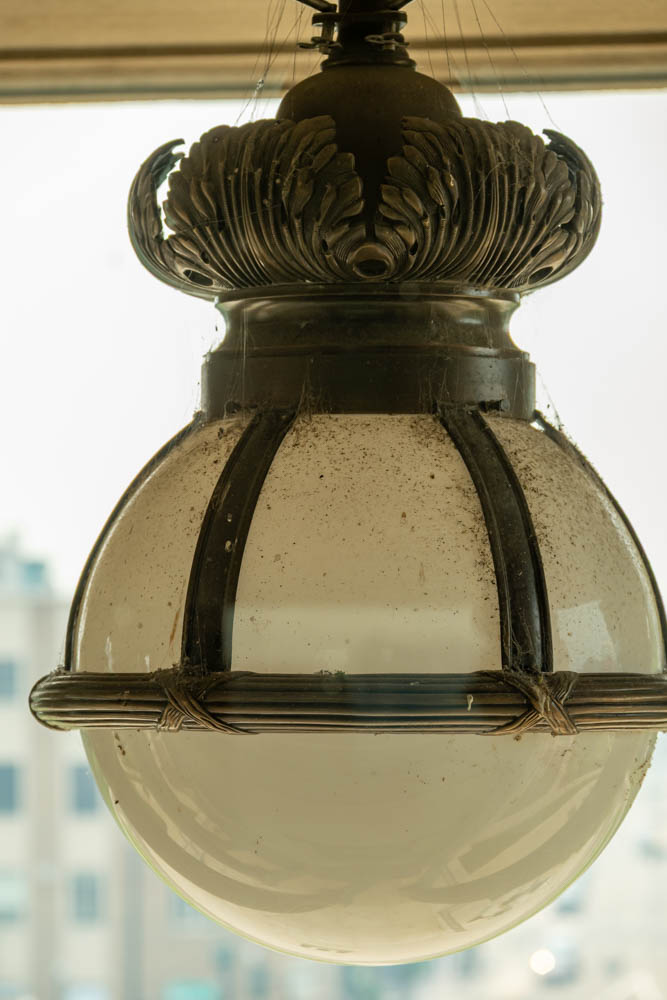
No evidence of chromatic aberration, 113mm, ISO 400.

Corner to corner resolution. 45mm, ISO 6,400.

The Declaration of Independence.
Stopped down to f/8. Outstanding resolution – check the big version.
65mm, ISO 6,400.
Click the image for a larger version.
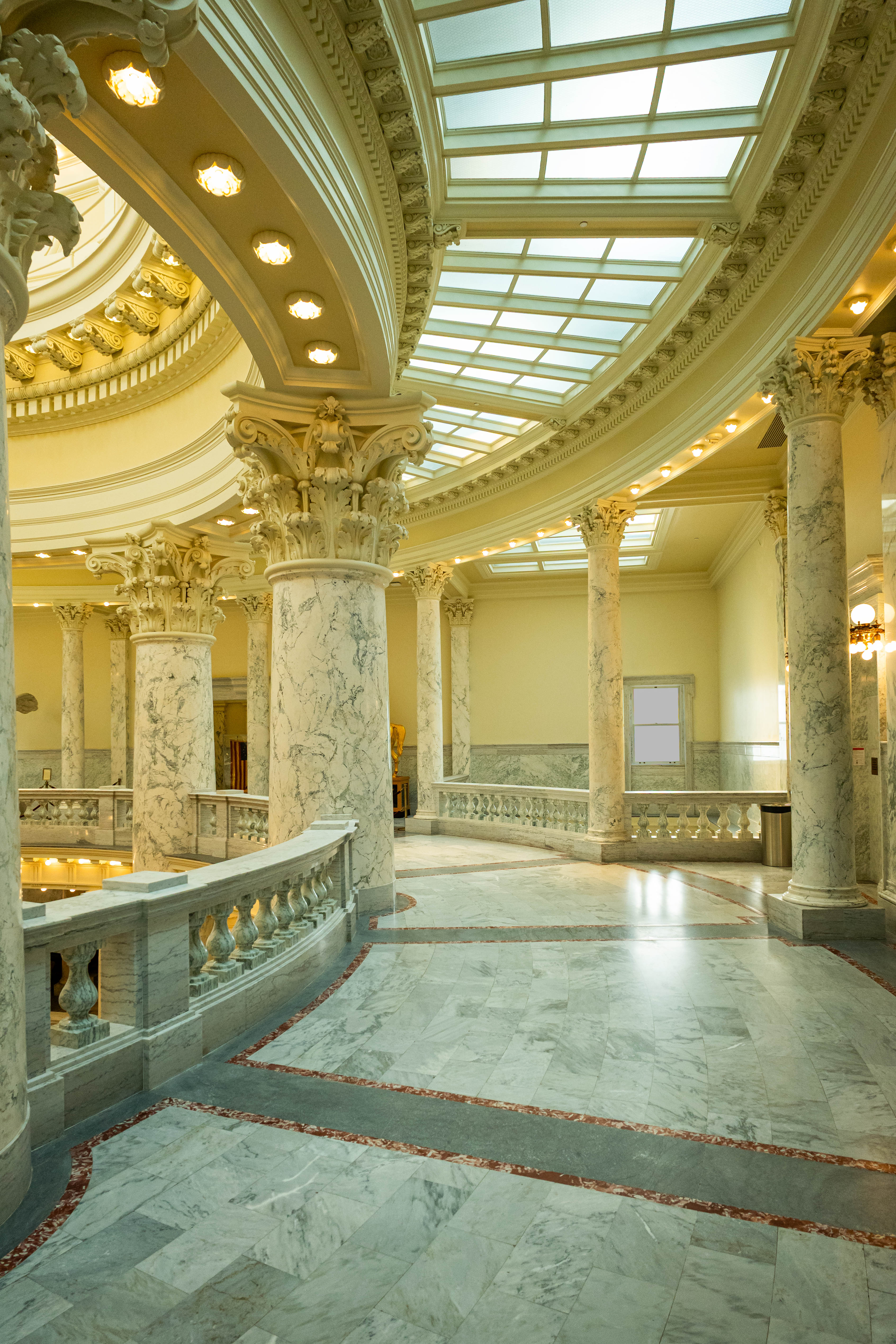
Stopped down to f/4.8.
20mm, ISO 2,200.
Click the image for a larger version.
The outstanding in-camera correction of distortion and vignetting is very much visible here. Flare – check the light globe far right – is very well controlled.
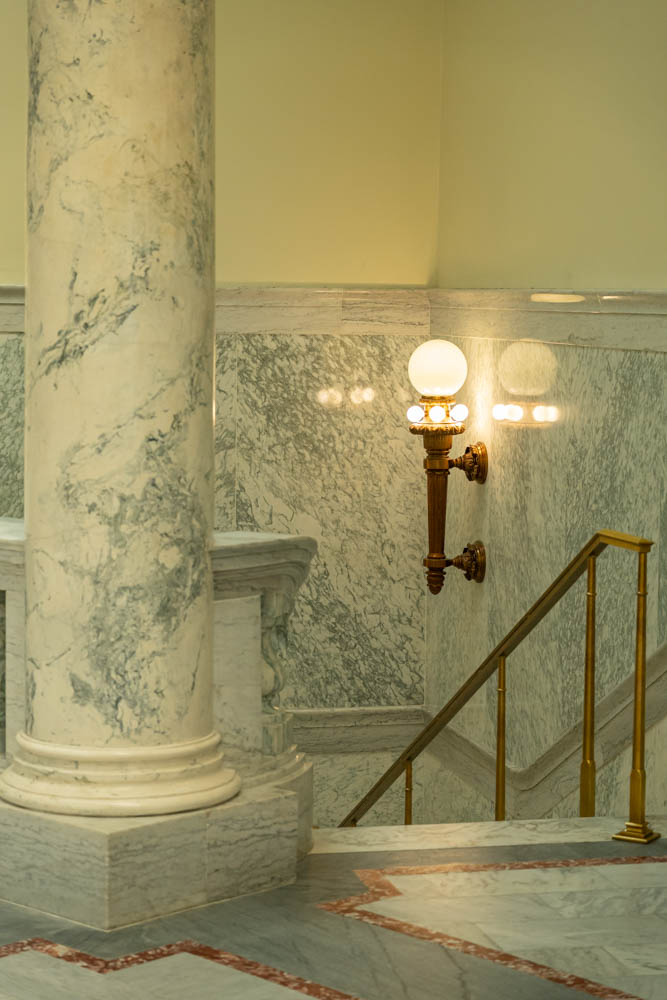
Another example of fine flare control. 78mm, ISO 3,200.
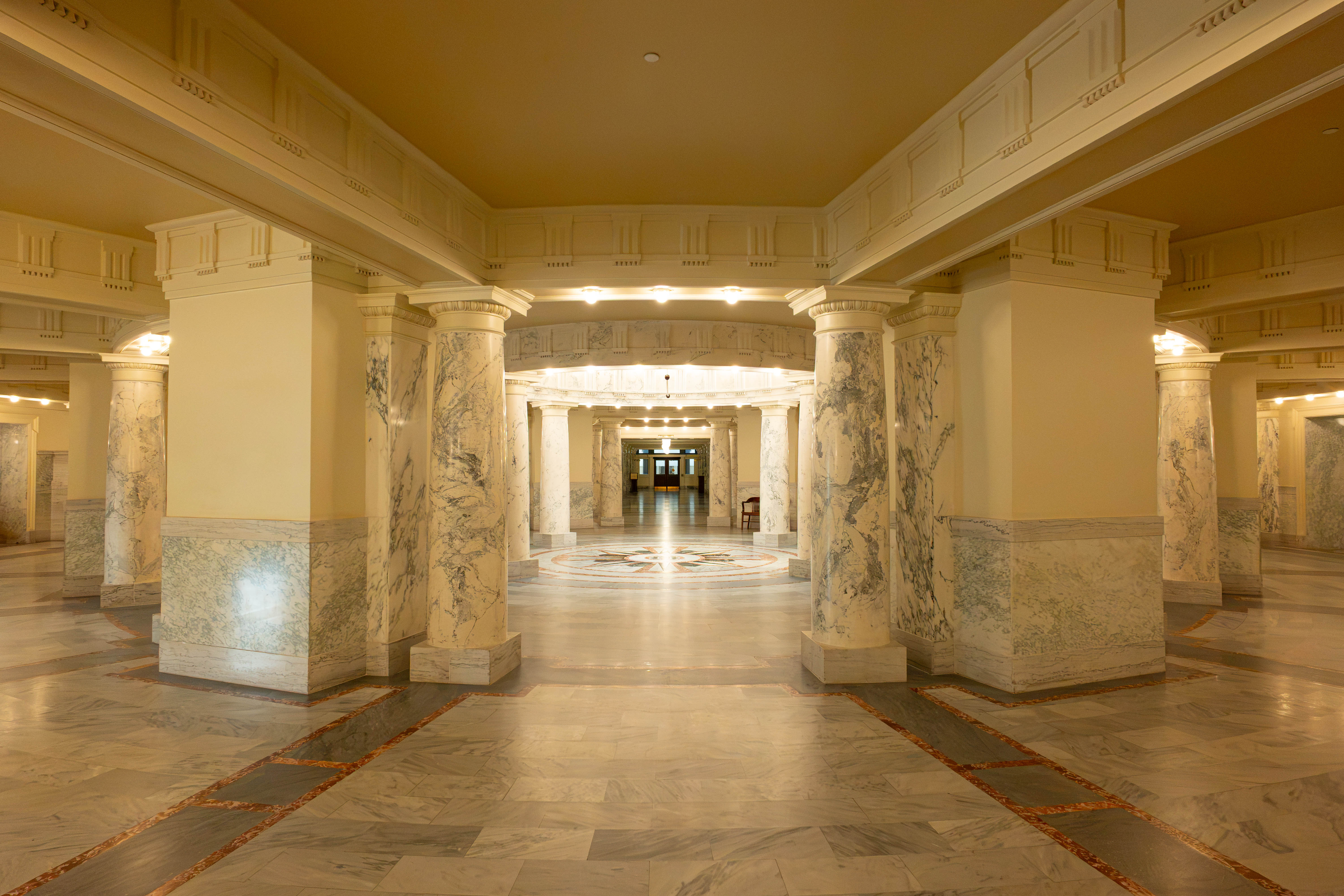
Stopped down to f/8.
20mm, ISO 12,500.
Click the image for a larger version.
Performance at 20mm is exemplary, with little resolution gain from stopping down. There is no issue with using the lens wide open when it comes to rendering of details. This is a very high dynamic range image, testing the SL2-S’s (Sony BSI?) 24mp sensor to the limit. It acquits itself well, even though a 2019 design.
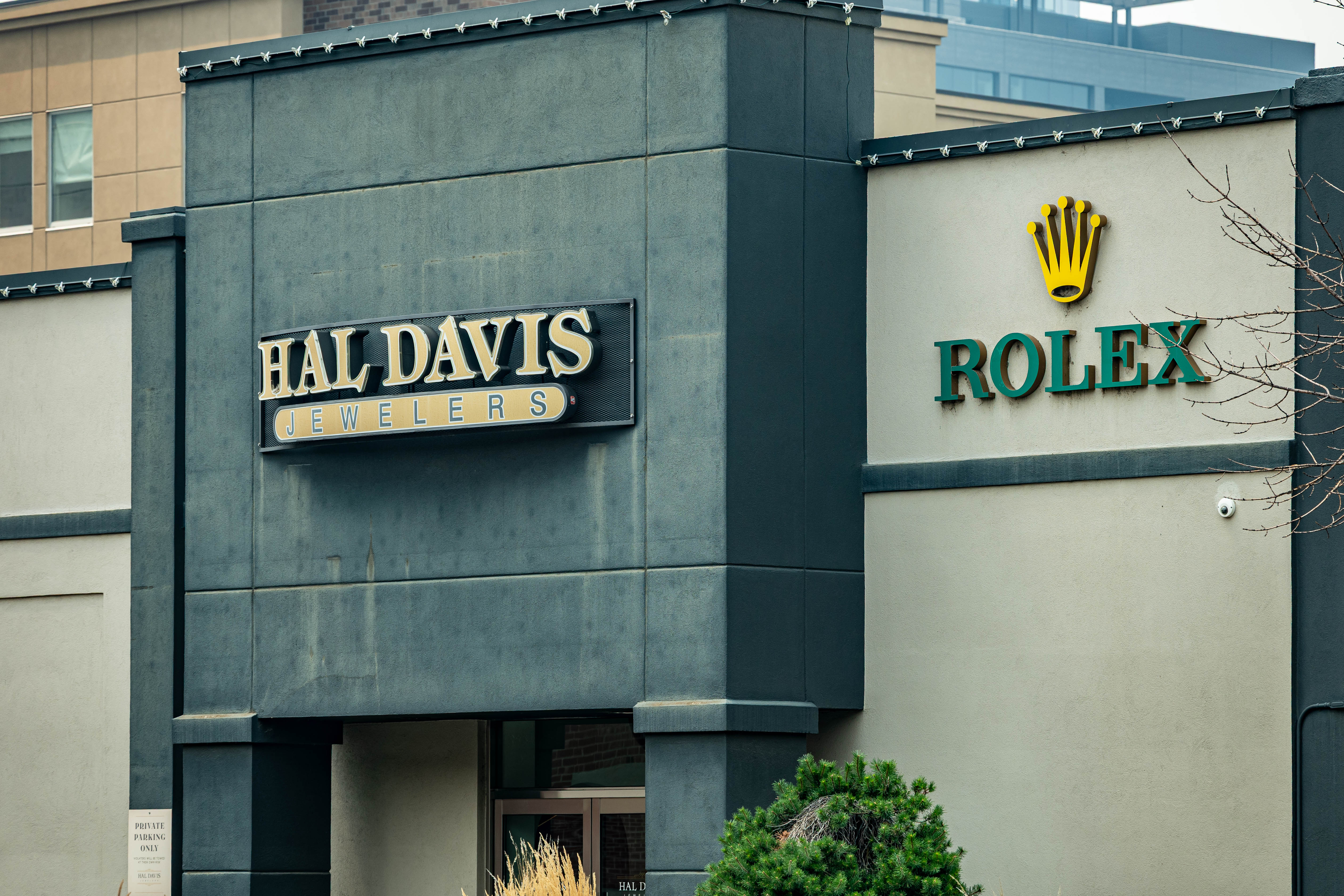
150mm, ISO 280.
Click the image for a larger version.
Check the detail rendering of the mesh behind the Hal Davis signage.
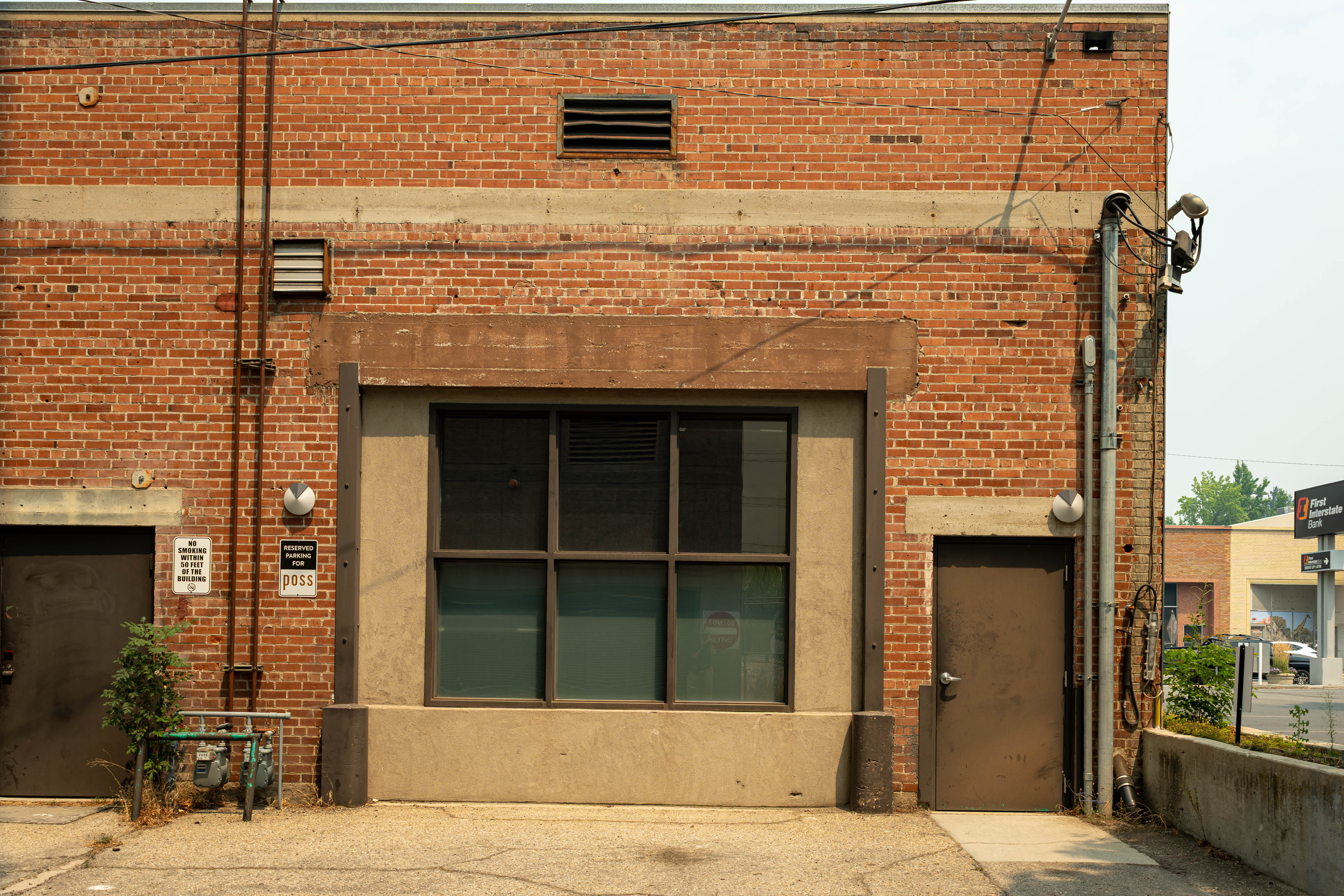
33mm, ISO 100.
Click the image for a larger version.
Obligatory brick wall. Again, the correction of distortion and vignetting is remarkable. Corner definition is all you could ask for.
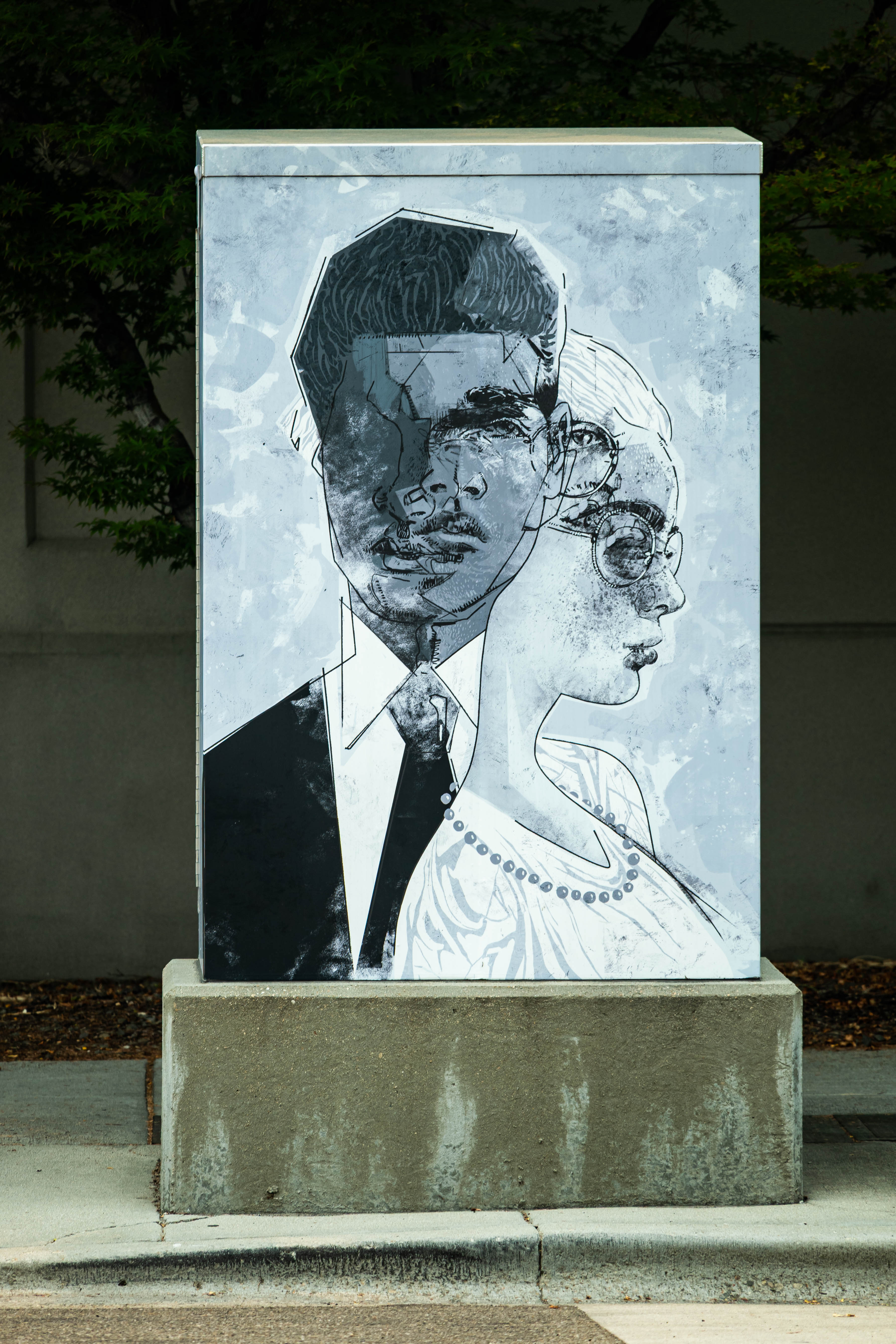
200mm, ISO 200.
Click the image for a larger version.
There’s no need to stop down for best resolution at 200mm, as the above proves.
A few more snaps to round out this piece. The outdoors were very smoky from forest fires and an occasional touch on LRc’s Contrast slider was called for, though the lens delivers good contrast otherwise.
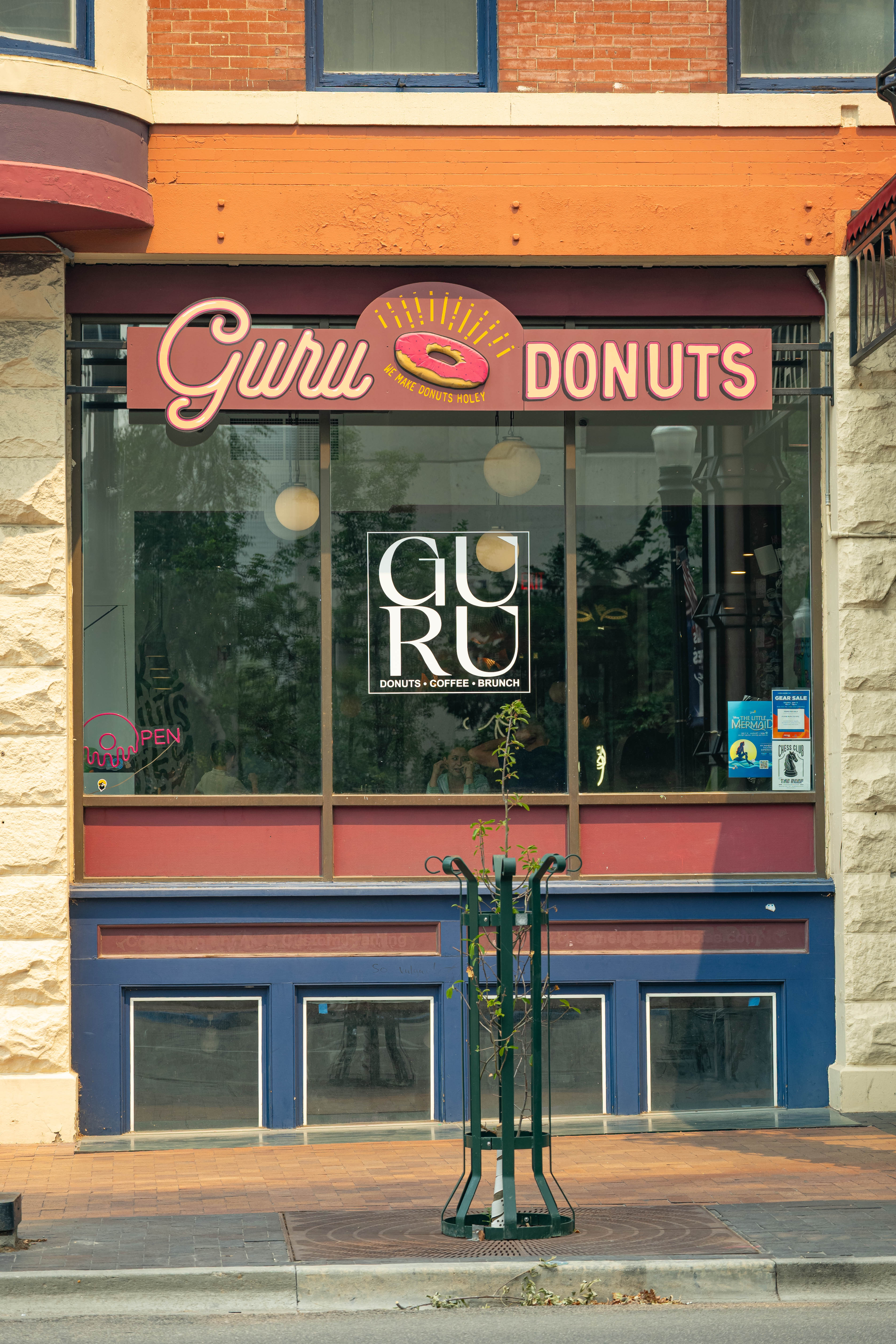
95mm, ISO 560.
Click the image for a larger version.
Check the definition of the lettering at the lower right in the large version.
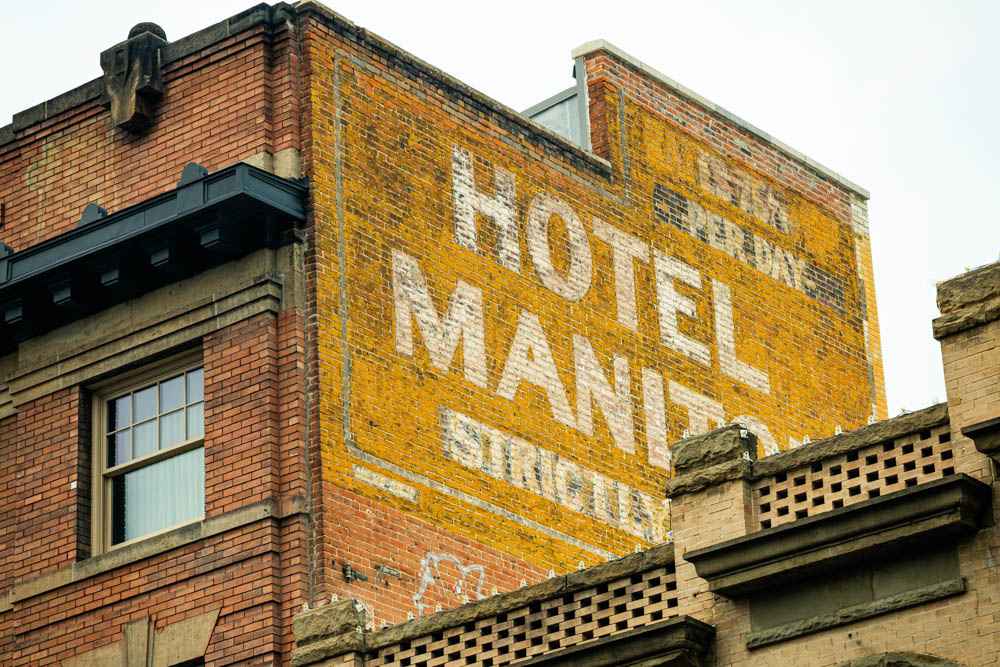
123mm, ISO 140.
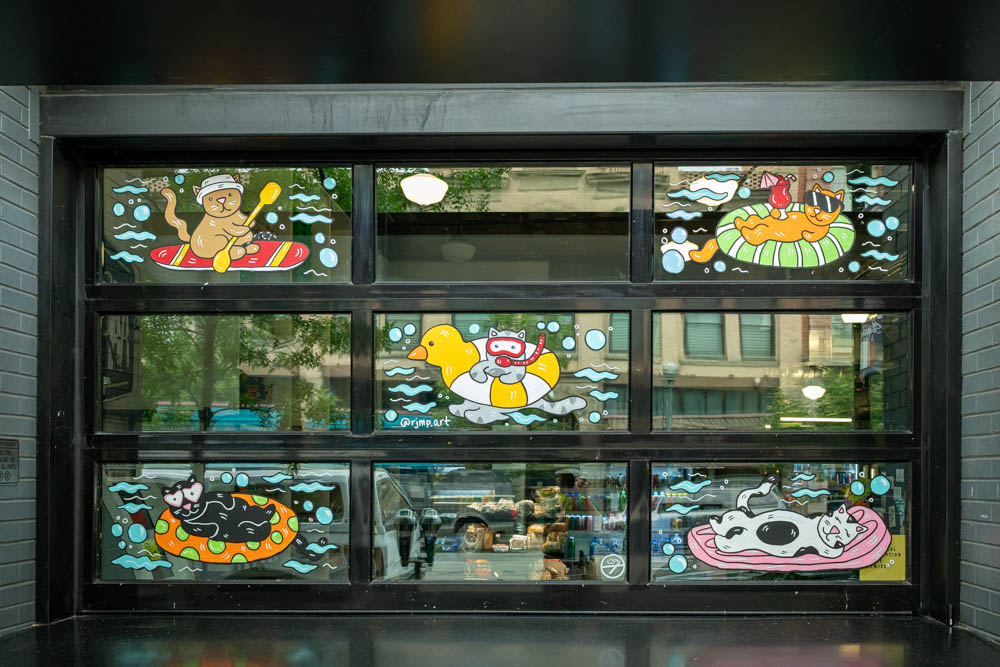
31mm, ISO 1,600.

71mm, ISO 1,600.
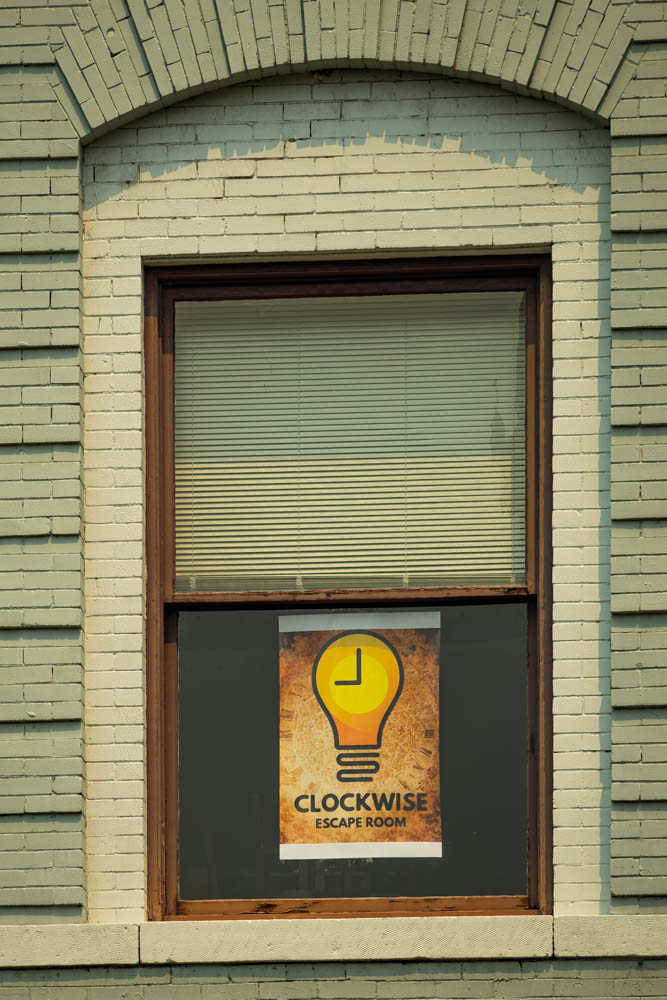
191mm, ISO 100.
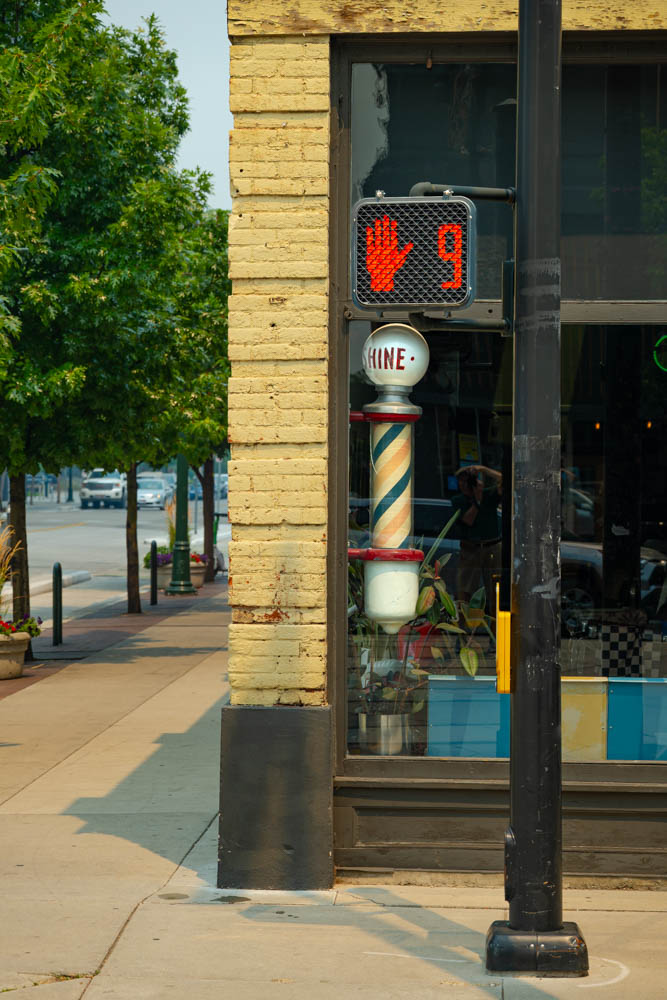
A touch of Saul Leiter. 91mm, ISO 200.
Conclusion: A fine ‘walk about’ lens, small, light with no excuses needed for performance at any aperture. This one optic easily replaces two zooms or half a dozen primes in your kit bag. As the last image in Part I discloses the 20-200mm Sigma is also a capable macro lens. A fine optical accomplishment by the designers in Aizu, Japan. Sharing the tasks of aberration correction between the hardware team (coma, spherical and chromatic aberrations) and the software team (distortion and vignetting) is surely the wave of the future. Kudos, also, to Leica for updating the firmware for the SL2-S to accommodate the Sigma zoom. The lens was introduced in mid-2025, after the SL2-S was discontinued (January 2025).