David Hockney passes

The greatest living artist.

David Hockney, Yorkshire born artist and some time Angeleno, has died aged 88. A two pack a day man he chose to disregard his doctors’ advice and outlived the lot. Clearly he had what I think of as the ‘Keith Richard gene’.

Acrylics, giant murals, iPad and iPhone paintings, Polaroids – Hockney did it all. And his sense of fun, his sheer joy of seeing, pervades all. After graduation from the Royal College of Art Hockney was soon selling his prodigious output, having always been a workaholic, and moved to Los Angeles the first chance he got. Heck, if you were from Yorkshire – what Monty Python once called ‘The Third World’ – you would have moved, too.

While Hockney denigrated photography as ‘not really seeing’ he was an adept user of the medium, never less than with this cover for a newly revitalized Vanity Fair:
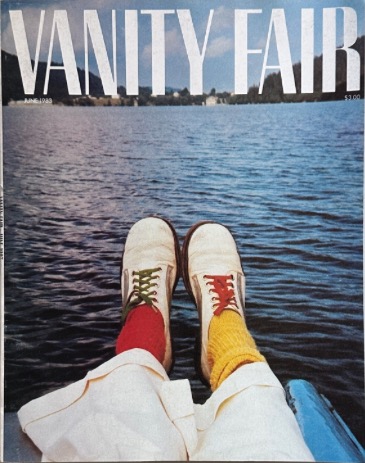


Hockney’s shoelaces.

Then there’s this exceptional Polaroid collage of an intersection in the California desert:
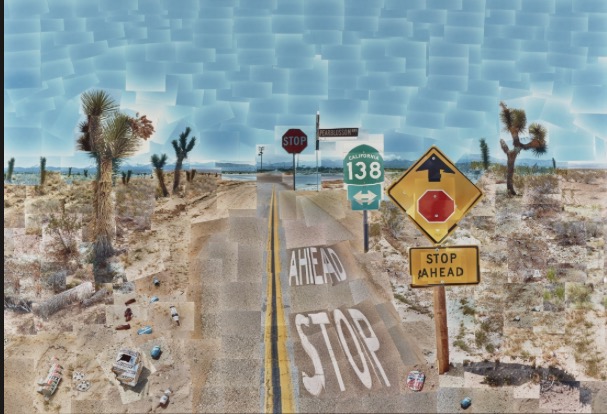


Highway 138.

The book of that deYoung exhibition linked in the opening of this piece remains available and is a great introduction to (later) Hockney art.


Alfalfa

Picked on my morning walk.

For an index of all Leica-related articles click here.

Gorgeous colors in a very small bloom.


Click the image for a larger version.

With the bloom just 3/4″ across I used the 80mm El Nikkor reversed on the Nikon BR2A ring for best resolution, all on the Nikon PB-4 bellows, making for a twice life-sized image on the sensor.

Leica SL2-S, 80mm El Nikkor f/5.6N reversed at f/16, PB-4 bellows, 3 strobes, 10 images focus stacked in Helicon Focus.

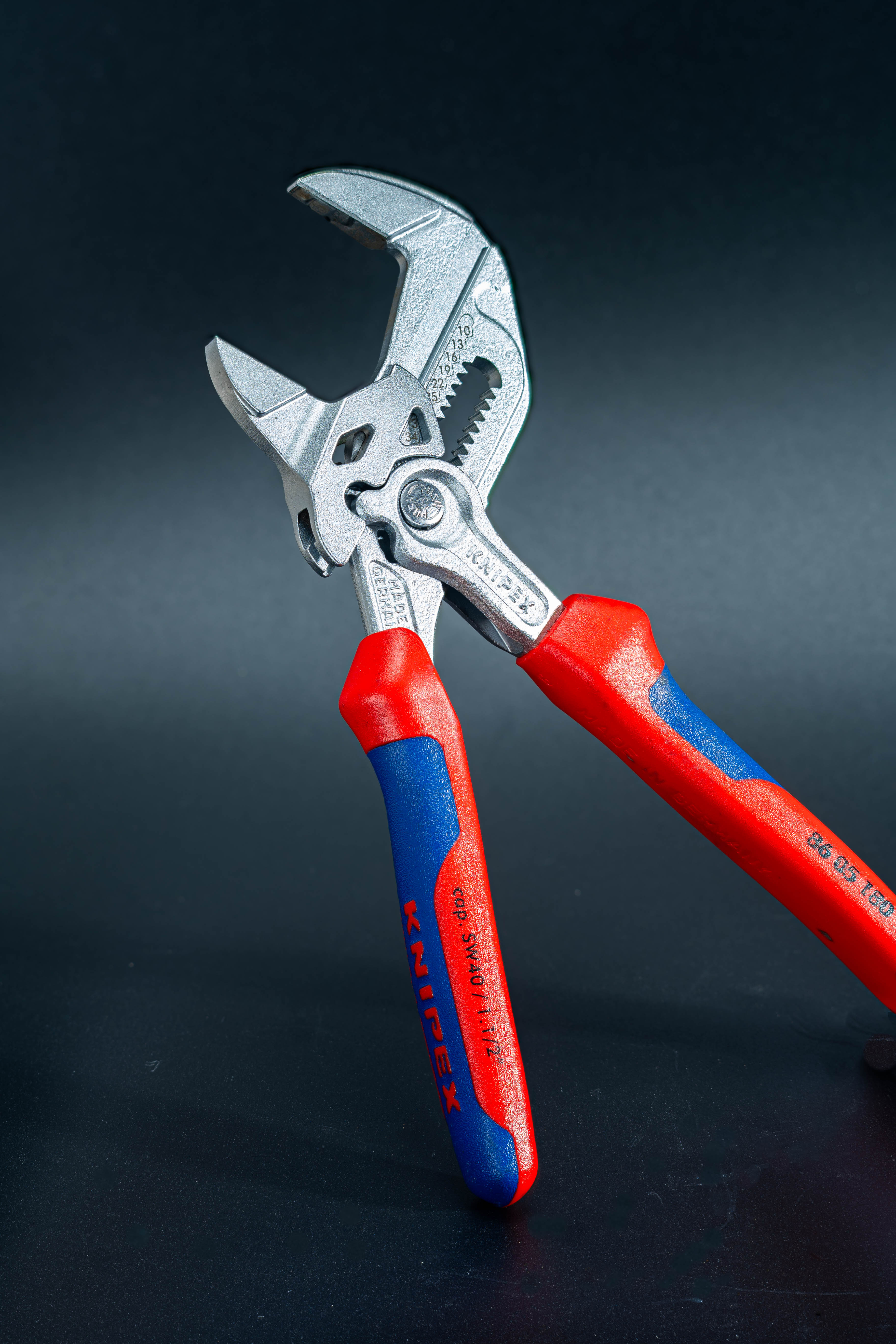
The Knipex SW40 adjustable wrench

Every motorcyclist should have one.


Click the image for a larger version.

Six things make this tool special:

  • The jaws stay parallel at all times – try that with the usual adjustable wrenches which are designed to round nuts and the heads of bolts, AKA The English Bodger Wrench or Crescent wrench.
  • It has a unique ratcheting design which allows the wrench to be used as a ratchet when turning nuts and bolts, torque forcing the jaws to firmly clamp the object. Try that with the EBW. As the ratcheting feature cannot be overridden, flip the wrench over (showing the inch markings) when unscrewing a nut or bolt.
  • The adjustment range is a large 0 to 40mm with 10-40mm clearly marked in the cut-out window. Set to 0mm they behave like pliers. The handle length is 180mm/7”.
  • The push button adjuster sets all the common metric sizes exactly – 6,7,8,10,12,13,16,19,22mm. Inches are marked on the other side.
  • It’s made in Germany, where you want your tools to come from.
  • It is a thing of beauty, an heirloom tool you will be passing down to your offspring.

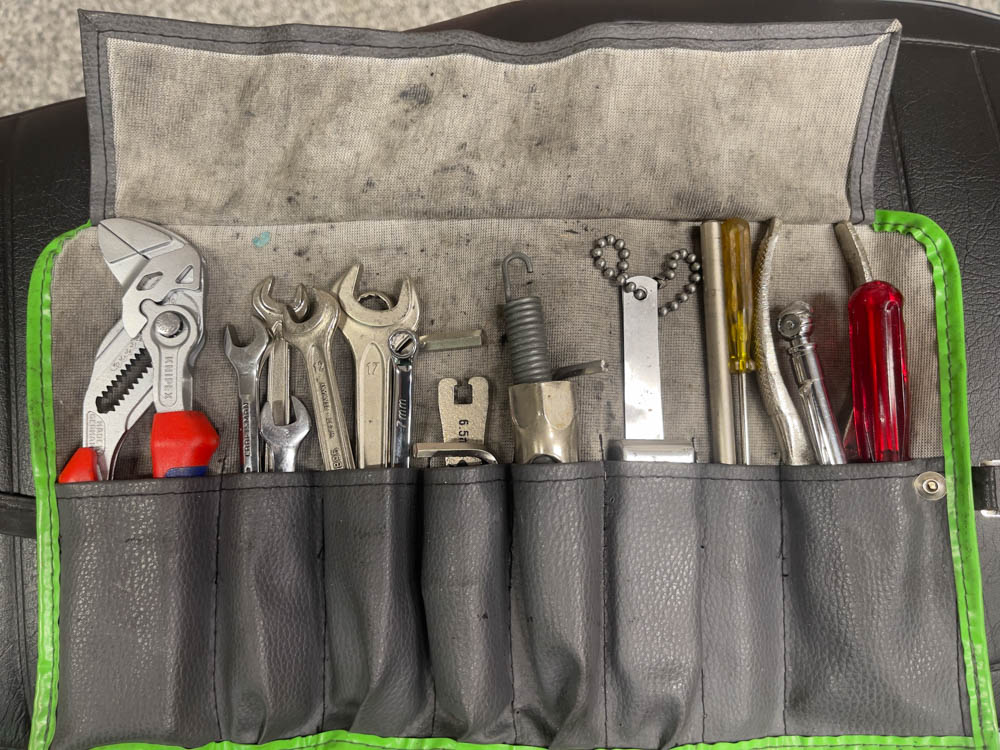
I keep one in my motorcycle’s under-the-seat tool kit. You know, from the days when bikes and cars came with tools:


Everything you need in one kit.

Given my bike is now 51 years old – a 1975 900cc BMW Airhead Boxer Twin – I think you may forgive the stains on the tool pouch. Note the presence of a spoke wrench (real wheels wear spokes), a spare centerstand spring (just in case), feeler gauges for adjusting the valves with a set of carb needle reamers underneath, and a cheap stick-type tire pressure gauge which is dead accurate and requires no batteries … and little space.

You can find the Knipex at Amazon – other sizes are made but this 40mm one covers everything you need on a bicycle, motorcycle or car and fits neatly in the toolkit. (I get no financial gain if you click that link).

Cheap? Nah. You want cheap you get the English Bodger Wrench version. Every motorcyclist should have one of these in his toolkit, and if he rides an old British machine two would be in order ….

Linhof

Large format, Leica quality.

Mention of my recently acquired Linhof Twin Shank Pro tripod prompts a further piece on the Linhof company.

The Linhof Company of Munich started business in 1887, which makes it the longest surviving camera producing business. They make medium and large format cameras to this day, and their web site is here. I’m not too sure who uses these large format film cameras any more as medium format digital easily manages to compete on output quality with far lower production costs and faster turnaround, at a comparable price. But they remain things of beauty.


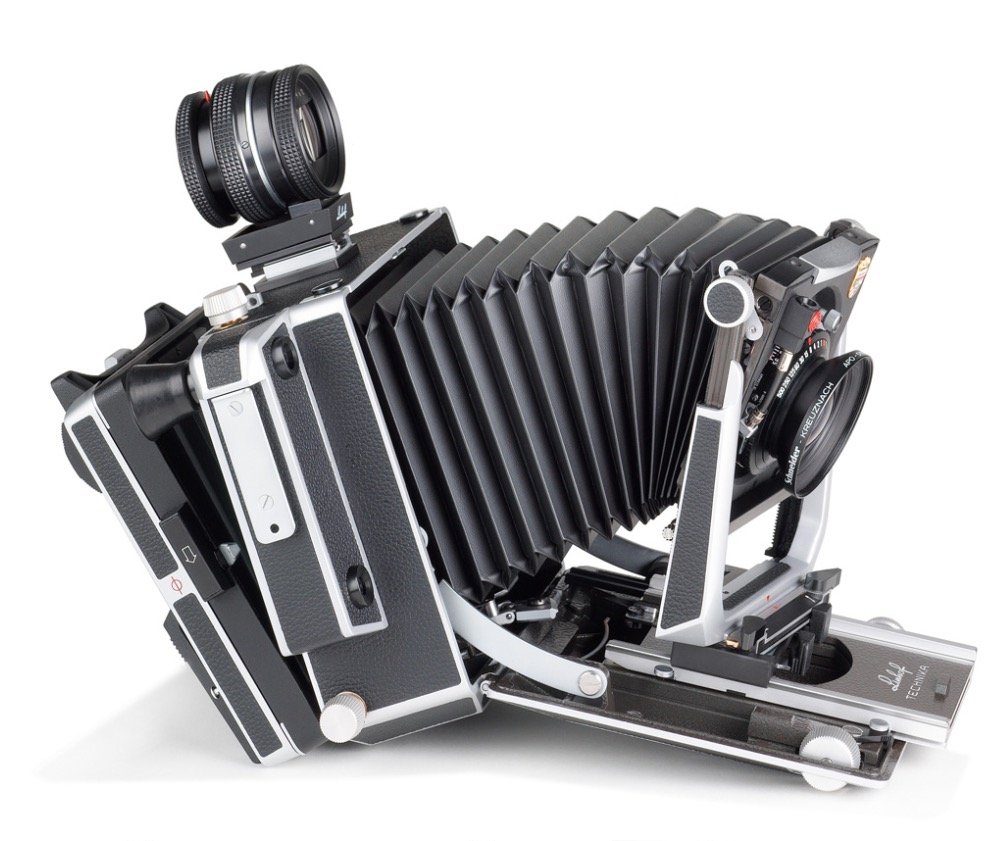
The Master Technika Classic still made today.
$9,400, lens extra.

Back in the 1940-1970 time frame Leica made a bewildering range of accessories for their film cameras but they were mere pikers compared to the prodigious output of Linhof.

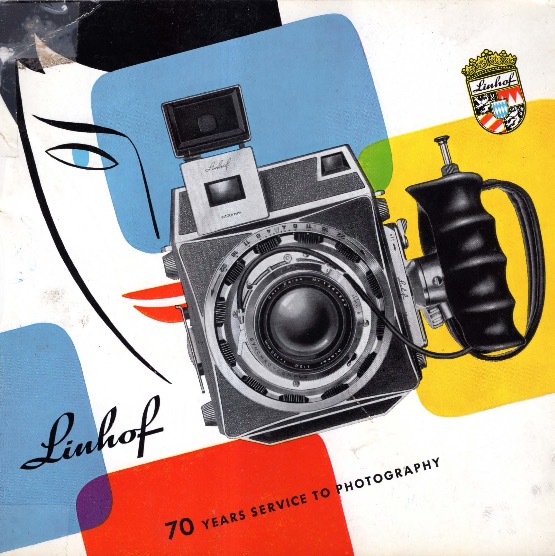
Click on this image to download their 1957 70th anniversary product catalog which is no less than 119 pages long:


The 1957 catalog. Click to download. 62mb so it may take a while.

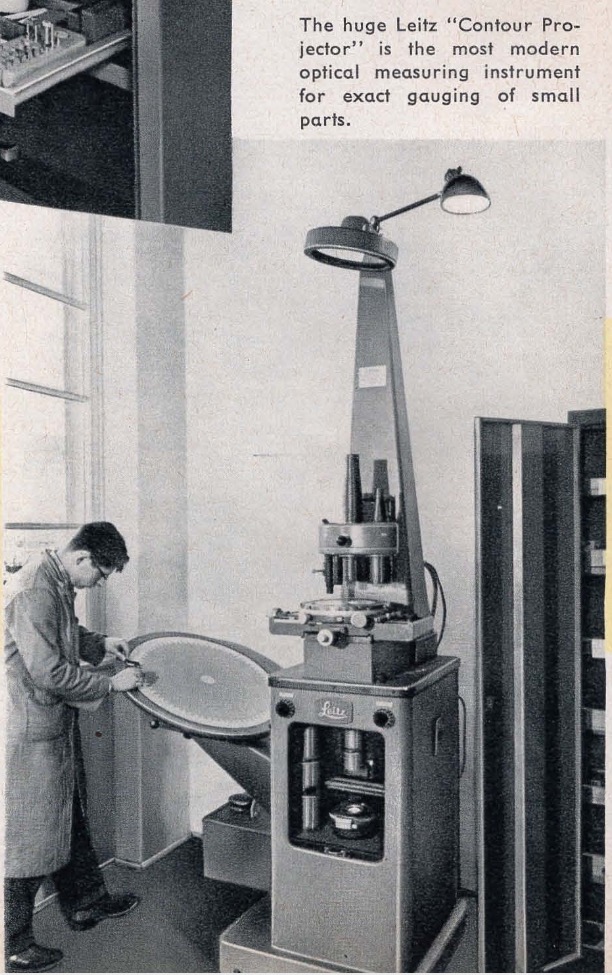
In addition to a long section on the care and training of employees – right down to a picture of the resident nurse standing by to deal with machine shop injuries – there’s this wonderful image of a Leitz optical measuring machine:


The Leitz Contour Projector in the Linhof works.

Have fun perusing this wonderful journey into a past of exceptional mechanical engineering.

If 4×5 is something you want to experiment with be warned that used Linhof prices are high. A lower cost of entry – with similar functionality if lower engineering quality – can be found in the affordable Graflex range of US made cameras. I had a lot of fun with my Crown Graphic.