Category Archives: Hardware

Stuff

Camera of the Year

Still waiting.

Modern DSLRs are superbly competent, have great lens choices, come in a variety of sensor formats and enjoy minimal shutter and focus lag. They come from any number of manufacturers and share two bad features – they are bulky and noisy. The Mark II and Mark III variants do nothing to fix this and are very much in the land of diminishing returns, but it’s nice to see that Canon now has two full frame manufacturers to compete with – Nikon and Sony/Minolta. Best of all, by introducing the 5D Mark II, Canon has done a real number on the resale value of the Mark I and I expect you will be able to find lightly used Mark I bodies in 2009 for under $1,000.

Street and advanced casual snappers want something small, fast and quiet in their pocket when not hauling around the DSLR and they want a decent sized sensor, not one of those ridiculous fingernail sized things found in nearly every compact digital. They want instant on, couldn’t care less about the LCD screen, want an optical viewfinder and auto focus. They want a proper buffer so that snap-to-snap times are very short and they want a semi-wide angle non-zoom lens which suffices for most of the work the camera will be expected to do.

In other words, they want a digital Leica without the antiquated feature set, bulk, dated manual focusing and overpriced lenses of the Leica M8.

Well, we are not much closer to getting that in 2008 than we were in 2007.

Sure, the Sigma DP-1 is a compact with a large APS-C sensor capable of big, noise free enlargements. But everything else about it is wrong. The fixed focus length lens extends and retracts (why, for goodness sake?) making start-up times ridiculous and the whole thing sports what must be one of the worst user interfaces ever. The lens is also ridiculously slow for what you get.

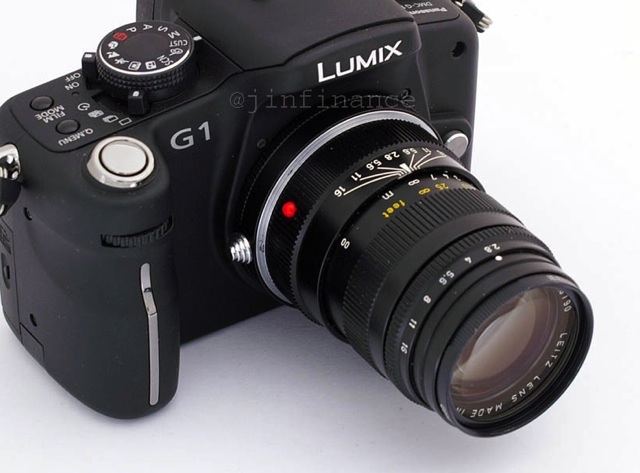
The Panasonic G1 has some promise, dropping the SLR mirror, adding a competent electronic viewfinder for through-the-lens viewing, but pointlessly retaining the SLR form.

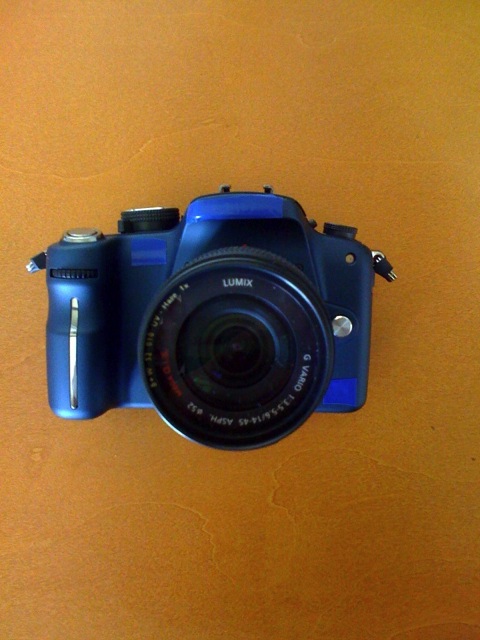
And that’s about it. The Panasonic LX-1, now in its third iteration, does some things right (so-so shutter lag, quiet, small, Leica optics) but has a lousy, small sensor and the lens extends and retracts. At least they now include an accessory shoe in the LX-3, meaning you no longer have to glue on your viewfinder the way I did.

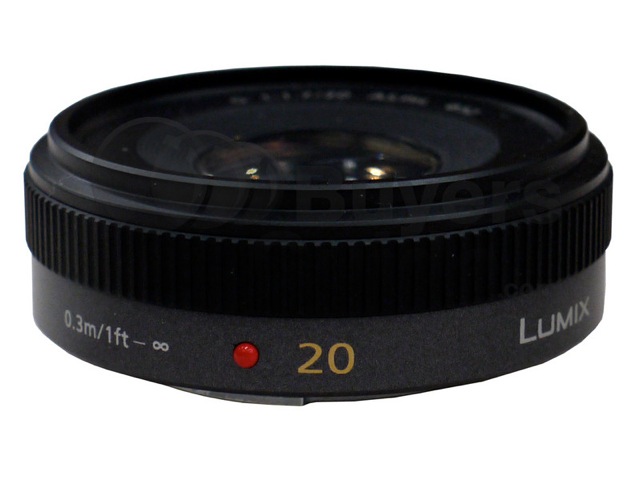
Here’s what mystifies me. Given the sheer number of DSLR users, each wanting something small, simple and fast for fun use, why can none of the world’s camera makers get it right and put out a minimally featured digital point-and-shot with a fast 35mm f/2 non-retractable fixed focus lens, a big sensor and no shutter lag. How hard is that? They could sell these for $500 all day long.

So the Camera of the Year award goes to …. no one. The big manufacturers continue to refine their DSLRs to ridiculous extremes and continue to miss a vast, unserved sector – the very users of those DSLRs who no longer need to upgrade to 10 frames per second or 600mm f/2.8 lenses with IS.


The ideal digital snapper has to borrow the best features of these.

Take the lens and lack of shutter lag from the Leica, the electronic viewfinder and mirrorless/prismless design of the G1 and add the Sigma’s big sensor and you have a winner. Come to think of it, make two versions – one with a 35mm f/2 and the other with a 75mm f/2 lens. The size should be somewhere between the Leica M (too bulky) and the LX-1 (too small). Forget about Live View, face detection, wifi, interchangeable lenses, IS and all that other nonsense, sell them stripped and bare and photographers will make a line at your door.

Micro Four Thirds

Yet another format and lens mount?

When Olympus and Panasonic announced their Micro Four Thirds (what?) camera system a few months back, I confess to stifling a yawn. Yet another cropped sensor format with claims to compactness and ‘newness’. Please.

Further, reading preliminary reviews of the first camera to use this format, the Panasonic G1, left me underwhelmed. Sure, the camera was a DSLR and it was small, albeit not much smaller than the smallest DSLRs from Olympus and Pentax, and yes, the camera offered the opportunity of using rationally priced lenses from Leica not otherwise available, but as I am no lover of cropped, small sensors I gave the new products little thought.

However, I chanced on a review of the Panasonic G1 DSLR the other day and noticed something to like amongst the otherwise unexciting product features. The camera, although a DSLR, dispenses with the noisy flapping mirror and bulky pentaprism and condenser lens, replacing both with an electronic viewfinder. Heretofore, every consumer grade camera I have tried with an electronic viewfinder has been simply awful. A small, unsharp image with enormous latency (you move the camera and the image smears and follows along later) made this gimmick of no practical use for photographers. Now, maybe, things are changing, as most reviewers state that the EVF in the G1 is close to optical quality and latency is a thing of the past.

The micro four thirds system uses the same sensor size as the four-thirds one, meaning a 17mm x 13mm useable area, compared to 36mm x 24mm for full frame 35mm DSLRs. However, the cameras use a smaller lens mount for lenses, as these no longer have to be designed to clear a flapping mirror, as no mirror is used.

Why is this interesting? Well, it’s no secret that while I find the Panasonic LX-1 point-and-shoot a usable proposition – click in the left column to learn more – no one could accuse the microscopic sensor in this camera of boasting great image quality or low noise. Nor is the poor shutter lag anything to get excited about. And I continue to long for a truly pocketable camera with a proper viewfinder (no, not an LCD screen) to emulate the film Leica of yore with the addition of a half decent digital sensor. The one used in the micro four thirds cameras is many times the surface area of that in the LX1 so there is hope. As for the Leica M8, I consider its price and feature set to be nothing more than a joke. Limited automation, ridiculous and bulky variable focus length lenses (not true zooms) and a viewfinder last perfected in 1954 on the Leica M3 by a factory with little capital which checked its design originality at the door in 1938 or so.

However, the Panasonic G1 is of no interest to me, as for some reason Panasonic has seen fit to emulate the traditional SLR-looking design of the body, rather than doing something really revolutionary. Maybe they felt that buyers would turn away from something with true minituarisation and new looks, which only prompts me to ask why bother when like size can be had in the smallest Olympus DSLR for a fraction of the G1’s $800 price tag?


The Panasonic G1. Yet another DSLR-shaped waste of capital investment

But there is hope. If the EVF really is as good as the reviewers say (I have yet to try it) then there is no reason why the manufacturers shouldn’t get rid of the faux prism hump, making the whole thing yet smaller, and still permit the use of those great Leica lenses, the latter being easily the best feature of my Panasonic LX1. And, hey presto!, before you know it you have a camera as small as the Leica CL, that little jewel made by Minolta all those years ago, with all the advantages of automatic-everything and image stabilization to boot. And no noise or vibration from that wretched flapping mirror.


The (Minolta) Leica CL, first sold in 1973. A sweet full frame film camera with Leica interchangeable lenses.

So, Olympus and Panasonic, given that you have some of the best designers on this earth and have made the rational and praiseworthy decision to delegate the optical part to the best there is – Leica – why not a truly innovative update of the classic rangefinder camera body for those of us praying for something like this for over a decade? I will be the first in line to buy one if noise is low and shutterlag minimal. And while I’m at it, why is shutter lag hardly ever mentioned by reviewers? I can only think they are conflicted by commercial consderations or, more likely, judging by the quality of the test snaps included with many reviews, these people have yet to learn the difference between a good photograph and a hole in the gound.

Exciting times for medium format digital

Bigger sensors and cheaper cameras coming.

Right now if you want a step up in sensor size (and dynamic range, resolution, color fidelity, etc.) your choices have been limited to the established Hasselblad (made by Fuji) H3D range which tops out at 50 megapixels from a 48mm x 36mm Kodak sensor and costs more than most new cars. There’s a coming offering from Mamiya, the DL28 at $15,000 and Pentax is rumored to have filed patent papers for a medium format DSLR. The latter makes especial sense given that Pentax already has fine medium format lenses available for both 6x7cm and 6×4.5cm film formats.

Now rumors abound of a medium format offering from Nikon which may be 48x48mm or 48x36mm (like the Leica S2 at $40,000 and counting) and may be a DSLR or a rangefinder along the lines of the great Mamiya 6 and 7. I used a 6 for many years and just loved the compromise of negative size and reasonable bulk in a near-silent rangefinder body.

The significance of these rumors is that Nikon is more than likely to make a working proposition of a medium format digital than most. The Hasselblad relies on the traditional waist level format at a ridiculous price. I haven’t used one but reviews suggest the camera is clunky in the extreme with slow operating controls, a lousy LCD display and limited in-camera adjustments, not to mention seriously compromised metering. So the rumors about Nikon are especially appealing. If Nikon can confer its trade mark ease of use on a medium format body with a 50 megapixel low noise sensor at a price of, say, $10,000, I do believe the floodgates will open. Any number of pros and advanced amateurs will hold their breath at the price, much as they did when Canon started asking $7,000 for its pro full frame 1Ds bodies, but will nevertheless bite the bullet. With so relatively few pixels on such a large sensor the image quality should easily match 4 x 5 film cameras at a fraction of the weight and inconvenience, not to mention an increase of an order of magnitude in productivity. Have you ever tried scanning 4×5 film? I have. Not fun and not fast.

Whatever the rumors, this all spells good news for image quality mavens. More sensors by more manufacturers will mean lower prices and we can expect to see better ergonomics as manufacturers learn from smaller format DSLRs which have largely got the user interface right.

Finally, there’s the Phase One 645 body (looking for all the world like the Mamiya DL28 but with a Phase One back rather than a Leaf), rumored to take all sorts of different lenses from Hasselblad and Pentax. These are exciting times.

Probably costly, but this is all pointing in the right direction.

20 snaps = 1 gigabyte

This is getting ridiculous.

The soon-to-be-available Canon 5D/II consumes some 22 megabytes per image. Child’s play. How about 50 mb a pop?


The Hasselblad H3D50 medium format digital camera

So twenty snaps on this baby (made by Fuji, by the way, not by flaxen haired Swedish maidens) dictate one gigabyte of storage. Or, stated differently, your one terabyte hard drive where you store these will hold a mere 20,000 pictures.

And before you stock up on hard drives, what sort of processing power are you going to need to manipulate those huge images? Presumably a top-of-the-line MacPro with multiple CPUs. And, of course, a couple of 30″ Cinema Displays to do justice to the $30k you just blew on the camera. Add another $10k for computer hardware.

My, digital is expensive. Guess I’ll be sticking with the 12 mb images from my 5D/I a while longer. The body and seven lenses ran me under $9k, but really cost nothing in cash outlay as I sold all my Leica and Rollei gear to finance the Canon. Chump change, eh? I suppose I should add another $900 for the MacBook and $300 for more memory and disk storage, but I use that for lots of other things, too. At least my HP DJ90 wide carriage printer should work with the Hassy, no?

Sensor cleaning on the cheap

Don’t be ripped off.

It’s no great secret that the sensors in earlier DSLRs can get awfully dirty, the resulting blobs of black on your image testifying to the need for lots of retouching. Just like in the film days when you received your precious emulsion back from the processing place only to find that they had a party during which they stomped on your images with hobnailed boots.

So those of us not blessed with the latest in sensor dust removal technologies (meaning 5D Mark I and like vintage camera users) have to subject their camera to a nervy-dervy sensor cleaning to get the muck off and obviate the retouching. In the Canon 5D the sensior is protected by a sheet of quartz crystal – both hard and dust attracting. Now you can play into the hands of those marketers selling you Genuine Sensor Cleaning Kits for hundreds of dollars and what do you get?


A fool and his money are easily parted.

Why, a brush with some mumbo jumbo about how it’s grease free and assembled by Chinese virgins, and a bottle of isopropyl alcohol. Enough for ten cleanings.

Well, let me introduce you to Dr.Pindelski’s $15 DIY Economy Sensor Cleaning Kit. Enough for 10,000 cleanings.


The Dr. Pindelski $15 Sensor Cleaning Kit. The moiré pattern on the sensor is caused by the point-and-shoot used to take this.

Start with a Pearstone brush for $10, add a bottle of 91% Isopropyl Alcohol (you want the most concentrated, to avoid water deposits) and some Q tips from the bathroom – the genuine soft ones, not the hard generics. Do not use Kodak Lens Cleaner – this is a very poorly thought out product and is guaranteed to leave water stains on your sensor and those will be clearly visible, and near impossible to retouch, in your images.

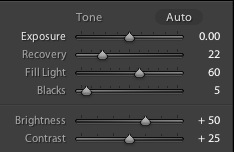
Go outside, take a snap of the sky at a small aperture (set the camera to manual focus if the shutter refuses to fire) and load your CF or SD card into Lightroom. Increase contrast to the maximum and all the dirt blobs and deposits will show up clearly. Remember that what you see at the top right of the picture indicates dust at the lower left of the sensor and so on, as the image on the sensor is flipped and reversed once it has passed through the lens.

Now moisten a Kleenex (use plain ones, not those infused with lotions) with the Isopropyl and dab a Q tip in the moist area of the tissue, so that the Q tip is just moist. Do not touch the cotton on the Q tip with your dirty, greasy fingers. Sensors don’t like grease – or maybe they love it too much. Set the camera to Sensor Cleaning, remove the lens and dab the area concerned based on the sky picture you just snapped.. Then, holding the camera upside down, sensor pointing to the floor, brush the sensor with a flicking action using the brush. Reinsert the card and lens and take another picture. Repeat until clean.

My last cleaning dictated no fewer than four passes, the sensor cover glass being simply filthy after a couple of days snapping at the beach.

How hard to press on that Q tip? Well, the cover glass on the sensor is very tough and it would take a Mack truck driver to damage it, but pressure is not the answer. Gentle application in the right area is the secret. You want to dab and flick, not scrub. What I studiously avoid is using a blower brush on the sensor. All that does is stir up any existing dust in the body cavity only to propel it at 100mph+ into your sensor. You don’t really want to do that, do you?

Now you can apply that $245 saved to that new lens you were dreaming about.

If all you do with your images from that wonderful DSLR is to place them on the web at some 640×480 pixels, well, you can dispense with sensor cleaning as the dust spots will not show. Your DSLR is just like the Ferrari of the guy who runs it to the supermarket to be seen and to get some milk. Feels nice. Waste of money. Probably can’t drive either.

Warning to Leica M8 users: Early versions of this faux pas of a camera came with an unprotected sensor, under the guise of superior image quality or some such rot. If you have one of those, enjoy paying Leica $500 for a sensor cleaning because I doubt I would try that on an unprotected sensor in a $6,000 body. Later M8s come with a protective glass (New! Improved! etc.) once the factory realized its error, so the above technique should be fine. You will have to do something because the chances of Leica coming out with a self-cleaning sensor are about as likely as a black man in the Oval Office. Hey, wait a minute ….