After the clearance.
I made mention, a while back, that my gear cabinet now looks like this:
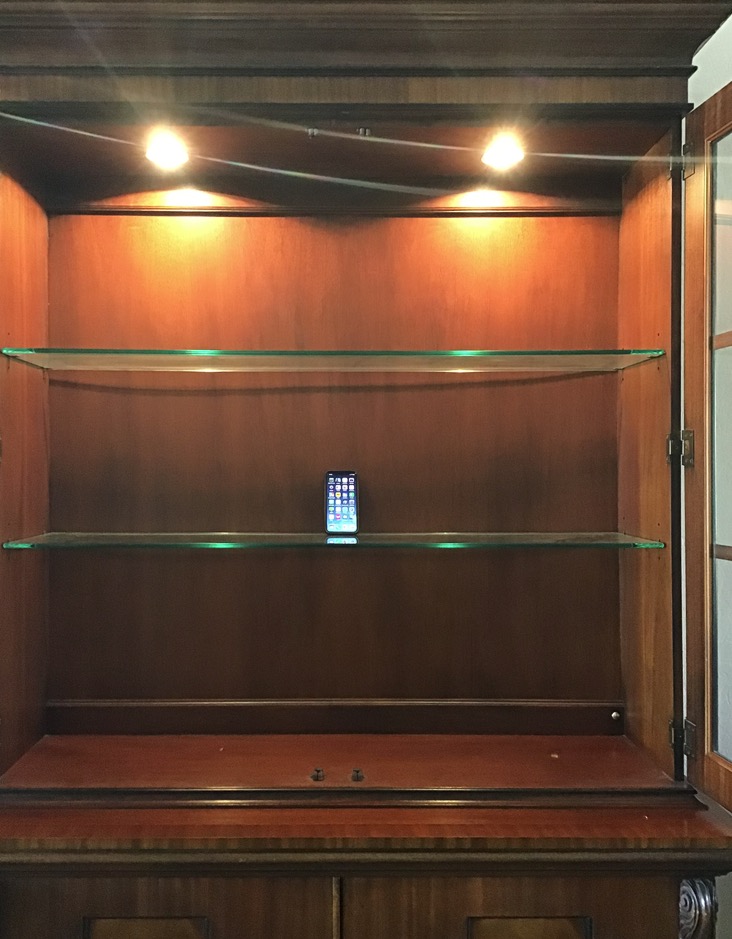
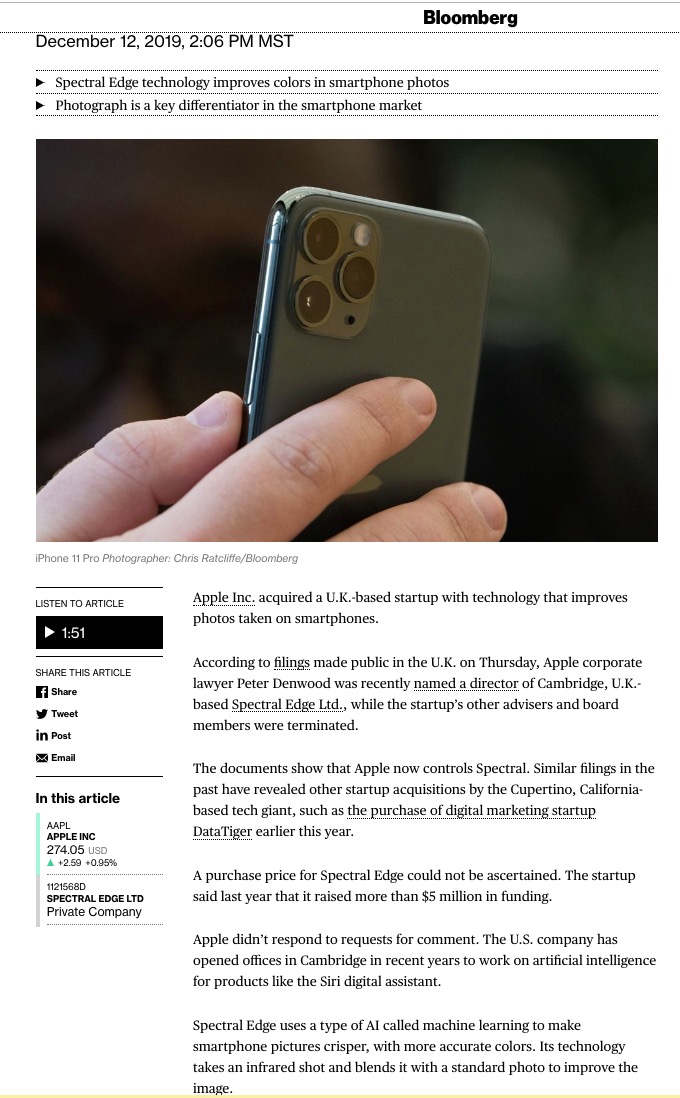
The superb camera(s) in the iPhone 11 Pro had seen all my MFT and FF gear off to eBay before all that hardware became so many worthless door stops. In terms of dynamic range, versatility, image quality, night mode, Deep Fusion, tons of computational magic and compactness, nothing compares to this superb camera …. which also happens to do lots of other things when called for. Your DSLR is as sophisticated as a hammer in comparison.
I have no regrets about that decision as I am not a collector, a species which I have never understood. Why you would want a machine in the home which is never used for its intended purpose beats me, and always has. Further, all those unused shutters and gear trains will die almost as quickly as the electronic components in modern hardware, leaving you with useless junk.
So the other day I found myself thinking what of the hardware on the market holds any interest for this photographer after, that is, upcoming iPhone Pro releases.
Well, one obvious choice is the medium format Hasselblad which weds a decent sized sensor with large pixels (meaning low noise) in a compact package.
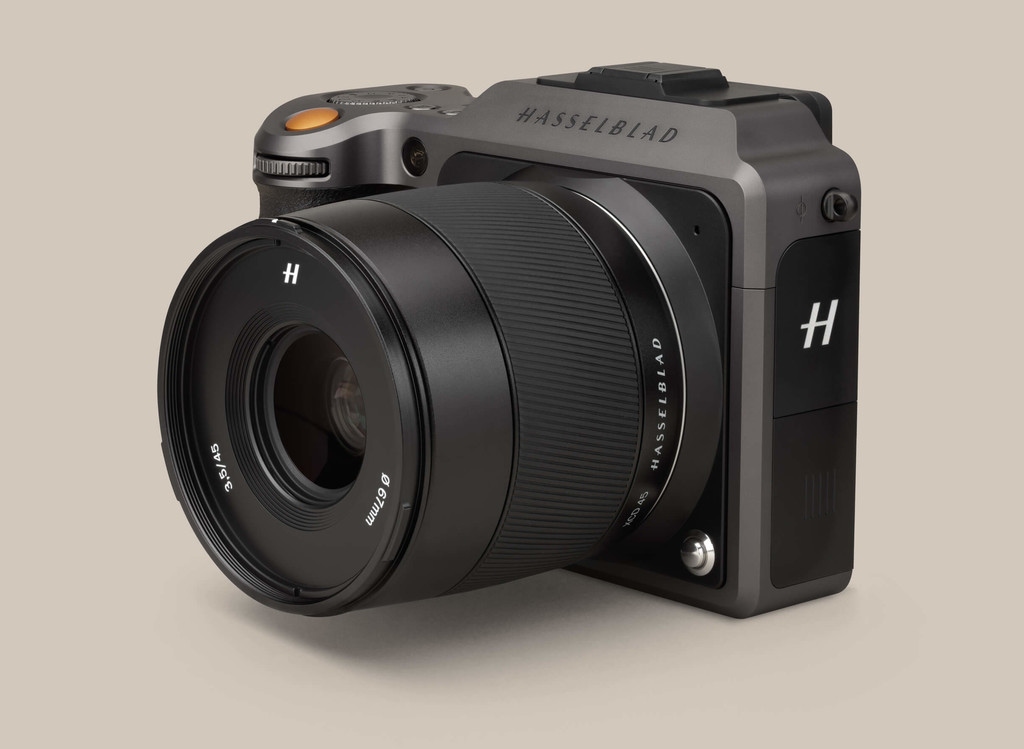
50mp and little change from $9k with the 45mm lens.
The camera is light. Weighing in at 2.6lbs with the 45mm (35mm FFE) lens – it’s a relative featherweight for this sensor format – it has no flapping mirror, a near silent shutter and auto-focus. Reviews suggest it’s not that fast to use so studio and landscape genres suggest themselves as prime subjects.
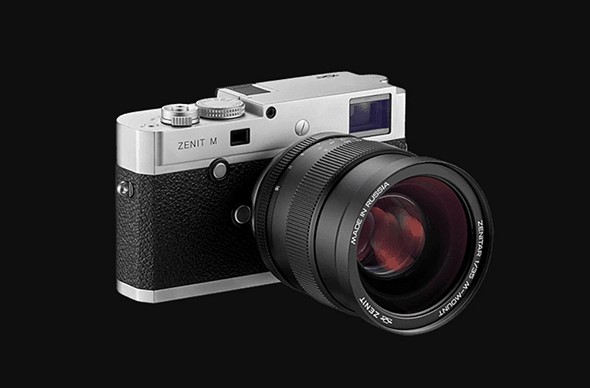
The other camera of interest is the Leica M10-D, a street snapper where Leitz has mercifully deleted the LCD screen every camera seems to come with, allowing the snapper to get on with the job of pressing the button. That’s totally in keeping with the original Leica M aesthetic and design intent back to the M3 in 1954 and earlier.
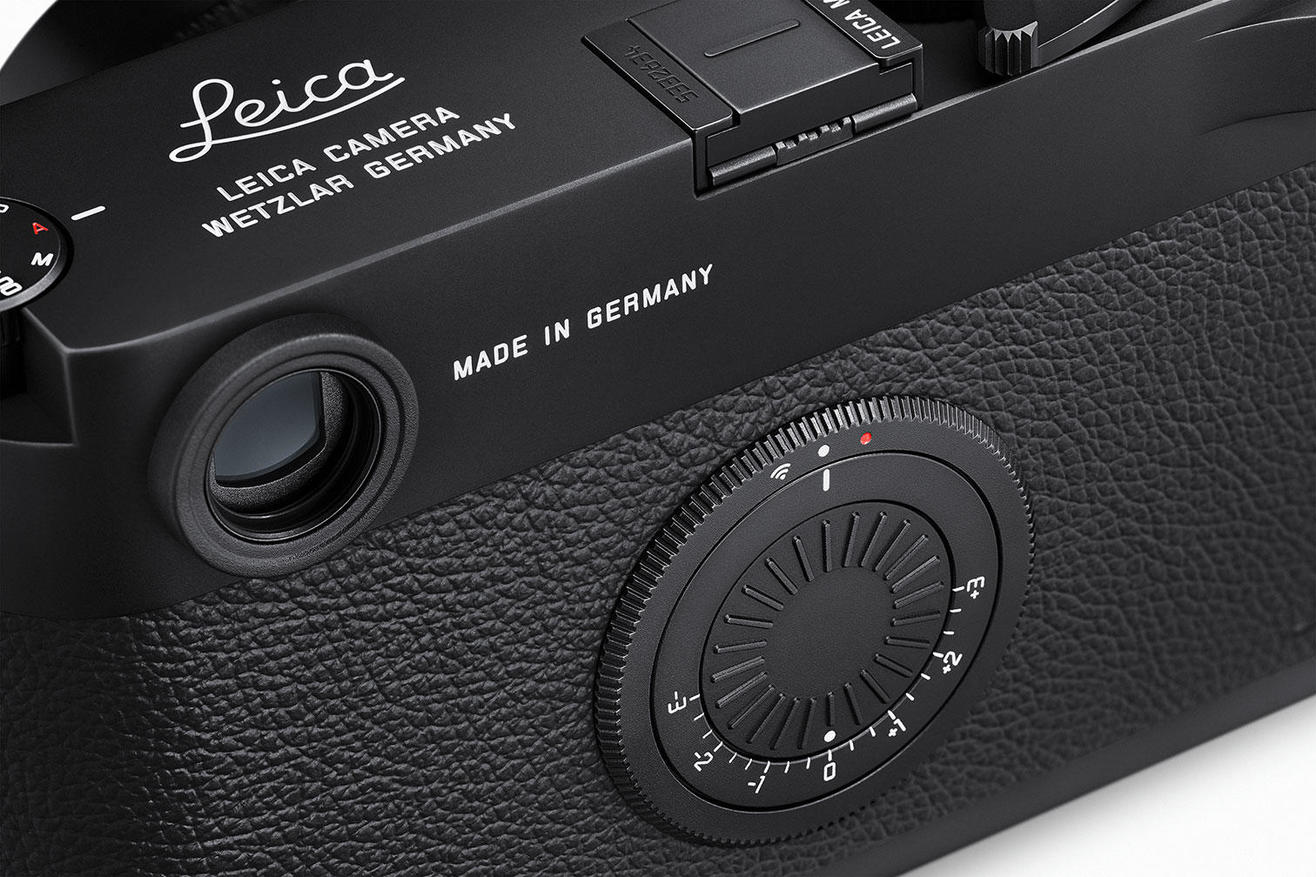
24mp and a whopping $11,290 + tax with the 35mm Summicron.
In all my years of using digital bodies I have never used the LCD screen for anything other than formatting the card. If you cannot visualize what you are photographing until after the event and need instant confirmation, well that’s fine, but not my working method. Viewfinder, focus, compose, click, move on. Check the technical details later. 2.1 lbs for the combination which is almost as much as the Hasselblad.
Think about that.
But the Leica has a disabling feature for these aging eyes. No auto focus. In this day and age paying $3k for an MF lens with a rangefinder of middling accuracy is simply not on.
As for all the rest of them, all those tedious DSLRs and mirrorless bodies with no computational intelligence and nothing to distinguish one from another …. yawn.